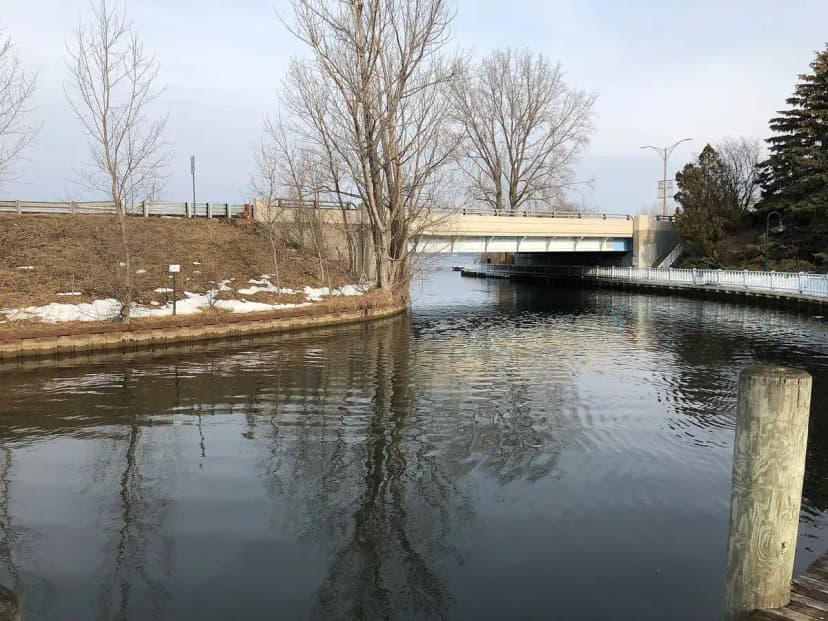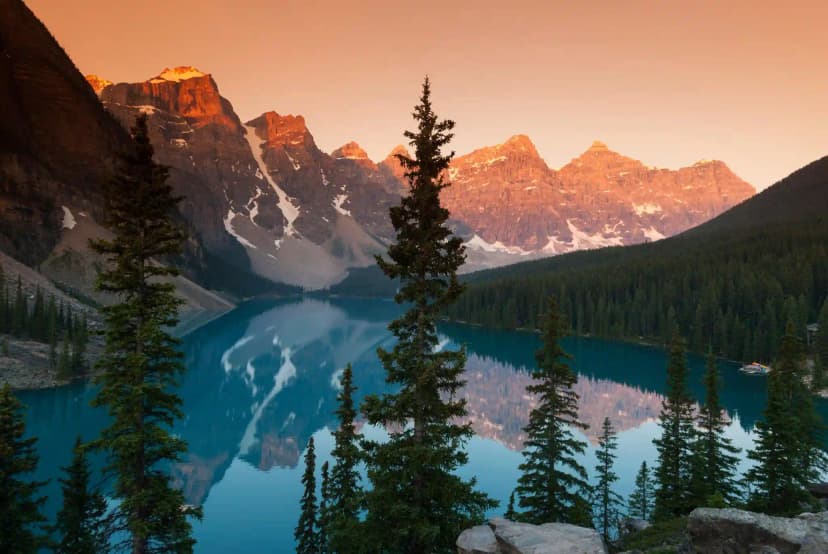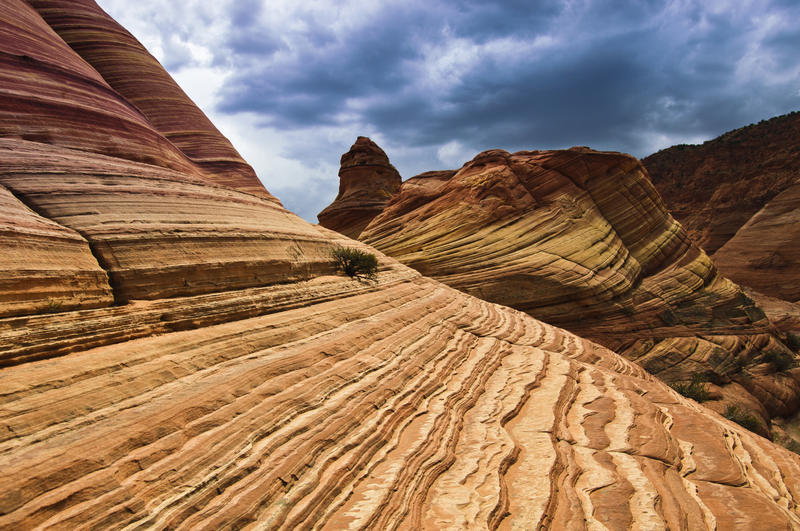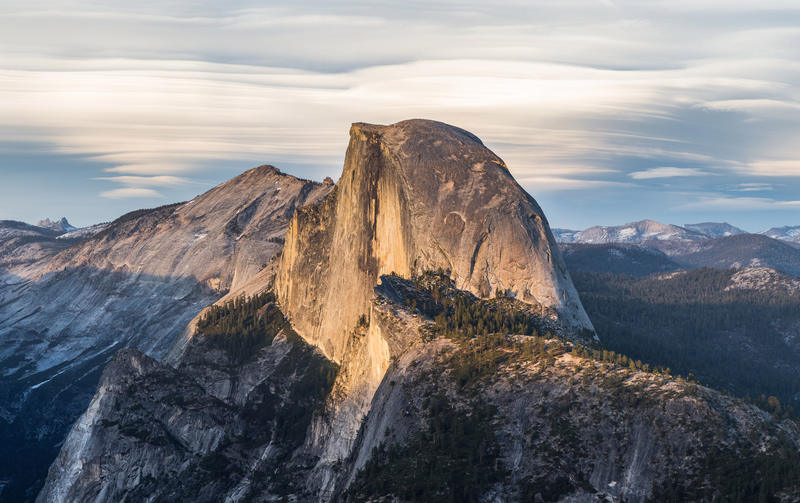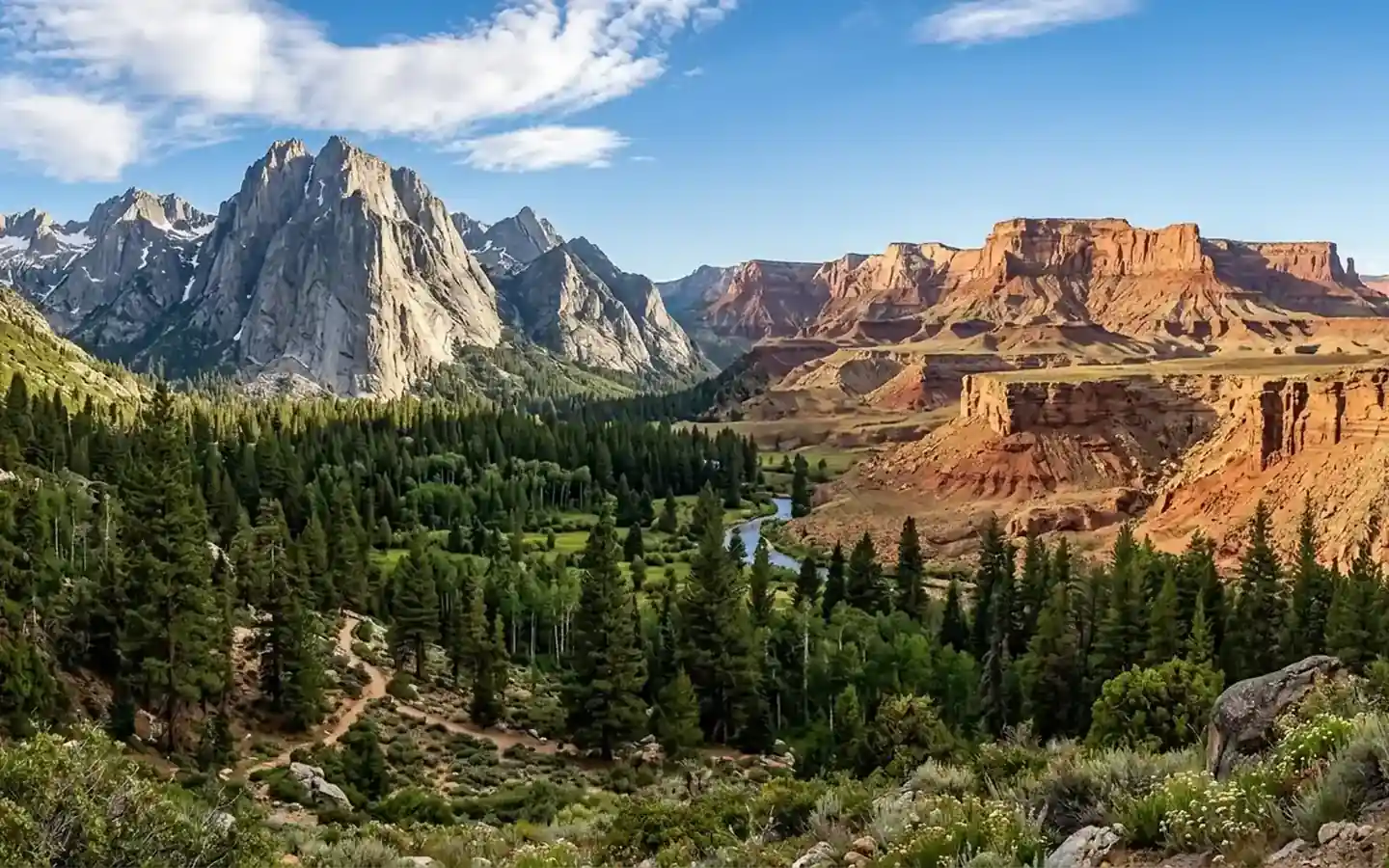
The Midwest gets written off as flat, which is true of the farmland and untrue of almost everywhere people actually hike. The region has 1,700 miles of Great Lakes cliff and dune shoreline, the oldest mountains on the continent, a million acres of roadless canoe country, and glacial terrain that exists nowhere else in America. What it does not have is altitude, and confusing those two things is why people fly over it.
The ten worth planning a trip around
1. Pictured Rocks, Michigan
Forty-two miles of coloured sandstone cliff above Lake Superior. The best lakeshore walking in the country. See our 3-day backpacking route and the wider Upper Peninsula guide.
2. The Superior Hiking Trail, Minnesota
Around 310 miles along the ridgeline above Lake Superior, with free backcountry campsites the entire way and one of the best-designed trail systems in America. Section-hike it: the Split Rock to Gooseberry stretch is the classic weekend. Our route.
3. The Boundary Waters, Minnesota
A million acres, over a thousand lakes, no motors, and a permit system that keeps it quiet. More paddling than hiking, but the portage trails are walking and the wilderness is the real thing. See the canoe area route or the shorter weekend version.
4. Porcupine Mountains, Michigan
Old-growth hardwood at scale and the Lake of the Clouds escarpment. Route here.
5. The Ice Age Trail, Wisconsin
A thousand miles tracing the edge of the last glacier, through kettles, moraines and drumlins that exist because the ice stopped exactly there. The Kettle Moraine sections are the most accessible. Our section hike.
6. Sleeping Bear Dunes, Michigan
Sand bluffs rising 450 feet straight out of Lake Michigan. The Dune Climb is the famous one; Empire Bluff and Pyramid Point are the better walks. 5-day route.
7. The Ozarks, Arkansas and Missouri
The oldest mountains in North America, worn into bluffs and spring-fed rivers, and among the cheapest places in the country to spend a week outdoors. See the Ozarks guide.
8. Shawnee National Forest, Illinois
Sandstone bluffs, slot canyons and waterfalls in southern Illinois. The Garden of the Gods could pass for Utah on a good morning. Full guide.
9. Isle Royale, Michigan
The least-visited national park in the lower 48. Roadless, wolves and moose, ferry access only. 4-day route.
10. Apostle Islands, Wisconsin
Sea caves and sandstone shoreline on Lake Superior, best reached by kayak. Weekend route.
What the Midwest is actually good at
- Water. More freshwater shoreline than any region on earth. Almost every good hike here ends at a lake or a river.
- Cheapness. Free dispersed camping across national forest, cheap state parks, and no flight for most of the population.
- Autumn. Hardwood forest means proper fall colour, roughly late September in the north and mid-October further south.
- Solitude. The Boundary Waters and Isle Royale are as empty as anywhere in the country.
And what it is not
There is no altitude and no alpine. The highest point in the entire region is under 2,000 feet. If you want above-treeline walking, go west. If you want water, forest and quiet within a day's drive of most of the country, this is the best value in America.
When to go
- Late September to mid-October. Fall colour, no bugs, stable weather. The best window in the region by some distance.
- July and August. Reliable and warm, busiest, and Lake Superior keeps the north cool.
- Late May to late June. Black flies and mosquitoes in the north. Head net or wait.
- Winter. Frozen waterfalls, ice caves and snowshoeing. Real, but plan for it properly.
Best Hiking in the Midwest FAQs
Yes. The worked day-by-day plan is Going-to-the-Sun Road: The Drive, Every Stop, in 2 Days (2 Days), with the permits, the stays and the drive times already sorted. Tell us your dates and we will put it together for you and confirm what is genuinely open on those days. Asking is free: no card, no deposit, and nothing is held until you say yes.