Ice Age Trail Map
Sixty miles of glacial landscape, through the Kettle Moraine.
6-day, ~60-mile backpacking itinerary on the Kettle Moraine section of Wisconsin's Ice Age National Scenic Trail. From Lapham Peak south through the Southern Unit's kames, kettles, and eskers, camping at state campgrounds and reservable backcountry sites.
“I’ve requested to book a Chain Lakes Loop guide on ExplorOFF, and it was the best idea ever! I highly recommend going with their guided option since you get a real human connection on the trail and don’t have to worry about a thing. Yulia was great to talk to!”
 14 stops on a real mapEvery stop pinned in order→
Ice Age Trail: every stop pinned in order.
Lapham Peak → Whitewater · Kettle Moraine · Wisconsin
Every stop on this trip, in order, opens as one driving route in the Google Maps app. No copying addresses across one at a time.
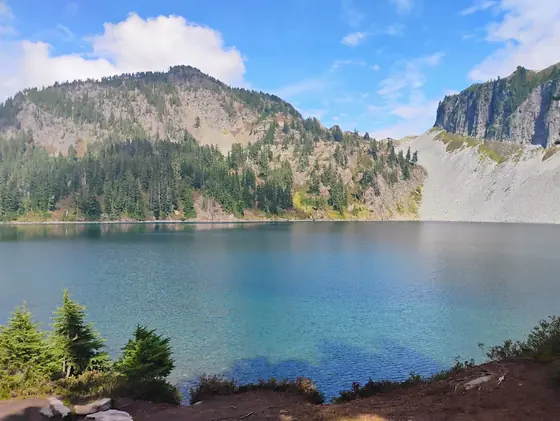
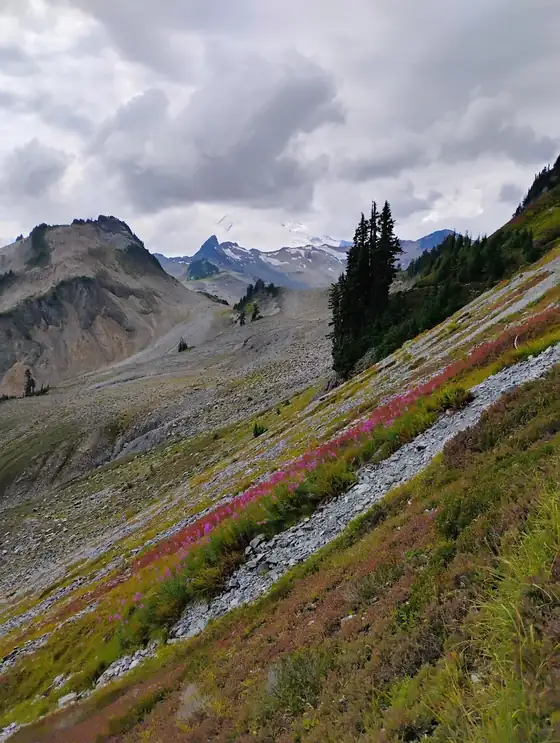
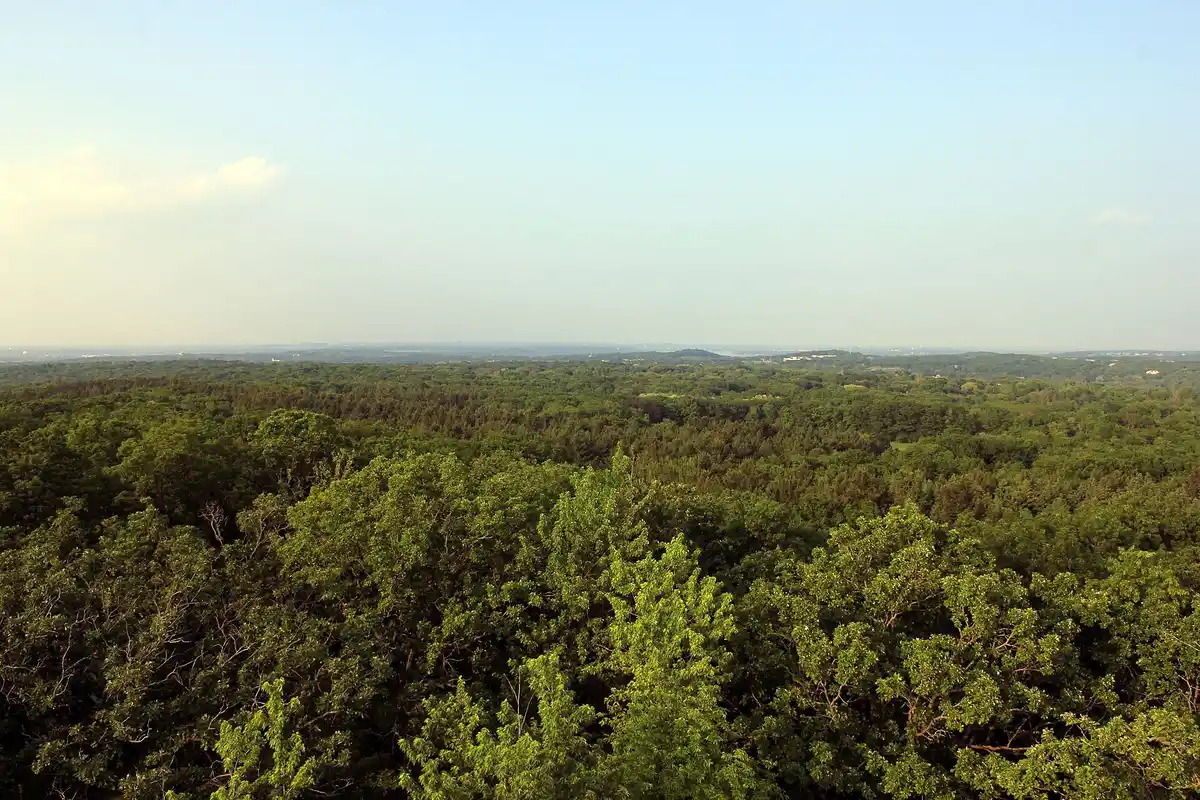
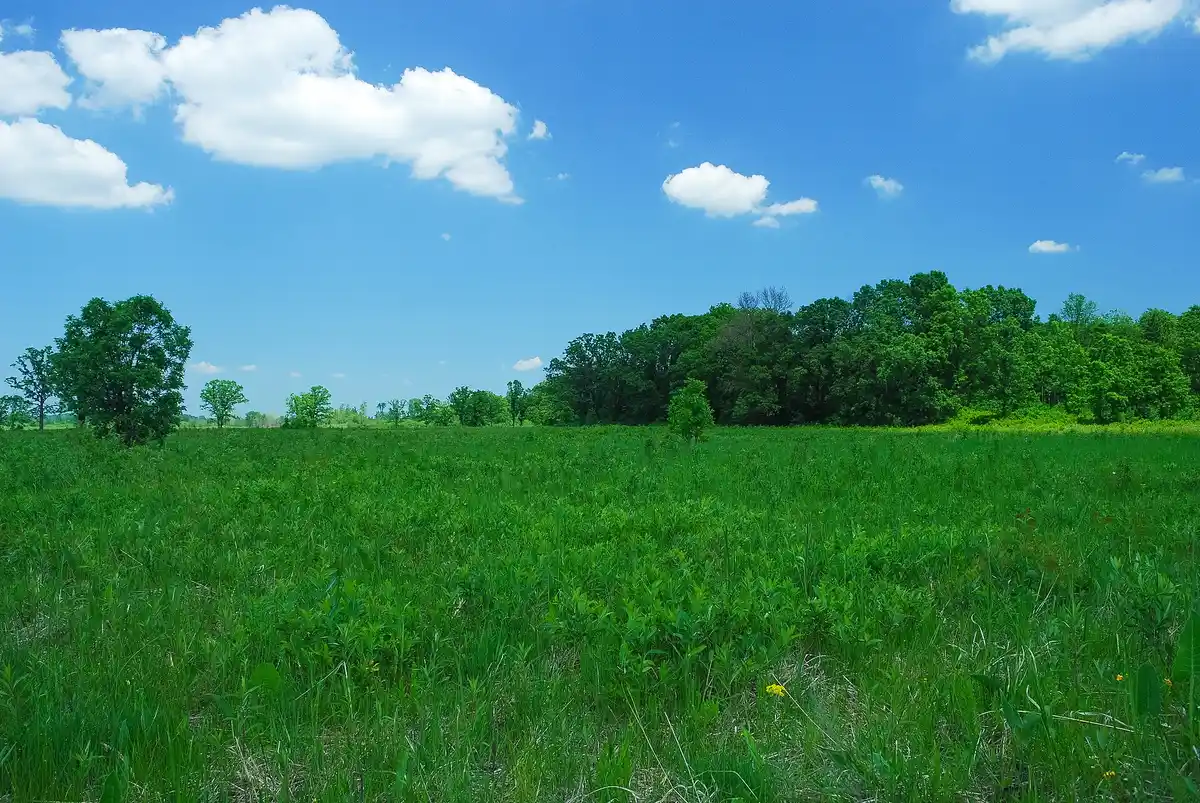
Ice Age Trail in photos: 2 of the stops.
Plan and book your 6 days in Ice Age Trail, one step at a time
How 6 days in Ice Age Trail split up
Plan 6 days for Ice Age Trail. Distance: ~60 miles. Terrain: Strenuous. Permits: Required. So how long is the Ice Age Trail? The Ice Age National Scenic Trail traces the terminal moraine of the last glacier for roughly 1,200 miles across Wisconsin, one of only 11 National Scenic Trails in the country. Almost nobody thru-hikes the whole thing; most people pick a handful of the best segments, and this 6-day itinerary focuses on the Kettle Moraine section, one of the most dramatic and hikeable stretches of that glacially sculpted landscape.
Day 1: Lapham Peak to Whitewater Lake
4 stops · Day one
Day 2: Whitewater Lake to John Muir Trailhead
2 stops · Day two
Day 3: John Muir Trailhead to Scuppernong
2 stops · Day three
Day 4: Scuppernong to Ottawa Lake
2 stops · Day four
Day 5: Ottawa Lake to Whitewater Segment
2 stops · Day five
Day 6: Whitewater Segment to Southern End
2 stops · Day six
Lapham Peak to Whitewater Lake
Begin at Lapham Peak, the highest point in Waukesha County, about an hour from Milwaukee's airport. After a final gear check and a look from the observation tower, head south on the marked Ice Age Trail through rolling hills and woodlands. Your destination is the Whitewater Lake Campground, reached directly from the trail.
Not the order you want? Drag a stop, or use the arrows beside it. Stops move between days too.
- Drive from
~1 hr to Lapham Peak · car required · DriveFly into Milwaukee Mitchell International (MKE) and drive about an hour west to Lapham Peak, the northern start of this Kettle Moraine backpack. This is a point-to-point hike, so set up your shuttle or two-car system before you start.
 BrewCityStu / CC BY-SA 4.0Lapham Peak trailhead
High point of Waukesha County · WI State Park pass · ViewpointBegin at Lapham Peak, the highest point in Waukesha County, with an observation tower and a final developed trailhead. Display a Wisconsin State Park pass on your vehicle and do your last gear check before heading south on the Ice Age Trail.
Official info →- Hike Lapham Peak to Whitewater Lake
11 mi · 6–7 hr · rolling hills · HikeHead south from Lapham Peak on the Ice Age Trail through rolling hills and woodlands, following the yellow blazes. It is a full 11-mile day with a fresh pack, so pace yourself and refill water at every reliable point on the way to Whitewater Lake.
See the trail → - Whitewater Lake Campground
Potable water & restrooms · lodgeSet up camp at Whitewater Lake Campground, reachable directly from the trail. It offers more amenities than the backcountry sites, potable water and restrooms, a good spot to resupply water before the primitive nights ahead. Reservations are recommended.
Whitewater Lake to John Muir Trailhead
Depart Whitewater Lake and continue south into the heart of the Southern Kettle Moraine State Forest. Today's hike showcases classic glacial formations, kames, kettles, and eskers, with continuous but manageable elevation changes that make a solid workout.
Not the order you want? Drag a stop, or use the arrows beside it. Stops move between days too.
- Hike Whitewater Lake to John Muir Trailhead
10 mi · 5–6 hr · glacial features · HikeContinue into the heart of the Southern Kettle Moraine. The day showcases classic glacial formations, kames, kettles, and eskers, with continuous but manageable elevation changes through open fields and dense forest.
See the trail → - John Muir backcountry campsite
Primitive · permit required · lodgePitch your tent at a designated backcountry site near the John Muir Trailhead. These are primitive, no water, restrooms, or trash service, so filter from natural sources, pack out everything, and have your site-specific Wisconsin DNR permit in hand.
John Muir Trailhead to Scuppernong
From the John Muir Trailhead, continue north on the Ice Age Trail through some of the Southern Unit's most diverse ground, prairies, oak savannas, and wetlands. Sections can be exposed, so sun protection matters. You aim for a backcountry campsite in the Scuppernong area, a tranquil setting for the night.
Not the order you want? Drag a stop, or use the arrows beside it. Stops move between days too.
- Hike John Muir Trailhead to Scuppernong
10 mi · 5–6 hr · prairie & savanna · HikeThis segment leads through diverse ecosystems, prairies, oak savannas, and wetlands, with some exposed stretches where sun protection matters. The afternoon eases toward the Scuppernong springs and creek corridor.
See the trail → 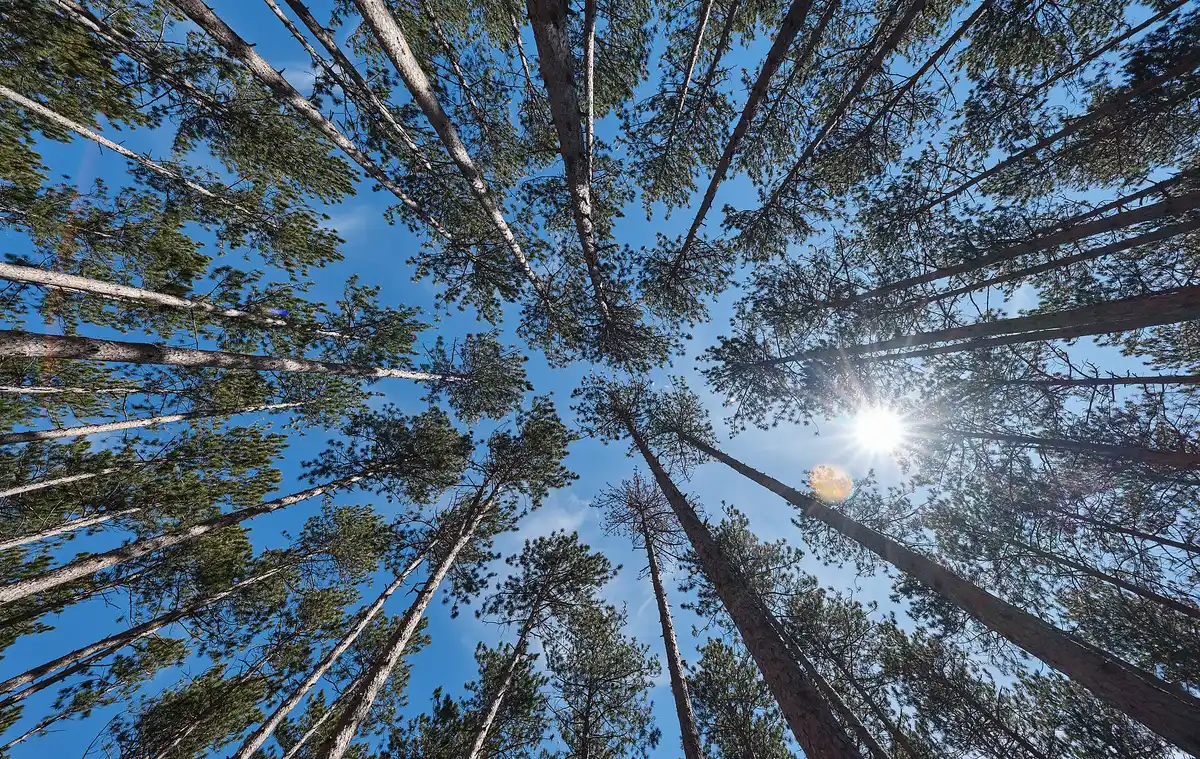 Chris Rycroft from Mad / CC BY 2.0Scuppernong backcountry site
Primitive · near the creek · lodgeFind your pre-reserved backcountry campsite in the Scuppernong area, a peaceful, spring-fed corridor. Filter water from the creek, pack out all trash, and expect mosquitoes near the water at dusk.
Scuppernong to Ottawa Lake
Leaving Scuppernong, the Ice Age Trail continues to weave through the Southern Kettle Moraine, challenging you with more significant elevation changes as you traverse a series of moraines. Expect consistent ups and downs, glimpses of wildlife, and serene forest.
Not the order you want? Drag a stop, or use the arrows beside it. Stops move between days too.
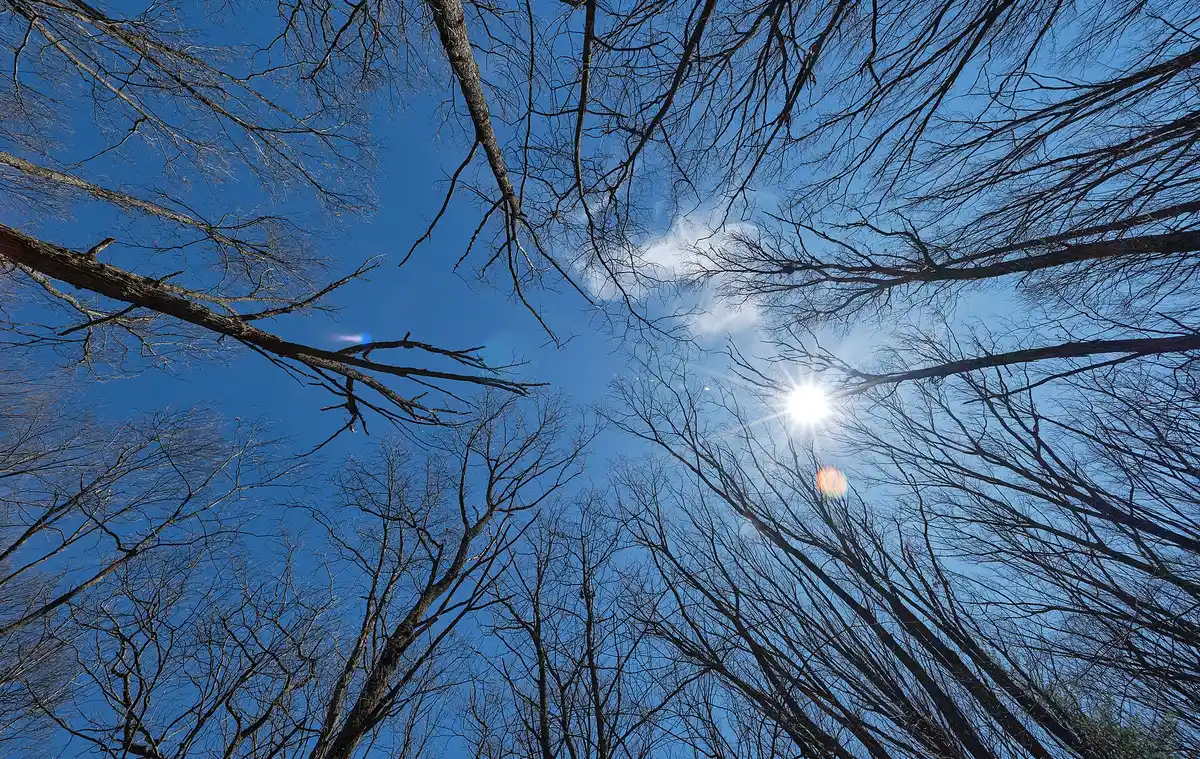 Chris Rycroft from Mad / CC BY 2.0Hike Scuppernong to Ottawa Lake
10 mi · 5–6 hr · challenging moraines · HikeToday brings more significant elevation changes as you traverse a series of moraines, with steeper ascents and descents, scenic high points, and glimpses of wildlife. Watch the afternoon sky for building storms.
See the trail → Julia Taylor / CC BY 2.0Ottawa Lake Campground
Showers, flush toilets & potable water · lodgeArrive at Ottawa Lake Campground, a developed site with showers, flush toilets, and potable water, your mid-trip comfort night. Resupply water fully and swim if conditions allow. Reservations are highly recommended, especially on weekends.
Ottawa Lake to Whitewater Segment
Depart Ottawa Lake and head toward the Whitewater Lake segment. This stretch feels more remote, with mature forests, wooded moraines, and views of Rice and Whitewater lakes from atop a steep rise. You will meet far fewer day hikers and get a real sense of the trail's solitude.
Not the order you want? Drag a stop, or use the arrows beside it. Stops move between days too.
 JD Milburn / CC BY 3.0Hike Ottawa Lake to Whitewater Segment
10 mi · 5–6 hr · remote forest · HikeHead toward the Whitewater Lake segment through mature forest and wooded moraines, with views of Rice and Whitewater lakes from atop a steep rise. It feels remote, with far fewer day hikers, so lean on your map or GPS at junctions.
See the trail →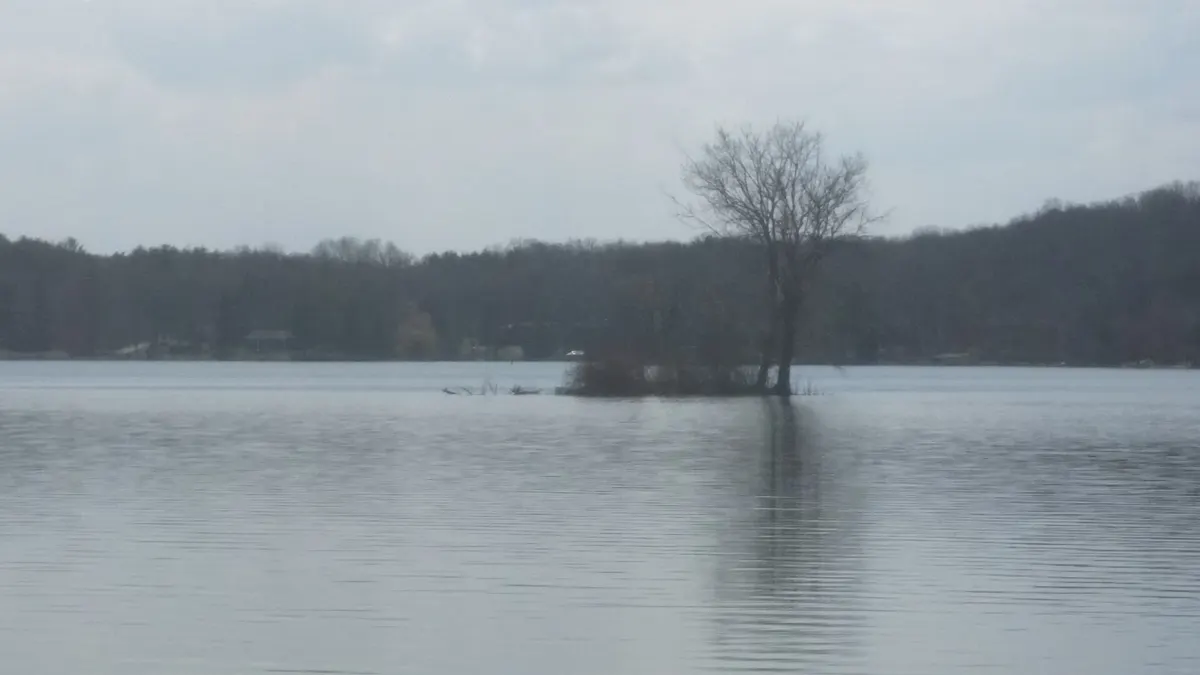 JD Milburn / CC BY 3.0Whitewater segment backcountry site
Primitive · last night out · lodgeSpend your final backcountry night at a designated site in the Whitewater segment. Confirm your permit is valid for this exact site, filter your water, and enjoy the quiet of the forest before the last day.
Whitewater Segment to Southern End
On your final day, complete the remaining miles of the Kettle Moraine section to the southern end of the Southern Unit, where the trail drops toward the glacial outwash plain and the city of Whitewater comes into view. The terrain gradually flattens as you approach the highway access at the segment's end.
Not the order you want? Drag a stop, or use the arrows beside it. Stops move between days too.
- Hike to the southern end of the Southern Unit
9 mi · 4–5 hr · final push · HikeComplete the final miles of the Kettle Moraine section to the southern end of the Southern Unit, where the trail drops toward the glacial outwash plain and the city of Whitewater comes into view. The terrain flattens as you approach the highway access.
See the trail →  JD Milburn / CC BY 3.0Celebrate & stay in Whitewater, WI
Base town ~5 mi west · food & lodging · lodgeMeet your pre-arranged shuttle at the trailhead, then head into Whitewater, about 5 miles west, to shower, eat, and stay the night. Confirm the exact meeting point and time with your ride, since parking near the trail's end can be limited.
Sort where you sleep each night
Most nights on this trip are in a tent. Reserve any campsite the route needs, and the room either side of it if you want one.
Tell us your dates and we will do the calling: the rooms either side, and the guided days in between. Nothing is charged and you decide at the end.
Request to bookWhat to pack for Ice Age Trail
Built from this route, not a generic list. Every line says why it is here.
On every day of this trip
On your feet
Because you are sleeping out 5 nights
For the 1 night under a roof
For the drive to the trailhead
Essential permits, water & Leave No Trace.
Permits & the state park pass
Backcountry camping in the Southern Kettle Moraine requires a site-specific permit reserved in advance through the Wisconsin DNR (wisconsin.goingtocamp.com). Every vehicle also needs a Wisconsin State Park pass, daily or annual. Book backcountry sites and the Ottawa Lake and Whitewater Lake campgrounds 3–6 months ahead for peak season.
Camping & campfire rules
Campfires are permitted only in established fire rings at designated campgrounds; most backcountry sites have none, so bring a stove. Check for fire bans in dry periods. At primitive sites expect only a cleared tent pad, no water, restrooms, or trash service.
Water: filter everything
Water sources exist but can be spaced out. Filter or treat all water from natural sources and carry 3–4 liters of capacity to cover long stretches. Top off at every reliable, designated point and at the developed campgrounds.
Follow the yellow blazes
The Ice Age Trail is marked with yellow blazes on trees, and occasional posts in prairie areas. It crosses several mountain-bike loops in the Southern Unit, so carry Ice Age Trail Alliance maps or a GPS app to avoid wrong turns at junctions.
Leave No Trace
Pack out everything you pack in, including all trash and recyclables. Bury human waste 6–8 inches deep and at least 200 feet from water and trails. Store food securely away from your tent and never feed wildlife.
Shuttle & getting there
This is a point-to-point hike, so plan a shuttle or two-car system: leave a car at the southern trailhead and start at Lapham Peak, or use a local ride. Milwaukee Mitchell International (MKE) is about an hour from the Southern Unit.
Download maps offline, print your reservations
Cell service is unreliable deep in the state forest and junctions come often, so pre-download the official Ice Age Trail Alliance map or a verified GPX file while you still have signal. Print paper copies of your site-specific Wisconsin DNR campsite reservations too, since phones drain fast in cold October weather and a ranger may ask to see them.
Ice Age Trail: questions before you go
Ice Age Trail: the questions people ask most.
It is strenuous for backpacking due to the daily mileage (roughly 10 miles per day) and continuous rolling hills, kames and eskers, that mean frequent elevation changes. Hikers should have prior multi-day backpacking experience and good conditioning.
Yes. Backcountry camping in the Southern Kettle Moraine State Forest requires a permit reserved in advance through the Wisconsin DNR. A Wisconsin State Park pass is also required for vehicle entry and use of state park and forest facilities.
For peak season (May–October), book backcountry permits and the Ottawa Lake and Whitewater Lake campground sites 3–6 months in advance through wisconsin.goingtocamp.com. Popular dates, especially weekends, fill quickly.
May, September, and October are best: cool temperatures, fewer insects, and drier trail. Summer is hot and humid with abundant mosquitoes and ticks and scarcer water. Winter needs snowshoes or microspikes and cold-weather gear.
Water sources exist but are spaced out. Carry a filter or purification tablets and 3–4 liters of capacity to cover long stretches. Developed campgrounds like Ottawa Lake and Whitewater Lake have potable water; backcountry sites do not.
Use a shuttle or two-car system: leave one vehicle at the southern trailhead near Whitewater and shuttle up to Lapham Peak, or arrange a local ride. Confirm meeting points in advance, and note that parking at some trailheads is limited.
Plan to hold the roughly 10-mile daily pace, because backcountry permits here are site-specific and are not interchangeable between segments. If you fall behind you cannot legally camp at a different reserved site, and state forest rangers do patrol these tracks. Build a conservative schedule, start early, and if a genuine emergency arises, contact the Wisconsin DNR rather than improvising a camp.
Yes. The Ice Age Trail crosses many mountain-bike loops around the John Muir and Kettle Moraine units, and rushing a junction can send you down a bike loop off the hiking route. Slow down at every crossing, look for the yellow blazes, and cross-check a downloaded GPX or the Ice Age Trail Alliance map so you stay on the Ice Age Trail itself.
The Ice Age National Scenic Trail runs about 1,200 miles entirely within Wisconsin, tracing the edge of the last continental glacier. It is one of only 11 National Scenic Trails in the United States. Roughly 700 miles are on marked, off-road trail today, with connecting routes making up the rest, so most hikers experience it segment by segment rather than as a single thru-hike.
Popular favorites vary by region, but hikers often single out the Monches Segment and Table Bluff Segment in the southeast, Gibraltar Rock near Lodi, the Blackhawk Segment, the Devil's Lake area near Baraboo, and the Whitewater Lake Segment in the Southern Kettle Moraine. This 6-day route strings together several Kettle Moraine highlights, including the Whitewater Lake, Scuppernong, and John Muir segments, so you can sample the trail's glacial terrain in one trip.
The Monches Segment, in Washington and Waukesha counties, is a well-loved stretch of roughly 4 to 5 miles that follows the Oconomowoc River corridor through hardwood forest, wetlands, and glacial moraine. It is popular as a day hike or out-and-back and is generally considered moderate, with gentle but steady ups and downs typical of the Ice Age Trail's kettle-and-kame landscape.
The Table Bluff Segment near Cross Plains, west of Madison, is a scenic stretch of about 3 to 4 miles that climbs onto an open bluff with prairie restoration and long views over the Driftless-edge landscape. It is a favorite shorter day hike, generally rated easy to moderate, and pairs well with other segments in the Dane County area.
Gibraltar Rock is a sandstone bluff near Lodi, in Columbia County, with a trailhead in Gibraltar Rock State Natural Area off County Highway V. The Ice Age National Scenic Trail passes through here, and a short climb reaches clifftop overlooks above Lake Wisconsin. Please double-check current access and parking with the Ice Age Trail Alliance before you go, since natural-area rules can change seasonally.
Tell us your dates and we ask a local guide who works this area what they can do on your days and what it costs. If nobody is free, we tell you. Asking is free: no card, no deposit, and nothing is held until you say yes.
Pick how you want to go.
Same 6-day route. Same 7 stops.
- 5 nights, a campsite near Whitewater
- $110
- Rental car, 6 days
- $360
- Gas, about 67 miles
- $10
- A private local guide, campsites booked
- Included
- Airport pickup and every drive
- Included
- Park, permit and campsite fees paid
- Included
- All the gear and the trail meals
- Included
Written and walked by Yulia Vasilyeva · Co-founder · Lead planner and guide
Three years leading guided hikes in the Pacific Northwest, rated 5.0 by 20+ verified guests, and she builds every custom itinerary herself. Based in Seattle.
Last checked September 2026
You might also love these
Other itineraries near this one.
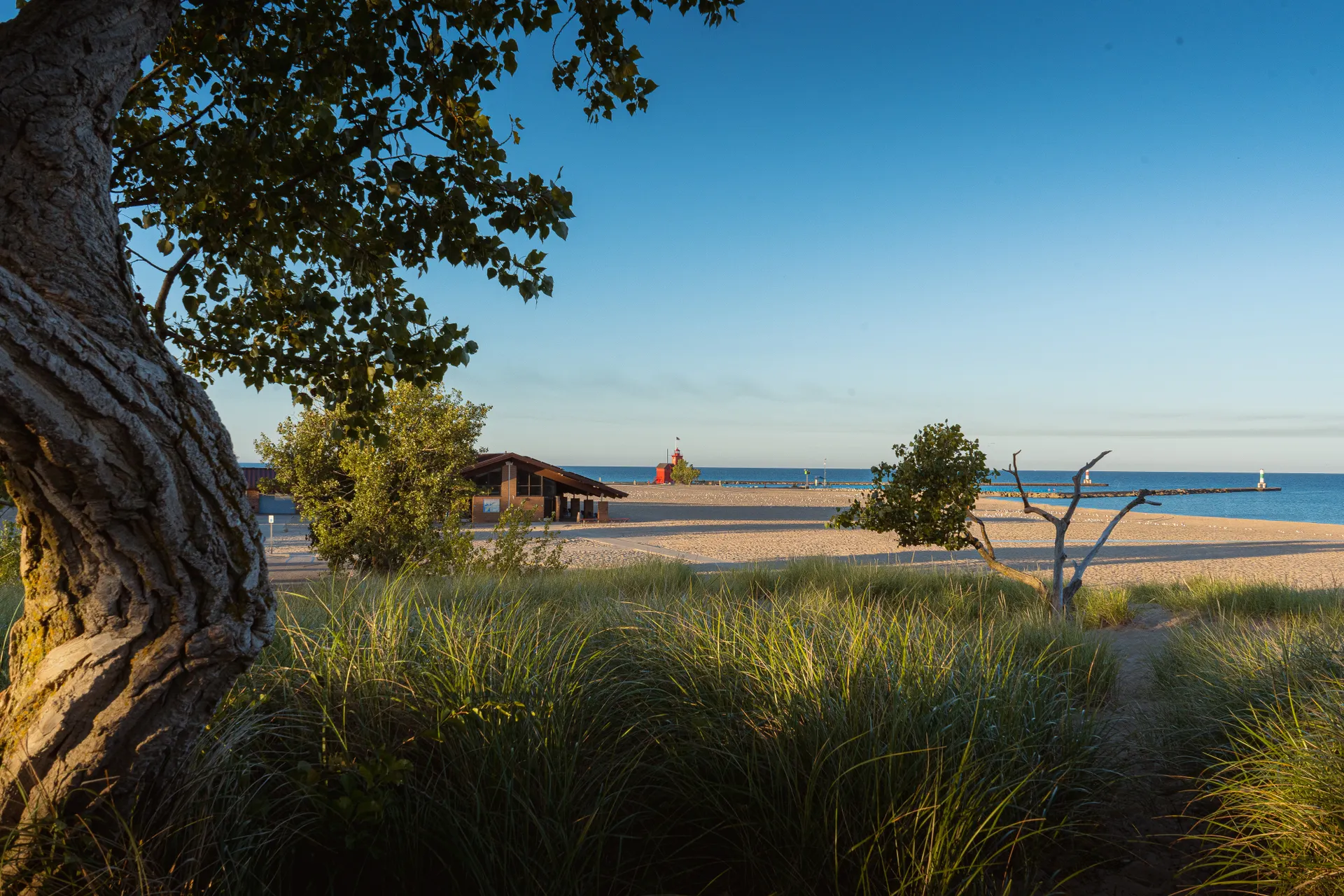
Great Lakes Family Road Trip: A 7-Day Itinerary
Seven family days around Lake Michigan and Lake Superior: the Sleeping Bear dunes, Traverse City beaches, car-free Mackinac Island by…
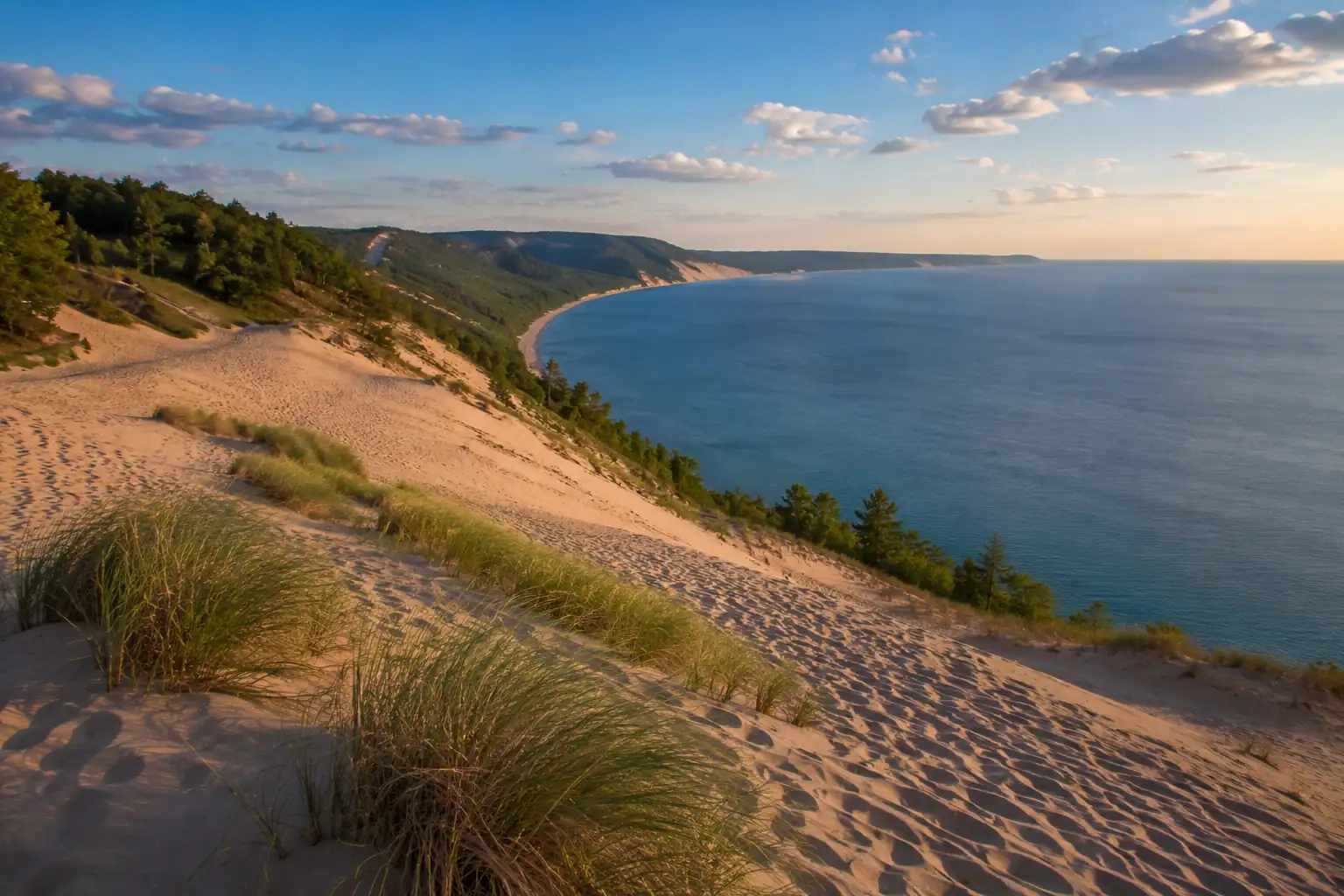
Sleeping Bear Dunes: 3-Day Weekend Itinerary
A 3-day Sleeping Bear Dunes weekend itinerary from Traverse City: the Dune Climb, Pierce Stocking Scenic Drive, Sleeping Bear Point,…
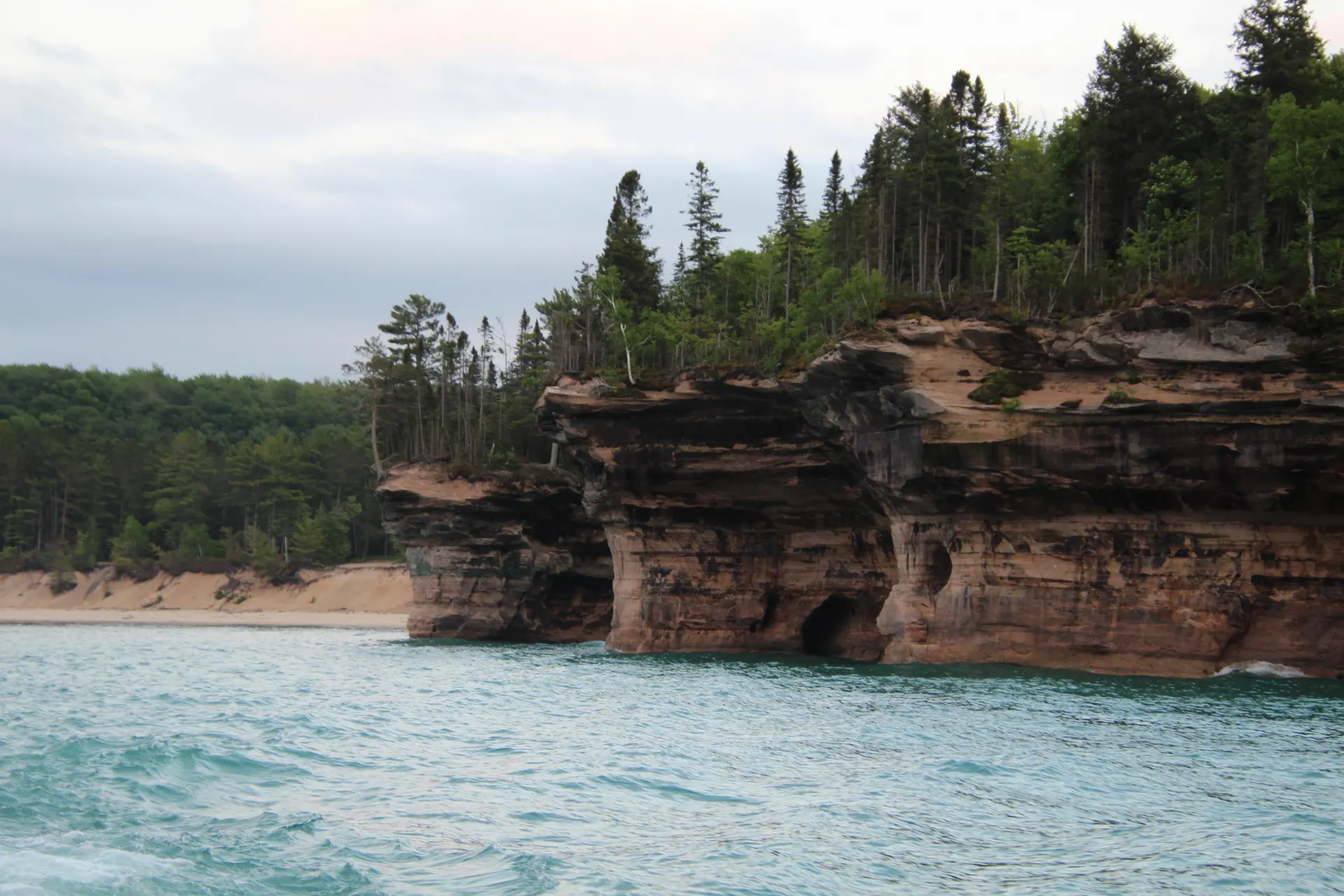
Wisconsin Northwoods: A 10-Day Itinerary
Ten days through northern Wisconsin: Apostle Islands sea caves by kayak, Copper Falls, the Chequamegon-Nicolet forest, the Minocqua and…
Guides for this tripStarved Rock State Park Day Trip From ChicagoApostle Islands Sea Caves KayakingBest Hikes Near Minocqua, WisconsinItasca State Park Day Trip
What adventurers say about us.
All reviews are from verified guests. ★★★★★ 5.0 average from 20+ bookings.
"Felt like going out with a really knowledgeable friend who just happens to know everything about the area. No awkward tour-guide energy, just a magnificent day."
"Yulia is an incredible guide. She knew every trail, every viewpoint, and exactly how to pace the day for our group. The photos she took of us were stunning. 100% booking again."
"I was visiting Seattle solo and this was the best decision I made on the trip. Yulia picked me up, had snacks, and took us to a trail I never would have found on my own. Absolute must-do."
"We did this as a couple's trip and it was perfect. Yulia adapted everything to us, our pace, our interests, our photo obsession. The mountain views were unreal."
"Phenomenal experience. Yulia has deep local knowledge and a real passion for the outdoors. She went out of her way to show us the hidden gems tourists never see. Will remember this forever."
"I've done a few guided hikes and this was by far the best. Yulia is warm, funny, and genuinely expert. The trail she chose had the most insane wildflower bloom, we got so lucky."
Fees, reservation windows, shuttle dates and trail closures are planning estimates. Confirm hours, road status and any reservations with the land manager before you go.
What other travelers are saying
Be the first to leave a tip or question for the next traveler.
Was this helpful?
One tap. It goes straight to Yulia and Margarita.
You can't hike it if you can't get the permit.
The best hikes in America run on lotteries that open once a year and sell out in minutes. Every trail runs on its own calendar. Pick the ones you want and we do the watching.
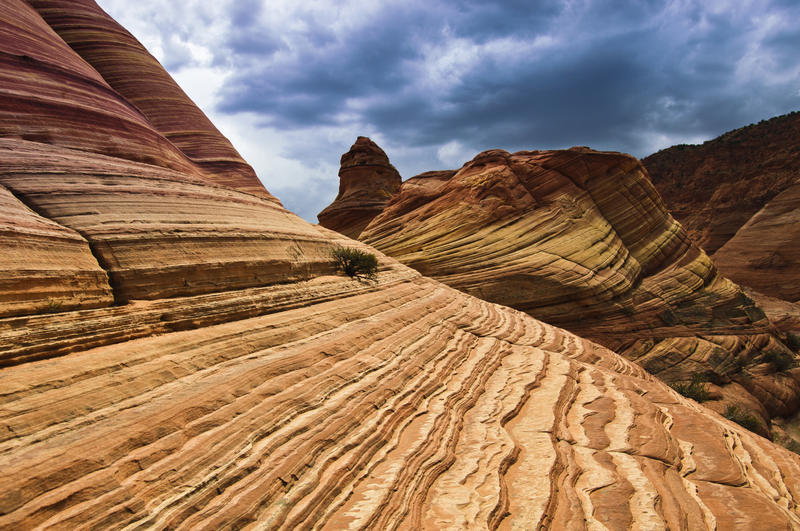 The WaveCoyote Buttes North · Arizona / UtahPermitLotterybrutal odds
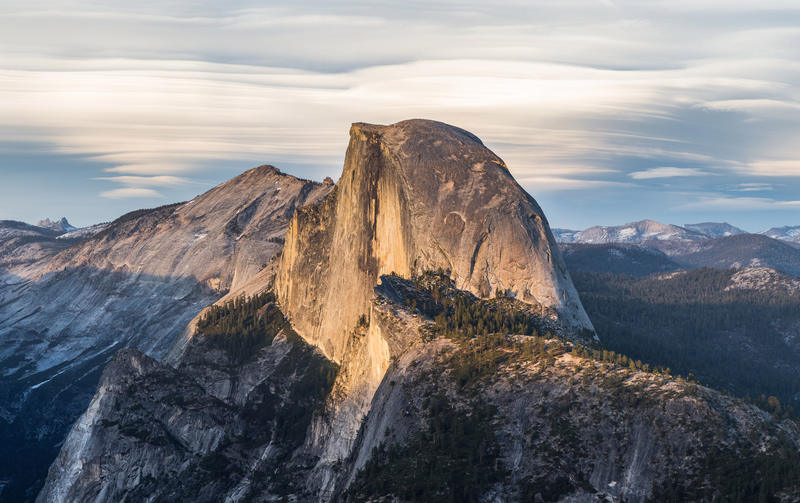 Half Dome CablesYosemite NP · CaliforniaPermitOpens Mar 1fair odds
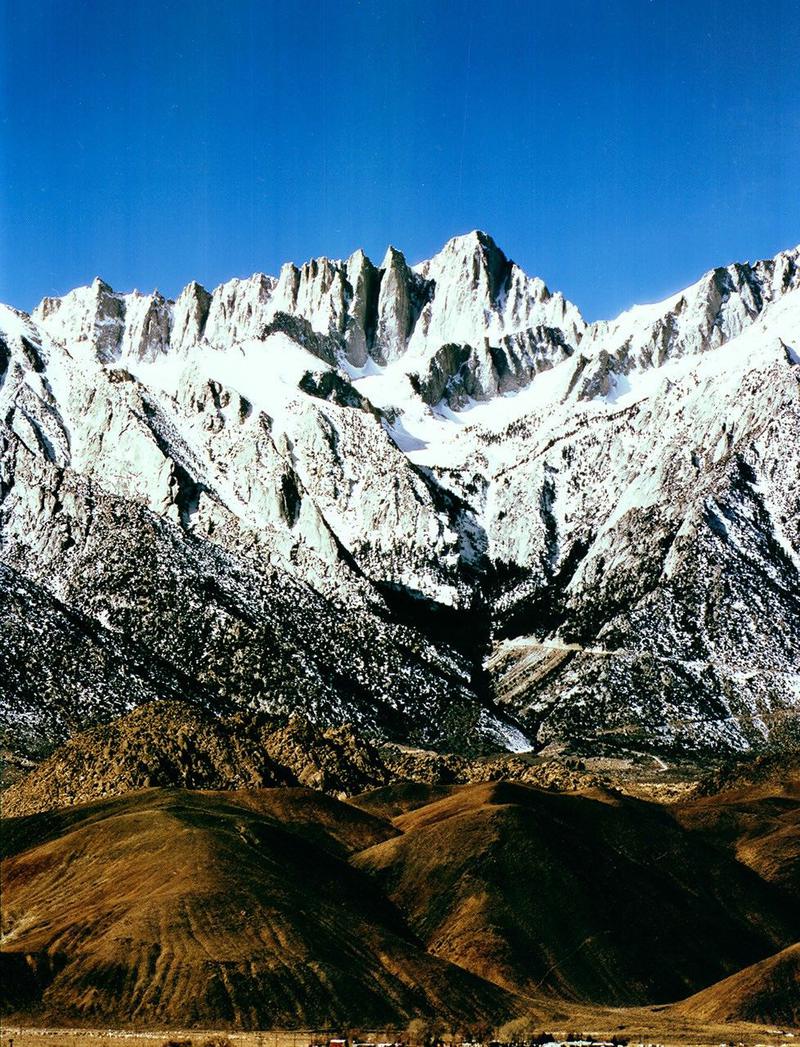 Mt. WhitneyInyo NF · CaliforniaPermitOpens Feb 1tough odds
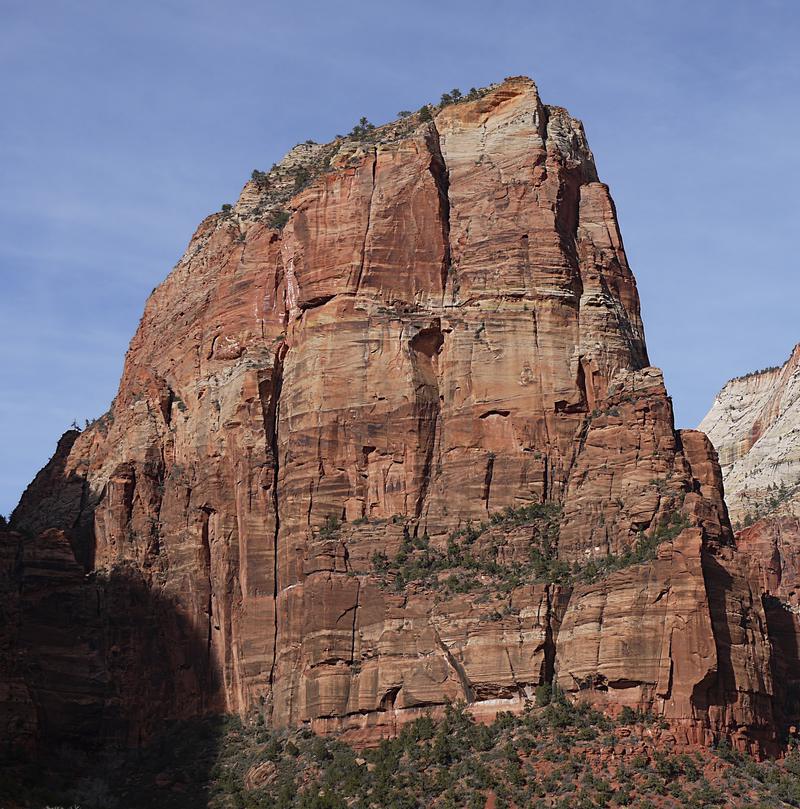 Angels LandingZion NP · UtahPermitLotterytough odds
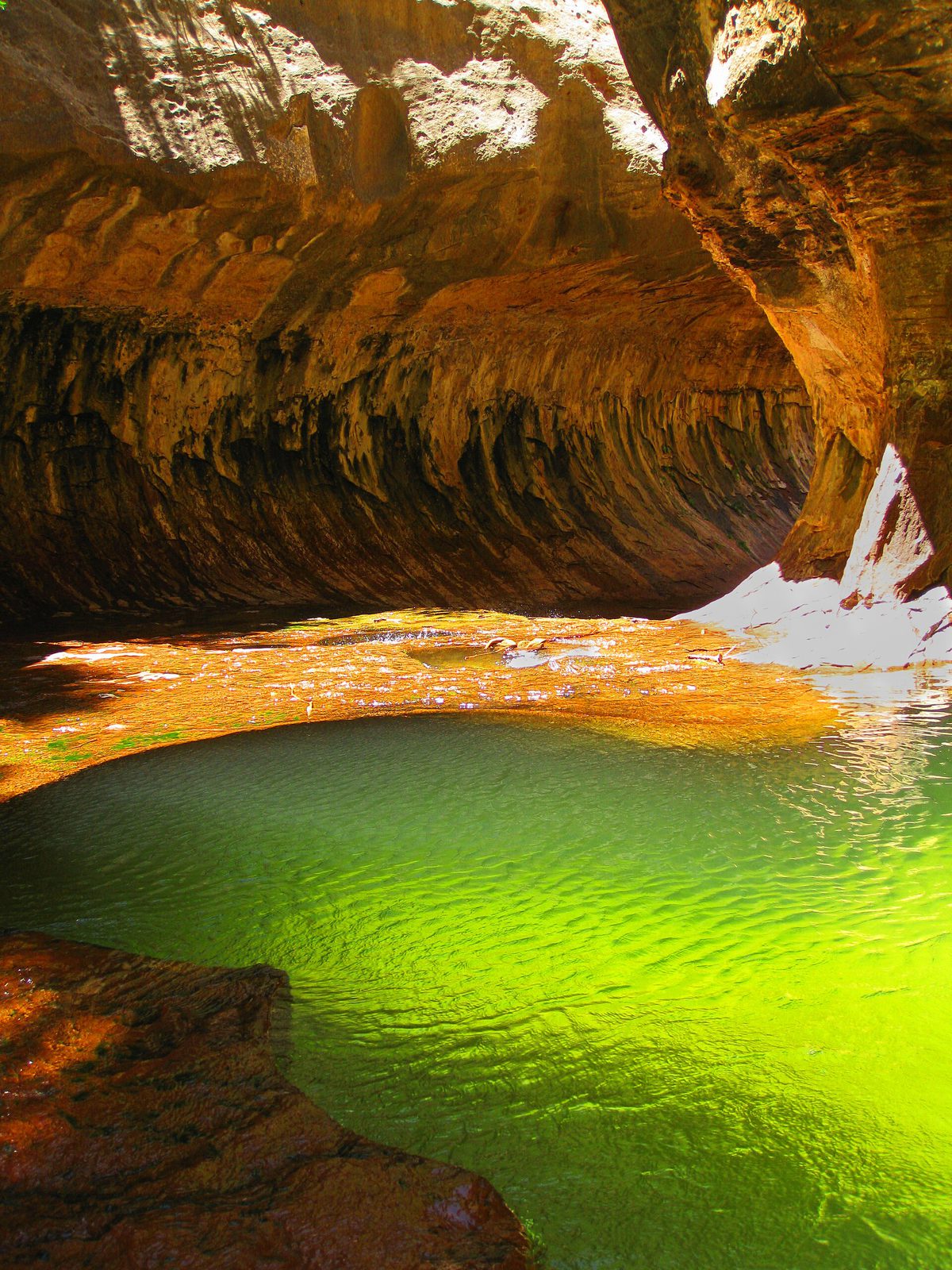 The SubwayZion NP · UtahPermitLotterytough odds
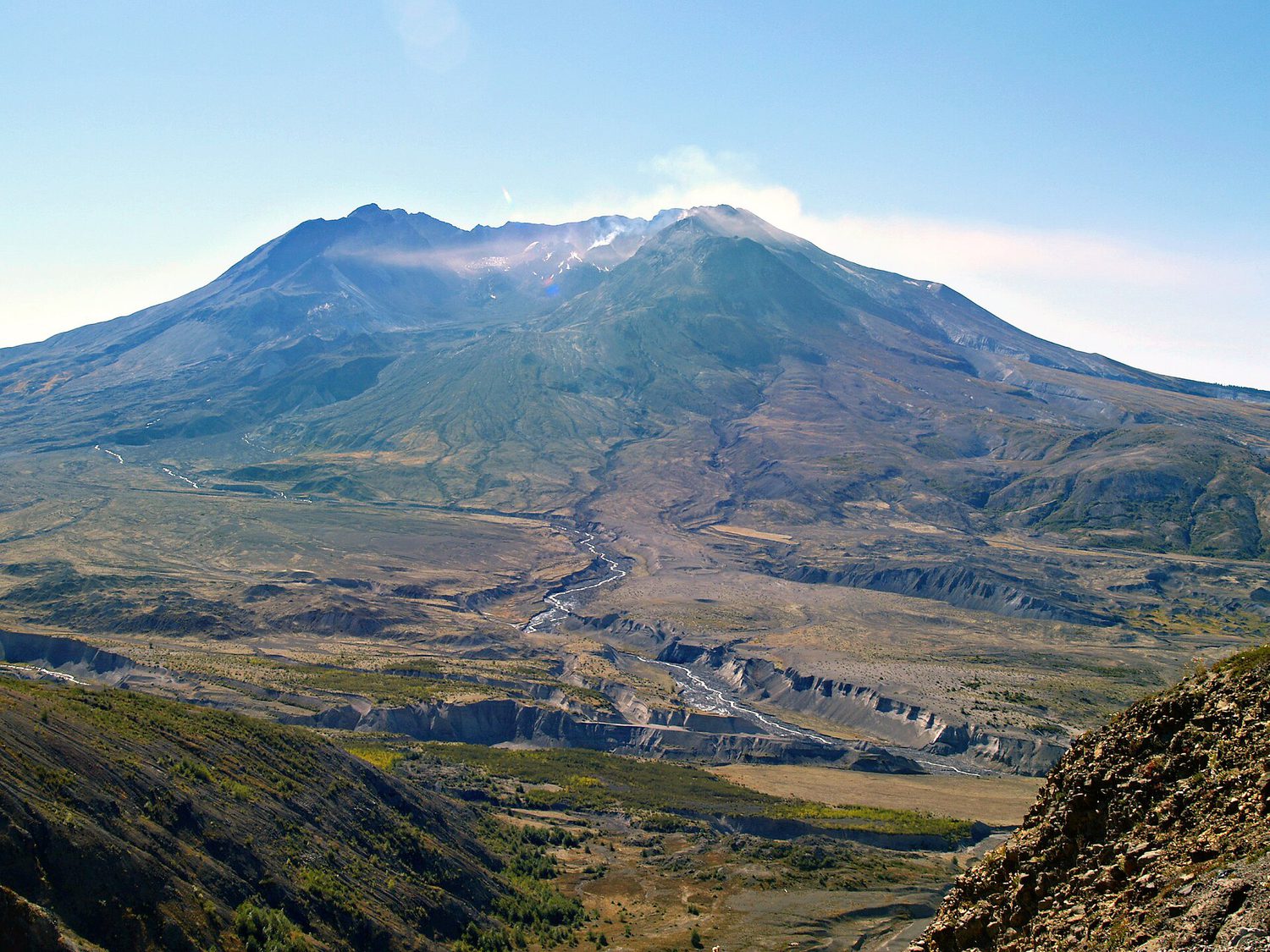 Mount St. Helens Summit ClimbGifford Pinchot NF · WashingtonPermitReservationtough odds
How it works
- An email the morning each window opens, never the day after.
- A 14-day heads-up so you can line up your group and dates.
- Win odds and a ranked backup plan for every trail you pick.
Didn't win? We keep watching. We check recreation.gov every day for The Enchantments, Half Dome and Angels Landing, and email you the moment a sold-out date frees up. Cancellations are the second chance most people never hear about.