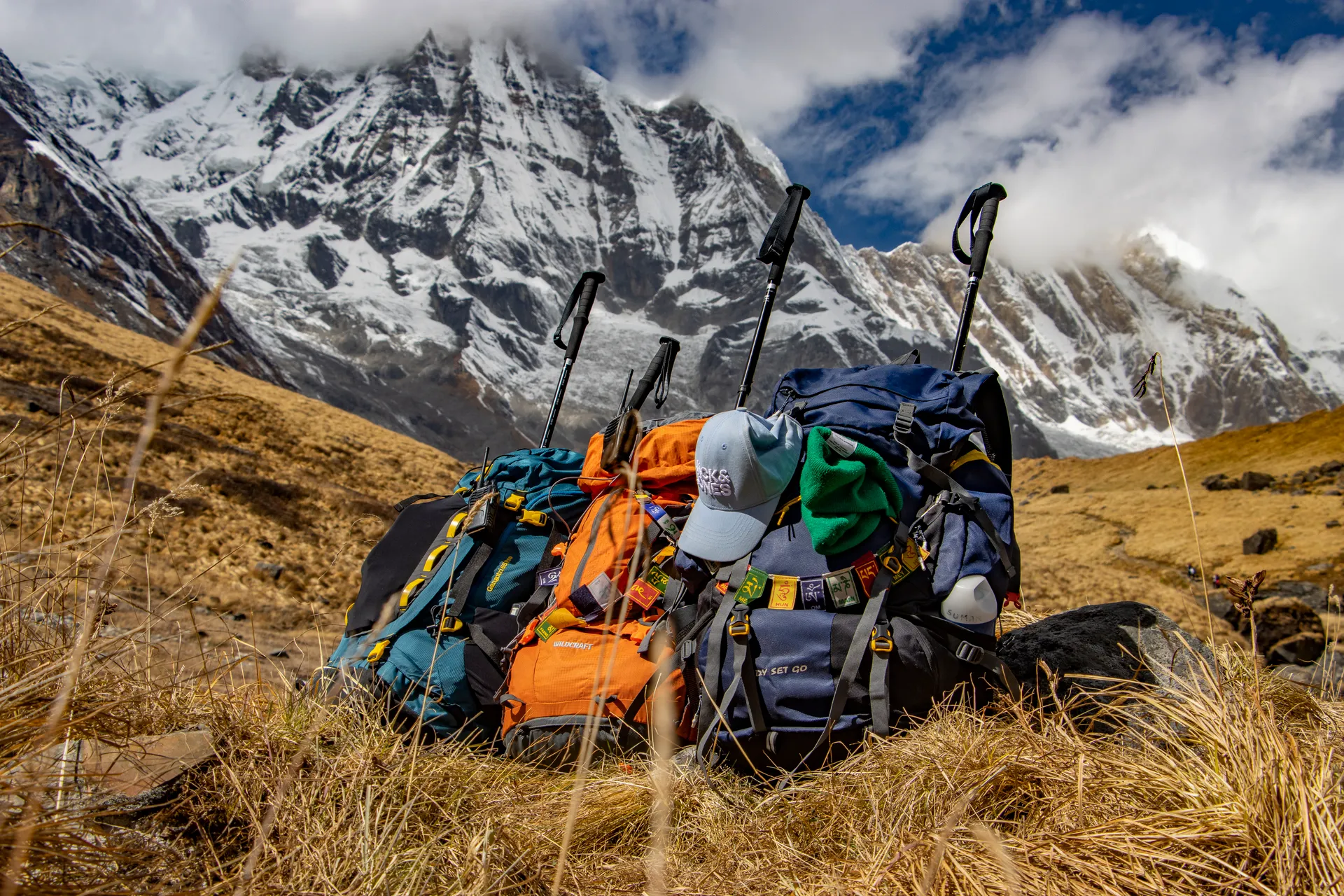
Learning how to plan a hiking trip is 80% of what makes the difference between an epic adventure and a miserable slog. Good preparation covers the whole trip, from picking the right trail to packing the night before. After dozens of trails across the US, here is the exact checklist we follow every single time.
1. Choose the Right Trail for Your Fitness Level
Before anything else, match the trail to your current fitness, not your aspirational fitness. Check these three numbers: total distance, elevation gain, and estimated time. A 10-mile hike with 3,000 ft of elevation gain is far harder than a 12-mile flat walk.
- Beginner: Under 5 miles, under 500 ft elevation gain
- Intermediate: 5-10 miles, 500-2,000 ft elevation
- Advanced: 10+ miles, 2,000+ ft elevation
- Strenuous: 15+ miles, 4,000+ ft elevation (training required)
Use AllTrails, Gaia GPS, or the park's official website to research conditions, recent trail reports, and user photos from the last 30 days.
2. Check Permits 4-8 Weeks Before Your Trip
This is the step most hikers skip and then regret. Many of the best trails in America require permits that sell out months in advance, or lottery systems that close in early spring.
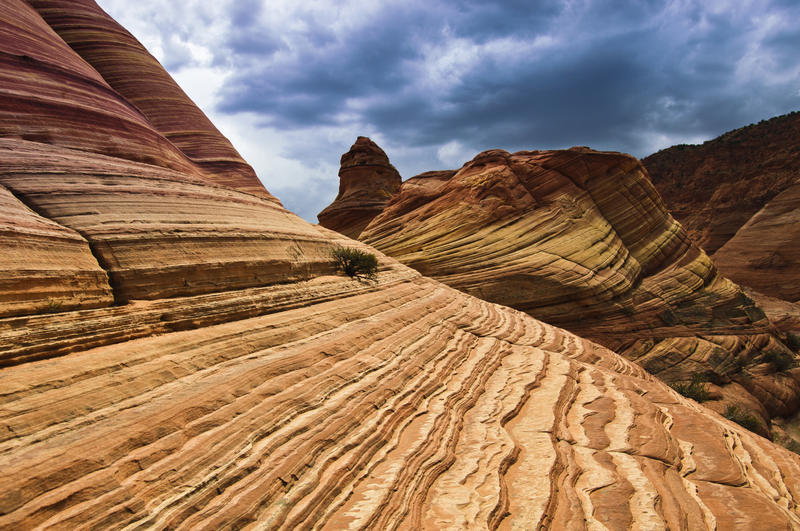
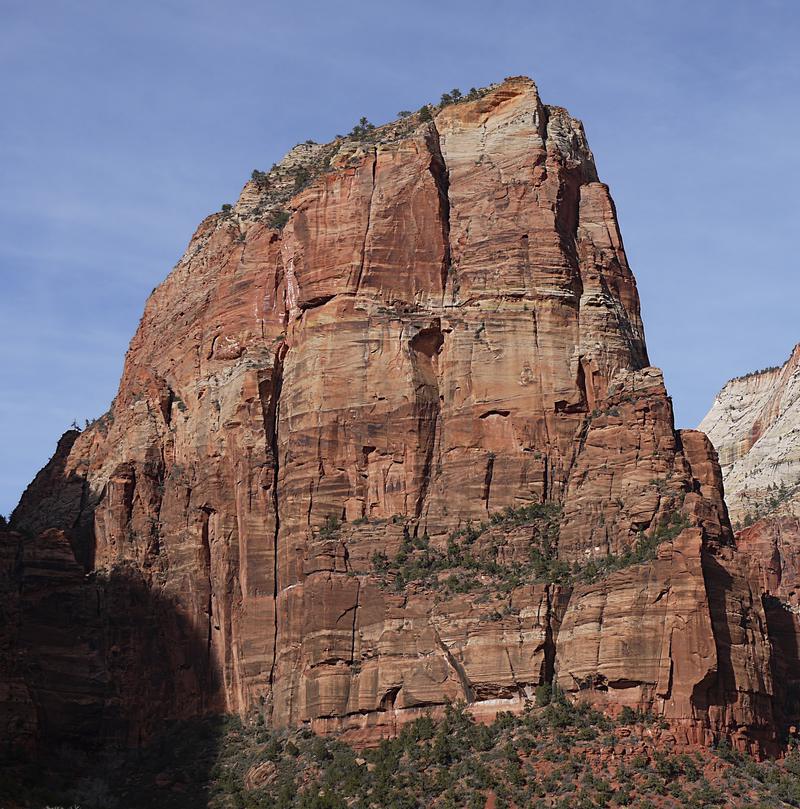
- Angels Landing (Zion): Lottery permit required May-November. Apply on recreation.gov.
- The Enchantments (WA): Annual lottery in March. Walk-up permits very limited.
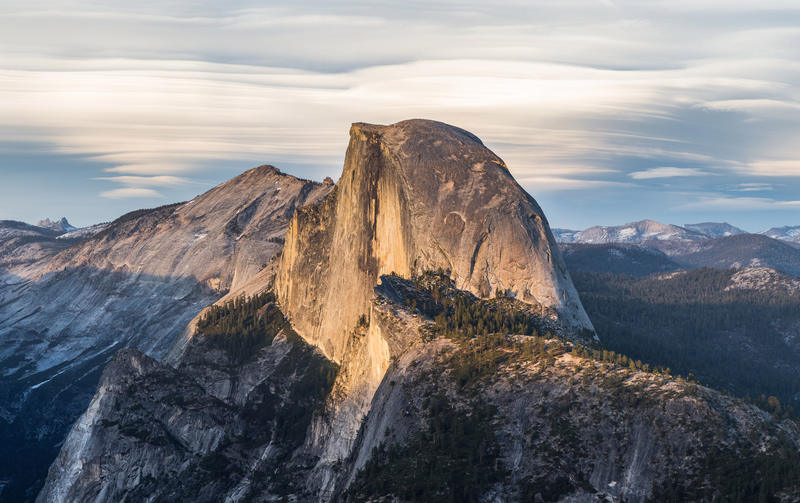
- Half Dome (Yosemite): Day-hike permit lottery in March (pre-season) and daily lottery during season.
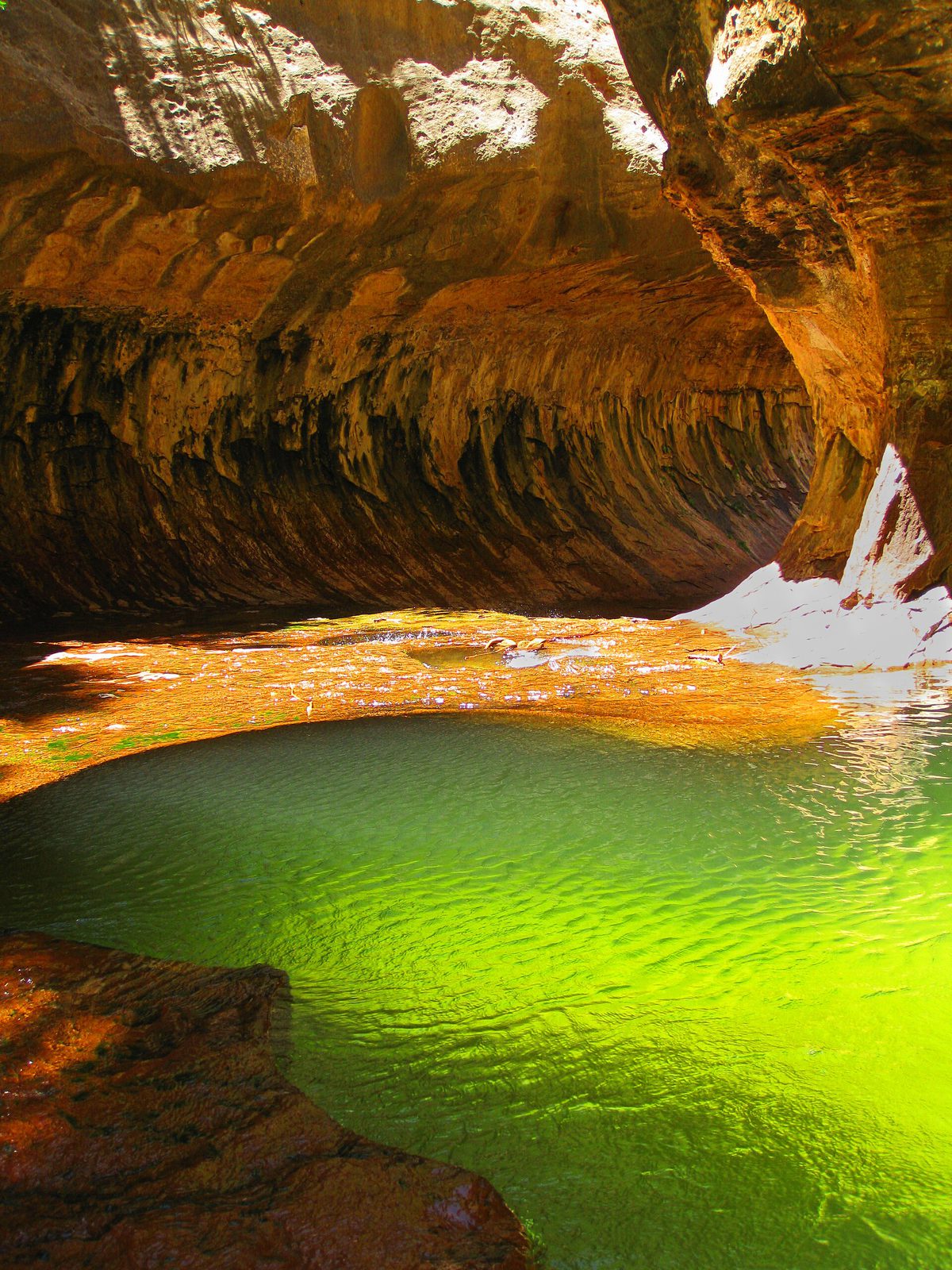
- The Narrows (Zion): No permit needed for bottom-up day hike. Top-down requires overnight permit.
Check recreation.gov for current lottery dates, application windows, and permit availability.
3. Get Physically Ready (4-6 Weeks Before)
You do not need to be an athlete to hike, but you do need to train specifically for hiking. Running and cycling build overall fitness but not the knee stability and ankle strength that trails demand, and neither one prepares your body for the part that actually hurts: walking downhill for hours under load.
The Two Things Worth Training
Leg strength, especially eccentric. Step-ups onto a bench, split squats and slow step-downs, twice a week, are what save your quads on the descent. Long distance hikers rarely quit on the climb. They quit because their legs are shot coming down.
Time on feet with the weight you'll carry. Load your pack to the weight you'll actually hike with, not an empty daypack, and walk with it. Two hours under a loaded pack teaches you more than four hours without one, and it tells you where the hip belt rubs while you can still do something about it. Add strength training in the off weeks and the same trail feels a grade easier.
4-Week Hiking Prep Plan
- Week 1-2: Walk 3-4x per week, 3-5 miles each. Use stairs to simulate elevation.
- Week 3: Add a longer weekend hike (6-8 miles) with your actual hiking pack and boots.
- Week 4: Taper slightly. One easy 4-mile walk, rest 2 days before your trip.
Wear the exact boots you'll hike in during all training walks. Blisters from new boots on day 1 of a multi-day trip are one of the most preventable disasters in hiking. See our guide on how to prevent blisters when hiking.
4. Build Your Hiking Trip Packing List
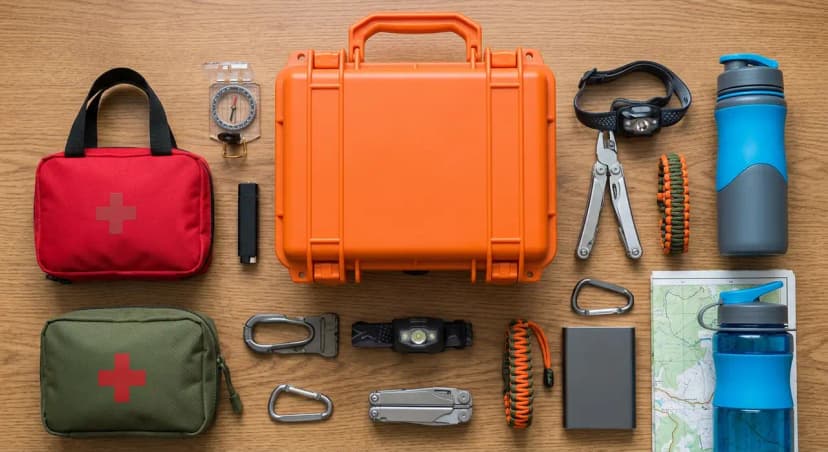
The Ten Essentials have not changed much since the 1930s because they work. Here is the modern version for a day hike:
The 10 Essentials for Every Hike
- Navigation: Downloaded offline map (Gaia GPS, AllTrails) + paper map for remote areas
- Sun protection: Sunscreen SPF 50+, sunglasses, sun hat
- Insulation: Extra layer (fleece, wind shell) even on warm days
- Illumination: Headlamp with fresh batteries
- First aid: Blister pads, bandages, ibuprofen, moleskin
- Fire: Lighter and matches in a zip-lock
- Repair tools: Multi-tool, duct tape, trekking pole repair kit
- Nutrition: 200+ extra calories beyond what you plan to eat
- Hydration: 2L minimum per person for a half-day; water filter for backcountry
- Emergency shelter: Emergency bivy or space blanket (50g, could save your life)
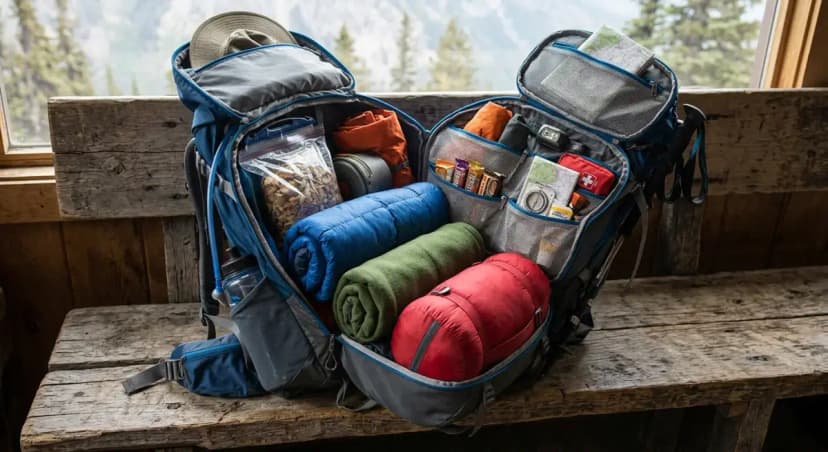
For a complete visual guide, see how to pack a hiking backpack.
5. Check the Weather and Trail Conditions
Mountain weather changes fast. Check the forecast 72 hours, 24 hours, and the morning of your hike. Use these sources:
- National Weather Service (weather.gov): Most accurate for specific elevations
- Mountain Forecast (mountain-forecast.com): Elevation-specific forecasts
- Park ranger stations: Call the day before for trail-specific conditions
- Recent AllTrails reviews: Hikers post conditions within 24-48 hours
Turn around if thunderstorms are forecast. Lightning above treeline kills hikers every year. No summit is worth it.
6. Tell Someone Your Plan
This takes 2 minutes and has saved lives. Before every hike, text or email someone:
- The trailhead name and GPS coordinates
- The planned route and turnaround point
- Your expected return time
- When to call search and rescue if you are not back (typically: expected return + 2 hours)
For backcountry or remote routes, consider a personal locator beacon (PLB) or satellite communicator like a Garmin inReach. Cell service is unreliable in most national parks and wilderness areas.
7. Night Before Your Hike Checklist
Run this the night before, not the morning of. The things people forget are never the boots and the pack, they are the small ones that end hiking adventures early: the permit printout, the headlamp battery, the car key you meant to move out of the pocket you will be sitting on all day. Don't forget to check the trailhead has cell service before you rely on a phone for any of it.
Do not pack the morning of your hike. Your brain will forget something important. The night before:
- Pack your bag completely and set it by the door
- Charge your phone, GPS device, and headlamp (or put in fresh batteries)
- Download offline maps for your trail
- Prepare your food and fill water bottles
- Lay out your hiking clothes (including layers)
- Set your alarm and plan for an early start (before 8am for popular trails)
- Get 7-8 hours of sleep, hiking tired leads to falls and poor decisions
8. What to Do If Something Goes Wrong
Even with perfect preparation, things happen. Know these basics:
- Lost: Stop, stay calm, retrace your steps mentally. Blow a whistle (3 blasts = distress). Shelter in place if you cannot navigate out before dark.
- Injury: Assess severity. Minor ankle rolls: RICE (Rest, Ice, Compress, Elevate). If you cannot bear weight, activate your PLB or send for help.
- Dehydration/heat exhaustion: Move to shade, drink water with electrolytes, rest. If symptoms worsen, this is an emergency.
- Wildlife encounter: See our wildlife safety guide for specifics on bears, mountain lions, and snakes.
How to Plan a Hiking Trip: Putting It All Together
Now you know how to plan a hiking trip from start to finish: pick a trail matched to your fitness, check the weather and permits, plan your water and navigation, tell someone your plan, and pack the ten essentials the night before. Use our Trip Finder to get a personalized hiking itinerary based on your location, fitness level, and budget. Or browse our curated hiking trips for inspiration.
Already know where you want to go? Use our trip finder to build a personalized itinerary and check permit requirements for your dates.
How to Prepare for a Hiking Trip FAQs
To plan a hiking trip, pick a trail matched to your fitness level, check the weather and permit requirements, plan your water and navigation, tell someone your route and return time, and pack the ten essentials the night before.
Start 4-6 weeks before your trip: choose a trail, check permits and conditions, build fitness with progressively longer hikes, gather and test gear, and pack your bag the night before.
Pack your bag completely, charge electronics (GPS, phone, headlamp), download offline maps, prep your food and water, set your alarm, and get 8 hours of sleep.
Walk or hike at least 3x per week for 4-6 weeks before your trip. Add elevation by using stairs or hillier routes. Wear your hiking boots to break them in.
Many popular trails require permits, especially overnight backpacking trips or day hikes in high-demand areas like Zion's Angels Landing or The Enchantments. Check recreation.gov before planning.