How to Train for High Altitude Hiking (Complete Guide)
High altitude hiking is one of the most rewarding experiences in the outdoors, and one of the most humbling. Fit, experienced hikers routinely get wrecked by altitude while out-of-shape beginners who took time to acclimatize feel fine. Fitness helps, but it does not protect you from altitude sickness. The right preparation does.
This guide covers exactly what happens to your body above 8,000 feet, how to build the specific fitness altitude demands, how to acclimatize properly, what medications work, and what warning signs mean you need to descend immediately.
What Actually Happens to Your Body at Altitude
The percentage of oxygen in the air stays constant at 21% regardless of elevation. What changes is the atmospheric pressure, at altitude, air molecules are spread farther apart, so each breath delivers fewer oxygen molecules to your lungs. At 14,000 feet, you are breathing in roughly 40% less oxygen per breath than at sea level.
Your body responds by breathing faster and deeper to compensate. Your kidneys excrete bicarbonate to acidify the blood and stimulate more breathing. Over several days, your body produces more red blood cells and increases plasma volume to carry more oxygen. This process, acclimatization, takes 1 to 3 weeks and cannot be fully replicated by fitness alone.
Acute Mountain Sickness (AMS) is the collection of symptoms that occur when you ascend faster than your body can adjust. It is caused by mild cerebral edema, slight swelling of the brain, as fluid balance shifts at altitude. AMS is not a character flaw. It is a physiological response that can hit anyone.
Altitude Zones: What to Expect Where
High Altitude: 8,000–11,500 feet
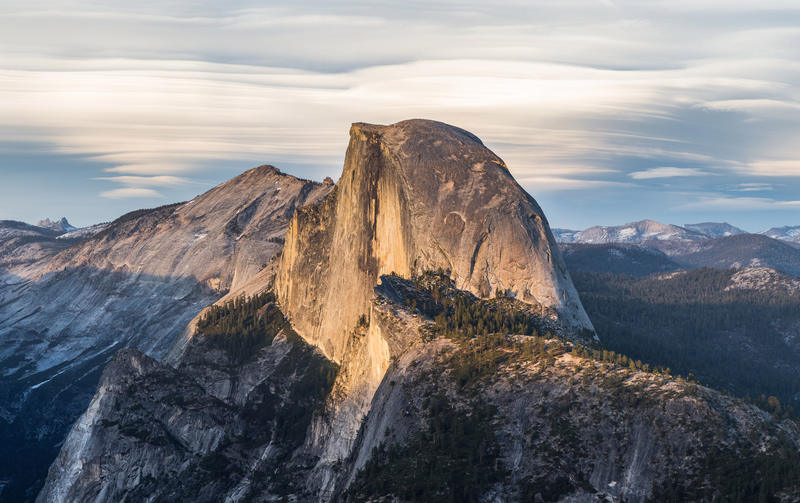
Most popular mountain hikes in the US fall here. Acclimatization begins but symptoms are usually mild. Examples: Half Dome summit at 8,842 feet, the top of Rocky Mountain National Park's Trail Ridge Road at 12,183 feet. Most sea-level hikers feel some increased breathing effort but manage fine with a slow pace and good hydration.
Very High Altitude: 11,500–18,000 feet
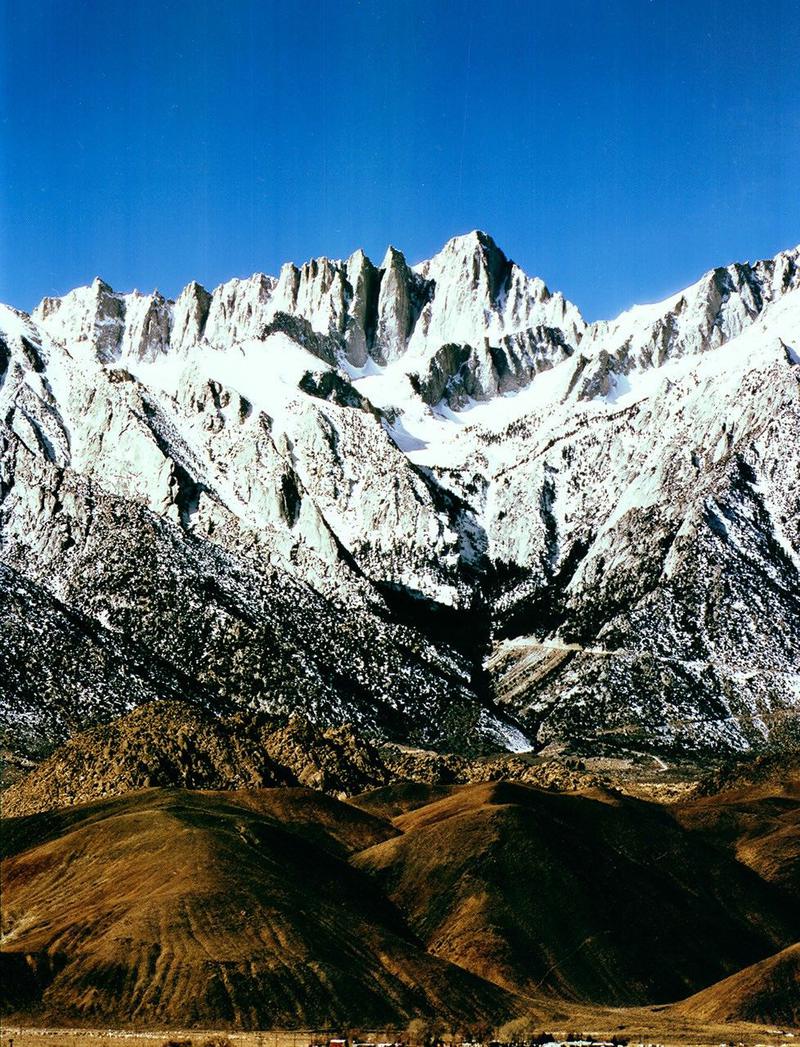
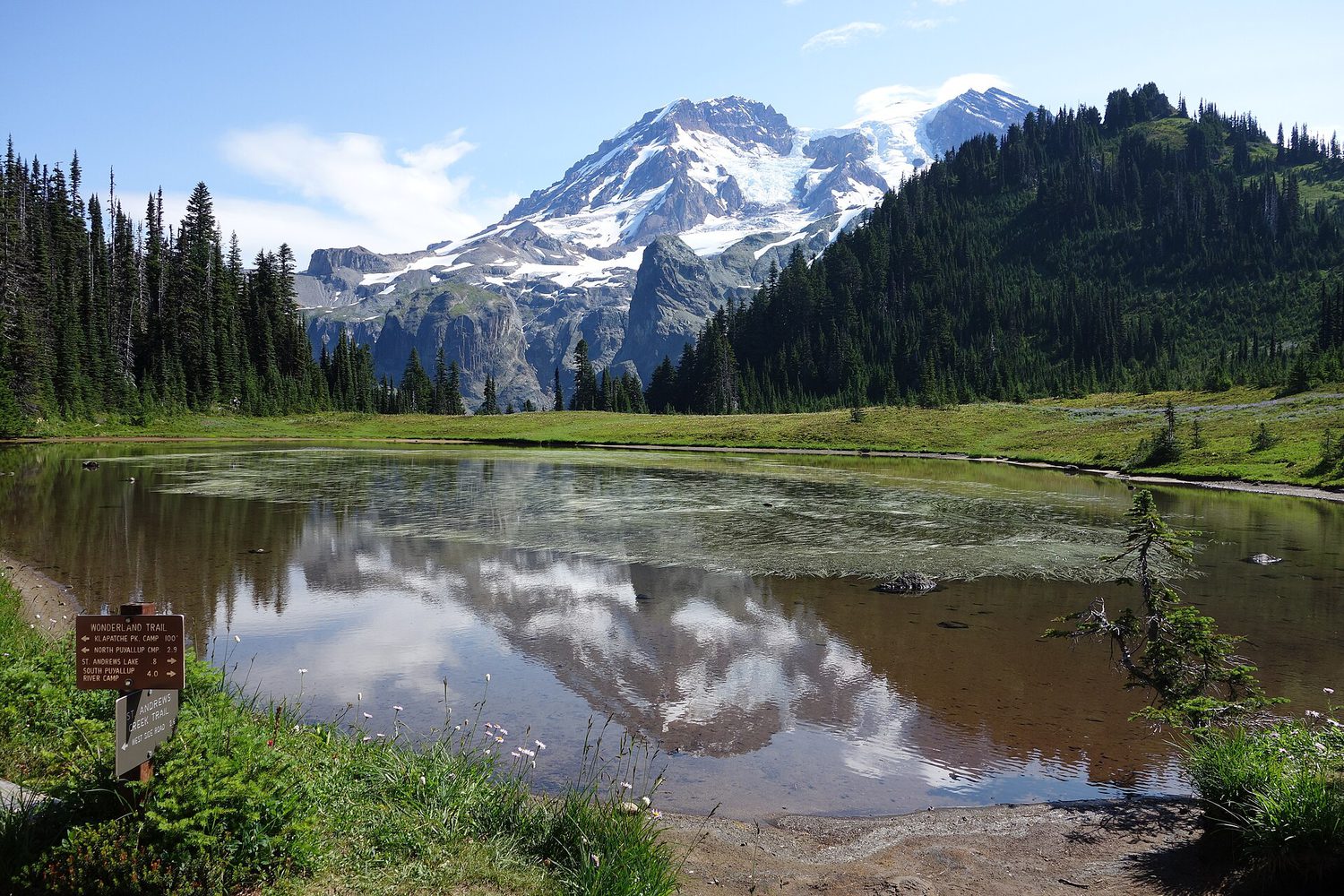
AMS risk rises significantly. This is the range most US alpine objectives sit in. Mount Whitney at 14,505 feet is the highest point in the contiguous US. Mount Rainier at 14,411 feet sees hundreds of climbers turn back from altitude illness each year. At this range, slow ascent, rest days, and acclimatization hikes are non-negotiable.
Extreme Altitude: Above 18,000 feet
Acclimatization becomes a sustained effort. Permanent altitude acclimatization is impossible above about 17,500 feet, the body continues to deteriorate regardless of time spent there. This range applies to expeditions like Denali (20,310 feet) and falls outside the scope of most hikers.
The 12-Week Training Plan
Training for altitude has two goals: build the aerobic engine that altitude taxes hardest, and develop the leg and joint strength to handle sustained steep terrain with a pack. Start 12 weeks before your target hike.
Weeks 1–4: Build Your Aerobic Base
Your aerobic system is what altitude attacks. Build it with sustained, low-intensity cardio, the kind where you can hold a conversation but still feel your heart working. Exercise scientists call this Zone 2 training.
- 4 cardio sessions per week: running, cycling, rowing, or swimming at an easy, conversational pace for 45–60 minutes
- One long weekend hike with real elevation gain, aim for 1,500 to 2,500 feet of ascent in a single day
- Add bodyweight strength work twice weekly: squats, lunges, step-ups, single-leg deadlifts
- Total weekly elevation gain goal: 3,000–5,000 feet across all hikes
Do not skip the easy-effort rule in these weeks. Going too hard too early burns out your aerobic system before you reach peak training. Slow is fast here.
Weeks 5–8: Build Phase
Now you add load and intensity. The stair climber with a weighted pack is the single best altitude training tool available at sea level, it mimics the sustained steep ascent of alpine hiking more closely than anything else.
- Stair climber with a 20–30 lb pack for 45–60 minutes, 2–3 times per week
- One VO2max interval session per week: 4 to 6 repeats of 4-minute hard efforts with 4-minute easy recovery (on a steep hill or treadmill at max incline)
- Weighted weekend hikes with 25–35 lbs on trails with 2,500–4,000 feet of gain
- Add lateral strength work: side lunges, lateral band walks, single-leg box steps
Weeks 9–12: Peak and Taper
Simulate what your body will face on the actual trip. Back-to-back long hiking days stress your recovery systems the same way consecutive days on a mountain do.
- Two consecutive long hiking days on weekends, Day 1: full effort; Day 2: same route or similar, with tired legs
- Maintain stair climber sessions but reduce to twice weekly
- Final 10 days before the hike: cut volume by 40%, keep intensity. Arrive rested.
Altitude Simulation at Sea Level
If you live at low elevation, you can partially simulate altitude stress, but manage your expectations. No simulation fully replaces actual altitude exposure.
Altitude Tents
Hypoxic tents (also sold as altitude tents) reduce oxygen in the sleeping environment to simulate high altitude. Sleeping in one for 8+ hours per night at a simulated 9,000–12,000 feet can trigger some red blood cell adaptation over 3–4 weeks. They are expensive ($1,500–$3,000+), disruptive to sleep quality, and provide moderate but real benefit. Elite mountain athletes use them. For most recreational hikers, spending money on an extra acclimatization day at altitude is more cost-effective.
Elevation Masks
Training masks that restrict airflow strengthen respiratory muscles but do not reduce blood oxygen saturation the way altitude does. They are not altitude simulation, the marketing is misleading. They have some benefit for breathing muscle strength but do not trigger red blood cell production.
Train at the Highest Available Elevation
If you live near any mountains, drive up for your long hikes and do your interval sessions at the highest elevation you can reach. Even training at 5,000–7,000 feet provides partial adaptation that carries over to your target elevation.
Acclimatization Strategy
Training gets you to the trailhead. Acclimatization gets you to the summit. No amount of sea-level fitness compensates for skipping this step.
Arrive Early
Plan to arrive at your destination 2–3 days before your big hike. Spend the first day at your base elevation doing nothing more strenuous than short walks. Your body needs 24–48 hours to begin stabilizing. Spending that time rushing around a national park after a cross-country flight is the most common way experienced hikers end up with AMS.
Climb High, Sleep Low
The most effective acclimatization rule: you can hike to higher elevations during the day, but sleep at a lower altitude each night. Your body does the bulk of its altitude adaptation during sleep. Sleeping high before your body is ready is where HACE and HAPE risk concentrates. On a Whitney trip from a Lone Pine base, hike up to 12,000 feet for a day hike before your summit attempt, then sleep back down at 10,640 feet (Whitney Portal).
The 1,000-Foot Rule
Above 8,000 feet, limit sleeping altitude gain to 1,000 feet per night. If you gain 3,000 feet of sleeping elevation in a single day, you are asking for AMS regardless of fitness level.
Hydration and Nutrition at Altitude
Altitude accelerates fluid loss through increased respiratory rate and reduced thirst sensation, a dangerous combination. You lose water with every exhaled breath, and you feel less thirsty at the same time.
- Drink 4–5 liters of water per day while hiking at altitude, more than you think you need
- Add electrolytes (sodium, potassium, magnesium) to prevent hyponatremia from over-hydrating with plain water
- Avoid alcohol for the first 48 hours at altitude, it suppresses breathing rate during sleep and accelerates dehydration
- Limit caffeine the first day, as it is a mild diuretic at altitude
For nutrition, shift toward a high-carbohydrate diet starting 2–3 days before and during your altitude hike. Carbohydrates require less oxygen to metabolize than fats or protein, a meaningful efficiency gain when oxygen is scarce. Aim for 60–70% of calories from carbs on hiking days. Good options: oatmeal, pasta, rice, tortillas, trail mix with dried fruit, energy gels.
Six weeks before your hike, increase iron intake to support red blood cell production. Iron-rich foods include red meat, dark leafy greens, lentils, and fortified cereals. Pair with vitamin C to improve absorption. If you are a vegetarian or have a history of low iron, ask your doctor about supplementation.
Medications
Acetazolamide (Diamox)
Acetazolamide is the only medication with strong clinical evidence for preventing AMS. It works by acidifying the blood, which stimulates faster and deeper breathing, essentially forcing your body into acclimatization faster. Standard dosing is 125–250 mg twice daily, started 1–2 days before ascent and continued for 2 days after reaching target altitude. It requires a prescription; ask your doctor 4–6 weeks before your trip.
Side effects are common: increased urination (drink more), tingling in hands and feet, and altered taste of carbonated drinks. These are annoying but harmless. Rare serious reactions occur, discuss your medical history with your doctor.
Ibuprofen
400–600 mg of ibuprofen every 8 hours, started before ascent, reduces AMS headache incidence comparably to low-dose Diamox in some studies. It is available over the counter and has fewer side effects for most people. It treats symptoms but does not accelerate acclimatization the way Diamox does.
When to Descend Immediately
AMS (headache, nausea, fatigue, dizziness) is manageable with rest and descent of 1,000–2,000 feet. Two conditions require immediate descent regardless of how you feel about turning back:
- HACE (High Altitude Cerebral Edema): Severe headache that does not improve with ibuprofen, confusion, loss of coordination, inability to walk in a straight line. This is a medical emergency. Descend immediately.
- HAPE (High Altitude Pulmonary Edema): Shortness of breath at rest, dry cough that becomes wet/productive, pink or frothy sputum, extreme fatigue. Also a medical emergency. Descend and get to a hospital.
Both conditions can be fatal if ignored. The summit will still be there next year. Descend first, evaluate later.
Gear Adaptations for High Altitude
- Sun protection: UV radiation increases 10–12% for every 1,000 meters of elevation gain. At 14,000 feet, UV exposure is roughly 50% higher than at sea level. Wear SPF 50+ sunscreen on all exposed skin, reapplied every 2 hours. A wide-brim hat and UV-blocking sunglasses (category 3 or 4 lens) are non-negotiable.
- Layering: Temperature drops 3–5°F for every 1,000 feet of gain. Alpine weather changes in minutes. Carry a waterproof shell, insulating mid-layer, and base layer regardless of the forecast.
- Gaiters: At very high altitude, you will encounter snow year-round. Low gaiters keep snow out of boots on soft snow and talus. High gaiters are necessary for extended snow travel.
- Trekking poles: Non-negotiable above 10,000 feet. They reduce knee strain by up to 25% on descents and dramatically improve stability on loose rock and snow.
For more on managing altitude illness symptoms, read our detailed guide on how to prepare for a hiking trip, which covers recognition and treatment in greater depth.
How to Train for High Altitude Hiking FAQs
High altitude begins at 8,000 feet (2,400m). Very high altitude is 11,500–18,000 feet. Above 18,000 feet is extreme altitude. Most popular mountain hikes in the contiguous US, including Mount Whitney at 14,505 feet and Mount Rainier at 14,411 feet, fall in the very high category where serious acclimatization planning is essential.
Early AMS symptoms appear within 6–12 hours of gaining altitude: headache (usually the first sign), fatigue, loss of appetite, nausea, and dizziness. Mild AMS can be managed with rest and hydration at the same altitude. Severe symptoms, confusion, inability to walk straight, shortness of breath at rest, wet cough, signal HACE or HAPE and require immediate descent.
Arrive 2–3 days early. Sleep at a lower elevation than your hiking altitude. Limit sleeping elevation gain to 1,000 feet per night above 8,000 feet. Do acclimatization day hikes to higher elevations, then descend to sleep. Drink 4–5 liters of water per day and avoid alcohol for the first 48 hours.
Build your aerobic base over 12 weeks: Zone 2 cardio 4x/week, weighted hikes on weekends, stair climber with a loaded pack in the build phase. VO2max interval sessions twice weekly improve your ceiling. Training at the highest local elevation available provides some adaptation. Fitness reduces but does not eliminate altitude effects, acclimatization on arrival is still essential.
Yes, acetazolamide (Diamox) is the best-evidenced medication for AMS prevention. Standard dosing is 125–250 mg twice daily starting 1–2 days before ascent. It requires a prescription. Common side effects include increased urination, tingling in hands and feet, and altered taste of carbonated drinks. It accelerates acclimatization rather than masking symptoms.
Drink 4–5 liters per day while hiking at altitude. Your respiratory rate increases at altitude, which accelerates water loss with each exhaled breath, you lose fluids faster than you feel thirsty. Add electrolytes to avoid hyponatremia. Avoid alcohol for the first 48 hours and limit caffeine on day one.