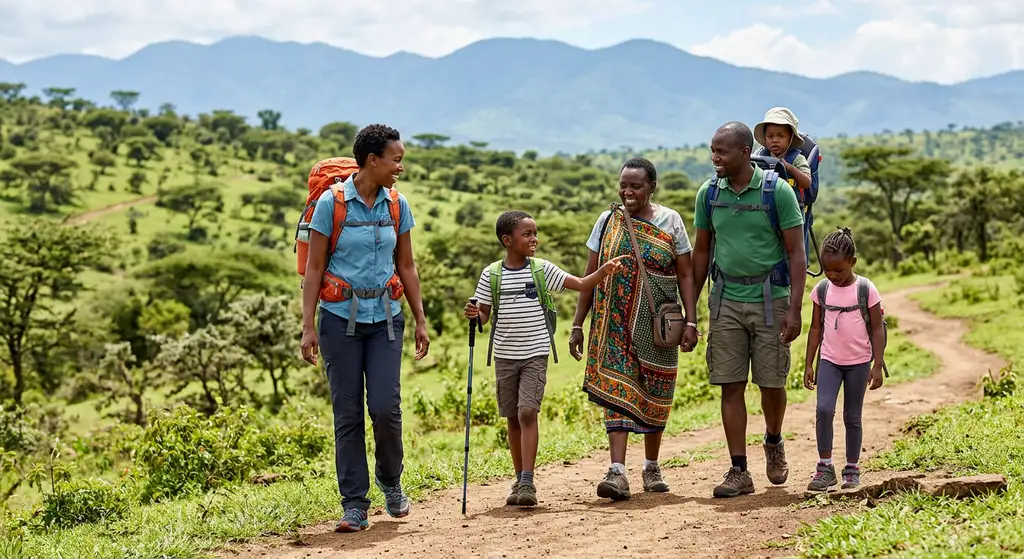
The Biggest Mistake Parents Make
Choosing a trail based on your own fitness level and expecting kids to keep up. A 6-mile trail with 1,500 feet of elevation is a satisfying moderate hike for an adult. For a 6-year-old, it's an endurance event that ends in tears, tantrums, and a child who never wants to hike again. The single most important decision you'll make is matching the trail to the child, not the other way around.
Trail Distance by Age: Realistic Expectations
These are general guidelines, individual kids vary enormously:
- Ages 2–3: Toddlers can walk 0.5–1 mile on their own on flat ground. Beyond that, expect to carry them. Bring a child carrier.
- Ages 4–5: 1–2 miles on easy, flat or gently rolling terrain with lots of interesting things to look at. Pace will be slow, budget double the time you'd normally need.
- Ages 6–8: 3–5 miles on moderate terrain with manageable elevation. Kids this age can handle real hiking with the right trail and preparation.
- Ages 9–12: 5–8 miles on moderate trails with up to 1,000–1,500 feet of elevation gain. Many kids this age can handle challenging terrain if they're active.
- Teens: Most fit teens can keep up with adults on all but the most demanding routes.
These assume a reasonable pace and plenty of breaks. On the first few hikes with a child, aim for the low end of the range and leave room to turn back early.
How to Choose the Right Trail
Beyond distance, look for these features when picking family-friendly trails:
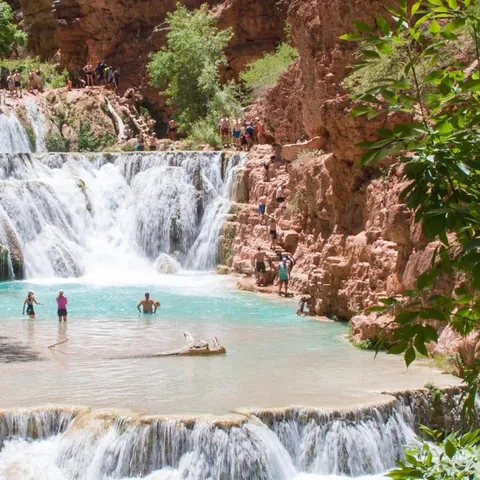
- A clear destination: A waterfall, a viewpoint, a lake, a cave, a bridge. Kids need something to hike toward. "Let's just walk in the woods" doesn't hold attention. "We're going to a waterfall" does.
- Minimal out-and-back sections: The return trip feels harder psychologically. Loops are better for kids because the scenery keeps changing.
- Interesting terrain features: Rocks to climb on, streams to cross on stepping stones, logs to balance on. The best kid-friendly trails aren't just walkways, they're playgrounds with a path.
- Short sections between breaks: Look for trails where the interesting features are distributed throughout, not all at the end.
- Easy bailout options: Especially with young children, know where you can turn back if needed. Avoid trails where you have to complete a loop to get back to the car.
Gear for Hiking With Kids
Child Carriers
For children under 3 (and for backup with ages 3–5 on longer hikes), a structured child carrier is essential. The Osprey Poco, Deuter Kid Comfort, and Thule Sapling are all well-reviewed options that distribute weight properly. Avoid soft-structured baby carriers like the Ergobaby for serious trails, they lack hip belt support and will wreck your back after an hour. Your child's weight goes primarily on your hips, not your shoulders, so hip belt fit matters more than shoulder straps.
Kids' Footwear
For ages 3 and up who are walking, proper footwear makes a significant difference in comfort and safety. Look for grippy soles, some ankle support, and a snug fit. Merrell, Keen, and Salomon all make quality kids' hiking shoes and boots. Avoid sandals for anything beyond paved nature walks, they offer no protection against rocks, roots, or wet conditions.
Hydration
Kids dehydrate faster than adults. Bring more water than you think you need, at least 8 oz per child per hour of hiking. A child-sized hydration reservoir (CamelBak Skeeter or Mini MULE for ages 3+) that they carry themselves tends to encourage more consistent drinking. Kids also hydrate better with cold water and mild electrolyte drinks than plain warm water.
Snacks
Budget for a snack break every 30–45 minutes on the trail. Snacks serve double duty: they maintain blood sugar and mood, and they give you a natural carrot to dangle. "We'll stop for a snack when we reach that big rock" is one of the most effective motivational tools on a kid's hike. Good trail snacks: trail mix, dried mango, string cheese, energy bars broken into pieces, crackers with peanut butter packets.
Layers and Sun Protection
Kids thermoregulate less efficiently than adults. They get colder faster and overheat faster. Pack an extra layer for each child, apply sunscreen before the hike (not on the trail when they're running), and bring sun hats. A child who gets sunburned or too cold will remember it.
Keeping Kids Engaged on the Trail
Give Them a Job
Kids love responsibility. Let your 7-year-old carry the snack bag. Have your 9-year-old navigate with the AllTrails map. Assign someone to be the "wildlife spotter" or "wildflower identifier." Purpose keeps kids moving and engaged far better than pure encouragement.
The Nature Scavenger Hunt
Before the hike, make a list of things to find: a feather, a mushroom, a spider web, tracks in mud, a bird you can hear but not see, something blue. Keep it local and seasonal. Kids who are looking for things forget they're tired. You can find printable scavenger hunts online or make a simple hand-drawn version in 5 minutes.
Let Them Set the Pace
Herding kids like livestock is exhausting for everyone. If a child stops to study a beetle for 3 minutes, let them. The pace will even out. The moments when kids voluntarily slow down are often where the real nature connection happens. Fighting it just creates conflict.
Name the Destination Specifically
"Almost there" is a lie children learn to distrust quickly. Instead, use landmarks: "We'll stop when we get to that big tree" or "The waterfall is just past the second bridge." Specific, visible goals work better than abstract distance promises.
Safety With Kids on Trail
Keep children in front of you on the trail so you can see them at all times. Establish clear rules about staying on the path, not running near drop-offs, and stopping at every trail junction to wait for the group. Kids who understand why the rules exist follow them better, explain what loose rocks, drop-offs, and stream crossings actually mean rather than just issuing orders.
Carry a first aid kit with blister supplies, antihistamine, and bandages. Kids fall more often on trail than adults. Address scrapes quickly so they don't become the focus of the rest of the hike.
What to Do When a Kid Refuses to Walk
It happens. Address it calmly: offer water and a snack first (low blood sugar causes a surprising percentage of meltdowns). Then negotiate, "Walk to that boulder and then we'll stop for a break." If the child is genuinely exhausted, it's okay to turn back. Forcing a miserable kid through the last mile of a hike is a reliable way to create a child who associates hiking with misery. A successful 2-mile hike that ends happily builds better memories than a completed 5-miler that ended in a full tantrum.
How to Hike With Kids FAQs
You can take infants in a front carrier from very early, though 6 months is typically when a structured back carrier becomes viable. Kids can start walking on trails around age 2, though 1 mile is the realistic limit for most toddlers. By age 5–6, many kids can handle 3–5 mile hikes on moderate terrain.
Give them clear destinations to hike toward (waterfall, viewpoint, lake), run a nature scavenger hunt, give them a job (carrying snacks, navigating), and schedule snack breaks at visible landmarks. Specific goals work much better than vague encouragement.
Proper footwear with grip and ankle support (Merrell, Keen, or Salomon kids' hiking shoes), moisture-wicking layers rather than cotton, a rain layer, a sun hat, and sunscreen applied before you start. Avoid sandals or flip-flops on real trails.
At least 8 oz per hour for young children, more in heat or on strenuous terrain. Use child-sized hydration reservoirs to encourage self-regulation. Add mild electrolytes for hikes over 2 hours, especially in hot weather.
Look for trails with clear destinations (waterfall, lake, viewpoint), interesting features distributed along the route (stream crossings, climbable rocks), minimal one-way-out sections, and easy bailout points. AllTrails filters for 'kid-friendly' trails in most areas. National park visitor centers are also a good source of family-specific trail recommendations.