What Altitude Sickness Actually Is
As you climb, the air pressure drops and every breath delivers less oxygen to your blood. Your body can adapt to this, that's acclimatization, but only if you give it time. Push higher faster than your body can adjust, and you get altitude sickness. It most commonly begins above 8,000 feet (2,500 m), the elevation of many trailheads in Colorado, the Sierra, and the Rockies, and it has nothing to do with fitness. Elite athletes get it as readily as anyone; in fact, fit hikers often get it more because they ascend faster.
The mildest and most common form is Acute Mountain Sickness (AMS). Left unrecognized, it can progress into two rare but life-threatening conditions. Knowing all three is the difference between a ruined afternoon and a medical emergency.
The Three Forms
Acute Mountain Sickness (AMS): The everyday version. A headache plus at least one of: nausea or loss of appetite, fatigue, dizziness, or poor sleep. It typically appears 6–12 hours after arriving at altitude and feels like a hangover. AMS is your warning light, not dangerous on its own, but a clear signal to stop ascending.
High-Altitude Pulmonary Edema (HAPE): Fluid builds up in the lungs. Signs are breathlessness at rest, a persistent dry or wet cough, chest tightness, and an inability to keep up with the group. HAPE is a medical emergency and the most common altitude-related cause of death.
High-Altitude Cerebral Edema (HACE): Fluid builds up in the brain. The hallmark sign is ataxia, loss of coordination, like being unable to walk a straight line heel-to-toe. Confusion, severe headache, hallucinations, and altered consciousness follow. HACE can become fatal within hours.
For both HAPE and HACE the treatment is the same and immediate: descend now.
The #1 Prevention Rule: Ascend Slowly
Almost all altitude sickness is caused by going up too fast. Acclimatization is the entire game, and it follows simple rules backed by the Wilderness Medical Society:
- Above 9,800 feet (3,000 m), don't increase your sleeping elevation by more than 1,600 feet (500 m) per night. You can hike higher during the day, what matters is where you sleep.
- Take a rest day every 3,300 feet (1,000 m) of sleeping-elevation gainor every 3–4 days.
- "Climb high, sleep low." Day-hiking to a higher point and then returning to a lower elevation to sleep accelerates acclimatization and is the single most effective strategy.
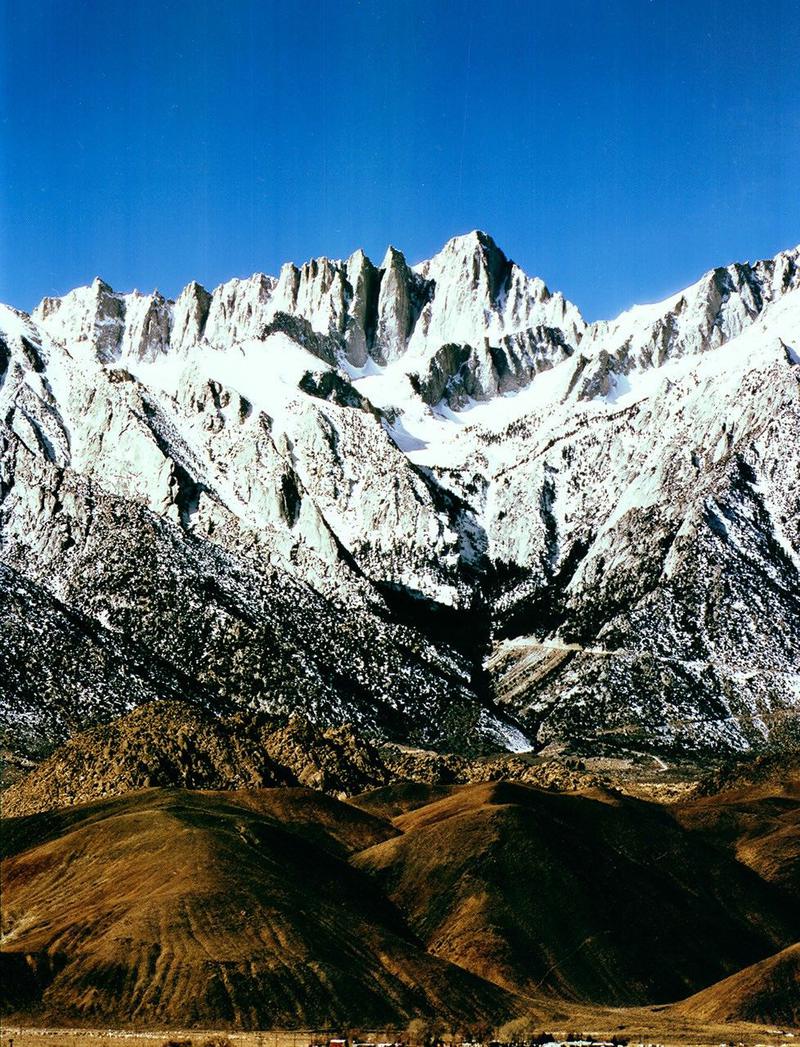
If your trip starts at a high trailhead after a fast drive or flight (Cusco, Leadville, the Whitney Portal), build in a day or two at moderate elevation first instead of charging straight up.
The Other Prevention Basics
Slow ascent does most of the work. These habits cover the rest:
- Hydrate well. You lose more water at altitude through faster breathing and dry air. Aim for pale-yellow urine. Don't overhydrate to the point of diluting your sodium, just drink steadily.
- Skip alcohol and sleeping pills the first two nights. Both suppress breathing while you sleep, exactly when your body needs to be ventilating hard to acclimatize.
- Don't overexert on arrival day. Take the first day at altitude easy. Hard effort before you've adjusted is a reliable way to trigger AMS.
- Eat carbohydrates. A carb-rich diet slightly improves how efficiently your body uses oxygen at altitude, and altitude blunts your appetite, so make eating a priority.
Medication: When and What
Acetazolamide (Diamox) is the standard preventive drug. It speeds acclimatization by gently acidifying the blood, which stimulates breathing. The typical preventive dose is 125 mg twice daily, started 24 hours before ascending and continued for the first two days at altitude. It's a prescription medication, so talk to your doctor before a high trip, especially if you have a sulfa allergy. Expect harmless side effects: tingling fingers and toes, and a flat taste to carbonated drinks.
Dexamethasone is a steroid used to treat HACE and as a backup preventive in specific cases, prescription only and used under medical guidance. For nearly all hikers, slow ascent plus optional Diamox is the complete plan. Ibuprofen or acetaminophen handles the AMS headache.
Recognize the Symptoms Early
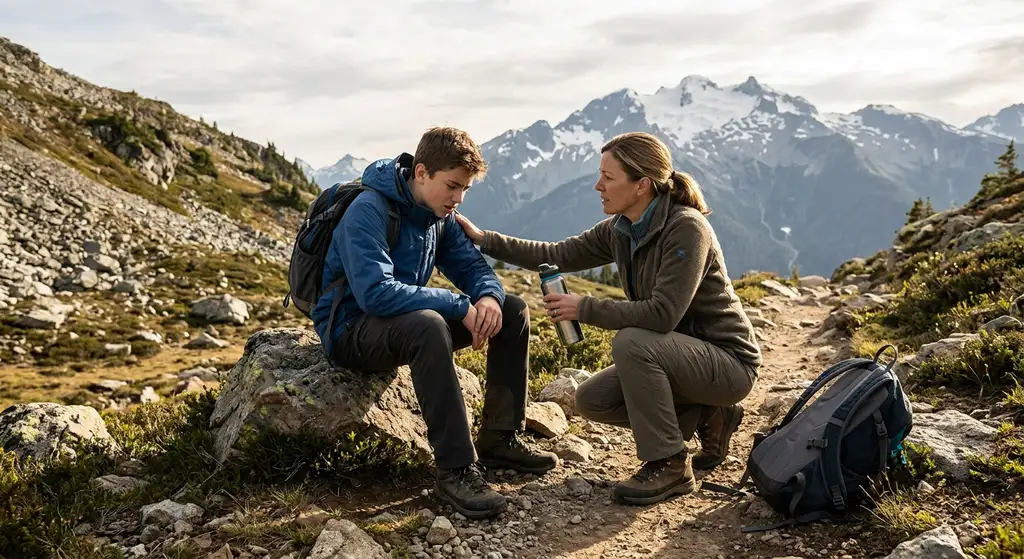
The Wilderness Medical Society's golden rule: if you feel unwell at altitude, assume it's altitude sickness until proven otherwise. Don't explain away a headache and nausea as dehydration or a bad night's sleep. Watch yourself and your partners for the AMS triad, headache, GI upset, and fatigue, and take it seriously the moment it appears.
The Three Rules of Descent
These three rules prevent nearly every altitude death:
- If you have symptoms of AMS, do not go higher. Stay put and rest until they fully resolve.
- If your symptoms are getting worse, descend. A drop of just 1,000–3,000 feet (300–1,000 m) usually brings dramatic relief.
- If you show any sign of HAPE or HACE, descend immediatelyday or night, no waiting. Never leave someone with worsening symptoms alone, and never let them descend alone.
Plan the Itinerary Around Acclimatization
The best prevention is built into your route before you leave home. For peaks like Mount Whitney, Kilimanjaro, or 14ers reached from low elevation, add acclimatization nights rather than treating the summit as a one-push objective. A common, safe pattern: arrive and sleep at a moderate elevation, spend a day doing a climb-high-sleep-low hike, then make your summit attempt rested and adjusted. The hikers who get sick are almost always the ones who tried to save a day.
Common Mistakes
- Driving or flying straight to a high trailhead and hiking hard the same day. The classic AMS trigger, give yourself a buffer.
- Treating fitness as immunity. Being in great shape lets you ascend faster, which raises your risk. Acclimatization is physiological, not athletic.
- Ignoring a headache. The first symptom is the cue to stop climbing, not to push through.
- Ascending to sleep higher despite symptoms. Never increase your sleeping elevation while you feel unwell.
- Mistaking HAPE breathlessness for being out of shape. Breathlessness at rest is never normal at altitude, it's a red flag to descend.
How to Prevent Altitude Sickness FAQs
Acute Mountain Sickness most commonly begins above 8,000 feet (2,500 m), though sensitive individuals can feel it lower. Risk and severity climb steadily with elevation, especially above 9,800 feet (3,000 m) where careful, slow ascent becomes essential.
Above 9,800 feet (3,000 m), don't increase your sleeping elevation by more than about 1,600 feet (500 m) per night, and take a rest day every 3,300 feet (1,000 m) or every 3 to 4 days. Hiking higher during the day and sleeping lower ('climb high, sleep low') speeds acclimatization.
No. Fitness offers no protection and can actually increase risk, because fit hikers tend to ascend faster than their bodies can acclimatize. Altitude sickness is a physiological response to low oxygen, unrelated to athletic conditioning.
Diamox can help you acclimatize faster and is commonly used for rapid ascents or for hikers with a history of AMS. The typical preventive dose is 125 mg twice daily starting 24 hours before ascent. It's a prescription drug, so consult your doctor first, particularly if you have a sulfa allergy.
Stop ascending and rest until symptoms resolve. If they worsen, descend 1,000 to 3,000 feet, which usually brings rapid relief. Any sign of HAPE (breathlessness at rest, cough) or HACE (confusion, loss of coordination) requires immediate descent and medical attention.