Backpacking Maine: 7-Day 100-Mile Wilderness Itinerary
One hundred miles, no towns, no stores, no bail-out, the wildest stretch of the AT.
Seven days backpacking Maine's 100-Mile Wilderness, the most remote stretch of the Appalachian Trail: boreal forest, granite-capped peaks, river fords, remote ponds, and the first dramatic views of Katahdin.
“I’ve requested to book a Chain Lakes Loop guide on ExplorOFF, and it was the best idea ever! I highly recommend going with their guided option since you get a real human connection on the trail and don’t have to worry about a thing. Yulia was great to talk to!”
 22 stops on a real mapEvery stop pinned in order→
100-Mile Wilderness: every stop pinned in order.
Monson, White Cap Mountain, Nahmakanta Lake & Abol Bridge · Maine
Every stop on this trip, in order, opens as one driving route in the Google Maps app. No copying addresses across one at a time.
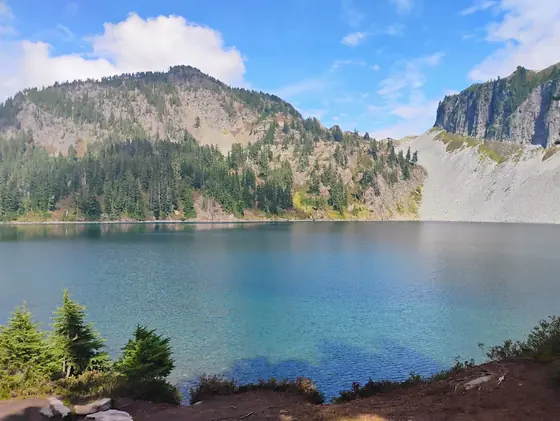
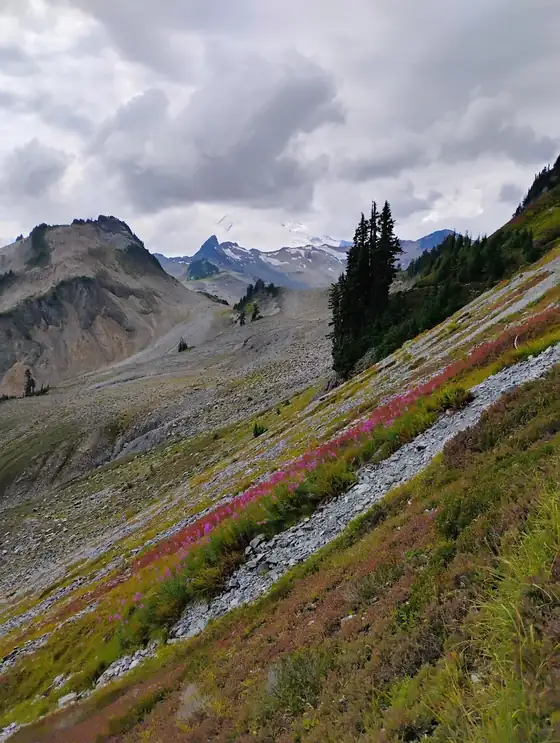
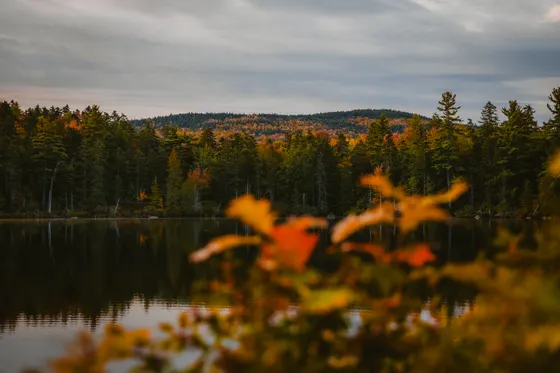
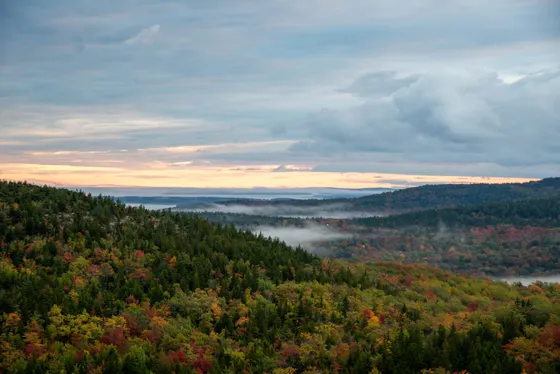
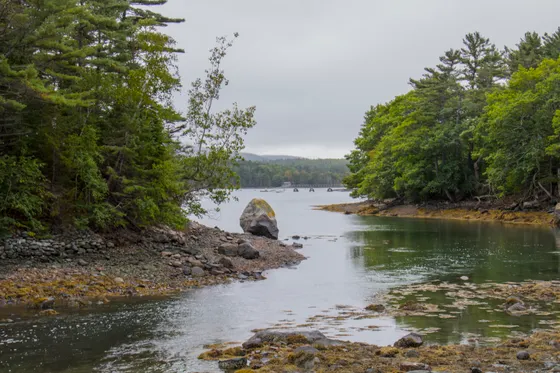
100-Mile Wilderness in photos: 6 of the stops.

Plan and book your 7 days in 100-Mile Wilderness, one step at a time
- Baxter State Park asks AT hikers to summit Katahdin before October 15, when shoulder-season trail closures begin, and summer camping in the park ends October 22. Walking on to Katahdin after mid-October may not be possible; the long-distance hiker permit is free and issued in person at Katahdin Stream Campground. Source
How 7 days in 100-Mile Wilderness split up
Plan 7 days for 100-Mile Wilderness. Total distance: 99 mi. Difficulty: Strenuous. Permit: None. If you're serious about backpacking Maine, the 100-Mile Wilderness is the trip. The sign at the trailhead in Monson says it plainly: "There are no places to obtain supplies or get help until Abol Bridge, 100 miles north. Do not attempt this section unless you have a minimum of 10 days supplies and are fully equipped."
Day 1: Monson to Wilson Valley Lean-to (10.4 miles)
4 stops · Day one
Day 2: Wilson Valley Lean-to to Chairback Mountain Camp (15.1 miles)
3 stops · Day two
Day 3: Chairback Mountain Camp to Carl A. Newhall Lean-to (16.0 miles)
3 stops · Day three
Day 4: Carl A. Newhall Lean-to to Cooper Brook Falls Lean-to (15.7 miles)
3 stops · Day four
Day 5: Cooper Brook Falls Lean-to to Wadleigh Stream Lean-to (14.5 miles)
3 stops · Day five
Day 6: Wadleigh Stream Lean-to to Hurd Brook Lean-to (16.3 miles)
3 stops · Day six
Day 7: Hurd Brook Lean-to to Abol Bridge (11.0 miles)
3 stops · Day seven
Monson to Wilson Valley Lean-to (10.4 miles)
Terrain: Rooty paths, minor stream crossings, and steady climbs.
Not the order you want? Drag a stop, or use the arrows beside it. Stops move between days too.
 Start at
Shaw's Hostel base · gear check · DriveLeave from the Route 15 trailhead in Monson. Shaw's Hiker Hostel is the classic pre-hike base: they hold your car, do a gear check, and cook an enormous breakfast before you leave. Book ahead at shawshikerhostel.com; they fill up. The sign at the trailhead warns there are no supplies or help until Abol Bridge, 100 miles north.
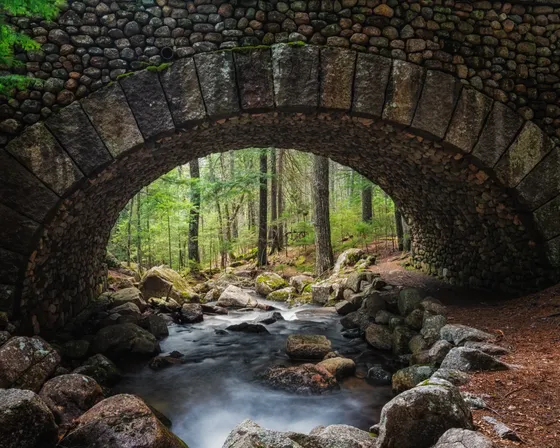
Operator info →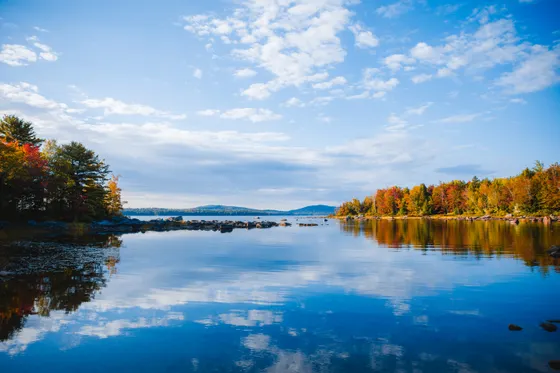 Little Wilson Falls
About mile 6.5 · 60-ft cascade · ViewpointAround mile 6.5 you'll reach Little Wilson Falls, a 60-ft cascade that's the visual highlight of the day. The trail to here rolls through dense forest with roots, mud, and slick slate ledges, relatively flat but physically taxing with a full resupply pack.
- Big Wilson Stream ford
Wide rocky crossing · fixed rope · HikeJust past Little Wilson Falls comes the day's main obstacle: the ford at Big Wilson Stream, a wide, rocky crossing with a fixed rope strung across to help with the current, usually knee-deep in normal conditions. After the stream, the trail crosses railroad tracks and an active beaver dam.
- Wilson Valley Lean-to
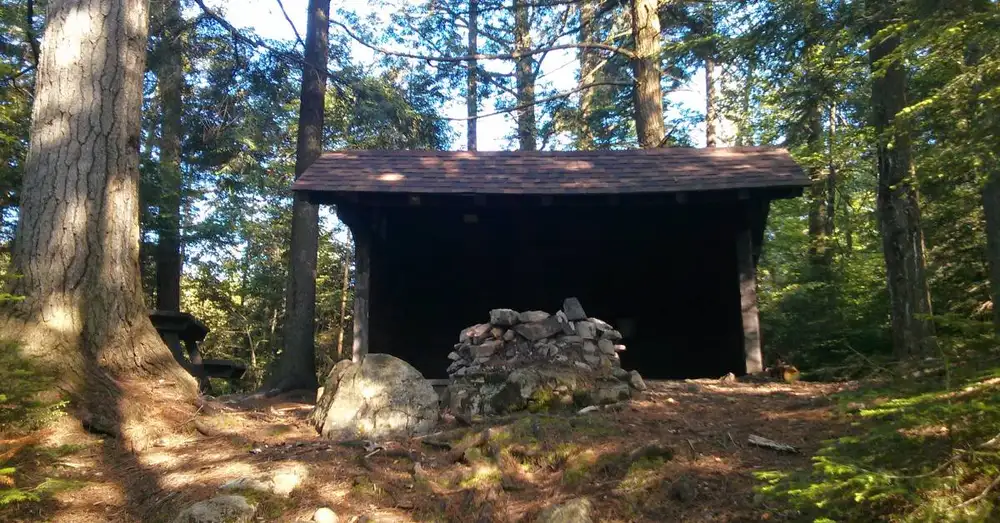
Lean-to + tent sites · free · first-come · lodgeCamp at Wilson Valley Lean-to (lean-to + tent sites, privy, stream 50 yards from shelter). Lean-tos along the Appalachian Trail are completely free and first-come, first-served, so show up, claim a spot on the platform, and pitch a tent nearby if it is full.

Wilson Valley Lean-to to Chairback Mountain Camp (15.1 miles)
Terrain: Steep, rugged ascent up the Chairback Range with rocky footing.
Not the order you want? Drag a stop, or use the arrows beside it. Stops move between days too.
 Long Pond Stream ford
Descend and ford before the climb · HikeFrom Wilson Valley, descend to ford Long Pond Stream, then begin the steep climb up the Chairback Range. This is the start of the first big day, with steep, rugged ascents and rocky footing ahead.
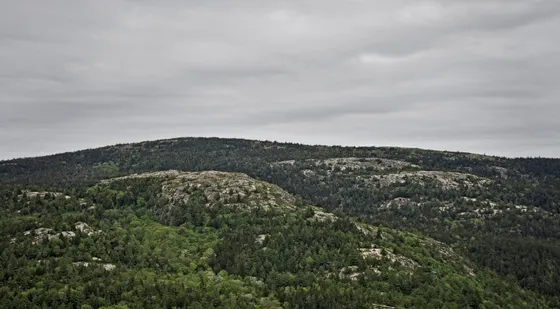 Barren Mountain (2,670 ft)
Steep 1,400-ft climb · open ledges · HikeBegin the steep 1,400-ft climb up Barren Mountain (2,670 ft). The summit's open ledges deliver the first sweeping view: the Chairback Range marches north across the horizon. From Barren, the AT traverses Fourth Mountain and Third Mountain with steep, rocky descents between each ridge.
- Chairback Mountain Camp
End of the first big day · lodgeEnd at Chairback Mountain Camp after traversing Fourth Mountain and Third Mountain with steep, rocky descents between each ridge. It is the close of the first big day on the range, 15.1 miles in.
Chairback Mountain Camp to Carl A. Newhall Lean-to (16.0 miles)
Terrain: High-elevation ridge walking, exposed peaks, and technical descents.
Not the order you want? Drag a stop, or use the arrows beside it. Stops move between days too.
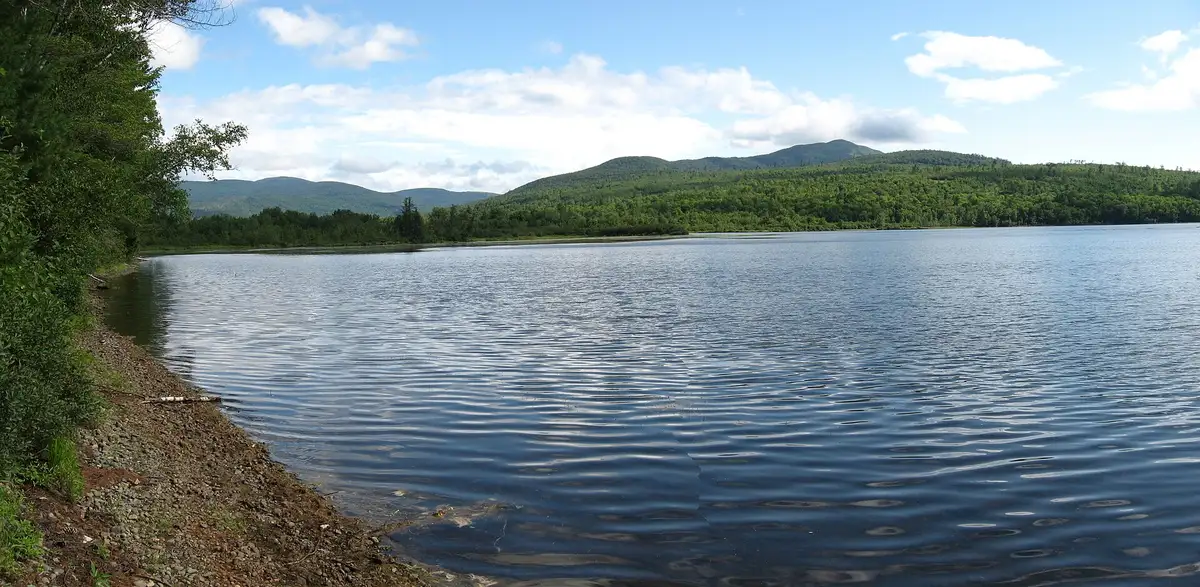 Fredlyfish4 / CC BY-SA 4.0Columbus & Chairback Mountain
High-elevation ridge walking · HikeContinue across Columbus Mountain and Chairback Mountain proper, then drop off the range into the valley of the West Branch of the Pleasant River. This is high-elevation ridge walking with exposed peaks and technical descents.
- Gulf Hagas side trip
8.4-mi loop · five waterfalls · 130-ft walls · ViewpointThis is the day for the Gulf Hagas side trip, the "Grand Canyon of Maine," if your legs have it left in them. Drop heavy packs at the marked AT junction, do the 8.4-mile slate-gorge loop with five major waterfalls and 130-ft canyon walls, then continue north.
 Carl A. Newhall Lean-to
Lean-to + tenting · privy · stream · lodgeContinue north to Carl A. Newhall Lean-to (lean-to + tenting, privy, stream nearby), in the valley below White Cap Mountain. Fill up at the West Branch of the Pleasant River before you climb back to camp.
Carl A. Newhall Lean-to to Cooper Brook Falls Lean-to (15.7 miles)
Terrain: Flatter, softer forest floor alongside beautiful remote ponds.
Not the order you want? Drag a stop, or use the arrows beside it. Stops move between days too.
- White Cap Mountain (3,654 ft)
High point · Katahdin 60 mi north · HikeThe big climb of the trip: White Cap Mountain (3,654 ft), the highest point of the 100-Mile Wilderness, plus the supporting summits of Gulf Hagas Mountain, West Peak, and Hay Mountain. From the open ledges of White Cap, on a clear day you'll see Katahdin 60 miles north, your motivation for the rest of the trip.
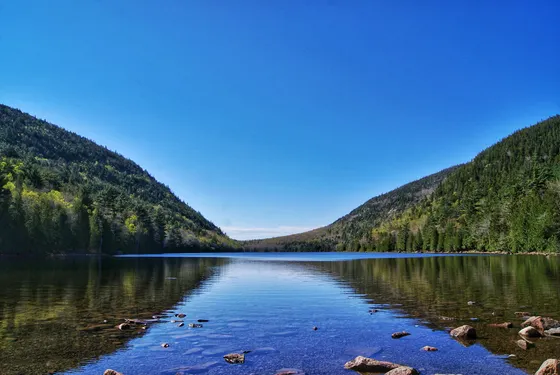 Logan Brook & remote ponds
Long north-slope descent · ViewpointAfter the summit, the trail descends a long north slope into softer, lower terrain past Logan Brook and a string of remote ponds. The footing eases into flatter, softer forest floor alongside beautiful remote ponds.
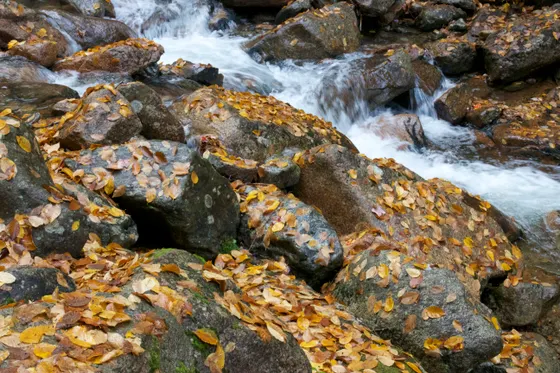 Cooper Brook Falls Lean-to
Perched above a chain of cascades · lodgeEnd at Cooper Brook Falls Lean-to, perched directly above a chain of small cascades. It is one of the most scenic lean-to settings on the route, after 15.7 miles over the high point of the wilderness.
Cooper Brook Falls Lean-to to Wadleigh Stream Lean-to (14.5 miles)
Terrain: Gentle rolling hills and easy walking through dense boreal forest.
Not the order you want? Drag a stop, or use the arrows beside it. Stops move between days too.
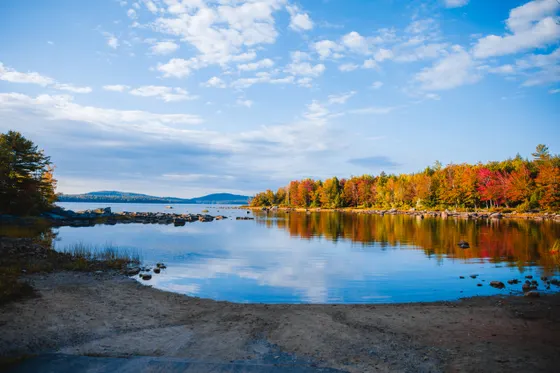
 Jo-Mary & Pemadumcook lakes
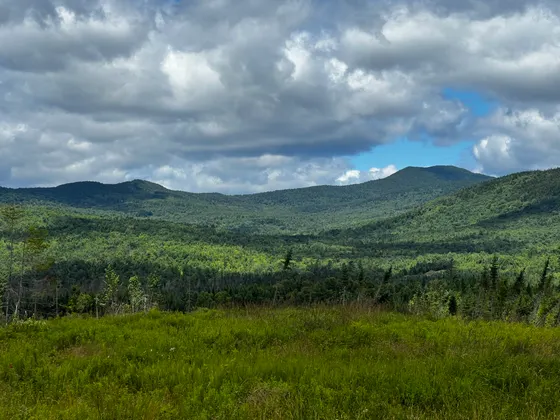
The long lakeside corridor · ViewpointHead into the long lakeside corridor of the wilderness. White Cap is behind you, the terrain flattens out, and the day is about distance through boreal forest, past remote ponds, and along the shores of Jo-Mary and Pemadumcook lakes.
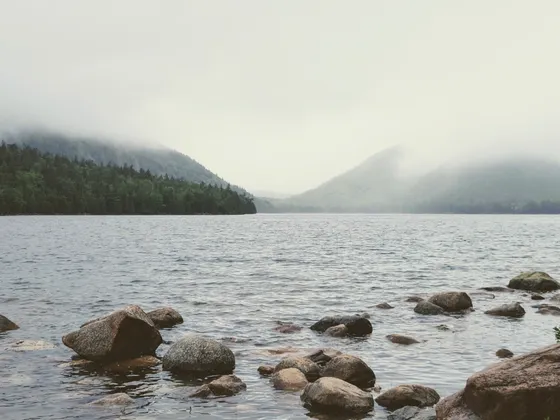
- Nahmakanta Lake
Boreal forest shoreline · ViewpointWalk the shore of Nahmakanta Lake through dense boreal forest on gentle rolling hills. Water is plentiful through this corridor, so filter and drink often as you cover the miles.
- Wadleigh Stream Lean-to
Lean-to + tenting · privy · lodgeCamp at Wadleigh Stream Lean-to (lean-to + tenting, privy), set just back from the south end of Nahmakanta Lake. It is a quiet lakeside night after 14.5 easy-walking miles through the boreal corridor.
Wadleigh Stream Lean-to to Hurd Brook Lean-to (16.3 miles)
Terrain: Gradual climbs opening up to views of the surrounding lakes.
Not the order you want? Drag a stop, or use the arrows beside it. Stops move between days too.
- Nesuntabunt Mountain (1,520 ft)
Short but steep · clear view to Katahdin · HikeClimb over Nesuntabunt Mountain (1,520 ft, 1,100 ft gain from the lake, short but steep) with a clear sight line north to Katahdin, unmistakably massive on the horizon. Descend to Rainbow Lake and follow the western shore trail.
 Rainbow Ledges
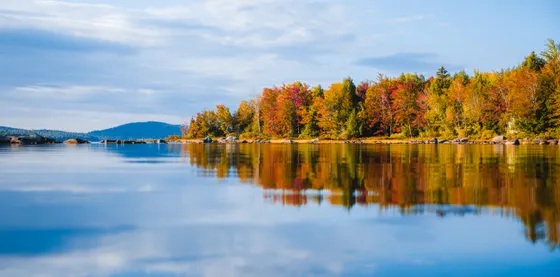
Last clear Katahdin view · ViewpointThe route crosses Rainbow Ledges later in the day, the last clear view of Katahdin before the trees close in completely. The terrain here is flat and fast-paced over gradual climbs that open up to views of the surrounding lakes.
 Hurd Brook Lean-to
Quiet last camp before the wilderness ends · lodgeEnd at Hurd Brook Lean-to (lean-to + tenting, privy), a quiet last camp before the wilderness ends. Savor the final night in the deep woods after 16.3 miles.
Hurd Brook Lean-to to Abol Bridge (11.0 miles)
Terrain: Flat, fast-paced trails ending with views from Rainbow Ledges.
Not the order you want? Drag a stop, or use the arrows beside it. Stops move between days too.
 Broad boreal plateau
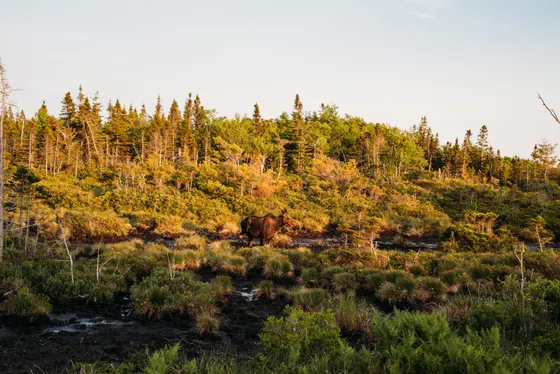
Flat and fast · watch for moose · HikeThe final morning is broad boreal plateau, flat and fast. Watch for moose in the spruce bogs as you cover the last miles toward Abol Bridge.
- Abol Bridge
Katahdin rises 5,000 ft out of the treeline · ViewpointCross Abol Bridge over the West Branch Penobscot River. Look north: Katahdin rises 5,000 feet straight out of the treeline in front of you, one of the most dramatic views in New England. Shaw's shuttle meets you at the bridge. If you have a Baxter permit for Katahdin, the Abol Trail starts 0.5 miles north.
- Shaw's shuttle back to Monson
About 90 mi by road, 2 hr · book before you start · DriveShaw's Hostel runs shuttles between Monson and Abol Bridge (about 90 miles and 2 hours by road). Book before you start by calling (207) 997-3597 or emailing shawshikerhostel@gmail.com. The shuttle meets you at the bridge and returns you to your car in Monson.
Operator info →
Sort the food and the far end
The wilderness itself needs no permit and takes no booking. Two other things do.
- No permit, no bookingThe lean-tos are free and first-come. You cannot reserve one.
- Carry seven days of foodThere is no resupply between Monson and Abol Bridge. Arrange a drop or carry it all.
- Baxter takes reservationsIf you carry on to Katahdin, book well ahead. It runs its own season.
- Baxter hiker permitRequired for AT hikers in either direction, whether or not you summit.
- The BirchesOnly for northbounders who walked the 100 continuous miles from Monson, and only if there is space.
What to pack for 100-Mile Wilderness
Built from this route, not a generic list. Every line says why it is here.
On every day of this trip
On your feet
Because you are sleeping out 6 nights
For the drive to the trailhead
What we actually learned in the wilderness.
No resupply, so carry 8 days of food
You carry everything from Monson; there is no resupply. For 7 days at this pace, plan 8 full days of food (one extra for weather delays). Target 1.5 to 2 lbs of food per day. Freeze-dried dinners plus trail mix, peanut butter, and bars. Total food weight runs 12 to 16 lbs. If you arrange a food drop with Shaw's, halve your starting load.
Filter everything
Giardia is present in Maine streams, so filter all your water. A Sawyer Squeeze or SteriPen is recommended, and carry 3L of capacity minimum between sources. You will be fording and filtering the whole route, from Big Wilson Stream to the lakeside corridor.
Lean-tos are free and first-come
You do not book lean-tos. The trail shelters along the Appalachian Trail are completely free and operate strictly first-come, first-served. There are no reservations, so simply show up, claim a spot on the platform, and pitch a tent nearby if it is full.
Go mid-July through September
Mid-July through September is ideal. August is the sweet spot: fewer bugs, manageable river levels, and long days. June brings extreme mud and black flies. September brings the best foliage and cold nights. A full tent is the right call all season because of the bugs.
Plan the shuttle and a food drop with Shaw's
Shaw's Hostel runs shuttles between Monson and Abol Bridge (about 90 miles and 2 hours by road), book before you start by calling (207) 997-3597 or emailing shawshikerhostel@gmail.com. Shaw's and other Monson outfitters also offer mid-route food drops, delivering a resupply box to a pre-arranged spot around Day 3 or 4 so you do not carry 10+ days of food at once.
Baxter permits to continue to Katahdin
No permit is required for the 100-Mile Wilderness itself. Baxter State Park camping and Katahdin summit permits are required if you continue, and you should get these at baxterstatepark.org well in advance. Baxter is governed separately from the Maine State Park System; the Reservation Office is 207-723-5140.
100-Mile Wilderness: questions before you go
100-Mile Wilderness: the questions people ask most.
It's the hardest sustained section of the AT, strenuous climbs, rough footing, frequent river crossings, and no bail-out options. You need 7 to 10 days of food, full wilderness backpacking experience, and solid fitness. It's not for first-time backpackers.
No permit is required for the 100-Mile Wilderness section itself. If you continue to Katahdin through Baxter State Park, you need a Baxter day-use permit (free, reserve at baxterstatepark.org up to 4 months ahead) and a camping permit if you stay overnight in the park.
Shaw's Hiker Hostel in Monson, ME is the legendary last stop before the 100-Mile Wilderness. They'll hold your car for the duration, do a gear shakedown, serve enormous breakfasts, and arrange shuttle service to and from Abol Bridge. Every serious 100-Mile attempt starts here.
Mid-July through mid-September. August is the sweet spot: fewer bugs, manageable river levels, long daylight. June is extreme mud and black flies. September brings cold nights and beautiful foliage but shorter days.
Experienced backpackers can. You'll go days without seeing anyone outside of shelters. Carry a satellite messenger (Garmin inReach or similar), tell someone your itinerary, and have solid wilderness first-aid skills. Solo crossings of Big Wilson Stream and West Branch Pleasant River need extra caution.
Yes. Tell us your dates and we pass them to the licensed local guide who runs this route, with the permits, the food plan and the shuttles included, from about $4,585 per person. They confirm what is possible on your days and what it costs. Asking is free: no card, no deposit, and nothing is held until you say yes.
Pick how you want to go.
Same 7-day route. Same 14 stops.
- 6 nights, sites along the route
- Free
- Rental car, 7 days
- $420
- Gas, about 193 miles
- $25
- A private local guide, campsites booked
- Included
- Airport pickup and every drive
- Included
- Park, permit and campsite fees paid
- Included
- All the gear and the trail meals
- Included
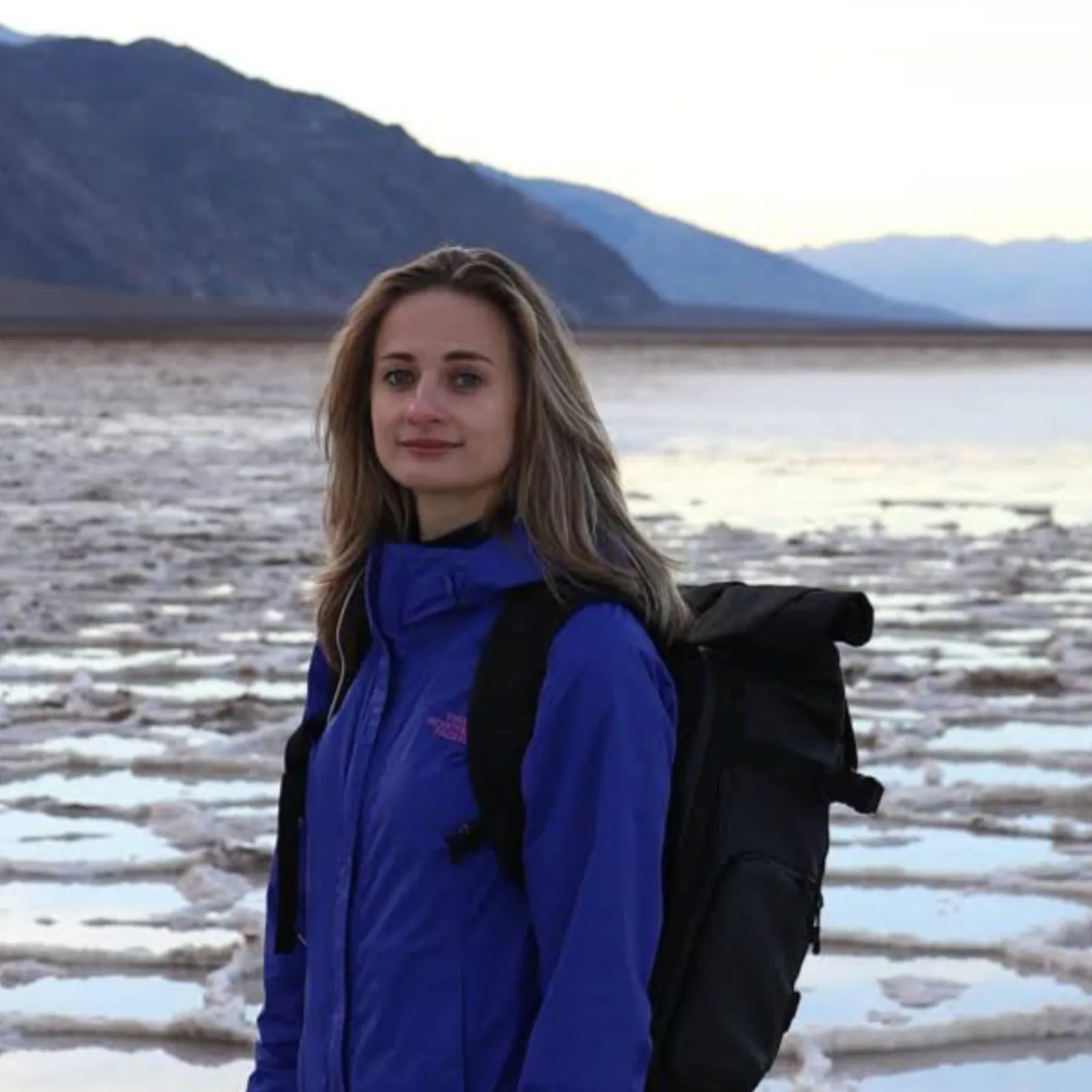
Written and walked by Yulia Vasilyeva · Co-founder · Lead planner and guide
Three years leading guided hikes in the Pacific Northwest, rated 5.0 by 20+ verified guests, and she builds every custom itinerary herself. Based in Seattle.
Last checked September 2026
You might also love these
Other itineraries near this one.
Maine Outdoor Circuit: 10-Day Katahdin, Allagash & Acadia
A 10-day Maine outdoor circuit connecting three iconic adventures: summiting Katahdin via the Knife's Edge, paddling the Allagash…
Acadia National Park 3-Day Itinerary: Best Hikes + Where to Stay
Three days in Acadia: Cadillac Mountain sunrise, the iron-rung Precipice Trail, Jordan Pond popovers, the car-free carriage roads, and…
Presidential Traverse: A New Hampshire Weekend Itinerary
A weekend Presidential Traverse across the highest peaks of New Hampshire's White Mountains, about 20 miles over Madison, Adams,…
Guides for this tripWhere the Appalachian Trail EndsFree Camping in MaineThe Tallest Mountain in MaineHiking in Maine
What adventurers say about us.
All reviews are from verified guests. ★★★★★ 5.0 average from 20+ bookings.
"Felt like going out with a really knowledgeable friend who just happens to know everything about the area. No awkward tour-guide energy, just a magnificent day."
"Yulia is an incredible guide. She knew every trail, every viewpoint, and exactly how to pace the day for our group. The photos she took of us were stunning. 100% booking again."
"I was visiting Seattle solo and this was the best decision I made on the trip. Yulia picked me up, had snacks, and took us to a trail I never would have found on my own. Absolute must-do."
"We did this as a couple's trip and it was perfect. Yulia adapted everything to us, our pace, our interests, our photo obsession. The mountain views were unreal."
"Phenomenal experience. Yulia has deep local knowledge and a real passion for the outdoors. She went out of her way to show us the hidden gems tourists never see. Will remember this forever."
"I've done a few guided hikes and this was by far the best. Yulia is warm, funny, and genuinely expert. The trail she chose had the most insane wildflower bloom, we got so lucky."
Fees, reservation windows, shuttle dates and trail closures are planning estimates. Confirm hours, road status and any reservations with the land manager before you go.
What other travelers are saying
Be the first to leave a tip or question for the next traveler.
Was this helpful?
One tap. It goes straight to Yulia and Margarita.
You can't hike it if you can't get the permit.
The best hikes in America run on lotteries that open once a year and sell out in minutes. Every trail runs on its own calendar. Pick the ones you want and we do the watching.
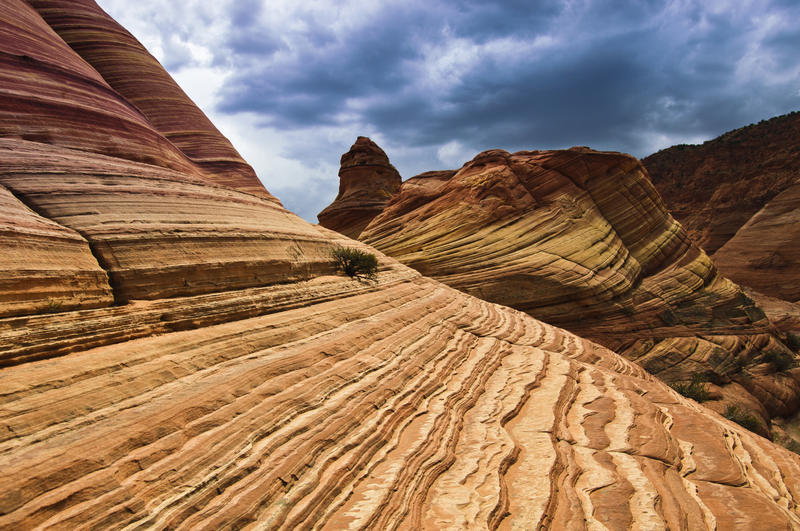 The WaveCoyote Buttes North · Arizona / UtahPermitLotterybrutal odds
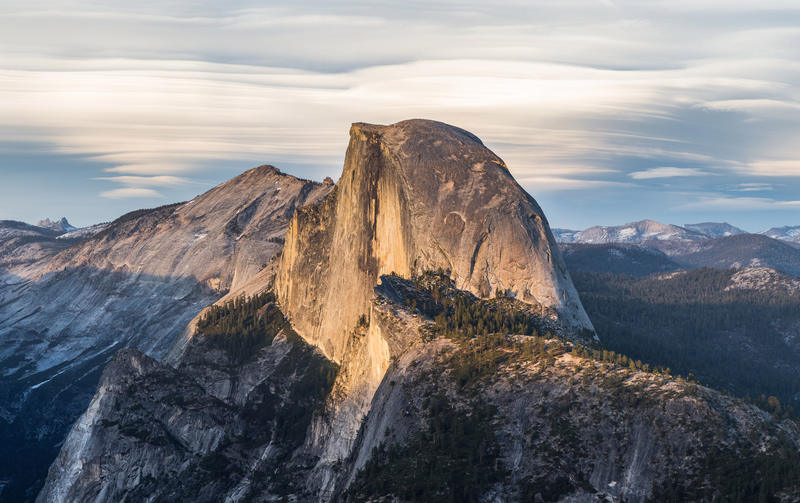 Half Dome CablesYosemite NP · CaliforniaPermitOpens Mar 1fair odds
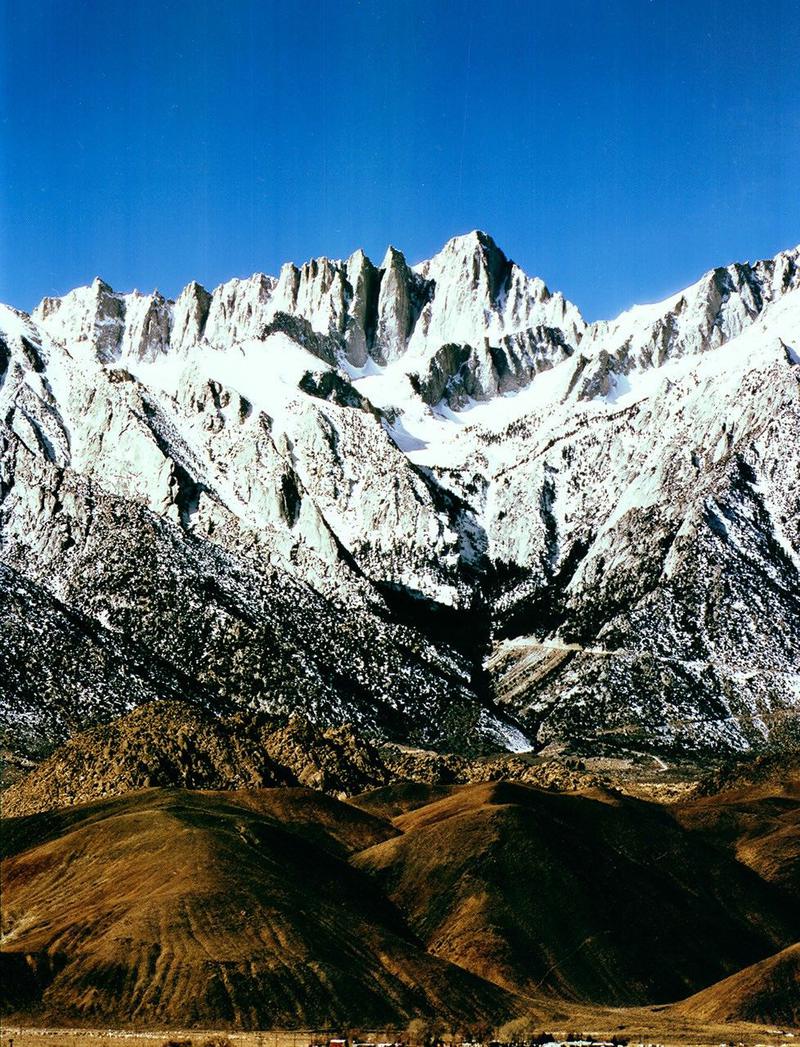 Mt. WhitneyInyo NF · CaliforniaPermitOpens Feb 1tough odds
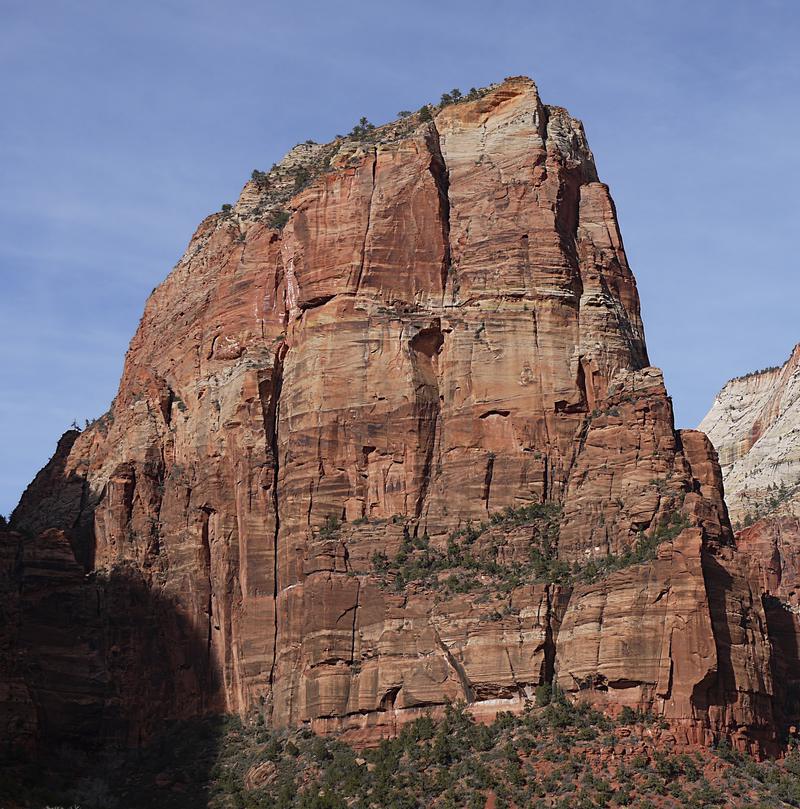 Angels LandingZion NP · UtahPermitLotterytough odds
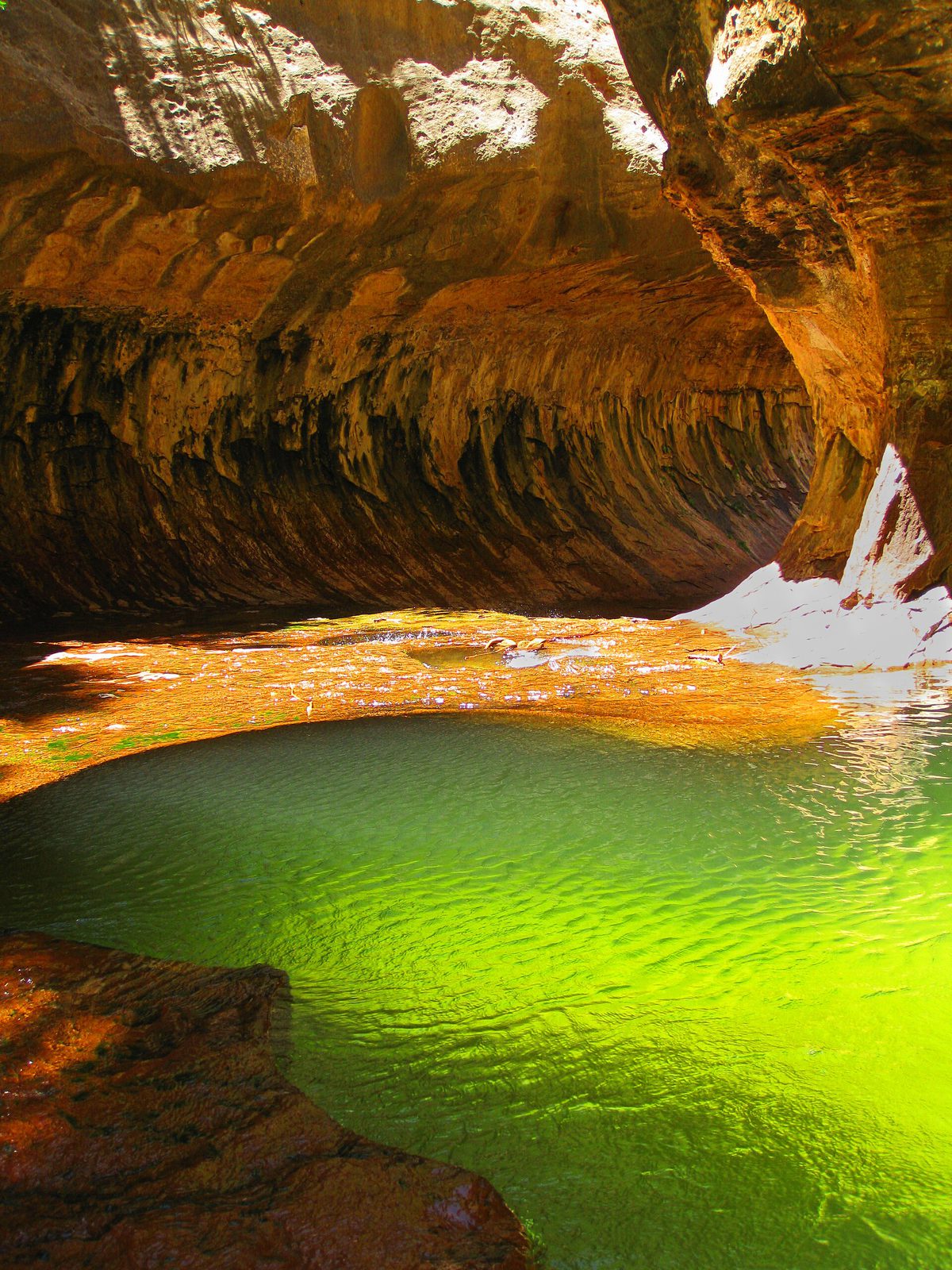 The SubwayZion NP · UtahPermitLotterytough odds
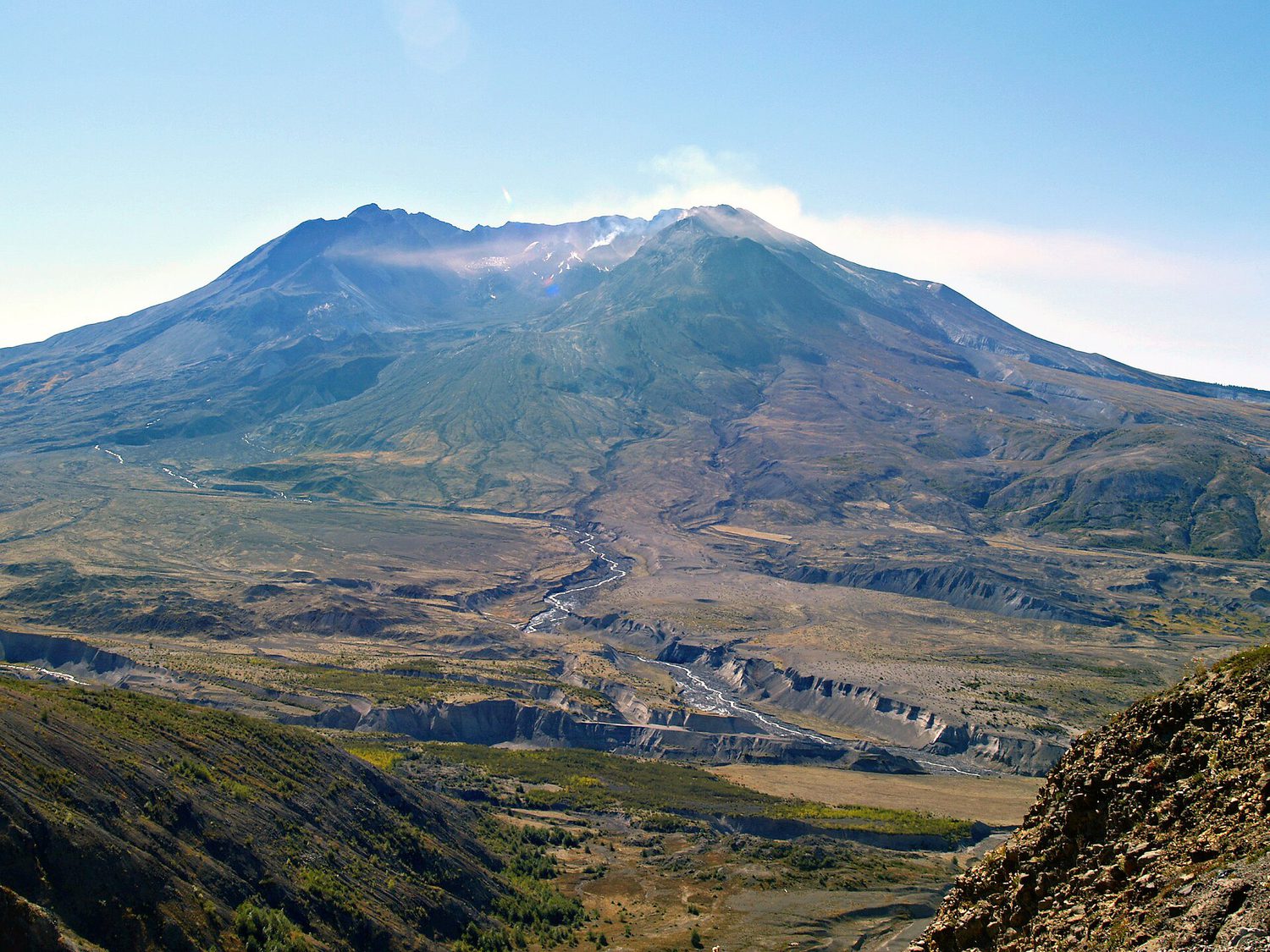 Mount St. Helens Summit ClimbGifford Pinchot NF · WashingtonPermitReservationtough odds
How it works
- An email the morning each window opens, never the day after.
- A 14-day heads-up so you can line up your group and dates.
- Win odds and a ranked backup plan for every trail you pick.
Didn't win? We keep watching. We check recreation.gov every day for The Enchantments, Half Dome and Angels Landing, and email you the moment a sold-out date frees up. Cancellations are the second chance most people never hear about.