Boundary Waters Canoe Map + 3-Day Beginner Route from Ely
A beginner-friendly Lake One to Lake Three loop, from Ely.
3-day beginner canoe trip in Minnesota's Boundary Waters Canoe Area Wilderness. A loop from Entry Point 30 through Lake One, Lake Two, and Lake Three with short, well-maintained portages, quiet campsites, and excellent walleye fishing, all launched from Ely.
“I’ve requested to book a Chain Lakes Loop guide on ExplorOFF, and it was the best idea ever! I highly recommend going with their guided option since you get a real human connection on the trail and don’t have to worry about a thing. Yulia was great to talk to!”
 13 stops on a real mapEvery stop pinned in order→
Boundary Waters: every stop pinned in order.
Lake One, Lake Two & Lake Three · Entry Point 30 · Minnesota
Every stop on this trip, in order, opens as one driving route in the Google Maps app. No copying addresses across one at a time.
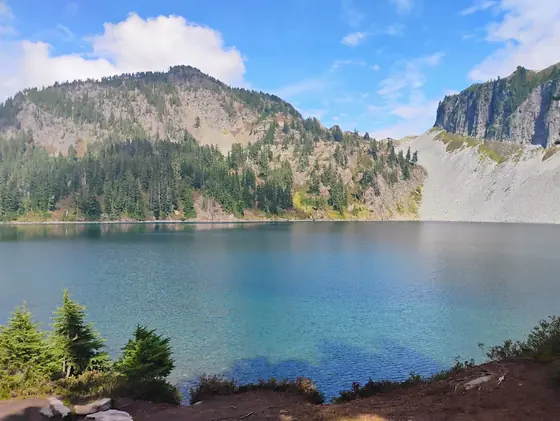
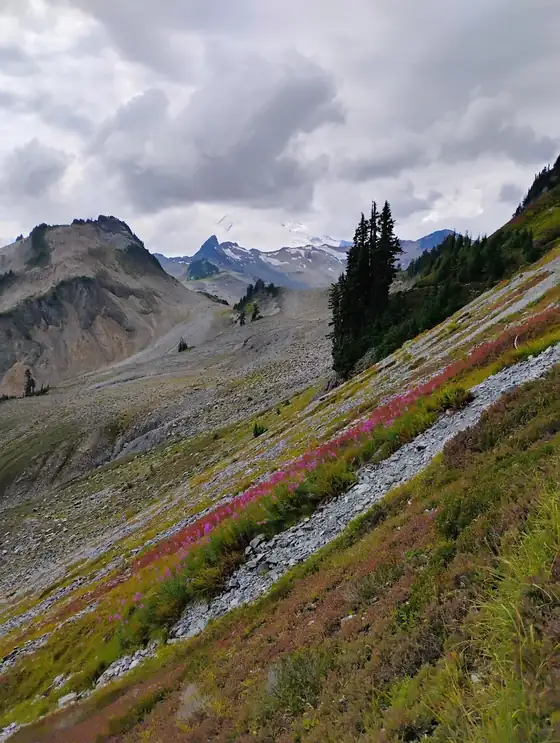
Boundary Waters in photos: 3 of the stops.
Plan and book your 3 days in Boundary Waters, one step at a time
- After the July 2026 wildfire closure, Entry Point 30 (Lake One) has reopened, but some fire-impacted campsites, portages and shorelines inside open areas stay closed. Do not camp or stop at a closed site, and check the current closure list before you go. Source
How 3 days in Boundary Waters split up
Plan 3 days for Boundary Waters. Distance: 14–20 mi. Portages: 4–6 short. Permits: Required. For a first canoe trip in Minnesota's Boundary Waters Canoe Area Wilderness (BWCAW), base your logistics out of Ely and launch from Entry Point 30 (Lake One). This 3-day loop threads the interconnected chain of Lake One, Lake Two, and Lake Three, with short, well-maintained portages that make an ideal introduction to the lift-and-carry rhythm of wilderness paddling.
Day 1: Permit Pickup & Paddle to Lake Two
5 stops · Day one
Day 2: Explore Lake Two & Lake Three
4 stops · Day two
Day 3: Return to Entry Point 30
4 stops · Day three
Permit Pickup & Paddle to Lake Two
Start in Ely by picking up your physical permit and watching the short orientation video at your outfitter or the Kawishiwi Ranger Station, then drive about 30 minutes east on the Fernberg Road to Entry Point 30 (Lake One). Launch by late morning and paddle Lake One through its maze of islands and bays, tackling a couple of short, flat portages as an introduction to lift-and-carry travel.
Not the order you want? Drag a stop, or use the arrows beside it. Stops move between days too.
 Tony Webster from Minn / CC BY-SA 2.0Drive from
Permit pickup + ~30 min to Entry Point 30 · car required · DriveEly is the main gateway town for this section of the Boundary Waters. Pick up your physical permit and watch the orientation video at your outfitter or the Kawishiwi Ranger Station, then drive about 30 minutes east on the Fernberg Road to Entry Point 30. Ely is roughly 2 hours from Duluth (DLH) and 4.5 to 5 hours from Minneapolis-St. Paul (MSP), so a car is required.
- Ely Outfitting Company · canoe & gear rental
529 E Sheridan St, Ely · canoes, packs & camp gear · BWCAW permits · shuttles · activityRent the canoe, paddles, PFDs, packs and camp gear in Ely before you drive out. Ely Outfitting Company on Sheridan Street rents canoes and camping equipment, issues BWCAW entry permits and runs ground shuttles and tows, so the permit pickup and gear can be one stop. Reserve the canoe when you book the permit.
Operator info → - Entry Point 30 (Lake One) landing
Signed turnoff off Fernberg Road · parking at the landing · ViewpointFrom Ely, drive east on the Fernberg Road to the signed turnoff for Entry Point 30. The road is paved and then gravel, with a parking lot at the landing and no services beyond it. Your quota permit specifies this entry point and entry date, and you must enter here on that date. Launch by late morning to give yourself time to find a campsite.
Official info → - Tony Webster from Minn / CC BY-SA 2.0Paddle Lake One & portages
2–3 mi · short flat portages under 80 rods · activityLaunch into Lake One, a winding lake full of islands and bays. You will hit a couple of short, relatively flat portages as you work deeper into the chain, a good chance to practice lifting and carrying the canoe. Landings are clearly signed, and you should watch for submerged rocks in the shallows.
- Camp on Lake Two
First-come wilderness site · Leave No Trace · lodgePaddle into Lake Two, a larger lake with many bays and islands, and start scouting for a campsite early in the afternoon. Look for a brown sign with a tent symbol, wind protection, a level tent pad, and easy canoe access. Set up camp, hang your food, and use only the established fire grate. Loon calls and stargazing cap the first night.
Explore Lake Two & Lake Three
Spend the morning exploring Lake Two, known for its walleye and smallmouth bass, then make the short portage into Lake Three. This portage is typically well-maintained and under 100 rods, opening access to more remote, secluded water. Decide whether to move camp or run this as a day trip and return to your Lake Two site.
Not the order you want? Drag a stop, or use the arrows beside it. Stops move between days too.
- Morning fishing on Lake Two
Walleye & smallmouth bass · MN license required · activityAfter breakfast, spend the morning exploring more of Lake Two, which is known for walleye and smallmouth bass. Paddle into hidden coves and islands or fish straight from the canoe. A Minnesota fishing license is required, and catch-and-release is encouraged for larger fish.
- Portage to Lake Three
Short, well-maintained · typically under 100 rods · activityMake the short portage from Lake Two into Lake Three. It is typically well-maintained and under 100 rods, though it can be muddy after rain. This opens access to more remote water. Decide whether to move camp onto Lake Three or run it as a day trip and return to your Lake Two site.
- Explore Lake Three
More secluded · moose, eagles & rocky points · ViewpointLake Three offers similar paddling and fishing to Lake Two but feels more secluded. Spend the afternoon along its shores watching for moose and eagles, taking a quiet lunch on a rocky point, or swimming on a warm day among the small islands.
- Camp on Lake Two or Lake Three
Second night · wilderness camping · lodgeReturn to your Lake Two site or settle onto a new site on Lake Three for the second night. Secure all food and scented items away from camp, conserve firewood if you build a fire, and enjoy another evening under the stars before the paddle out.
Return to Entry Point 30
Break camp early, double-check the site for forgotten items and trash, and start paddling before the afternoon wind builds. Retrace your route through Lake Two and complete the familiar portages back into Lake One, which feel more manageable the second time around.
Not the order you want? Drag a stop, or use the arrows beside it. Stops move between days too.
- Break camp & paddle Lake Two
2–3 mi · start early to beat the wind · activityWake early, eat, and break down camp efficiently, double-checking the site for forgotten items and trash and leaving it cleaner than you found it. Begin paddling back through Lake Two toward Lake One, starting early to get ahead of the afternoon winds.
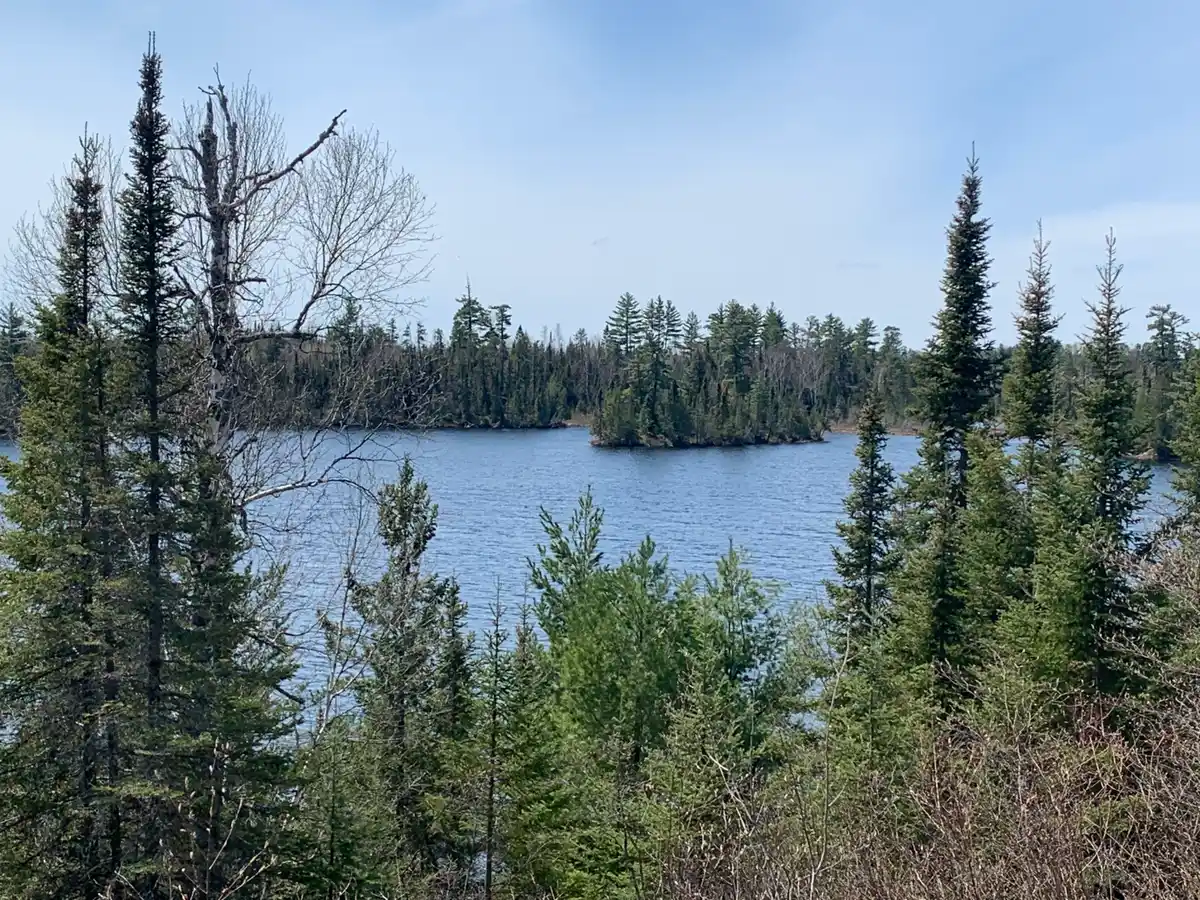 Daniel Ziegler / CC BY-SA 4.0Portages back to Lake One
2 short portages · familiar route · activityComplete the familiar portages that connect Lake Two back to Lake One. Having carried them on the way in, they feel more manageable now. Use proper lifting technique, be courteous to other groups on the trail, and stay hydrated.
- Paddle Lake One to Entry Point 30
2–3 mi · off the water by early afternoon · ViewpointThe final paddle across Lake One brings you back to the Entry Point 30 landing. Enjoy the last of the wilderness, then unload your canoe and gear and confirm everything is accounted for. Aim to be off the water by early afternoon.
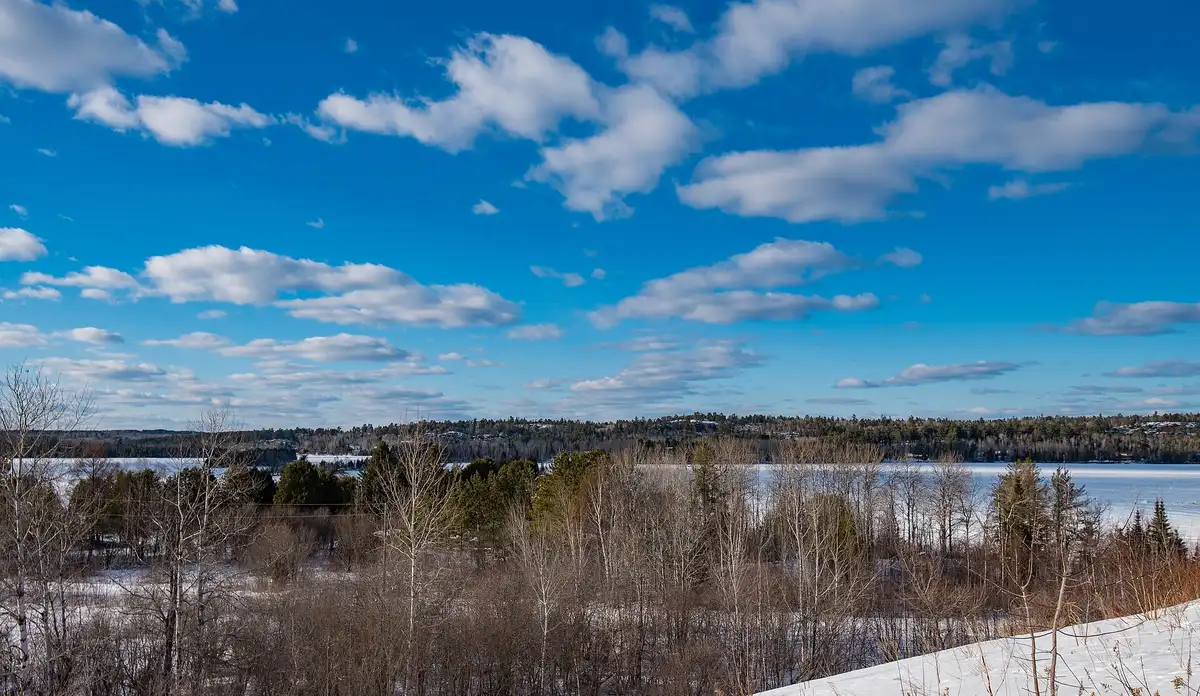 Tony Webster from Minn / CC BY 2.0Drive back to Ely
~30 min · return rental gear · a room in Ely if you stay the night · DriveLoad your canoe and gear and drive the 30 minutes back to Ely to return any rental gear and grab a celebratory meal and a hot shower. Ely makes an easy pre- and post-trip base, with cabins, outfitter bunkhouses, and the Kawishiwi Ranger Station in town.
Sort where you sleep each night
Most nights on this trip are in a tent. Reserve any campsite the route needs, and the room either side of it if you want one.
Tell us your dates and we will do the calling: the rooms either side, and the guided days in between. Nothing is charged and you decide at the end.
Request to bookBoundary Waters Canoe Area Wilderness overnight permit opens on its own calendar
$16 per adult and $8 per child for the trip, plus a $6 reservation fee. One permit per group, up to 9 people and 4 watercraft.
| Permit | Required: Boundary Waters Canoe Area Wilderness overnight permit Official page |
|---|---|
| Application window | first come, first served from 9:00 AM CST on the last Wednesday in January, covering the 1 May to 30 September quota season. There is no longer a lottery. |
| Odds of drawing | Entirely down to the entry point. The well-known ones go the first morning; remote entry points stay open for months. |
| If your application is denied | Change the entry point rather than the dates. The quota is per entry point, not per trip, and the quieter ones are open all season. Walk-up permits are also issued at cooperator stations on your entry date or the day before. |
| Trip starts from | Ely, MN, flying into Duluth (DLH) |
What to pack for Boundary Waters
Built from this route, not a generic list. Every line says why it is here.
On every day of this trip
Because you are sleeping out 2 nights
For the drive to the trailhead
Essential wilderness regulations & planning.
Permits & the quota system
An overnight quota permit is required for all trips from May 1 through September 30 and must be reserved through Recreation.gov. Permits are tied to a specific entry point and entry date, and you must enter the BWCAW on that date at Entry Point 30. Reservations open in late January, and popular summer weekends sell out fast.
Fees & fishing license
Expect a $6 Recreation.gov reservation fee plus a per-person user fee of about $16 per adult and $8 for youth and seniors for the quota season. A separate Minnesota fishing license is required to fish, and America the Beautiful Senior and Access passes reduce the per-person fee.
Camping & fire rules
Camp only at designated sites, which are first-come, first-served and marked with a brown tent sign. Campfires are allowed only in the established steel fire grates unless a burn ban is in effect. Bring a small saw for deadfall and never leave a fire unattended.
Bears & food storage
Black bears live in the BWCAW. Store all food, trash, and scented items by hanging them from a tree or using a bear-resistant container at least 100 feet from your tent and 200 feet from your cooking area, and never leave food unattended.
Leave No Trace & no cans
Pack out everything you pack in and keep noise to a minimum. All cans and bottles are prohibited, so repackage food and drinks into reusable containers. No motorized watercraft are allowed in this section of the wilderness. Group size is capped at 9 people and 4 watercraft.
Getting there & outfitters
Ely is about 2 hours from Duluth International Airport (DLH) and 4.5 to 5 hours from Minneapolis-St. Paul (MSP); a car is required. Entry Point 30 is roughly 30 minutes east of Ely on the Fernberg Road. Outfitters such as Piragis Northwoods, Spirit of the Wilderness, and Boundary Waters Outfitters rent canoes, gear, and full kits.
Wet-foot portaging & protecting the hull
Practice wet-foot portaging instead of balancing on slick rocks: wear water shoes, step into knee-deep water at the landing, and lift the boat cleanly onto your shoulders before you walk. Coming into a landing, slow right down. Submerged boulder fields sit just off many portage takeouts, and a fast approach can crack a rented Kevlar hull. Ease the bow in gently and step out before the canoe grounds.
Boundary Waters: questions before you go
Boundary Waters permit: the questions people ask most.
This route from Entry Point 30 (Lake One) is beginner-friendly. The portages are generally short and flat, and the interconnected lakes are sheltered by islands, which reduces exposure to large open water. Wind can always add difficulty, but the overall physical demand is moderate, making it a good first wilderness canoe trip.
Yes. An overnight quota permit is required from May 1 through September 30, reserved through Recreation.gov. Expect a $6 reservation fee plus a per-person user fee of about $16 per adult and $8 for youth and seniors. Add canoe and gear rental (roughly $40 to $60 per day) and food if you do not own equipment.
Permits for the May through September season open for reservation in late January on Recreation.gov. For popular entry points and dates, especially weekends in June, July, and September, permits can sell out within minutes. Book the moment they become available.
Late May to early June and late August through September are prime, with good fishing, fewer crowds, and fewer bugs, though spring can still be buggy and fall brings emerging color. July and early August have the warmest water for swimming but the most crowds and insects, so bring strong repellent and a head net.
Lightweight tripping canoes, waterproof barrel packs or dry bags, a reliable water filter, and a BWCA-specific map (Fisher F-12 or McKenzie 12) and compass are all recommended. Ely is the main gateway town and has many outfitters, including Piragis Northwoods, Spirit of the Wilderness, and Boundary Waters Outfitters, that offer partial or full outfitting.
Yes, black bears are present. Store all food, scented items, and trash by hanging them from a tree or using a bear-resistant food container at least 100 feet from your tent and 200 feet from your cooking area, and never leave food unattended. Remember that all cans and bottles are prohibited in the wilderness.
If you can, yes. Pick up your physical permit in Ely the afternoon before your entry date so you can launch at dawn and get ahead of both the wind and the campsite rush. Your quota permit is tied to an exact entry date, and if you do not enter on that date the rangers at the Kawishiwi station can cancel it. On summer weekends, try to claim a Lake Two island campsite by about 1 PM, since every fire grate can fill by mid-afternoon.
For walleye and smallmouth bass on Lake Two, the evening bite is usually best. Bring a live-bait aerator to keep leeches or minnows fresh, and rig a leech on a slip-bobber worked over rocky points and drop-offs at dusk. A Minnesota fishing license is required, and catch-and-release is encouraged for larger fish.
Yes, the Boundary Waters Canoe Area Wilderness overnight permit is required. $16 per adult and $8 per child for the trip, plus a $6 reservation fee. One permit per group, up to 9 people and 4 watercraft.
Application window: first come, first served from 9:00 AM CST on the last Wednesday in January, covering the 1 May to 30 September quota season. There is no longer a lottery..
Entirely down to the entry point. The well-known ones go the first morning; remote entry points stay open for months.
Change the entry point rather than the dates. The quota is per entry point, not per trip, and the quieter ones are open all season. Walk-up permits are also issued at cooperator stations on your entry date or the day before.
Ely, MN is the gateway town, flying into Duluth (DLH).
Tell us your dates and we ask a local guide who works this area what they can do on your days and what it costs. If nobody is free, we tell you. Asking is free: no card, no deposit, and nothing is held until you say yes.
Pick how you want to go.
Same 3-day route. Same 9 stops.
- 2 nights, wilderness sites on Lakes Two and Three (overnight permit, per person)
- $32
- Rental car, 3 days
- $180
- Gas, about 49 miles
- $10
- A private local guide, campsites booked
- Included
- Airport pickup and every drive
- Included
- Park, permit and campsite fees paid
- Included
- All the gear and the trail meals
- Included
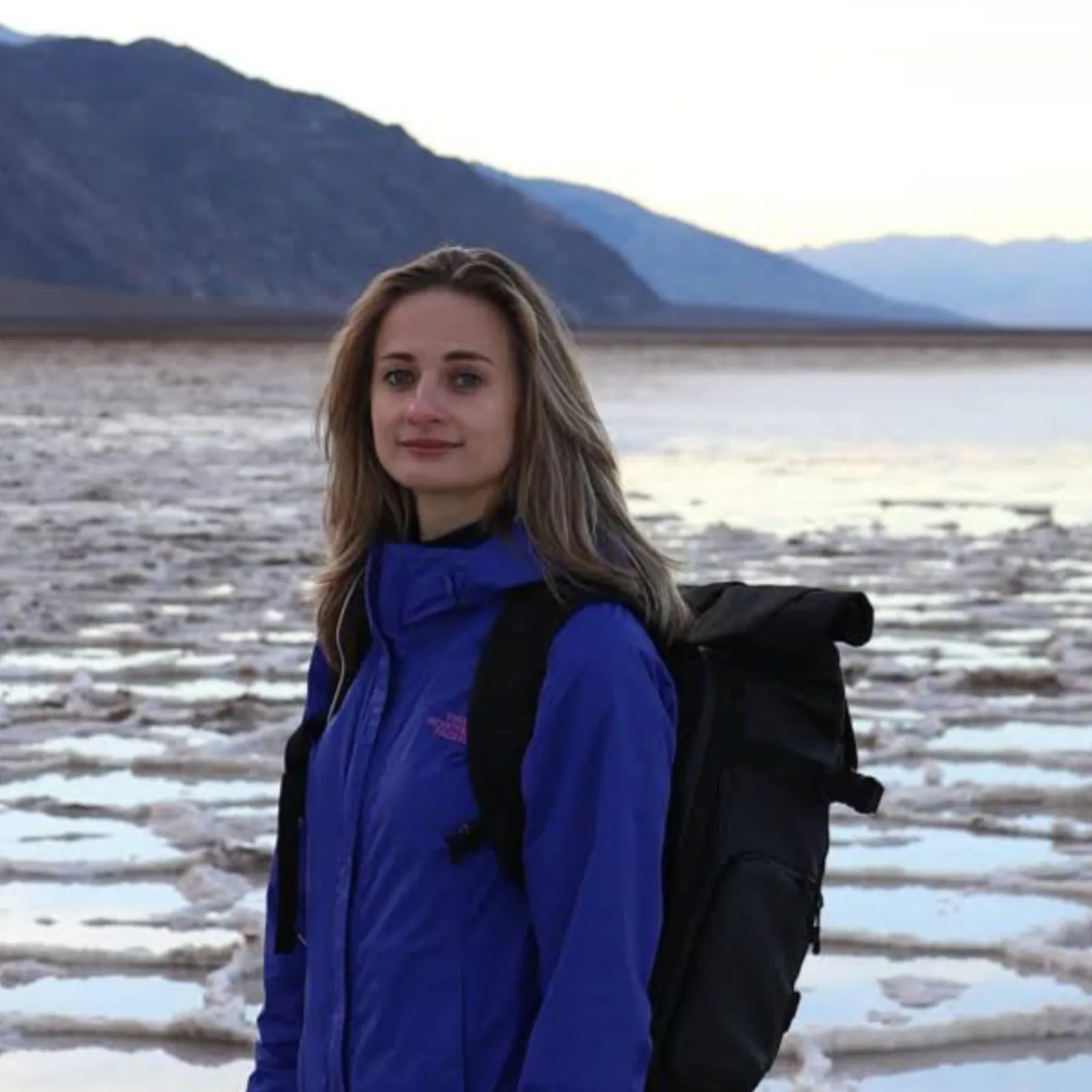
Written and walked by Yulia Vasilyeva · Co-founder · Lead planner and guide
Three years leading guided hikes in the Pacific Northwest, rated 5.0 by 20+ verified guests, and she builds every custom itinerary herself. Based in Seattle.
Last checked September 2026
You might also love these
Other itineraries near this one.
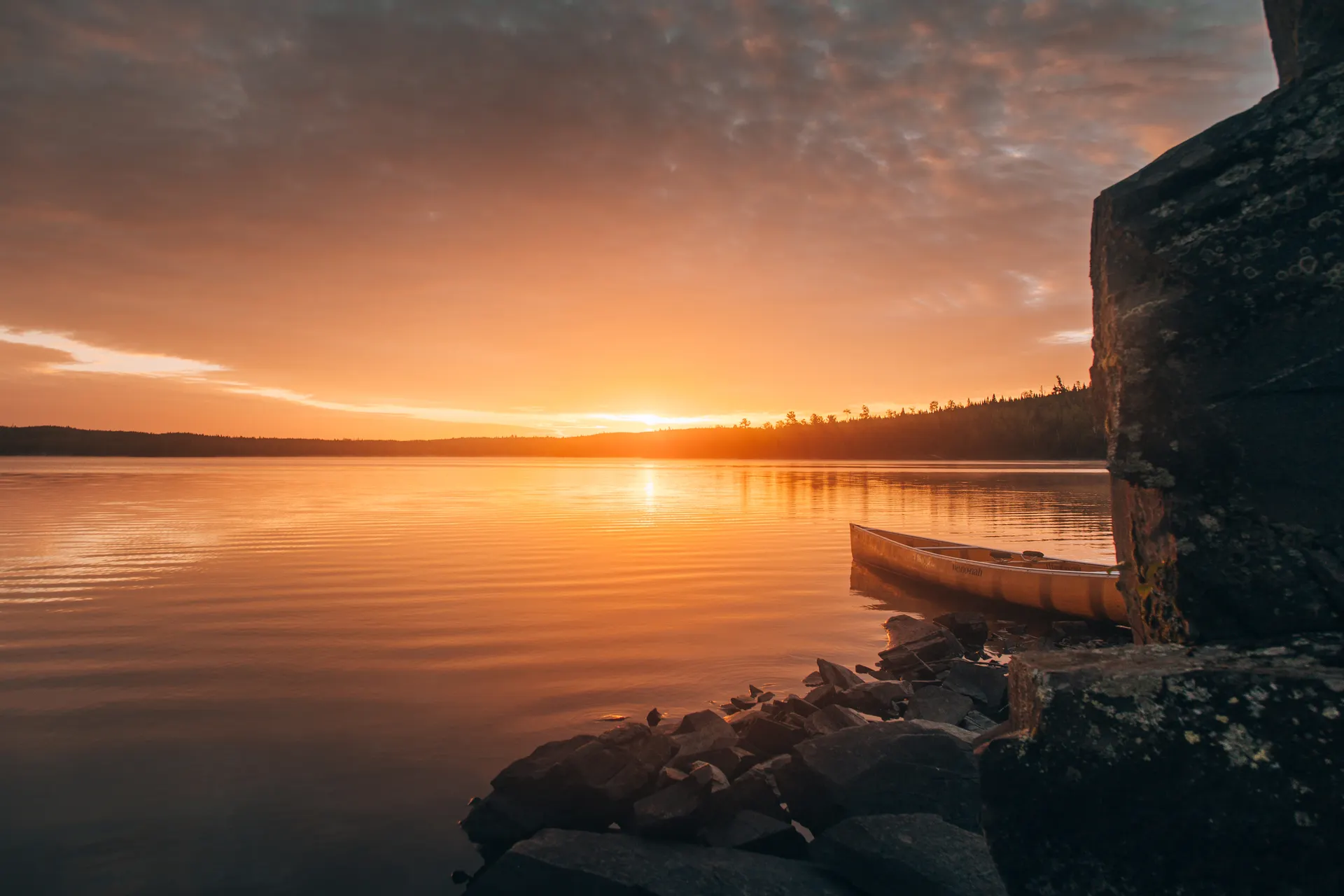
Boundary Waters Canoe Trip: A 4-Day Itinerary
Four days deep in the BWCAW: reserve your quota permit, pick an entry point, then paddle lake to lake, portage your canoe and gear, and…
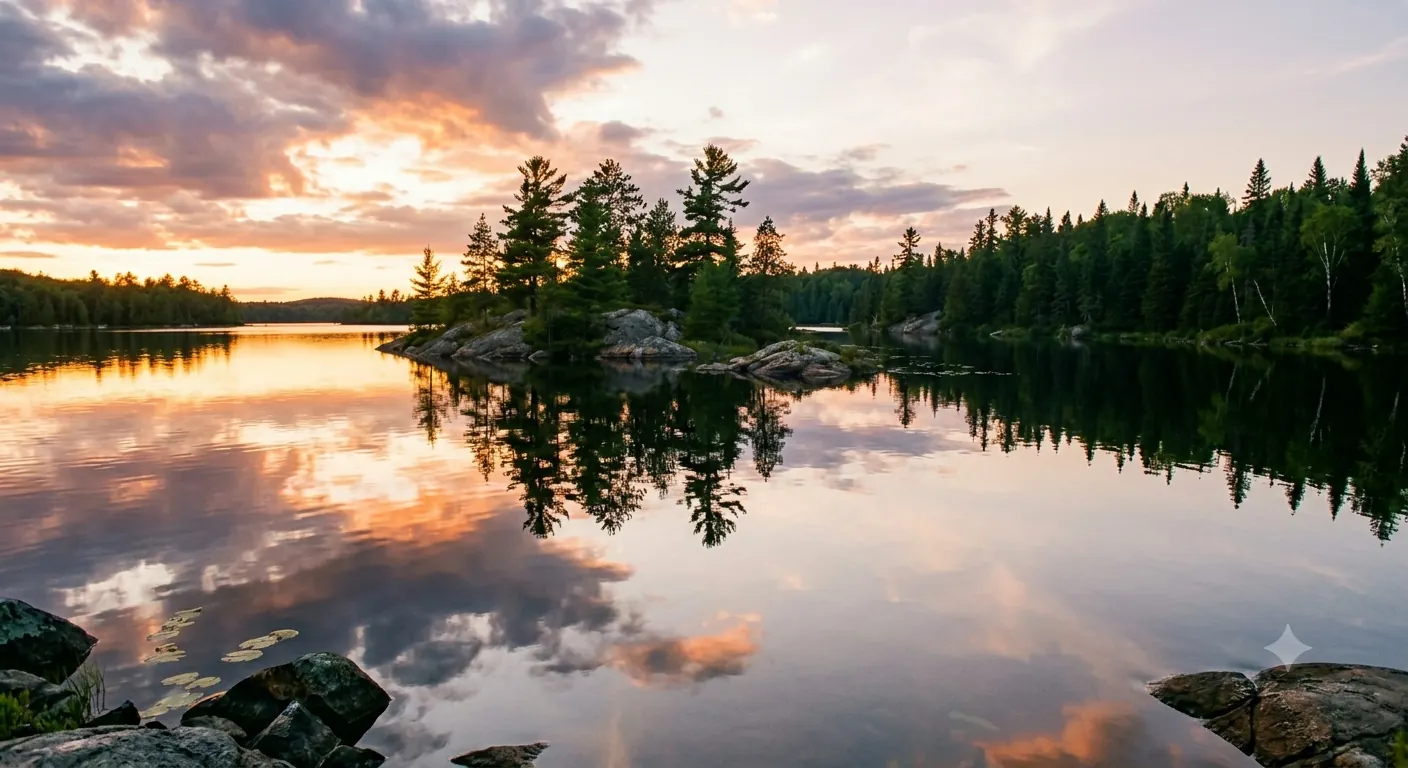
Boundary Waters 10-Day Canoe Route + Superior Hiking Trail
A 10-day Minnesota wilderness itinerary: an 8-day, 75+ mile Boundary Waters canoe route from Sawbill Lake to Polly Lake (18 portages)…
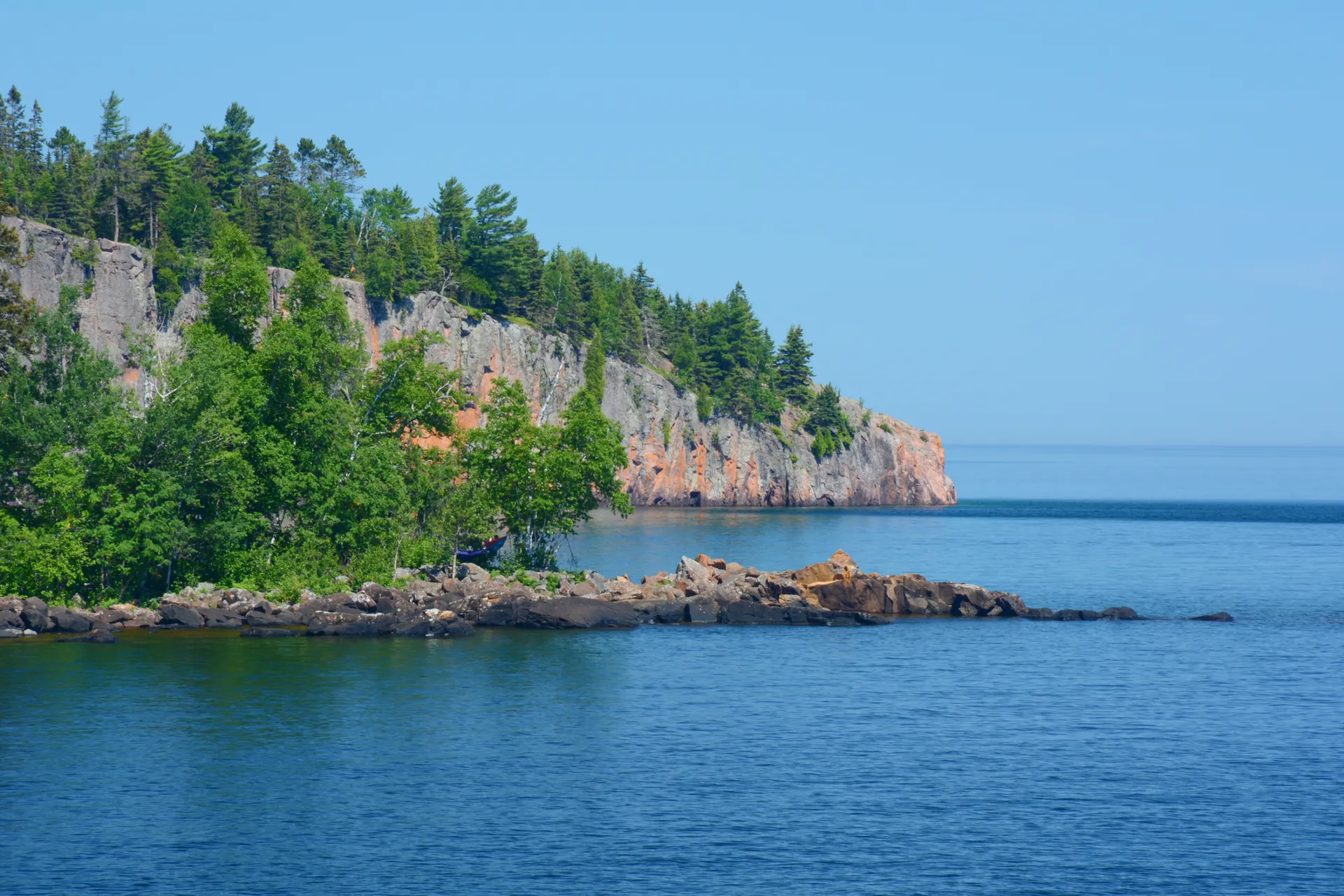
Superior Hiking Trail: A 4-Day Minnesota Itinerary
Four days section-hiking the Superior Hiking Trail along Lake Superior's North Shore: Gooseberry Falls, Split Rock, Tettegouche, Carlton…
Guides for this tripItasca State Park Day TripBest Time to Visit the Boundary WatersBoundary Waters Entry PointsBoundary Waters Guided Trips
What adventurers say about us.
All reviews are from verified guests. ★★★★★ 5.0 average from 20+ bookings.
"Felt like going out with a really knowledgeable friend who just happens to know everything about the area. No awkward tour-guide energy, just a magnificent day."
"Yulia is an incredible guide. She knew every trail, every viewpoint, and exactly how to pace the day for our group. The photos she took of us were stunning. 100% booking again."
"I was visiting Seattle solo and this was the best decision I made on the trip. Yulia picked me up, had snacks, and took us to a trail I never would have found on my own. Absolute must-do."
"We did this as a couple's trip and it was perfect. Yulia adapted everything to us, our pace, our interests, our photo obsession. The mountain views were unreal."
"Phenomenal experience. Yulia has deep local knowledge and a real passion for the outdoors. She went out of her way to show us the hidden gems tourists never see. Will remember this forever."
"I've done a few guided hikes and this was by far the best. Yulia is warm, funny, and genuinely expert. The trail she chose had the most insane wildflower bloom, we got so lucky."
Fees, reservation windows, shuttle dates and trail closures are planning estimates. Confirm hours, road status and any reservations with the land manager before you go.
What other travelers are saying
Be the first to leave a tip or question for the next traveler.
Was this helpful?
One tap. It goes straight to Yulia and Margarita.
You can't hike it if you can't get the permit.
The best hikes in America run on lotteries that open once a year and sell out in minutes. Every trail runs on its own calendar. Pick the ones you want and we do the watching.
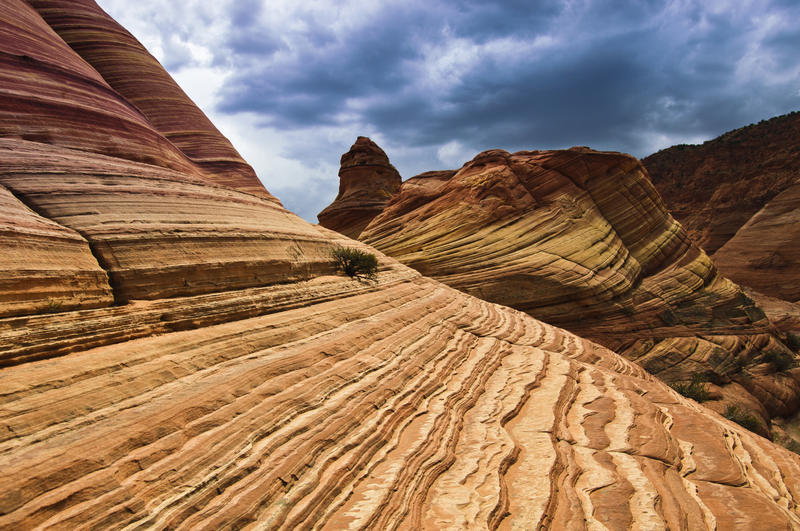 The WaveCoyote Buttes North · Arizona / UtahPermitLotterybrutal odds
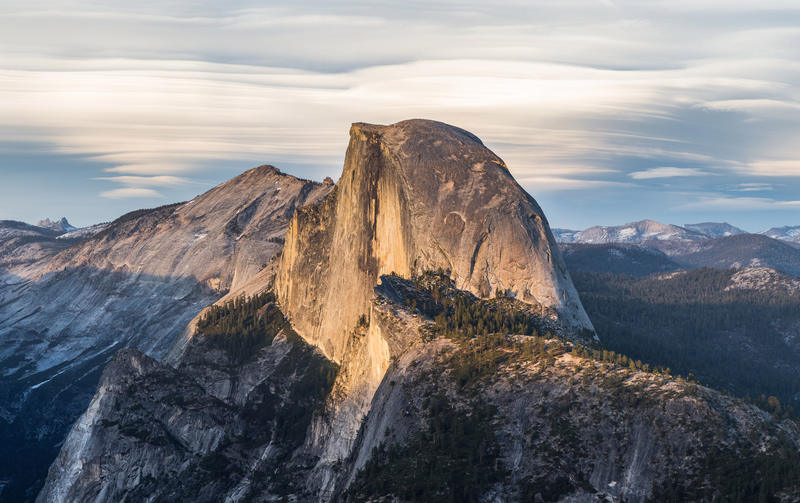 Half Dome CablesYosemite NP · CaliforniaPermitOpens Mar 1fair odds
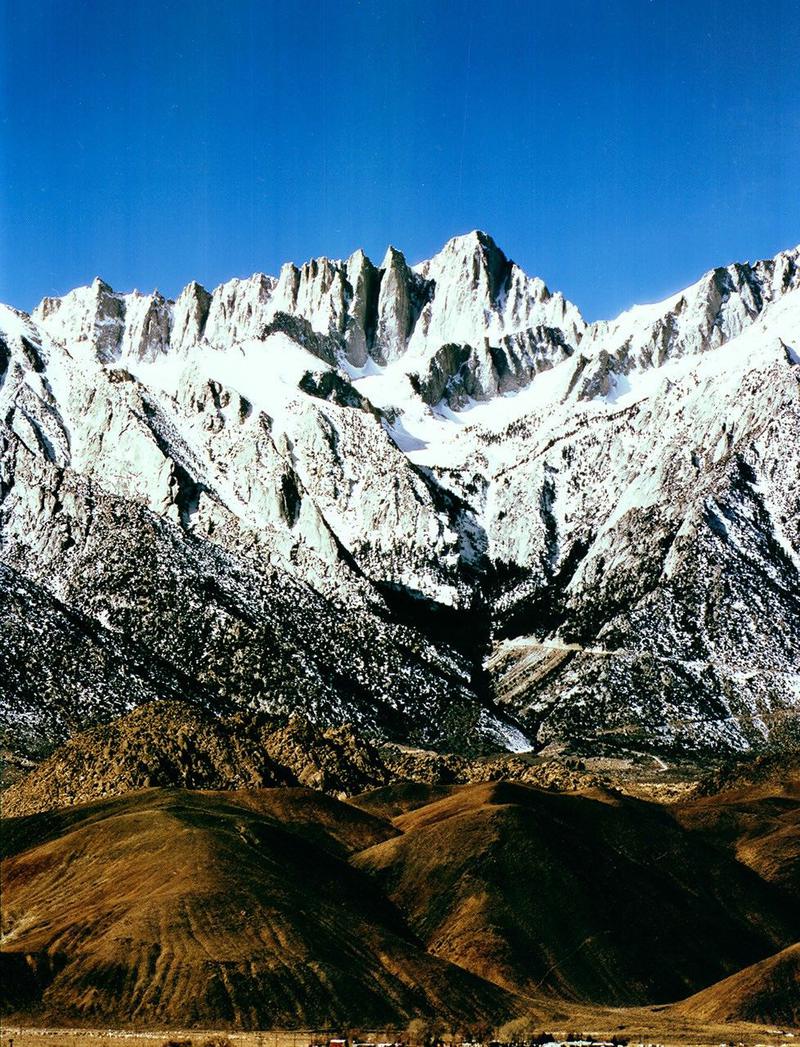 Mt. WhitneyInyo NF · CaliforniaPermitOpens Feb 1tough odds
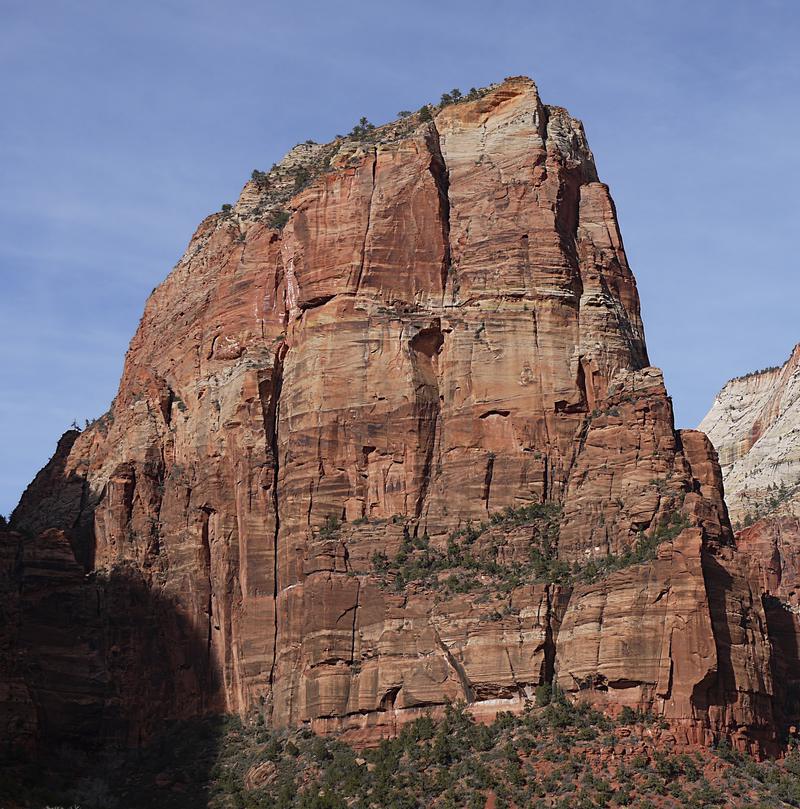 Angels LandingZion NP · UtahPermitLotterytough odds
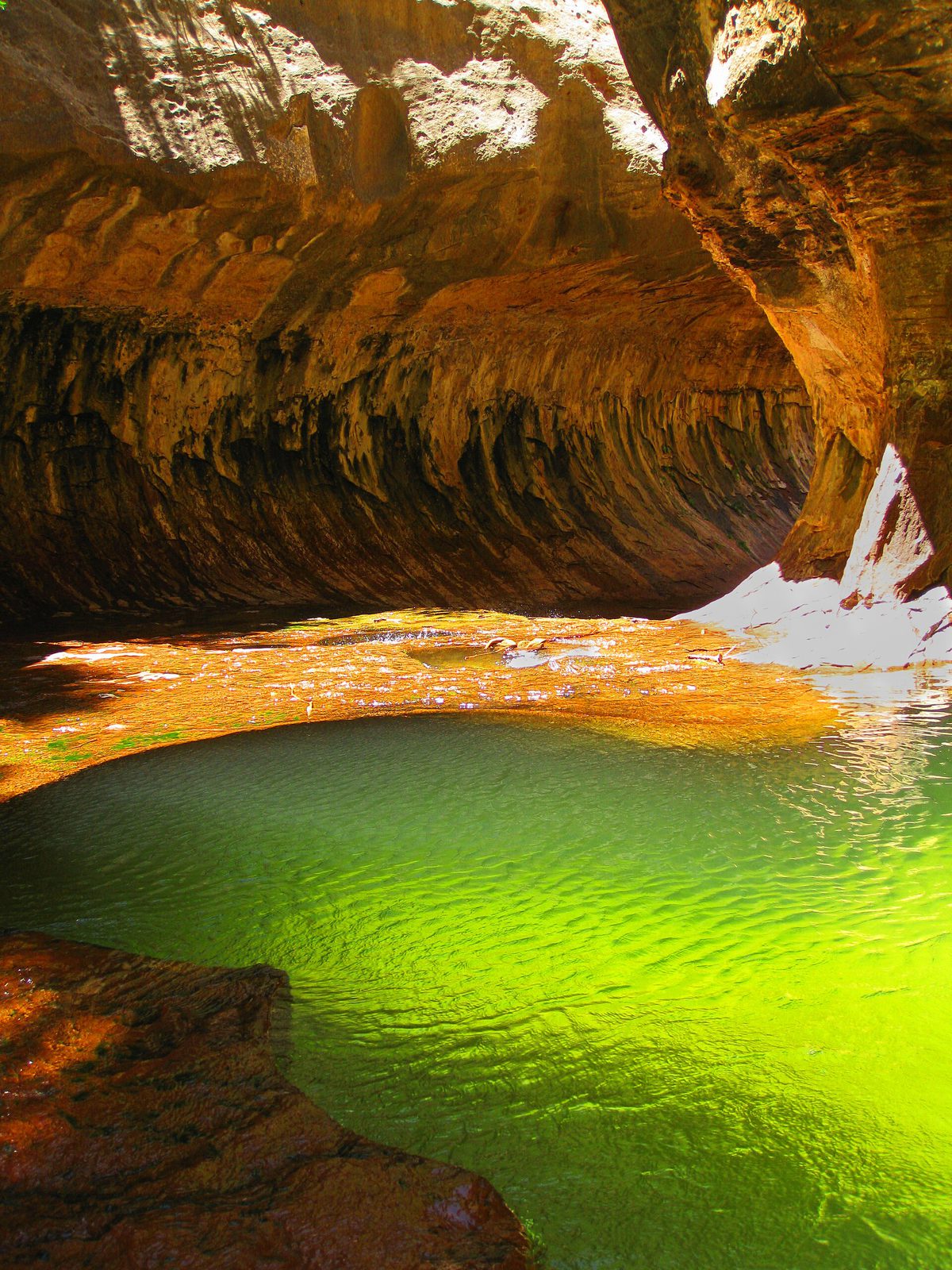 The SubwayZion NP · UtahPermitLotterytough odds
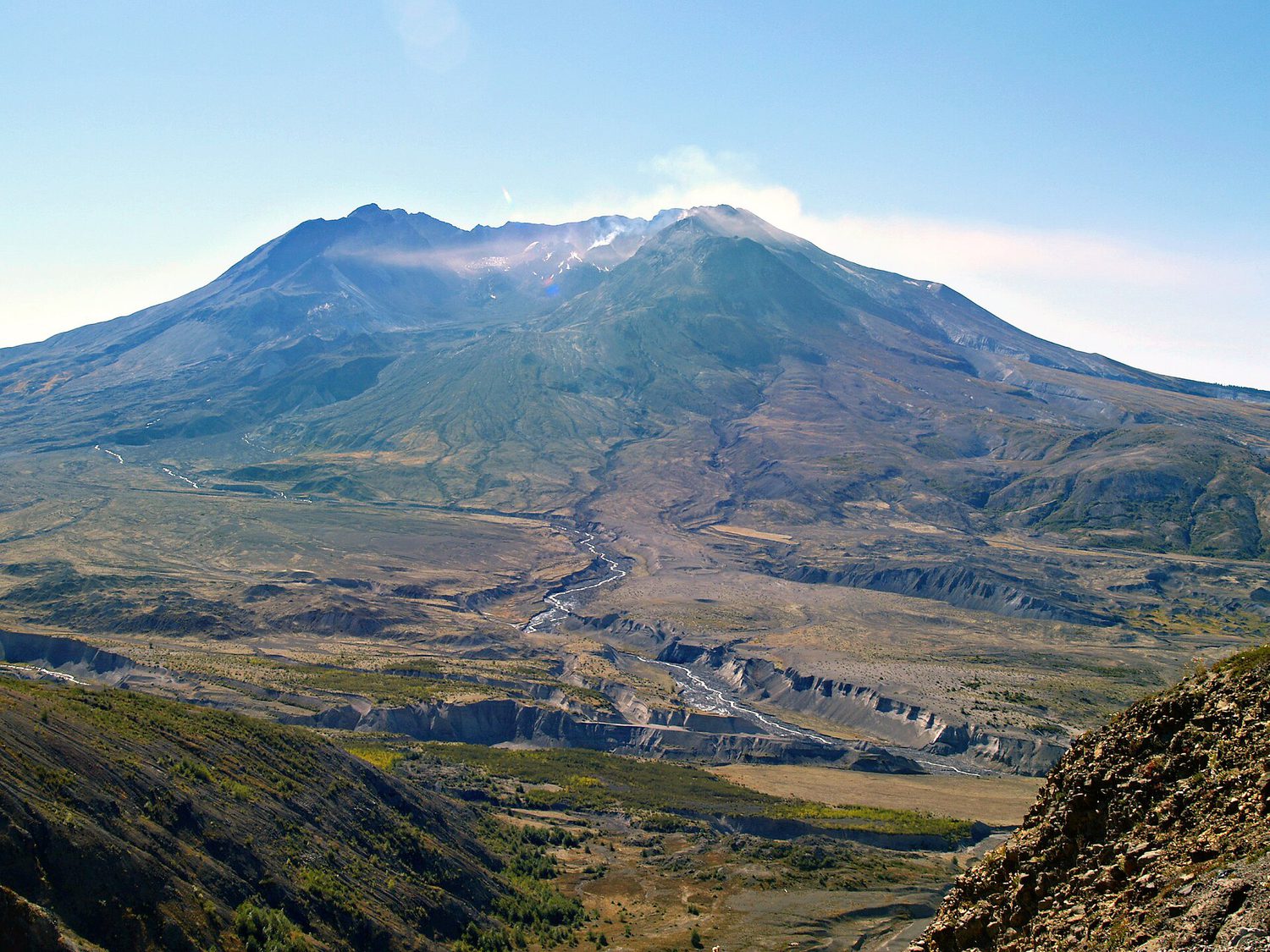 Mount St. Helens Summit ClimbGifford Pinchot NF · WashingtonPermitReservationtough odds
How it works
- An email the morning each window opens, never the day after.
- A 14-day heads-up so you can line up your group and dates.
- Win odds and a ranked backup plan for every trail you pick.
Didn't win? We keep watching. We check recreation.gov every day for The Enchantments, Half Dome and Angels Landing, and email you the moment a sold-out date frees up. Cancellations are the second chance most people never hear about.