The best time of year to go to Mackinac Island is June or September: June for the Lilac Festival with everything open, September for warm days and smaller crowds after Labor Day. Mackinac Island floats in Lake Huron between Michigan's two peninsulas, and it is famously car-free: you get around by bicycle, horse-drawn carriage, or on foot. Because the island shuts down much of its tourism infrastructure in winter, timing your visit matters more here than almost anywhere else in the state. This guide breaks down each season so you can pick the right window.
Mackinac Island Month by Month
| Month | What it is like | Crowds | Good for |
|---|---|---|---|
| May | Cool, often in the 50s and 60s. The island reopens through the month. | Low | Quiet trails, low rates |
| June | Mild, lilacs bloom. The Lilac Festival runs in early to mid June. | Medium to high | Lilacs, everything open |
| July | Warmest month, highs around the upper 70s. Fourth of July and the sailing races to the island. | Highest | Swimming, events |
| August | Still warm and busy until Labor Day. | High | Families, full schedule |
| September | Comfortable and calmer once Labor Day passes. The Mackinac Bridge Walk is on Labor Day. | Medium | Biking M-185, value |
| October | Crisp, with fall color usually peaking early in the month. Businesses start closing. | Low | Fall color, solitude |
| November to April | Winter. Most hotels and shops closed, limited ferries or flights only. | Very low | Only if you want it empty |
When Is the Best Time to Visit Mackinac Island?
It depends on what you want from the trip:
- For lilacs and the full island experience: early to mid June.
- For warm water and every event: July and August, if you book rooms months ahead.
- For the best value and calm: the weeks after Labor Day in September.
- For fall color: early October, before businesses close for the season.
- To avoid: November through April, unless an empty, closed-up island is the point.
Summer: Peak Season (June to August)

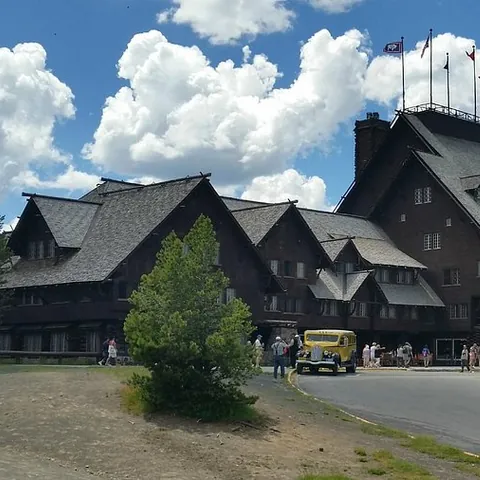
Summer is when Mackinac is fully alive. Every hotel, the Grand Hotel, the fudge shops on Main Street, the carriage tours, and the ferries from Mackinaw City and St. Ignace all run at full tilt. Days are warm and pleasant, perfect for the flat 8.2-mile M-185 loop around the shoreline, the only state highway in America with no cars. The tradeoff is crowds and the highest lodging prices. Book rooms months ahead for July and August.
Lilac Season: The Sweet Spot (Early to Mid June)
Many regulars say the best time to visit is the Lilac Festival in early to mid June. The island's historic lilac bushes, some over a century old, burst into bloom and perfume the whole place. You get warm weather and open businesses without the full crush of midsummer. It is the single most fragrant and photogenic week of the year.
Fall: The Quiet Favorite (September to mid-October)
Fall may be the most underrated time to go. Reasons to love it:
- Smaller crowds once Labor Day passes, especially on weekdays
- Lower lodging rates than peak summer
- Brilliant color in the island's interior forests, usually peaking in early October
- Crisp, comfortable temperatures ideal for biking the perimeter or hiking up to Arch Rock and Fort Holmes
The downside is a shrinking ferry schedule and some shops beginning to close for the season as October goes on.
Spring and Winter: Off-Season Realities
By late October most hotels, restaurants, and ferries wind down. Winter is genuinely quiet: only a few hundred year-round residents remain, ferry service is limited or replaced by small aircraft, and the lake can freeze enough for an ice bridge to St. Ignace. Early spring (April to mid-May) is a shoulder period when the island slowly reopens, weather is unpredictable, and many businesses are still shuttered. These seasons suit travelers who want solitude over amenities.
Weather and What to Pack
Even in summer, Lake Huron keeps things cool, and evenings can be breezy. Bring layers, a light rain jacket, and comfortable shoes for the cobblestones and hiking trails. If you plan to bike the loop, the flat shoreline route is easy, but interior trails like the climb to Fort Holmes involve real elevation.
Where Mackinac Fits in a Michigan Trip
Most visitors reach Mackinac Island as part of a larger Great Lakes route, crossing the Mackinac Bridge between the peninsulas. To see how a day or two on the island slots between Tahquamenon Falls, Pictured Rocks, and Sleeping Bear Dunes, follow our 10-day Michigan Upper and Lower Peninsula road trip itinerary.
For the best balance of good weather, open businesses, and manageable crowds, target June for lilacs or September for fall calm. Either way, leave the car behind and let the island slow you down.
The Best Time to Visit Mackinac Island FAQs
June and September. Early to mid June brings the Lilac Festival with warm weather and everything open, and September has smaller crowds and lower prices after Labor Day while the ferries still run a full schedule.
Weekdays in September and early October. The island is open and the weather is usually comfortable, but the summer families and day-trippers have gone.
June for lilacs, July for the warmest weather and events, and September for the best balance of weather, open businesses and crowds.
Barely. Most hotels, restaurants and shops close from late October until spring, and only a few hundred people live there year-round. Ferry service is limited, and when the lake freezes, small planes and sometimes an ice bridge are the ways across.
One full day covers the highlights: biking the 8.2-mile M-185 loop, Arch Rock, Fort Mackinac and Main Street. Two days lets you hike the interior trails and see the island quiet in the evening after the last day-trip ferries leave.
By bike, horse-drawn carriage or on foot. Cars have been banned for over a century, so bring or rent a bike to cover the perimeter road and interior trails.