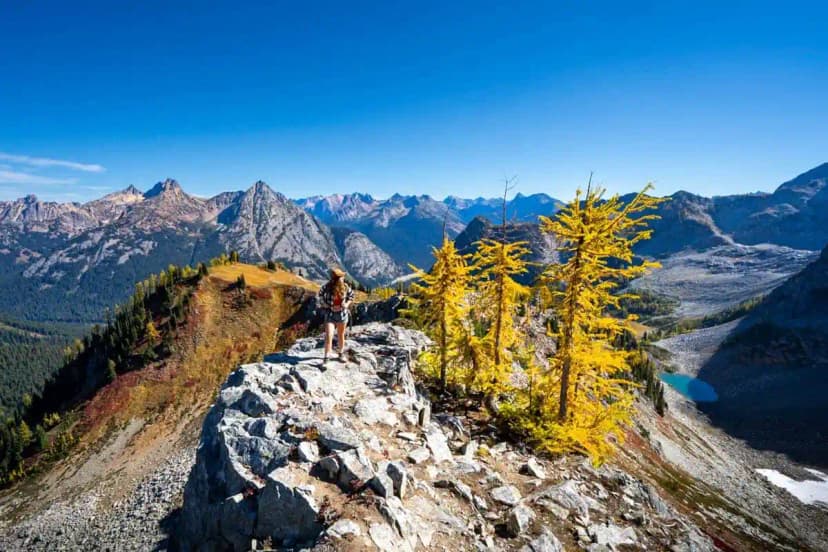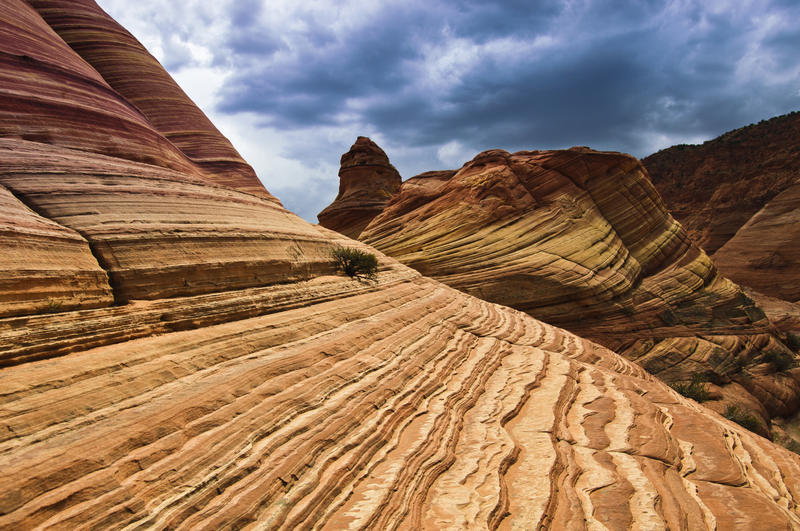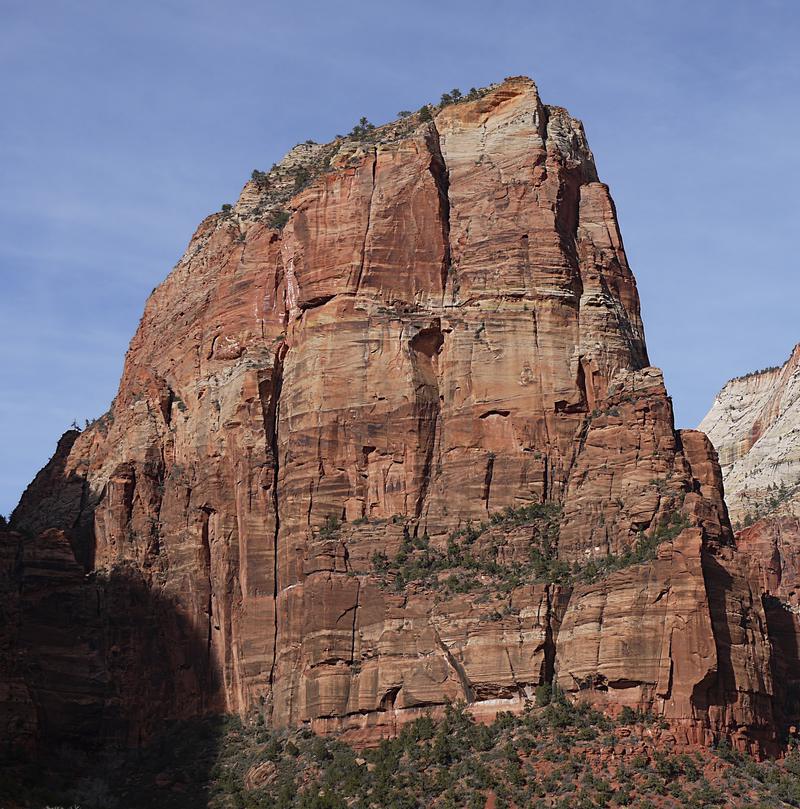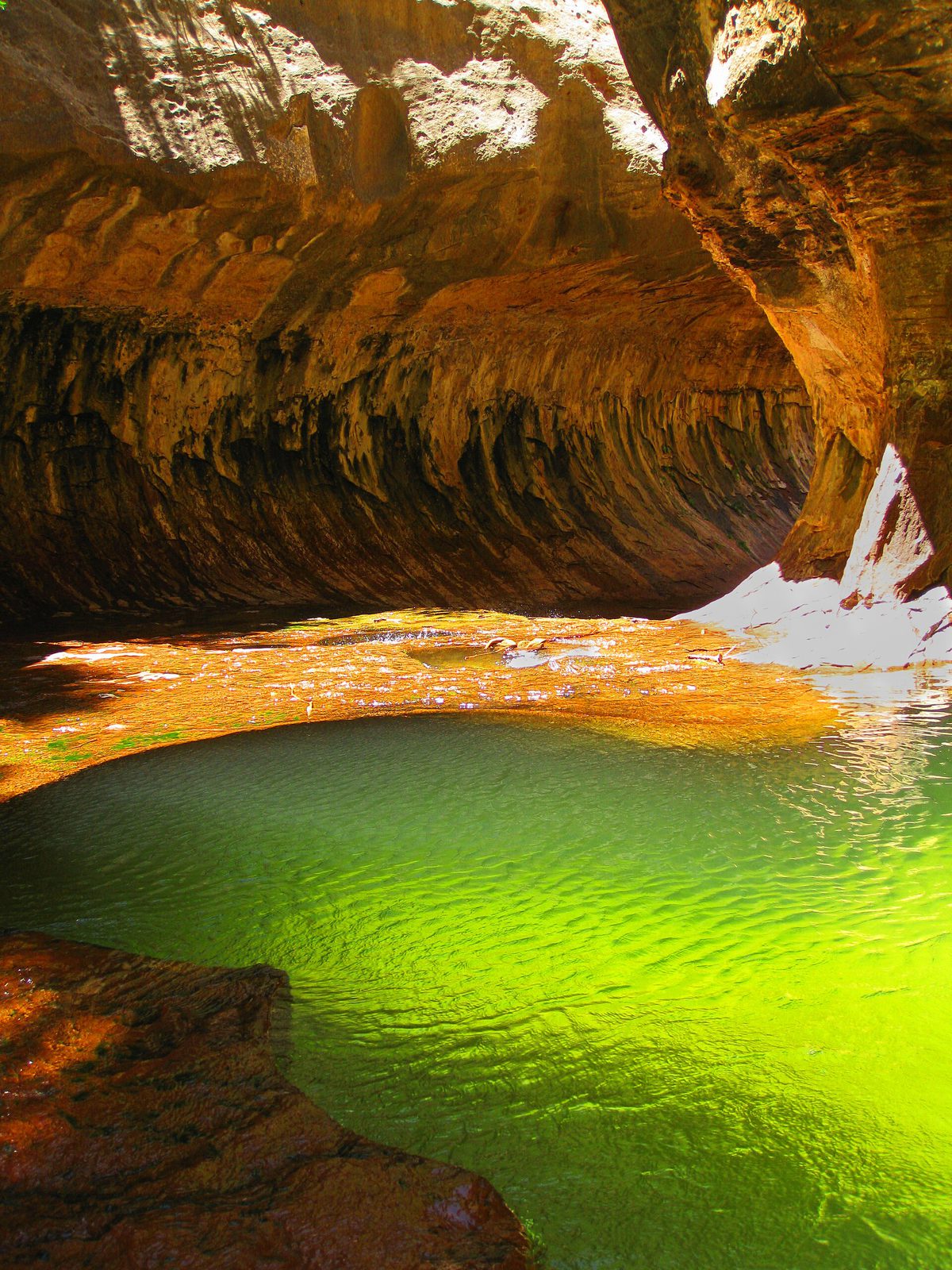
Most people drive past southern Illinois on the way to somewhere else, which makes Shawnee National Forest one of the most surprising destinations in the Midwest. The forest sits where the Ozarks, the Shawnee Hills, and the floodplains of the Ohio and Mississippi rivers converge, and the result is a 280,000-acre patchwork of sandstone bluffs, slot canyons, waterfalls, and bottomland hardwood forest that looks nothing like what you expect from Illinois. The Garden of the Gods wilderness could be mistaken for Utah on a good morning.
Overview
- Location: Southern Illinois, between the Ohio River (east) and Mississippi River (west)
- Nearest cities: Cape Girardeau, MO (1 hr west); Evansville, IN (1 hr east); St. Louis (2 hrs north)
- Passes required: None for most day hiking
- Best season: March–May (wildflowers) and September–November (fall color)
- Summer: Hot and humid, ticks and chiggers are a real concern; long pants essential June–August
Garden of the Gods Wilderness
Observation Trail, 1 mile loop
The signature hike in Shawnee. The trail skirts the edge of massive sandstone outcroppings that rise 40–60 feet above the forest, with balanced rocks, natural alcoves, and sweeping views across the Illinois Shawnee Hills. Camel Rock and Anvil Rock are the iconic formations. Easy enough for families but visually dramatic enough to justify any drive time. The trailhead fills on fall weekends, arrive by 9am.
Pound Hollow Loop, 8 miles
A longer loop through the Garden of the Gods Wilderness combining open sandstone ridgelines, forested hollows, and remote rock formations most visitors never see. The trail crosses Pounds Hollow Lake and visits several named rock features along the Burden Falls Wilderness boundary. Moderate difficulty. Allow 4–5 hours.
Bell Smith Springs
One of the most diverse natural areas in the Midwest. Bell Smith Springs packs waterfalls, natural bridges, slot canyon passages, and spring-fed creeks into a compact trail network. The highlight is Natural Bridge, a 30-foot sandstone arch formed by stream erosion. The 4-mile loop from the main parking area hits all the key features and involves some moderate scrambling through canyon passages. Spring wildflowers here are exceptional, late April is the peak.
Little Grand Canyon
A 3.5-mile loop through a genuine canyon system cut by Big Creek into the Shawnee Hills. The canyon walls rise 150 feet with waterfalls, rock overhangs, and a creek crossing at the bottom. Best after rain when the waterfalls are flowing. The trail is rugged with several steep scrambles, not the difficulty you'd expect from Illinois. Allow 3 hours. The area fills on spring weekends.
Burden Falls Wilderness
A 3,671-acre wilderness centered on Burden Falls, a 60-foot cascade that's among the most dramatic waterfall scenes in the Midwest after significant rain. The approach trail (1.5 miles each way) follows a creek through hemlock and hardwood forest. The creek requires a ford, impassable in high water. The area sees minimal traffic outside of spring wildflower season.
Fat Man's Squeeze and Cedar Falls
Two geological oddities near Elizabethtown on the Ohio River. Fat Man's Squeeze is a narrow sandstone passage barely wide enough to turn sideways through, a ten-second novelty that kids love and adults find genuinely tight. Cedar Falls is a multi-tier waterfall in a forested hollow accessed via a short but steep trail. Both can be done in a half-day.
Best Trails for Fall Color
Shawnee's fall color peaks mid-October through early November and is genuinely spectacular, the combination of hardwood forest, open bluffs, and low topography creates an unobstructed canopy view that doesn't require a mountain summit. Best viewing locations:
- Garden of the Gods Observation Trail: Panoramic ridge views over colored forest
- Rim Rock National Recreation Trail: 2.5-mile trail with Ohio River valley views near Elizabethtown
- Dixon Springs State Park: Sandstone gorge and forest at peak color
Wildlife
Shawnee is in a critical migratory flyway, birding is excellent in spring and fall. The forest supports one of the densest populations of songbirds in Illinois during spring migration. White-tailed deer, wild turkey, and eastern box turtles are common. Venomous snakes (timber rattlesnake and cottonmouth) are present, watch your step on warm days near rock outcrops and water.
Best Time to Visit
- Late March–May: Peak wildflower season, trilliums, Virginia bluebells, and bloodroot carpet the forest floor. Waterfalls running full.
- September–November: Fall color, cool temperatures, and minimal insects. Best overall window.
- June–August: Humid and hot. Ticks, chiggers, and mosquitoes are aggressive. Wear permethrin-treated long pants and check thoroughly after every hike.
- December–February: Quiet, occasionally ice-covered formations. Ice climbing on some sandstone faces after freezes.
Getting There
The forest spans a large area, choose your destination and drive directly. Garden of the Gods is reached via IL-34 near Herod. Bell Smith Springs is near Ozark off US-45. Little Grand Canyon is near Murphysboro via IL-127. The Shawnee Hills Wine Trail (Shawnee Wine Trail) runs through the heart of the forest, a good reason to stay overnight in the area. Cell service is limited throughout.