Fall Colors in Yosemite National Park: Peak Weeks and Best Spots
Fall colors in Yosemite National Park come from black oaks, Pacific dogwoods and bigleaf maples, and the park's own rangers describe them as showy around mid-October, not a full foliage display, since most of the park's trees are evergreen conifers. The best spots are on the Valley floor: El Capitan Meadow, Cook's Meadow and along the Merced River. Waterfalls are low or dry by this point in the year, so come for the color and the quiet, not the falls. Our 3-day Yosemite itinerary works for a fall trip with a few adjustments below.
Fall Colors in Yosemite National Park: What Changes and When
The National Park Service's own fall guide is upfront about this: Yosemite is not known for spectacular fall colors, because most of the park is conifer forest, which stays green year-round. What does change color are the park's deciduous trees, specifically big-leaf maples, black oaks and Pacific dogwoods, and the Park Service describes them as tending to be showy around mid-October. That's the window to aim for if color is the main reason for your trip.
Where to See It
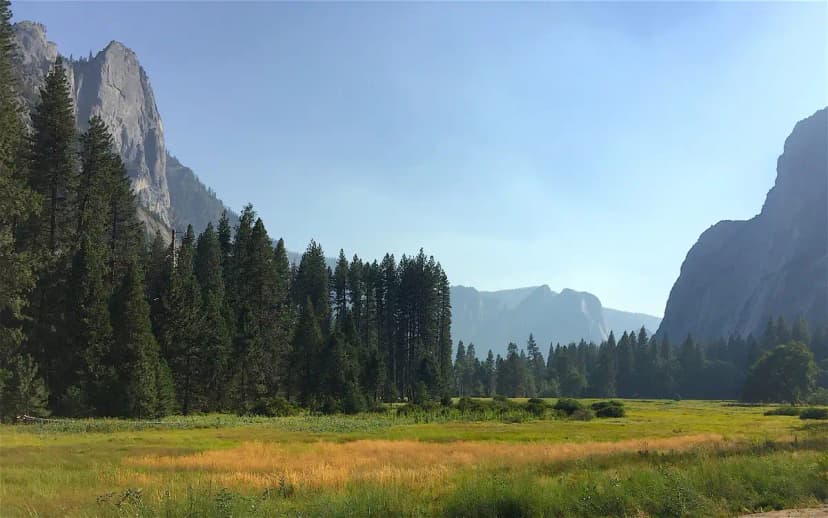
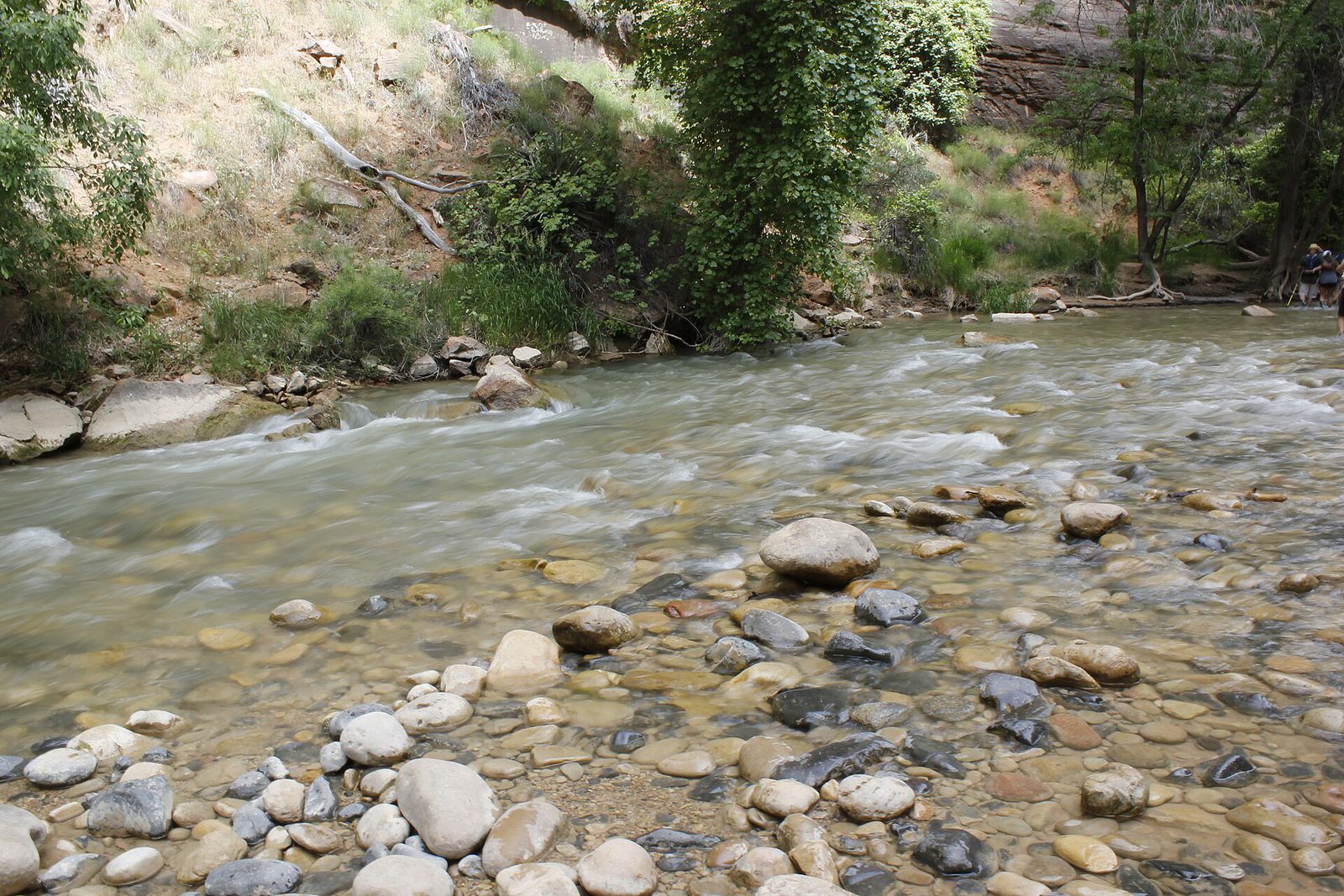
The Valley floor is where the deciduous trees concentrate. Black oaks turn a warm yellow-gold and are scattered throughout the Valley, especially around El Capitan Meadow and Cook's Meadow. Dogwoods, which bloom white in spring, turn shades of burgundy and red in fall and grow along the Merced River corridor, including near Housekeeping Camp. Bigleaf maples add yellow along the river and creek banks. None of it is concentrated in one obvious grove, so plan on a slow walk or drive through the Valley rather than one single viewpoint. Morning light works best for photos of the oaks and dogwoods, since the Valley walls put most of the floor in shade by early afternoon this time of year, when the sun sits lower in the sky.
Manage Your Expectations on Waterfalls
By fall, Yosemite's waterfalls have mostly wound down. Vernal, Nevada and Bridalveil Falls run all year but slow to a trickle, and Yosemite Falls, the park's tallest, commonly has little or no water at all by this time of year. If a big waterfall is the point of your trip, come in May or June instead. If you're here for fall color, treat the falls as a bonus, not the headline.
Tioga Road and the High Country
Tioga Road, the route into Tuolumne Meadows and the high country, is typically open from late May or June until sometime in November, and the exact closing date moves every year with the first serious snow. If you want to see the high country before it shuts for winter, go earlier in the fall window rather than later, and check the park's current road status before you drive up, since an early storm can close it with little notice. Outside the park to the east, the aspen groves around Lee Vining Canyon and June Lake are a separate, more dramatic fall display on National Forest land, and they typically turn earlier, in late September to early October, than the park's Valley oaks.
How This Compares to New England or Colorado
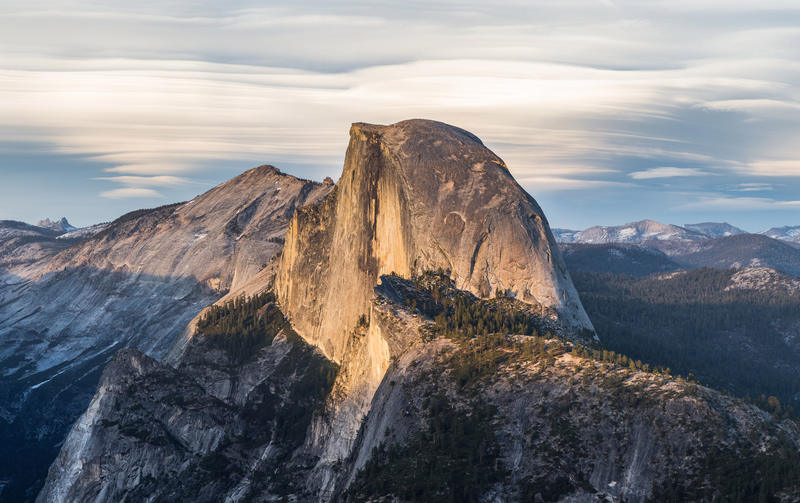
Honestly, it doesn't compete. Yosemite's fall color is a quiet, scattered accent on a park that's mostly evergreen, not a foliage destination in its own right. What you get instead is thinner crowds than summer, cooler hiking weather, and the same granite walls and domes with none of the waterfall noise. Our 3-day Yosemite itinerary works with minor tweaks for a fall trip too. Come for that, and treat any oak or dogwood color you see as a bonus. A practical upside of the lower expectations: you can plan around a specific week without the anxiety that drives New England leaf-peeping, since even an off week here still means fewer crowds and clear fall weather.
Have Us Plan Your Fall Trip
Tell us your dates and we will check road status for Tioga and Glacier Point and build the days around what's actually open. Planning is free, and we earn only if you book through us.
Fall Colors in Yosemite National Park: Peak Weeks and Best Spots FAQs
Black oaks, dogwoods and bigleaf maples are typically showy around mid-October, per the park's own fall guide. Exact timing shifts a bit year to year with weather, so check current conditions close to your trip.
Black oaks turn yellow-gold, Pacific dogwoods turn burgundy and red, and bigleaf maples turn yellow. All three are scattered through Yosemite Valley, concentrated along the Merced River and around meadows like El Capitan Meadow and Cook's Meadow.
It's modest, not a major foliage destination. Most of the park is evergreen conifer forest, so the color comes from a smaller number of deciduous trees on the Valley floor rather than a widespread display.
Mostly low. Vernal, Nevada and Bridalveil run year-round but slow to a trickle by fall, and Yosemite Falls, the tallest in the park, commonly has little or no water at all by this point in the year.
It's typically open from late May or June through sometime in November, but the closing date changes every year depending on the first significant snowstorm. Check the park's current road status before a fall trip.
Outside the park, east of Tioga Pass around Lee Vining Canyon and June Lake on National Forest land. Those aspens typically turn earlier, in late September to early October, than the Valley's oaks and dogwoods.
Yes. The worked day-by-day plan is Yosemite 3 Day Itinerary: Valley, Glacier Point, Falls (3 Days), with the permits, the stays and the drive times already sorted. Tell us your dates and we will put it together for you and confirm what is genuinely open on those days. Asking is free: no card, no deposit, and nothing is held until you say yes.