Why Fall Is the Best Season to Hike
Summer gets all the attention, guidebooks written for July, permit systems designed around the August rush, trail conditions described for peak season. But fall quietly does everything better. The heat breaks after Labor Day. The crowds drop off sharply after the first week of September. The foliage peaks in late September through October across most of the country, turning familiar trails into something spectacular. And the air quality that comes with cooler, cleaner fall air makes breathing at elevation genuinely easier.
In the American West, fall also means the afternoon thunderstorm season is mostly over. Summer hikers in Colorado and the Rockies spend June through August nervously watching afternoon clouds build by noon and retreating by 2pm to avoid lightning. By mid-September, that pattern breaks and you can stay on ridgelines through the afternoon.
There are trade-offs, days are shorter, temperatures swing more dramatically, and high country gets snow sooner than most people expect. But for hikers who understand the conditions, fall offers more good days per month than any other season.
Foliage Timing: Where and When to Go
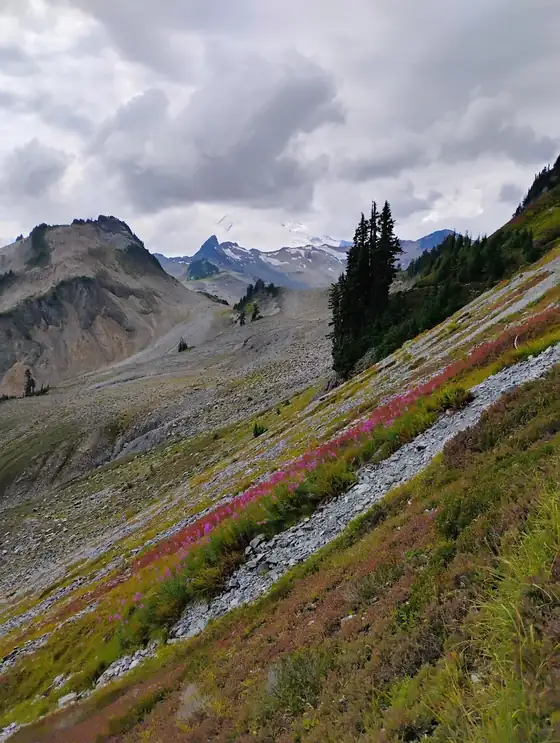
Fall color follows a predictable pattern: it starts at high elevation and moves downward, and it moves from north to south. Understanding this lets you chase peak color for weeks rather than catching a single weekend.
New England and Appalachians: Peak color runs from late September (higher elevations in Maine and Vermont) through mid-October (lower elevations in Pennsylvania and Virginia). The White Mountains in New Hampshire peak around the first week of October. Shenandoah's Skyline Drive is at its best in mid to late October.
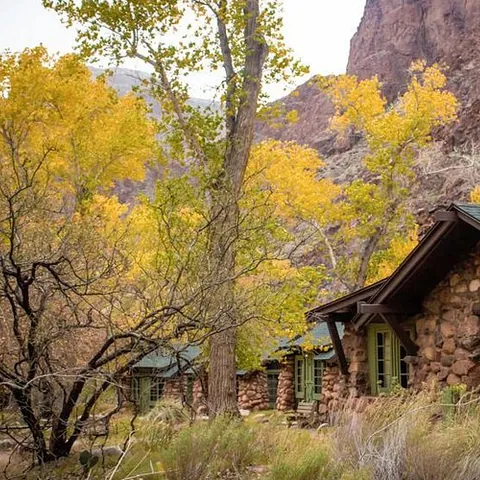
Rocky Mountains: Aspen groves turn golden yellow in late September, typically the last week of September in Colorado's San Juan Mountains and early October in the Wasatch Range in Utah. These are some of the most dramatic fall colors in the West, bright yellow aspen against red rock and deep green spruce.
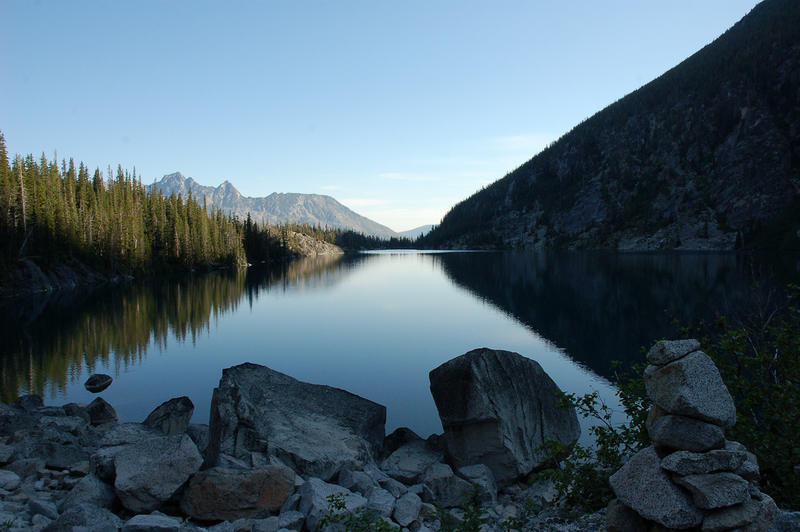
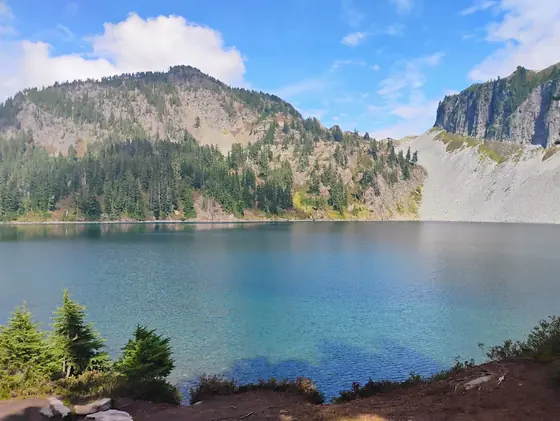
Pacific Northwest: Fall color is subtle compared to the East, larch trees in the North Cascades and Okanagan turn brilliant gold in early to mid-October. The Enchantments in Washington State has golden larch that draws hikers from across the country in the first two weeks of October.
Great Smoky Mountains: October is the most visited month in the Smokies because of fall color. Peak is typically mid to late October. Expect crowds, especially on weekends, go on weekdays if possible.
Layering for Fall Temperature Swings
Fall hiking is a layering challenge. Trailhead temperature at 7am might be 38°F. By noon at a sunny summit, it could be 65°F. An afternoon storm can drop temperatures 20 degrees in an hour. This 30-to-40-degree swing across a single hiking day is more than any other season demands.
The three-layer system works well, but you'll be actively using all three:
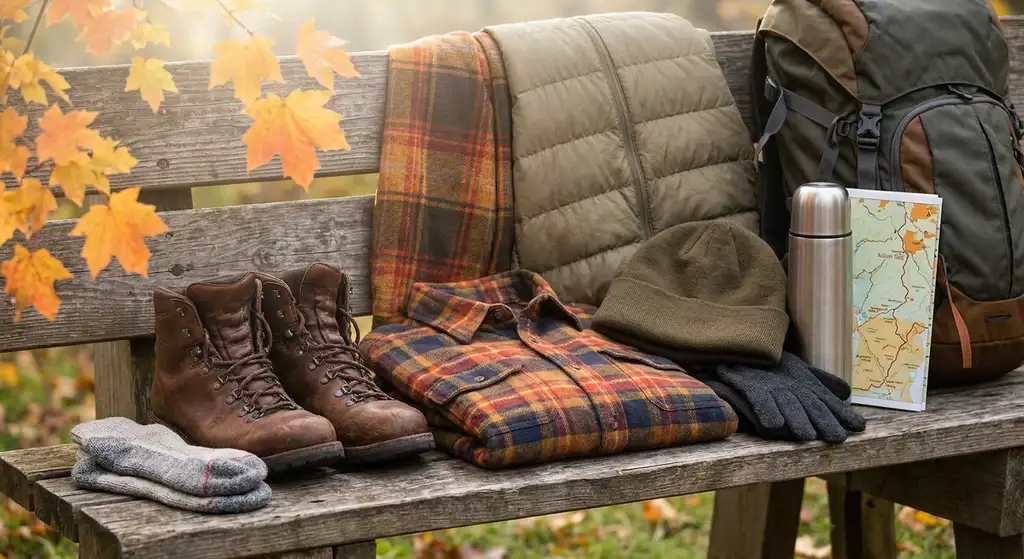
Base layer: Merino wool or moisture-wicking synthetic. A midweight top (Smartwool 150 or Merino 250) handles cool mornings without making you sweat excessively on climbs. In true fall temperatures, avoid lightweight base layers that work well in summer, you need slightly more insulation at skin level.
Mid layer: A fleece jacket or light insulated piece (Patagonia Nano Puff, Arc'teryx Atom SL) goes in and out of your pack constantly on fall days. Start with it on, stuff it when you're climbing and warm, pull it back out at the summit or on shaded north-facing descents. Don't leave it in the car thinking you won't need it, temperatures drop fast in fall, especially after 3pm.
Outer layer: A waterproof shell handles fall rain, wind, and unexpected weather. Even if the forecast looks clear, pack it. Fall weather in the mountains changes faster than weather apps predict.
Extras specific to fall: A lightweight hat and gloves belong in your daypack from September onward, even in warm climates. Summits that are comfortable in short sleeves at 11am can be genuinely cold with wind chill by 2pm. Merino glove liners weigh almost nothing and can be the difference between a miserable descent and a comfortable one.
Daylight Management
This is the one that catches hikers most off guard in fall. After the summer solstice, you lose about two minutes of daylight per day. By the fall equinox in late September, you have 12 hours of daylight, and it keeps dropping from there. By October's end in most of the country, sunset is before 6pm.
Practically, this means: trails that were easy to time in July require earlier starts in September and October. A trail that normally takes six hours round-trip needs a 7am start by October if you want to be back before dark. Start earlier than you think you need to. And always carry a headlamp, not buried in the bottom of your pack, but accessible. Getting caught out in fall darkness in mountain terrain is a genuine emergency.
Check sunset times the morning of your hike and calculate your latest reasonable turnaround time based on your hiking pace. Build in a buffer of at least an hour.
Snow at Elevation
High-country hiking in fall comes with the possibility of snow. In Colorado, Wyoming, and the Northern Rockies, snow at elevation above 10,000 feet can arrive in September and stick around. Passes can be snowed in by October. Trails that are completely clear in August can be knee-deep in snow by early October.
This doesn't mean don't go, fall in the high country is spectacular. But check recent trip reports before heading to any trail above 9,000 feet from late September onward. AllTrails, local hiking groups, and ranger station websites all post current conditions. Pack microspikes in your bag from September on for high-country hikes. It weighs nothing and you'll be grateful to have them.
Wildlife Awareness in Fall
Fall is when wildlife activity peaks before winter. Bears are in hyperphagia, eating continuously to build fat reserves before hibernation, and they're less cautious than normal as a result. Encounters on trail are more common from August through November than at any other time. Carry bear spray and know how to use it. Make noise on the trail, especially in berry patches and near streams.
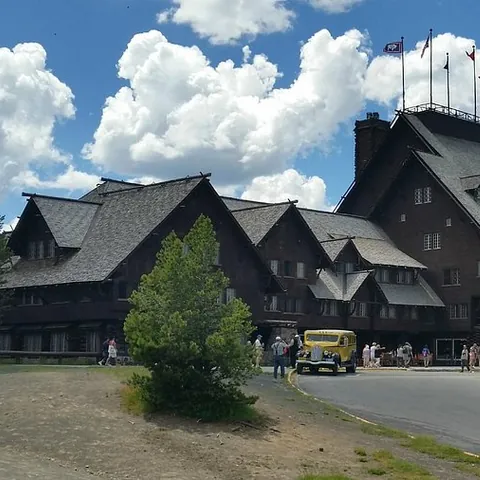
Elk rut runs from September through October and produces some of the most dramatic wildlife sounds in North America, the bugling of bull elk carries for miles. But bulls during rut are aggressive and territorial. Keep your distance, especially in meadows where bulls herd their cows. Yellowstone and Rocky Mountain National Park see significant elk activity during this period and require extra caution near wildlife.
Shoulder Season Trail Conditions
Fall brings deteriorating trail conditions that you won't encounter in summer: leaves covering the trail and hiding roots and rocks, stream crossings that have more flow from fall rain, wet slippery surfaces on switchbacks, and occasionally ice in the shade before midday. Slow your pace on descent when the trail is covered with wet leaves, they're effectively as slippery as ice on steep terrain. Trekking poles earn their keep in fall.
Fall Hiking Tips: Gear, Trails FAQs
Late September through mid-October, depending on elevation. Higher elevations in Vermont and Maine peak in late September, lower elevations in Massachusetts and Connecticut peak in mid-October. Check the Foliage Network or state tourism websites for current conditions, peak window is only about a week long.
With proper layering, there's no hard cutoff. Most hikers are comfortable in temperatures down to 25–30°F with good base and mid layers. The issue is usually unexpected temperature drops rather than forecast cold. Dress for the forecast low, not the forecast high.
Your summer kit plus a warmer mid layer, gloves and hat, and a waterproof shell covers most fall conditions. For high-country hikes in October onward, add microspikes for potential snow or ice. Waterproof boots become more important when trails are wet from rain.
In bear country, yes, and especially in fall when bears are in hyperphagia and more active. Carry it on your hip where you can access it in two seconds. Know how to use it before you need it: safety off, spray in a downward arc when bear is within 30–60 feet.
School is back in session, vacation schedules compress to weekends, and a perception that summer is 'hiking season' keeps many casual hikers home. Weekdays in September and October in most national parks have a fraction of the summer traffic, and even popular weekend trails feel noticeably more open.