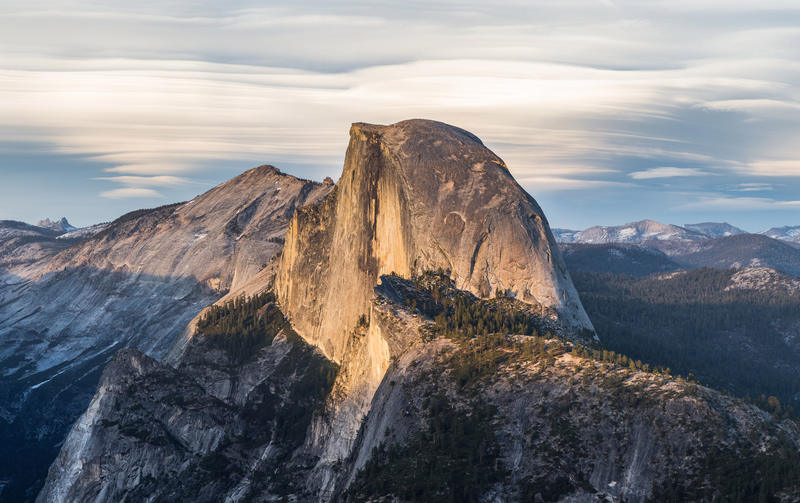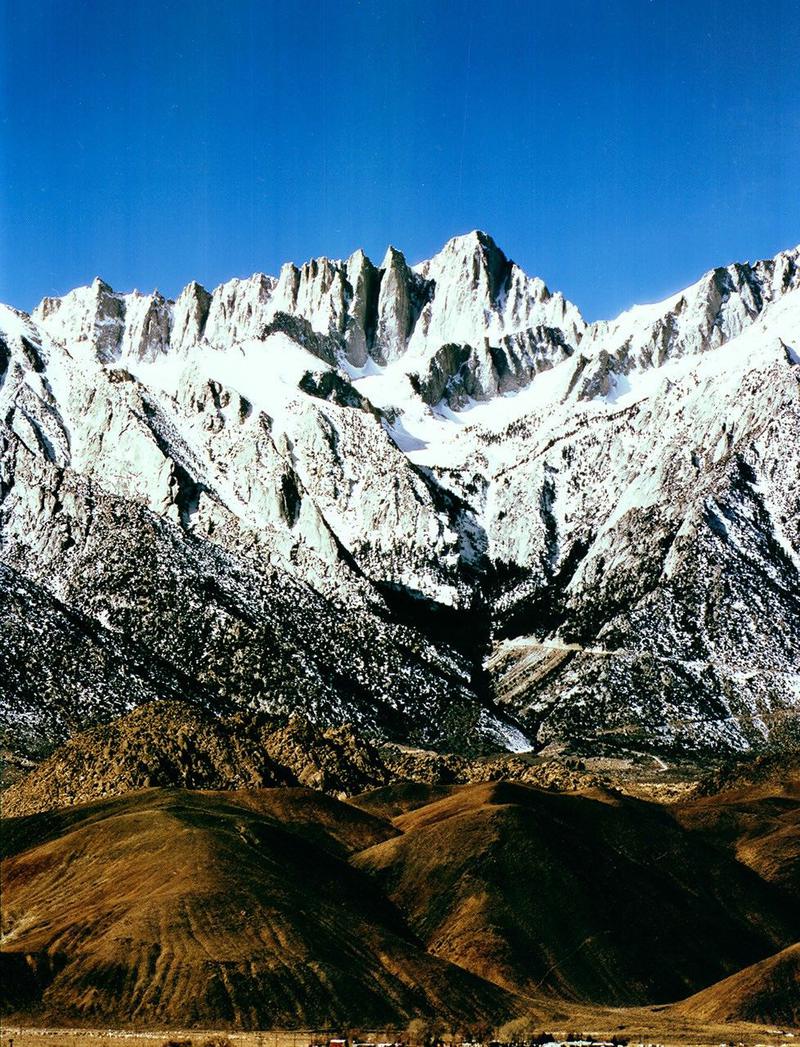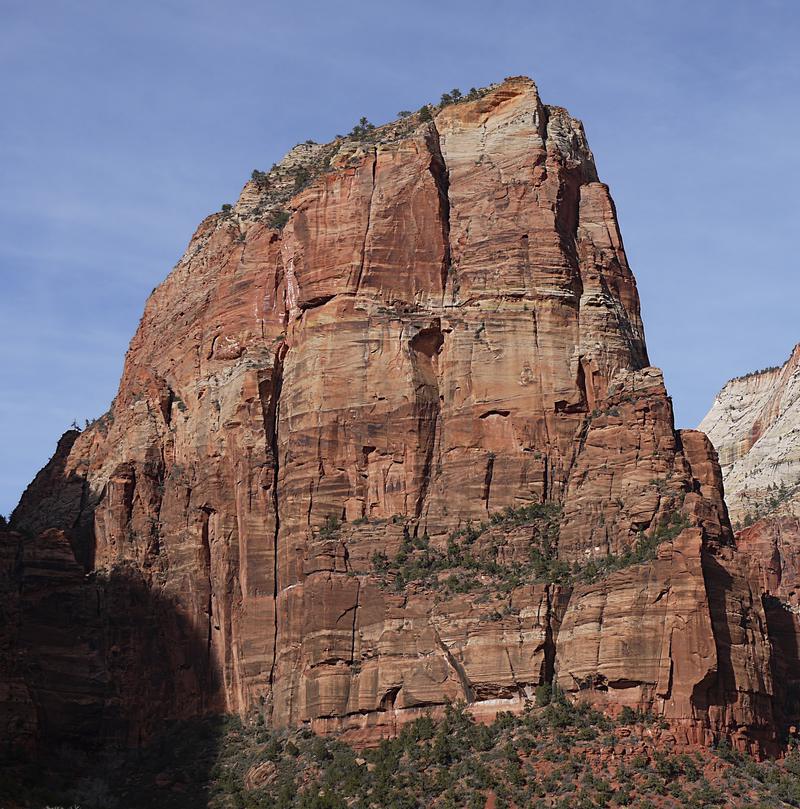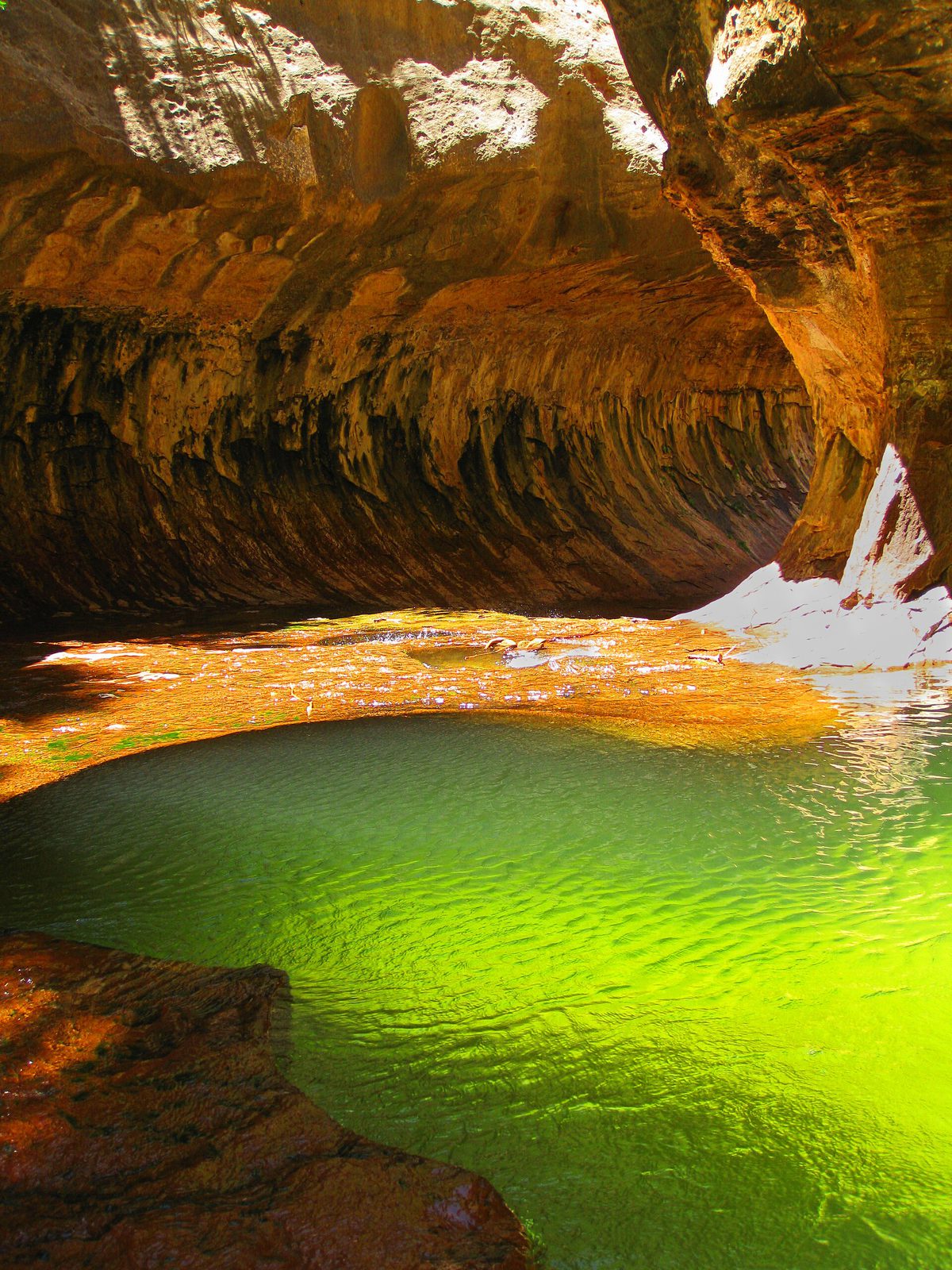
Six parks that are at their best in April, why each one works this month, and the day-by-day itinerary for each. Every park below is one we have written a day-by-day trip for, so this is not a list of names: it is six places you can actually book.
1. Joshua Tree National Park, California
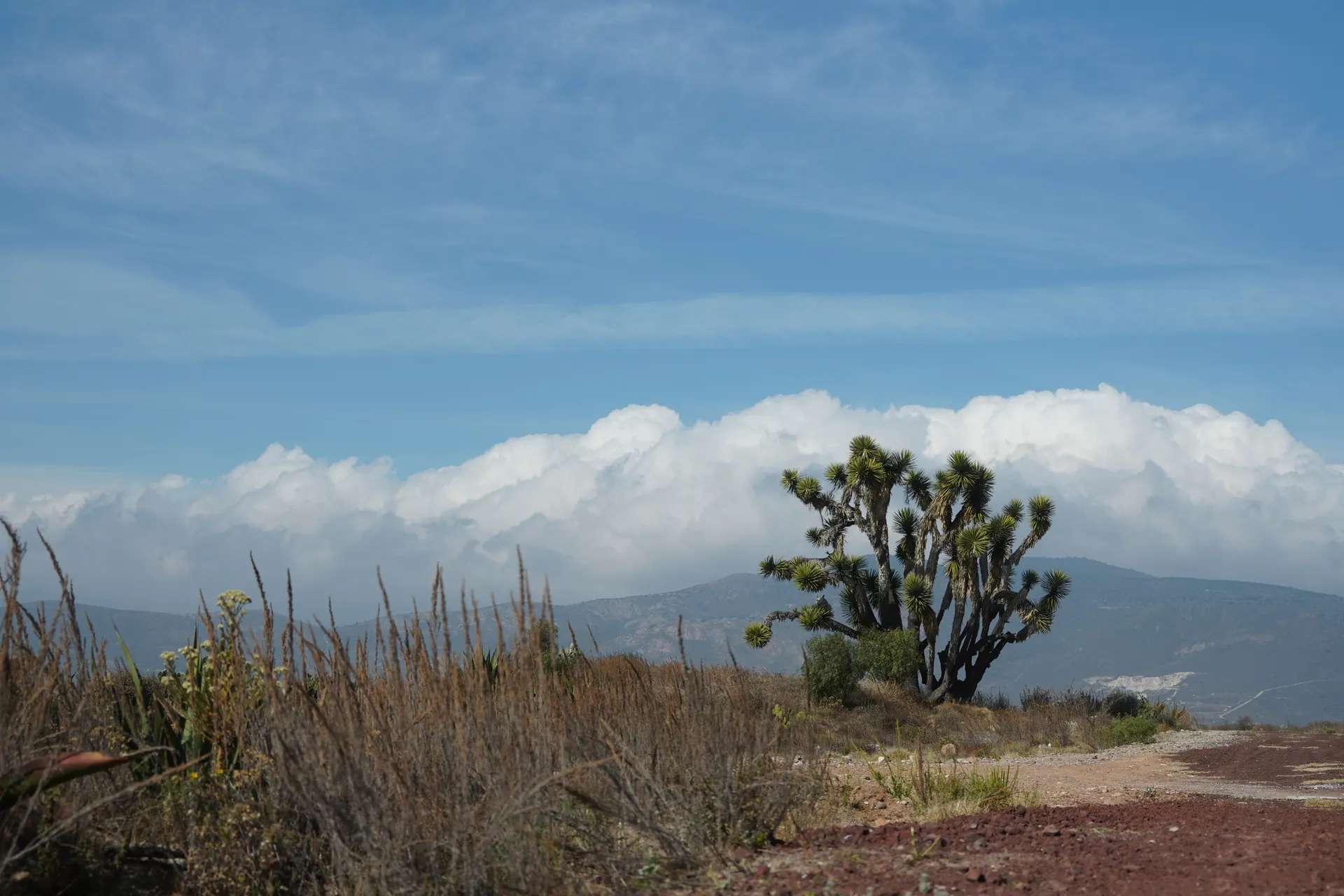
Peak wildflower month, and the last one before the Mojave turns hostile. Highs sit in the seventies to low eighties, the cholla garden is at its best at sunrise, and the bloom follows winter rain rather than the calendar, so check the park’s wildflower page before you commit to a date.
Our 3 days itinerary: Hikes in Joshua Tree: A 3-Day Best-of Itinerary. Day by day, with where to sleep and what to book.
2. Death Valley National Park, California
April is the last comfortable month here and the tail of super bloom years. Walk Badwater and Golden Canyon early, treat anything after noon as a drive, and carry more water than feels reasonable. By May the valley floor is past 100F and the season is over.
Our 3 days itinerary: Death Valley Winter Hiking: A 3-Day Itinerary. Day by day, with where to sleep and what to book.
3. Saguaro National Park, Arizona
The saguaros flower late April into June and the Sonoran desert is green from winter rain. Cactus Forest Loop on the east side is the drive, Valley View Overlook the short walk. Tucson is twenty minutes away, which makes this the easiest desert park to base in.
Our 3 days itinerary: Saguaro National Park Hikes: 3-Day Best Hikes Itinerary. Day by day, with where to sleep and what to book.
4. Zion National Park, Utah
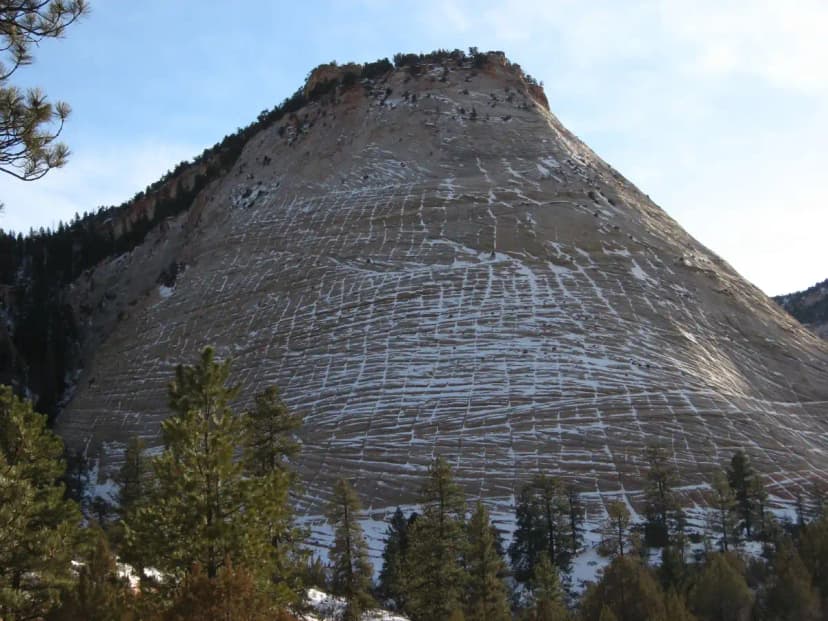
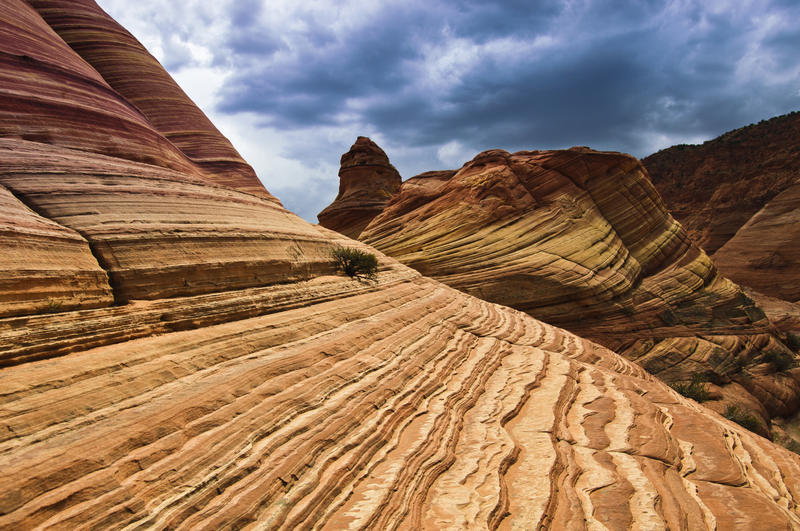
Spring runoff puts water in the Virgin River and green on the canyon floor, and the shuttle is running without the summer queues. The Narrows may be closed to wading if flow is high, which is the trade: full waterfalls or a walkable riverbed, rarely both.
Our 3 days itinerary: Zion National Park: 3-Day Itinerary. Day by day, with where to sleep and what to book.
5. Big Bend National Park, Texas
Prime hiking before the desert heat arrives, with the bluebonnets out along the Ross Maxwell drive in a good year. The Chisos sit ten to twenty degrees cooler than the floor, so this is the month the South Rim is pleasant rather than punishing.
Our 3 days itinerary: Big Bend National Park 3-Day Itinerary: Desert Hiking Weekend. Day by day, with where to sleep and what to book.
6. Great Smoky Mountains National Park, Tennessee
Wildflowers, and the busiest spring weekend of the year at Cades Cove. April here is about elevation: the lower trails are green while the ridgelines are still bare, so a single day can cross a month of seasons.
Our 3 days itinerary: Great Smoky Mountains National Park: A 3-Day Itinerary. Day by day, with where to sleep and what to book.
More trips that work in April
Each of these lists April in its own season, so the timing is not a guess.
- Arizona Canyoneering: Slot Canyon & Grand Canyon Itinerary 10 Days · Arizona & Utah
- Arkansas 10-Day Outdoor Circuit: Ozarks to Ouachitas 10 Days · Arkansas
- Assateague Island Backpacking: 3-Day Wild Pony Itinerary 3 Days · Maryland
- Atchafalaya Basin Kayaking: 3-Day Weekend Itinerary 3 Days · Louisiana
- Black Creek Wilderness Mississippi: 6-Day Float & Backpacking Itinerary 6 Days · Mississippi
- Buffalo National River: 3-Day Float & Hike Itinerary 3 Days · Arkansas
- Canyonlands Needles District: A 3-Day Backpacking Itinerary 3 Days · Southeast Utah
- Capitol Reef Itinerary: 2 Days in the Waterpocket Fold 2 Days · South-Central Utah
- Channel Islands Kayaking: 3-Day Santa Cruz Island Trip 3 Days · California
- Chiricahua National Monument: A 2-Day Hiking Itinerary 2 Days · Southeast Arizona
- Colorado River Kayaking Trips: A 3-Day Moab and Lake Powell Itinerary 3 Days · Utah & Arizona
- Daniel Boone National Forest Hiking: A Red River Gorge Itinerary 3 Days · Eastern Kentucky
- George Washington National Forest Hiking: A 3-Day Virginia Itinerary 3 Days · Western Virginia
- Georgia Appalachian Trail Section Hike: Springer to Bly Gap 7 Days · Georgia
Best National Parks to Visit in April FAQs
Joshua Tree, if you only pick one. April is the last month before the Mojave gets too hot to hike in the middle of the day, the wildflowers are out, and the nights are still cool enough to camp comfortably.
The desert parks. Death Valley, Joshua Tree, Saguaro and Big Bend all sit in the 70s and 80s Fahrenheit through April. Zion is milder, in the 60s and 70s, with the Virgin River running high from snowmelt.
It is one of the best windows of the year. Desert parks are at their most comfortable, southern parks are in wildflower season, and the summer crowds have not arrived. The catch is elevation: Yosemite Valley is open but Tioga Road is not, and most high country is still under snow.
Far less than June through August, with two exceptions. Easter week fills every park with families, and the last week of April brings the Smokies wildflower pilgrimage. Avoid both and April is quiet.
Zion runs its shuttle from spring. Arches has run timed entry starting in April in past years, but not in 2026, so check the park page before you go. Joshua Tree, Death Valley, Saguaro and Big Bend need nothing beyond an entry fee. Campgrounds are the thing that sells out, not the parks.
Three places worth planning around: the Mojave in Joshua Tree, the Chihuahuan desert in Big Bend, and the Great Smoky Mountains, which hold the largest wildflower display of any park in the country. A Death Valley super bloom happens only after a wet winter.
Yes. The worked day-by-day plan is Hikes in Joshua Tree: A 3-Day Best-of Itinerary (3 Days), with the permits, the stays and the drive times already sorted. Tell us your dates and we will put it together for you and confirm what is genuinely open on those days. Asking is free: no card, no deposit, and nothing is held until you say yes.