Why Winter Hiking Is Worth It
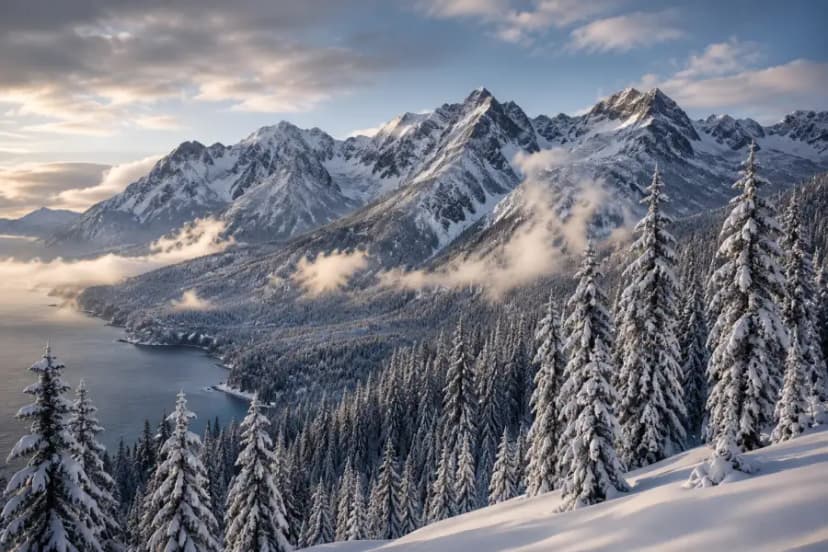
Most people put their hiking gear away in November and don't touch it until April. That means the trails are yours. Winter hiking strips away the crowds, the noise, and the heat-soaked summer experience and replaces it with silence, crisp air, and a landscape that looks completely different under snow. The same trail you've hiked a dozen times in summer becomes unfamiliar and striking when the leaves are gone and frost coats every surface.
But winter hiking demands more from you than a warm-weather outing. The stakes are higher, cold weather is less forgiving of mistakes, days are shorter, and conditions can change faster than your weather app predicts. The good news is that with the right gear and a basic understanding of cold-weather hazards, you can safely enjoy trails year-round. This guide covers everything you need to get started.
Choosing Your First Winter Trail
Don't start with an ambitious summit attempt. Your first few winter hikes should be on trails you've done before in other seasons, familiar terrain means you can focus on managing conditions rather than route-finding. Look for trails with these characteristics:
- Well-marked and well-traveled: Snow covers trail markers and footprints disappear in overnight snowfall. A popular trail is more likely to have packed snow (easier walking) and occasional other hikers.
- Lower elevation: Wind and temperature drop dramatically with altitude. A trail that tops out at 3,000 feet is far more forgiving than one that reaches 8,000 feet.
- South-facing slopes: These get more sun and tend to have less ice than north-facing terrain.
- Short enough to finish in daylight: Winter days are short. A trail that takes four hours in summer might take six in snow. Start early and plan to be back at the trailhead at least 90 minutes before sunset.
The Winter Layering System
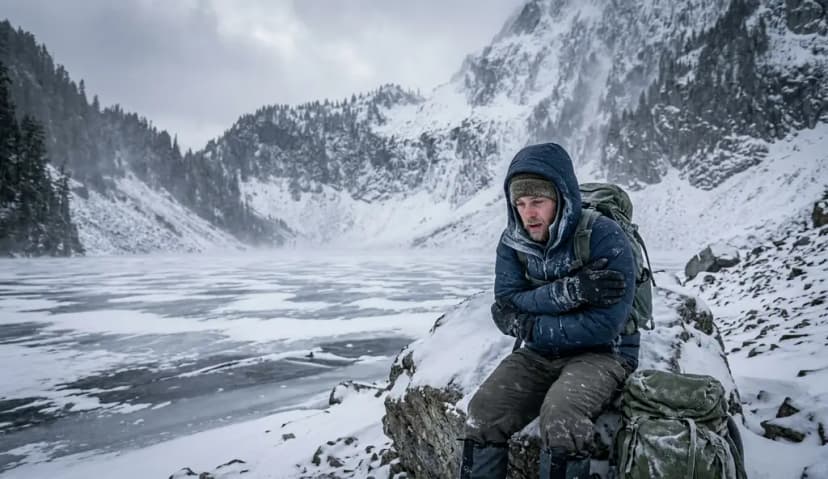
Layering is the core concept of cold-weather clothing. You'll be working hard going uphill (generating heat) and standing still at viewpoints (losing it fast). A three-layer system lets you add and remove insulation as needed.
Base layer: This goes directly against your skin. Its job is to move sweat away from your body. Merino wool is the best material, it regulates temperature, resists odor even after multiple days, and stays warm even when damp. Synthetics like Polartec Power Dry also work well. Avoid cotton entirely, it absorbs moisture and stays wet, which is dangerous in cold weather. Good options: Smartwool Merino 250, Icebreaker Oasis, Patagonia Capilene Thermal.
Mid layer: This is your insulation. A fleece jacket or down vest traps warm air next to your body. Fleece works better when you're exerting yourself heavily because it breathes; down is warmer when you're stationary. Patagonia R1 fleece and Arc'teryx Atom LT hoody are both solid mid-layer options. On a cold day, you might wear this all the time. On a mild winter day with good exertion, you might stuff it in your pack during climbs.
Outer layer (shell): This blocks wind and precipitation. It doesn't need to be heavily insulated, that's the mid layer's job. What you need is a waterproof-breathable shell that keeps rain, sleet, and wind out. Gore-Tex or equivalent fabrics work best. Marmot Minimalist, Arc'teryx Beta LT, and REI Co-op Rainier are all proven options. Make sure yours has a helmet-compatible hood.
Extras: Your hands, feet, and head lose heat fast. Add insulated waterproof gloves (not just fleece gloves, you need waterproofing if there's snow), wool or synthetic hiking socks, a warm hat that covers your ears, and a neck gaiter or balaclava for very cold days. Merino wool beanies from Smartwool or Darn Tough work well.
Footwear and Traction
Regular trail runners are often fine for packed snow on groomed trails. But as soon as you're dealing with ice, steep snow, or unpacked powder, you need traction devices.
Microspikes: These are the go-to for most winter day hikers. They strap onto any boot or shoe and provide metal spikes that grip ice and hardpack. Kahtoola MICROspikes are the industry standard, expensive but nearly indestructible. Hillsound Trail Crampons are a solid cheaper alternative. Put them in your daypack on every winter hike and pull them out when the trail ices up.
Snowshoes: For deep, unpacked snow, microspikes won't help much, you'll post-hole knee-deep with every step. Snowshoes distribute your weight over a larger surface area so you stay on top of the snow. They're slower and more awkward than normal walking but make deep-snow terrain manageable. MSR Evo Trail snowshoes are the most popular beginner option.
Boots: Waterproof hiking boots are important, wet feet in freezing temperatures are a serious hazard. If you'll be in snow regularly, look for boots rated to at least -20°F. Sorel Caribou and Columbia Bugaboot are warm, waterproof, and reasonably affordable. For more technical terrain, La Sportiva Nepal Cube or Salomon Quest 4 give you better ankle support.
Essential Safety Gear
Winter hiking requires a few items that aren't necessary in summer:
- Navigation: Download your trail map offline before you leave. Snow covers trail markers and the path can be impossible to see. AllTrails and Gaia GPS both work offline. Bring a paper map and compass as backup, phone batteries drain faster in cold.
- Extra insulation: Always carry a puffy jacket in your pack even if you're warm at the trailhead. Stopping at a summit or eating lunch drops your core temperature fast.
- Emergency bivy or space blanket: If you're injured or caught out after dark, an emergency bivy (SOL Escape Lite Bivy, around $30) can prevent hypothermia. It weighs almost nothing.
- Headlamp with fresh batteries: Days are short. A headlamp is non-negotiable. Lithium batteries last much longer than alkaline in cold, swap them before your hike.
- Hand warmers: HeatMax or HotHands single-use warmers are cheap and potentially life-saving. Keep a few in your pack. They're also good for warming up a cold phone battery.
- High-calorie snacks: Your body burns significantly more calories in cold weather maintaining core temperature. Bring more food than you think you need, trail mix, energy bars, chocolate, nuts.
Recognizing and Preventing Cold-Weather Hazards
Hypothermia happens when your core body temperature drops below 95°F. Early signs include intense shivering, slurred speech, and poor coordination. If you or anyone in your group shows these signs, get out of the wind immediately, add layers, eat something with sugar, and drink warm liquid if available. Prevention: stay dry, eat regularly, and never stop moving for too long when it's cold.
Frostbite affects extremities, fingers, toes, ears, and nose. The skin goes from red and painful (frostnip) to white, waxy, and numb (frostbite). Don't rub frostbitten skin, you'll damage tissue. Rewarm it gently with body heat (put hands under armpits). Prevention: good insulated gloves, wool socks, and keeping your core warm so blood circulates to your extremities.
Postholingbreaking through the snow crust with every step, is exhausting and can lead to twisted ankles. If the snow is deeper than your boot and the crust won't hold your weight, either put on snowshoes or turn back.
Avalanche terrain: In the mountains, steep slopes loaded with fresh or wind-deposited snow can slide. As a beginner, avoid steep open bowls and terrain below them in the days after heavy snowfall. Check avalanche forecasts at avalanche.org before heading into mountain terrain.
Telling Someone Your Plan
This matters more in winter than any other season. Before every winter hike, tell someone, a friend, partner, family member, exactly where you're going, which trailhead, and when to call for help if you're not back. Write it down and leave it somewhere visible. If you go alone, check in with them when you return. This single habit is one of the most important safety practices in cold-weather hiking.
Start Short, Build Confidence
Your first winter hike should be two to four miles on a trail you already know. Check conditions the morning of your hike, trail conditions change overnight. Look for recent trip reports on AllTrails or local hiking Facebook groups. Leave the trailhead by 9am so you have full daylight. Turn around at your planned time regardless of how good you feel, it's always farther back than you think.
Winter hiking has a learning curve, but it rewards patience. Gear up correctly, choose conservative terrain, and tell someone your plan. Do that, and the trails are yours all year.
Winter Hiking for Beginners FAQs
Waterproof boots are important for snow and wet conditions. For temperatures regularly below 20°F or deep snow, insulated waterproof boots rated for cold weather (like Sorel Caribou or Columbia Bugaboot) are worth the investment. Regular trail runners work for packed snow on mild days but won't keep your feet warm or dry in serious winter conditions.
Not always, but carry them anyway. You won't know you need them until you hit an icy section of trail. Kahtoola MICROspikes weigh about a pound and strap over any boot. They're one of the highest-value safety items you can add to your winter kit.
There's no universal cutoff. With proper layering, experienced hikers go out in temperatures well below 0°F. As a beginner, start hiking when temperatures are above 20°F with low wind. Wind chill matters as much as air temperature, a 30°F day with 30 mph wind feels like 15°F.
The same as summer, about 0.5 liters per hour of hiking. Dehydration is a real risk in cold weather because you don't feel thirsty. Keep your water bottle inside your pack or jacket to prevent it from freezing. A wide-mouth insulated bottle works better than a hydration reservoir in freezing temps.
Start early. Aim to be at the trailhead by 8–9am. Winter days are short, and you want the sun at its highest when you're on exposed terrain. Plan to finish at least 90 minutes before sunset, trail time is always longer in snow than your estimate.