Why Visit Yosemite in Winter
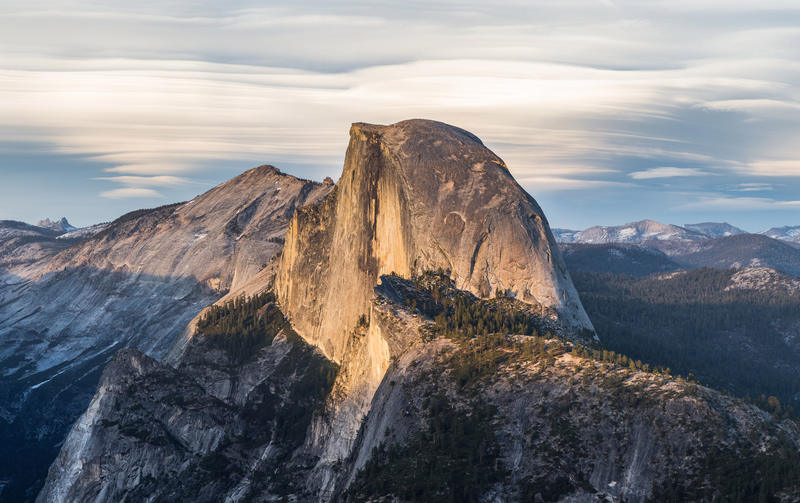
Winter is Yosemite's most underrated season. The summer crowds are gone, El Capitan and Half Dome wear caps of snow, and the granite walls glow when low sun breaks through clearing storms. You trade waterfalls at full roar for solitude, frosted meadows, and some of the best photography light of the year. With the right preparation, a winter visit can be the most memorable trip you take here.
For trail ideas that carry over from the warmer months, see our Yosemite hiking itinerary, then adapt the lower-elevation valley routes for snow.
The Horsetail Fall Firefall
The most famous winter event is the Horsetail Fall firefall. For roughly two weeks in mid to late February, the setting sun lines up with this thin seasonal waterfall on the east face of El Capitan and lights it up like molten orange lava. You need three things to align: water flowing in the fall, a clear western horizon at sunset, and a spot on the designated viewing area. The park often runs traffic and parking restrictions during this window, so check the rules before you go.
Best Time to See the Firefall and How to Plan It
The peak alignment usually falls between roughly February 12 and February 24, with the deepest color in the last 10 minutes before sunset, around 5:20 to 5:30 p.m. To improve your odds, plan for these specifics:
- Arrive by early afternoon. The northside drive viewing area near the El Capitan Picnic Area and the section of Northside Drive past the El Cap crossover fill up hours ahead.
- Check the snowpack and temperatures. Horsetail Fall is fed by snowmelt, so a dry winter or a hard freeze can leave it with too little water to glow.
- Watch the western sky. Even thin clouds on the horizon will block the direct light and kill the effect, so favor a clear forecast.
- Bring a headlamp and warm layers. You will hike out in the dark and cold after the light fades.
If the park has a reservation or permit system in place for the firefall weekends, secure it well in advance because spots go quickly.
Snowshoeing and Cross-Country Skiing
The high country around Badger Pass (the park's small downhill ski area) is the hub for winter trails. From there you can:
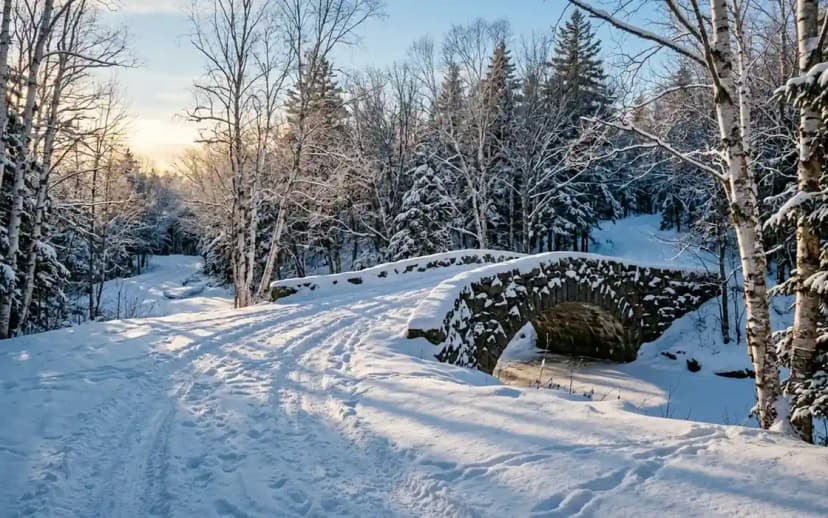
- Snowshoe or ski the road toward Glacier Point, which is closed to cars in winter and becomes a quiet 10.5-mile one-way route to one of the greatest views in the park.
- Join a ranger-led snowshoe walk to learn winter ecology.
- Ski the gentle trails through the Crane Flat and Mariposa Grove areas of giant sequoias.
The Mariposa Grove of giant sequoias is especially magical with snow clinging to the largest trees on Earth.
What Gear to Pack for a Yosemite Winter Trip
Conditions on the valley floor are far milder than the high country, but you should still come prepared for cold, ice, and short days. A reliable winter kit includes:
- Traction devices. Microspikes or crampon-style cleats are the single most useful item for icy valley paths and the Glacier Point Road.
- Layered clothing. A moisture-wicking base layer, an insulating mid layer, and a waterproof shell handle the swing from sunny meadows to shaded, frozen trails.
- Waterproof boots and gaiters. Slush and packed snow soak through low shoes fast.
- Tire chains. Carry a set sized to your vehicle even if you have all-wheel drive.
- A thermos and snacks. Hot drinks and high-calorie food keep you going when temperatures drop near sunset.
Trails That Stay Open
Plenty of the Yosemite Valley floor stays walkable all winter. Easy options include the loop to Bridalveil Fall, the Lower Yosemite Fall trail, the path to Mirror Lake, and the flat Valley Loop sections. Microspikes or traction cleats make icy stretches much safer. The steep Mist Trail above the Vernal Fall footbridge closes for the season because of ice.
Where to Stay in and Around the Park
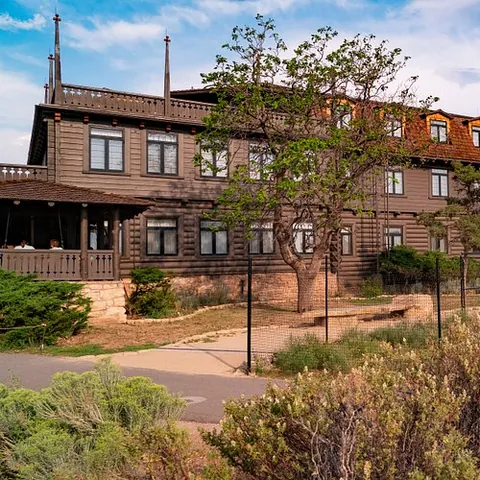
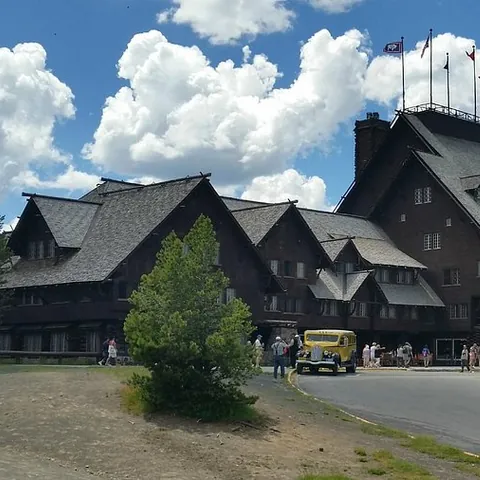
Lodging fills up for the firefall weekends, so book early. Inside the park, The Ahwahnee offers historic luxury with the Bracebridge dinner tradition over the holidays, while Yosemite Valley Lodge puts you within walking distance of Lower Yosemite Fall. Curry Village heated cabins are a budget-friendly base near the ice rink. Outside the park, the gateway towns of Mariposa, Oakhurst, and El Portal have hotels and inns at lower elevation, which means easier driving when storms hit the higher roads. Wawona, near the south entrance, keeps you close to the Mariposa Grove and Badger Pass.
Other Winter Activities
- Ice skating at Curry Village with Half Dome in the background, an old-school outdoor rink.
- Wildlife watching: deer, coyotes, and bobcats are easier to spot against the snow.
- Photography: Tunnel View after a clearing storm is one of the most iconic shots in the world.
Getting There and Staying Safe
Mountain weather is the main thing to manage. Tire chains are frequently required on park roads, and you must carry them even with all-wheel drive when chain controls are in effect. The Tioga Road and Glacier Point Road close to cars for the winter, so plan around valley and Wawona-area access. Dress in warm layers, pack traction devices, start early because daylight is short, and check the road and weather conditions before you drive up.
Yosemite in Winter: Snowshoeing, Firefall and Quiet Trails FAQs
The Horsetail Fall firefall happens for roughly two weeks in mid to late February, when the setting sun lights the waterfall orange. It needs water flowing in the fall and a clear western horizon, and the park often restricts traffic and parking during the event.
Yes. Much of the Yosemite Valley floor stays open, including Bridalveil Fall, Lower Yosemite Fall, Mirror Lake, and Valley Loop sections. Bring microspikes for ice. The Mist Trail above the Vernal Fall footbridge closes in winter.
Often, yes. Chain controls are common on park roads in winter, and you must carry chains even with all-wheel drive when controls are in effect. Glacier Point Road and Tioga Road close to cars for the season, so plan around valley access.