There is no single best time, only the right time for your trip
Yosemite is a different park in every season, and the best time to visit with kids depends on what you most want to see. Want thundering waterfalls? Come in spring. Want to drive the high country to Tuolumne Meadows? You need summer. Want fewer crowds and golden light? Try fall. This guide breaks down each season so families can plan around waterfalls, crowds, road openings, and the reservation system. If you want the whole trip mapped out, our California National Parks Family Loop itinerary sequences Yosemite with the giant sequoias and the southern Sierra into one road trip.
Spring (April to June): peak waterfalls, melting snow
Spring is the magic window for waterfalls. Snowmelt pushes Yosemite Falls, Vernal Fall, and Bridalveil Fall to full roar, usually peaking in May and early June. The valley is green, dogwoods bloom, and temperatures are mild. The trade-offs: the high-elevation Tioga Road and Glacier Point Road open late, often not until late May or June depending on snow, and the Mist Trail steps run wet and slippery. Spring is our top pick for families chasing the classic Yosemite postcard.
- Best for: waterfalls, wildflowers, mild weather
- Watch out for: closed high-country roads, cold fast water
Summer (July to August): everything open, biggest crowds
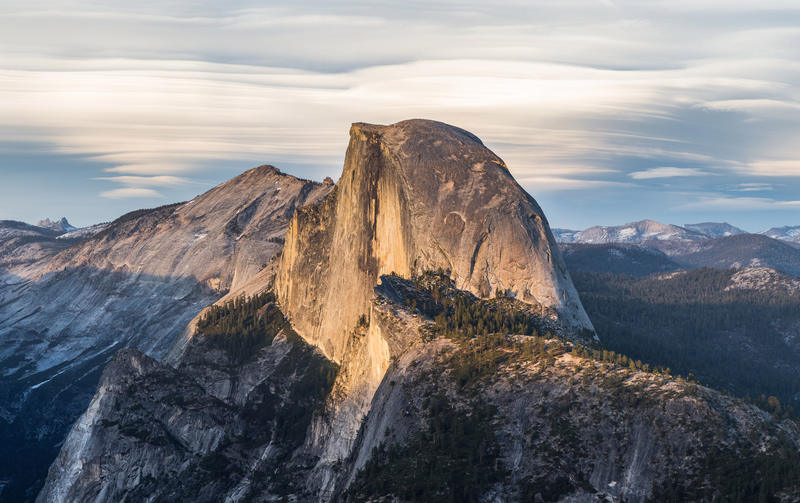
Summer is when the entire park is accessible. Tioga Road is open, so you can drive to Tenaya Lake and Tuolumne Meadows, and Glacier Point Road delivers the famous overlook of Half Dome. The trade-off is crowds and heat in the valley, where afternoons can top 90 degrees. Waterfalls also fade as snowmelt runs out. Families do best by starting hikes early, using the free valley shuttle, and escaping to higher, cooler elevations in the afternoon. This is the season most families visit, so a day-use reservation is often required to enter during peak hours.
Fall (September to October): quiet trails, crisp air
Fall is an underrated time for families. Crowds thin after Labor Day, temperatures cool into comfortable hiking weather, and the oaks and maples turn gold. Waterfalls are at their lowest, so set expectations there, but trails like the Mist Trail, Mariposa Grove, and the valley loop are far more pleasant without summer crowds. Tioga Road usually stays open until the first big snow, often into October or November, giving you a last shot at the high country.
Winter (November to March): snow, ice, and solitude
Winter turns Yosemite Valley into a quiet, snow-dusted wonderland. The valley stays open year round and you can sled, snowshoe, or ice skate at Curry Village with Half Dome overhead. The catch: Tioga Road and Glacier Point Road close, Badger Pass is the only developed area at altitude, and you must carry tire chains. It is the least crowded season and a great budget window, but high-country hiking is off the table.
- Spring: best waterfalls, high roads still closed
- Summer: full access, biggest crowds and heat
- Fall: quiet trails, low water, fall color
- Winter: snow play, valley only, carry chains
Don't forget the reservation system
In recent years Yosemite has used a peak-hours day-use reservation system during the busiest stretches, typically spring through fall on weekends and holidays. Rules change yearly, so check the official park website before you book lodging or gas up the car. Reservations release in batches months ahead and again a few days before, so families who miss the first round still have a chance. Entering before the reservation window opens in the morning, often before 6 a.m., is a reliable workaround for early risers.
Best Time to Visit Yosemite With Kids FAQs
May and early June, when snowmelt drives Yosemite Falls, Vernal Fall, and Bridalveil Fall to peak flow. By late summer many falls slow dramatically.
Tioga Road, the high route to Tuolumne Meadows, typically opens in late May or June depending on snowpack and usually closes with the first heavy snow in fall. Check the park website for the current year's dates.
During peak periods, often spring through fall on weekends and holidays, Yosemite has used a day-use reservation system for daytime entry. Rules change yearly, so confirm requirements on the official park website before your trip.