Yellowstone Rules and Park Facts: What You Can and Cannot Do
Hunting is illegal everywhere in Yellowstone, though fishing is allowed with a park permit. Rock climbing is legal but the park is a poor climbing destination because the volcanic rock is loose. Old Faithful sits at 7,349 feet and most of the park lies between 7,000 and 8,500 feet. Drones are banned, entering any thermal feature is illegal, and you must stay 25 yards from most wildlife and 100 yards from bears and wolves.
Can you hunt in Yellowstone National Park?
No. Hunting has been prohibited inside Yellowstone since 1894, when the Lacey Act was passed specifically to stop the poaching that was wiping out the park’s bison. It remains illegal throughout the park for every species, in every season.
Two points that cause confusion. First, you may legally possess a firearm in the park in line with Wyoming, Montana or Idaho law, but possessing one and using it are completely different things, and discharging a firearm is an offence. Second, hunting is permitted on the national forest land that surrounds the park, and elk and bison that migrate across the boundary in autumn are hunted there. The boundary is the line that matters, and it is not always obvious on the ground.
Fishing is the exception to all of this. It is allowed with a Yellowstone fishing permit, separate from your entrance fee, on a season that generally runs from Memorial Day weekend to the first Sunday in November.
Yellowstone rock climbing
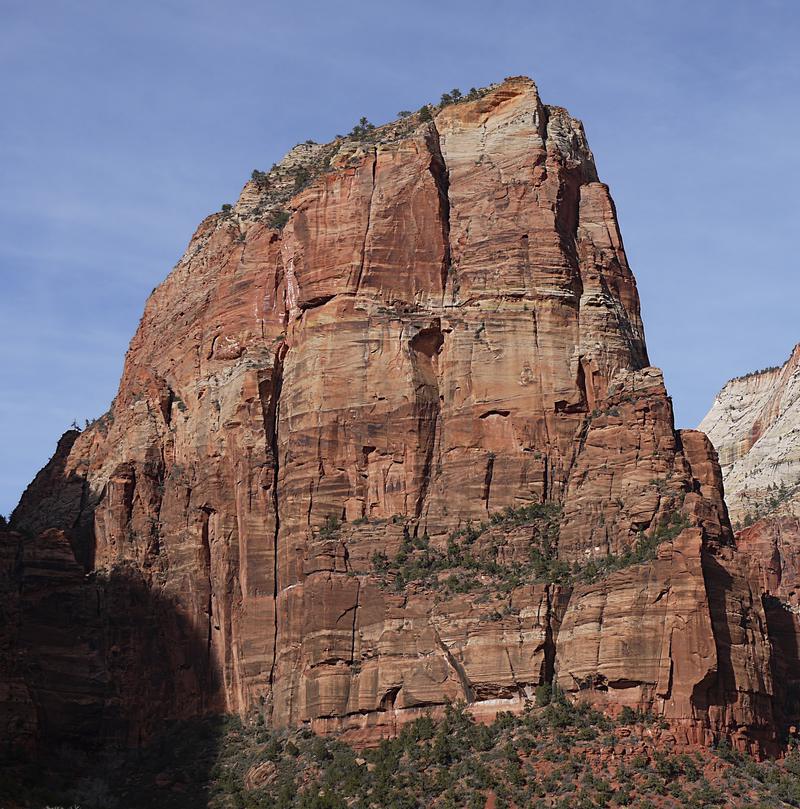
Climbing is not prohibited, but Yellowstone is not a climbing destination and the park does not promote it. The reason is geology: most of the exposed rock is young volcanic tuff and breccia, which is loose, friable and unreliable for protection. There is no developed sport climbing, no bolted infrastructure, and rescue is a long way off.
What people usually want when they search for this is climbing near Yellowstone, and there the answer is much better. Gallatin Canyon between Bozeman and Big Sky has hundreds of established routes on solid gneiss. The South Fork of the Shoshone near Cody is one of the best ice climbing venues in North America in winter. And the Tetons, two hours south, are the serious alpine climbing of the region.
Elevation and park facts
| Fact | Figure |
|---|---|
| Elevation at Old Faithful | 7,349 feet |
| Yellowstone Lake | 7,733 feet |
| Mammoth Hot Springs | 6,239 feet |
| Dunraven Pass, highest road point | 8,859 feet |
| Eagle Peak, highest point in the park | 11,358 feet |
| Reese Creek, lowest point | 5,282 feet |
| Park area | 2.2 million acres, 3,472 square miles |
| Grand Loop Road | 142 miles |
| Named waterfalls | More than 290 |
| Established 1872 | The first national park in the world |
The altitude is worth taking seriously. Arriving from sea level and walking the Upper Geyser Basin on day one leaves plenty of people short of breath, and Mount Washburn at 10,243 feet is a genuine effort for anyone who has not adjusted. Drink more water than feels necessary.
The rules that get people fined, or killed
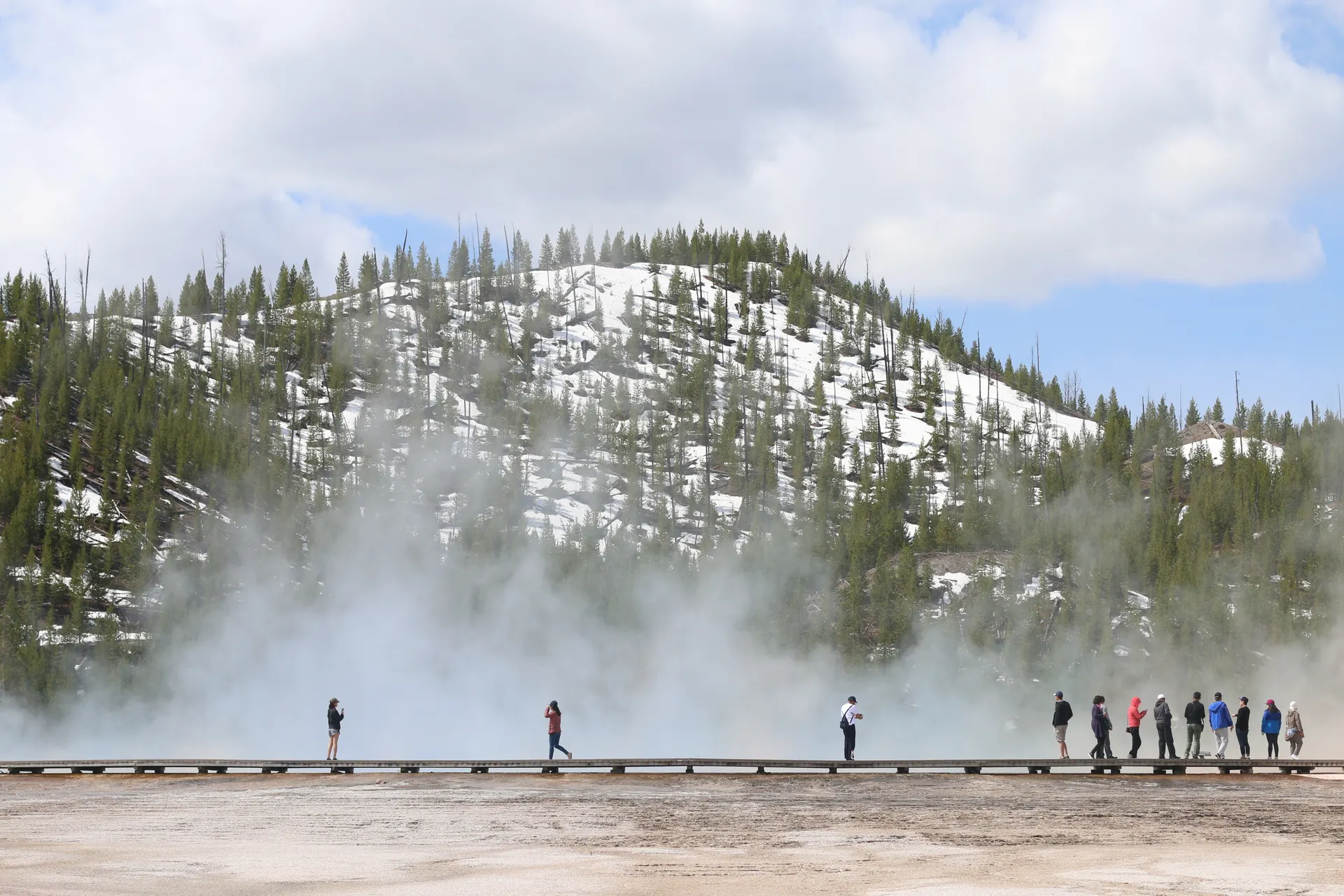
- Never leave a boardwalk in a thermal area. The crust is thin and the water is near boiling. This is how people die here, and it happens most years.
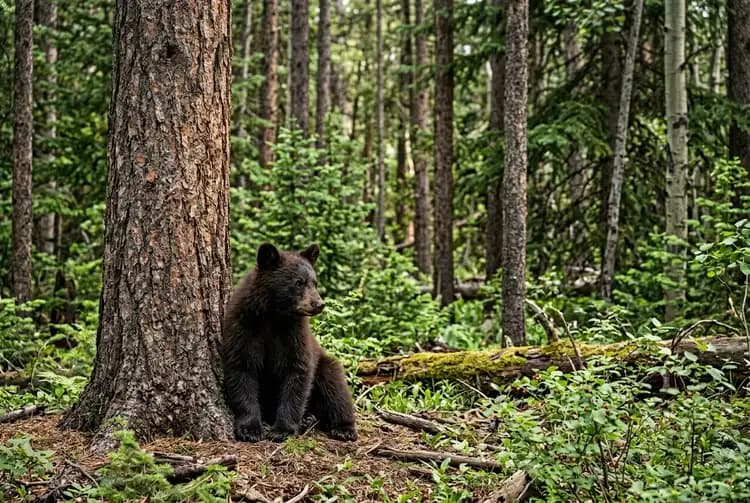
- 25 yards from most wildlife, 100 yards from bears and wolves. Bison injure more visitors than any other animal in the park.
- No drones anywhere. Launching, landing or operating one is prohibited throughout.
- Pets on roads and in parking areas only, within 100 feet of them, and never on trails or boardwalks.
- Do not feed anything, and store food properly. A habituated bear is usually a dead bear.
- Do not collect anything. Antlers, rocks, wildflowers and thermal deposits all stay where they are.
See our packing list for what to bring, and park fees for the permits that sit alongside these rules.
Yellowstone Rules and Park Facts: What You Can and Cannot Do FAQs
No. Hunting has been illegal throughout Yellowstone since the Lacey Act of 1894, which was passed to stop the poaching of the park’s bison. Hunting is permitted on the surrounding national forest land, but not inside the park boundary.
It is not prohibited, but Yellowstone is a poor climbing destination because most exposed rock is loose volcanic tuff. Gallatin Canyon, the South Fork near Cody and the Tetons are the real climbing venues in the region.
Seven thousand three hundred and forty nine feet. Most of Yellowstone sits between 7,000 and 8,500 feet, which is high enough that visitors arriving from sea level often feel the altitude on their first day.
No. Launching, landing or operating a drone is prohibited everywhere in the park.