Yellowstone Packing List: What to Bring in Every Season
Yellowstone sits mostly between 7,000 and 8,000 feet, so pack for a mountain range rather than a summer holiday. The non negotiables: warm layers and a rain shell even in July, when nights routinely drop near freezing, real walking shoes, bear spray bought after you arrive because you cannot fly with it, binoculars, sun protection for the altitude, and offline maps because there is no mobile signal across most of the park.
Clothing
- A warm layer for every day, including July. Overnight lows at Old Faithful sit in the 30s Fahrenheit through midsummer and can hit freezing in any month.
- A waterproof shell. Afternoon thunderstorms are near daily in July and August.
- A hat and gloves. Sunrise wildlife watching in Lamar Valley in June is genuinely cold.
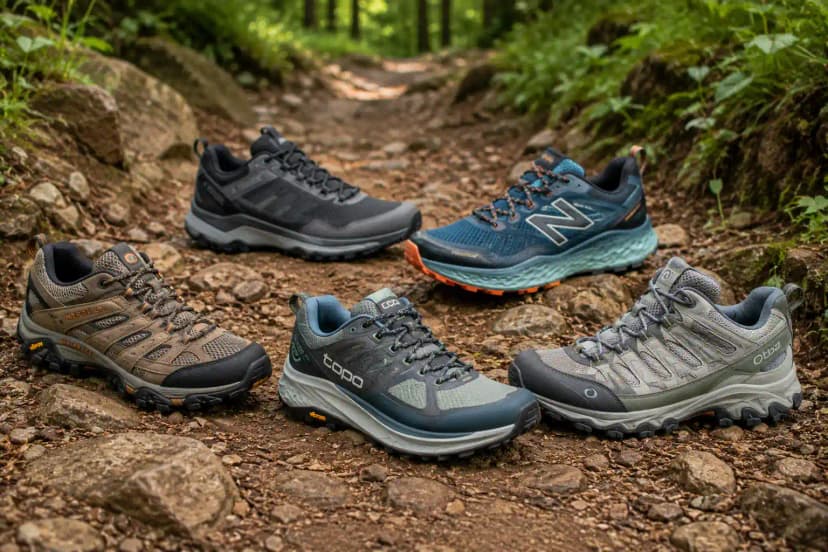
- Walking shoes with grip. Boardwalks get slick with thermal condensation and frost.
- Sun hat and high factor sunscreen. At 8,000 feet the sun is far stronger than the temperature suggests.
The park specific things
- Bear spray. Buy or rent it in Gardiner, West Yellowstone, Jackson or at park stores. Airlines will not carry it in hold or cabin luggage. Carry it accessible, not buried in a pack, and know how to use it.
- Binoculars. The single item that most changes a Yellowstone trip. Wolves and bears are usually distant specks without them.
- Offline maps. Mobile coverage exists at Mammoth, Old Faithful, Canyon and Grant and essentially nowhere else. Download the whole park before you arrive.
- A full tank. Fuel inside the park is limited and expensive, and distances between stations are long.
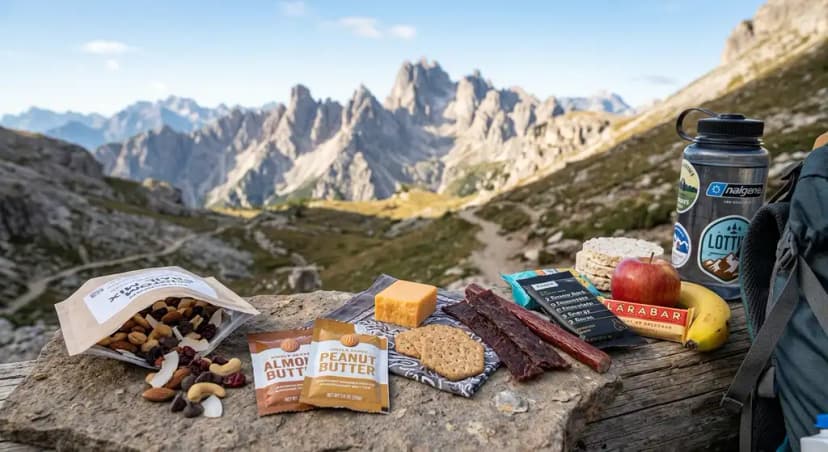
- Water bottles and snacks. Services are sparse and queues at Canyon and Old Faithful in August are long.
- Insect repellent for June and July, especially near the lake and in the Bechler meadows.
By season
- Spring, April and May. Waterproof boots and gaiters. Trails are muddy or snow covered, and many roads are still closed.
- Summer, June to August. The layering kit above, plus repellent and sun protection. Book everything far ahead.
- Autumn, September and October. The best month is September. Add a proper insulated jacket, and expect snow from mid October.
- Winter. A different trip entirely. Insulated boots rated well below freezing, heavy gloves, goggles for snowmobiling, and spare camera batteries kept warm.
What to leave at home
- Drones. Banned throughout the park.
- Anything for swimming in a hot spring. Entering thermal features is illegal and has killed people. The Firehole Canyon river swim area is the only sanctioned option and it is cold water.
- Your dog, mostly. Pets are confined to roads, parking areas and campgrounds within 100 feet of them, and are banned from every trail and boardwalk.
See our guide to park fees for what to sort before you arrive, and the best time to visit for month by month conditions.
Yellowstone Packing List: What to Bring in Every Season FAQs
Warm layers and a rain shell even in July, because the park sits near 8,000 feet and overnight lows run in the 30s Fahrenheit. Add walking shoes, binoculars, sun protection, insect repellent and bear spray bought after you arrive.
No. Airlines prohibit it in both cabin and hold luggage. Buy or rent it once you land, in Gardiner, West Yellowstone, Jackson, Cody or at stores inside the park.
Only at Mammoth, Old Faithful, Canyon and Grant Village, and it is patchy even there. Download offline maps for the whole park before you arrive.