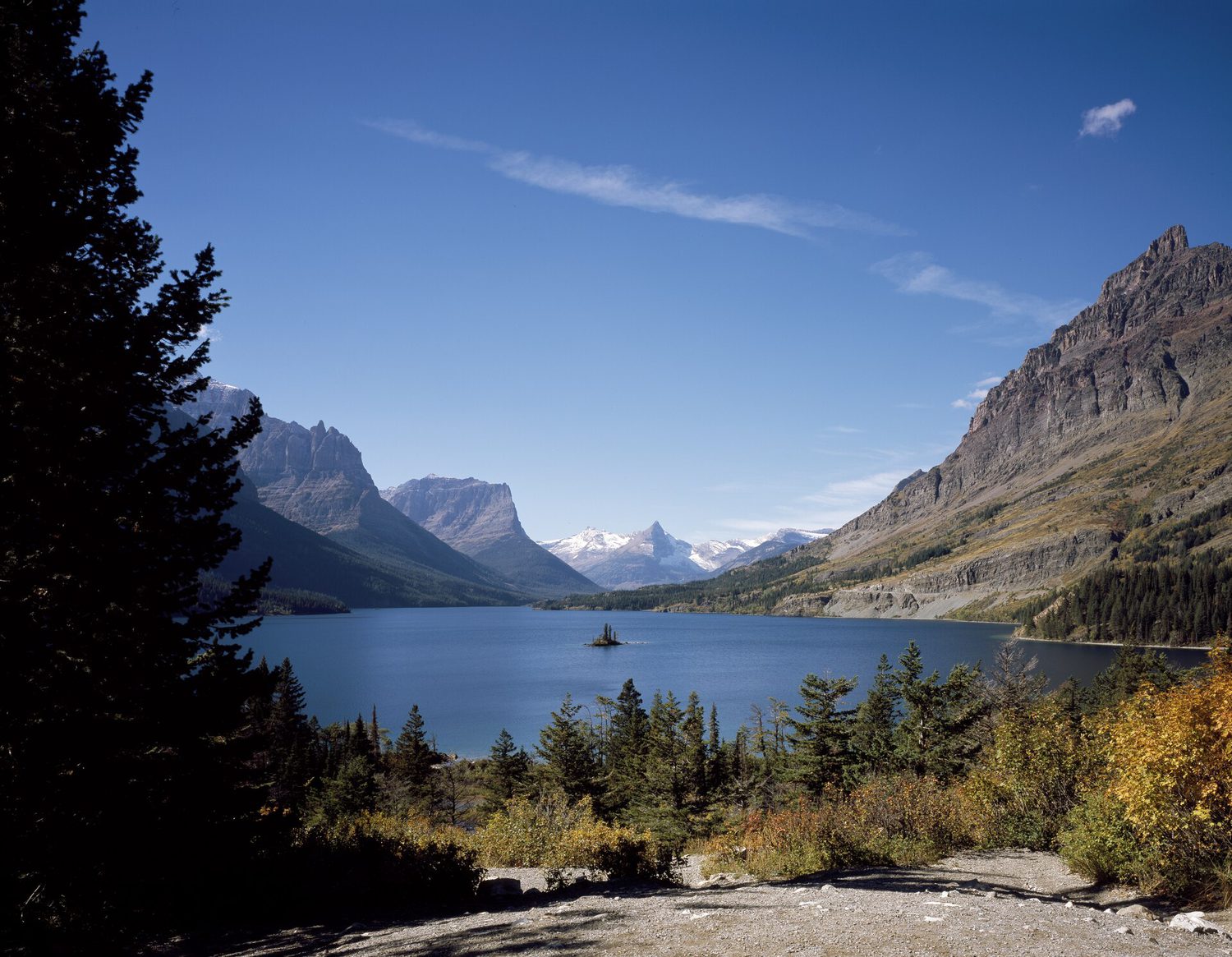
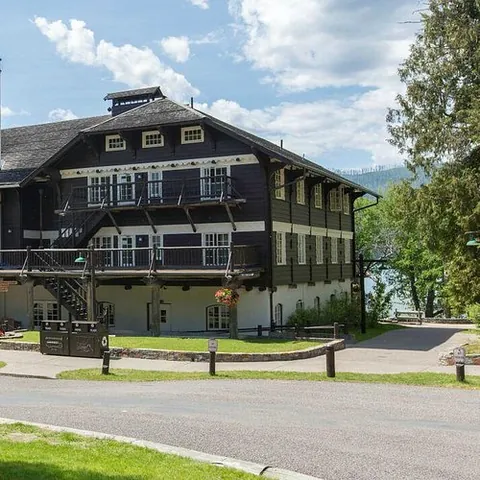
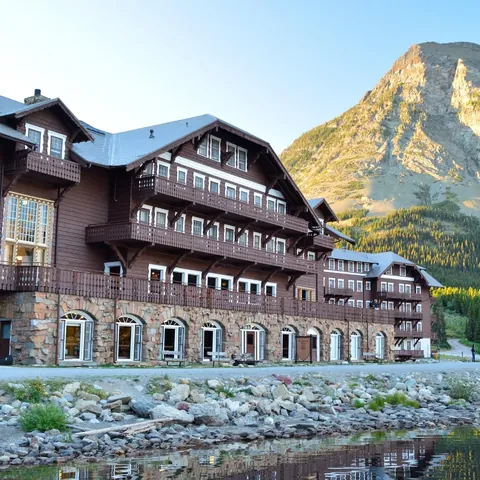
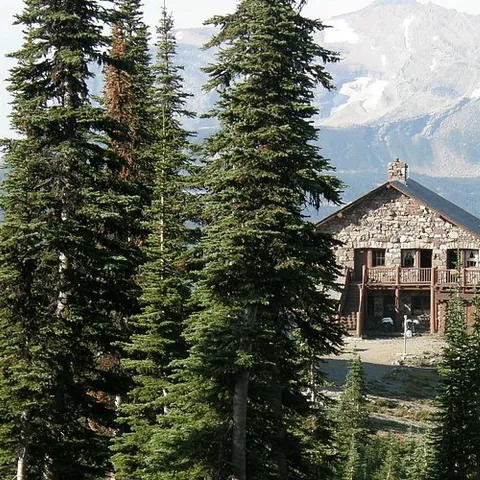
The best time to visit Yellowstone depends almost entirely on what you want out of the trip. The park covers 2.2 million acres at high elevation, so the same week can mean wildflower meadows in one valley and lingering snow on a mountain pass. This month-by-month guide breaks down weather, crowds, road openings, and wildlife so you can match your visit to your priorities.
Spring (April to May): Baby Animals and Quiet Roads

Spring is the most underrated season. Bison calves, called red dogs, appear in the Lamar Valley in April and May, and bears emerge hungry and visible. The tradeoff is logistics: most interior roads open gradually between mid-April and Memorial Day, and snow can still close passes. Lower Falls runs huge with snowmelt. Come now if you want wildlife and solitude over guaranteed warm weather.
Summer (June to August): Everything Open, Everyone There
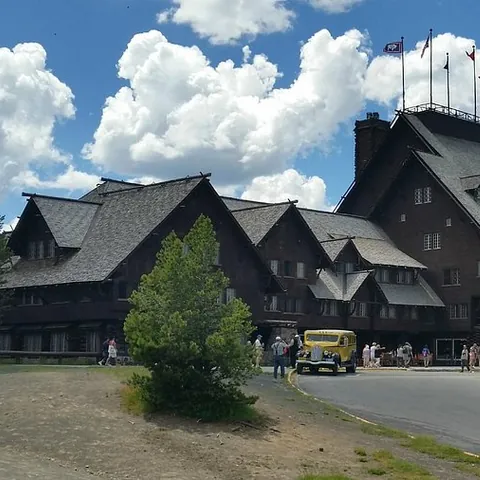
By late June every road and trail is typically open, and daytime highs reach the 70s and 80s. This is peak season for a reason, with full access to the geyser basins, the high trails near the Grand Canyon of the Yellowstone, and the boat shuttle at Jenny Lake just south in Grand Teton. The cost is crowds. July and August see the heaviest visitation of the year, and parking lots at Old Faithful, Midway Geyser Basin, and the canyon rims fill before 9 a.m. A few survival tips:
- Arrive at major sights before 8 a.m. or after 5 p.m. to dodge the worst congestion.
- Book lodging inside the park six months to a year ahead.
- Expect afternoon thunderstorms; plan exposed hikes for the morning.
- Carry bear spray everywhere, since this is the busiest season for both people and grizzlies.
Fall (September to October): The Sweet Spot
For many seasoned visitors, September is the best time to visit Yellowstone. Crowds thin sharply after Labor Day, aspen and cottonwood turn gold, and the elk rut fills the Mammoth Hot Springs area with bugling bulls. Daytime temperatures stay pleasant while nights drop near freezing. By mid-October the first snows arrive and roads begin closing for the season, so aim for the first three weeks of the month.
Winter (November to March): Snow and Solitude
Winter transforms Yellowstone into a near-silent landscape where geysers steam against the snow and bison plow through drifts. Almost all interior roads close to cars; the only year-round driving route runs from the North Entrance at Gardiner to the Northeast Entrance at Cooke City. Access elsewhere is by guided snowcoach or snowmobile. It is the most magical and the most logistically demanding season.
So When Should You Go?
If you want the simplest trip with full access, choose late June through August and accept the crowds. For the best overall experience, target mid-September: open roads, fall color, active wildlife, and a fraction of the summer traffic. Choose spring for baby animals and quiet, and winter for once-in-a-lifetime snowscapes.
Plan Your Visit Day by Day
Once you have picked your season, the next question is how to sequence the park with neighboring Grand Teton. Our 7-day Yellowstone and Grand Teton road trip itinerary lays out a day-by-day route that hits Old Faithful, Grand Prismatic Spring, the Grand Canyon of the Yellowstone, and the Teton Range in a logical loop, with timing notes that work best in summer and early fall.
The Best Time to Visit Yellowstone: A Month-by-Month Guide FAQs
Mid-September is widely considered the sweet spot: roads are still open, fall colors peak, the elk rut is active, and crowds drop sharply compared to the July and August peak.
Most interior roads open gradually between mid-April and Memorial Day and close in October or early November. In winter, only the route from Gardiner to Cooke City stays open to cars.
Spring (April to May) is best for bear sightings and bison calves in the Lamar Valley, while September brings the dramatic elk rut around Mammoth Hot Springs.