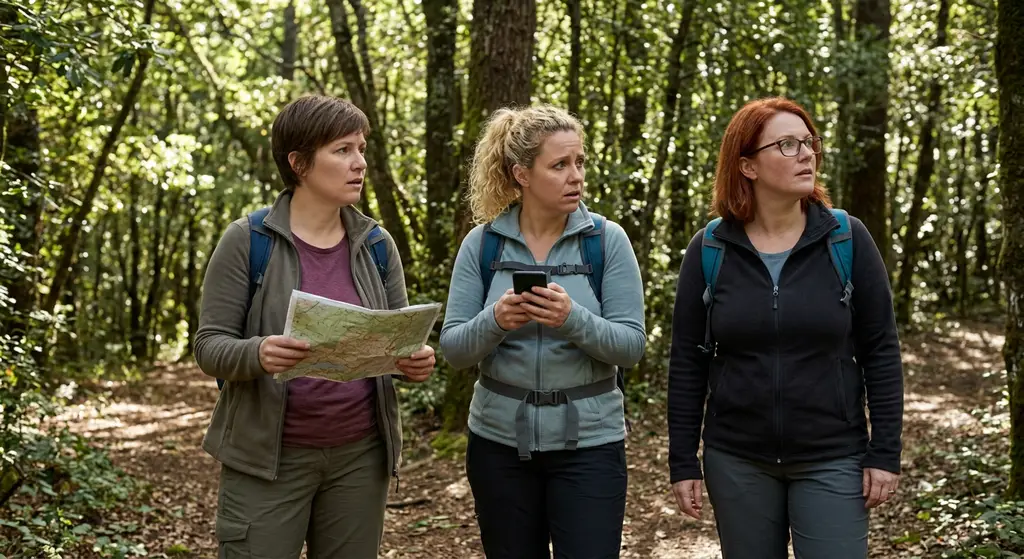
The First Thing to Do: Stop
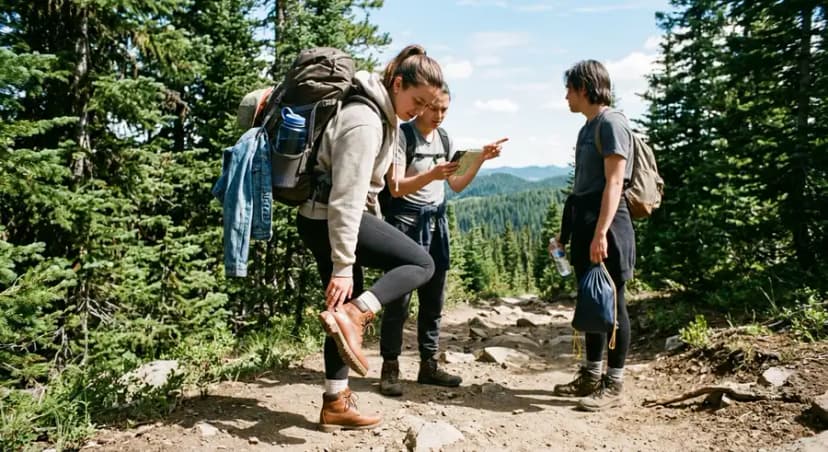
The most dangerous thing you can do when you realize you're lost is keep walking. Every step you take into unfamiliar terrain increases the search radius rescuers will need to cover and burns energy you may need later. The moment you're not confident in your position, stop completely.
Take a breath. Panic is your biggest enemy in the first few minutes. It accelerates poor decisions, running, shouting, scrambling up terrain you can't get down from. Force yourself to sit down, drink some water, and give your brain 60 seconds to shift from panic into problem-solving mode.
S.T.O.P.: The Framework That Saves Lives
Search and rescue professionals teach a framework called STOP, and it's worth committing to memory before you ever need it:
- S, Stop: Stop moving immediately. Don't take another step until you've run through the rest of this process.
- T, Think: What do you actually know? When did you last know your position with confidence? What did the terrain look like then? Which direction have you been traveling since? How much daylight is left?
- O, Observe: Look around you. What landmarks can you identify? A ridgeline, a peak, a valley, a river? Can you hear water? Which direction is downhill? Can you see any evidence of a trail, worn soil, cairns, blazes?
- P, Plan: Based on what you know and what you observe, make a deliberate decision. Don't just start walking because moving feels better than standing still. Only move if you have a clear, confident reason to move in a specific direction.
Backtrack to Your Last Known Position
The safest first move after stopping is almost always to backtrack to the last place you were confident of your location. This might mean returning to the last trail marker you saw, the last junction you passed, or a recognizable landmark. Backtracking on your own footsteps is safer than forging ahead in unknown terrain.
As you backtrack, look for your own footprints if the terrain holds them (mud, snow, soft soil). In dry rocky terrain, you won't leave prints, but you may have left other traces, scuffed lichen on rocks, bent vegetation. Move slowly and deliberately, watching for trail markers you may have missed the first time.
If you can't find the trail after backtracking 15–20 minutes, stop again. You've used your backtracking option. Now it's time to shelter in place and signal for rescue.
Use Your Phone While You Have Battery
If you have any cell signal at all, even one bar, call 911 immediately. Emergency calls are sometimes routed through any available carrier's towers, not just your own, which means you may have emergency capability even when your carrier shows no service.
If you can't make a call, try sending a text. Text messages can get through on weaker signals than voice calls. Keep the message short: your name, where you started (trail name and trailhead), what you're wearing, any medical conditions, and the direction you came from.
Enable location sharing with someone who knows you're out. iPhones have Find My; Android has Google Maps location sharing. A satellite messenger device (Garmin inReach, SPOT) can send an SOS with your GPS coordinates regardless of cell coverage, if you hike backcountry regularly, this investment is worth it.
If your battery is low, put the phone in airplane mode to conserve power for one critical call or text later. Turn it on every hour to check for signal.
Signal for Help
The international distress signal is three of anything: three whistle blasts, three shouts, three flashes of a mirror or light, three fires. Wait 30–60 seconds between sets. Sound carries a long distance on still air, especially downhill. Blow your whistle (you do carry a whistle, it should be on every hike) loudly in sets of three, pause to listen for a response, and repeat.
A signal mirror can be seen for miles by aircraft on clear days. In the absence of a mirror, any reflective surface works: a phone screen, a mylar emergency blanket, sunglasses. Aim the reflection at any aircraft you hear, even a commercial plane will have passengers who can report your signal.
Brightly colored gear laid flat in an open area (a meadow, a rocky clearing) creates a visual marker for aerial search. Arrange items in an X shape if possible, an X is a universal distress signal. Your orange or red rain jacket is far more visible from the air than earth-toned clothing.
Shelter in Place: When to Stay, When to Move
The conventional wilderness survival advice is to shelter in place and wait for rescue rather than attempting to self-rescue. This is correct in most situations for one simple reason: search and rescue teams find people where they last had a known location. If you keep moving, you expand the search area and make it significantly harder to find you.
Stay put if: you've told someone your plan and expected return time (they'll call for help when you're overdue), if you're injured, if it's getting dark, if weather is deteriorating, or if you have no strong reason to believe self-rescue is better than waiting.
Move if: you're certain of a route to safety, you're in a dangerous location (rising floodwater, exposed ridge in a thunderstorm, avalanche terrain), rescue is genuinely unlikely (you told no one your plans and won't be missed for days), or you have a satellite communicator and have activated it.
If you decide to move, pick a destination with purpose. Following a drainage downhill leads to lower elevation where trails, roads, and habitation are more likely. Avoid ridgelines in deteriorating weather. Move slowly and conserve energy, a measured pace covers more ground than frantic walking that leads to injuries.
Emergency Shelter Without Gear
If you're spending an unplanned night out, hypothermia is your main threat. Even in summer, temperatures above 7,000 feet can drop below 40°F after dark. Wind and rain dramatically lower the effective temperature further.
Your best emergency shelter options in order of effectiveness:
- Emergency bivy or space blanket: If you carry one (and you should, they weigh 2 oz), get inside it immediately as temperatures drop. The reflective interior retains 90% of body heat.
- Natural shelter: The dense lower branches of a large conifer create a dry, wind-protected microclimate underneath. The ground under these trees often stays dry even in rain. Pile dry leaves, pine needles, or dry grass under you, insulation from the ground is as important as coverage from above.
- Rock overhangs and cave entrances: Block wind and rain but don't go deep into an actual cave. Stay at the entrance where you're visible and can signal.
Stay off the cold ground. Build a leaf pile or use your pack, extra clothing, or anything you have to create insulation beneath you. You lose body heat to the ground far faster than you lose it to the air.
Water and Food in a Survival Situation
You can survive 3 days without water and 3 weeks without food. In a survival situation, water takes priority over food. If you have any water left, drink it, dehydration impairs your decision-making faster than hunger does.
If you have no water and need to find some: follow the terrain downhill; water accumulates in valleys and drainages. Look for green vegetation in dry terrain, plants concentrate around water sources. Collect morning dew from leaves with a cloth and wring it out. Avoid drinking directly from standing water if you can, but in a genuine survival situation, the risk of waterborne illness is far outweighed by the risk of severe dehydration.
Eat any food you have to maintain energy and body heat. Your body generates heat through digestion, eating, even a small snack, helps you stay warmer.
Preparing So This Never Happens
The best survival skill is not needing it. Before every hike:
- Tell someone your plans: trailhead name, intended route, expected return time, and what vehicle you'll be at.
- Download your trail map offline before leaving cell coverage.
- Carry the Ten Essentials: navigation (map + compass), sun protection, insulation (extra layers), illumination (headlamp), first aid, fire (lighter + waterproof matches), repair tools, nutrition (extra food), hydration (extra water), and emergency shelter (space blanket or bivy).
- Check the weather forecast and know your bailout routes before you start.
What to Do If You Get Lost Hiking FAQs
Stop moving immediately. Continuing to walk when you're uncertain of your position makes the situation worse. Use the STOP framework: Stop, Think about what you know, Observe the terrain around you, and Plan a deliberate next move before you take another step.
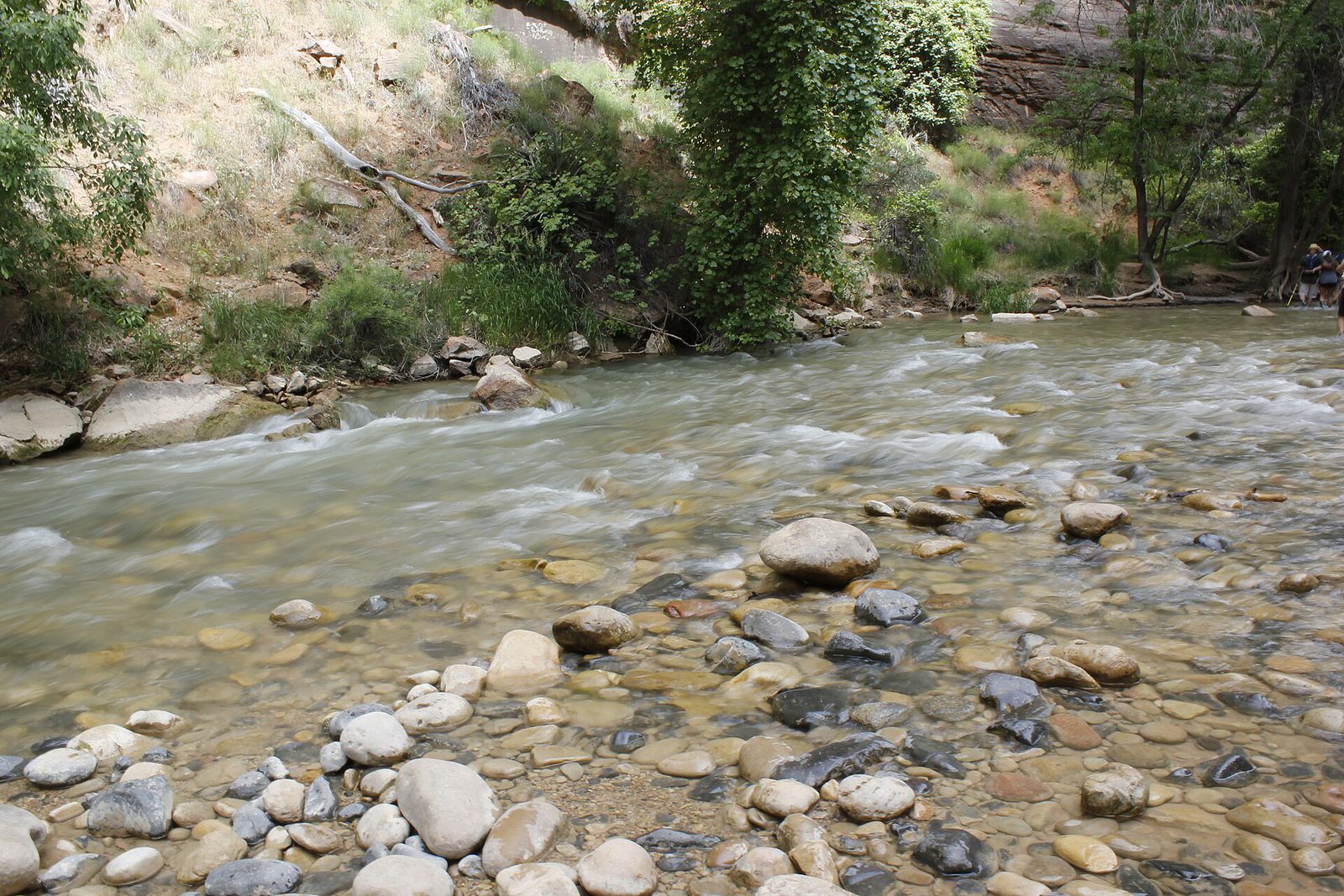
Following a stream downhill is one of the better self-rescue strategies if you decide to move, it leads to lower elevation where trails, roads, and people are more common. But use judgment: some drainages lead to impassable gorges or waterfalls. Only follow a stream if you can do so safely without scrambling.
Use three of anything, three whistle blasts, three shouts, or three flashes of a mirror or light. Space them about 30 seconds apart and pause to listen. Lay brightly colored gear in an open clearing in an X shape for aerial spotters. If you have cell signal at all, call 911 before doing anything else.
In most cases, stay put. Rescuers find people based on their last known location, if you keep moving, you expand the search area dramatically. Shelter in place if it's getting dark, if you're injured, or if rescue is likely. Only move if you're in immediate danger or are certain of a route to safety.
The Ten Essentials, plus a whistle and a fully charged phone with your map downloaded offline. A satellite messenger like Garmin inReach is worth it for serious backcountry hiking. Tell someone your plans before every hike, including your expected return time. These preparations mean getting lost becomes an inconvenience rather than an emergency.