Why Dehydration Sneaks Up on Hikers
Thirst is a lagging indicator. By the time you feel thirsty on the trail, you're already 1–2% dehydrated, a level that measurably impairs your physical performance and cognitive function. At 2% dehydration, endurance capacity drops by up to 20%. At 3–4%, judgment and decision-making start to deteriorate. These are the conditions that lead hikers to get lost, take poor routes, and make decisions they'd never make with a full water bottle.
The problem is compounded by the environment. Dry mountain air pulls moisture out through your breath with every exhale. Sweat evaporates quickly in low humidity, so you often don't notice how much you're losing. At altitude, your kidneys also produce more urine as part of acclimatization. You can be working hard and losing fluid rapidly without the obvious physical cue of sweat dripping down your face.
How Much Water to Carry
The standard baseline for trail hydration is 0.5 liters per hour of hiking in mild conditions. In heat, at altitude, or on steep terrain, that figure climbs to 1 liter per hour. For a 6-hour day hike in summer, you should carry 3–4 liters as a starting point, adjusting based on conditions, your body size, and whether water sources are available on the route.
Body size matters significantly. A 120-pound person and a 220-pound person will have very different hydration needs even hiking the same route at the same pace. Use the 0.5L/hour baseline as a starting point and tune it based on your own experience, your urine color is the best real-time feedback (more on this below).
Bigger carries make sense on: waterless desert sections, high-altitude routes, hot weather (above 85°F), and routes with uncertain water sources. On routes with reliable streams every 2–3 miles, carrying 2 liters and filtering as you go is lighter and sufficient. Planning your water carry requires knowing what's on the route, AllTrails and Gaia GPS often have water source markers; the Water Report section on trail-specific websites (like the PCTA Water Report for PCT hikers) provides current conditions.
Water Weight and Carrying Strategies
Water weighs 2.2 pounds per liter. Carrying 4 liters is 8.8 pounds just in fluid, a significant chunk of your pack weight on a day hike. There are a few strategies for managing this:
Carry to the first source, filter, and continue: The most efficient method on routes with reliable, known water. Start with 2 liters, filter and refill at the first reliable source, continue. Requires knowing the route's water sources in advance.
Hydration reservoirs: CamelBak, Platypus, and Osprey reservoirs in 2–3 liter sizes mount inside your pack with a drinking tube routed to your shoulder strap. The tube makes sipping easy without stopping, which encourages continuous small sips rather than large gulps. The downside: you can't easily see how much you have left, and bladders can leak if punctured.
Bottles on the shoulder: A pair of 1-liter soft flasks (Platypus, Hydrapak) or hard Nalgenes in your hip belt pockets or pack side pockets gives you easy access and visible quantity. Most modern packs have side water bottle pockets accessible without removing the pack.
The Drink-Before-You're-Thirsty Rule
The most important behavioral change for most hikers: drink on a schedule, not in response to thirst. Set a phone alarm or use a watch to remind yourself to drink every 20–30 minutes, or make it a habit to drink every time you stop for any reason, a view, a photo, adjusting a shoe. Small sips frequently outperform large gulps rarely.
Starting hydrated matters as much as staying hydrated. Drink 16–20 oz of water in the hour before you start hiking. If you're driving to a trailhead early, bring a water bottle in the car. Many hikers arrive at the trailhead mildly dehydrated from a morning of coffee and no water, they're starting in a hole before the hike begins.
Recognizing Dehydration Symptoms
Knowing the progression of dehydration helps you catch it early:
- Mild (1–2% body weight loss): Thirst, slight headache, decreased urine output, slightly darker urine. Performance impact is already present even at this stage, though most people don't notice it.
- Moderate (3–5% body weight loss): Significant headache, fatigue, muscle cramps, reduced coordination, nausea, noticeably dark yellow urine. Most hikers who "bonk" are experiencing a combination of dehydration and caloric deficit.
- Severe (above 5% body weight loss): Dizziness, confusion, rapid heart rate, significantly reduced urine output (dark amber or brown), inability to continue hiking. Severe dehydration is a medical emergency requiring evacuation if the person cannot retain oral fluids.
Urine color is your best real-time hydration monitor. Pale yellow (the color of lemonade) is the target. Colorless can indicate overhydration. Dark yellow (apple juice) means you're dehydrated and need to drink more. Brown or red is a medical emergency (could indicate rhabdomyolysis or kidney stress).
Electrolytes: Why Water Alone Isn't Always Enough
On long hikes (over 4 hours) or in high sweat conditions (heat, hard effort), drinking only water can dilute your sodium levels to the point of causing hyponatremia, a condition where blood sodium concentration drops low enough to cause nausea, headache, confusion, and in severe cases, seizures and death. This is particularly dangerous because the symptoms of hyponatremia resemble dehydration, leading people to drink more water and worsen the condition.
Electrolytes (primarily sodium, with potassium, magnesium, and calcium) are lost through sweat and need to be replaced alongside water. You don't need special products for most hikes, salty snacks (nuts, crackers, pretzels, jerky) replace sodium effectively. On hikes over 4 hours in hot conditions, an electrolyte supplement helps: Nuun tablets, Precision Hydration, Liquid IV, or simple salt added to your water. These aren't sports drinks marketing, they're addressing a genuine physiological need for sustained efforts.
The practical rule: on hikes under 2 hours in mild weather, water is fine. On hikes over 4 hours, in heat, or with significant sweating, add electrolytes and eat salty snacks throughout the day.
Finding and Treating Water on the Trail
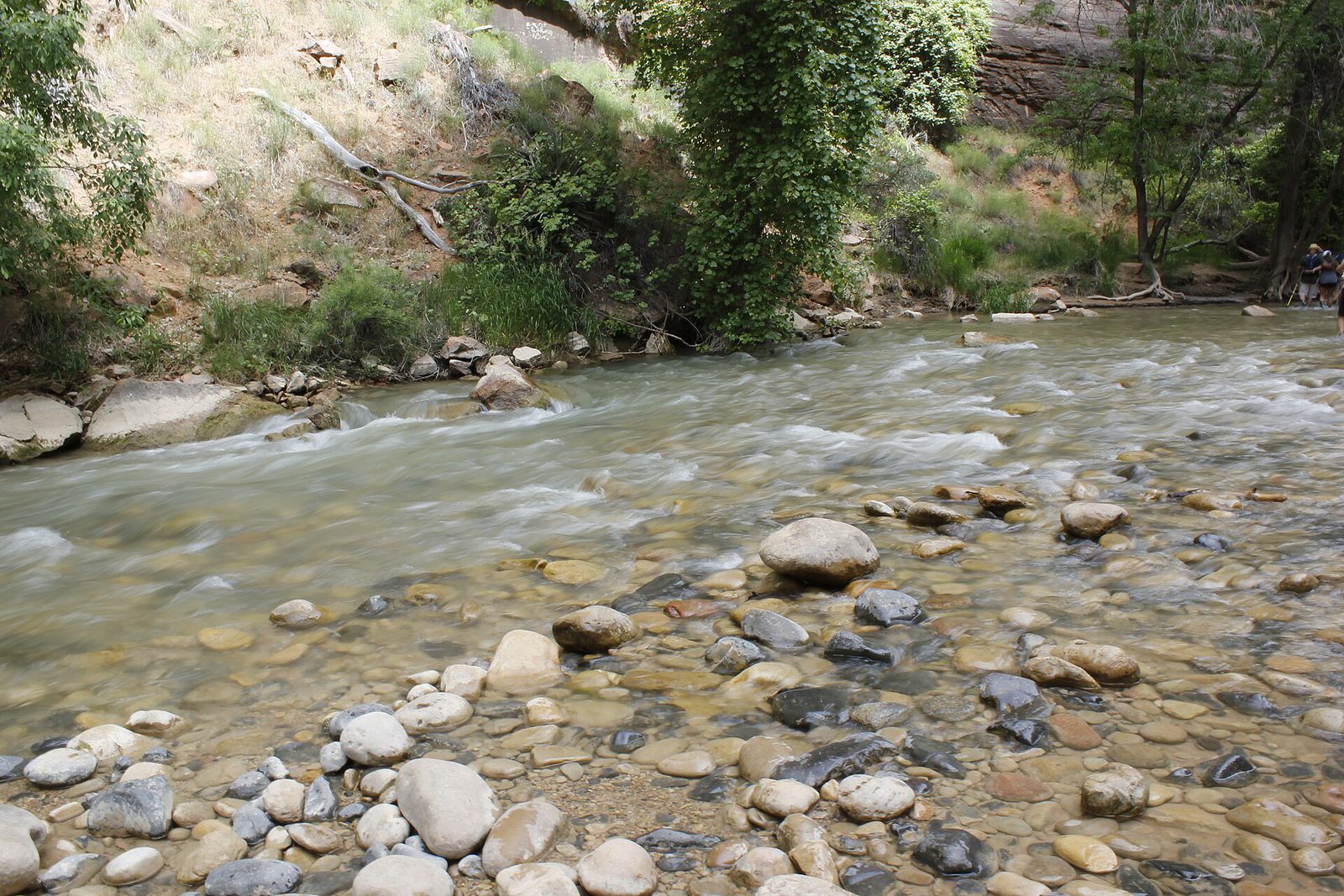
Even the clearest mountain stream can contain Giardia lamblia, Cryptosporidium, bacteria, and viruses. Giardia alone, a parasitic protozoan, causes weeks of intestinal illness and is found in virtually every backcountry water source in North America, regardless of how remote or pristine it appears. Never drink untreated backcountry water.
Filtration: Squeeze filters like the Sawyer Squeeze and gravity filters like the Platypus GravityWorks remove protozoa and bacteria but not viruses. For North American backcountry hiking, where viral contamination is rare, a filter is sufficient for most situations.
UV treatment: The SteriPen uses UV light to inactivate protozoa, bacteria, and viruses in about 60–90 seconds. Works on clear water but requires batteries. Effective and fast, but doesn't remove particulates.
Chemical treatment (Aquatabs, iodine): Tablets kill protozoa and bacteria, and some (Aquatabs) work against viruses. Slow (30 minutes contact time), slightly unpleasant taste, but weighs almost nothing and provides backup when your filter freezes or fails.
Boiling: Kills everything. One minute at a rolling boil (3 minutes above 6,500 feet where boiling temperature is lower) is sufficient. The main drawback is time and fuel consumption, but it's the guaranteed backup method when you have no other options.
Cold Weather and High Altitude: Special Considerations
Hikers consistently underestimate fluid loss in cold and at altitude for two reasons. First, cold air suppresses the thirst response even more strongly than warm air, you simply don't feel like drinking when it's cold. Second, the respiratory rate increases at altitude, and each breath in thin, dry mountain air carries away more moisture than at sea level.
At altitudes above 8,000 feet, increase your baseline water intake by 20–30%. Don't wait for thirst. Make drinking a rule-based behavior rather than a demand-based one, drink every time you stop, regardless of whether you feel thirsty. Cold conditions also mean your water can freeze: keep a bottle close to your body or inside your insulation layer to prevent freezing, and consider an insulated sleeve for your primary bottle.
How to Prevent Dehydration While Hiking FAQs
The baseline is about 0.5 liters (roughly 16 oz) per hour in mild conditions. In heat above 85°F, on steep terrain, or at high altitude, increase to 1 liter per hour. Body size matters, a larger person needs more. Use urine color as your real-time guide: pale yellow is ideal, dark yellow means drink more.
No. Even clear, fast-moving mountain streams can contain Giardia, Cryptosporidium, and bacteria. Giardia causes weeks of intestinal illness and is present in virtually every backcountry water source in North America. Always filter, treat with UV, use chemical tablets, or boil water before drinking from any natural source.
Early signs include thirst, mild headache, and darker yellow urine. Moderate dehydration causes significant headache, fatigue, muscle cramps, and reduced coordination. Severe dehydration causes dizziness, confusion, and very dark (amber or brown) urine. Check urine color regularly, it's the most reliable real-time hydration indicator.
For hikes under 2–3 hours in mild weather, water is fine. For hikes over 4 hours, in heat, or with significant sweating, add electrolytes. Salty snacks (nuts, jerky, pretzels) replace sodium naturally. Electrolyte tablets like Nuun are convenient for long days. Drinking only water for many hours while sweating heavily can cause dangerous sodium dilution.
Post-hike headaches usually have two causes: residual dehydration (you didn't drink enough during the hike, and it takes time to fully rehydrate) or electrolyte imbalance (you drank a lot of water but didn't replace sodium and other electrolytes lost in sweat). Drink 16–24 oz of water with electrolytes after returning, and eat a salty, substantial meal.