The Baseline: Half a Liter Per Hour
The standard starting point for hiking hydration is 0.5 liters (about 17 oz) of water per hour of moderate hiking. That's the number used by wilderness medicine programs and most outdoor safety organizations. It accounts for sweat, respiration, and the general demands of sustained movement at moderate temperature.
But that baseline shifts significantly based on conditions. Here's how to adjust it:
- Temperature over 80°F: Increase to 0.75–1 liter per hour
- Temperature over 90°F or direct sun exposure: Up to 1–1.5 liters per hour
- Altitude above 8,000 feet: Add 0.25–0.5 liters per hour, altitude increases respiratory water loss significantly
- Heavy pack (30+ lbs): Add 0.25 liters per hour
- High humidity: Sweat evaporates less efficiently, so you feel wetter but still lose as much fluid
- Cold weather: You sweat less but still lose significant water through breath, don't cut intake below 0.5L/hr even in cold
How Much Water to Carry on a Day Hike
Use this as a rough guide for planning:
- 1–3 hours, mild weather: 1–1.5 liters (one large Nalgene)
- 3–5 hours, mild weather: 2–2.5 liters (two Nalgenes or a hydration reservoir)
- 5–8 hours, moderate temps: 3–4 liters
- Full day in heat (8+ hours, 80°F+): 4–6 liters, either carry or plan reliable water sources along the route
Always carry more than you think you need. Running low on water 3 miles from the trailhead on a hot day is one of the more dangerous situations in day hiking. The extra weight of a liter of water, about 2.2 lbs, is worth it every time.
Water Sources on Trail: When You Can Refill
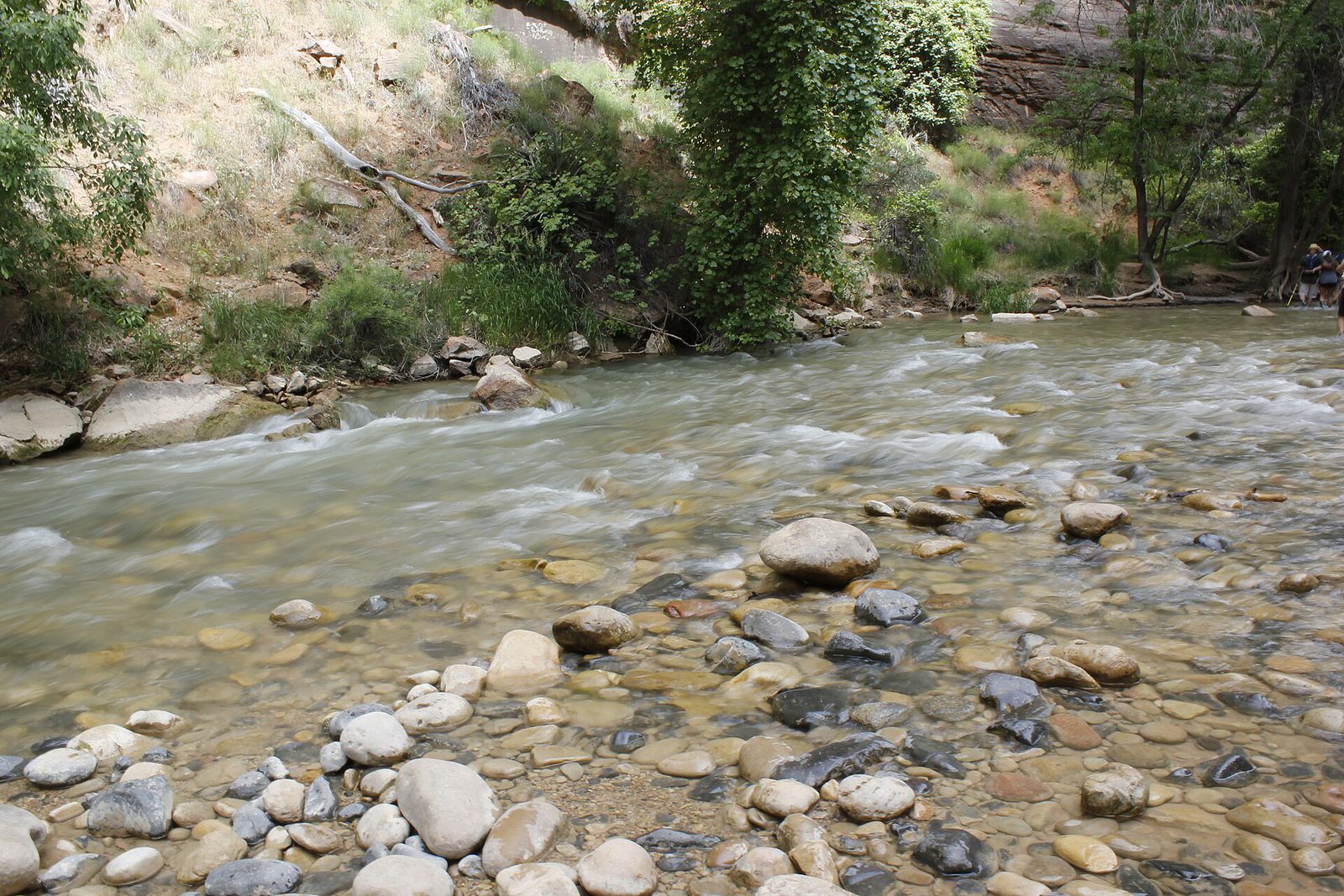
If your route has reliable water sources (streams, lakes, springs), you can carry less and refill along the way. The key word is reliable. Water sources vary by season, springs that run in spring dry up by August in many western ranges. Streams marked on older maps may not exist in drought years.
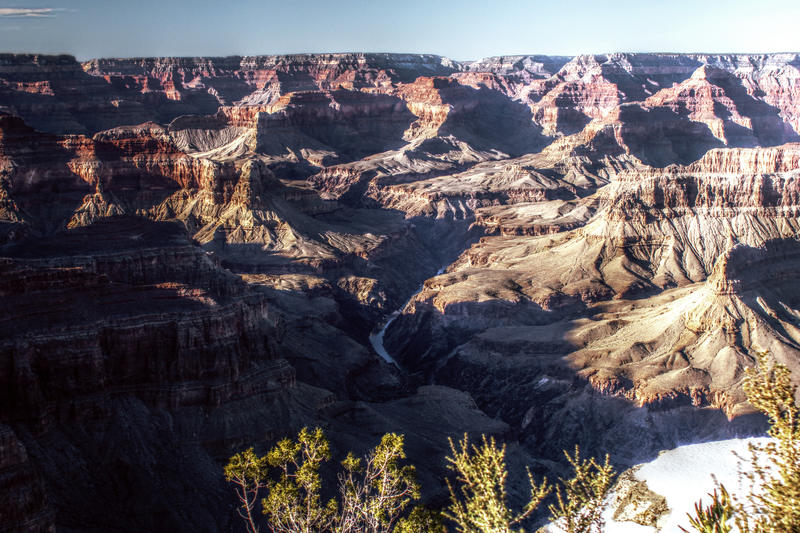
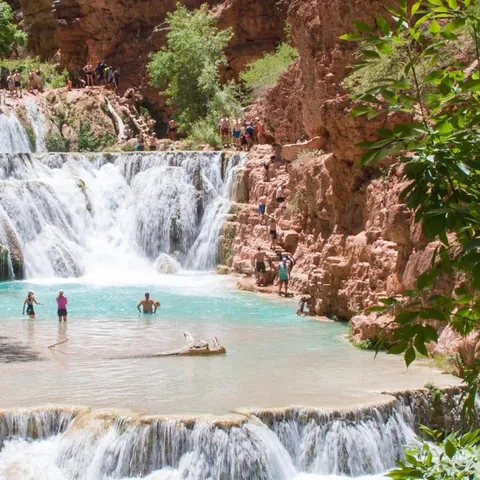
Check recent trip reports on AllTrails, Gaia GPS, or area-specific forums before relying on specific water sources. In the Sierra Nevada, the Cascades, and the Rockies, water is generally abundant. In the desert Southwest, Havasupai, the Grand Canyon below the rim, Coyote Gulch, water sources are sparse and route planning depends heavily on knowing where they are.
Always treat or filter water from natural sources. Even clear, fast-moving mountain streams can carry Giardia, Cryptosporidium, and bacteria. Never drink untreated backcountry water.
Electrolytes: The Part Most Hikers Miss
Drinking water without replacing electrolytes on a long, sweaty hike creates a real risk of hyponatremia, low blood sodium caused by diluting your electrolyte balance with too much plain water. Symptoms include headache, nausea, fatigue, and in severe cases, confusion and seizure. Hyponatremia kills more runners and hikers than dehydration does at major events.
You don't need to overthink this. For hikes under 3 hours, plain water is fine. For longer hikes, especially in heat:
- Add one electrolyte packet (LMNT, Nuun, Liquid IV, or similar) to a liter of water every 2–3 hours of sweating
- Eat salty snacks throughout the hike, pretzels, crackers, jerky, and nuts all provide sodium
- If you're sweating visibly and urinating very frequently (more than every hour), you may be overhydrating, pull back on water and add electrolytes
LMNT packets provide 1,000mg of sodium, which is appropriate for heavy exertion. Nuun tabs are lower (300mg) and better suited for moderate output. On a hot desert hike, LMNT is the right choice. For a moderate forest hike in mild temps, Nuun or plain salty snacks are sufficient.
Signs of Dehydration vs. Signs of Overhydration
Knowing which way you're off is important because the remedies are opposite:
Dehydration signs:
- Dark yellow or amber urine (should be light yellow on a well-hydrated hike)
- Headache, often at the back of the skull
- Fatigue that doesn't match your exertion level
- Muscle cramps, especially in calves and hamstrings
- Dry mouth, dizziness
Overhydration / hyponatremia signs:
- Clear urine or urinating very frequently (more than once per hour)
- Headache, nausea, bloating
- Swelling in hands and feet
- Feeling worse despite drinking more water
The practical test: check your urine color. Light yellow is correct. Clear means you've been drinking too much water relative to electrolytes. Dark means drink more water and add electrolytes.
Hydration Containers: Bottles vs. Reservoirs
Both work. The choice depends on your hiking style:
Water bottles (Nalgene, Hydroflask, SIGG): More durable, easier to fill from trickling springs, simpler to clean. You have to stop to drink. Nalgene wide-mouth is the most reliable backcountry bottle made. Hydroflask keeps water cold significantly longer. A 32-oz Nalgene weighs 3.2 oz and handles abuse that destroys softer bottles.
Hydration reservoirs (CamelBak, Osprey Hydraulics, Platypus): Hands-free drinking through a bite valve, which means you drink more consistently without stopping. The downside: harder to clean thoroughly, leak-prone at the bite valve, and you can't tell how much water you have left without stopping to check. CamelBak Crux 3L is the current standard, the quick-stow tube keeps it from flopping. Osprey Hydraulics integrates cleanly with Osprey packs.
For day hikes, two 1-liter bottles in side pockets gives you easy access and visibility of remaining water. For long hikes or backpacking, a 2–3L reservoir in your main pack compartment means you drink constantly without thinking about it. Many experienced hikers use both.
Water Weight: Planning Your Load
One liter of water weighs 2.2 lbs (1 kg exactly). This is significant on long hikes. A 4-liter load, appropriate for a hot, waterless 8-hour hike, adds 8.8 lbs to your pack before you've packed anything else.
Strategies to manage water weight:
- Plan routes that pass reliable water sources so you can refill rather than carry all day
- Carry a filter (Sawyer Squeeze, Platypus GravityWorks) to expand your refill options
- Start fully hydrated so your first two hours don't require as much carry
- Leave the trailhead with 2 liters even on long hot hikes if you know of a water source at mile 4
The Sawyer Squeeze filter weighs 3 oz and fits in your hip belt pocket. It turns any stream into safe drinking water in seconds. For desert hiking with sparse sources, the MSR TrailShot lets you drink directly from a puddle without filling a bottle. These tools fundamentally change how you plan hydration on longer routes.
How Much Water to Drink Hiking FAQs
For a moderate 5-mile hike in mild weather (65–75°F), plan on 1.5–2 liters. In heat above 80°F, bring at least 2.5–3 liters or plan a water source on route. Always carry more than your calculated minimum.
Yes. Drinking excessive plain water without replacing electrolytes causes hyponatremia (low blood sodium), which presents as headache, nausea, and in severe cases, confusion. Add electrolytes on hikes over 3 hours or whenever sweating heavily.
Check urine color. Light yellow means you're well-hydrated. Dark yellow or amber means drink water and add electrolytes. Clear urine with frequent urination means you may be overhydrating, pull back on water and add sodium.
Not without treatment. Even clear, cold mountain streams can carry Giardia and Cryptosporidium. Always filter with a Sawyer Squeeze or similar filter, or treat with chemical tablets. Never drink raw backcountry water.
For hikes under 2–3 hours in moderate temperatures, plain water is fine. Add electrolytes for longer hikes, hot days, or any time you're sweating heavily. Salty snacks (pretzels, jerky, crackers) can also replace electrolytes naturally.