50 Fun Facts About the Great Smoky Mountains
Great Smoky Mountains National Park is the most visited national park in the country, with more than 12 million recreational visits in 2024, and it is also the only major national park with no entrance fee. It covers over 800 square miles on the Tennessee and North Carolina line, holds more native tree species than any other North American national park, and its highest peak was renamed Kuwohi (formerly Clingmans Dome) in 2024. Our Great Smoky Mountains National Park itinerary covers how to plan an actual visit; this page is the numbers.
- It is the most visited national park in the United States: more than 12 million recreational visits in 2024.
- It has no entrance fee, though a parking tag is required for any stay over 15 minutes as of 2026.
- More than 19,000 species have been documented inside the park, and researchers estimate 80,000 to 100,000 more are still undocumented.
- The highest point, at 6,643 feet, was renamed Kuwohi in 2024, restoring the Cherokee name; the National Park Service now calls it Kuwohi (formerly Clingmans Dome).
- The park has more native tree species, about 100, than any other national park in North America.
How Big the Park Is, and How Old
Great Smoky Mountains National Park covers more than 800 square miles of the Southern Appalachians, straddling the Tennessee and North Carolina state line. Elevations inside the park run from about 850 feet to 6,643 feet at Kuwohi (formerly Clingmans Dome), a span of nearly 5,800 vertical feet. The Smokies themselves are among the oldest mountains on the planet, formed an estimated 200 to 300 million years ago, which geologists put well before the Rockies and before the Atlantic Ocean existed in its current form.
- Over 800 square miles of protected land, almost entirely forested.
- Almost 95 percent forested, and about 175 square miles of that is old growth forest that was never logged, which is rare in the eastern United States.
- 2,900 miles of streams run through the park, though only about 800 of those miles hold fish.
- The highest peak is 6,643 feet, at Kuwohi (formerly Clingmans Dome), the highest point in Tennessee and the highest point on the Appalachian Trail.
Interesting Facts About the Great Smoky Mountains: Visitors and Fees
Great Smoky Mountains is the most visited national park in the country by a wide margin: more than 12 million recreational visits in 2024, well ahead of Zion and Yellowstone. It is also the only major national park with no entrance fee. What it does charge for, as of 2026, is parking: any vehicle parked longer than 15 minutes anywhere in the park needs a parking tag, $5 for a day, $15 for a week, or $40 for the year. An America the Beautiful pass does not cover the parking tag, the two are separate. Confirm the current price and rule on the official Great Smoky Mountains fees page before you go, since fee rules are the kind that get adjusted.
5 Interesting Facts About the Great Smoky Mountains National Park: Wildlife and Plants
The park is considered the most biodiverse in the entire National Park System. More than 19,000 species have been formally documented inside it, and the National Park Service estimates that another 80,000 to 100,000 species are living here undocumented, mostly insects and other small invertebrates. That estimate comes from an ongoing biodiversity survey that has been running since 1998, and it has already turned up species new to science that nobody had recorded anywhere before finding them in the Smokies.
| Group | Documented Species |
|---|---|
| Native tree species | About 100, more than any other North American national park |
| Flowering plants | Over 1,500 species |
| Birds | More than 200 species |
| Insects | Over 9,000 species |
| Total documented species | More than 19,000 |
The park is known for elk, reintroduced to the Cataloochee area in 2001, and for black bears, which are common enough that food storage rules are enforced at every campsite and shelter. The high species count is also why the Smokies get called a salamander stronghold: cool, wet, high elevation habitat with old growth forest supports more salamander diversity here than in most of the country. For one specific seasonal event, the synchronous fireflies at Elkmont, see our Great Smoky Mountains synchronous fireflies guide, since the viewing dates and lottery details change every year and deserve their own page.
Kuwohi, the Renamed Peak
The tallest point in the park was long called Clingmans Dome. On September 18, 2024, the U.S. Board on Geographic Names approved a request from the Eastern Band of Cherokee Indians to restore the mountain's Cherokee name, Kuwohi, meaning "mulberry place." The National Park Service now refers to it as Kuwohi (formerly Clingmans Dome), and it is worth using both names together, since older maps, road signs and search results still say Clingmans Dome. The summit sits at 6,643 feet and has a paved path, about a mile round trip from the parking area, up to an observation tower with 360 degree views when the weather cooperates.
History in a Few Numbers
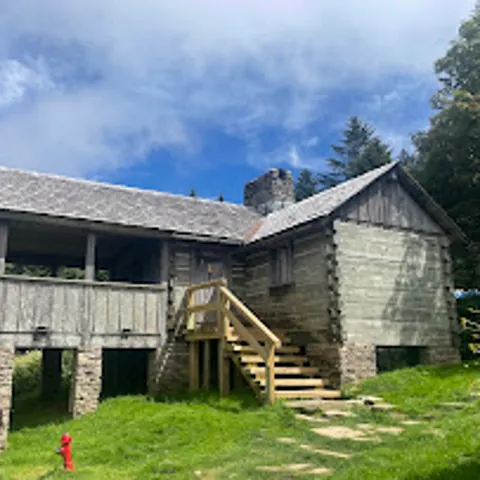
- Cades Cove, the most visited single spot in the park, is an 11 mile loop road through a former farming community, with preserved 19th century cabins, churches and a working gristmill.
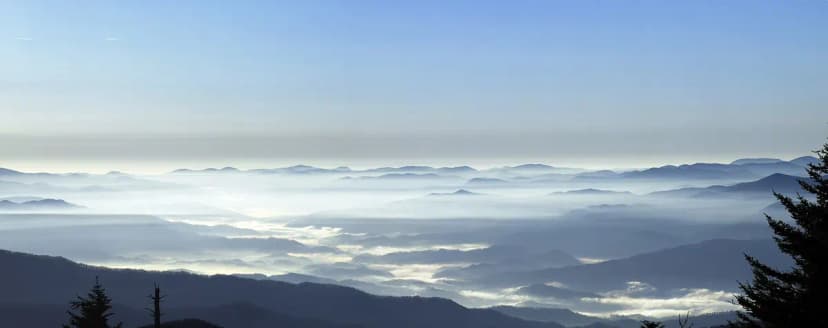
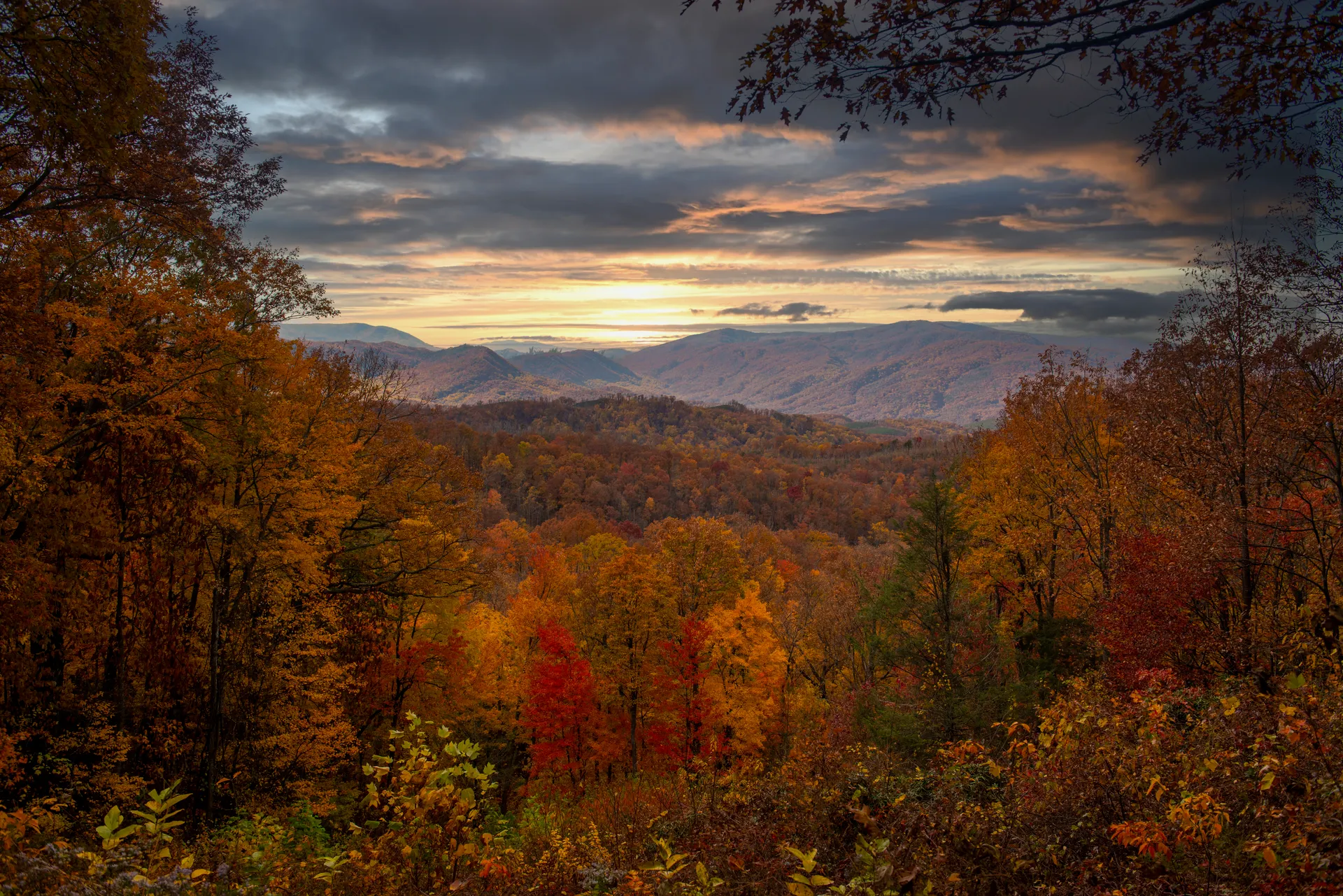
- The park's name comes from the smoke like haze that often sits over the ridgelines, caused by natural hydrocarbons released from the dense forest, not by fire or pollution.
- Human history here goes back thousands of years: the park preserves evidence from Indigenous hunters through Cherokee settlement, 1800s farms, and Civilian Conservation Corps work in the 1930s.
Planning an Actual Visit
Facts are one thing, logistics are another. If you are turning this into a trip, start with our Great Smoky Mountains National Park itinerary for a day by day plan, our Great Smoky Mountains hiking guide for trail picks, and our waterfall hikes guide if that is what you are after. We can also build a custom plan around your dates for free.
50 Fun Facts About the Great Smoky Mountains FAQs
It is the most visited national park in the country, with more than 12 million visits in 2024, and the only major national park with no entrance fee. It also holds about 100 native tree species, more than any other North American national park.
The park has never charged a general entrance fee. It does require a parking tag, $5 a day, $15 a week or $40 a year, for any vehicle parked longer than 15 minutes as of 2026; confirm the current rate on the official NPS fees page before you go.
More than 19,000 species have been formally documented, and the park's ongoing biodiversity survey estimates 80,000 to 100,000 more are living there undocumented, mostly insects and other small invertebrates.
In September 2024 the U.S. Board on Geographic Names restored the peak's Cherokee name, Kuwohi, meaning mulberry place, after a request from the Eastern Band of Cherokee Indians. The National Park Service now writes it as Kuwohi (formerly Clingmans Dome).
Kuwohi (formerly Clingmans Dome), at 6,643 feet, the highest point in Tennessee and the highest point on the Appalachian Trail where it crosses the Smokies.
This page groups the most useful, verified ones by topic: size and age, visitor numbers and fees, wildlife and plant diversity, the Kuwohi renaming, and park history. We kept the list to facts we could confirm against current NPS pages rather than pad it to a round number with unverified trivia.
Yes. The worked day-by-day plan is Great Smoky Mountains National Park: A 3-Day Itinerary (3 Days), with the permits, the stays and the drive times already sorted. Tell us your dates and we will put it together for you and confirm what is genuinely open on those days. Asking is free: no card, no deposit, and nothing is held until you say yes.