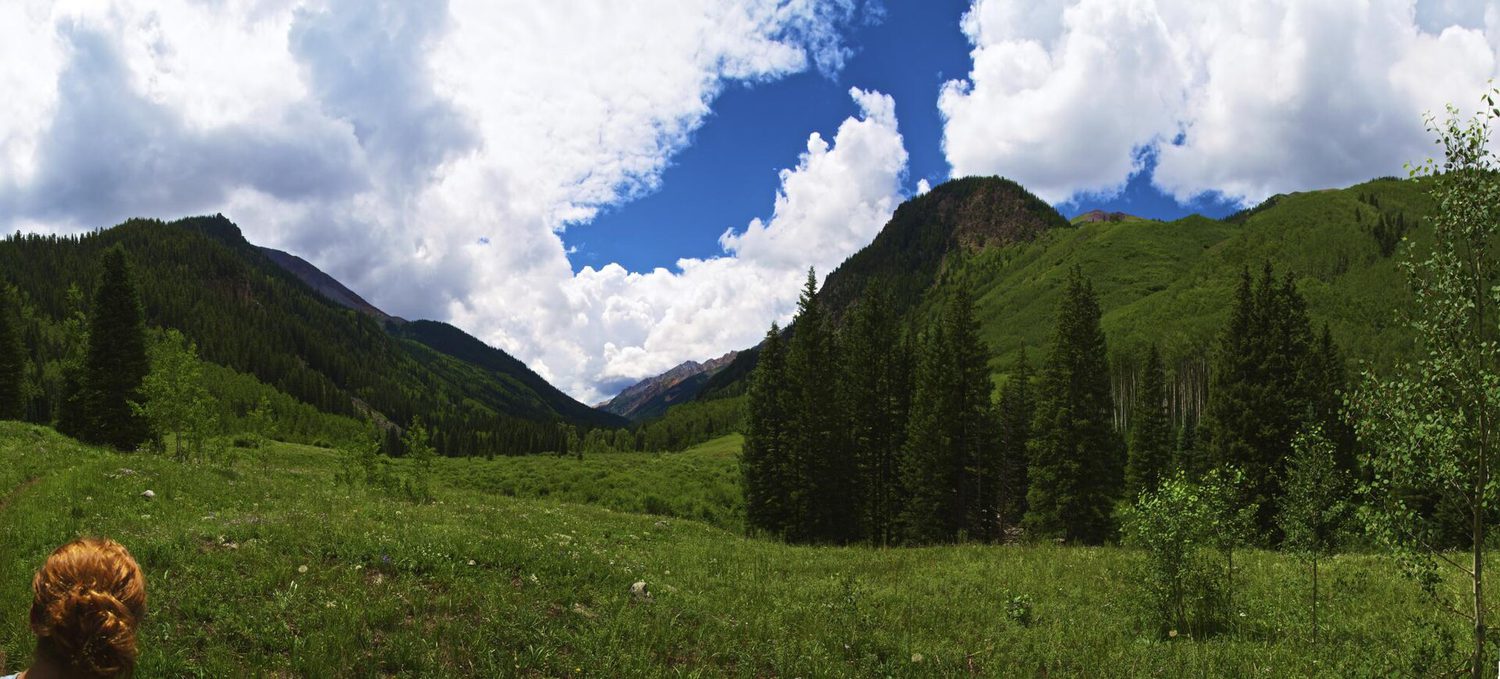
The Cades Cove Loop is the single most popular destination inside Great Smoky Mountains National Park, and for good reason. This 11-mile one-way road circles a broad mountain valley on the Tennessee side of the park, threading past historic churches, log cabins, open hayfields, and some of the best wildlife viewing in the eastern United States. On a good morning you can spot white-tailed deer, wild turkeys, and black bears without ever leaving your car. This guide covers how to time your visit, what to see, and which short trails are worth pulling over for.
When to Drive the Loop
Timing is everything in Cades Cove. The road opens at sunrise and closes at sunset, and the first two hours after dawn are by far the best for both wildlife and a traffic-free drive. By mid-morning in summer and on fall weekends, the loop can take more than three hours to complete because of congestion and animal jams. Arrive early, bring coffee, and you will have the meadows nearly to yourself.
- Spring (April-May): Wildflowers carpet the valley and bears emerge with cubs.
- Summer (June-August): Lush and green, but expect heavy crowds and afternoon heat.
- Fall (October): Peak color and peak traffic; go at sunrise or skip the weekend.
- Winter (December-February): Quietest season, with bare trees that make wildlife easier to spot.
On select Wednesdays in summer the park closes the loop to vehicles for cyclists and walkers, which is the most peaceful way to experience the valley if your dates line up.
Wildlife: What You Will Actually See
Cades Cove sits within one of the densest black bear populations in the Smokies, with an estimated two bears per square mile. The open meadows make them visible at the forest edge, especially in early morning and the last hour before sunset. Deer graze the fields all day, and wild turkeys are common near the Cable Mill area. Always stay at least 50 yards from bears, never feed any animal, and pull completely off the road if you stop to watch.
Historic Stops Around the Loop
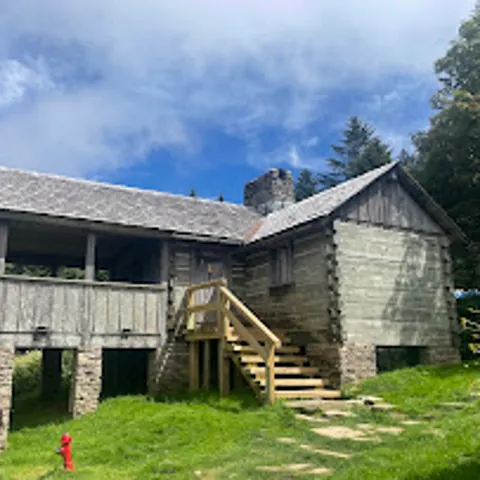
The valley was a settled Appalachian community long before the park existed, and the National Park Service has preserved many of its buildings. Do not miss the John Oliver Cabin, the oldest log home on the loop, and the three historic churches: Primitive Baptist, Methodist, and Missionary Baptist. The Cable Mill historic area near the midpoint has a working gristmill, a visitor center, and restrooms, making it the natural halfway break.
Best Short Hikes off the Loop
Cades Cove is not just a drive. Several excellent trails start right from the road, so pack shoes you can hike in.
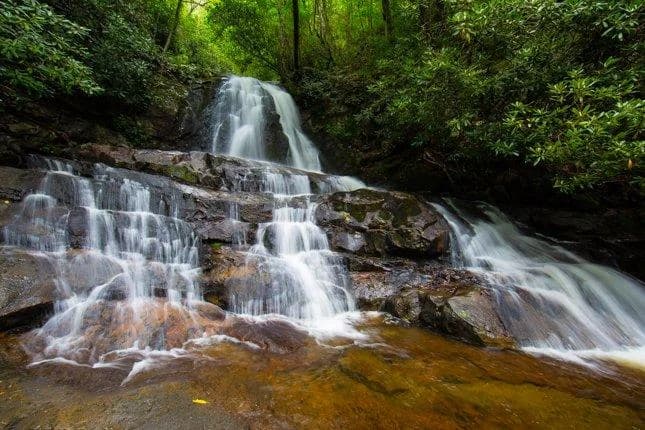
- Abrams Falls Trail: A 5-mile round trip to a powerful 20-foot waterfall with a deep plunge pool. Moderate and the most popular hike in the cove.
- Cades Cove Nature Trail: A short, easy forest loop ideal for families and quick legs.
- Rich Mountain Loop: An 8.5-mile climb with valley overlooks for hikers wanting a real workout.
If you only have time for one, make it Abrams Falls. The trail follows Abrams Creek through pine and hemlock forest and rewards you with one of the most photographed cascades in the park.
Practical Tips for a Smooth Visit
There is no fee to enter Great Smoky Mountains National Park, but as of 2023 all vehicles parking longer than 15 minutes need a paid parking tag, available online or at visitor centers. Fill your gas tank in Townsend or Gatlinburg before you arrive, because there are no services on the loop itself. Cell signal is unreliable, so download a map ahead of time. Restrooms are only available at the Cades Cove campground store and the Cable Mill area.
Fitting Cades Cove Into a Bigger Trip
Cades Cove deserves a full half-day, but it is just one chapter of the park. To pair it with high-country views from Clingmans Dome, the Alum Cave Trail to Mount LeConte, and the best waterfalls, see our 3-day Great Smoky Mountains itinerary, which sequences these highlights so you spend less time driving and more time outside. Cades Cove works best as a sunrise activity, leaving your afternoons free for trails higher in the mountains.
Cades Cove Loop Road: The Complete Guide for First-Timers FAQs
Allow 2 to 4 hours. A quiet early-morning drive without stops takes under an hour, but wildlife jams and crowds during summer and fall weekends can stretch the 11-mile loop to three hours or more.
Black bears are most active and visible in the first two hours after sunrise and the last hour before sunset, especially in spring and early summer when they forage in the open meadows.
There is no entrance fee for Great Smoky Mountains National Park, but you need a paid parking tag if you park anywhere for more than 15 minutes. Tags are sold online and at park visitor centers.