Why the Smokies Are Underrated as a Hiking Destination
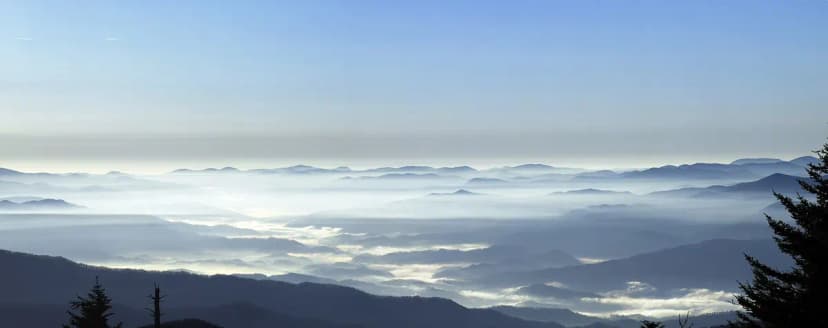
Great Smoky Mountains National Park draws more visitors than any other national park, over 12 million a year, yet most of them never leave their cars. Cades Cove and Newfound Gap Road are the crowd magnets; the 800 miles of trail beyond those corridors are comparatively empty. The park's old-growth forest is the largest in the eastern United States. The biodiversity is staggering: more tree species than in all of northern Europe, 100 species of native trees, 30 species of salamanders. The ridge system runs along the Tennessee-North Carolina border at elevations above 6,000 feet for miles, high enough for genuine subalpine conditions in winter and spectacular above-cloud views in any season.
The park has no entrance fee. It also has no timed-entry permit system for most trails (unlike many western parks). The result is that parking lots at popular trailheads can reach capacity by 8 a.m. on summer weekends. Solutions: arrive before 7 a.m., hike on weekdays, or choose trailheads that aren't off the main roads.
Alum Cave Trail to LeConte: The Park's Best Day Hike
Alum Cave Trail (10.0 miles round-trip to the summit of Mount LeConte, 2,763 ft gain) is consistently ranked as one of the best day hikes in the eastern United States. The trail begins at the Alum Cave Trailhead on Newfound Gap Road, climbs past Arch Rock (a narrow tunnel through a boulder), crosses a ridge of exposed heath balds, and reaches Alum Cave Bluffs at 3.4 miles, a massive overhanging bluff that shelters hikers from rain and offers stunning views of the Smokies' ridge system. Beyond the bluffs, the trail climbs steeply to the summit of Mount LeConte (6,593 ft) via a series of log ladders, cable handrails, and switchbacks on exposed rock.
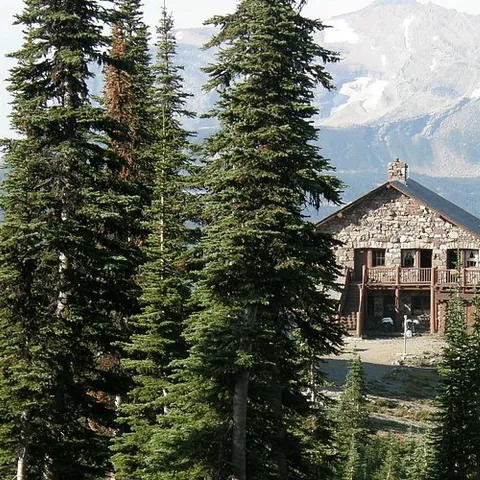
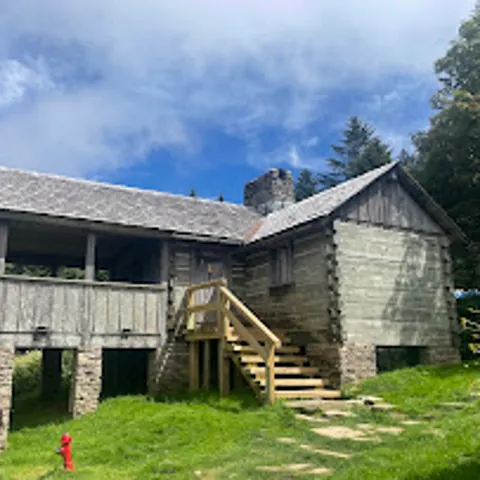
LeConte Lodge sits at the summit and operates from late March through mid-November. It's one of the only backcountry lodges in the national park system, accessible only on foot. Dinner, bed, and breakfast are included in the rate, and reservations (required) open in October for the following year, they sell out within hours. If you can get a reservation, overnighting at LeConte is extraordinary. As a day hike, budget 6-8 hours for the round trip. The Alum Cave parking lot fills by 8:30 a.m. on summer weekends.
Charlies Bunion: The Best Ridge View in the Smokies
Charlies Bunion (8.1 miles round-trip, 1,600 ft gain) starts at Newfound Gap, the highest point on US-441, sitting at 5,046 feet, and follows the Appalachian Trail east along the state-line ridge. The first 4 miles are almost entirely above 5,000 feet, with sweeping views when the forest opens and genuine exposure on the rock outcroppings along the crest. Charlies Bunion itself is a bare granite knob that juts from the ridge at 5,375 feet, a dramatic promontory with sheer drops on the north face and 180-degree views of Tennessee and North Carolina.
This is the best ridge walk in the park for day hikers who want genuine Appalachian Trail character without committing to an overnight. The Appalachian Trail along this stretch is rocky, rooty, and relentlessly scenic. Pack enough water, there are no reliable sources along the ridge. The Newfound Gap parking area fills by 9 a.m. on summer weekends; the AT is busy early but thins out past the Icewater Spring Shelter junction.
Ramsey Cascades: The Park's Tallest Waterfall
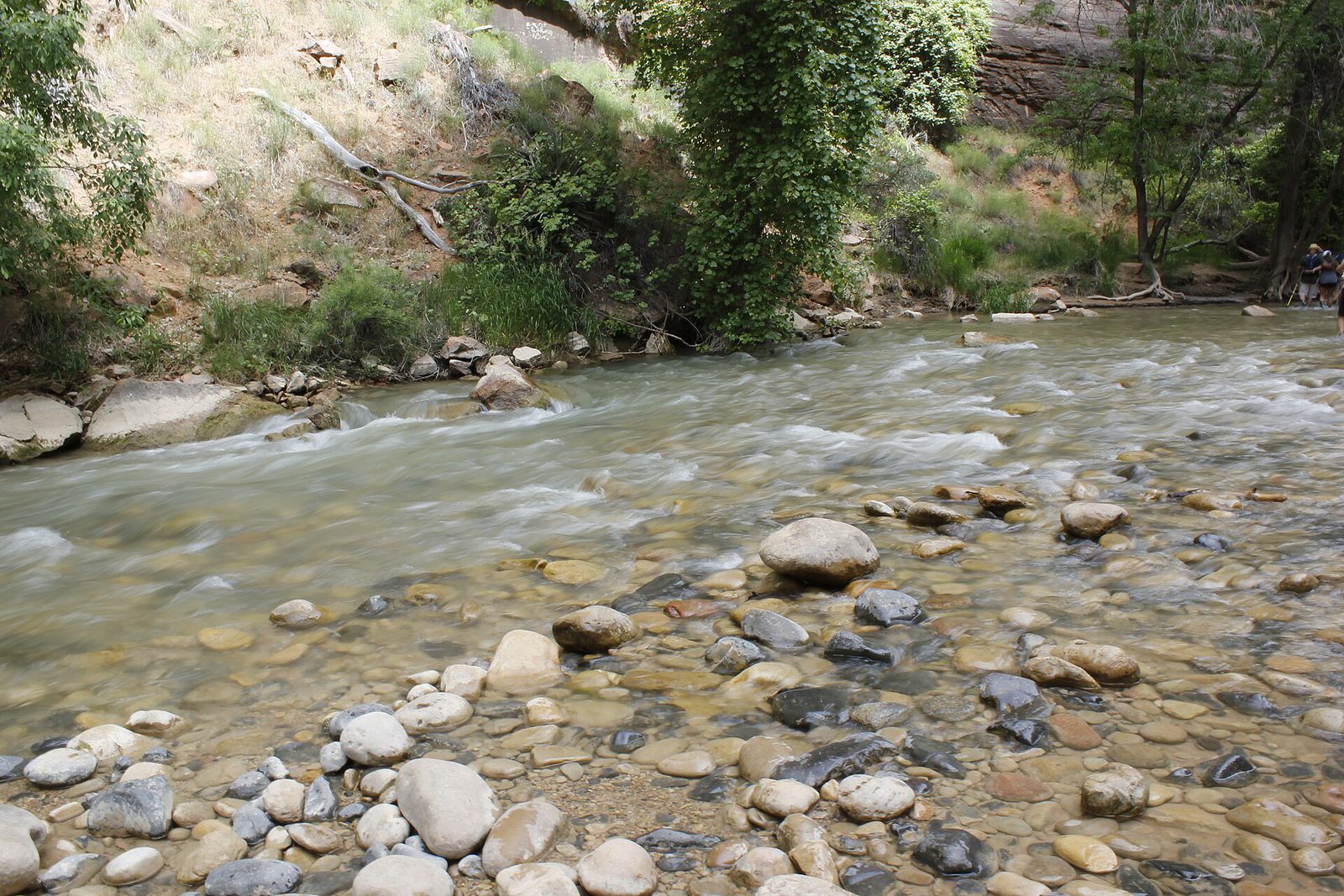
Ramsey Cascades (8.0 miles round-trip, 2,375 ft gain) is the park's largest waterfall at 100 feet, and the hike to reach it is one of the finest forest walks in the Smokies. The trail follows Ramsey Prong upstream through old-growth hardwood forest, massive tulip poplars, hemlocks (many now dead from woolly adelgid but still standing), and yellow buckeye at sizes you won't find elsewhere in the East. The climb is sustained and the last mile before the falls is steep, but the forest is so exceptional that most hikers forget to check their elevation gain. The cascades themselves are a series of tumbling chutes rather than a single plunge, impressive in their own right but the forest is the main event.
Start at the Greenbrier Trailhead, accessible via a gravel road off Route 321. The road can be rough; high-clearance vehicles are helpful though not required. The lot fills by 9 a.m. on weekends.
Andrews Bald: The Easiest Alpine Meadow Access
Andrews Bald (3.6 miles round-trip, 1,000 ft gain) is the most accessible of the Smokies' balds, the grassy mountaintop meadows that characterize the high ridges in the southern Appalachians. The trail starts at Clingmans Dome Road (the highest road in the Smokies at 6,311 feet) and drops slightly before climbing to Andrews Bald at 5,860 feet. The meadow views of the surrounding ridges are unobstructed and on clear days extend for 50 miles. Flame azaleas bloom here in late June, one of the best wildflower events in the park.
Clingmans Dome Road requires a timed-entry vehicle reservation during peak season. The dome itself (the highest point in the park at 6,643 feet) is accessible via a short, steep, paved ramp from the parking area. Andrews Bald is the better destination for hikers who want off-pavement experience.
Laurel Falls: Most Popular, With Good Reason
Laurel Falls (2.6 miles round-trip, 300 ft gain) is the most popular trail in the park and one of the most visited waterfalls in the country. A paved path leads through mixed forest to the falls, which drop in two tiers over a wide granite ledge. The lower tier is accessible for wading; the upper tier is more dramatic. It's a genuinely pretty waterfall and the paved trail makes it accessible to essentially everyone. Because of that: expect a crowd. The parking area on Little River Road fills within an hour of opening on summer weekends. Come early or late in the day.
Gregory Bald: Worth the Extra Miles
Gregory Bald (11.5 miles round-trip, 3,000 ft gain) sits at 4,949 feet on the park's western ridge and is famous for its hybrid azalea bloom in late June, a natural hybridization of flame and Cumberland azaleas produces colors from white to deep orange and is found almost nowhere else on Earth. The hike from the Twentymile Trailhead adds miles but avoids the packed Gregory Ridge route from Cades Cove. From the bald, the view extends into the Cades Cove valley to the north and deep into North Carolina to the south. The bloom window is narrow, one to two weeks, usually the third and fourth weeks of June. It's worth planning a specific trip around it.
Backcountry Camping and Permits
Unlike most national parks, the Smokies operate a backcountry reservation system that requires permits for all overnight stays on the trail, including camping at designated shelters and campsites. Reservations are made through the park's online reservation system (smokiespermits.nps.gov) for a small fee per night. Shelters on the AT often fill quickly; the park's dispersed campsites are easier to book. Note that AT shelters in the park require sleeping inside the shelter, not tenting alongside them, a unique rule that keeps the shelter system functional.
Black bears are abundant in the Smokies, one of the densest black bear populations in the East. All food must be stored in bear canisters or hung properly at designated sites. Day hikers don't need permits but should carry bear spray and know what to do if they encounter one. Make noise on the trail.
Getting There and Logistics
The main gateway towns are Gatlinburg and Cherokee. Gatlinburg sits at the northern (Tennessee) entrance and is heavily tourist-developed, loaded with lodging, restaurants, and attractions. It also gives direct access to Newfound Gap Road and the most popular trailheads. Cherokee, North Carolina, serves the southern entrance and has slightly less development. Knoxville is the nearest major city, about 45 minutes from Gatlinburg. Asheville, NC, is 90 minutes from Cherokee. There is no entry fee for the park.
The park does not have a shuttle system comparable to Acadia or Rocky Mountain. Most hikers use personal vehicles. Popular trailheads, Alum Cave, Laurel Falls, Chimney Tops, require arriving before 8 a.m. on summer weekends. The Roaring Fork Motor Nature Trail is one-way and provides access to several less-crowded trailheads.
Best Season
Spring (April-May) offers wildflower blooms, the Smokies have over 1,500 species of flowering plants, and the spring ephemerals are extraordinary. Summer is peak tourist season with full crowds. Fall color peaks in mid-October at lower elevations and early October at the high ridges. Winter hiking on the lower trails is uncrowded and often spectacular with ice formations on the waterfalls. Snow on the high ridges can make Charlies Bunion and the AT technical, bring traction devices from November through March.
Hiking in Great Smoky Mountains FAQs
Day hiking requires no permit. Backcountry overnight camping requires a reservation through smokiespermits.nps.gov. The park has no entry fee, making it unusual among major national parks.
Ramsey Cascades (8 miles round-trip) is the tallest and most rewarding, the old-growth forest along the trail is exceptional. Laurel Falls (2.6 miles, paved) is the easiest and most accessible. Grotto Falls (2.6 miles) lets you walk behind the falls.
It's moderate to strenuous, 8.1 miles round-trip with 1,600 feet of gain on rocky Appalachian Trail terrain. The high starting elevation (5,046 feet at Newfound Gap) makes it feel more demanding than the numbers suggest. Plan 4-5 hours.
Spring ephemerals bloom from late March through early May at lower elevations. Flame azaleas peak on the high balds in mid-to-late June. Gregory Bald's hybrid azaleas are usually at peak the third and fourth weeks of June.
Yes, the park has one of the densest black bear populations in the eastern US. Encounters are common but attacks are rare. Store food in bear canisters or bear boxes, never feed bears, and make noise on the trail. Carry bear spray as a precaution.