Gorges, Balds & Waterfalls: 3 Days Hiking the Nantahala
One forest, deep gorges, balds & waterfalls, in western North Carolina.
Three days of Nantahala National Forest hiking: Whitewater Falls, the deep Nantahala Gorge and a river day, Wesser Bald and Wayah Bald lookout towers on the Appalachian Trail, Whiteside Mountain, and Panthertown Valley.
“I’ve requested to book a Chain Lakes Loop guide on ExplorOFF, and it was the best idea ever! I highly recommend going with their guided option since you get a real human connection on the trail and don’t have to worry about a thing. Yulia was great to talk to!”
 14 stops on a real mapEvery stop pinned in order→
Nantahala: every stop pinned in order.
The Nantahala Gorge, the balds & the Highlands waterfalls · Western NC
Every stop on this trip, in order, opens as one driving route in the Google Maps app. No copying addresses across one at a time.
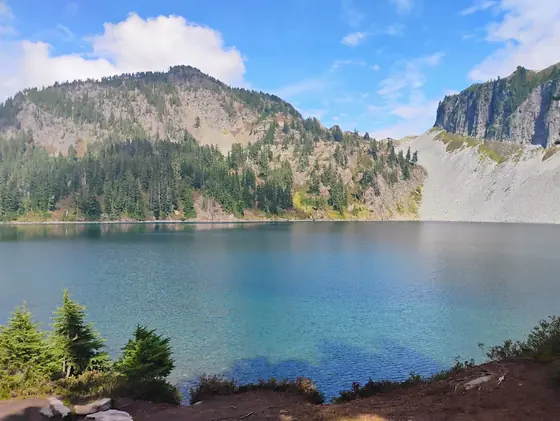
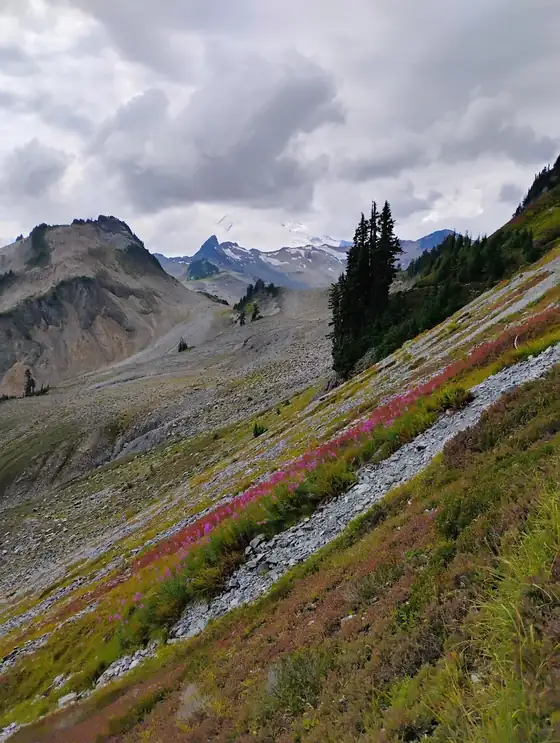
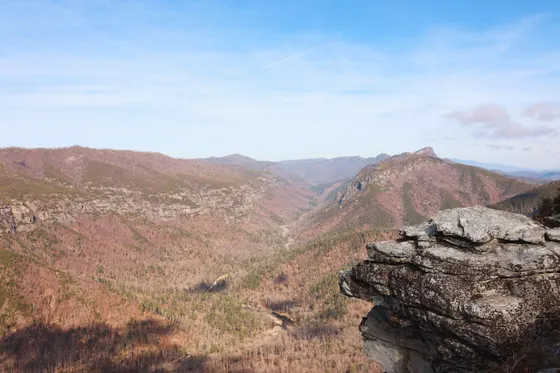
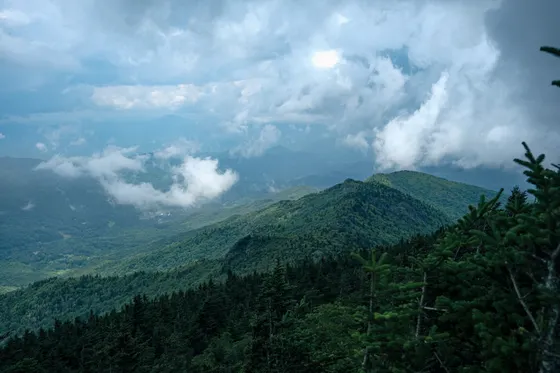
Nantahala in photos: 5 of the stops.


Plan and book your 3 days in Nantahala, one step at a time
How 3 days in Nantahala split up
Plan 3 days for Nantahala. Total distance: ~180 mi. Difficulty: Moderate. Forest access: Free. The Nantahala National Forest covers more than half a million acres of the rugged, lush mountains of southwestern North Carolina. The name comes from a Cherokee word meaning land of the noonday sun, because some of its gorges are so deep and steep that sunlight only reaches the river around midday. It is a forest of whitewater rivers, big cliffs, drive-up lookout towers, and some of the highest waterfalls in the eastern United States, and the hiking trails in Nantahala National Forest run from short paved waterfall overlooks to steep climbs on the Appalachian Trail.
Day 1: The Nantahala Gorge · a river day & Wesser Bald
5 stops · Day one
Day 2: Franklin & the balds · Wayah Bald and the Appalachian Trail
5 stops · Day two
Day 3: Highlands · Whiteside Mountain, Panthertown & the waterfalls
4 stops · Day three
The Nantahala Gorge · a river day & Wesser Bald
Base in Bryson City, the friendly gateway town on the northern edge of the forest, about 1.5 hours from Asheville (AVL). Head into the Nantahala Gorge, a deep, shaded canyon where the Nantahala River runs cold and fast between steep walls so close that the noonday sun barely reaches the water. The Nantahala Outdoor Center (NOC) sits right on the river and is the hub for the gorge.
Not the order you want? Drag a stop, or use the arrows beside it. Stops move between days too.
 Drive from
~1.5 hr · winding mountain roads · DriveMost trips start from Asheville (AVL), about 1.5 hours from the Nantahala Gorge on slow, winding mountain roads. Atlanta is the other common gateway, roughly 2.5 to 3 hours to the south. Fuel up and download offline maps before you head into the gorge, where cell service gets patchy.
- Nantahala Outdoor Center (NOC)
River hub in the gorge · ViewpointThe Nantahala Outdoor Center sits right on the Nantahala River in the heart of the gorge and is the hub for the area, with outfitters, food, lodging, and trail access. The gorge is so deep and steep that the noonday sun barely reaches the cold river below.
 Nantahala River whitewater rafting
Class II–III · guided · book ahead · activitySpend the morning on a guided whitewater rafting trip on the Nantahala River, a classic Class II to III run that is one of the most popular in the Southeast and friendly for first-timers. The river is dam-released and cold year round, so wear a splash layer, and reserve ahead on summer weekends.
 Wesser Bald & lookout tower
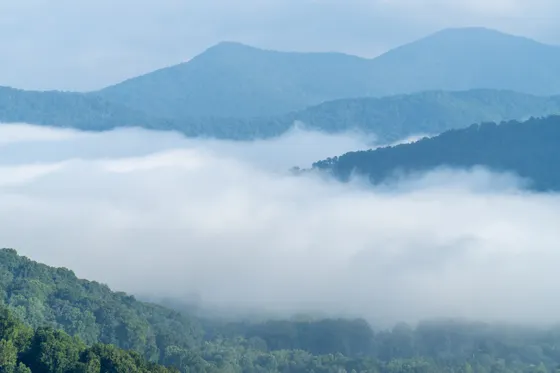
Appalachian Trail · 360-degree views · HikeIn the afternoon, hike a stretch of the Appalachian Trail to Wesser Bald and climb the lookout tower for a sweeping 360-degree view over the surrounding ridges and the gorge you just paddled. Carry water for the climb and check the route before you set off.
 Stay in Bryson City
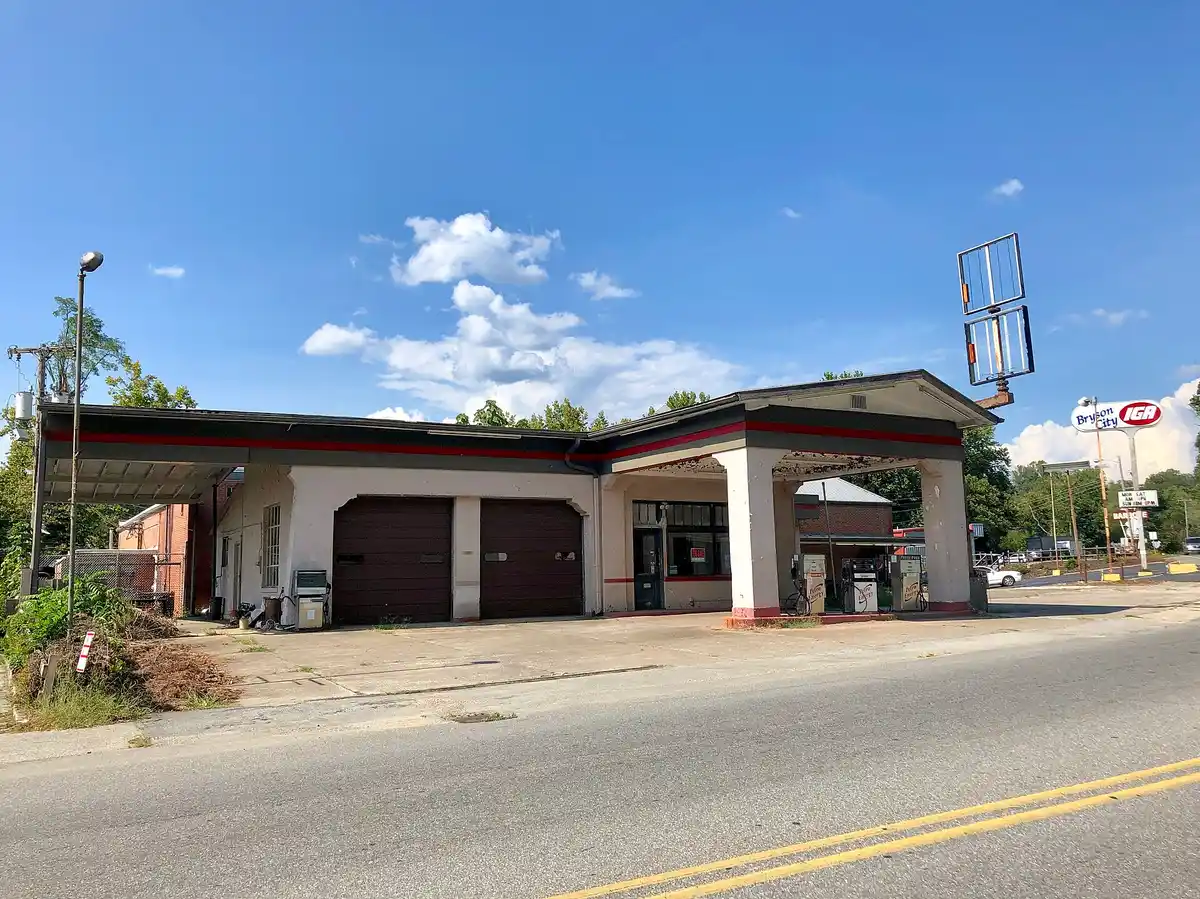
Gateway town · gorge & the Smokies · lodgeBryson City is the friendly gateway town on the northern edge of the forest, an easy base for the Nantahala Gorge and a short hop to the Great Smoky Mountains. It fills fast on summer weekends and during peak fall color in October, so book early.
Franklin & the balds · Wayah Bald and the Appalachian Trail
Move your base south to Franklin, a hub for the southern Appalachians and a well-known stop for Appalachian Trail thru-hikers. From here, drive the winding forest road up to Wayah Bald, where a historic stone lookout tower sits right on the Appalachian Trail at over 5,300 feet, with long views across the Nantahala and Great Smoky Mountains. The short walk from the parking area to the tower makes this one of the easiest big-view summits in the forest.
Not the order you want? Drag a stop, or use the arrows beside it. Stops move between days too.
- Drive to Franklin
Move base south to AT town · DriveMove your base south to Franklin, a hub for the southern Appalachians and a well-known stop for Appalachian Trail thru-hikers. It is central for the balds and the AT, with gem mines, restaurants, and easy access up to the high country.
- Wayah Bald & stone lookout tower
Drive-up · 5,300+ ft · on the AT · HikeDrive the winding forest road up to Wayah Bald, where a historic stone lookout tower sits right on the Appalachian Trail at over 5,300 feet, with long views across the Nantahala and Great Smoky Mountains. The short walk from the parking area makes it one of the easiest big-view summits in the forest.
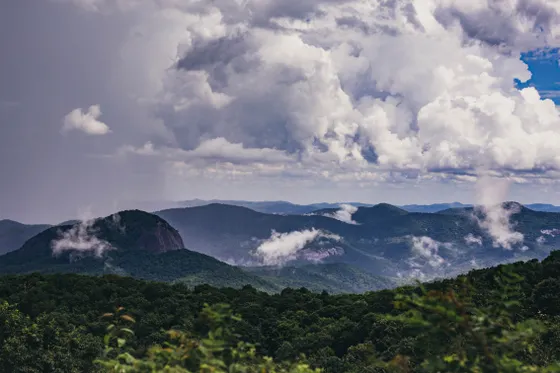 Standing Indian & the Appalachian Trail
High AT summit · spring wildflowers · HikeStretch your legs on more of the Appalachian Trail near Standing Indian, a high, rounded summit and a beloved section of the AT with grassy slopes and spring wildflowers. Late spring brings rhododendron and mountain laurel in bloom along the high ridges.
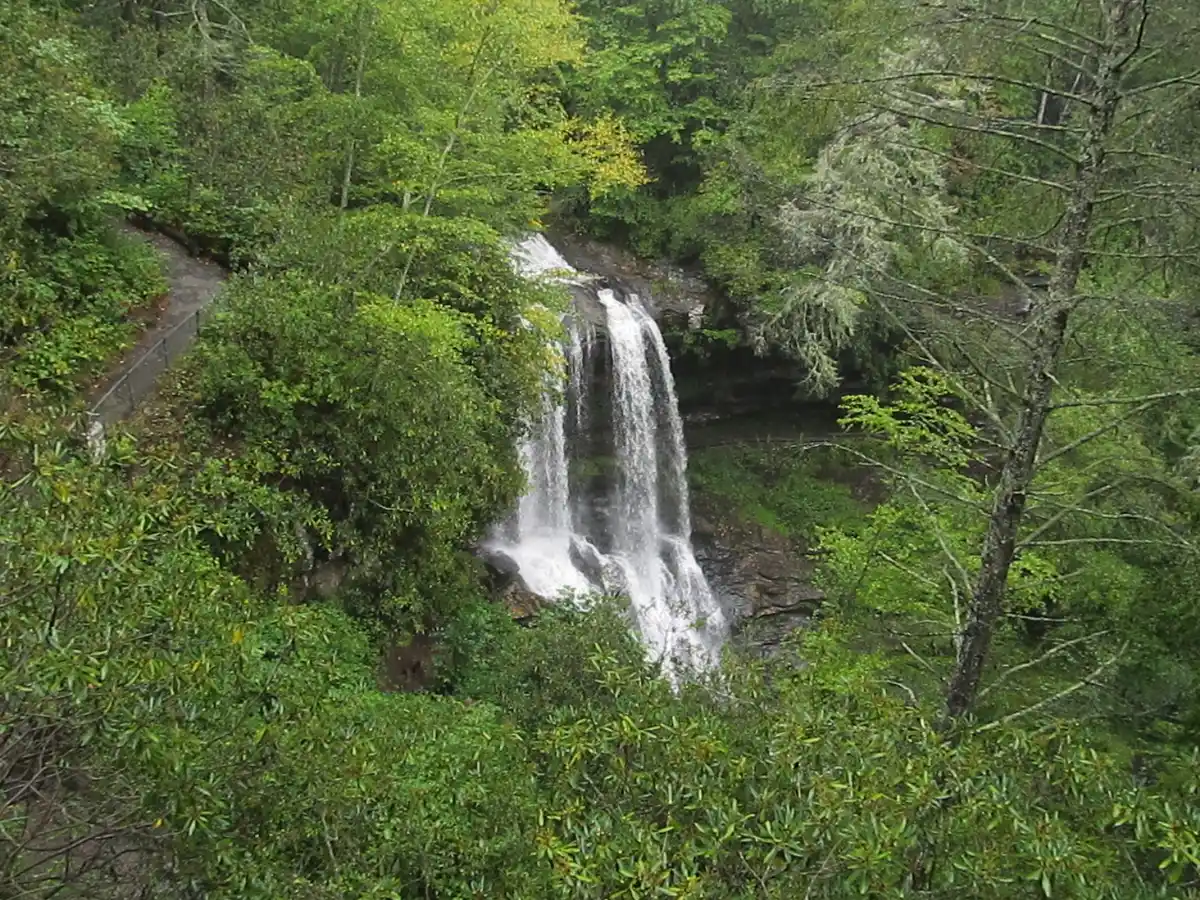 Ken Lund from Las Vega / CC BY-SA 2.0Cliffside Lake loop
Easy lake loop · swimming · ViewpointIf you would rather chase water, detour to Cliffside Lake for an easy loop and a swim in this day-use area tucked into the forest. It is a gentle, family-friendly alternative to the high balds on a hot afternoon.
 Harrison Keely / CC BY 4.0Stay in Franklin
Central base for the balds · lodgeSpend the night in Franklin, central to the balds and the Appalachian Trail and well stocked with hiker-friendly lodging and food. It sets you up for the run over to Highlands and the high-country cliffs and waterfalls tomorrow.
Highlands · Whiteside Mountain, Panthertown & the waterfalls
Finish in the high country around Highlands, the forest's elegant mountain town and a base for cliffs and waterfalls. Hike the Whiteside Mountain Trail, a roughly 2-mile loop along the rim of some of the highest sheer cliffs in the eastern United States, with airy drop-off views and, in spring, peregrine falcons nesting on the walls. It is the signature short hike of the area.
Not the order you want? Drag a stop, or use the arrows beside it. Stops move between days too.
- Whiteside Mountain Trail
~2 mi loop · clifftop rim views · HikeHike the Whiteside Mountain Trail, a roughly 2-mile loop along the rim of some of the highest sheer cliffs in the eastern United States, with airy drop-off views and, in spring, peregrine falcons nesting on the walls. Stay back from the exposed edges, especially in wind.
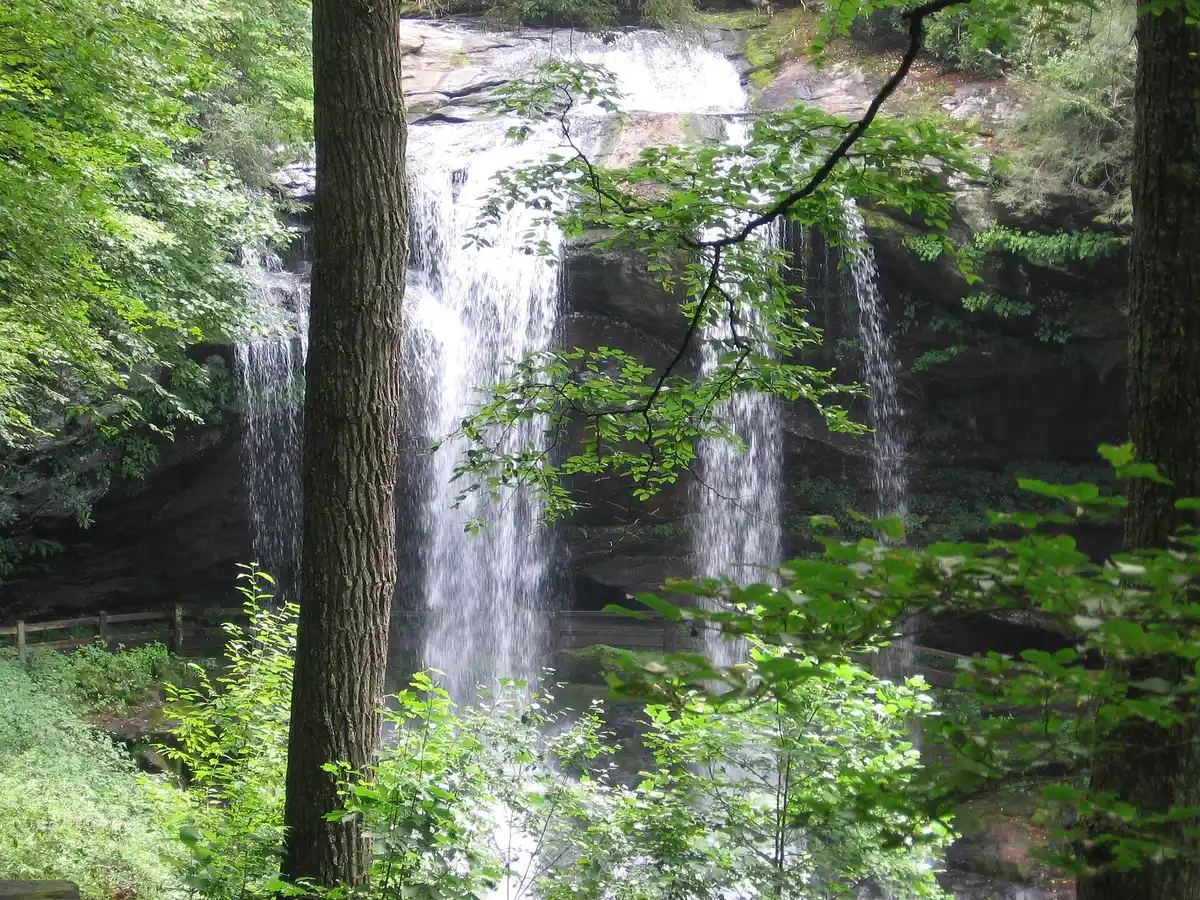 5minutes at English Wi / CC BY-SA 2.5Dry Falls & Bridal Veil Falls
Walk behind the water · roadside · ViewpointOn the drive between Highlands and Franklin, stop at two roadside waterfalls you can walk behind: Dry Falls, where a paved path leads under the overhang and behind the curtain of water, and Bridal Veil Falls, where the old road actually passes beneath the falls. Both are quick stops right on US 64.
- Panthertown Valley · Schoolhouse Falls
Yosemite of the East · waterfall hike · HikeWith more time, head into Panthertown Valley, nicknamed the Yosemite of the East for its granite domes, and hike to Schoolhouse Falls. The trails here are rugged and poorly signed, so carry a good map or offline navigation before you set out.
 Placesandhistoryexplor / CC BY-SA 4.0Getting home: Asheville or Atlanta
AVL ~2 hr · Atlanta ~2.5 hr · DriveFrom Highlands it is roughly 2 hours back to Asheville (AVL) or about 2.5 hours to Atlanta. The drive out is winding mountain road, so leave with daylight to spare and keep your route downloaded offline for the stretches with no signal.
Book the 2 nights
Beds near the trailheads are the one thing on this trip that genuinely runs out. Everything else can be decided later.
Tell us your dates and we will do the checking. We find what is still open near each trailhead and email you this plan back with a booking link for each night. Nothing is charged and you decide at the end.
Request to bookWhat to pack for Nantahala
Built from this route, not a generic list. Every line says why it is here.
On every day of this trip
On your feet
Because you are sleeping indoors
For the driving days
What we actually learned in the forest.
Plan for slow, winding roads
The Nantahala is mountain country, and the roads between the gorge, the balds, and Highlands are slow, narrow, and curvy. Distances look short on a map but take far longer to drive, so build in extra time and do not plan tight back-to-back stops.
The Nantahala River runs cold
The Nantahala is a dam-released river and stays cold year round, even in midsummer. If you raft or kayak the gorge, wear or rent a splash top, and book guided trips ahead on summer weekends when they sell out.
Go in spring or fall
Spring brings wildflowers and the famous rhododendron and mountain laurel bloom, while October lights up the slopes with fall color. Summers are warm, humid, and prone to afternoon thunderstorms, so start hikes early and watch the sky.
This is black bear country
Black bears live throughout the Nantahala National Forest. Store food and trash securely, never feed wildlife, and keep your distance. Make noise on quiet trails so you do not surprise a bear, especially in berry season.
Mind the cliffs and waterfalls
Whiteside Mountain has sheer, exposed drop-offs, and the rocks around the waterfalls are slick. Stay back from cliff edges, keep off wet rock above falls, and watch children and dogs closely at every overlook.
Pick a base for each stretch
Bryson City is best for the gorge and rafting, Franklin is central for the balds and the Appalachian Trail, and Highlands sits among the cliffs and waterfalls. Splitting your nights cuts down on the slow mountain driving between regions.
Nantahala: questions before you go
Nantahala hiking trails: the questions people ask most.
For Nantahala National Forest hiking, the standouts are the Whiteside Mountain Trail (a roughly 2-mile clifftop loop near Highlands), the Appalachian Trail to the Wesser Bald and Wayah Bald lookout towers, the short walk to Whitewater Falls, and Panthertown Valley out to Schoolhouse Falls. Mix in roadside waterfalls like Dry Falls and Bridal Veil Falls that you can walk behind.
Three days is a great fit. That gives you a day on the Nantahala Gorge and river with Wesser Bald, a day around Franklin for Wayah Bald and the Appalachian Trail, and a day in the Highlands high country for Whiteside Mountain, the waterfalls, and Panthertown Valley. The forest is large and the roads are slow, so a single day only scratches the surface.
Spring and fall are the best seasons. Spring brings wildflowers and the famous rhododendron and mountain laurel bloom from roughly May into June, while October delivers brilliant fall color across the slopes. Summers are warm, humid, and stormy in the afternoons, so hike early, and winter can be cold with icy high roads.
Whitewater Falls drops about 411 feet, making it one of the highest waterfalls in the eastern United States. It is easy to reach by a short paved path to an overlook in the Nantahala National Forest, so it is a quick, high-reward stop rather than a long hike.
Yes. The Nantahala River through the gorge is one of the most popular whitewater runs in the Southeast, with Class II to III rapids that are friendly for first-timers and families. The Nantahala Outdoor Center (NOC) on the river is the main hub for guided trips and rentals. The river is dam-released and cold year round, so wear a splash layer and book ahead on busy weekends.
Bryson City is the best base for the Nantahala Gorge and rafting, Franklin is central for the balds and the Appalachian Trail, and Highlands sits among the cliffs and waterfalls in the high country. Splitting your nights across these towns keeps your daily driving down on the slow, winding mountain roads.
Yes. The Appalachian Trail crosses the Nantahala National Forest, passing over high points like Wesser Bald, Wayah Bald, and Standing Indian, and dropping through the Nantahala Gorge near the Nantahala Outdoor Center. Several of the best short hikes in the forest follow stretches of the AT to lookout towers and grassy balds.
Yes, black bears live throughout the Nantahala National Forest. They generally avoid people, but you should store food and trash securely, never feed wildlife, and keep your distance if you see one. Make a little noise on quiet trails so you do not surprise a bear, especially during berry season in late summer.
Yes. The sandstone boulders bordering the cascades in the Joyce Kilmer wilderness and along the Cullasaja gorge are lethally slick, and people are hurt every year on wet rock near the falls. Wear sturdy, high-grip synthetic boots with deep lugs, stay strictly behind the established railings at the major overlooks, and never scramble on the wet rock above or beside a waterfall.
The Nantahala National Forest waterfalls are some of the best in the East. Whitewater Falls drops about 411 feet and is reached by a short paved path, Dry Falls and Bridal Veil Falls sit right on US 64 near Highlands and let you walk behind the water, Cullasaja Falls tumbles along the same gorge, and Schoolhouse Falls in Panthertown Valley rewards a longer hike. You can string most of them together in a single day around Highlands.
Yes, cabin rentals are easy to find around the edges of the forest. Bryson City and the Nantahala Gorge have riverside and mountain cabins close to the rafting and trails, Franklin has quieter cabins near the balds, and Highlands and Cashiers offer upscale cabins near the waterfalls. Cabins book up fast for summer weekends and October fall color, so reserve well ahead for peak dates.
The forest has developed Forest Service campgrounds spread across its districts. Horse Cove Campground in the Cheoah Ranger District sits near Joyce Kilmer Memorial Forest and its old-growth trees, Standing Indian Campground near Franklin puts you close to the Appalachian Trail, and Van Hook Glade near Highlands is handy for Dry Falls and Whiteside Mountain. Seasons, fees, and reservation rules change, so check the Forest Service website for current status before you go.
Horse Cove Campground, in the Cheoah Ranger District of the Nantahala National Forest, is a small, quiet campground beside Santeetlah Creek and one of the closest places to camp near Joyce Kilmer Memorial Forest and the Slickrock area. It suits campers who want a simple, remote base for old-growth forest hikes rather than full hookups, and amenities are basic, so confirm current conditions and openings with the Forest Service before you commit.
Yes. Tell us your dates and we check what is still open for the plan on this page, then send it back with a booking link for each night and the total. Nothing is charged and nothing is held, and you pay the normal rate.
Pick how you want to go.
Same 3-day route. Same 9 stops.
- 1 night, a campsite near Bryson City
- $22
- 1 night, a campsite near Franklin
- $22
- 1 night, a room in Bryson City
- from $175
- 1 night, a room in Franklin
- from $130
- A private local guide, rooms and campsites booked
- Included
- Airport pickup and every drive
- Included
- Park, permit and campsite fees paid
- Included
- All the gear and the trail meals
- Included
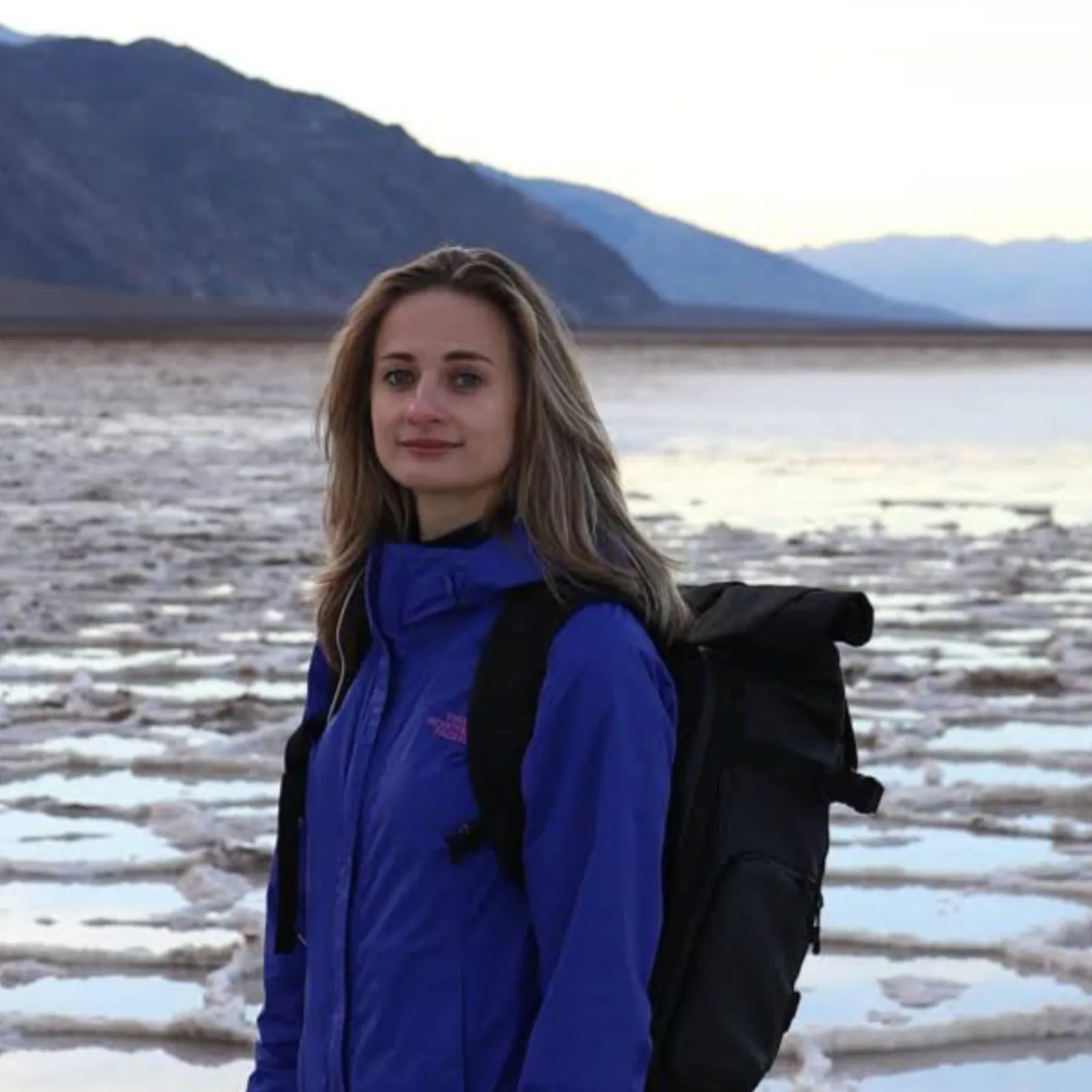
Written and walked by Yulia Vasilyeva · Co-founder · Lead planner and guide
Three years leading guided hikes in the Pacific Northwest, rated 5.0 by 20+ verified guests, and she builds every custom itinerary herself. Based in Seattle.
Last checked September 2026
You might also love these
Other itineraries near this one.

Tallulah Gorge State Park: A Weekend Hiking Itinerary
Two days of Tallulah Gorge hiking: the North and South Rim overlooks, the Hurricane Falls stair loop to the suspension bridge, and the…
Great Smoky Mountains National Park: A 3-Day Itinerary
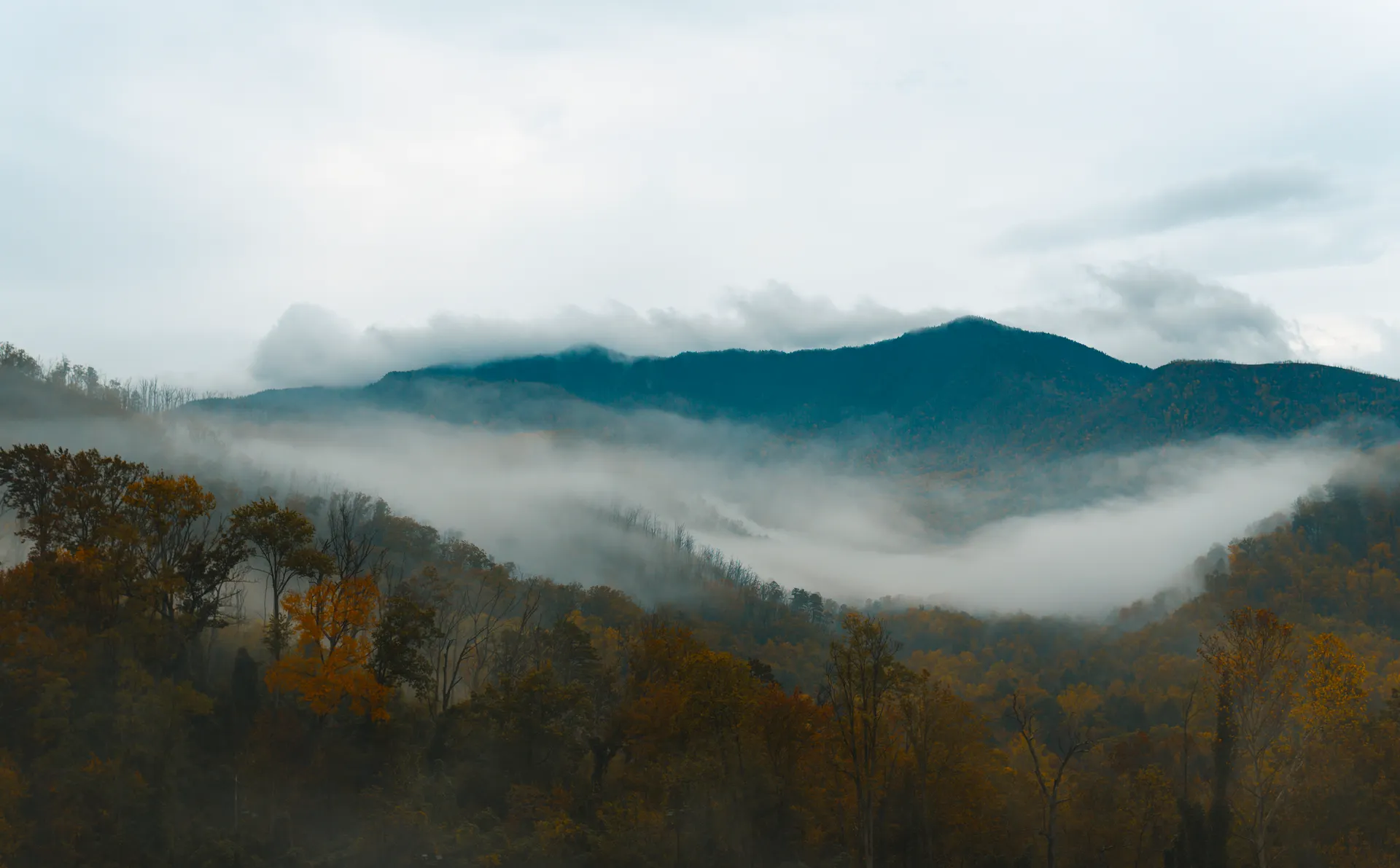
Three days in the most-visited national park in the country: Clingmans Dome, the Alum Cave Trail to Mount LeConte, the best Smoky…
Georgia Appalachian Trail Section Hike: Springer to Bly Gap
A 7-day Georgia Appalachian Trail section hike covering the first 78 miles from Springer Mountain to Bly Gap, over Blood Mountain and…
Guides for this tripNantahala Gorge Whitewater RaftingNantahala National Forest CampingWhitewater Falls, NC
What adventurers say about us.
All reviews are from verified guests. ★★★★★ 5.0 average from 20+ bookings.
"Felt like going out with a really knowledgeable friend who just happens to know everything about the area. No awkward tour-guide energy, just a magnificent day."
"Yulia is an incredible guide. She knew every trail, every viewpoint, and exactly how to pace the day for our group. The photos she took of us were stunning. 100% booking again."
"I was visiting Seattle solo and this was the best decision I made on the trip. Yulia picked me up, had snacks, and took us to a trail I never would have found on my own. Absolute must-do."
"We did this as a couple's trip and it was perfect. Yulia adapted everything to us, our pace, our interests, our photo obsession. The mountain views were unreal."
"Phenomenal experience. Yulia has deep local knowledge and a real passion for the outdoors. She went out of her way to show us the hidden gems tourists never see. Will remember this forever."
"I've done a few guided hikes and this was by far the best. Yulia is warm, funny, and genuinely expert. The trail she chose had the most insane wildflower bloom, we got so lucky."
Fees, reservation windows, shuttle dates and trail closures are planning estimates. Confirm hours, road status and any reservations with the land manager before you go.
What other travelers are saying
Be the first to leave a tip or question for the next traveler.
Was this helpful?
One tap. It goes straight to Yulia and Margarita.
You can't hike it if you can't get the permit.
The best hikes in America run on lotteries that open once a year and sell out in minutes. Every trail runs on its own calendar. Pick the ones you want and we do the watching.
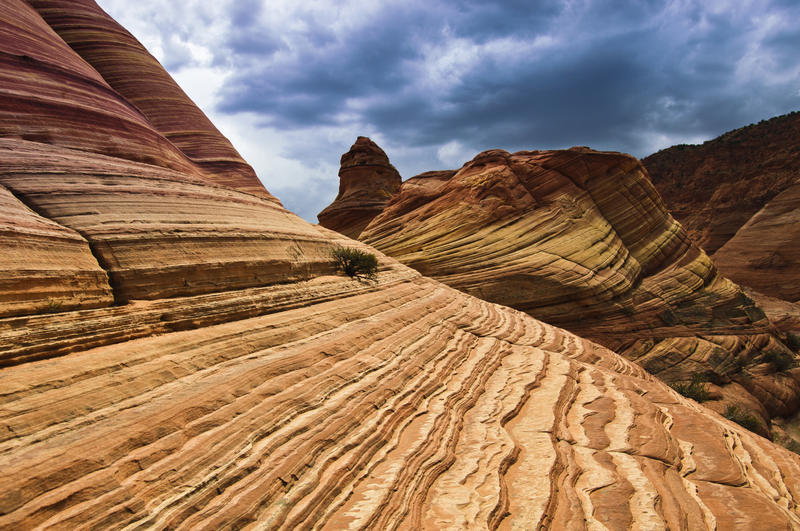 The WaveCoyote Buttes North · Arizona / UtahPermitLotterybrutal odds
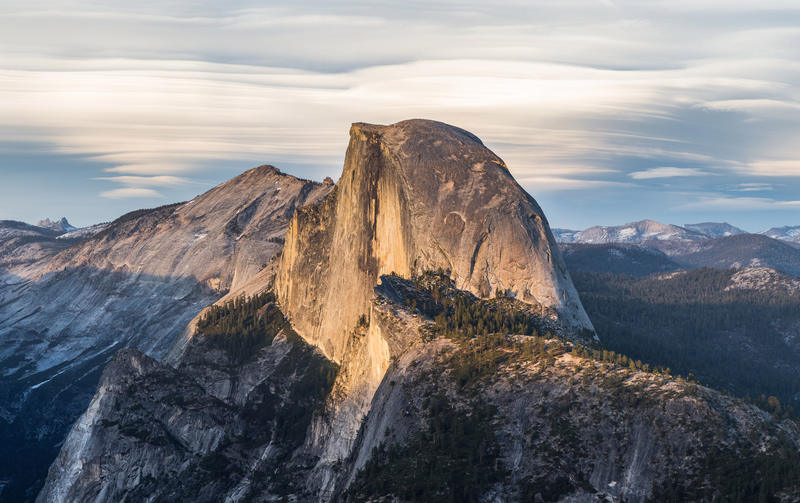 Half Dome CablesYosemite NP · CaliforniaPermitOpens Mar 1fair odds
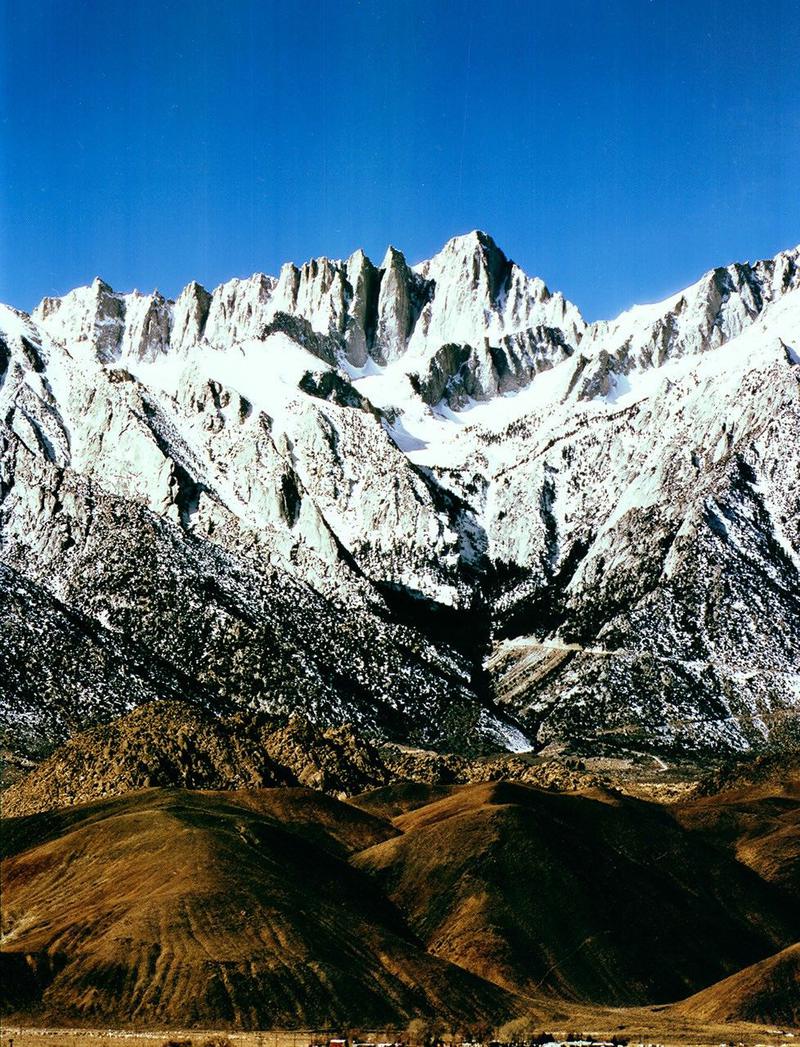 Mt. WhitneyInyo NF · CaliforniaPermitOpens Feb 1tough odds
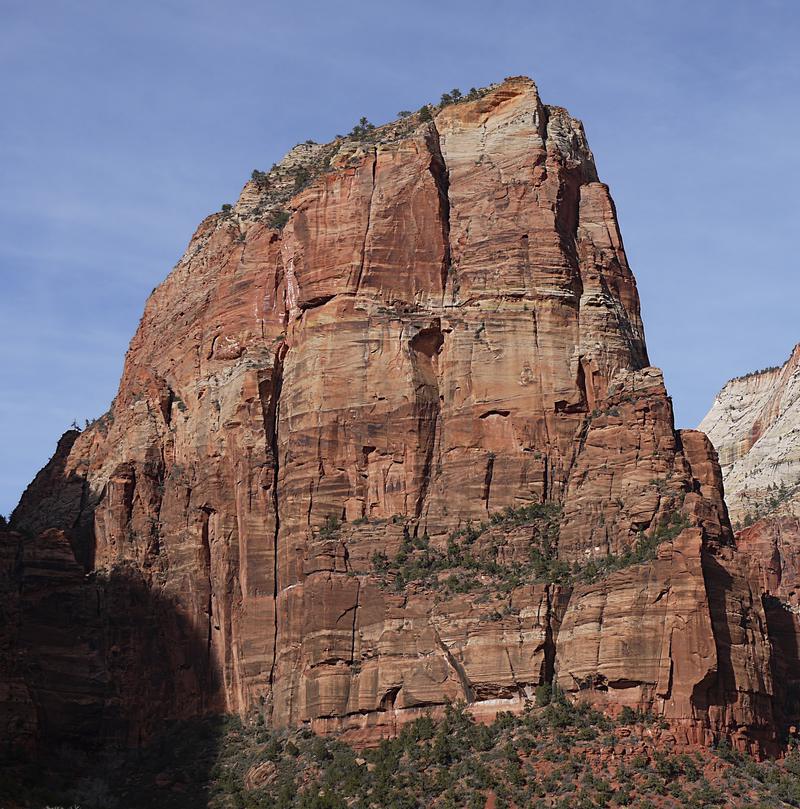 Angels LandingZion NP · UtahPermitLotterytough odds
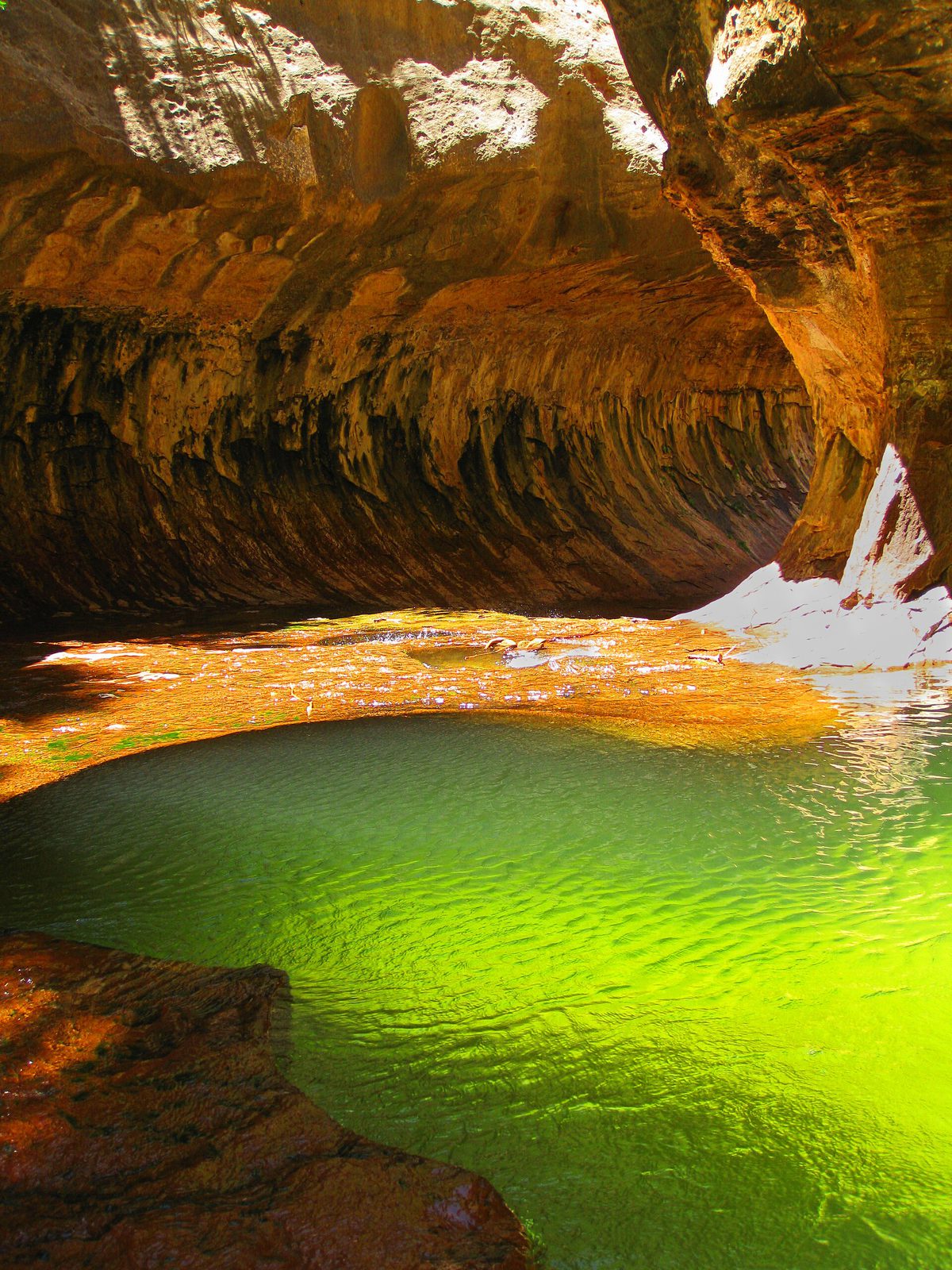 The SubwayZion NP · UtahPermitLotterytough odds
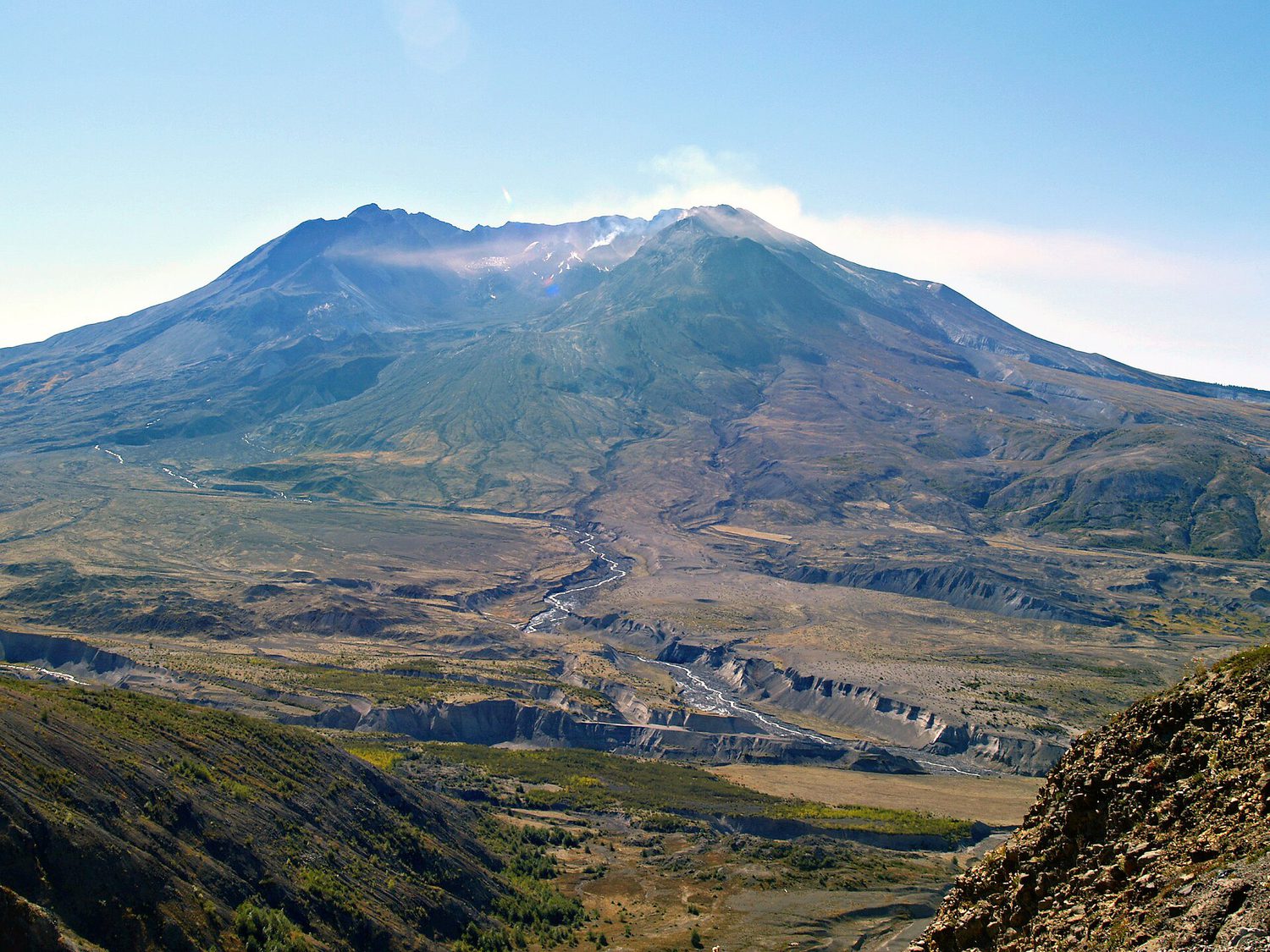 Mount St. Helens Summit ClimbGifford Pinchot NF · WashingtonPermitReservationtough odds
How it works
- An email the morning each window opens, never the day after.
- A 14-day heads-up so you can line up your group and dates.
- Win odds and a ranked backup plan for every trail you pick.
Didn't win? We keep watching. We check recreation.gov every day for The Enchantments, Half Dome and Angels Landing, and email you the moment a sold-out date frees up. Cancellations are the second chance most people never hear about.