Why Rocky Mountain National Park Belongs on Every Hiker's List
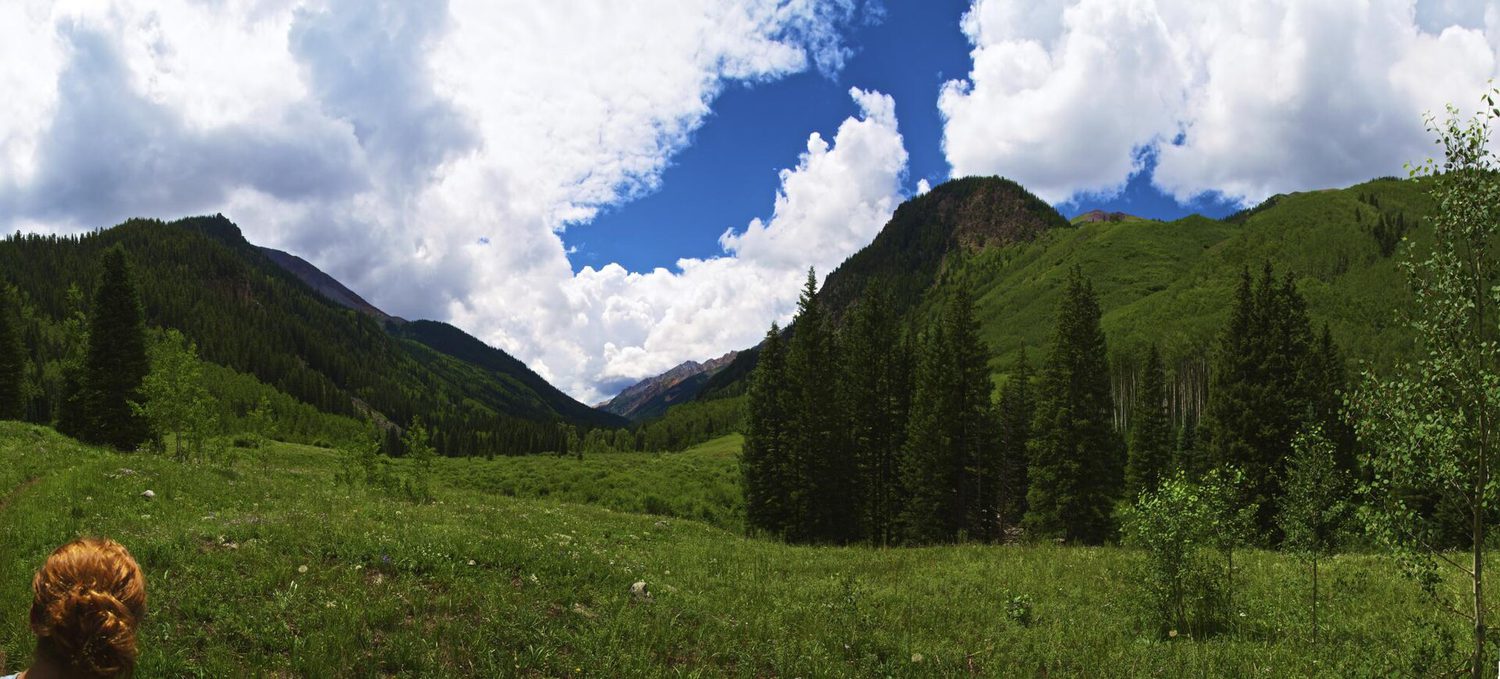
Rocky Mountain National Park sits at an average elevation above 8,000 feet, with Trail Ridge Road cresting 12,183 feet, making it one of the highest paved roads in North America. The park protects 415 square miles of Colorado's Front Range, including more than 300 miles of hiking trails that range from flat lakeside strolls to a 14,259-foot summit push on Longs Peak. The diversity is the point: the same trip can include wildflower meadows, exposed tundra, glaciated cirques, and dense spruce-fir forest within a few miles of each other.
The park draws over 4 million visitors a year, which creates real logistical challenges. The Beaver Meadows and Bear Lake corridors require timed-entry permits from late May through mid-October. Book these through Recreation.gov as soon as they open, 24 hours ahead for day-of spots, or up to two weeks in advance for a specific reservation. The 5:00 a.m. draw is ruthless and spots disappear fast. Plan accordingly.
Bear Lake Area: The Core of RMNP Hiking
Bear Lake is the park's hub, accessible via a shuttle from the Glacier Basin staging area when the permit system is active. From the 9,475-foot Bear Lake trailhead, you can access some of the most scenic alpine terrain in the park without covering much elevation gain, or push deeper into the wilderness toward Dream Lake, Emerald Lake, Lake Haiyaha, and Flattop Mountain.
Emerald Lake Trail (3.6 miles round-trip, 605 ft gain)
This is the single best bang-for-your-effort hike in the park. The trail passes Nymph Lake (0.5 miles), Dream Lake (1.1 miles), and terminates at Emerald Lake (1.8 miles) beneath the massive cliff faces of Hallett Peak and Flattop Mountain. Every lake is a legitimate destination in its own right. Dream Lake in particular, framed by the two peaks at its western end, is one of the most photographed scenes in Colorado. The trail gains only 605 feet total but feels high because you're starting at 9,475 feet. It's paved near Bear Lake and transitions to dirt quickly. Do this one early: by 9 a.m., the parking process has already begun.
Lake Haiyaha (4.2 miles round-trip, 740 ft gain)
Less crowded than Emerald Lake but equally beautiful. Split off from the Dream Lake trail and contour around to Haiyaha, which sits in a rocky cirque surrounded by massive boulders. The lake has a raw, almost severe quality compared to the gentler Emerald Lake, the granite is angular and close, and the wind comes in gusts off the tundra above. Good for photographers, good for solitude seekers.
Flattop Mountain (8.8 miles round-trip, 2,849 ft gain)
This is where the Bear Lake area stops being a walk in the park. Flattop Mountain sits at 12,324 feet and requires a sustained climb from Bear Lake through forest, past the Emerald Lake junction, and up a long, exposed ridge to the tundra summit. The payoff is enormous: you can see west into Grand Lake, east over Estes Park, and in every direction across the tundra. From Flattop, experienced hikers can continue to Hallett Peak (12,713 ft) in under a mile. Strong hikers do this as a day trip; allow 5-6 hours round-trip. Start no later than 7 a.m., afternoon thunderstorms on exposed tundra are not optional weather you wait out.
Longs Peak: The Crown of RMNP
Longs Peak (14,259 feet) is the only fourteener in the park and one of the most technically demanding standard-route summits in Colorado. The Keyhole Route is the standard approach: 14.5 miles round-trip, 5,100 feet of elevation gain, class 3 scrambling through the Homestretch near the summit. This is not a hike you stumble into. Most people start at the Longs Peak Trailhead (9,405 feet) between midnight and 3 a.m. to summit before noon and be back below treeline before afternoon lightning moves in. The window matters: July and August bring nearly daily afternoon thunderstorms that roll in by 1-2 p.m. and can be genuinely life-threatening on the exposed summit pyramid.
The route passes through the Boulderfield (around 12,760 feet) where most people rest and eat before the final 1,800-foot push. The Keyhole itself is a natural rock formation at 13,150 feet, you crawl through it and the character of the route immediately changes. The Trough is a steep, loose couloir. The Narrows is an exposed ledge traverse. The Homestretch is a 300-foot near-vertical slab scramble with hand- and footholds. The summit is a broad, rocky plateau. Many people turn back at the Keyhole or the Boulderfield, that is completely respectable. The route has killed experienced climbers, and late-season snow can make the upper sections genuinely technical.
Permits are required for Longs Peak in summer (late May through mid-October), self-issue at the trailhead kiosk. Camping at Longs Peak Campground requires a separate permit through Recreation.gov. No permit needed for day hiking outside the timed-entry season.
Glacier Gorge: High Lakes Without the Bear Lake Crowds
The Glacier Gorge Trailhead sits 0.8 miles from Bear Lake but draws fewer visitors despite offering equally spectacular terrain. From here you can reach Mills Lake, Black Lake, Sky Pond, and the Andrews Glacier on a single trail system.
Mills Lake (5.6 miles round-trip, 700 ft gain)
One of the most scenic lake destinations in the park without the altitude of the upper cirques. Mills Lake sits at 9,940 feet beneath McHenrys Peak and Keyboard of the Winds. The lake itself is broad and still, and the reflection of the surrounding peaks on calm mornings is exceptional. Accessible to most fit hikers.
Sky Pond (9.0 miles round-trip, 1,700 ft gain)
This is the trail that makes regulars come back every summer. From Glacier Gorge, the trail climbs to Alberta Falls, then Loch Vale, then to the base of Timberline Falls, a 30-foot cascade you scramble up alongside. Above the falls, the terrain opens into a wide, shallow basin with Lake of Glass at 10,900 feet, then continues another half-mile to Sky Pond at 10,900 feet, ringed by the sheer granite towers of the Spearhead and the Sharkstooth. The Timberline Falls scramble is wet and requires using both hands, not ideal for young children. Everyone else should do it.
Ypsilon Lake and the Mummy Range
The Lawn Lake Trailhead in the Horseshoe Park area provides access to the Mummy Range, the northern arm of the park that most visitors miss entirely. Ypsilon Lake (9.6 miles round-trip, 2,050 ft gain) sits in a bowl beneath the distinctive Y-shaped couloir on Ypsilon Mountain. It's a legitimate backcountry feel without requiring an overnight permit. The Lawn Lake Trail itself, damaged by a catastrophic dam breach in 1982, now climbs through a flood plain before entering forest and eventually reaching the alpine Lawn Lake at 11,000 feet (12.4 miles round-trip from the trailhead).
Trail Ridge Road Corridor: Tundra in Your Lap
Trail Ridge Road climbs from Estes Park to 12,183 feet and provides trailhead access to open tundra that would otherwise require a full day of hiking to reach. The Tundra Communities Trail (1.8 miles round-trip) near Rock Cut at 12,110 feet is a paved interpretive loop through genuine alpine tundra, the plants are decades old and ankle-high, the wind is nearly always blowing, and you can see for 50 miles in every direction. The Forest Canyon Overlook and the Iceberg Lake area provide additional short walks. These are technically in the permit zone when the timed-entry system is active, factor that into logistics.
Permits, Logistics, and Getting There
The park has two main entrances: Beaver Meadows (east, near Estes Park) and Grand Lake (west). The timed-entry permit system covers the Bear Lake Road corridor and the rest of the park during peak season (typically late May through mid-October). Bear Lake Road Corridor permits go fast, within minutes of the booking window opening. The rest-of-park permits are more available. Check Recreation.gov and the park website for the current year's permit windows.
Estes Park is the primary gateway town, about 1.5 hours from Denver International Airport. The town has lodging, gear shops, grocery stores, and restaurants. The park does not allow reservations for developed campgrounds through walk-up; Moraine Park and Glacier Basin campgrounds require Recreation.gov reservations months in advance for summer dates. Backcountry camping requires a separate wilderness permit, these open in March and are competitive for popular destinations.
Altitude is the primary hazard for visitors arriving from sea level. The Bear Lake trailhead is already at 9,475 feet, roughly the elevation of the highest ski resorts in many states. Headaches, fatigue, and nausea are common on day one. Drink water constantly, avoid alcohol the first day, and don't try to summit Longs Peak the day you arrive from a low-altitude home.
Best Season and Conditions
July and August are peak season: wildflowers are blooming, all trails are accessible, and the days are long. The trade-off is afternoon thunderstorms and crowds. June often has snow on upper trails; many people consider it the best shoulder-season month because it's cooler and less crowded. September is legitimately excellent, the aspens start turning gold, elk are in rut (you'll hear bugling), crowds thin, and the weather is more stable. October can bring early winter storms. Most high trails are snow-covered from October through June, requiring traction devices and ice axes in some cases.
Best Hikes in Rocky Mountain National Park FAQs
From late May through mid-October, timed-entry permits are required to drive into the Bear Lake Road corridor and much of the rest of the park. Book through Recreation.gov, spots open 24 hours ahead for day-of, or up to two weeks in advance. Backcountry camping requires a separate wilderness permit.
The Bear Lake Loop (0.5 miles, flat, accessible) and the Nymph Lake trail (1.0 miles round-trip, 225 ft gain) are the most accessible. The full Emerald Lake trail at 3.6 miles round-trip is still considered easy by most adult hikers and is worth the slight extra effort.
Longs Peak via the Keyhole Route is strenuous, 14.5 miles round-trip, 5,100 feet of gain, and class 3 scrambling near the summit. It requires starting in the dark (midnight to 3 a.m.) to summit before afternoon lightning. It's not technical rock climbing but requires good fitness, route-finding ability, and sound judgment about weather.
July and August for full trail access and wildflowers. September for fall color, elk rut, and thinner crowds. June for fewer people but lingering snow on upper trails. Avoid major holidays if crowds bother you.
Estes Park is the main gateway town on the east side. Grand Lake serves the west entrance. Moraine Park and Glacier Basin campgrounds are inside the park but require advance reservations on Recreation.gov, often months in advance for summer dates. Estes Park has abundant lodging at all price points.