Northern Lights in Glacier National Park: Where, When and the Odds
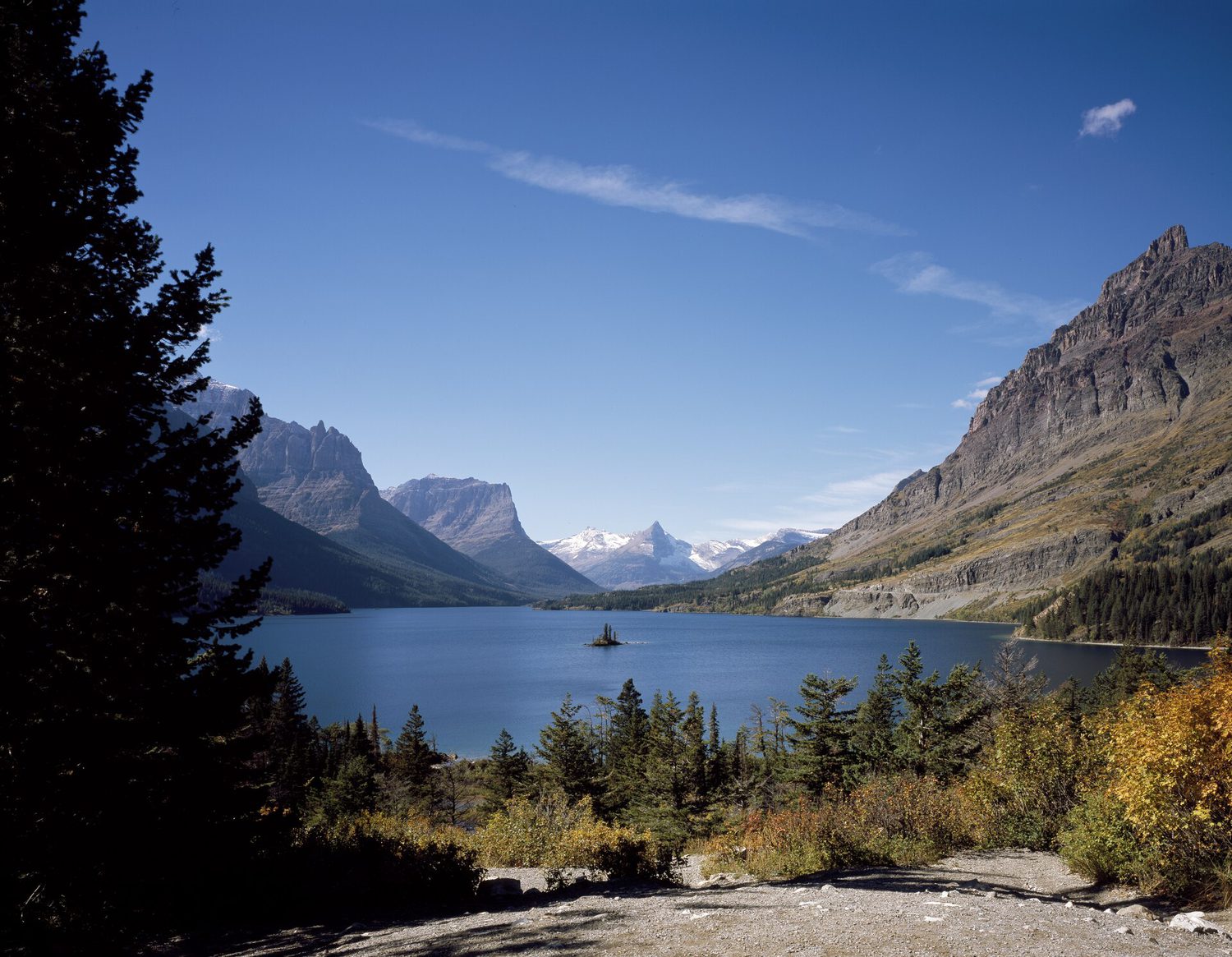
Glacier sits at roughly 48.7 degrees north, right against the Canadian border, which puts it noticeably closer to the aurora oval than most US national parks. A moderate geomagnetic storm, roughly Kp 5 or higher on the NOAA scale, is usually enough to bring a green glow above the northern horizon here. The park's own photography page points to the west side, Lake McDonald and the North Fork, as the best spot to try. Check the live forecast the same night; this is not a booking you can plan months out.
How Strong a Storm Do You Need
Aurora visibility runs on the Kp index, a 0 to 9 scale for how disturbed Earth's geomagnetic field is. The higher the number, the further south the aurora oval pushes. Glacier's latitude, about 48.7 degrees north, sits close enough to the pole that a Kp 5 storm can put a visible glow on the horizon here, and a Kp 6 or 7 storm can put color overhead. That is a meaningfully lower bar than parks further south like Yellowstone, which generally needs Kp 7 or higher for the same result. None of this is guaranteed on any given night. Check NOAA's Space Weather Prediction Center forecast the day of, not the week before.
Where to Stand
- Lake McDonald and the North Fork. The park's own photo-tips page calls this area out specifically for aurora photography, and it makes sense: it is the darkest corner of the park, furthest from any town glow, with a wide lake surface for a reflection if the water is calm.
- Bowman Lake. Further up the same North Fork road past Polebridge, quieter still, with a similar open view north.
- Two Medicine and St. Mary. Both sit on the east side where the mountains give way to open plains, which means a genuinely open horizon to the north rather than a wall of peaks. Less proven for aurora specifically than the North Fork, but the geography works in your favor.
When to Try
Aim for a new moon or a thin crescent; a bright moon washes out anything short of a major storm. Geomagnetic activity tends to run higher around the spring and fall equinoxes. In Glacier, that lines up awkwardly with the shoulder seasons when Going-to-the-Sun Road may be partly closed and services in the park are limited, so plan around what is actually open before you commit to a date. Full summer nights are too short and never get fully dark at this latitude; you get real darkness again by late August.
How to Actually Catch One
Set a free alert through the NOAA Space Weather Prediction Center or an aurora app like the University of Alaska Geophysical Institute's forecast, both linked from the park's own photo page. When a Kp 5 or higher watch is issued for your dates, get to Lake McDonald or the North Fork after dark and give your eyes ten minutes to adjust before deciding nothing is happening. A camera on a tripod, several seconds of exposure, will show color your eyes cannot, so shoot a test frame even if the sky looks like plain cloud.
Camera Settings That Work
A wide lens, the widest aperture it has, ISO 1600 to 3200, and a 5 to 15 second exposure is the starting point. Manual focus set to infinity, checked on a bright star beforehand, since autofocus will hunt uselessly in the dark. A sturdy tripod matters more than an expensive lens here.
If the Lights Do Not Show
Lake McDonald and the North Fork are worth the trip on a clear moonless night regardless, for the Milky Way and the general dark sky. Our Glacier National Park weekend itinerary and the longer 4 day itinerary both put you on the west side for at least one night, which is the best position to be in if a storm does hit.
Northern Lights in Glacier National Park: Where, When and the Odds FAQs
Yes, on nights with a moderate to strong geomagnetic storm, roughly Kp 5 or higher. Glacier's location near the Canadian border puts it closer to the aurora oval than most US national parks, though a display is still weather and solar-activity dependent, not something you can plan months ahead.
Around Kp 5 for a glow on the horizon, Kp 6 or 7 for color overhead. That is a lower threshold than parks further south, like Yellowstone, which typically needs Kp 7 or higher.
Lake McDonald and the North Fork, on the park's west side. The park's own photography guidance names this area specifically for aurora, since it is the darkest section of the park with the least light pollution.
Around the spring and fall equinoxes, when geomagnetic activity tends to run higher, and outside the short, never-fully-dark nights of midsummer. Late August through September is a practical window while park services are still open.
A wide lens near its widest aperture, ISO 1600 to 3200, a 5 to 15 second exposure, manual focus set to infinity, and a tripod. A camera will pick up color your eyes cannot see, so it is worth a test shot even on a night that looks quiet.
Yes. The worked day-by-day plan is Best Day Hikes in Glacier National Park: 3-Day Weekend (3 Days), with the permits, the stays and the drive times already sorted. Tell us your dates and we will put it together for you and confirm what is genuinely open on those days. Asking is free: no card, no deposit, and nothing is held until you say yes.