Glacier National Park Photographs: The Best Spots and When to Shoot Them
Most of the Glacier National Park photographs you have seen come from a short list of repeat locations: Wild Goose Island on St. Mary Lake, Swiftcurrent Lake in Many Glacier, Logan Pass, and Lake McDonald at sunset. Almost all of them are roadside or a short walk, and timing matters more than gear. Our Glacier National Park weekend itinerary hits most of these in three days.
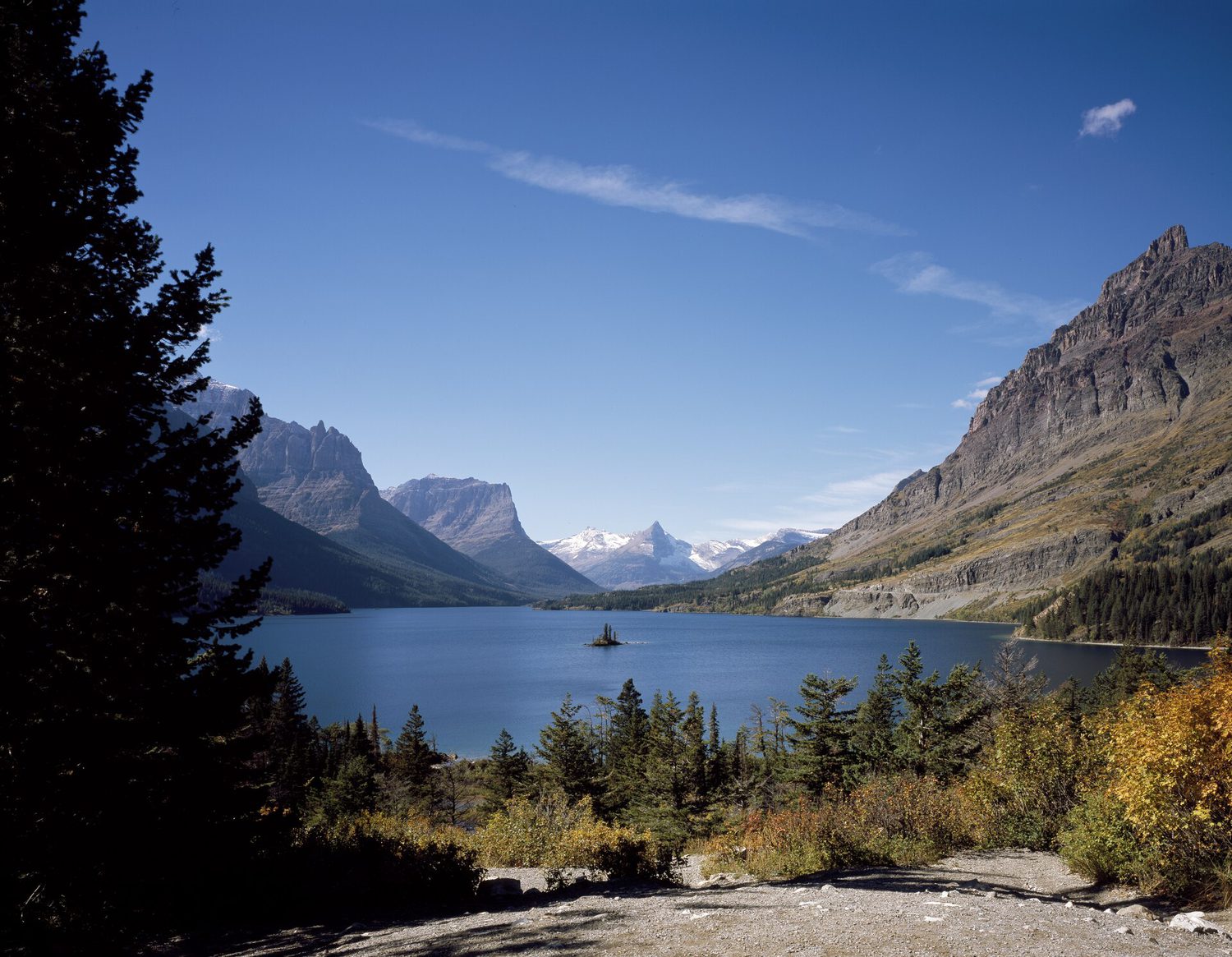
Wild Goose Island, St. Mary Lake
The small forested island in St. Mary Lake is the single most photographed spot in the park, shot from the Wild Goose Island Overlook pullout on Going-to-the-Sun Road. It works any time of day the wind is calm enough to give you a reflection, but morning light on the peaks behind the island is the classic version.
Swiftcurrent Lake, Many Glacier
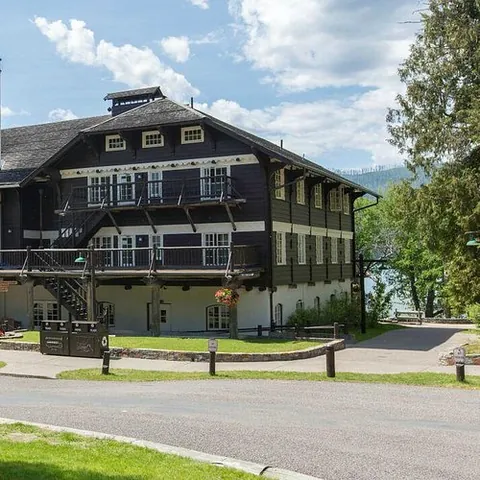
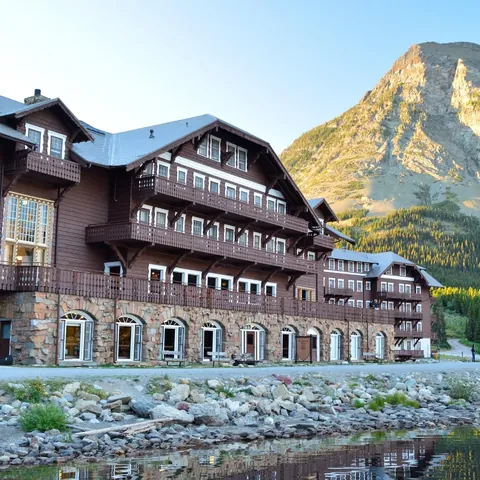
Shoot Grinnell Point from the shore of Swiftcurrent Lake at sunrise, when the peak catches alpenglow and the lake is usually still enough to mirror it. This is also where the Many Glacier Hotel sits, so you can work the hotel and the lake into the same frame from the boat dock.
Logan Pass and Hidden Lake Trail
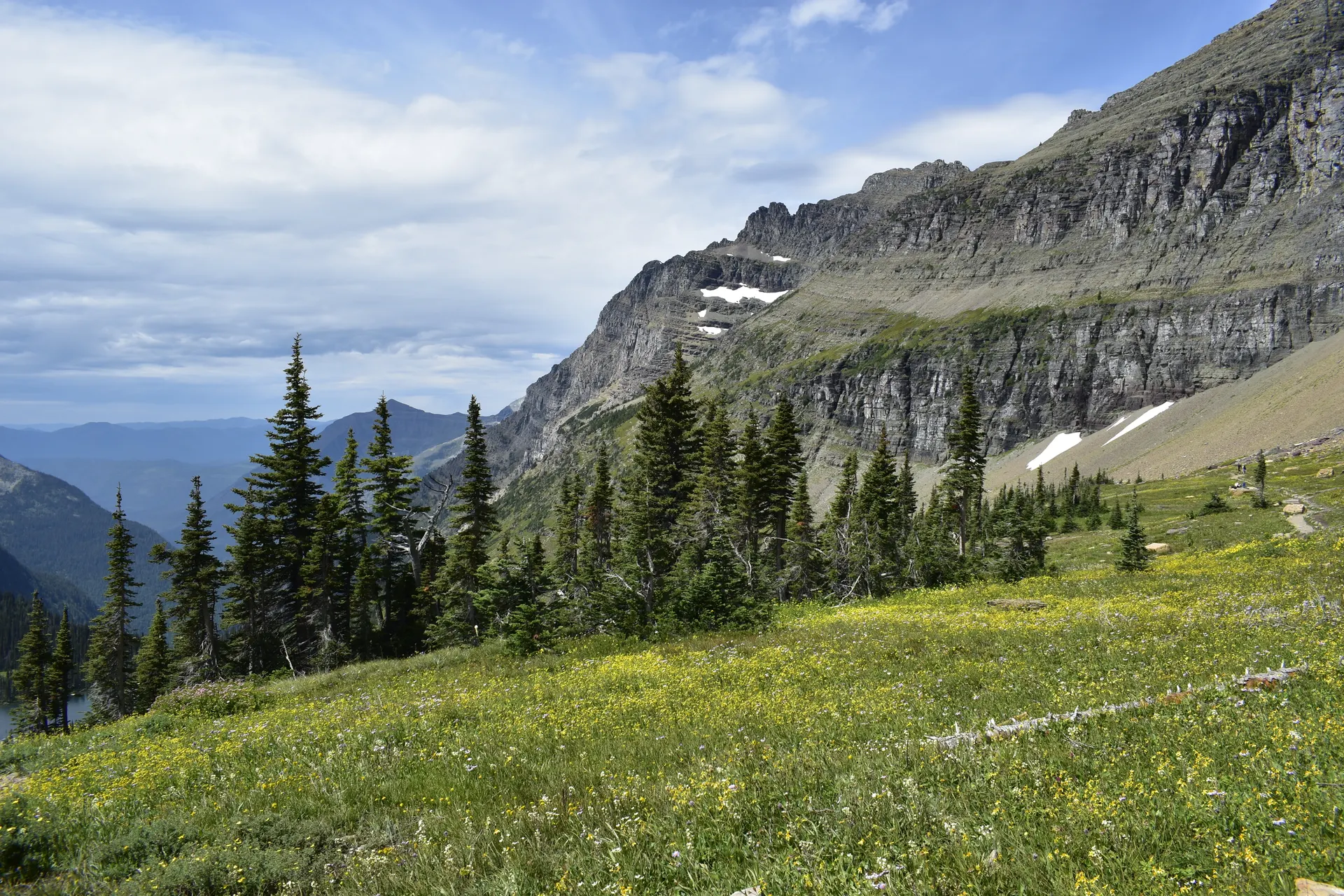
The parking lot at Logan Pass, at the top of Going-to-the-Sun Road, is the trailhead for Hidden Lake Overlook. Mid-June through mid-August is wildflower season on this trail, and the meadow along it is fragile: stay on the boardwalk and trail rather than stepping into the flowers for a shot. Glacier is not requiring a vehicle reservation for 2026; instead the park is piloting a ticketed shuttle and a three-hour parking limit at Logan Pass, so plan a shoot here as a focused visit rather than an all-day stakeout, and check the park's current shuttle and parking pages before you go since this is a new pilot program.
Lake McDonald at Sunset
The west shore of Lake McDonald catches alpenglow as the sun drops behind the Livingston Range, the sky running orange, pink and lavender over the water. The same stretch of shoreline has the multicolored pebble beach near Apgar, so a sunset trip here does double duty. See our guide to Glacier's colored rocks for exactly where on the beach to look.
Going-to-the-Sun Road at Elevation
The high sections of the road near Logan Pass work best right around sunset, when the peaks go into silhouette against the sky rather than fighting for exposure with the road and cliffs below.
Grinnell and Salamander Glaciers
Reaching a viewpoint on the Grinnell Glacier Trail is a strenuous hike, not a pullout shot, but it is worth doing sooner rather than later. Both glaciers are actively shrinking, and the photos rangers and early visitors took a century ago already look nothing like the ice today.
Avalanche Lake and Baring Falls
Avalanche Lake, a moderate hike from the Trail of the Cedars, has glacier-fed water so clear it reads turquoise in the right light. Baring Falls, an easy walk near St. Mary Lake, is best in spring through early summer while snowmelt is still feeding it; by late summer the flow thins out.
Night Sky and the Northern Lights
Glacier's west side, especially the North Fork near Lake McDonald and Bowman Lake, is dark enough for night sky and occasional aurora photography. See our guide to the northern lights in Glacier for the conditions that make it worth staying up.
Gear That Actually Helps
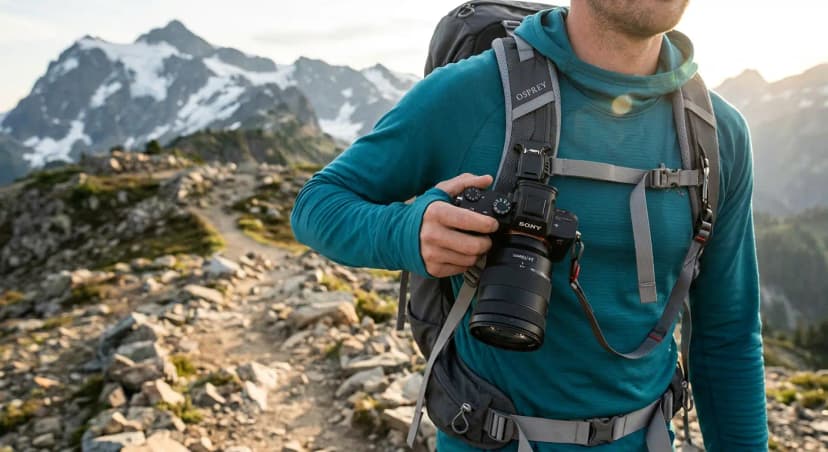
A polarizing filter cuts glare off the lakes and saturates the sky, which matters more here than a longer lens. A wide angle covers most of these spots; bring something in the 70 to 200mm range only if you are after Grinnell Point compression from across Swiftcurrent Lake or wildlife from a safe distance. Drones are not allowed anywhere in the park.
Glacier National Park Photographs: The Best Spots and When to Shoot Them FAQs
Wild Goose Island, a small island in St. Mary Lake shot from the Wild Goose Island Overlook on Going-to-the-Sun Road. It works in any light with calm water, though morning is the classic version.
Sunrise for Many Glacier and Swiftcurrent Lake, since the peaks face east and catch alpenglow. Sunset for Lake McDonald and the high stretches of Going-to-the-Sun Road, which face west.
No. Drones are prohibited throughout Glacier National Park, along with every other unit of the National Park Service.
No. Glacier is not requiring vehicle reservations for 2026. The park is instead piloting a ticketed shuttle system and a three-hour parking time limit at Logan Pass, so check the current shuttle and parking pages before you plan a long stakeout there.
Mid-June through mid-August, along the Hidden Lake Trail meadow. Stay on the boardwalk and trail; the ground beside it is fragile alpine tundra.
Yes, on nights with a strong enough geomagnetic storm. The west side of the park, particularly the North Fork near Lake McDonald and Bowman Lake, has the darkest sky and the clearest view north.
Yes. The worked day-by-day plan is Best Day Hikes in Glacier National Park: 3-Day Weekend (3 Days), with the permits, the stays and the drive times already sorted. Tell us your dates and we will put it together for you and confirm what is genuinely open on those days. Asking is free: no card, no deposit, and nothing is held until you say yes.