Glacier National Park in winter stays open but goes quiet. Going-to-the-Sun Road is plowed only about 11 miles, from the West entrance to Lake McDonald Lodge, and closed beyond. The West entrance is open year-round and there's usually no entrance fee in deep winter, when cross-country skiing and snowshoeing around Apgar and Lake McDonald are free.
Is Glacier National Park open in winter?
Yes, but think of it as a stripped-down version of the park. The land is always open, but roads, lodging, restaurants, and most visitor services close from roughly late October through May. There's no shuttle, no campgrounds with services, no concessions, and cell signal is patchy to nonexistent once you leave West Glacier.
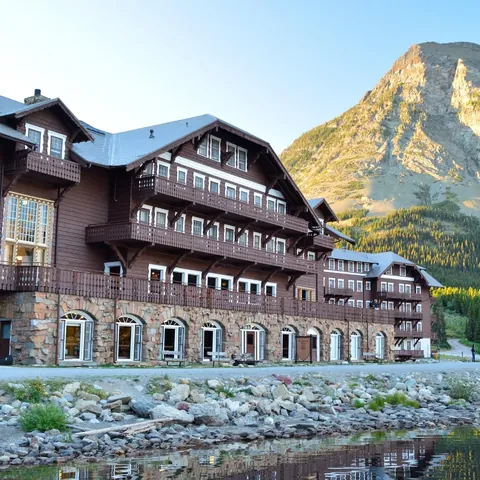
What stays open: the West entrance (year-round), the St. Mary entrance on the east (technically open but with almost nothing operating behind it in deep snow), and the lower stretch of Going-to-the-Sun Road that the park plows to Lake McDonald Lodge. The Apgar Visitor Center is generally open weekends in winter, with restrooms available daily. That's about it for "services."
Is Going-to-the-Sun Road open in winter?
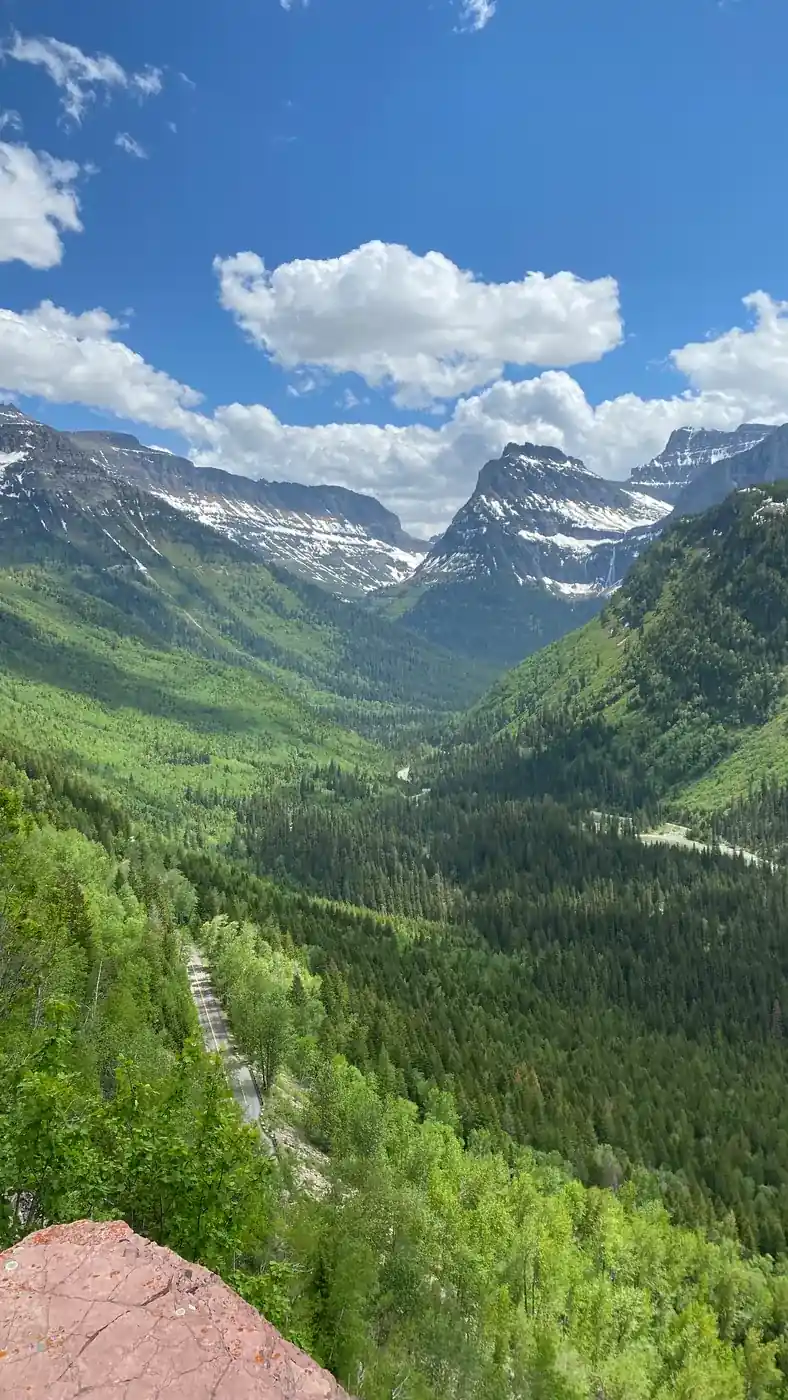
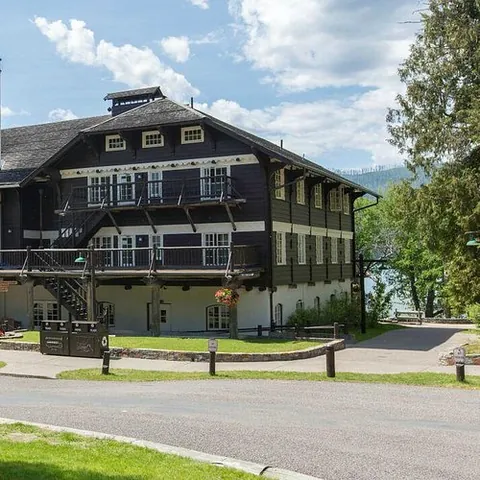
Only the very bottom. The park keeps Going-to-the-Sun Road plowed from the West Glacier entrance to Lake McDonald Lodge, an 11-mile stretch along the lake's west shore. Beyond the lodge, the road is unplowed and gated for the season. That closed section isn't wasted, though, it becomes one of the best flat, scenic ski and snowshoe routes in the park.
The full alpine road, including Logan Pass at 6,646 feet, doesn't reopen until plowing finishes, typically late June or early July depending on snowpack. So if you're picturing the famous cliff-hugging drive, that's a summer trip, not a winter one.
The West entrance stays open, the east side closes
This is the single most important thing to get right when planning. West Glacier, just off US Highway 2, is your reliable winter base. The east-side entrances, Two Medicine and Many Glacier, plus the Camas Road entrance, are seasonal and closed in winter (typically open only about May through October). St. Mary on the east is open in name, but the road system behind it is unplowed and the area is effectively dormant under deep snow.
Practically, that means almost every winter visitor comes in from the west. The towns of West Glacier and nearby Whitefish and Columbia Falls are where you'll find open lodging, gas, and food.
What can you actually do in Glacier in winter?
The park leans almost entirely on human-powered snow travel. Here's what's realistic and rewarding:
- Cross-country skiing on the closed Going-to-the-Sun Road beyond Lake McDonald Lodge, a gentle, low-grade route with lake and mountain views.
- Snowshoeing the Apgar area trails, including flat loops near Apgar Village and along the McDonald Creek corridor, good for beginners.
- Free ranger-led snowshoe walks on weekends, departing from the Apgar Visitor Center and lasting about two hours. Snowshoe rentals at the program are about $2. The walks generally run on Saturdays and Sundays from early-to-mid January through mid-March, and are canceled when the West Glacier forecast drops below about 10°F or in bad weather.
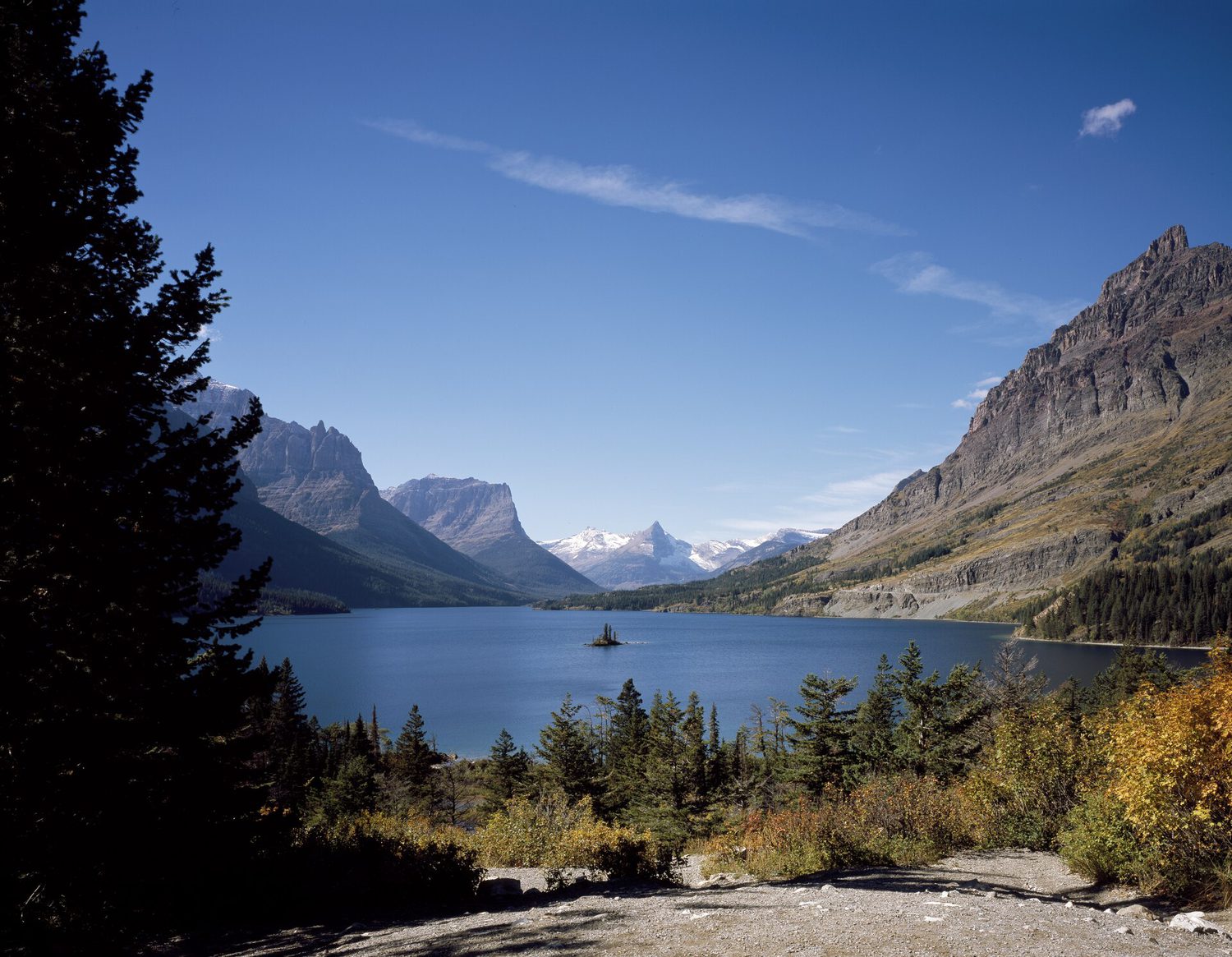
- Lake McDonald sightseeing and photography from the plowed road, the iconic colored rocks and still water against snowy peaks are stunning and require zero effort.
- Wildlife and tracks, winter is a good time to spot animal tracks, and occasionally deer, elk, or birds along the lower valley.
Note that snowmobiling is not allowed inside the park, and lake ice is never guaranteed safe, stay off it.
How do you get to Glacier in winter?
Fly into Glacier Park International Airport (FCA) near Kalispell. From there it's roughly 25-30 miles to the West Glacier entrance via US-2, about a 30-45 minute drive in good conditions. Whitefish is about 15 minutes north of the airport and makes a popular winter base, with the added bonus of Whitefish Mountain Resort for downhill skiing.
From the West Glacier entrance, you can drive the plowed 11 miles to the Lake McDonald Lodge area in good conditions in roughly 20-25 minutes, slower if it's snowing. Carry chains or have proper snow tires; Montana mountain roads can ice over fast, and the park does not maintain roads to interstate standards. Amtrak's Empire Builder also stops at West Glacier, a genuinely scenic way to arrive without driving.
What's the weather like, and how do I stay safe?
Cold and serious. Daytime highs at the valley floor often sit in the teens to low 30s°F, and nights can drop below zero during cold snaps. Snow is deep and days are short, so plan to be done well before the early dusk.
Safety basics I'd insist on:
- Tell someone your plan. There's no cell service in most of the park, so a turnaround time and a check-in contact matter more than usual.
- Know avalanche terrain. The flat lower routes (the road, Apgar) are low-risk, but anything in steeper backcountry requires avalanche training, a beacon, shovel, probe, and a current forecast.
- Dress in layers and pack the basics: insulated boots, traction or snowshoes, water that won't freeze instantly, food, a headlamp, and an emergency layer. Hypothermia is the real winter hazard here, not bears.
- Don't trust lake or creek ice. It's almost never reliably frozen through.
- Check current conditions on the park's website before you go, road plowing status and program schedules change with the weather.
How is winter different from summer at Glacier?
Almost everything. Summer Glacier is crowded and fully open, with the whole Going-to-the-Sun Road, shuttles, lodges, ranger programs, and dozens of high-country trails. Winter Glacier is solitude: you'll often have a snowy lakeshore practically to yourself. The trade-off is access, you lose most of the park's road network and the entire alpine zone, and you gain a slow, peaceful, free experience that most summer visitors never see.
If your goal is Logan Pass, the Highline Trail, or Many Glacier's classic peaks, come July through September. If you want quiet, snow, and a genuinely wild feel without crowds or fees, winter is the hidden version of the park.
Do you need a permit or pay a fee in winter?
Generally no. Glacier's entrance fee is collected seasonally, and in deep winter the West entrance is typically not staffed, so entry is usually free. The summer vehicle reservation system for Going-to-the-Sun Road does not apply in winter. Backcountry overnight trips still require a wilderness permit, but for day skiing and snowshoeing around Apgar and the lower road, you can simply show up. Always double-check current fee status on the park site, since dates shift year to year.
A realistic one-day winter plan
Arrive at West Glacier mid-morning when it's warmest. Stop at the Apgar Visitor Center for restrooms and the latest conditions, and if it's a weekend, join the ranger-led snowshoe walk. Drive the plowed road to the Lake McDonald Lodge area for photos. In the afternoon, snowshoe or ski a stretch of the closed Going-to-the-Sun Road beyond the lodge, turn around with plenty of daylight to spare, and head back to Whitefish or Columbia Falls for a warm dinner. Simple, free, and unforgettable.
Glacier National Park in Winter: A Real Guide to What's Open FAQs
Only the lower 11 miles of Going-to-the-Sun Road, from the West Glacier entrance to Lake McDonald Lodge, are plowed and drivable. The rest of the park's roads, including the alpine section over Logan Pass, are closed and unplowed until late June or early July.
Usually not. In deep winter the West entrance is typically unstaffed and entry is free, and the summer Going-to-the-Sun Road vehicle reservation system doesn't apply. Backcountry overnight trips still need a wilderness permit. Confirm current fee status on the park's website before your trip.
The West entrance (year-round), the plowed road to Lake McDonald Lodge, the Apgar Visitor Center on weekends, and its restrooms daily. Cross-country skiing and snowshoeing around Apgar and the closed road are open. Lodges, restaurants, shuttles, and the east-side entrances are closed.
Yes. Free ranger-led snowshoe walks depart from the Apgar Visitor Center on Saturdays and Sundays, last about two hours, and offer snowshoe rentals for about $2. They typically run from early-to-mid January through mid-March and are canceled below about 10°F or in bad weather, so check the schedule first.
You can drive and see the lowest 11 miles along Lake McDonald, but the famous alpine cliffs and Logan Pass are closed and snow-covered. The unplowed upper road becomes a popular ski and snowshoe route. To drive the full road, plan a trip for July through September.
Largely no. Two Medicine, Many Glacier, and the Camas Road entrances are seasonal and closed in winter. St. Mary is technically open but the roads behind it are unplowed and the area is effectively dormant. Nearly all winter visitors enter from the west at West Glacier.