Louisiana Wetlands Circuit: A 10-Day Itinerary
One state, swamps, marshes & Cajun country, all in south Louisiana.
A 10-day loop through south Louisiana's bayous and Cajun country: Atchafalaya Basin airboats, Lake Martin's cypress swamp, Jean Lafitte, New Orleans, Avery Island, the Creole Nature Trail, Kisatchie, and Grand Isle.
“I’ve requested to book a Chain Lakes Loop guide on ExplorOFF, and it was the best idea ever! I highly recommend going with their guided option since you get a real human connection on the trail and don’t have to worry about a thing. Yulia was great to talk to!”
 33 stops on a real mapEvery stop pinned in order→
Louisiana Wetlands: every stop pinned in order.
Atchafalaya Basin, Lake Martin, the Creole Nature Trail & Grand Isle · South Louisiana
Every stop on this trip, in order, opens as one driving route in the Google Maps app. No copying addresses across one at a time.
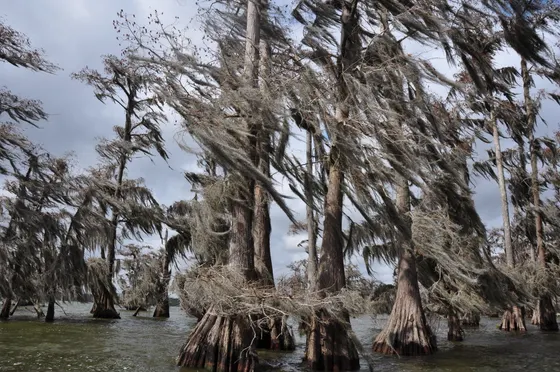
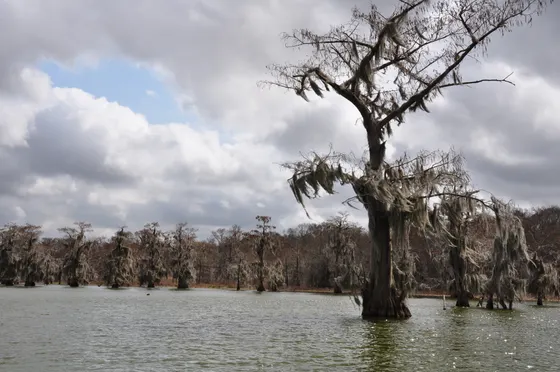
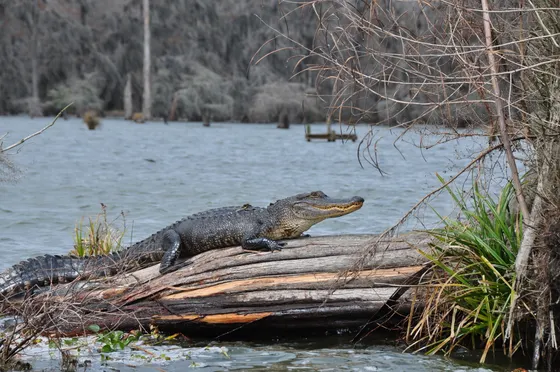
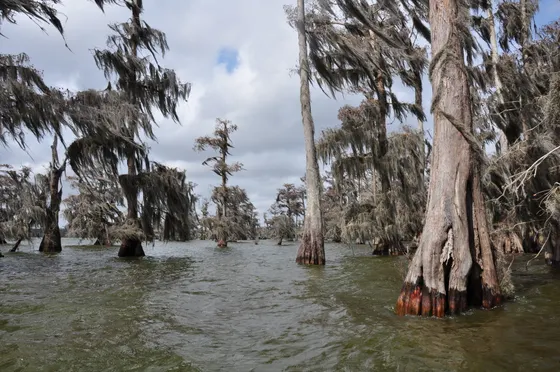
Louisiana Wetlands in photos: 5 of the stops.
Plan and book your 10 days in Louisiana Wetlands, one step at a time
How 10 days in Louisiana Wetlands split up
Plan 10 days for Louisiana Wetlands. Total distance: ~750 mi. Difficulty: Easy. Wildlife: Gators & birds. South Louisiana is a water world. Below Interstate 10 the land dissolves into bayous, cypress-tupelo swamps, and Gulf marshes that stretch to the horizon, stitched together by Cajun and Creole towns where the food, the music, and the accents are unlike anywhere else in America. This 10-day loop is a true louisiana swamp tour itinerary, built around the best wetlands the state has, with airboats, boardwalks, and birding rookeries at every turn.
Day 1: Arrive New Orleans · City Park & the bayou
4 stops · Day one
Day 2: Jean Lafitte · Barataria Preserve boardwalks
4 stops · Day two
Day 3: New Orleans to Houma · into bayou country
3 stops · Day three
Day 4: Houma to Lafayette · the Atchafalaya Basin
3 stops · Day four
Day 5: Lake Martin & Breaux Bridge · cypress rookery
4 stops · Day five
Day 6: Avery Island · Tabasco & Jungle Gardens
3 stops · Day six
Day 7: The Creole Nature Trail · Gulf marshes & gators
3 stops · Day seven
Day 8: Kisatchie National Forest · longleaf pine
3 stops · Day eight
Day 9: Grand Isle · the Gulf barrier island
3 stops · Day nine
Day 10: Back to New Orleans · last bayou & fly out
3 stops · Day ten
Arrive New Orleans · City Park & the bayou
Fly into New Orleans (MSY) and ease into the trip in the city itself, which sits in a bowl below sea level wrapped in water. Spend the afternoon in City Park, 1,300 acres of moss-draped live oaks, lagoons, and Bayou Metairie, then wander the historic neighborhoods and eat your first proper bowl of gumbo. New Orleans is the wettest big city in America, and it makes the perfect soft landing before you head into the swamps.
Not the order you want? Drag a stop, or use the arrows beside it. Stops move between days too.
- Arrive
Fly in · pick up the rental car · DriveFly into New Orleans (MSY) and pick up a rental car; this loop is entirely a road trip through bayou and marsh country. The city sits in a bowl below sea level, wrapped in water, and makes the perfect soft landing before you head into the swamps.
 City Park & Bayou Metairie
Moss-draped oaks & lagoons · ViewpointSpend the afternoon in City Park, 1,300 acres of moss-draped live oaks, lagoons, and Bayou Metairie. It holds the largest stand of mature live oaks in the world, many draped in Spanish moss right in the middle of the city, and it is free to wander.
- Bayou St. John
Slow tidal bayou · walk or paddle · ViewpointWalk or paddle a stretch of Bayou St. John, the slow tidal waterway that threads from City Park toward Lake Pontchartrain and gave the early city its back door to the Gulf. Get to bed early, because the best wildlife and calmest water are first thing in the morning.
 Daniel Hartwig / CC BY 2.0Stay in New Orleans
First of three city nights · lodgeBase in New Orleans for the first three nights. From here you can easily day-trip south to the Barataria Preserve and explore the city itself, then push west into Cajun country. Rates spike hard around Mardi Gras, Jazz Fest, and big events, so book those nights early.
Jean Lafitte · Barataria Preserve boardwalks
Drive about 40 minutes south of the city to the Barataria Preserve, the wetlands unit of Jean Lafitte National Historical Park and Preserve. Nine miles of boardwalks and trails carry you through hardwood forest, cypress swamp, and freshwater marsh, the same drowned delta country that once hid the pirate Jean Lafitte. It is the easiest, closest place to walk straight into a real Louisiana swamp without getting on a boat.
Not the order you want? Drag a stop, or use the arrows beside it. Stops move between days too.
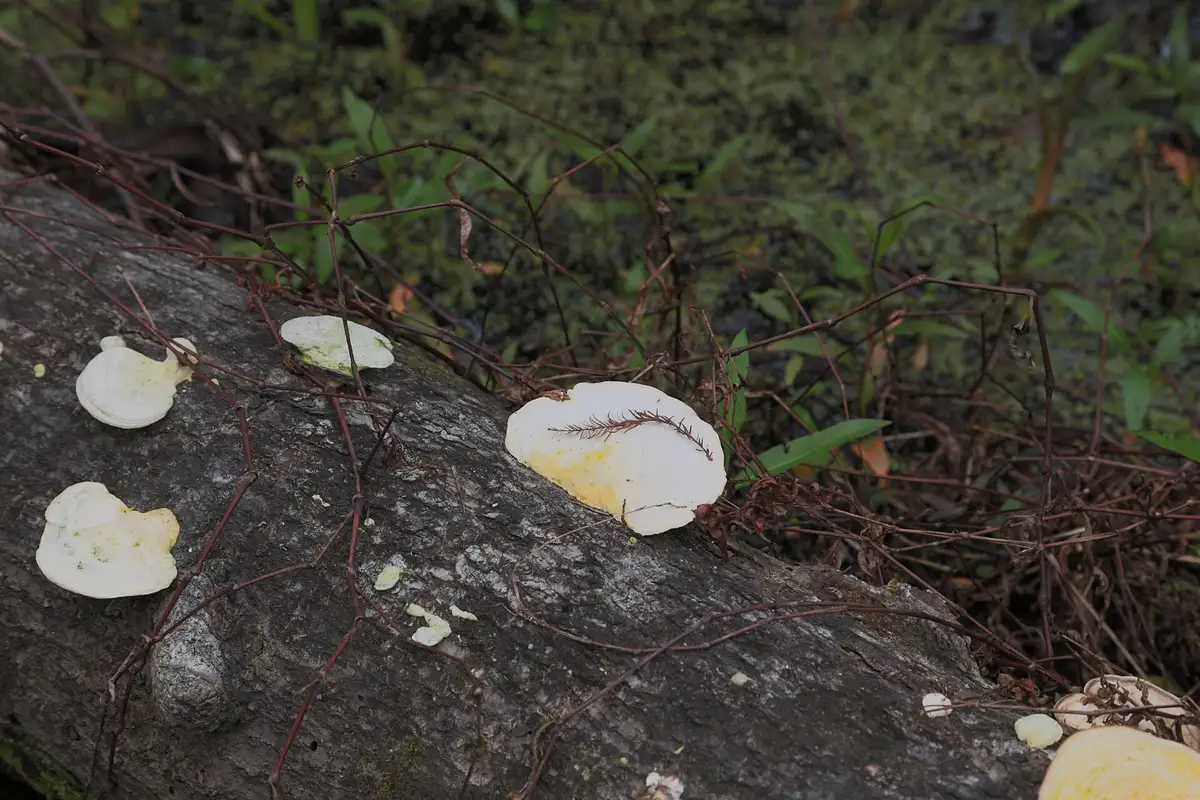 John Cummings / CC BY-SA 3.0Barataria Preserve · Jean Lafitte NHP
~9 mi of boardwalks & swamp trails · ViewpointDrive about 40 minutes south to the Barataria Preserve, the wetlands unit of Jean Lafitte National Historical Park. Nine miles of boardwalks and trails carry you through hardwood forest, cypress swamp, and freshwater marsh, the easiest place to walk straight into a real Louisiana swamp.
Official info →- Swamp boat tour from Marrero
~1 hr 40 min · covered boat · 4.9 from 2,288 reviews · activityOn the drive down Barataria Boulevard to the preserve, get out on the water: this covered-boat swamp tour leaves from 9706 Barataria Blvd in Marrero and drifts the bayous for about an hour and forty minutes, past a 2,000-year-old Indian burial mound and the bayou communities where the waterways are still the highways. Arrive 20 minutes early; boats leave on time.
Book this → - Bayou Coquille & Marsh Overlook
Boardwalk loop · gators & wading birds · HikeWalk the Bayou Coquille and Marsh Overlook trails quietly and early. These boardwalks are prime alligator and wading-bird habitat, with good chances of gators, herons, egrets, and turtles. Stay on the boardwalks, keep your distance from gators, and never feed them.
- Second night in New Orleans
Same base · French Quarter evening · lodgeHead back to the city for the night and spend the evening in the French Quarter or catch live music. Keep the same New Orleans base so there is no packing up before your early swamp-tour days out west.
New Orleans to Houma · into bayou country
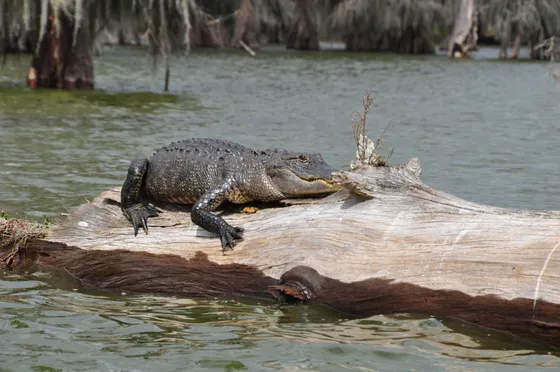
Leave New Orleans and drive about an hour southwest to Houma, the heart of bayou country where the land truly gives way to water. This stretch of Terrebonne and Lafourche parishes is laced with bayous, and it is the classic place to take a slow, narrated swamp boat tour through the cypress and Spanish moss, watching for alligators basking on the banks.
Not the order you want? Drag a stop, or use the arrows beside it. Stops move between days too.
- Drive New Orleans to Houma
~1 hr · into bayou country · DriveLeave New Orleans and drive about an hour southwest to Houma, the heart of bayou country where the land truly gives way to water. This stretch of Terrebonne and Lafourche parishes is laced with bayous and working Cajun water communities.
 Z28scrambler / CC BY-SA 3.0Houma swamp boat tour
Narrated bayou cruise · cypress & gators · activityTake a slow, narrated swamp boat tour through the cypress and Spanish moss around Houma, watching for alligators basking on the banks. Morning tours are cooler, calmer, and far better for spotting wildlife than afternoon ones, especially in the warm months.
 Stay in Houma
Island lodging is thin · base in Houma · lodgeGrand Isle lodging is limited and fills for fishing rodeos, the spring Migratory Bird Festival, and summer weekends, so this plan day-trips the island and drives back up LA 1 to Houma (about 1.5 hours) for the night. If you can find an island camp rental, stay on Grand Isle instead.
Houma to Lafayette · the Atchafalaya Basin
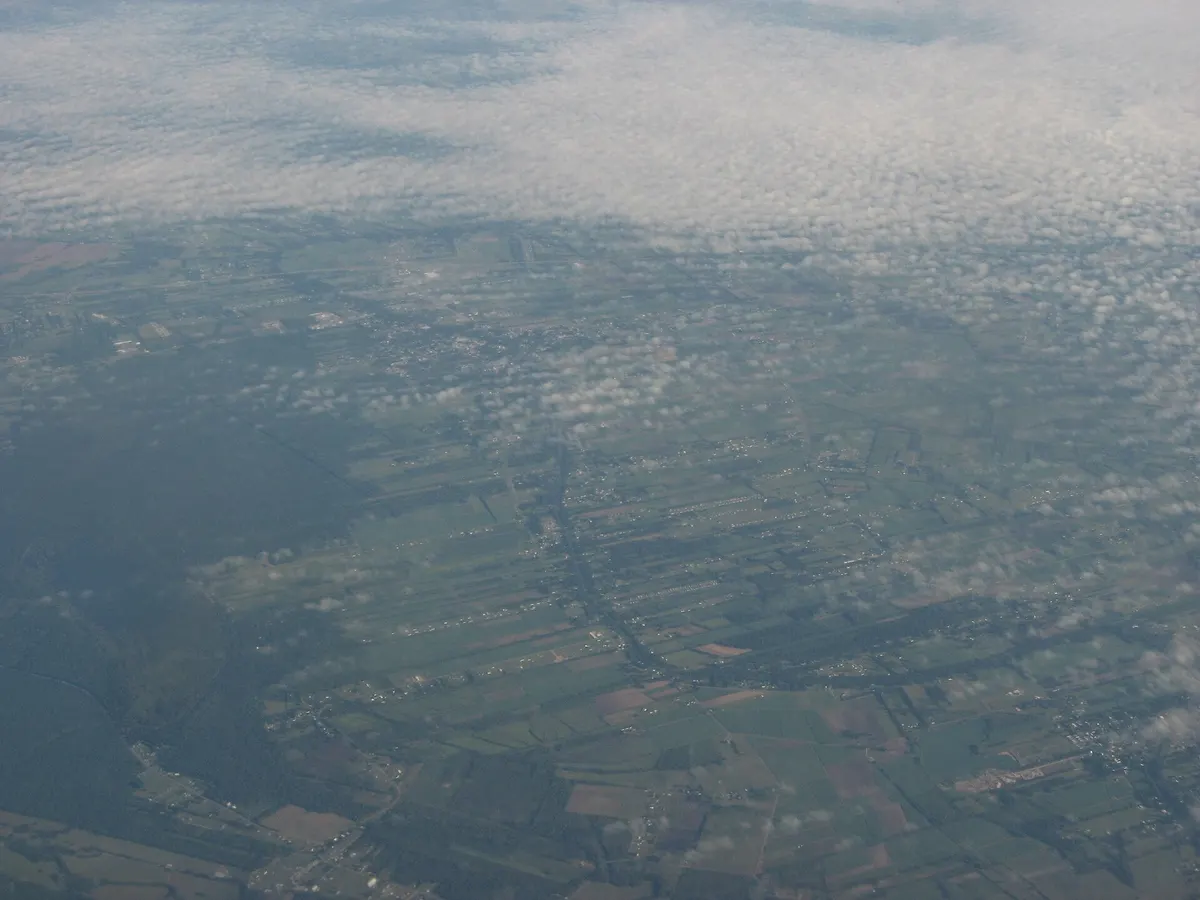
Drive northwest into the Atchafalaya Basin, the largest river swamp in the United States and the wild green heart of this whole trip. Nearly a million acres of bottomland hardwood, cypress-tupelo swamp, and bayou spread out where the Atchafalaya River carries a third of the Mississippi's water to the Gulf. It is one of the great wetlands of North America, and the best way to feel its scale is from the water.
Not the order you want? Drag a stop, or use the arrows beside it. Stops move between days too.
 Basin Landing airboat & swamp tour
Atchafalaya from Henderson · book ahead · activityBook a swamp or airboat tour from Basin Landing at Henderson, on the Atchafalaya Basin's edge. An airboat skims you out across open water and back into flooded cypress where the moss hangs to the surface, with strong odds of alligators, herons, and egrets. Reserve ahead on busy weekends.
Book this →- Atchafalaya Basin
Largest river swamp in the US · ViewpointThe Atchafalaya Basin is the largest river swamp in the United States, nearly a million acres of bottomland hardwood, cypress-tupelo swamp, and bayou where the Atchafalaya River carries a third of the Mississippi's water to the Gulf. The Welcome Center near Butte La Rose is a good free stop for context.
 Christophe Landry / CC BY-SA 3.0Stay in Lafayette
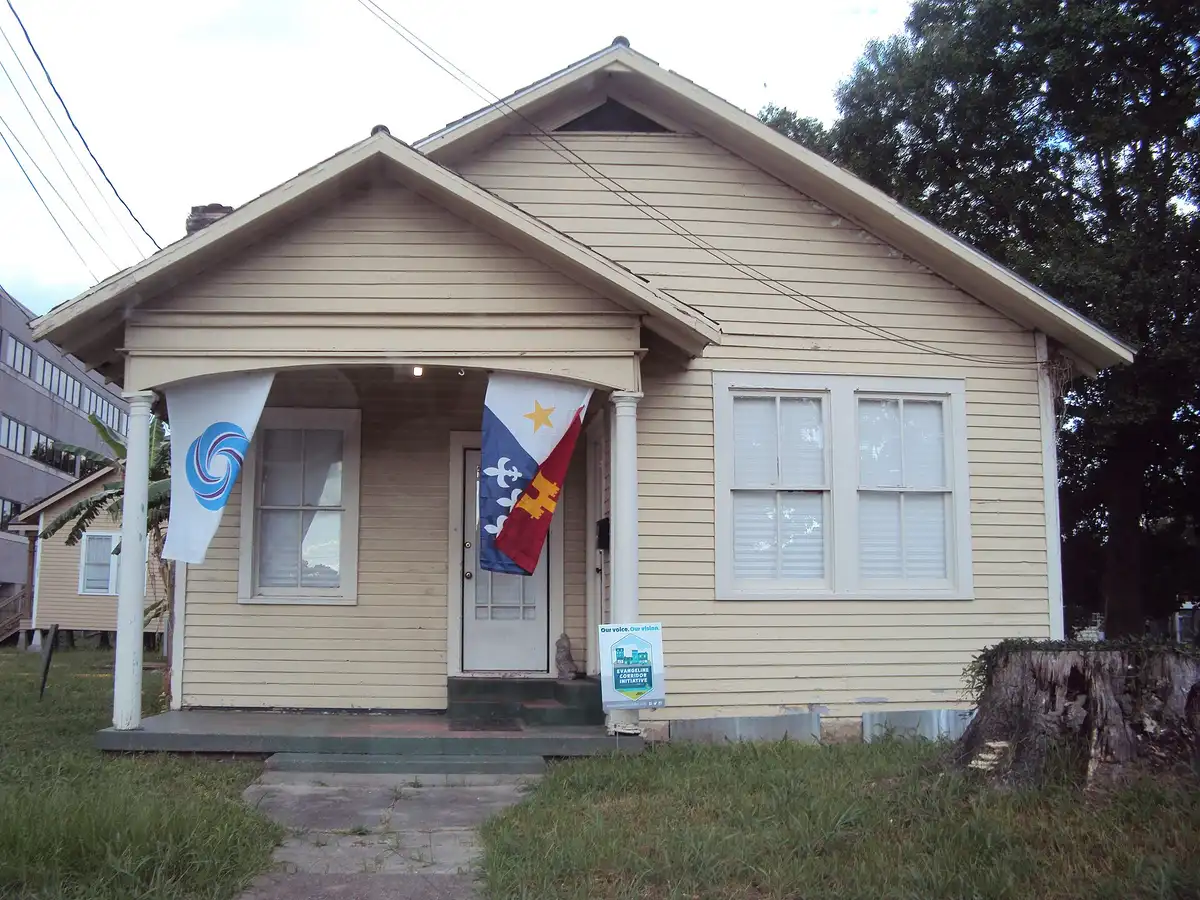
Capital of Cajun country · lodgeContinue into Lafayette, the capital of Cajun country and your base for the next several nights. It puts Lake Martin, Avery Island, and the Creole Nature Trail all within easy reach, with the best Cajun and Creole food and music in the state.
Lake Martin & Breaux Bridge · cypress rookery
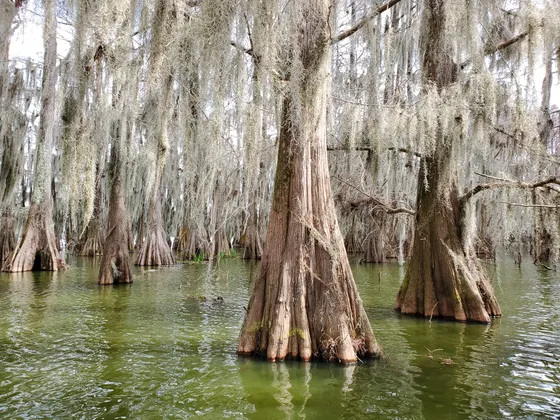
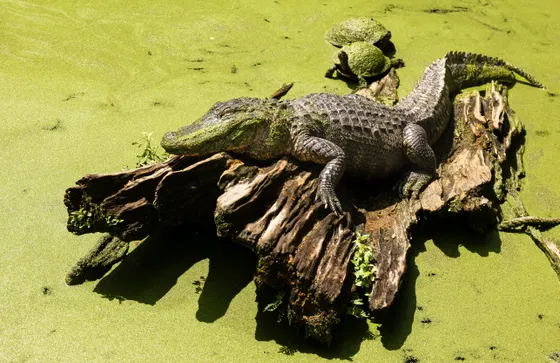
Just outside Breaux Bridge, Lake Martin is one of the most beautiful and accessible cypress-tupelo swamps in Louisiana, a small lake ringed by bald cypress where you can walk a levee trail right at the water's edge. In late winter and spring it hosts a major wading-bird rookery, with thousands of egrets, herons, and roseate spoonbills nesting in the cypress over water full of alligators.
Not the order you want? Drag a stop, or use the arrows beside it. Stops move between days too.
- Lake Martin cypress swamp
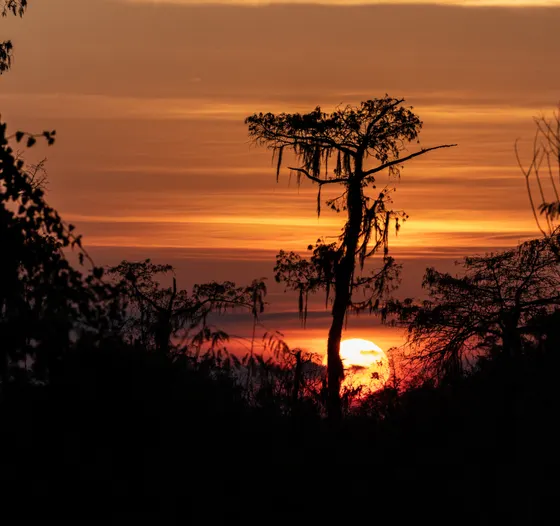
Bald cypress lake · levee walk · ViewpointJust outside Breaux Bridge, Lake Martin is one of the most beautiful and accessible cypress-tupelo swamps in Louisiana, a small lake ringed by bald cypress with a levee trail right at the water's edge. An early morning boat tour or a walk along the rookery road gives some of the best swamp photography in the state.
 Ken Lund from Reno, Ne / CC BY-SA 2.0Wading-bird rookery
Egrets, herons & roseate spoonbills · ViewpointIn late winter and spring Lake Martin hosts a major wading-bird rookery, with thousands of egrets, herons, and roseate spoonbills nesting in the cypress over water full of alligators. The rookery road closes seasonally to protect nesting birds, so check access and use the levee trail and boat tours.
 Maren / CC BY 2.0Boudin & a zydeco hall
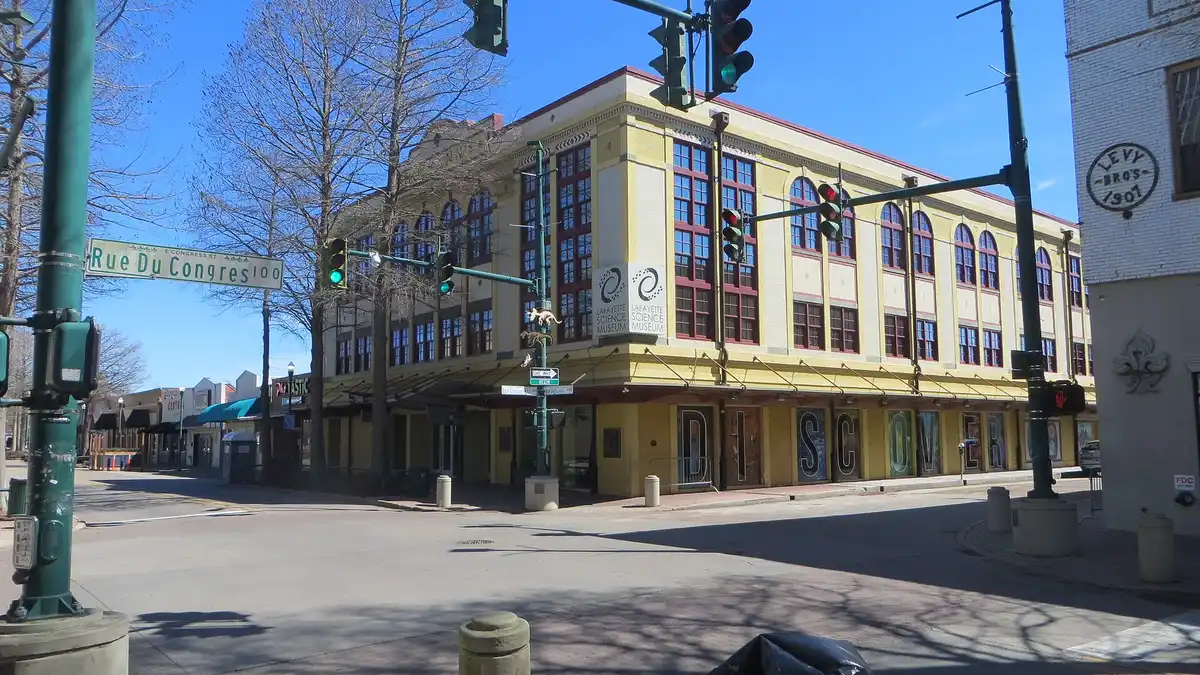
Breaux Bridge & Lafayette · Cajun culture · customSpend the afternoon in Breaux Bridge and Lafayette soaking up Cajun and Creole culture, from a plate of boudin to a zydeco dance hall. Try real boudin from a meat market or gas station deli, the classic way, and look for an afternoon Cajun or zydeco dance.
 David Wilson / CC BY 2.0Second night in Lafayette
Same Cajun base · lodgeStay a second night in Lafayette so you can hit Lake Martin at dawn and explore Cajun country without packing up. It keeps you central for Avery Island and the Creole Nature Trail on the days ahead.
Avery Island · Tabasco & Jungle Gardens
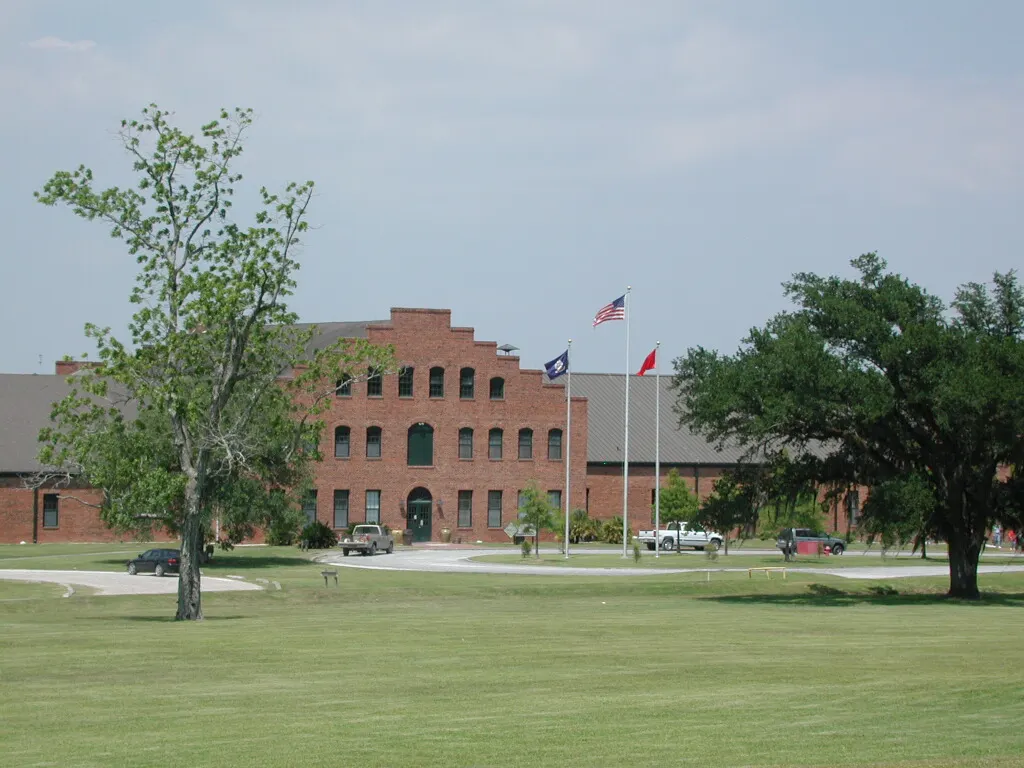
Head about 30 minutes south of Lafayette to Avery Island, a salt-dome island rising out of the marsh that is home to the Tabasco factory and the lush Jungle Gardens. Tour how the famous pepper sauce is made and aged, then drive the gardens' quiet roads through bamboo, live oaks, and lagoons that wind down to Bird City, an egret rookery the McIlhenny family founded to save the snowy egret from plume hunters more than a century ago.
Not the order you want? Drag a stop, or use the arrows beside it. Stops move between days too.
- Tabasco factory tour
Avery Island salt dome · ViewpointHead about 30 minutes south of Lafayette to Avery Island, a salt-dome island rising out of the marsh, home to the Tabasco factory. Tour how the famous pepper sauce is made and aged. A small combined ticket also covers the Jungle Gardens, and you can easily spend a half day on the island.
 Shane K. Bernard Skb87 / CC BY-SA 3.0Jungle Gardens & Bird City
Historic egret rookery & lagoons · ViewpointDrive the Jungle Gardens' quiet roads through bamboo, live oaks, and lagoons down to Bird City, an egret rookery the McIlhenny family founded to save the snowy egret from plume hunters over a century ago. In spring thousands of egrets nest on platforms over the water; watch the lagoon edges for gators.
 25or6to4 / CC BY-SA 3.0Third night in Lafayette
Back to your Cajun base · lodgeReturn to Lafayette for the night, about 30 minutes each way. Keeping the same base means an easy, low-effort wildlife day on Avery Island without a hotel change before the bigger drives ahead.
The Creole Nature Trail · Gulf marshes & gators
Drive west to the Creole Nature Trail, an All-American Road that loops through the vast Gulf marshes of southwest Louisiana, sometimes called the state's outback. The route threads through several national wildlife refuges, including Cameron Prairie, where boardwalks and a wildlife drive put you among alligators, wading birds, and some of the best birding on the Gulf Coast.
Not the order you want? Drag a stop, or use the arrows beside it. Stops move between days too.
- Creole Nature Trail All-American Road
Loop through the Gulf marshes · DriveDrive west to the Creole Nature Trail, an All-American Road that loops through the vast Gulf marshes of southwest Louisiana, the state's outback. The route threads through several national wildlife refuges with wide skies, brackish water, and shorebirds by the thousand on migration. Fuel up and pack water.
- Cameron Prairie · Wetland Walkway
Boardwalk & wildlife drive · gators · HikeWalk the Wetland Walkway at Cameron Prairie National Wildlife Refuge, a short, flat boardwalk loop that is one of the most reliable places in the state to see wild alligators up close from a safe distance, plus a wildlife drive and some of the best birding on the Gulf Coast.
 David Wilson / CC BY 2.0Fourth night in Lafayette
After the marsh-country loop · lodgeAfter the long marsh-country loop, base for the night back in Lafayette or in Lake Charles, closer to the trail. Either way, fill your tank and carry water, because services and cell signal are thin out in the Creole Nature Trail marshes.
Kisatchie National Forest · longleaf pine
For a change of texture, drive north to Kisatchie National Forest, the only national forest in Louisiana, where the wetlands give way to rolling longleaf pine hills, sandstone bluffs, and clear creeks. The Kisatchie Ranger District and the Longleaf Vista area show off the rare pine-savanna country that once covered much of the Gulf South, with overlooks and trails that feel a world away from the bayous.
Not the order you want? Drag a stop, or use the arrows beside it. Stops move between days too.
- Kisatchie National Forest
Louisiana's only national forest · DriveDrive north to Kisatchie National Forest, the only national forest in Louisiana, where the wetlands give way to rolling longleaf pine hills, sandstone bluffs, and clear creeks. Check the forest site for trail and road conditions, since Kisatchie spans several scattered districts.
Official info → - Longleaf Vista & Wild Azalea Trail
Pine-savanna overlooks & trails · HikeHike the Longleaf Vista Trail or part of the Wild Azalea Trail, the state's longest, through rare pine-savanna country with overlooks, spring wildflowers, and good birding for woodpeckers and warblers. It is the highest, driest, most forested day of the loop, a reminder Louisiana is far more than swamp.
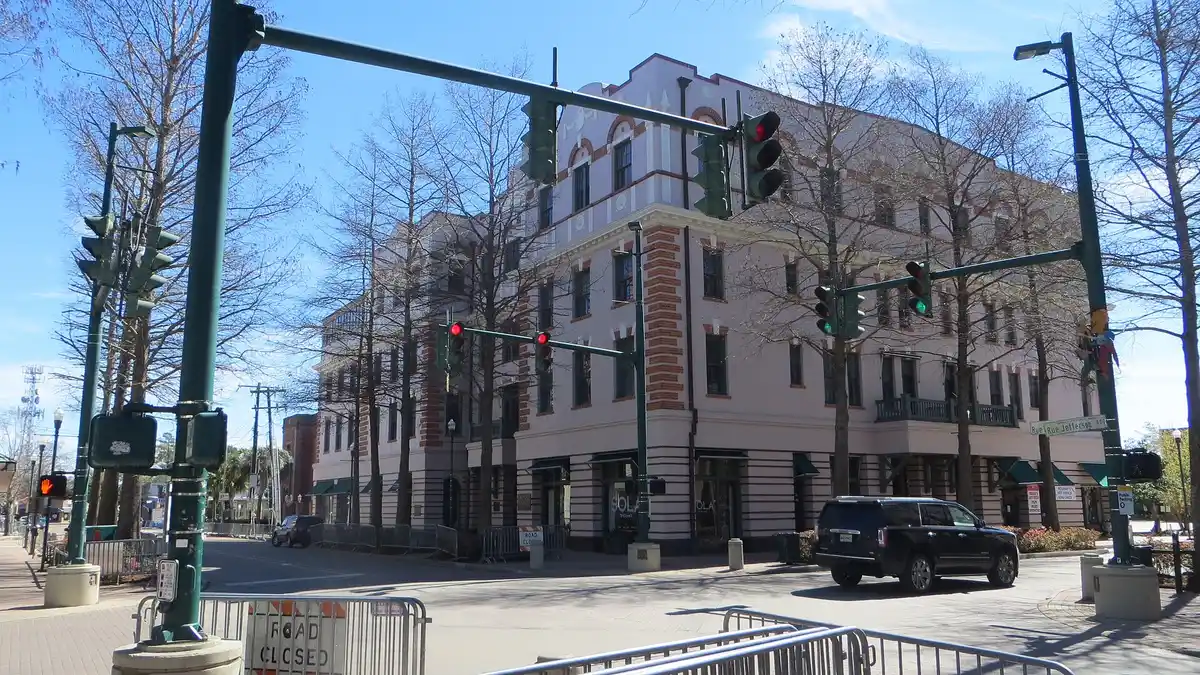 David Wilson / CC BY 2.0Fifth night in Lafayette
Start the swing back south · lodgeOvernight near the forest or drive back toward Lafayette as you start the swing back south. This pine-upland day is a good buffer if heat, bugs, or rain in the marsh have worn you down.
Grand Isle · the Gulf barrier island
Swing south and east to Grand Isle, Louisiana's only inhabited barrier island, a thin strip of sand and marsh at the very edge of the state where the bayous finally meet the open Gulf. The drive down Bayou Lafourche past shrimp boats and fishing camps is a journey through working Cajun coast, and the island itself is famous for its beaches, its fishing, and especially its birding.
Not the order you want? Drag a stop, or use the arrows beside it. Stops move between days too.
- Drive down Bayou Lafourche to Grand Isle
Shrimp boats & fishing camps · DriveSwing south to Grand Isle, Louisiana's only inhabited barrier island, where the bayous finally meet the open Gulf. The drive down Bayou Lafourche past shrimp boats and fishing camps is a journey through working Cajun coast. Check conditions on LA 1, which can flood, before committing.
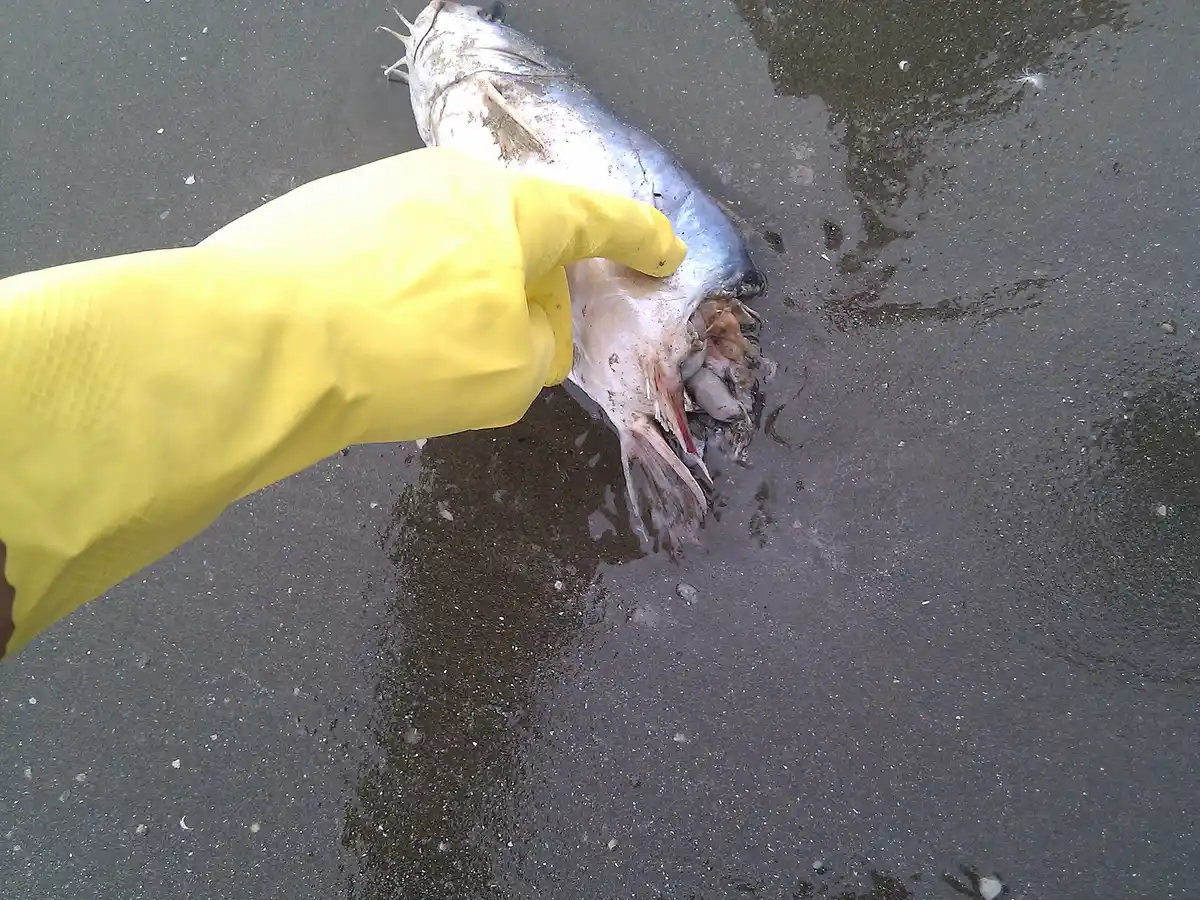 Jeff Warren / CC BY 2.0Grand Isle State Park birding
Spring migration in the oak groves · ViewpointWalk the beach and trails at Grand Isle State Park. In spring, time your visit for migration, when the island's live-oak groves fill with exhausted songbirds making landfall after crossing the Gulf, one of the great birding events in North America.
- Stay in Houma
Island lodging is thin · base in Houma · lodgeGrand Isle lodging is limited and fills for fishing rodeos, the spring Migratory Bird Festival, and summer weekends, so this plan day-trips the island and drives back up LA 1 to Houma (about 1.5 hours) for the night. If you can find an island camp rental, stay on Grand Isle instead.
Back to New Orleans · last bayou & fly out
Close the loop with the drive back up to New Orleans, roughly two to three hours from Grand Isle depending on stops. If your flight allows, fit in one last short bayou walk or a final plate of gumbo and a beignet in the city before you head to the airport. Ten days in, you will read the water and the moss-hung trees very differently than you did on day one.
Not the order you want? Drag a stop, or use the arrows beside it. Stops move between days too.
- Drive Houma to New Orleans
~1 hr · US 90 east · DriveClose the loop with the hour-long drive from Houma back to New Orleans on US 90. Build in extra time if you detour through the bayou roads, which can flood on high tides or after rain.
- Last gumbo & a beignet
A final bayou walk if time allows · customIf your flight allows, fit in one last short bayou walk or a final plate of gumbo and a beignet in the city before the airport. New Orleans food is a fitting end to a trip built around water and Cajun-Creole culture.
- Fly out: MSY or LFT
New Orleans, or Lafayette if reversed · DriveFly out of New Orleans (MSY), or, if you ran the loop the other direction, from Lafayette (LFT). Leave a comfortable cushion for the drive up from the coast. From swamp to marsh to pine and back, you have traced the full sweep of wet Louisiana.
Book the 9 nights
Beds near the trailheads are the one thing on this trip that genuinely runs out. Everything else can be decided later.
Tell us your dates and we will do the checking. We find what is still open near each trailhead and email you this plan back with a booking link for each night. Nothing is charged and you decide at the end.
Request to bookWhat to pack for Louisiana Wetlands
Built from this route, not a generic list. Every line says why it is here.
On every day of this trip
On your feet
Because you are sleeping indoors
For the driving days
What we actually learned in the bayou.
Go October through April
South Louisiana heat and humidity are intense, and summer is brutal and buggy out on the water. October through April brings comfortable days, fewer mosquitoes, and the best wildlife viewing. Spring adds nesting birds at the rookeries; winter is mild, quiet, and surprisingly good in the marsh.
Watch the hurricane forecast
Hurricane season runs June through November. If you travel in late summer or fall, watch the tropical forecast closely, especially for coastal stops like Grand Isle and the Creole Nature Trail, and keep a flexible day or two in case a system moves in.
Take morning swamp tours
Book swamp and airboat tours for early morning when the water is calm, the air is cooler, and alligators and wading birds are most active and visible. Reserve ahead on spring and fall weekends, when the popular Atchafalaya tours from Henderson sell out.
Pack for bugs and sun
Mosquitoes are a constant in the wetlands, even on cool days, so bring strong repellent and lightweight long sleeves. Add sunscreen, a hat, and sunglasses for open-water airboat runs and the exposed Gulf marshes, where there is almost no shade.
Plan for long, remote drives
The Creole Nature Trail, the lower bayous, and Grand Isle involve long stretches with few services and thin cell signal. Fuel up, carry water and snacks, and download offline maps. Coastal roads like LA 1 can flood, so check conditions before you commit to the drive.
Respect the wildlife
Alligators are wild and common here. Never feed or approach them, keep a safe distance on boardwalks and levees, and watch children and pets near the water. At the bird rookeries, stay back from nesting colonies so you do not disturb them, and follow seasonal closures.
Louisiana Wetlands: questions before you go
Louisiana Wetlands road trip: the questions people ask most.
A great Louisiana swamp tour itinerary loops through south Louisiana over about ten days, basing in New Orleans, Lafayette, and Houma. The wetlands highlights are an Atchafalaya Basin airboat tour from Henderson, the cypress swamp and bird rookery at Lake Martin near Breaux Bridge, the Barataria Preserve boardwalks at Jean Lafitte, Avery Island, the Creole Nature Trail and Cameron Prairie in the Gulf marshes, Kisatchie National Forest, and Grand Isle on the coast.
Ten days lets you see the full range without rushing: the cypress swamps of the Atchafalaya and Lake Martin, the boardwalks at Jean Lafitte, the Gulf marshes of the Creole Nature Trail, the pine uplands of Kisatchie, and the barrier-island birding of Grand Isle, with Cajun and Creole food and music woven through. If you only have a long weekend, base near Lafayette and focus on the Atchafalaya Basin and Lake Martin.
October through April is the prime window. The heat and humidity are far more bearable, mosquitoes are fewer, and wildlife is active. Spring is especially good for the wading-bird rookeries at Lake Martin and Avery Island and for songbird migration on Grand Isle. Summer is brutally hot and buggy on the water, and hurricane season runs June through November, so plan around the tropical forecast.
The Atchafalaya Basin, the largest river swamp in the United States, is the classic choice, and airboat and swamp tours run from Basin Landing at Henderson on the basin's edge. Lake Martin near Breaux Bridge is a beautiful cypress-tupelo swamp with a major bird rookery, and Houma is the heart of bayou country for traditional boat tours. Booking a morning tour ahead of time gives you the calmest water and the best wildlife.
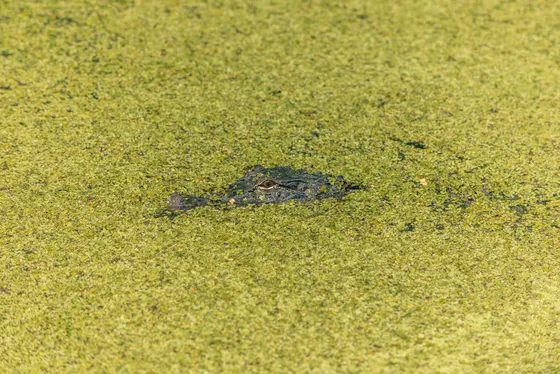
Almost certainly, in warm weather. Alligators are common throughout south Louisiana's swamps and marshes, and you have strong odds on an Atchafalaya airboat tour, at Lake Martin, on the Jean Lafitte boardwalks, in the Avery Island lagoons, and especially on the Wetland Walkway at Cameron Prairie. They are least active on cold winter days, when they may be hidden, so manage expectations in December and January.
You can do both. Boardwalks and levee trails at the Barataria Preserve, Lake Martin, and Cameron Prairie let you walk straight into the wetlands and see gators and birds on foot. A guided airboat or swamp-boat tour, though, reaches deep into the Atchafalaya and the bayous where no trail goes, and a narrated tour adds a lot of context, so most trips combine the two.
Bring strong insect repellent and lightweight long sleeves, because mosquitoes are a constant even on cool days. Add sunscreen, a hat, and sunglasses for open-water airboat runs and the exposed Gulf marshes, plus water, snacks, and a full tank of gas for the long remote drives on the Creole Nature Trail and down to Grand Isle. Binoculars and a bird guide pay off everywhere on this route.
New Orleans (MSY) is the most convenient gateway and the natural start and end of the loop. Lafayette (LFT) is a good alternative if you would rather begin in Cajun country and run the route in reverse, ending your wetlands days closer to your flight home. Either way you will want a rental car, since this trip is entirely a road trip through bayou and marsh country.
In the warm months they are relentless. The Atchafalaya Basin and the coastal bayous run hot and humid from May through September, with clouds of aggressive mosquitoes and biting deer flies out on the water. Running the loop between November and March avoids the worst of them, and treating your clothing and gear with permethrin ahead of time, on top of skin repellent, makes a big difference on the boardwalks and the airboat runs.
Yes. Tell us your dates and we check what is still open for the plan on this page, then send it back with a booking link for each night and the total. Nothing is charged and nothing is held, and you pay the normal rate.
Pick how you want to go.
Same 10-day route. Same 17 stops.
- 2 nights, a campsite near New Orleans
- $44
- 1 night, a campsite near Houma
- $22
- 5 nights, a campsite near Lafayette
- $110
- 1 night, a campsite near Houma
- $22
- Swamp boat tour (Marrero)
- $70
- Basin Landing airboat & swamp tour
- Priced when you book
- 2 nights, a room in New Orleans
- from $250
- 1 night, a room in Houma
- from $67
- 5 nights, a room in Lafayette
- from $270
- 1 night, a room in Houma
- from $67
- Swamp boat tour (Marrero)
- $70
- Basin Landing airboat & swamp tour
- Priced when you book
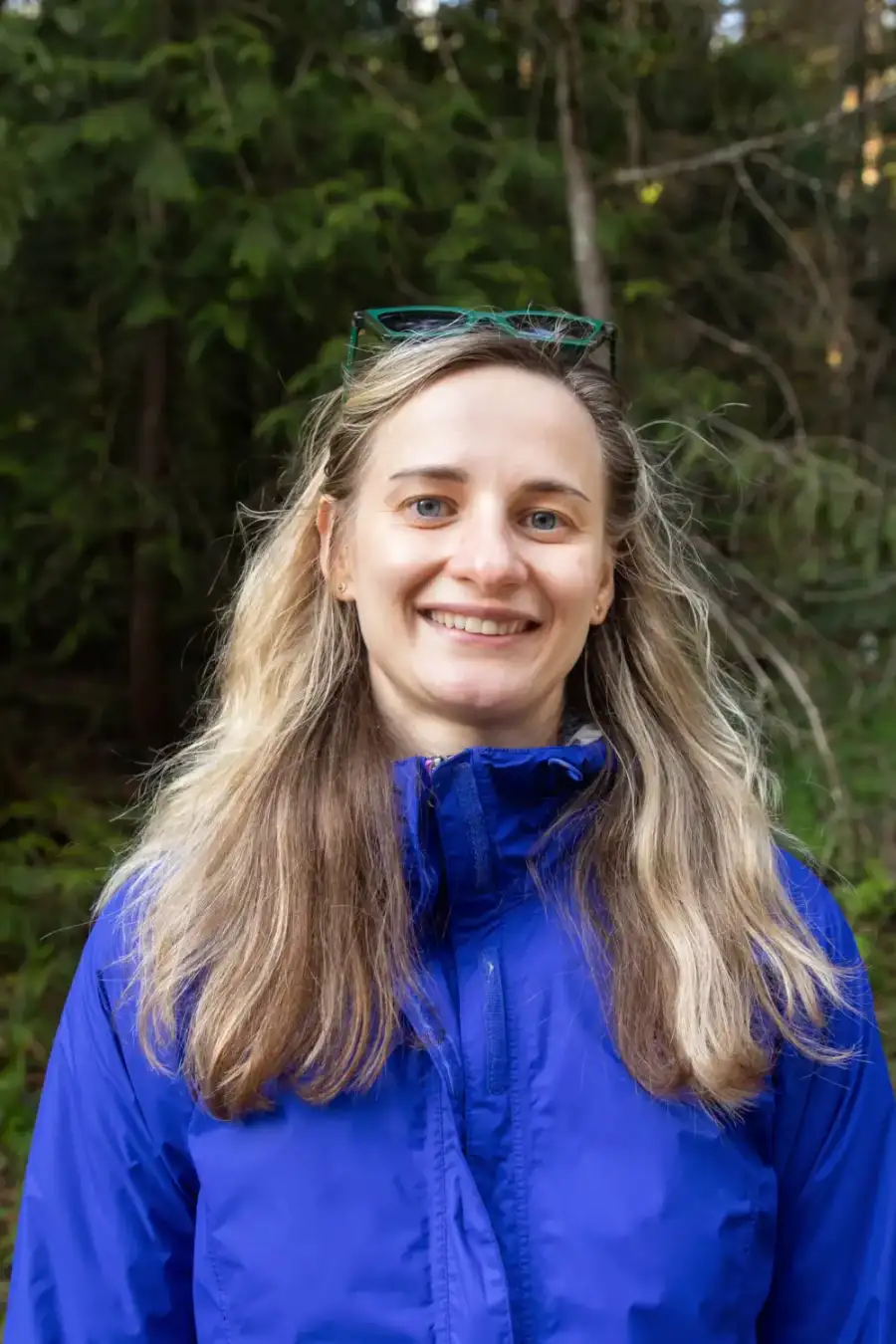
- A private local guide, rooms and campsites booked
- Included
- Airport pickup and every drive
- Included
- Park, permit and campsite fees paid
- Included
- All the gear and the trail meals
- Included
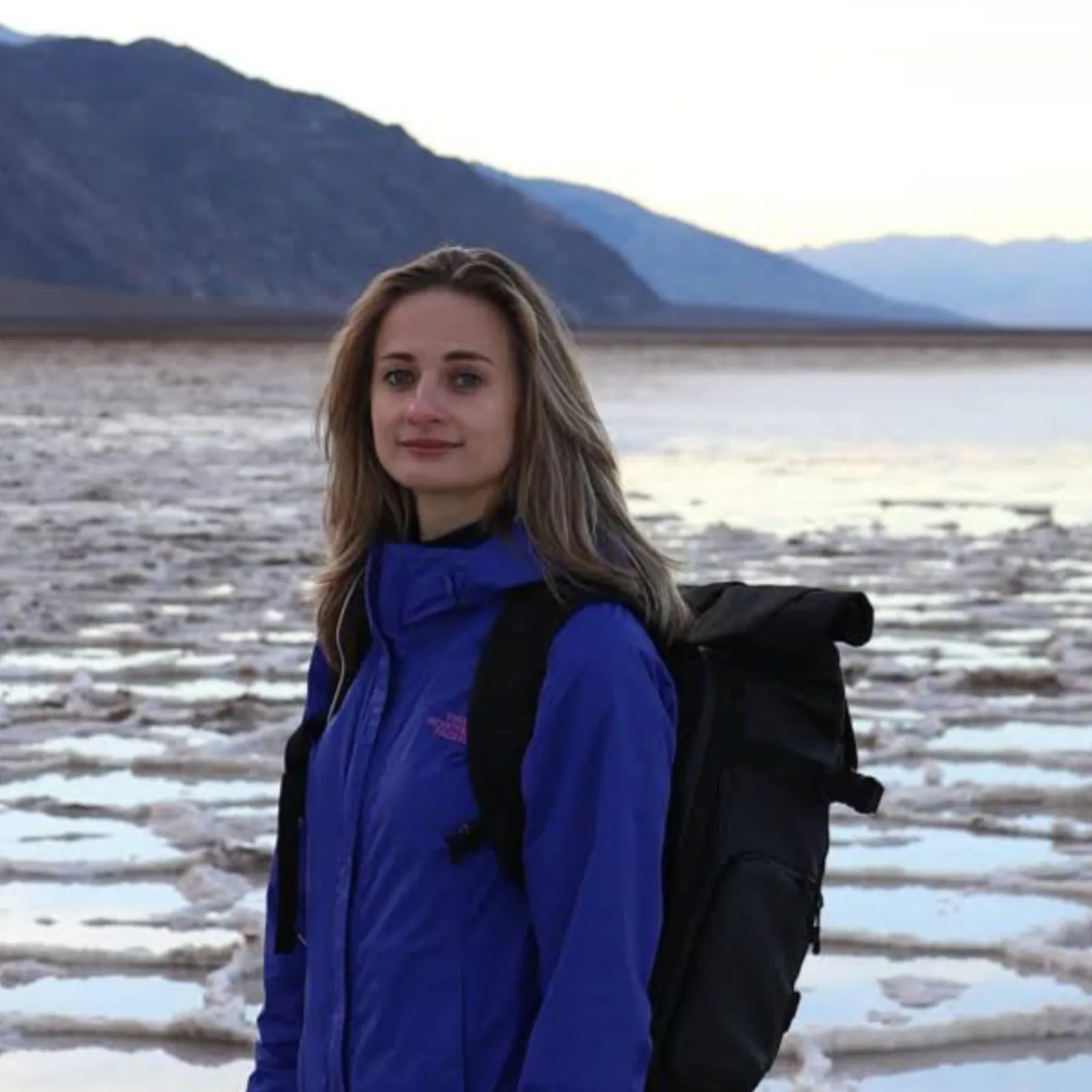
Written and walked by Yulia Vasilyeva · Co-founder · Lead planner and guide
Three years leading guided hikes in the Pacific Northwest, rated 5.0 by 20+ verified guests, and she builds every custom itinerary herself. Based in Seattle.
Last checked September 2026
You might also love these
Other itineraries near this one.
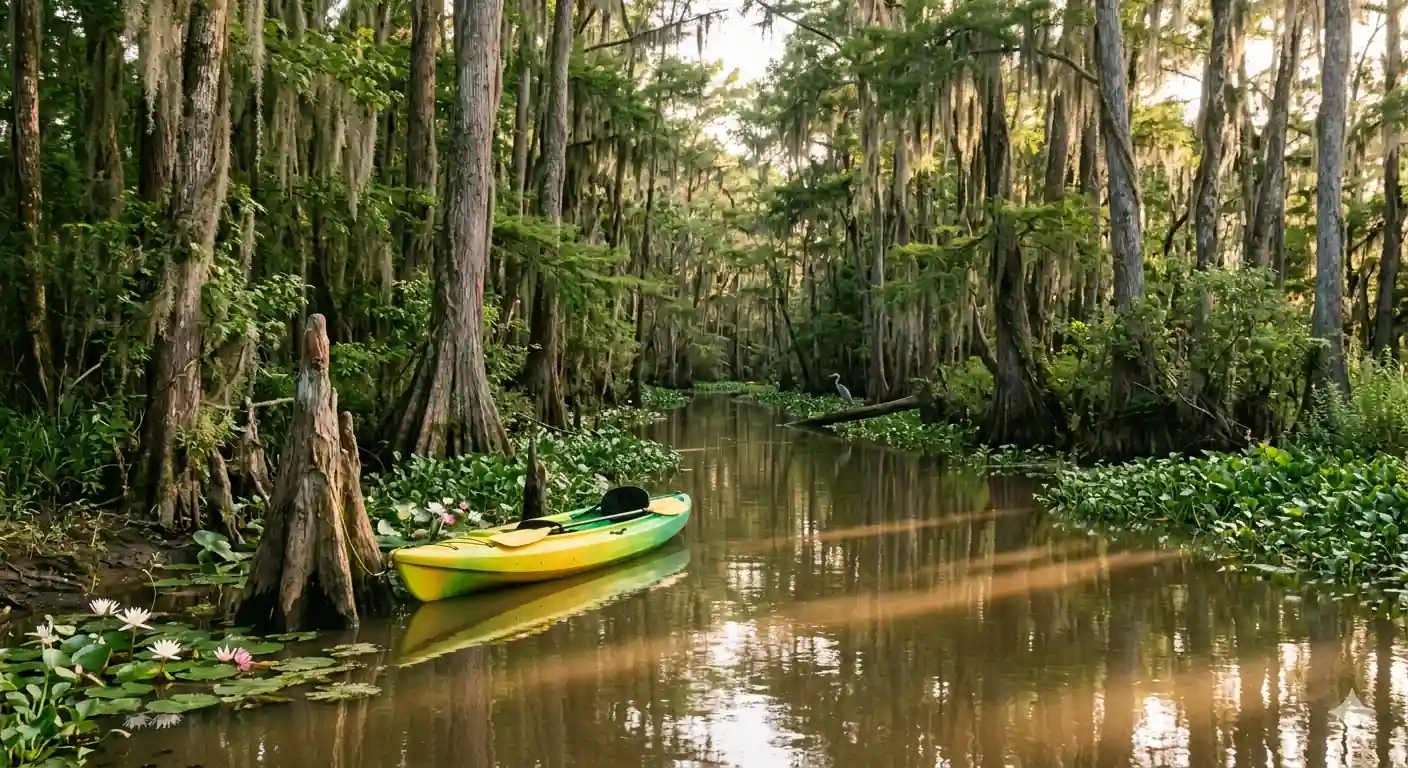
Atchafalaya Basin Kayaking: 3-Day Weekend Itinerary
A 3-day Atchafalaya Basin kayaking itinerary from Henderson, Louisiana: the Big Cypress Loop, the Lake Fausse Pointe canoe trail, and a…
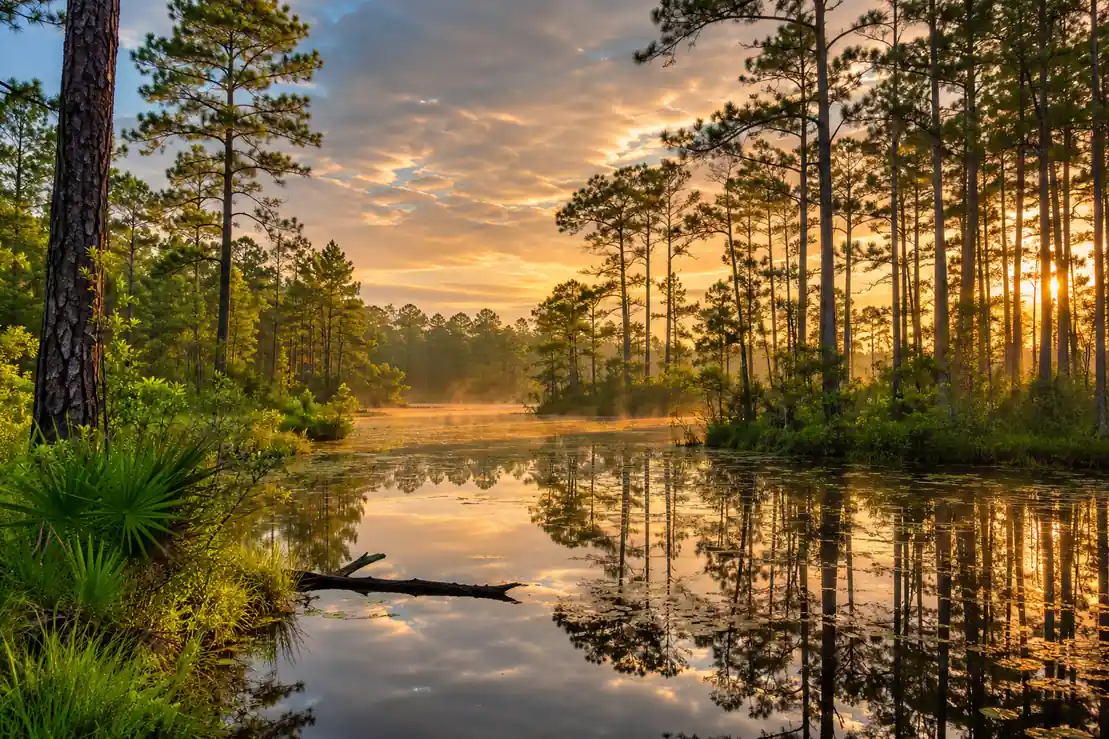
Kisatchie National Forest Backpacking: 3-Day Wild Azalea Trail Itinerary
A 3-day backpacking itinerary for Kisatchie National Forest on the 24-mile Wild Azalea Trail, Louisiana's longest footpath, from…

New Orleans Itinerary: 3 Days in the City and Swamp
City Park and the Couturie Forest, the Lafitte Greenway on a bike, and a free national park swamp full of alligators half an hour from…
Guides for this tripThe Best Time to Visit Louisiana SwampsLake Martin and Cypress Island PreserveAtchafalaya Basin Swamp Tours and Boardwalk Hikes
What adventurers say about us.
All reviews are from verified guests. ★★★★★ 5.0 average from 20+ bookings.
"Felt like going out with a really knowledgeable friend who just happens to know everything about the area. No awkward tour-guide energy, just a magnificent day."
"Yulia is an incredible guide. She knew every trail, every viewpoint, and exactly how to pace the day for our group. The photos she took of us were stunning. 100% booking again."
"I was visiting Seattle solo and this was the best decision I made on the trip. Yulia picked me up, had snacks, and took us to a trail I never would have found on my own. Absolute must-do."
"We did this as a couple's trip and it was perfect. Yulia adapted everything to us, our pace, our interests, our photo obsession. The mountain views were unreal."
"Phenomenal experience. Yulia has deep local knowledge and a real passion for the outdoors. She went out of her way to show us the hidden gems tourists never see. Will remember this forever."
"I've done a few guided hikes and this was by far the best. Yulia is warm, funny, and genuinely expert. The trail she chose had the most insane wildflower bloom, we got so lucky."
Fees, reservation windows, shuttle dates and trail closures are planning estimates. Confirm hours, road status and any reservations with the land manager before you go.
What other travelers are saying
Be the first to leave a tip or question for the next traveler.
Was this helpful?
One tap. It goes straight to Yulia and Margarita.
You can't hike it if you can't get the permit.
The best hikes in America run on lotteries that open once a year and sell out in minutes. Every trail runs on its own calendar. Pick the ones you want and we do the watching.
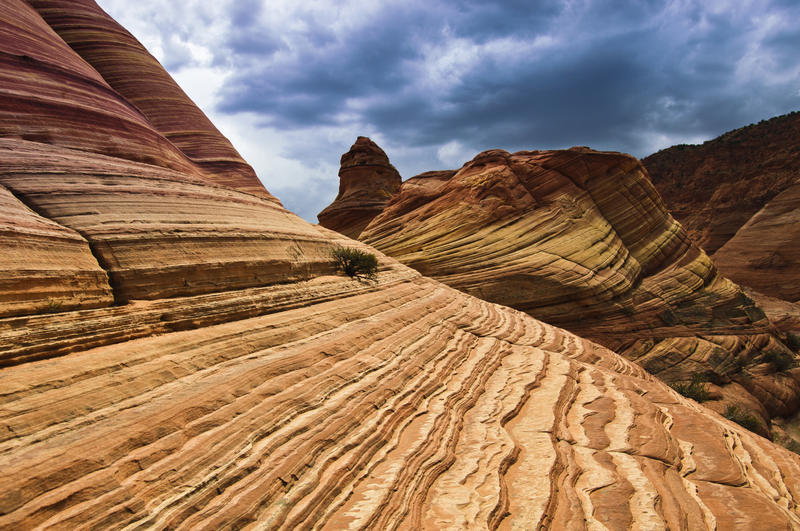 The WaveCoyote Buttes North · Arizona / UtahPermitLotterybrutal odds
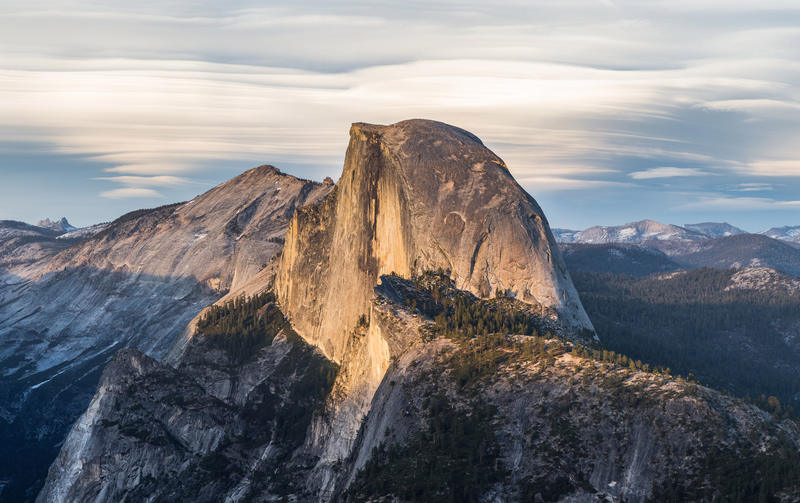 Half Dome CablesYosemite NP · CaliforniaPermitOpens Mar 1fair odds
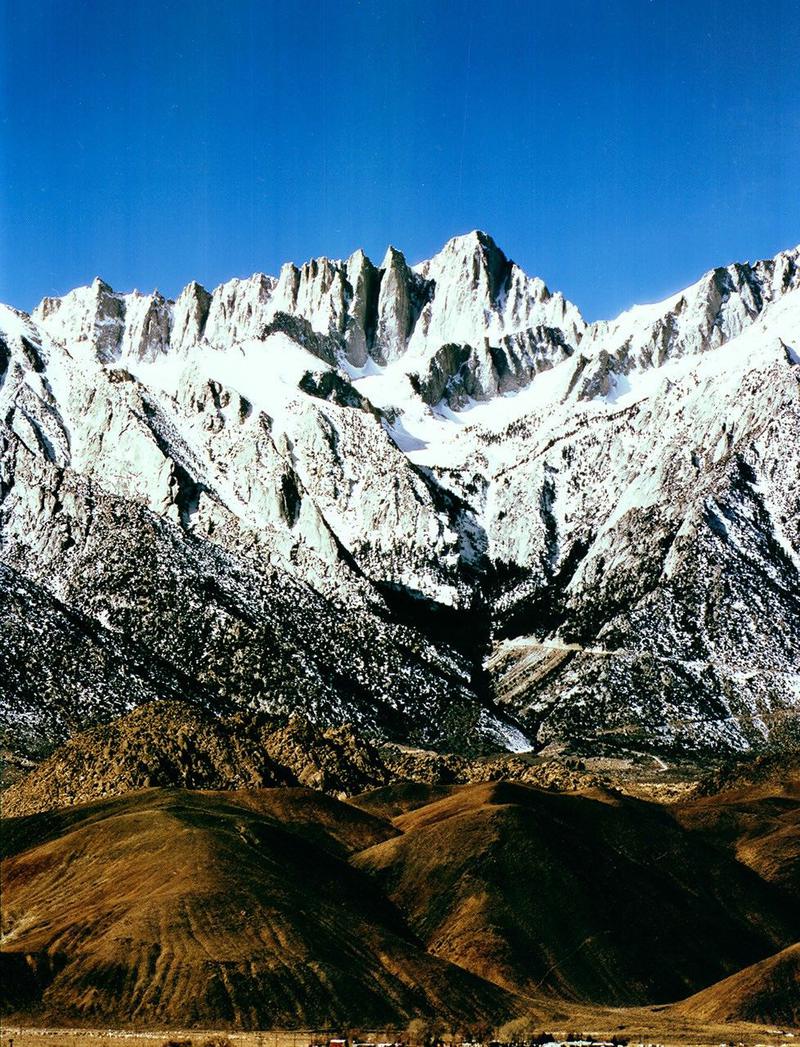 Mt. WhitneyInyo NF · CaliforniaPermitOpens Feb 1tough odds
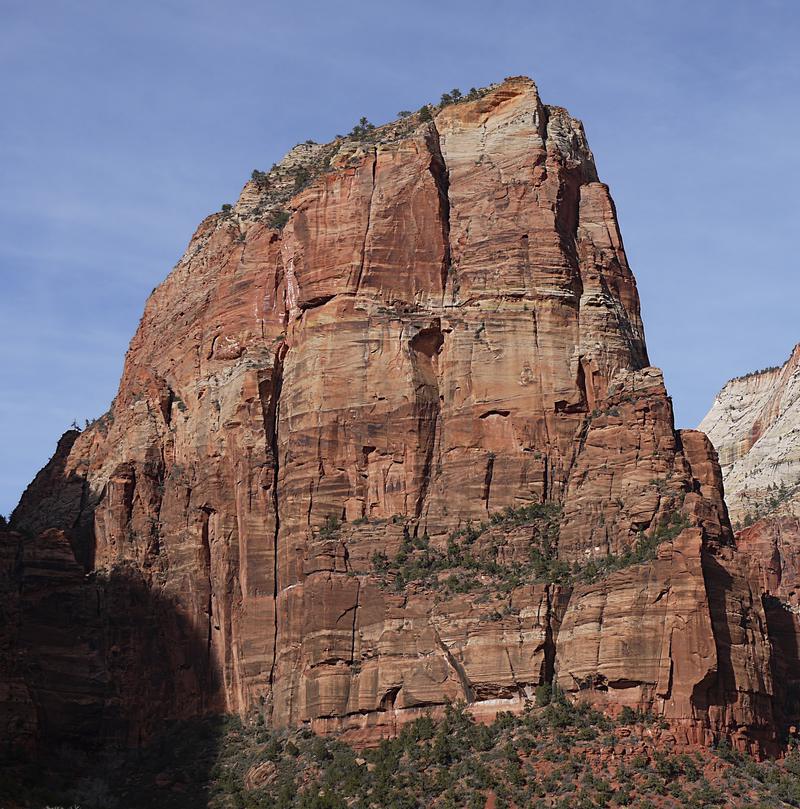 Angels LandingZion NP · UtahPermitLotterytough odds
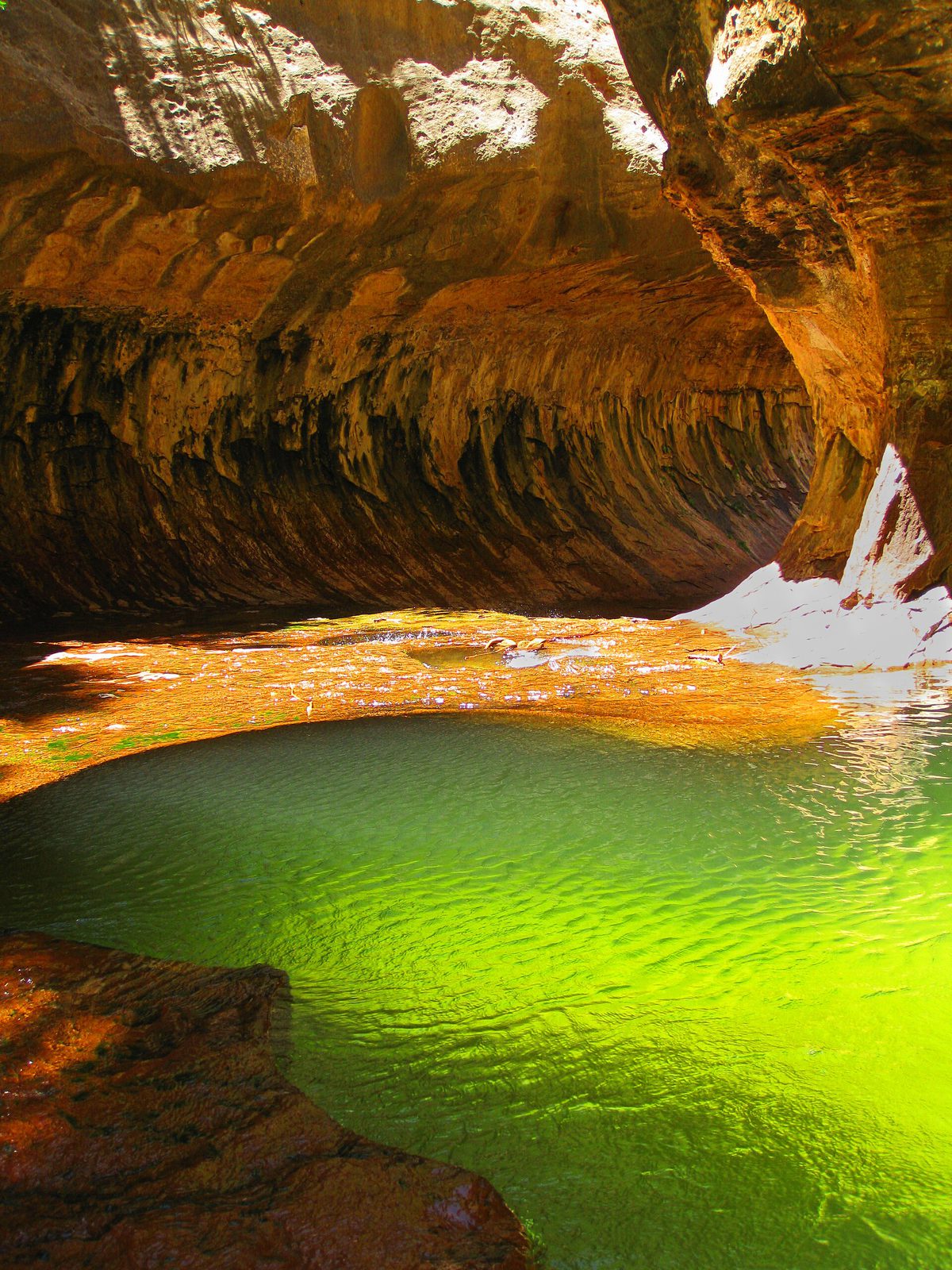 The SubwayZion NP · UtahPermitLotterytough odds
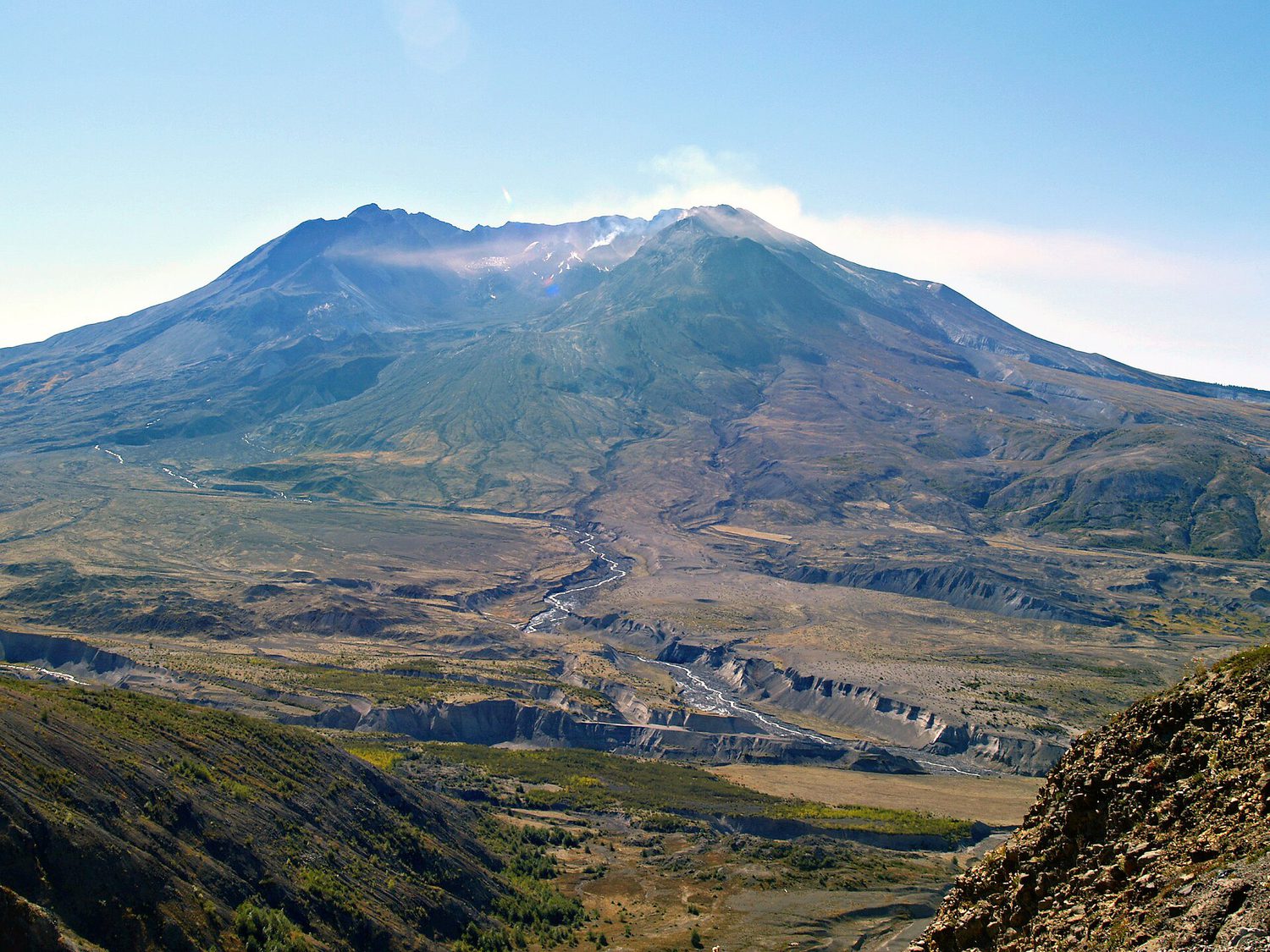 Mount St. Helens Summit ClimbGifford Pinchot NF · WashingtonPermitReservationtough odds
How it works
- An email the morning each window opens, never the day after.
- A 14-day heads-up so you can line up your group and dates.
- Win odds and a ranked backup plan for every trail you pick.
Didn't win? We keep watching. We check recreation.gov every day for The Enchantments, Half Dome and Angels Landing, and email you the moment a sold-out date frees up. Cancellations are the second chance most people never hear about.