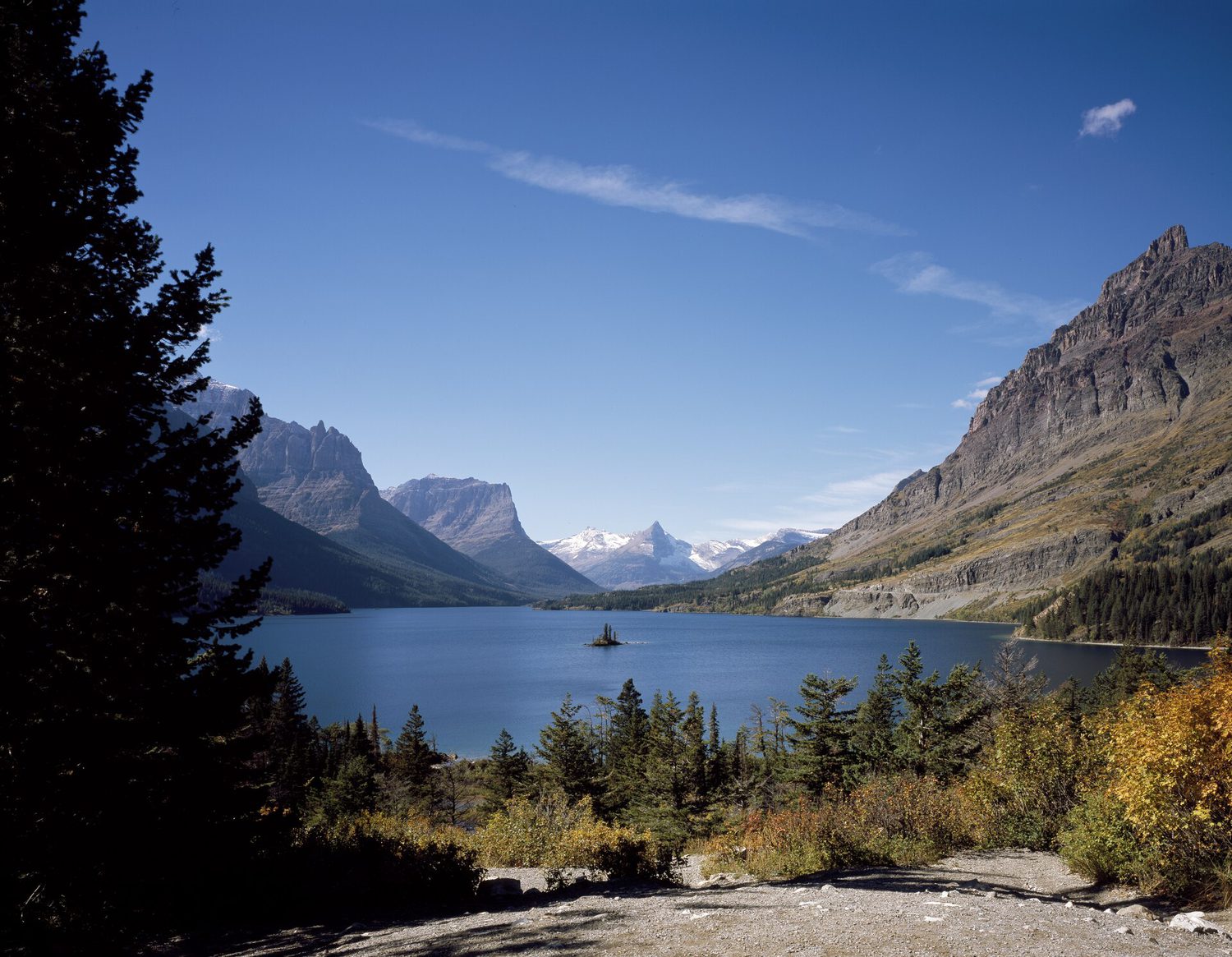
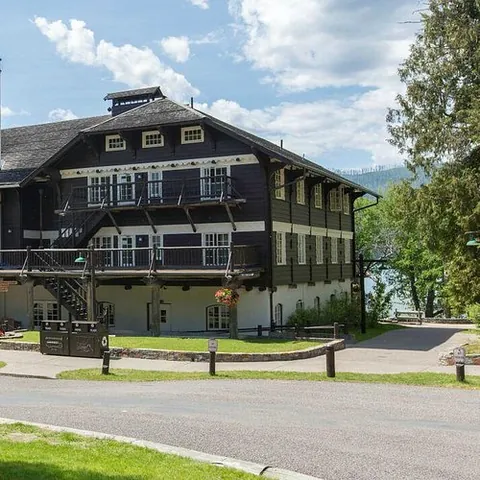
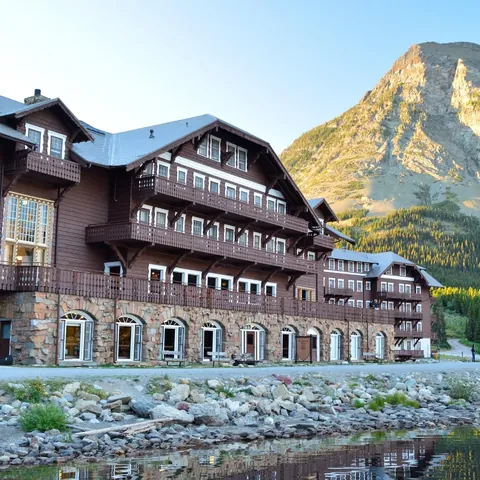
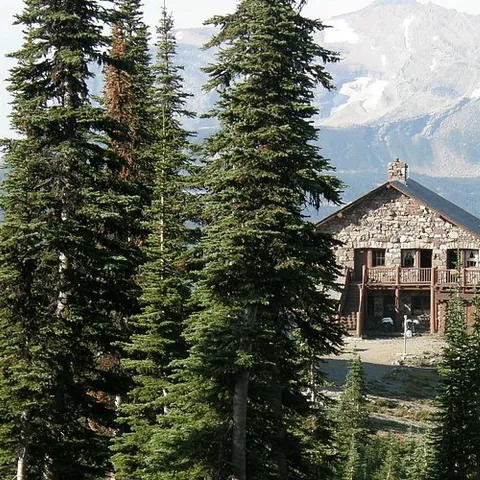
The best things to do in Glacier National Park, Montana are driving Going-to-the-Sun Road over Logan Pass, walking to Hidden Lake Overlook, hiking Avalanche Lake, exploring Many Glacier for wildlife, and taking a boat tour on Lake McDonald or Many Glacier. The full alpine road typically opens by late June; for 2026 it opened June 22, with no vehicle reservation required.
When does Going-to-the-Sun Road open?
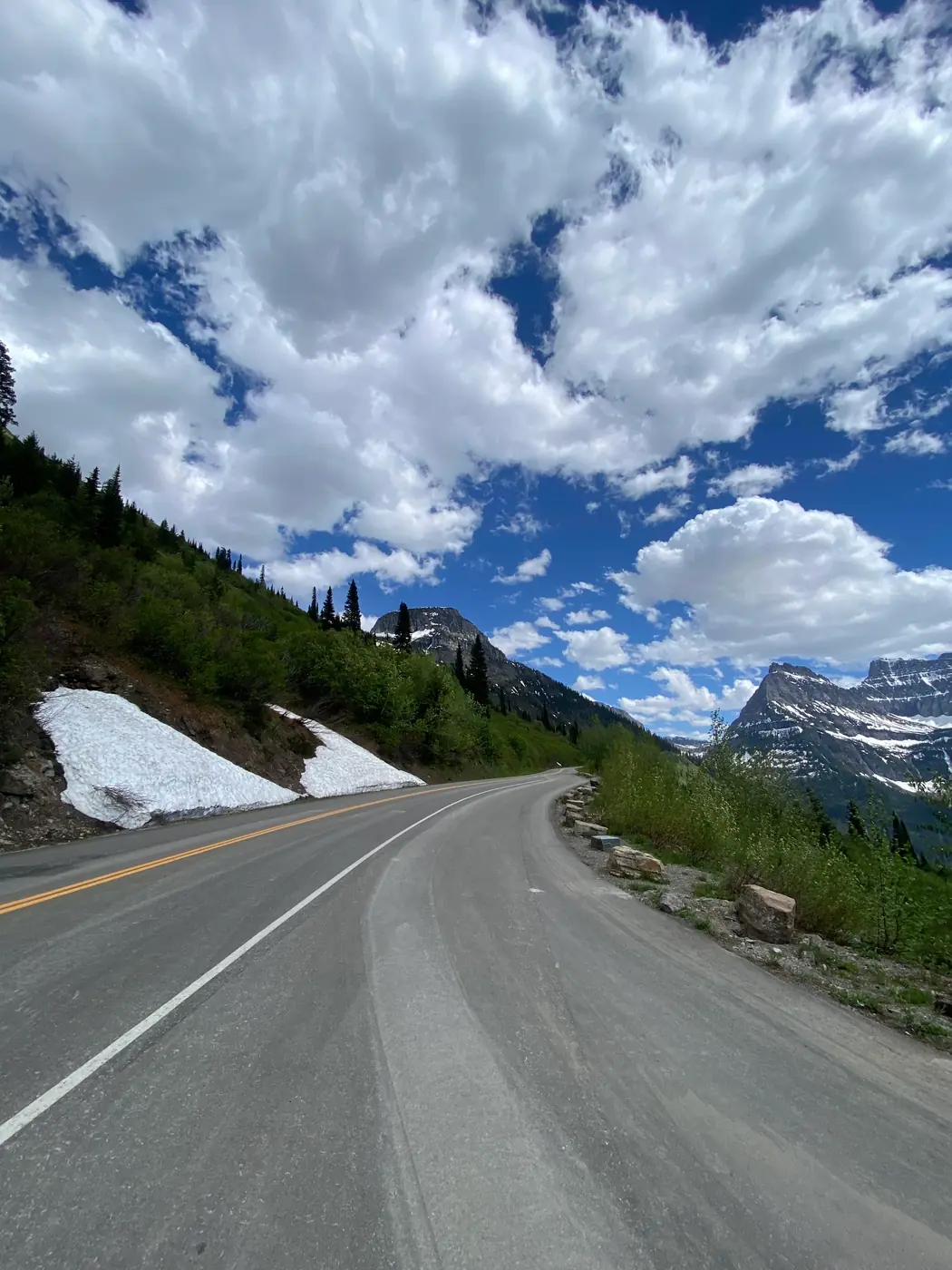
Going-to-the-Sun Road is the headline attraction, a roughly 50-mile cliff-hugging route that crosses the Continental Divide at Logan Pass (6,646 ft). The catch most first-timers miss: the full road does not open until snowplow crews finish clearing Logan Pass, usually mid-June to early July. For 2026 the full road opened June 22; in a heavy snow year it can slip into July. The lower sections from each entrance open much earlier in spring.
Do I need a vehicle reservation in 2026?
For 2026, noGlacier dropped the timed vehicle reservation system, so you can enter from any entrance at any time. That's a real change from recent summers, when a reservation was required to enter the Going-to-the-Sun corridor during the day. A couple of new rules replace it, so plan around these:
- Logan Pass parking is limited to 3 hours starting July 1, 2026 (weather permitting). Good for turnover, but it means timing your Hidden Lake or Highline hike carefully.
- The park is piloting a ticketed shuttle to Logan Pass aimed at longer alpine hikes. Tickets release on Recreation.gova 60-day-ahead rolling batch from early May and a next-day batch in the evening. Check the park's current page for exact details.
- The $35 per-vehicle entrance fee (7-day pass) still applies, or use the $80 America the Beautiful annual pass. Rules change yearly, so confirm on the park website before you go.
Drive Going-to-the-Sun Road
Even if you do nothing else, drive the Sun Road. Allow about 2 hours one way without stops, but you will stop. Pullouts at the Loop, the Bird Woman Falls overlook, and the Weeping Wall are worth it. Vehicles longer than 21 feet or wider than 8 feet are prohibited between Avalanche and Sun Point, so the middle stays mercifully RV-free. The free park shuttle runs the corridor in summer and is the smart move on busy days.
Logan Pass and the Hidden Lake Overlook trail
Logan Pass is the high point of the road and the trailhead for the park's most famous short hike. The Hidden Lake Overlook is about 2.7 miles round trip with roughly 550 ft of gainon a boardwalk-and-trail through alpine meadows where I almost always see mountain goats and marmots. Snow lingers here into July, so expect to cross white patches even in summer. The Logan Pass lot fills by 8–9 a.m. in peak season, arrive early, and note the new 3-hour parking limit.
What is the best hike in Glacier National Park?
It depends on your legs, but here are the ones I send people to most:
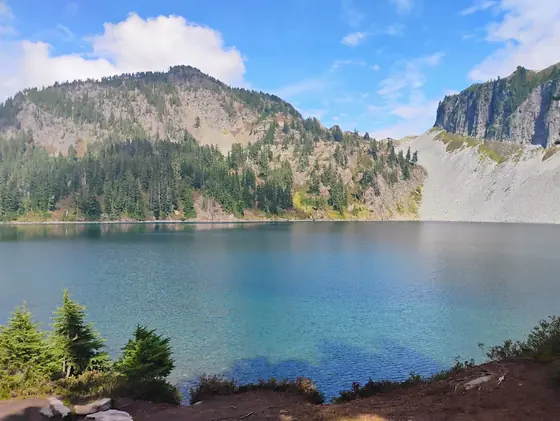
- Avalanche Lakeabout 4.5–6 miles round trip, ~750 ft gain, from the Trail of the Cedars near Lake McDonald. A waterfall-fed lake ringed by cliffs. The single best moderate hike in the park, and it opens earlier in the season than the high trails.
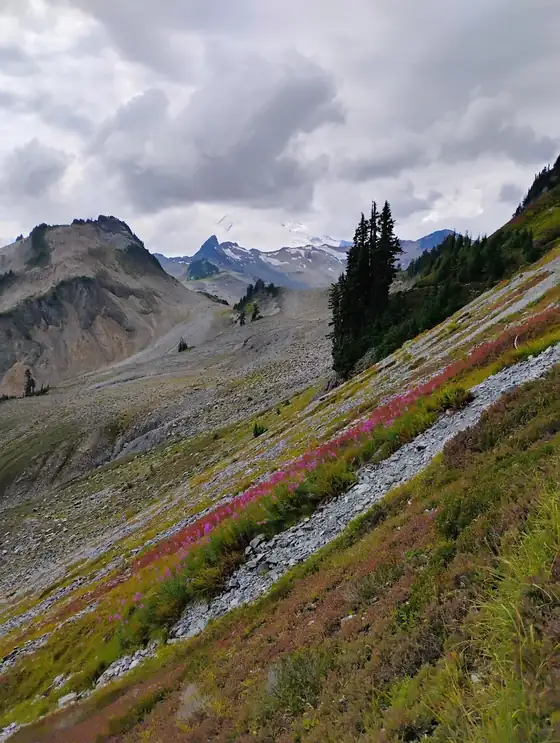
- Highline Traila classic point-to-point from Logan Pass along the Garden Wall. The traverse out to the Loop runs roughly 12 miles (use the shuttle to return). The first stretch follows a famous ledge with a hand cable; not for those who fear exposure, but the alpine scenery is unmatched.
- Grinnell Glacier (Many Glacier), about 10.5–11 miles round trip with ~1,600 ft of gain to one of the park's last named glaciers and a turquoise meltwater lake. A boat shuttle can cut it to roughly 7 miles.
- Iceberg Lake (Many Glacier), about 9.7 miles round trip, ~1,200 ft gain, to a lake that holds floating ice into summer. My personal favorite full-day hike.
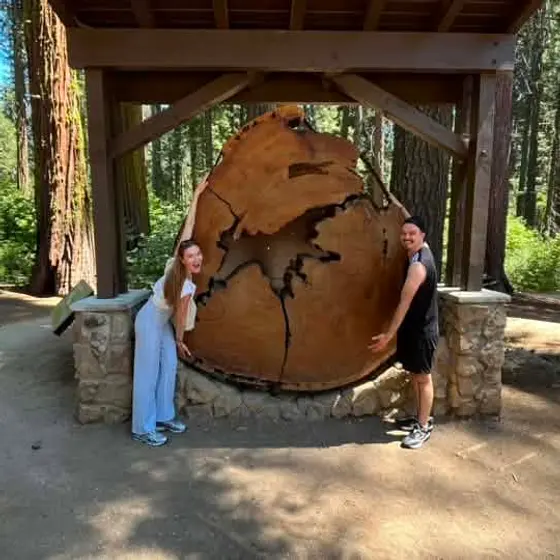
- Trail of the Cedarsa flat ~1-mile boardwalk loop through old-growth forest. Wheelchair-accessible and gorgeous.
For more gentle options, see my easy hikes in Glacier guide and the weekend hiking picks.
Many Glacier: the wildest, most beautiful corner
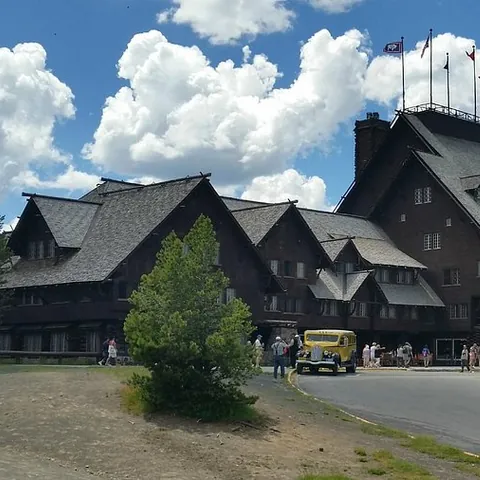
If I could send you to one area, it's Many Glacier on the park's east side. It sits about a 1-hour drive (roughly 50 miles) from St. Mary, outside the main Sun Road corridor. This is grizzly country and the best wildlife valley in the park: moose in the willows, bears on the slopes, bighorn sheep. The historic Many Glacier Hotel sits on Swiftcurrent Lake, and the Grinnell and Iceberg trailheads start nearby. The multi-year Swiftcurrent utility and road project wrapped up ahead of 2026, with the campground reopening in mid-May, but more work is proposed for future years, so check current conditions before you go.
Lake McDonald and boat tours
Lake McDonald is the park's largest lake (about 10 miles long) and the easiest scenic stop, right by the west entrance. Look for the colorful pebbles in the shallows near Apgar, red, green, and slate rocks polished smooth. Glacier Park Boat Company runs classic wooden tour boats here and at Many Glacier, Two Medicine, and Lake McDonald; tours run roughly $25–$42 per adult. Book ahead, they sell out. You can also rent kayaks and paddleboards at Apgar.
Two Medicine: the quiet side
On the southeast corner, Two Medicine is the area most day-trippers skip, which is exactly why I love it. Two Medicine Lake has its own boat tour, easy lakeshore walks, and the moderate climb to Scenic Point. It feels like the Glacier of decades ago, fewer people, the same staggering peaks.
What wildlife will I see, and how do I stay safe?
Glacier has one of the densest grizzly populations in the lower 48, plus black bears, moose, mountain goats (the park symbol), bighorn sheep, and marmots. A few non-negotiables from years of guiding here:
- Carry bear spraykeep it accessible (not buried in your pack), and know how to use it. You can rent it locally if you flew in.
- Make noise on the trail, talk, clap at blind corners. Surprising a bear is the real danger.
- Never approach or feed wildlife. Give goats and sheep room even when they seem tame at Logan Pass.
- Store food properly at campgrounds. See my Glacier camping guide for site-by-site notes.
How many days do you need in Glacier?
Two days lets you drive the Sun Road and do one or two hikes. Three to four days is the sweet spot: a day on the Sun Road corridor (Logan Pass, Hidden Lake, Avalanche Lake), a full day at Many Glacier, and a day for Lake McDonald, a boat tour, or Two Medicine. If you're coming in late spring before the road fully opens, I've mapped out a realistic plan in my Memorial Day weekend itinerary.
Practical tips from someone who's done it a lot
- Go early. Lots at Logan Pass, Avalanche, and Many Glacier fill by mid-morning. First light is also the best wildlife and photo window.
- Layers and rain shell, always. It can be 40°F and snowing at Logan Pass while it's warm at Lake McDonald.
- Fuel up outside the park. Services inside are limited; gas in West Glacier, St. Mary, or Columbia Falls.
- Cell service is poor to nonexistent. Download maps and screenshot any tickets.
- Peak season is July–August. September brings smaller crowds and golden larches, but the high country can get early snow.
Things to Do in Glacier National Park, Montana FAQs
Drive Going-to-the-Sun Road over Logan Pass, hike to Hidden Lake Overlook and Avalanche Lake, explore Many Glacier for wildlife and the Grinnell and Iceberg Lake trails, take a wooden boat tour on Lake McDonald or Many Glacier, and walk the Trail of the Cedars.
The entire 50-mile road usually opens between mid-June and early July, depending on how long snowplow crews need to clear Logan Pass. For 2026 the full road opened June 22. Lower sections from each entrance open earlier in spring, so check the park's current-year status before traveling.
No. Glacier dropped the timed vehicle reservation system for 2026, so you can enter from any entrance at any time. New for 2026: Logan Pass parking is limited to three hours from July 1, and the park is piloting a ticketed shuttle to Logan Pass. A park entry pass is still required.
For most visitors, Avalanche Lake (about 4.5–6 miles round trip) is the best moderate hike. Hidden Lake Overlook (about 2.7 miles) is the best short hike, and the Highline Trail and Grinnell Glacier are the top all-day options.
Three to four days is ideal: one day for the Going-to-the-Sun Road and its hikes, one for Many Glacier, and one for Lake McDonald, a boat tour, or Two Medicine. Two days covers the highlights if you're short on time.
The entrance fee is $35 per private vehicle for a 7-day pass, or it's covered by the $80 America the Beautiful annual pass. The ticketed Logan Pass shuttle, when used, has a small separate fee on Recreation.gov.