Theodore Roosevelt & the Little Missouri: A 10-Day North Dakota Canoe Trip
One state, badlands rivers & big reservoirs, all in North Dakota.
Ten days paddling North Dakota: the seasonal Little Missouri River canoe run through the Theodore Roosevelt badlands, flatwater on Lake Sakakawea, the free-flowing Missouri at Cross Ranch, and the Lewis and Clark route.
“I’ve requested to book a Chain Lakes Loop guide on ExplorOFF, and it was the best idea ever! I highly recommend going with their guided option since you get a real human connection on the trail and don’t have to worry about a thing. Yulia was great to talk to!”
 31 stops on a real mapEvery stop pinned in order→
North Dakota: every stop pinned in order.
Little Missouri River, Lake Sakakawea & the free-flowing Missouri · North Dakota
Every stop on this trip, in order, opens as one driving route in the Google Maps app. No copying addresses across one at a time.
North Dakota in photos: 5 of the stops.

Plan and book your 10 days in North Dakota, one step at a time
- The Little Missouri at Medora is running about 18 cfs (gauge 1.2 ft). The park says it needs at least 699 cfs (2.5 ft) for fair boating, so the day 3 float is not possible right now: swap it for a hike and paddle the Missouri and Lake Sakakawea instead. Source
- The park calls May and June the usual floating months and says some years the river is never deep enough, so treat the Little Missouri as a spring-only run. Source
- Theodore Roosevelt National Park is cashless: entrance, campground and pass fees are card or digital payment only. Source
- Cross Ranch, Lake Sakakawea and Fort Ransom state parks rent boats by phone only and have a handful of each, so call ahead to confirm one is there for your date this late in the year. Source
- Expect fall plains weather: highs in the 60s and 70s, nights in the 40s, and northwest gusts to 25 to 30 mph on some afternoons, which is too much wind for open water on Lake Sakakawea. Source
How 10 days in North Dakota split up
Plan 10 days for North Dakota. Total distance: ~950 mi. Difficulty: Moderate. Parks fee: $30 / car. This is a paddling trip through the emptiest, biggest-sky corner of the northern plains. North Dakota strings together a seasonal badlands river, the largest reservoir on the Missouri, and a rare free-flowing stretch of the Missouri itself, all wrapped in the painted buttes, bison, and wild horses of Theodore Roosevelt National Park. It is remote, with few services and long drives, and that is exactly why the rivers feel like they are yours alone.
Day 1: Fly in & drive to Medora · the painted badlands
3 stops · Day one
Day 2: Theodore Roosevelt South Unit · bison, wild horses & the scenic loop
4 stops · Day two
Day 3: Little Missouri River canoe run · the badlands by water
3 stops · Day three
Day 4: The Maah Daah Hey Trail · badlands on foot
3 stops · Day four
Day 5: Theodore Roosevelt North Unit · the wilder badlands
3 stops · Day five
Day 6: Lake Sakakawea · flatwater paddling on the big reservoir
3 stops · Day six
Day 7: Lewis and Clark history · Fort Mandan & the Missouri
3 stops · Day seven
Day 8: Cross Ranch State Park · the free-flowing Missouri
3 stops · Day eight
Day 9: The Sheyenne River · a quiet prairie float
4 stops · Day nine
Day 10: Drive back & fly home
2 stops · Day ten
Fly in & drive to Medora · the painted badlands
Fly into Bismarck (BIS) or Dickinson (DIK) and point west across the prairie to Medora, the tiny historic gateway to the South Unit of Theodore Roosevelt National Park. It is roughly 2.5 hours from Bismarck or about 35 minutes from Dickinson, through long empty stretches with patchy cell service, so fuel up and download offline maps before you go.
Not the order you want? Drag a stop, or use the arrows beside it. Stops move between days too.
 Drive from
~2.5 hr · prairie · fuel up first · DriveFly into Bismarck (BIS) or Dickinson (DIK) and drive west to Medora, the tiny gateway to the South Unit of Theodore Roosevelt National Park. It is roughly 2.5 hours from Bismarck or about 35 minutes from Dickinson, through long empty stretches with patchy cell service. Fuel up and download offline maps before you go.
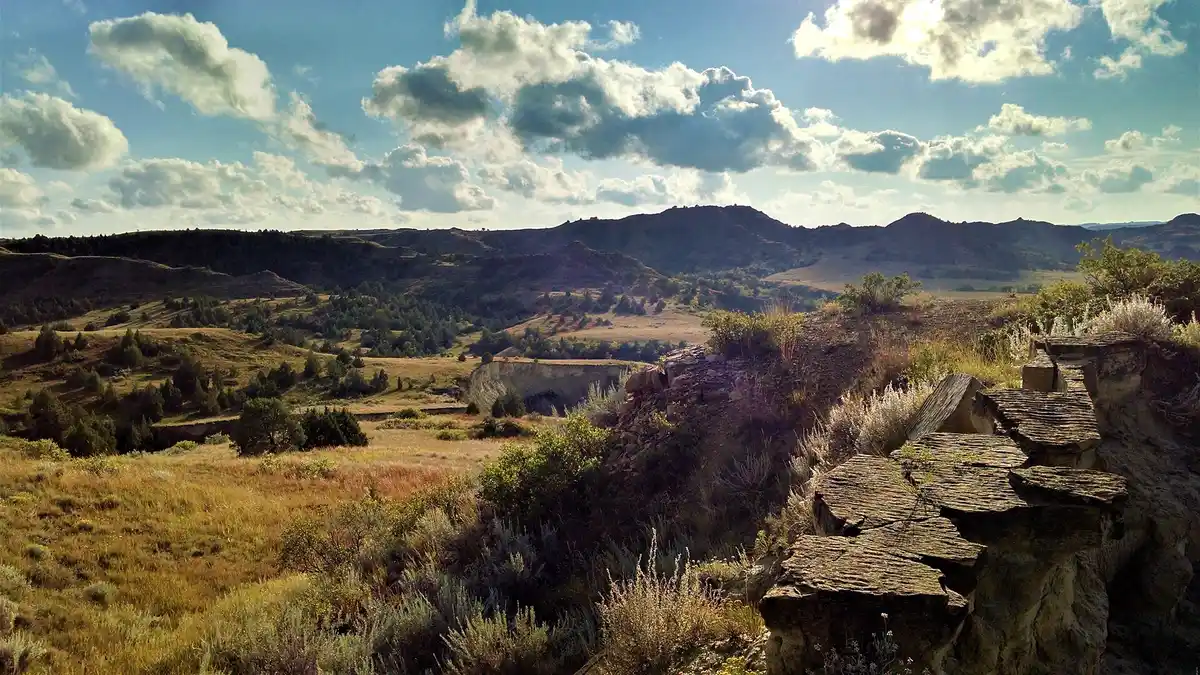
- South Unit painted badlands
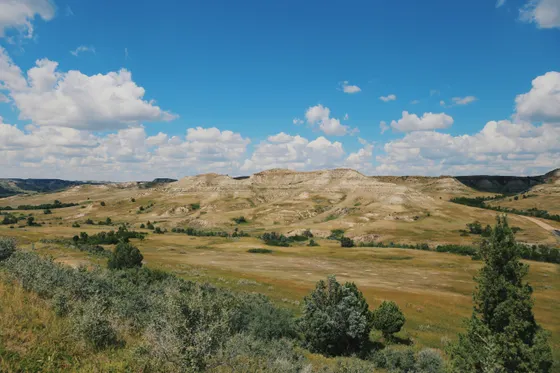
Scenic loop · bison · golden hour · ViewpointGet your first look at the painted badlands on the South Unit scenic loop, where banded buttes, bentonite clay, and coal seams glow at golden hour and bison graze along the road. This is the country Theodore Roosevelt fell in love with, and it sets the tone for the rivers and ranches ahead.
 Farragutful / CC BY-SA 4.0Stay in Medora
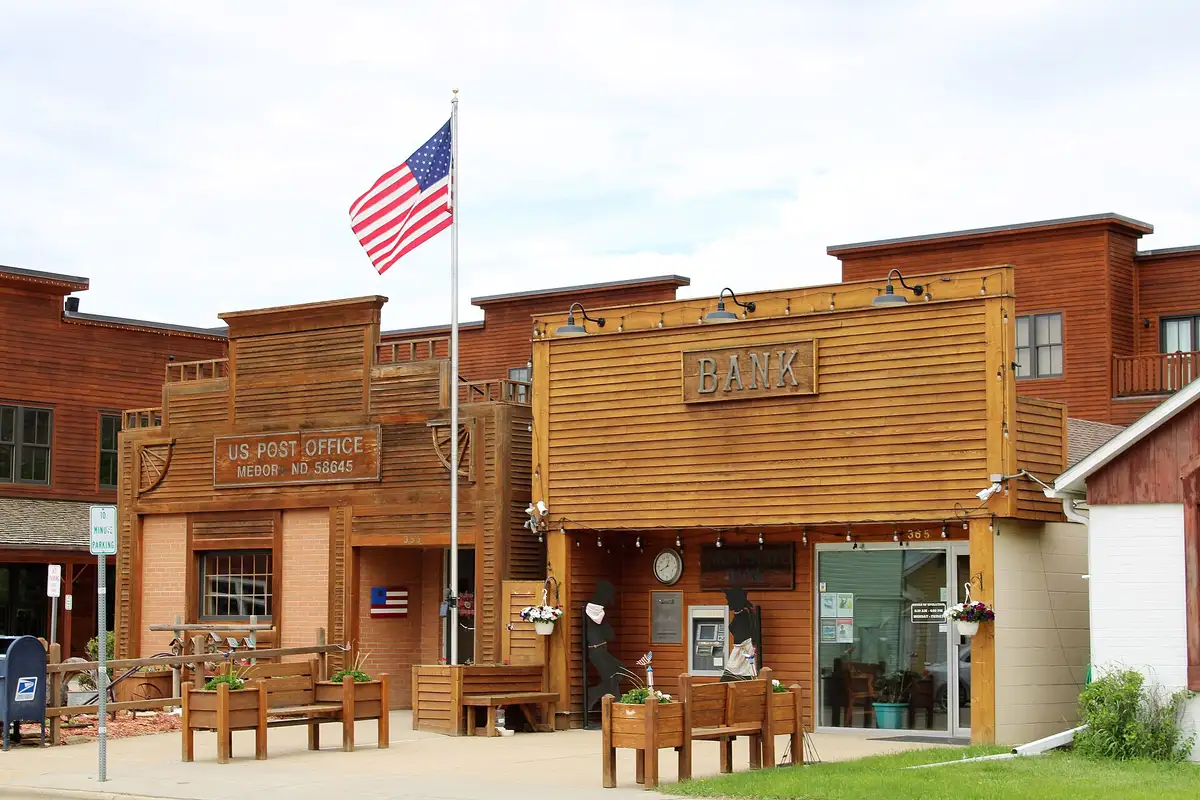
Tiny park gateway · books up · lodgeSettle into Medora, the historic gateway just outside the South Unit. It is tiny and fills up around Medora Musical nights and summer weekends, so reserve early. Check the Little Missouri river gauge tonight to plan the days ahead.
Theodore Roosevelt South Unit · bison, wild horses & the scenic loop
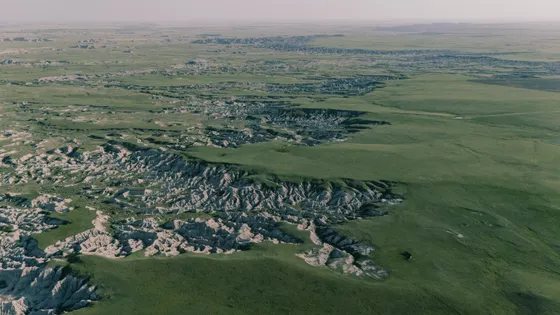
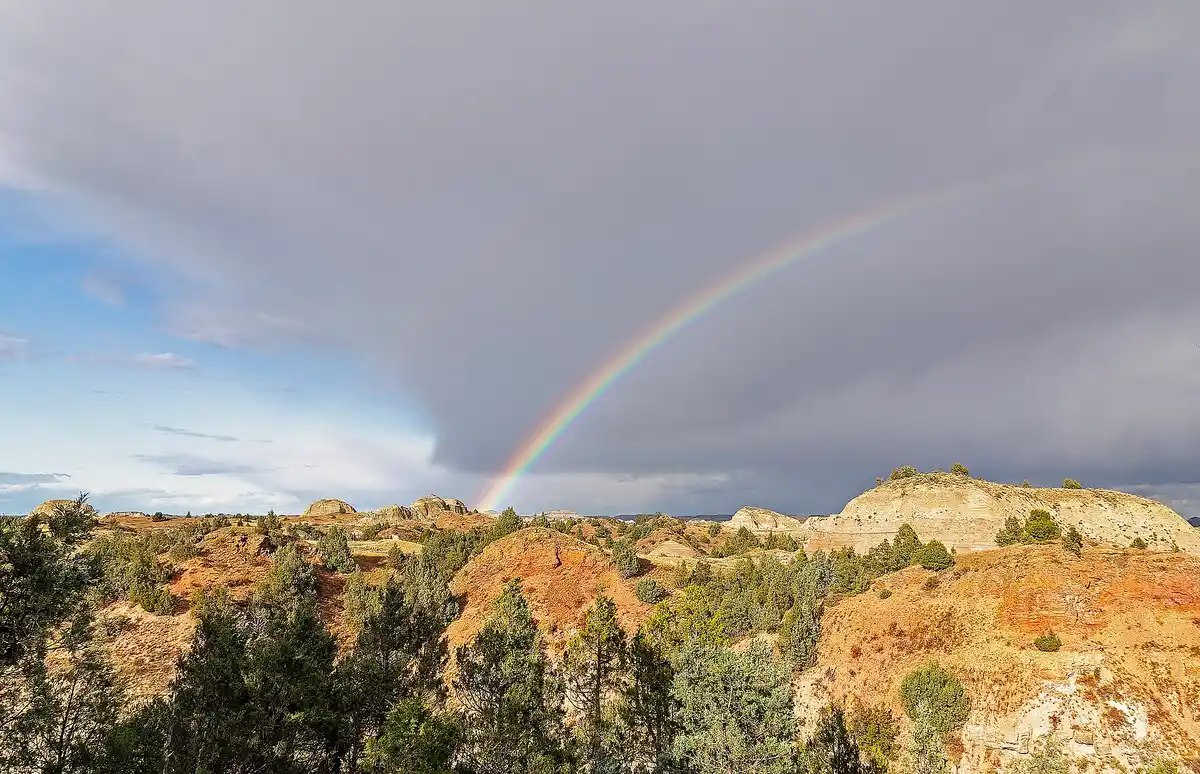
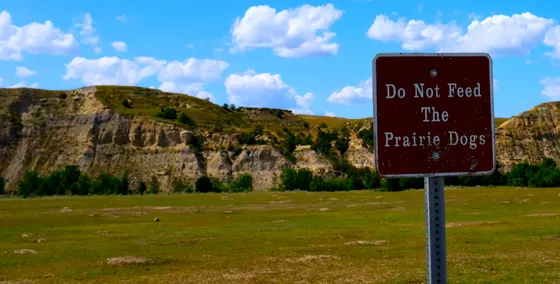
Spend a full day in the South Unit of Theodore Roosevelt National Park, the busier and most accessible of the park's two badlands units. Drive the scenic loop with stops at Wind Canyon over the Little Missouri, the prairie dog towns, and the Painted Canyon overlook, watching for bison and the park's famous bands of wild horses on the ridges.
Not the order you want? Drag a stop, or use the arrows beside it. Stops move between days too.
- South Unit scenic loop
Wind Canyon · Painted Canyon · wildlife · ViewpointDrive the South Unit scenic loop with stops at Wind Canyon over the Little Missouri, the prairie dog towns, and the Painted Canyon overlook, watching for bison and the park's famous bands of wild horses on the ridges. Time the loop to finish at Wind Canyon for sunset.
 Acroterion / CC BY-SA 4.0Short badlands hike off the loop
Easy to moderate · feel the scale · HikeStretch your legs on a short badlands hike off the scenic loop to feel the scale of the buttes up close. There are easy to moderate options that get you down among the painted clay and grassland without committing a whole day.
- Scout the Sully Creek put-in
Sully Creek SP to Cottonwood Campground · 6.5 river mi · customScout the put-in at Sully Creek State Park and the take-out at Cottonwood Campground inside the South Unit, 6.5 river miles apart. No outfitter we could verify rents boats on the Little Missouri, so this float needs your own canoe. For the shuttle, park a second car at Cottonwood, or ask Dakota Cycling Adventures in Medora (701-575-0942), which runs boater shuttles when its schedule allows. Check the Medora gauge one more time: the park wants at least 2.5 feet (about 700 cfs).
Official info → 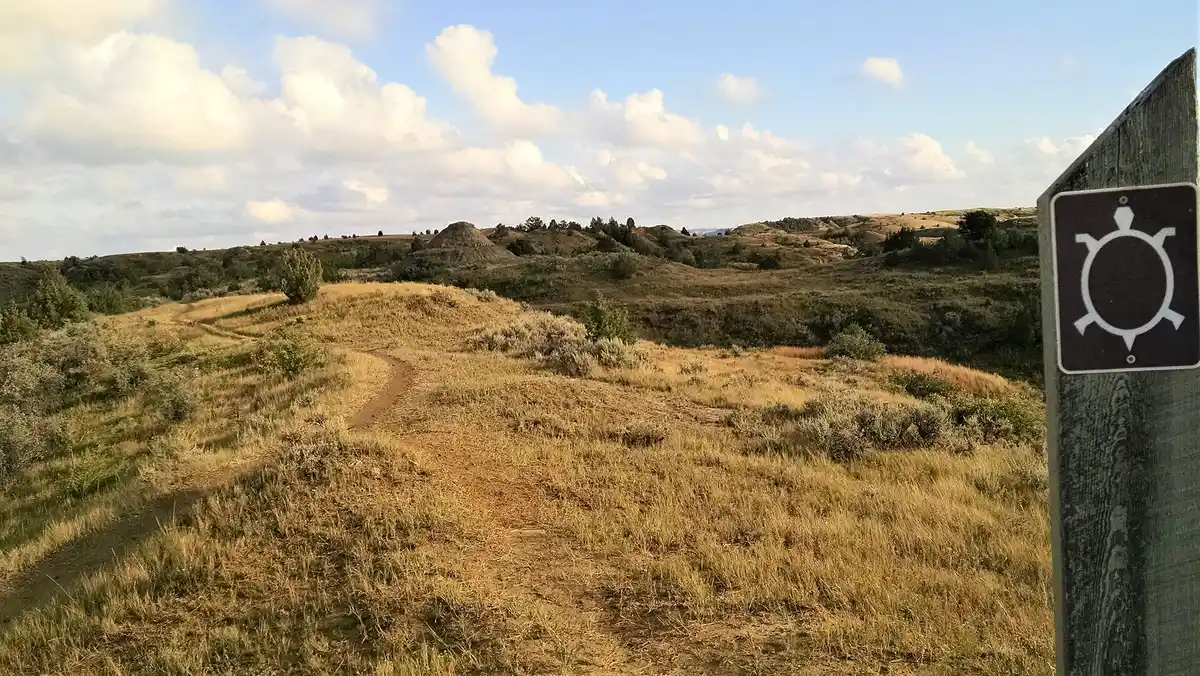 Second night in Medora
Stay put to launch early · lodgeStay a second night in Medora so you can launch the river run early tomorrow if the gauge looks good. Keeping the same base means no packing up before a big paddling day.
Little Missouri River canoe run · the badlands by water
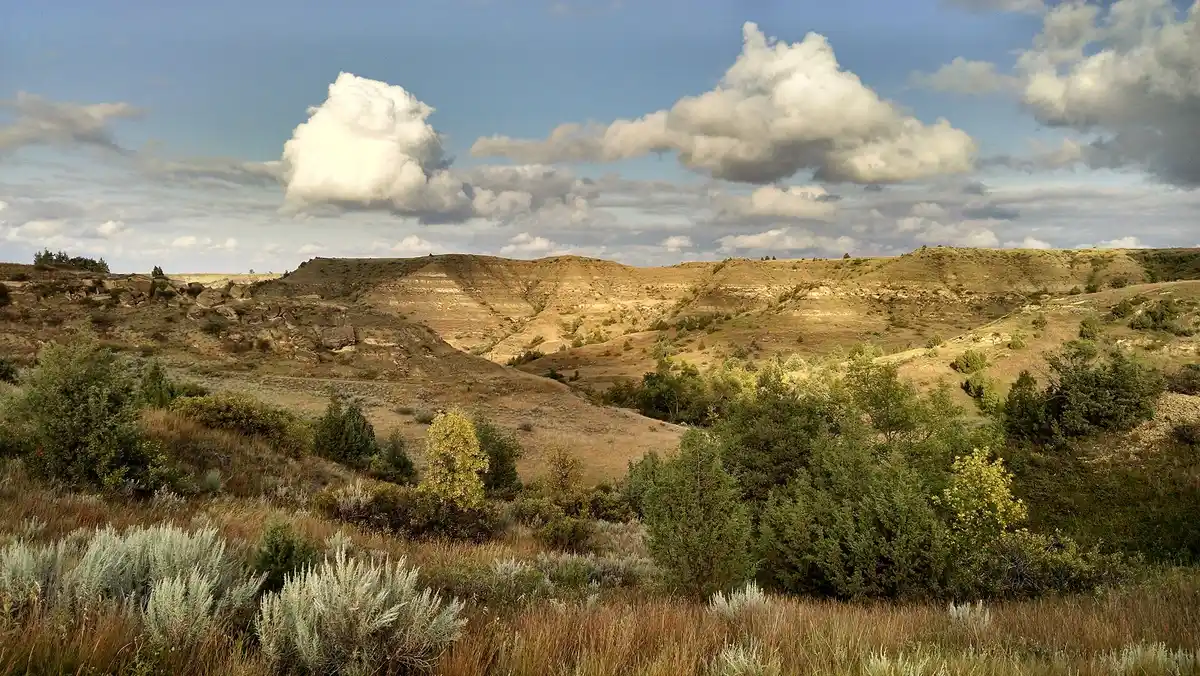
This is the heart of the trip: a little missouri river canoe run through the badlands. In spring and early-summer high water the Little Missouri becomes a slow, twisting float beneath the painted buttes, with bison on the banks, cottonwood bottoms, and the kind of silence you only get on a remote prairie river. It is shallow and braided even at good flows, so expect to read the channel, drag through riffles, and pick your line carefully.
Not the order you want? Drag a stop, or use the arrows beside it. Stops move between days too.
 Little Missouri River canoe float
Sully Creek SP to Cottonwood · 6.5 mi · own canoe · activityIn spring and early-summer high water the Little Missouri becomes a slow, twisting float beneath the painted buttes, with bison on the banks and cottonwood bottoms. It is shallow and braided even at good flows, so expect to read the channel, drag through riffles, and pick your line. Put in at Sully Creek State Park and take out at Cottonwood Campground, 6.5 river miles, with your own canoe and a second car at the take-out. Only float with at least 2.5 feet (about 700 cfs) on the Medora gauge, and treat it as remote paddling with no services and no cell signal.
Official info → File a float plan & carry water
Tell someone your take-out time · customBecause the river is so remote, file a float plan: tell someone your put-in, take-out, and expected take-out time before you push off. Carry plenty of water and sun protection, and watch the weather, because the river rises fast after rain.
 Night in Medora
Back to base after the take-out · lodgeAfter the take-out and shuttle, return to Medora for the night. Dry your gear, refuel, and rest up before trading the paddle for boots on the Maah Daah Hey tomorrow.
The Maah Daah Hey Trail · badlands on foot
Trade the paddle for boots and explore the badlands on the legendary Maah Daah Hey Trail, the long single-track that threads more than 140 miles between the South and North Units of the park. You do not need to hike the whole thing: pick a scenic segment for an out-and-back through grasslands, painted buttes, and cottonwood draws, with sweeping views over the Little Missouri country you floated yesterday.
Not the order you want? Drag a stop, or use the arrows beside it. Stops move between days too.
- Maah Daah Hey Trail segment
140+ mi single-track · scenic out-and-back · HikeExplore the badlands on foot on the Maah Daah Hey Trail, the long single-track that threads more than 140 miles between the park's two units. Pick a scenic segment for an out-and-back through grasslands, painted buttes, and cottonwood draws. It is exposed with little shade, so start early and carry plenty of water.
 Drive to Watford City
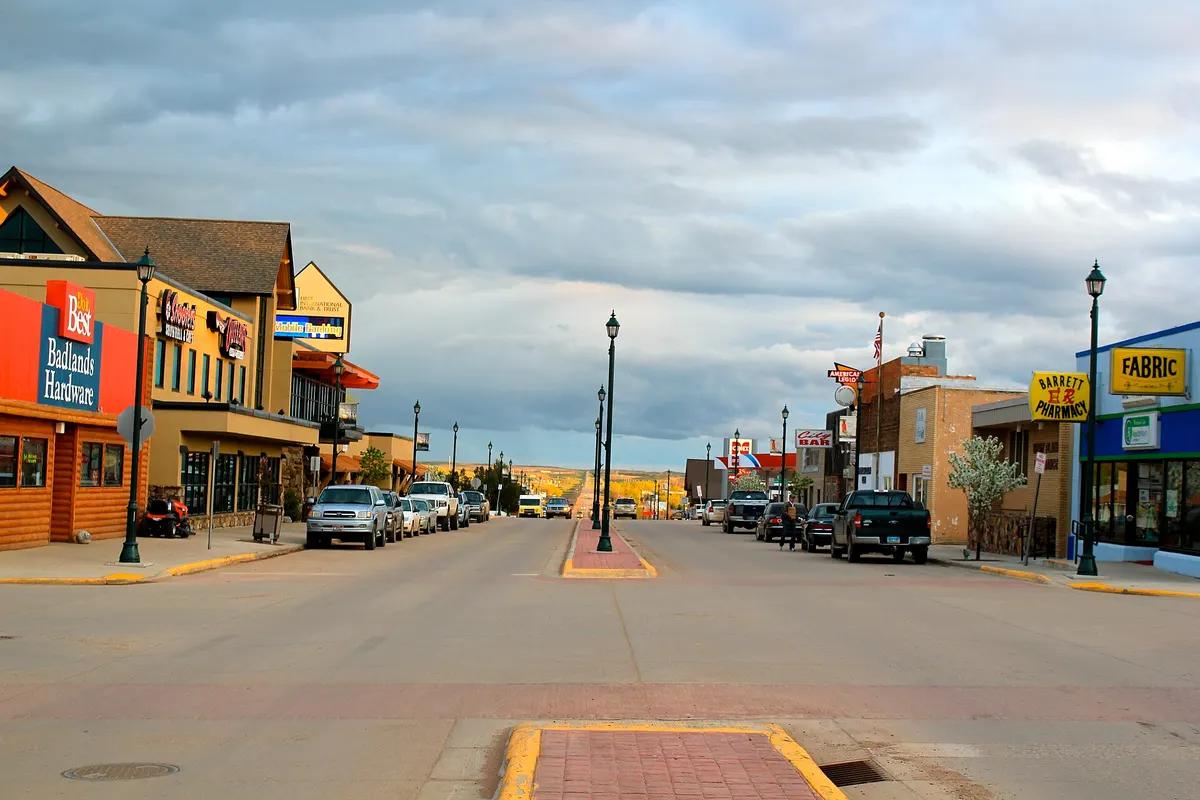
North Unit gateway · base for next leg · DriveAfter your hike, ease north along the back roads toward Watford City, the gateway to the park's quieter North Unit and your base for the next leg. Fuel up and pick up any supplies in town.
 Stay in Watford City
North Unit base · lodgeBase in Watford City for two nights to explore the North Unit. It has the services and lodging the park gateways lack, and positions you for the drive to Lake Sakakawea afterward.
Theodore Roosevelt North Unit · the wilder badlands
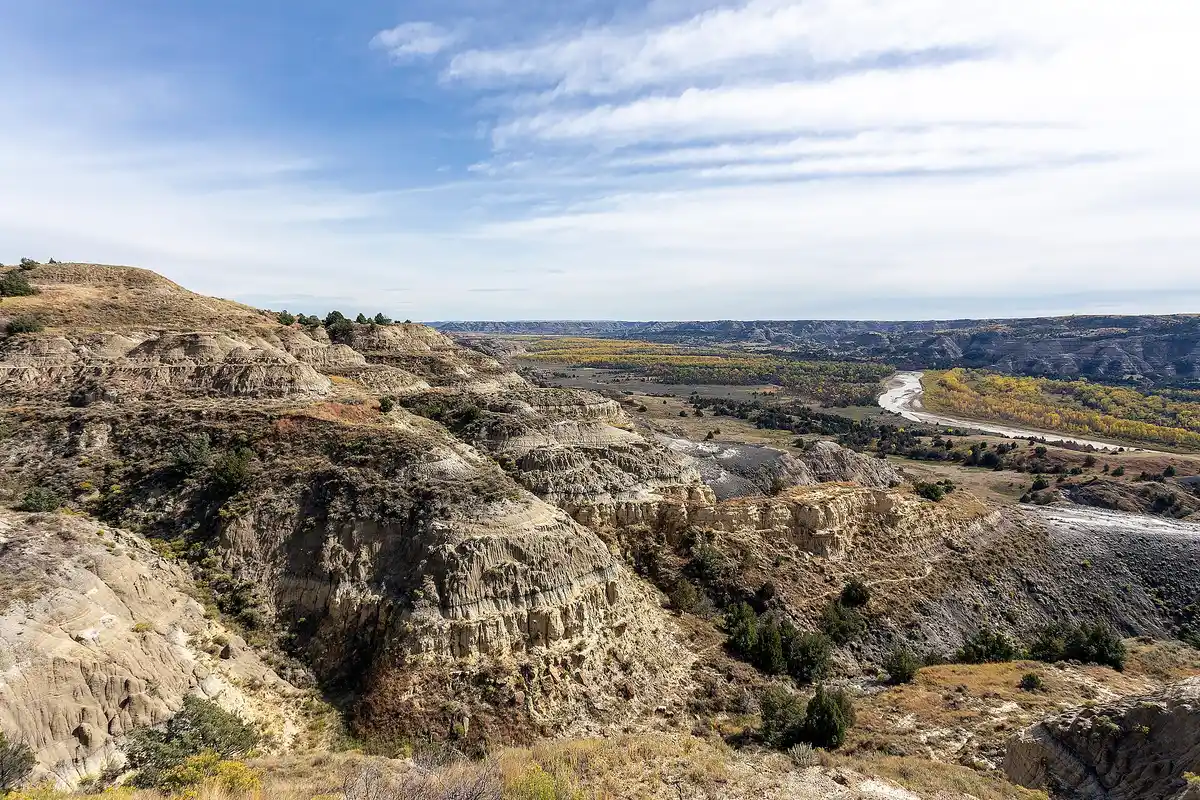
The North Unit of Theodore Roosevelt National Park is the quieter, wilder, and arguably more dramatic of the two, with deeper canyons, the Cannonball Concretions, and longhorn cattle that nod to the area's open-range history. Drive the scenic road out to the Oxbow Overlook, where the Little Missouri makes a sweeping bend far below, and watch for bison and bighorn-style ridgelines along the way.
Not the order you want? Drag a stop, or use the arrows beside it. Stops move between days too.
 Acroterion / CC BY-SA 4.0North Unit scenic road & Oxbow Overlook
Deeper canyons · Little Missouri bend · ViewpointDrive the North Unit scenic road out to the Oxbow Overlook, where the Little Missouri makes a sweeping bend far below. The North Unit is the quieter, wilder, and arguably more dramatic of the two, with deeper canyons and the Cannonball Concretions. Watch for bison and longhorn cattle along the way.
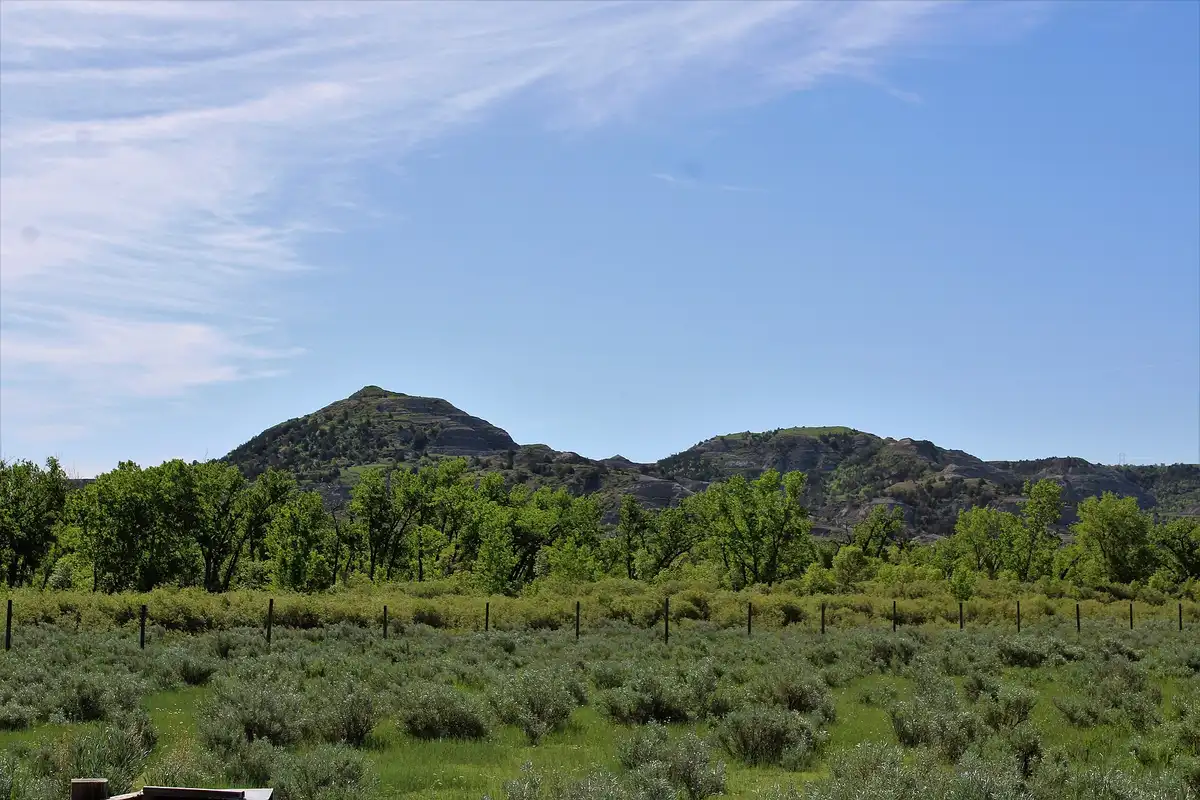 Farragutful / CC BY-SA 4.0Short trail off the scenic road
Easy to moderate · among the buttes · HikeWalk a short trail off the scenic road to get down among the buttes and take in the bigger-picture view of the river you canoed and the country it carves. The North Unit sees a fraction of the South Unit's visitors, so slow down and soak up the quiet.
- Second night in Watford City
Base before Lake Sakakawea · lodgeOvernight again in Watford City before turning toward the big water of Lake Sakakawea tomorrow. Resupply, refuel, and check the reservoir wind forecast for your flatwater paddle.
Lake Sakakawea · flatwater paddling on the big reservoir
Drive about 2.5 hours southeast to Lake Sakakawea State Park at Pick City, on the huge Missouri River reservoir behind Garrison Dam and one of the largest man-made lakes in the country. After days on a shallow, braided river, the scale is a shock: open horizons of blue water, sandy bluffs, and wide bays where you can spend a quiet morning flatwater paddling close to shore.
Not the order you want? Drag a stop, or use the arrows beside it. Stops move between days too.
- Drive to Lake Sakakawea State Park
~2.3 hr from Watford City · Pick City · DriveDrive about 2.3 hours southeast to Lake Sakakawea State Park at Pick City, on the huge Missouri River reservoir behind Garrison Dam and one of the largest man-made lakes in the country. After days on a shallow, braided river, the scale is a shock: open horizons of blue water, sandy bluffs, and wide bays.
 Rent kayaks & paddle Lake Sakakawea
State park rental · $32 half day · 701-487-3315 · activityLake Sakakawea State Park rents kayaks, $32 for a half day or $50 for a full day with paddles and life vests, reserved by phone at 701-487-3315. Paddle close to shore on a calm bay. It is meditative when the wind is down, but the lake is enormous and squalls build fast, so paddle in the morning, hug the shoreline, wear a PFD, and get off the water if whitecaps appear.
Official info → Camp at Lake Sakakawea State Park
ND Parks campground · sites $15-30 · lodgeCamp at Lake Sakakawea State Park: modern sites are $25-30 a night and primitive sites $15, bookable 95 days ahead online through North Dakota Parks and Recreation or at 800-807-4723. Watch the sun set over the big water.
Lewis and Clark history · Fort Mandan & the Missouri
Trace the Lewis and Clark route along the Missouri as it bends through central North Dakota. The Corps of Discovery wintered here in 1804 to 1805, and it was near these villages that the expedition met Sakakawea, the Lemhi Shoshone woman whose name the great reservoir now carries. Visit the reconstructed Fort Mandan and the nearby Knife River Indian Villages to stand where one of the most famous journeys in American history paused for a long northern-plains winter.
Not the order you want? Drag a stop, or use the arrows beside it. Stops move between days too.
- Morning paddle on Lake Sakakawea
Before the wind builds · return the kayaks · activityBefore you leave the lake, take the rented kayaks out for a second calm-morning paddle and return them to the park. On big water the wind decides how far you go and it usually builds by midday, so be off the water early.
- Fort Mandan & Lewis and Clark sites
Reconstructed winter fort · ViewpointTrace the Lewis and Clark route along the Missouri. The Corps of Discovery wintered here in 1804 to 1805 and met Sakakawea, whose name the reservoir now carries. Visit the reconstructed Fort Mandan and the nearby Knife River Indian Villages to stand where one of the most famous journeys in American history paused.
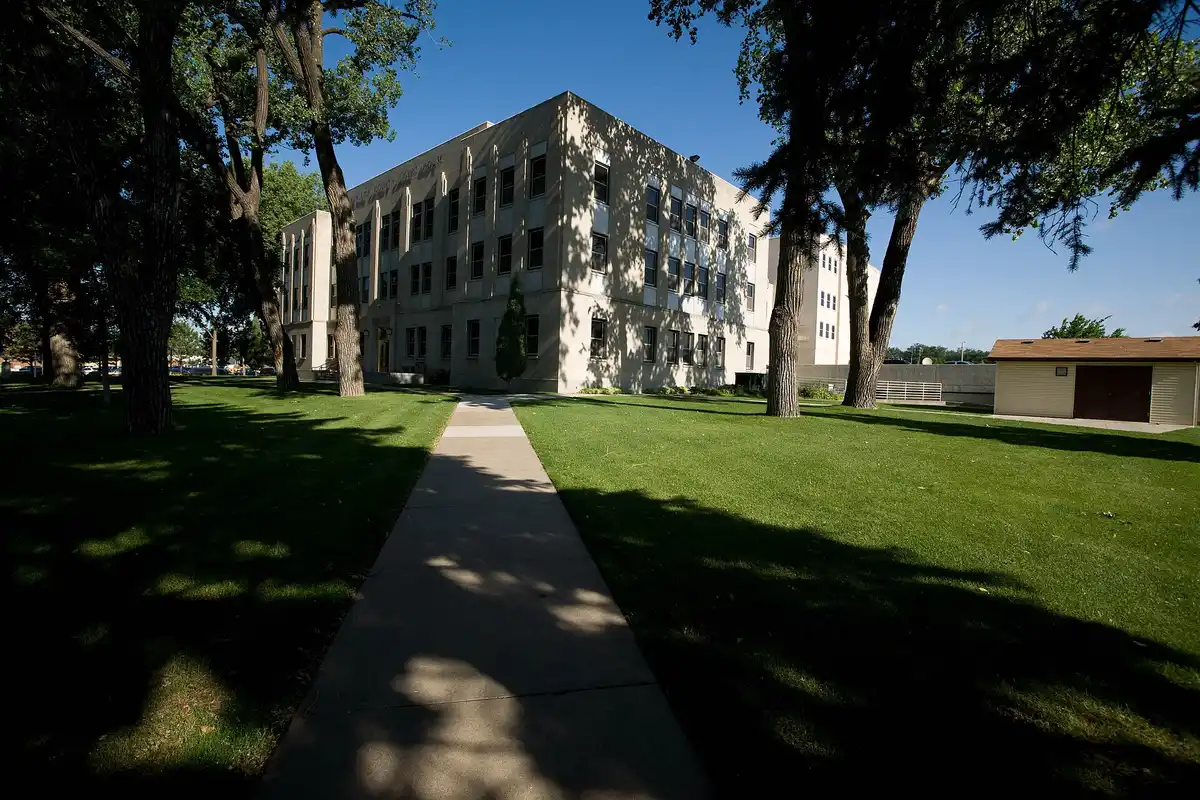 Andrew Filer from Seat / CC BY-SA 2.0Stay in Bismarck
Capital · best lodging & resupply · lodgeDrive on to Bismarck, the state capital, about 1.3 hours from Fort Mandan. It has the trip's best range of lodging, food, and groceries to resupply before two nights of camping.
Cross Ranch State Park · the free-flowing Missouri
Drive up to Cross Ranch State Park, set on one of the last free-flowing, undammed stretches of the Missouri River. Unlike the slack water of the reservoirs, the river here still moves, braids around wooded islands, and rolls past old cottonwood bottoms much as it did in the expedition's day, which makes it one of the most rewarding canoe paddles in the state.
Not the order you want? Drag a stop, or use the arrows beside it. Stops move between days too.
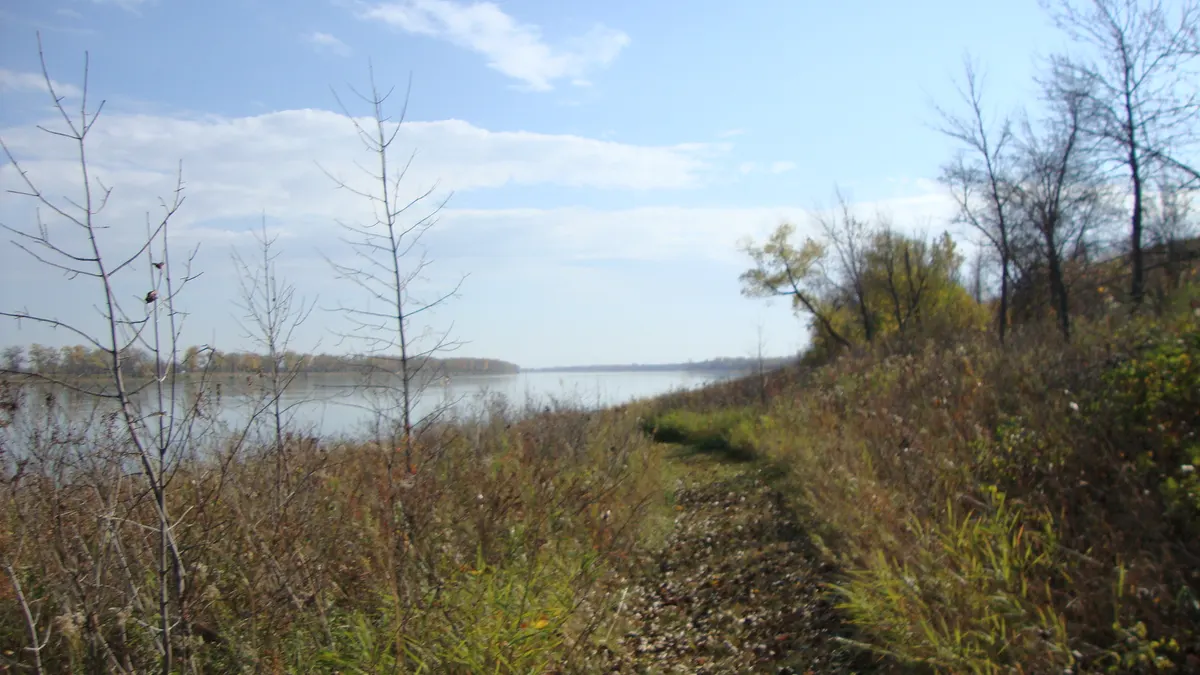 David Becker / CC BY 2.0Drive to Cross Ranch State Park
~1 hr from Bismarck · free-flowing Missouri · DriveDrive up to Cross Ranch State Park, set on one of the last free-flowing, undammed stretches of the Missouri River. Unlike the slack water of the reservoirs, the river here still moves, braids around wooded islands, and rolls past old cottonwood bottoms much as it did in the expedition's day.
- Rent a canoe & float Washburn to Sanger
Park rental + shuttle · 9 river mi · 701-794-3731 · activityCross Ranch State Park rents canoes ($32 a half day, $50 a full day; four in the fleet) and kayaks, then drives you and the boats to Washburn for a nine-mile float back down to the Sanger boat landing. The transport fee is $30, plus $15 if a second vehicle is needed, and the park only shuttles its own rental boats. Call 701-794-3731 to book the boats and the run.
Official info → - Camp at Cross Ranch State Park
ND Parks campground · sites $15-30 · lodgeThe state park, run by North Dakota Parks and Recreation, has standard sites at $25-30 and primitive sites at $15 (book 95 days ahead online or at 800-807-4723), miles of nature trails through the bottomland forest, and an adjacent nature preserve where bison roam. Spend the night on the river.
The Sheyenne River · a quiet prairie float
For a complete change of pace, drive about 3.5 hours east to Fort Ransom State Park on the Sheyenne River, a small, slow, tree-lined prairie stream that winds through a wooded valley in the otherwise open farmland of eastern North Dakota. After the badlands and the big Missouri, the Sheyenne is intimate and gentle: a shady, meandering float with overhanging trees, easy current, and the kind of birdsong you only hear on a quiet river.
Not the order you want? Drag a stop, or use the arrows beside it. Stops move between days too.
- Check the Sheyenne gauge at Lisbon
Small river · can run thin in late summer · customThe nearest gauge is downstream at Lisbon. The Sheyenne is small and can run shallow in late summer, so check it before you drive east, and if it is low ask the park how the river looks at Fort Ransom.
Official info → - Drive to Fort Ransom State Park
~3.5 hr east of Cross Ranch · Sheyenne valley · DriveDrive about 3.5 hours east from Cross Ranch to Fort Ransom State Park in the wooded Sheyenne River valley. Fuel up in Bismarck or Jamestown on the way.
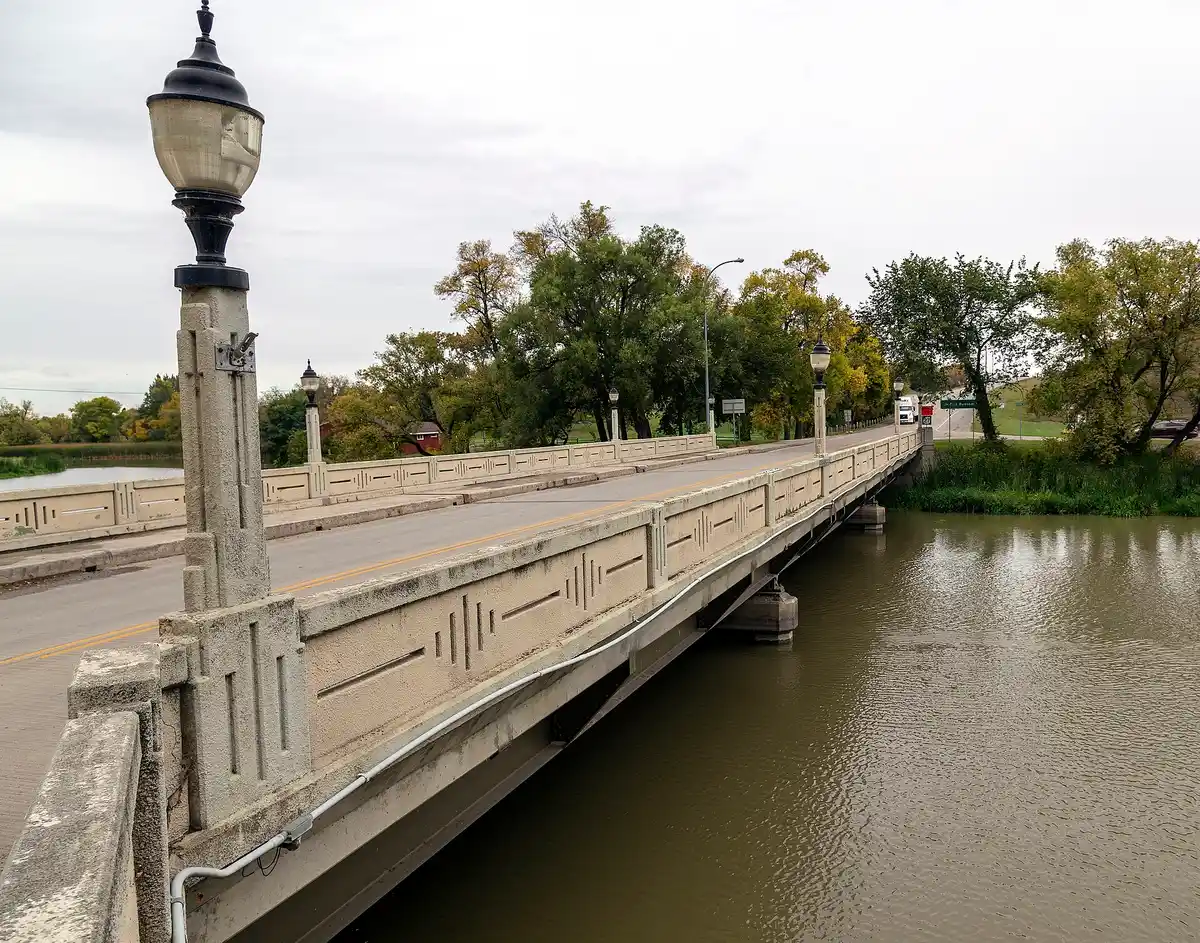 Acroterion / CC BY-SA 4.0Rent kayaks & paddle the Sheyenne
State park rental · $32 half day · 701-973-4331 · activityFort Ransom State Park rents kayaks, $32 for a half day or $50 for a full day with paddles and life vests; call 701-973-4331 to check availability. The Sheyenne is a small, slow, tree-lined prairie stream, and the park lists no shuttle, so paddle an easy out-and-back from the park.
Official info →- Camp at Fort Ransom State Park
ND Parks campground · sites $15-30 · lodgeCamp at Fort Ransom State Park: standard sites are $25-30 a night and primitive sites $15, bookable 95 days ahead online through North Dakota Parks and Recreation or at 800-807-4723. It is too far to drive back to Bismarck after a paddle, so sleep by the river.
Drive back & fly home
Watch the sun come up over the Sheyenne valley, dry your gear, and pack up camp. Fort Ransom is the far end of the trip, so the last day is mostly driving.
Not the order you want? Drag a stop, or use the arrows beside it. Stops move between days too.
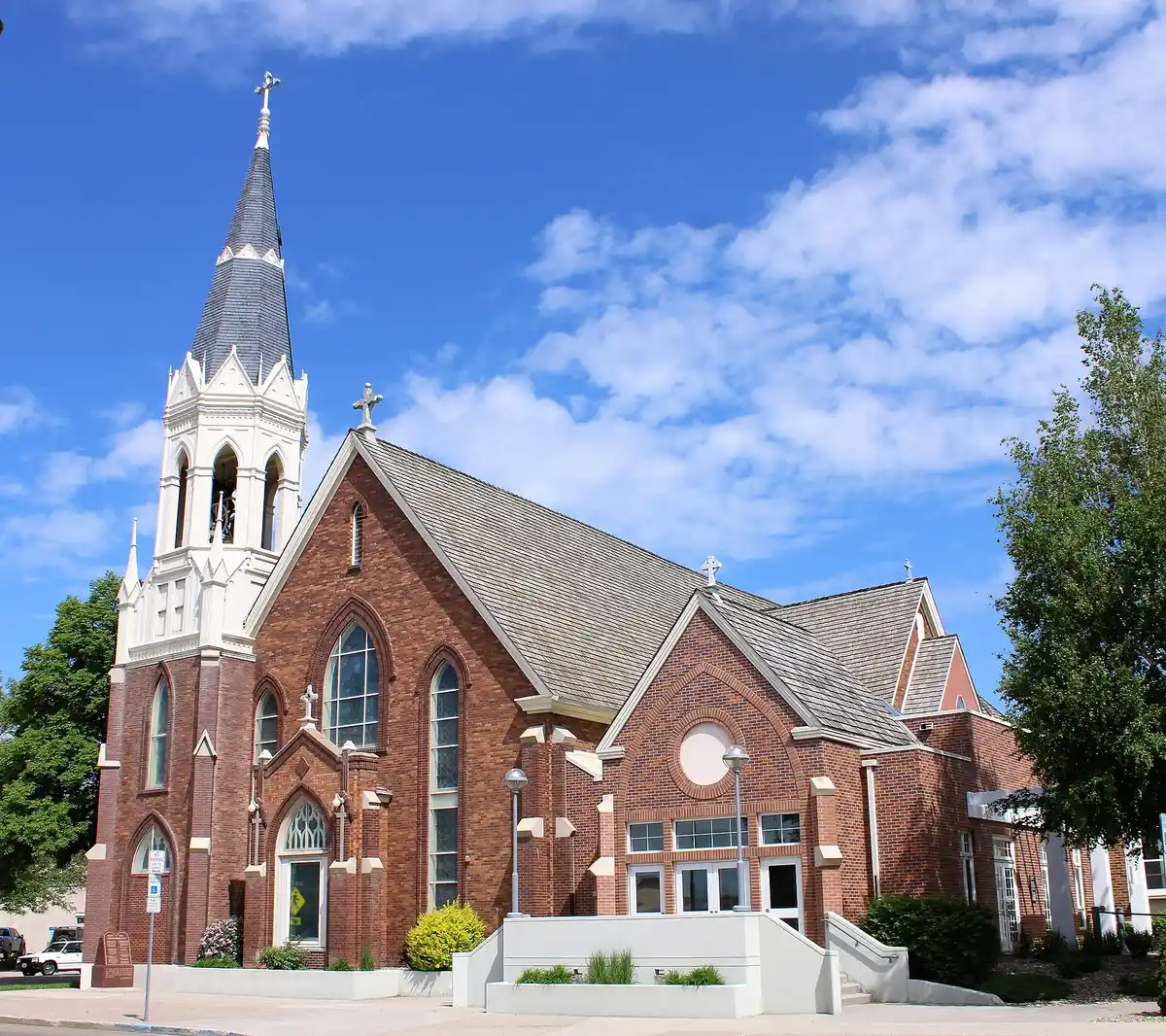 Farragutful / CC BY-SA 4.0Drive to Bismarck or Fargo
BIS ~2.7 hr west · FAR ~1.5 hr northeast · DrivePack up camp and drive about 2.7 hours west to Bismarck to close the loop with your rental car, or about 1.5 hours to Fargo if you booked a one-way car. Fuel up and leave early: the prairie drive is longer than it looks.
 Fly home: Bismarck or Fargo
BIS closes the loop · FAR needs a one-way car · DriveFly home from Bismarck (BIS), or from Fargo (FAR) if you drove there instead. Return the car and leave time to spare, because the airports are small.
Book the 9 nights
Beds near the trailheads are the one thing on this trip that genuinely runs out. Everything else can be decided later.
Tell us your dates and we will do the checking. We find what is still open near each trailhead and email you this plan back with a booking link for each night. Nothing is charged and you decide at the end.
Request to bookWhat to pack for North Dakota
Built from this route, not a generic list. Every line says why it is here.
On every day of this trip
On your feet
Because you are sleeping out 3 nights
For the 6 nights under a roof
For the driving days
What we actually learned on the rivers.
The Little Missouri is seasonal, plan around the gauge
The Little Missouri River canoe run only floats in spring and early-summer high water, usually April into early June, and runs dry by midsummer. Watch the USGS gauge near Medora and always have a flatwater backup on Lake Sakakawea or the Missouri if levels are too low.
Pay the entrance fee or bring your pass
Theodore Roosevelt National Park charges about $30 per vehicle for a 7-day pass covering both the South and North Units. The annual America the Beautiful pass ($80) also covers entry and pays off fast if you visit other parks. Pay at the entrance or online ahead.
Plan shuttles for one-way river floats
River paddling is one-way and downstream. At Cross Ranch the state park rents canoes and shuttles its own boats from Washburn to the Sanger landing ($30, call 701-794-3731). On the Little Missouri we could not verify any outfitter renting boats or running shuttles, so bring your own canoe and leave a second car at the take-out.
Mind the wind on the big reservoirs
Lake Sakakawea is enormous open water where squalls build fast and whitecaps come up quickly. Paddle in the calm of early morning, hug the shoreline, always wear a PFD, and get off the water the moment the wind picks up.
Fuel up and expect few services
This is remote, big-sky country with long empty stretches, sparse gas, and patchy cell service. Fill up in Medora, Watford City, or Bismarck before every leg, download offline maps, and carry far more water than you think you need.
Lodging is thin, so book early
Medora is tiny and fills up around Medora Musical nights and summer weekends. Reserve early or base in Watford City for the North Unit and Bismarck for the lower-Missouri legs. The three paddling nights are state-park campgrounds (Lake Sakakawea, Cross Ranch, Fort Ransom), bookable 95 days ahead through North Dakota Parks and Recreation.
North Dakota: questions before you go
North Dakota badlands: the questions people ask most.
The Little Missouri River canoe run is strictly seasonal. It only floats in spring and early-summer high water, usually April into early June, and the river is shallow, braided, and dries up by midsummer. Watch the USGS gauge near Medora and plan the trip around the flow. If levels are low, switch to flatwater paddling on Lake Sakakawea or a float on the free-flowing Missouri at Cross Ranch State Park instead.
Parts of it are. Flatwater paddling on a calm Lake Sakakawea morning and the gentle Sheyenne River are beginner-friendly with proper precautions. The Little Missouri through the badlands is remote wilderness paddling with no services and no cell signal, so it suits paddlers comfortable reading a shallow, braided river and filing a float plan. Hug the shore on the big reservoir, always wear a PFD, and never paddle the big lake in wind.
Late spring through early fall. The Little Missouri only floats in spring and early-summer high water, so target April into early June for that badlands run. The lakes and the lower Missouri paddle well all summer, and early fall brings crisp weather and fewer people. Winter is cold and not suited to paddling.
Day floating on the Little Missouri does not require a special permit, but you do pay the park entrance fee, about $30 per vehicle for 7 days, or use an America the Beautiful pass. Backcountry camping requires a free permit from the park. Always check current conditions, river access, and regulations with the park before you launch, and file a float plan since the river is remote with no cell service.
Three nights in Medora for the South Unit and the Little Missouri, two in Watford City for the North Unit, then the trip moves: a campsite at Lake Sakakawea State Park, a night in Bismarck, and campsites at Cross Ranch and Fort Ransom state parks, each where that day's paddle is and each renting the boats. Medora is tiny and fills up on summer weekends and Medora Musical nights, so reserve early.
Lake Sakakawea is the huge Missouri River reservoir behind Garrison Dam, one of the largest man-made lakes in the country. It is calm and rewarding to paddle on a still morning but dangerous in wind, when squalls and whitecaps build fast over the open water. Paddle early, stay close to shore, always wear a PFD, and get off the water immediately if the wind picks up.
Bismarck (BIS) is the most convenient airport: about 2.5 hours from Medora at the start and 2.7 hours from Fort Ransom at the end. Dickinson (DIK) is closer to Medora, and Fargo (FAR) is closer to Fort Ransom if a one-way car works for you. Either way you will drive long, remote stretches of prairie, so rent a vehicle, fuel up in town before each leg, and download offline maps because cell service is patchy.
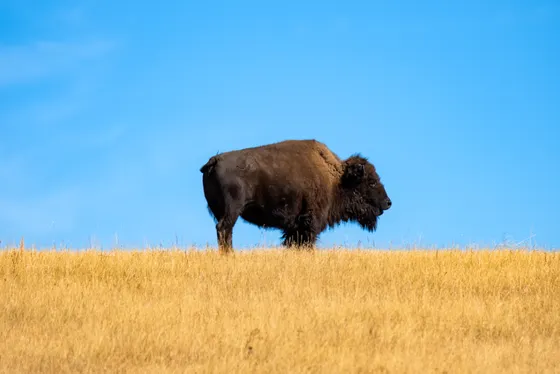
Yes. Theodore Roosevelt National Park is famous for free-roaming bison in both the South and North Units, and the South Unit has bands of wild horses you can often spot on the ridges along the scenic loop. The North Unit also has longhorn cattle. Give all wildlife a wide berth: bison in particular are unpredictable and far faster than they look.
Respect it. The wide Missouri River channels and Lake Sakakawea offer no shelter from sudden plains headwinds that can stall a loaded canoe or even capsize it. Plan to knock out your open-water paddling early, roughly between 5 AM and 10 AM before the wind builds, track the daily wind forecast, hug the shoreline, and pack a heavy-duty bailing bucket. Always wear a PFD, and if whitecaps come up, get off the water and wait it out.
Yes. Tell us your dates and we check what is still open for the plan on this page, then send it back with a booking link for each night and the total. Nothing is charged and nothing is held, and you pay the normal rate.
Pick how you want to go.
Same 10-day route. Same 15 stops.
- 3 nights, a campsite near Medora
- $75
- 2 nights, a campsite near Watford City
- $50
- 1 night, a campsite near Bismarck
- $25
- 3 nights, the campsite on the route
- $75
- 3 nights, a room in Medora
- from $414
- 2 nights, a room in Watford City
- from $172
- 1 night, a room in Bismarck
- from $145
- 3 nights, campsites on the nights the route camps
- $75
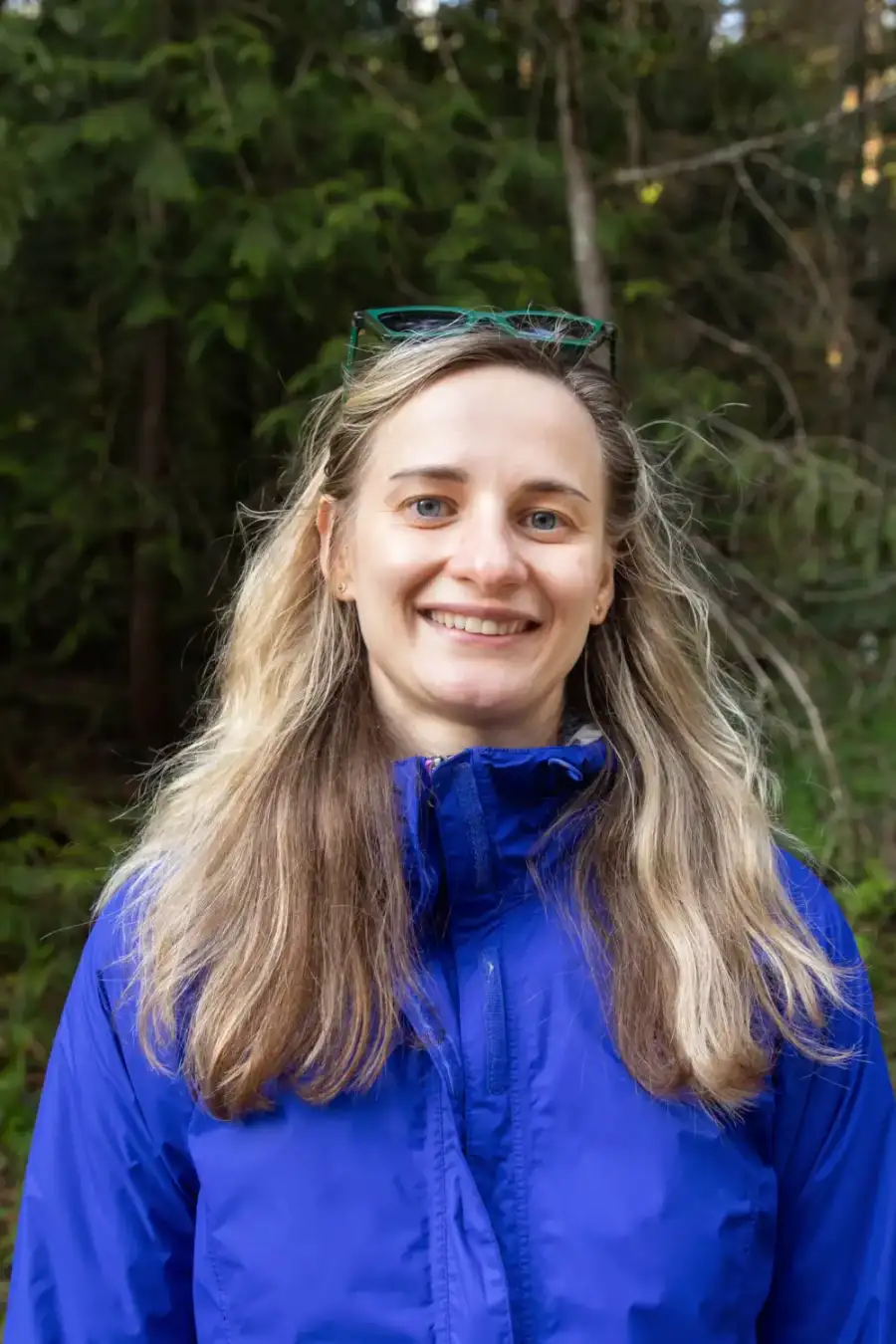
- A private local guide, rooms and campsites booked
- Included
- Airport pickup and every drive
- Included
- Park, permit and campsite fees paid
- Included
- All the gear and the trail meals
- Included
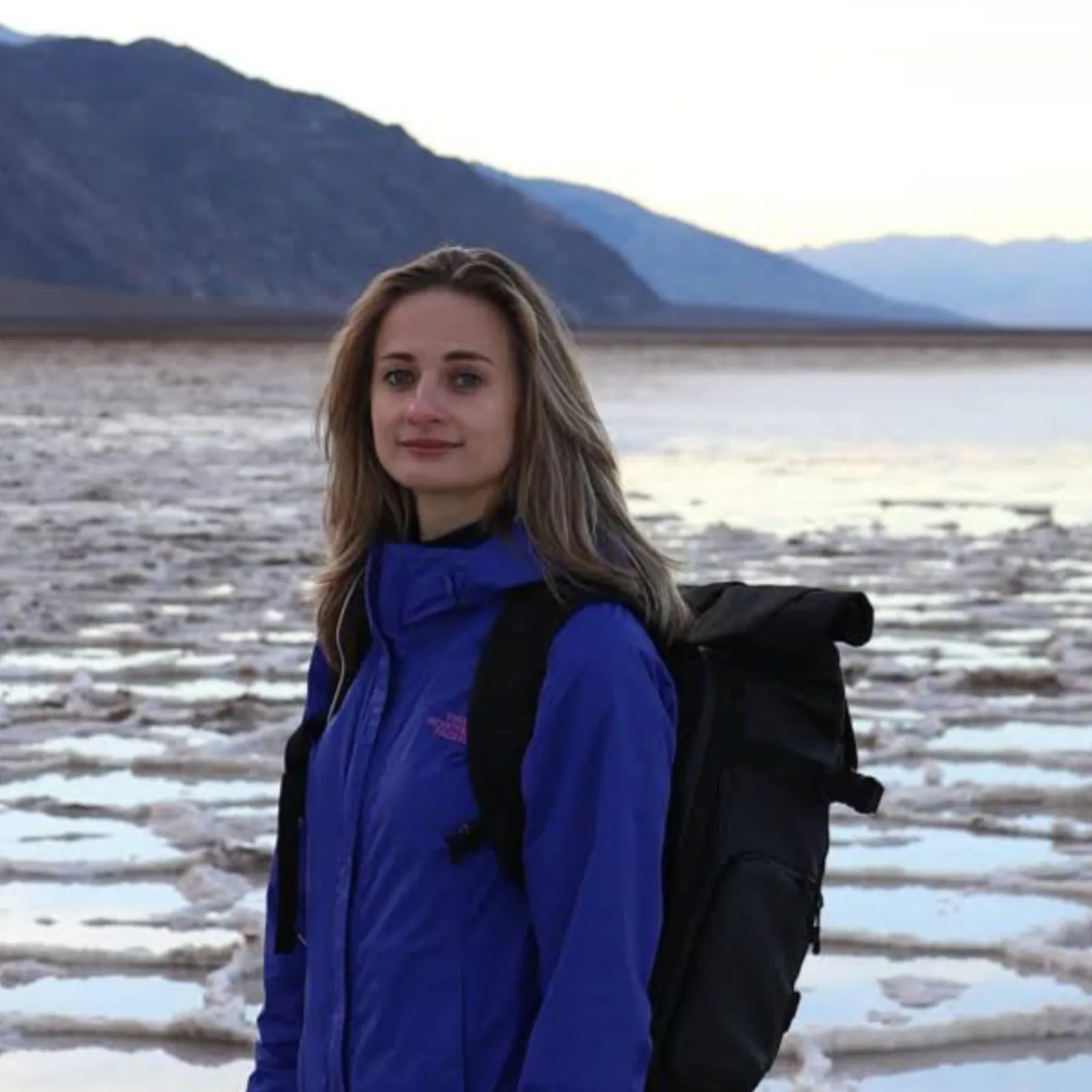
Written and walked by Yulia Vasilyeva · Co-founder · Lead planner and guide
Three years leading guided hikes in the Pacific Northwest, rated 5.0 by 20+ verified guests, and she builds every custom itinerary herself. Based in Seattle.
Last checked September 2026
You might also love these
Other itineraries near this one.
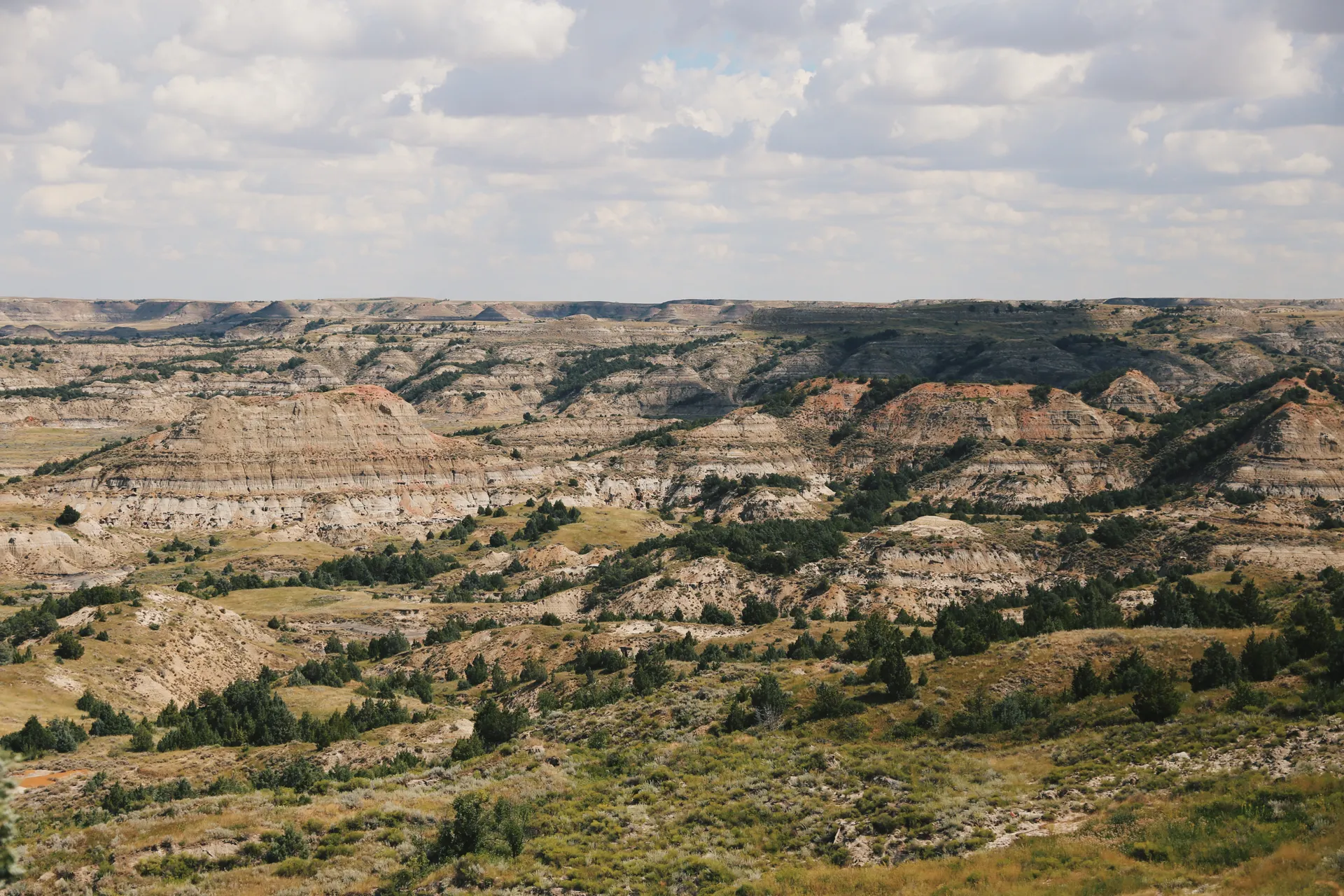
Little Missouri River Canoe Trip: 5 Days, Medora to Long X Bridge
107.5 river miles through the North Dakota badlands, from the South Unit past Roosevelt’s Elkhorn Ranch to the North Unit, camped on the…
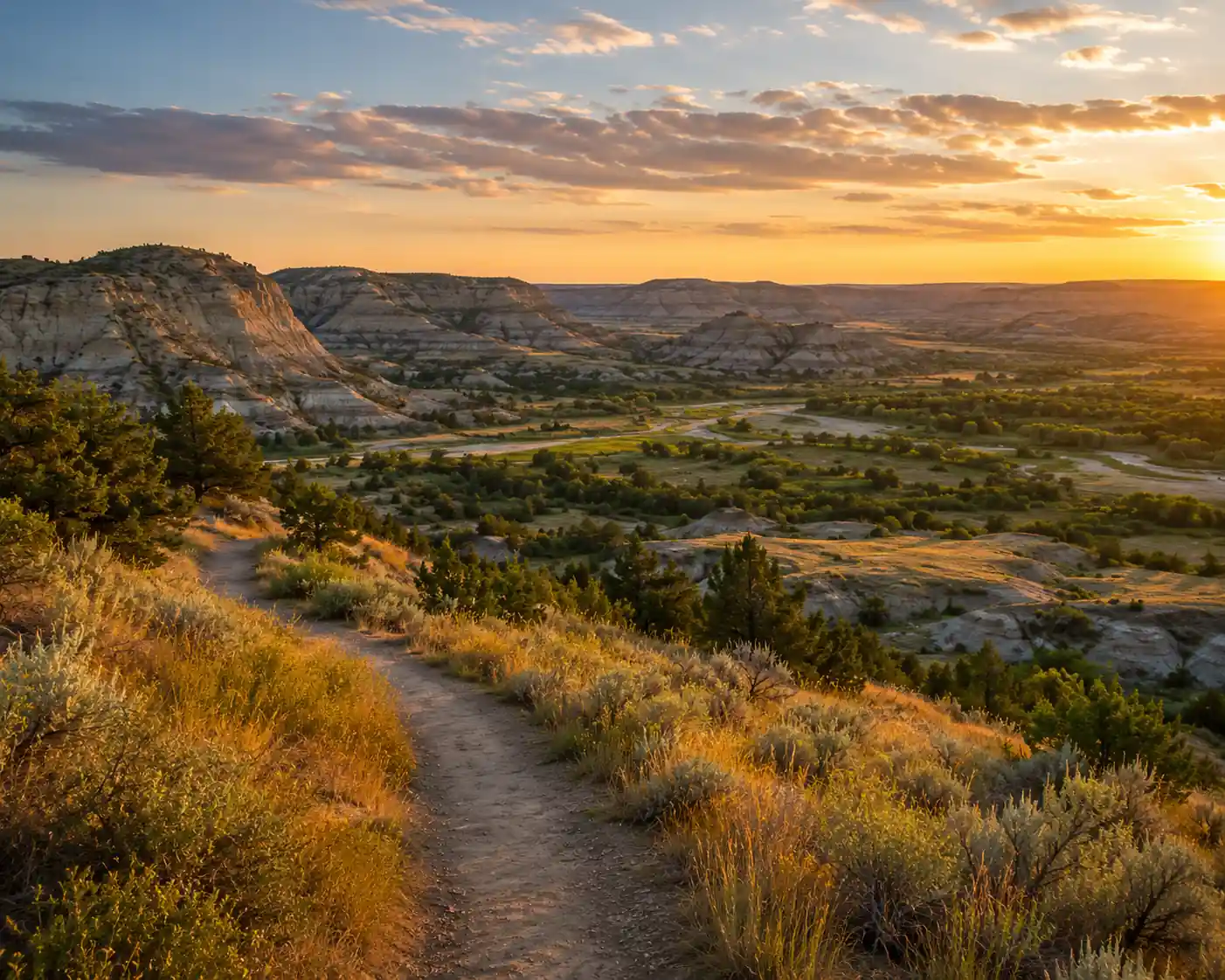
Theodore Roosevelt National Park: 3-Day Weekend Itinerary
A 3-day Theodore Roosevelt National Park weekend in the South Unit from Medora: Painted Canyon, the 36-mile Scenic Loop Drive, Wind…
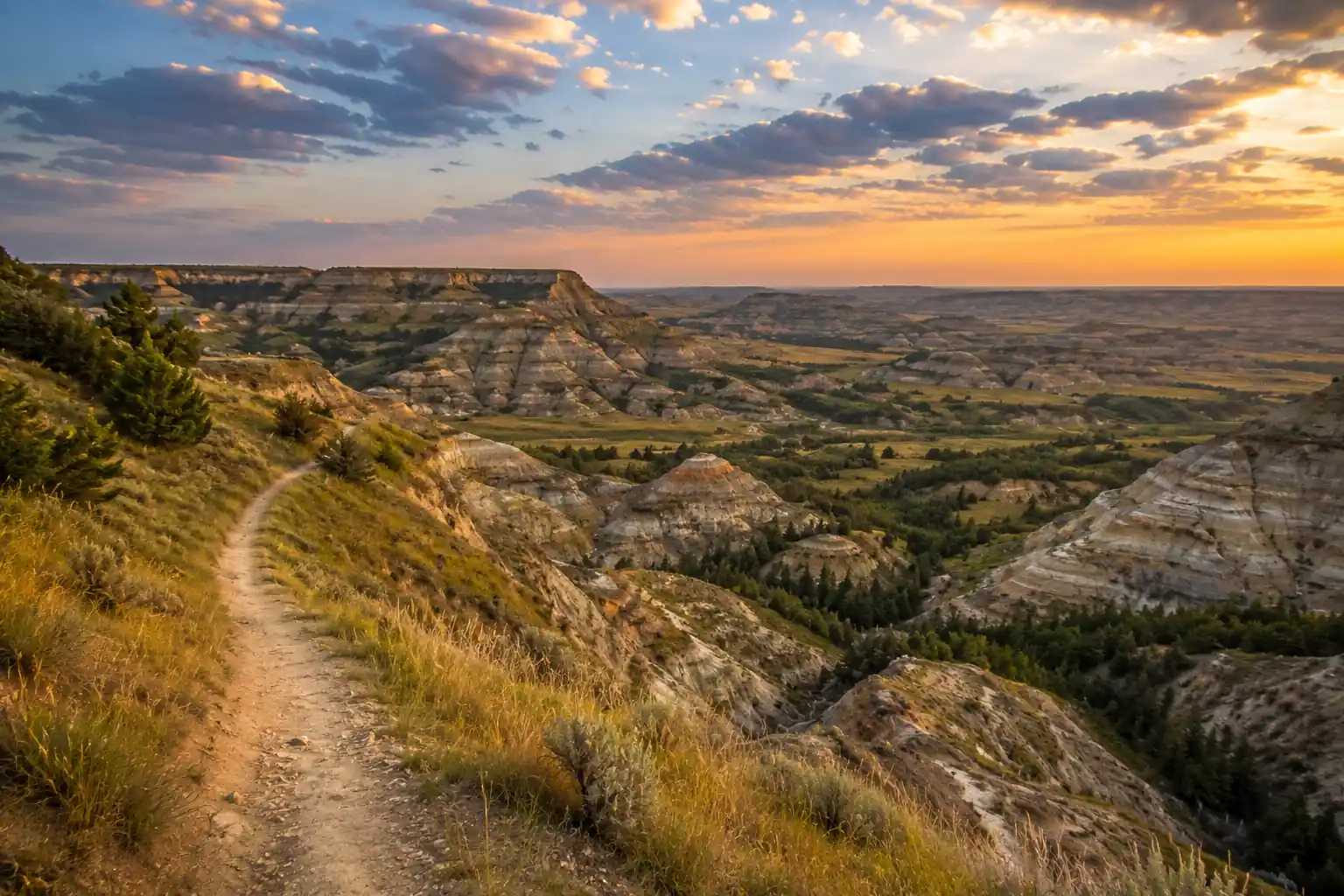
Maah Daah Hey Trail: 6-Day Backpacking Itinerary
A 6-day Maah Daah Hey Trail itinerary covering a 60-mile central section of the North Dakota Badlands, from Sully Creek to Peaceful…
Guides for this tripLake Sakakawea Fishing GuideThe Best Time to Visit Theodore Roosevelt National ParkThe Best Hikes in Theodore Roosevelt National Park
What adventurers say about us.
All reviews are from verified guests. ★★★★★ 5.0 average from 20+ bookings.
"Felt like going out with a really knowledgeable friend who just happens to know everything about the area. No awkward tour-guide energy, just a magnificent day."
"Yulia is an incredible guide. She knew every trail, every viewpoint, and exactly how to pace the day for our group. The photos she took of us were stunning. 100% booking again."
"I was visiting Seattle solo and this was the best decision I made on the trip. Yulia picked me up, had snacks, and took us to a trail I never would have found on my own. Absolute must-do."
"We did this as a couple's trip and it was perfect. Yulia adapted everything to us, our pace, our interests, our photo obsession. The mountain views were unreal."
"Phenomenal experience. Yulia has deep local knowledge and a real passion for the outdoors. She went out of her way to show us the hidden gems tourists never see. Will remember this forever."
"I've done a few guided hikes and this was by far the best. Yulia is warm, funny, and genuinely expert. The trail she chose had the most insane wildflower bloom, we got so lucky."
Fees, reservation windows, shuttle dates and trail closures are planning estimates. Confirm hours, road status and any reservations with the land manager before you go.
What other travelers are saying
Be the first to leave a tip or question for the next traveler.
Was this helpful?
One tap. It goes straight to Yulia and Margarita.
You can't hike it if you can't get the permit.
The best hikes in America run on lotteries that open once a year and sell out in minutes. Every trail runs on its own calendar. Pick the ones you want and we do the watching.
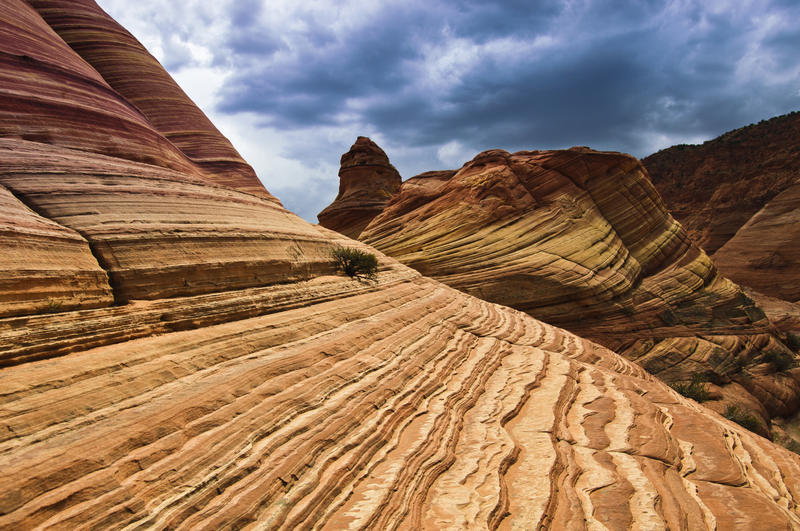 The WaveCoyote Buttes North · Arizona / UtahPermitLotterybrutal odds
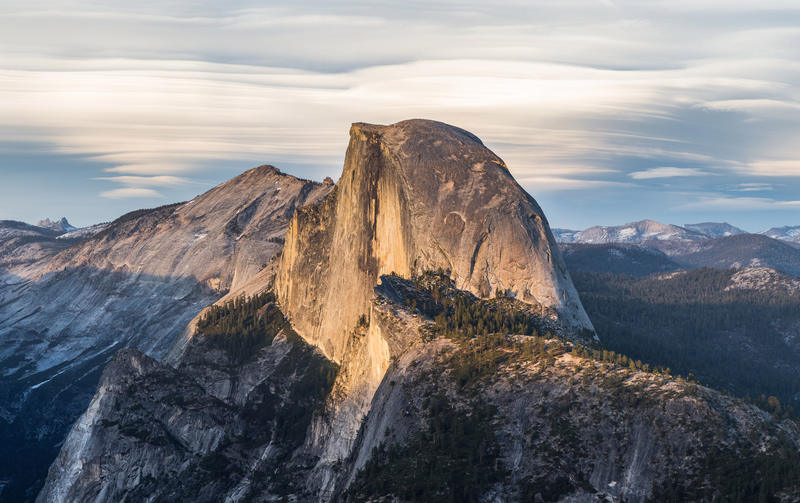 Half Dome CablesYosemite NP · CaliforniaPermitOpens Mar 1fair odds
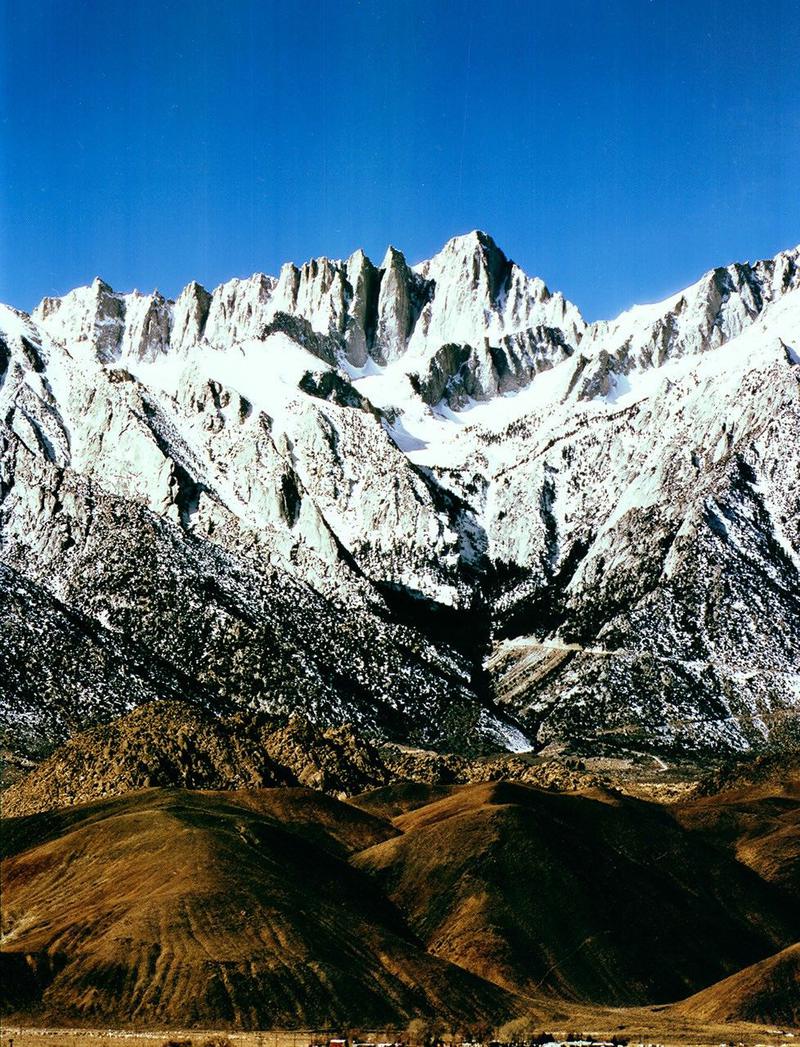 Mt. WhitneyInyo NF · CaliforniaPermitOpens Feb 1tough odds
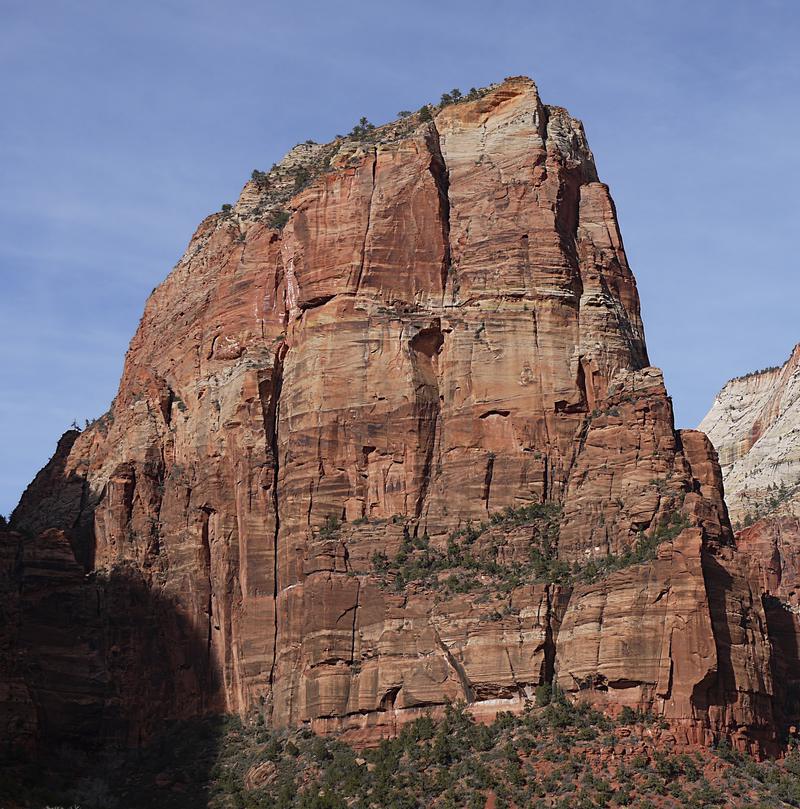 Angels LandingZion NP · UtahPermitLotterytough odds
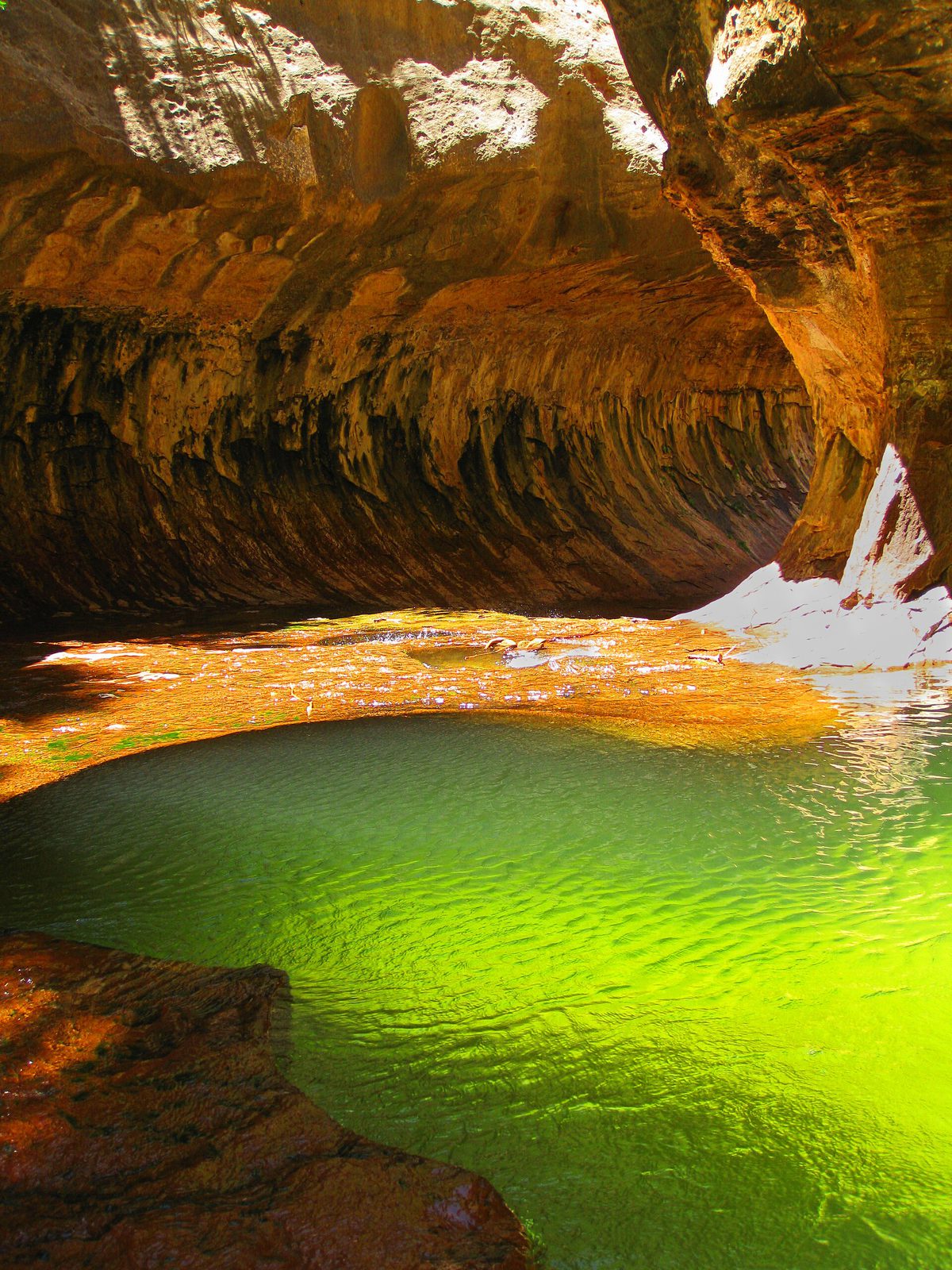 The SubwayZion NP · UtahPermitLotterytough odds
 Mount St. Helens Summit ClimbGifford Pinchot NF · WashingtonPermitReservationtough odds
How it works
- An email the morning each window opens, never the day after.
- A 14-day heads-up so you can line up your group and dates.
- Win odds and a ranked backup plan for every trail you pick.
Didn't win? We keep watching. We check recreation.gov every day for The Enchantments, Half Dome and Angels Landing, and email you the moment a sold-out date frees up. Cancellations are the second chance most people never hear about.