Yellowstone River Trail: Backpacking the Black Canyon
The Yellowstone River Trail runs about 18 miles through the Black Canyon of the Yellowstone, from the Hellroaring trailhead down to Gardiner. It is the lowest ground in the park, around 5,300 feet at the north end, which makes it one of the few backcountry routes open in April and May while the rest of Yellowstone is still under snow. It needs a backcountry permit, it holds the park’s only rattlesnakes and poison ivy, and it is usually walked east to west over two or three days.
The route
Most people start at Hellroaring Creek off the Northeast Entrance Road and walk downstream, west, to the Gardiner trailhead near the North Entrance. That direction loses about 1,400 feet overall and puts the steep drop to the suspension bridge at the start rather than the end.
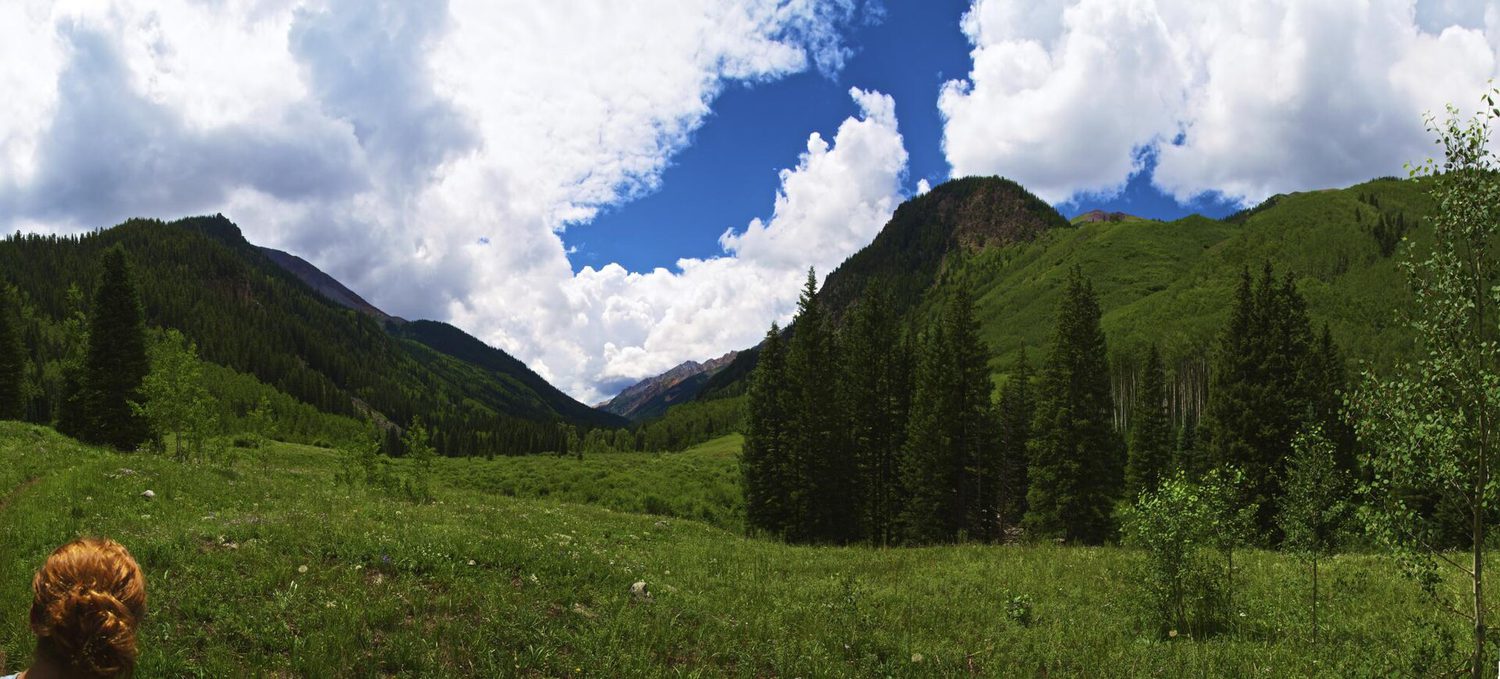
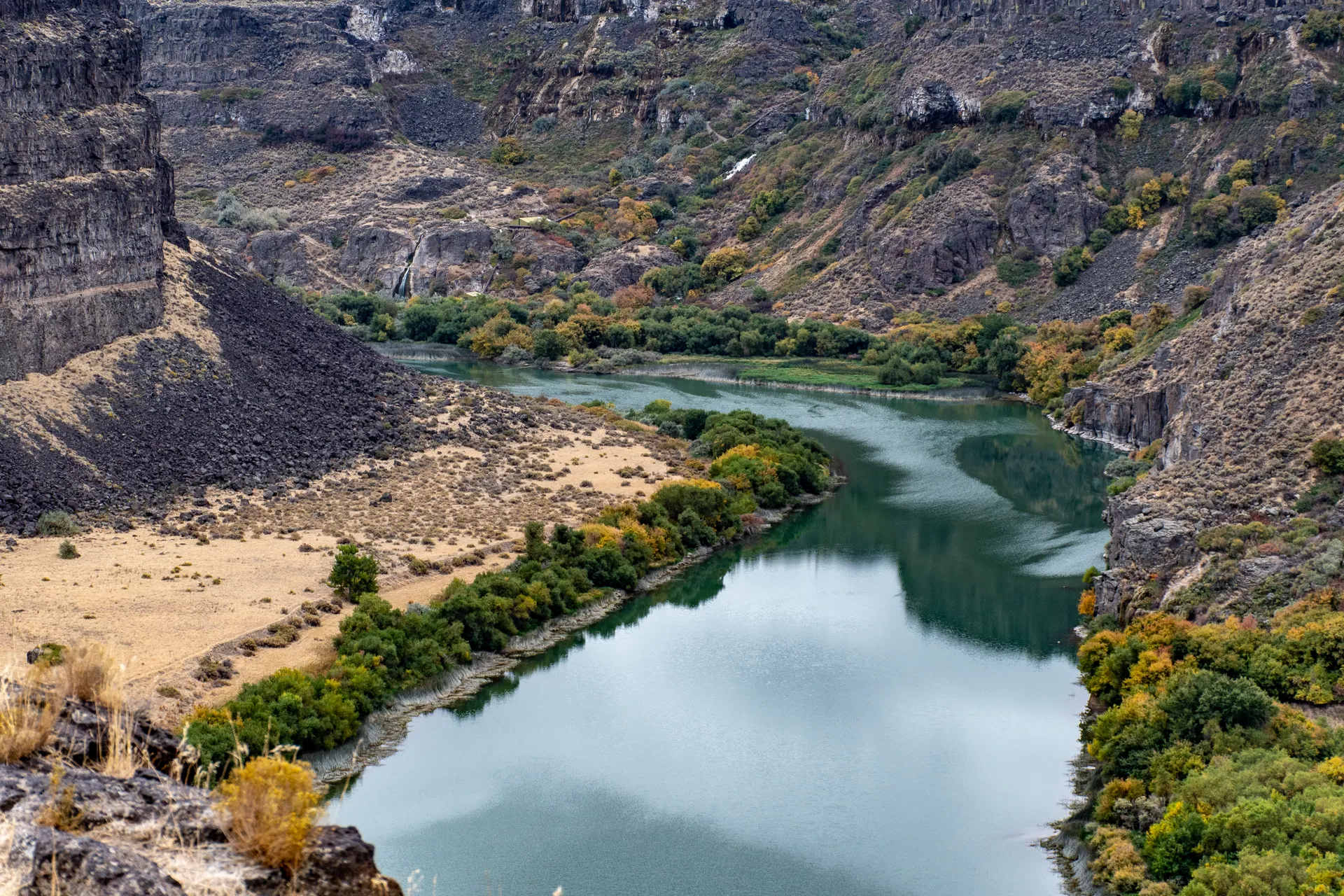
The highlights, in order walking west: the Hellroaring Creek suspension bridge high above the gorge, the long open benches above the river where the canyon opens up, Knowles Falls at around the halfway point, a 15 foot drop where the whole Yellowstone River funnels through a narrow slot, then Crevice Lake and the final miles along the river into Gardiner past old homestead ground.
Why it is a spring route
Almost everything in Yellowstone sits above 7,000 feet and stays snowed in until June or July. The Black Canyon drops to about 5,300 feet at Gardiner, which is the lowest point in the park, and it melts out weeks earlier. Late April through May is the window, and it is also when the canyon is green and the river is loud with snowmelt.
The trade is that spring is when bears come down low to feed. Carry spray, know how to use it, and hang or store food properly at every camp.
The two things that surprise people
- Rattlesnakes. The Black Canyon is the only part of Yellowstone warm and low enough for prairie rattlesnakes. They are not common and they are not aggressive, but this is the one trail in the park where you watch where you put your hands on rock.
- Poison ivy. Also unique to this canyon within the park, and it grows thick in places along the river benches. Long trousers are worth the heat.
Permits and camps
Every night out in Yellowstone backcountry needs a permit tied to a specific numbered campsite. Reservations open through recreation.gov with an early access lottery in the spring, and a share of sites is held back for walk up permits issued at backcountry offices no more than 48 hours ahead. Gardiner and Mammoth are the offices for this trail.
The canyon has a run of riverside sites spaced along the route, which is what makes two and three night versions easy to build. Popular sites near Knowles Falls go first in the lottery.
Logistics
- Shuttle. The two trailheads are about 25 road miles apart, so you need two cars or a lift. Gardiner outfitters run shuttles in season.
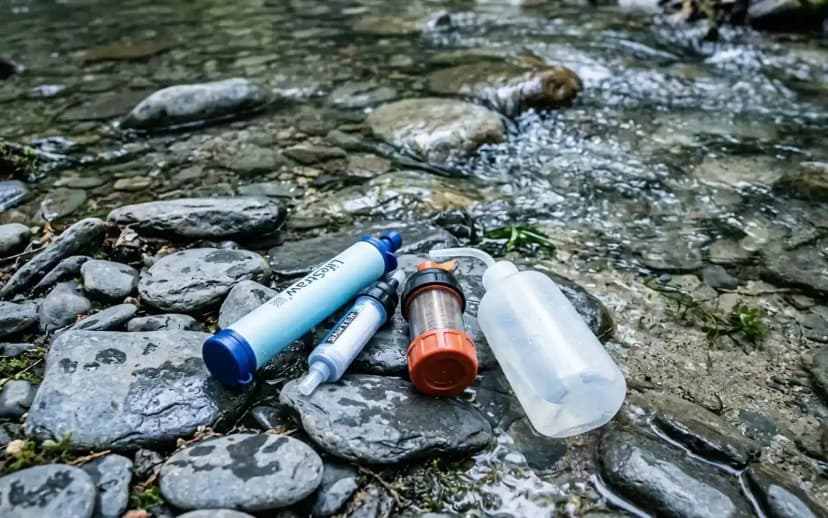
- Water. The river is beside you almost the whole way. Filter it.
- Two nights is the comfortable version. One night makes it a long 18 mile day and a short one.
- Black Canyon or Grand Canyon. These are different places. The Grand Canyon of the Yellowstone with the famous falls is at Canyon Village, 40 miles south. The Black Canyon is the remote northern gorge this trail follows.
Have us set it up
Backcountry permits and shuttles are the fiddly part. Tell us your dates and we will handle the sites, the lottery timing and the logistics. See also our Yellowstone waterfall hikes. Planning is free, and we earn only if you book through us.
Yellowstone River Trail: Backpacking the Black Canyon FAQs
About 18 miles from the Hellroaring trailhead to Gardiner through the Black Canyon of the Yellowstone. Most people walk it east to west over two or three days.
No. The Grand Canyon of the Yellowstone, with the Lower and Upper Falls, is at Canyon Village in the park interior. The Black Canyon is the remote northern gorge between Hellroaring and Gardiner, about 40 miles away.
Late April through May is the classic window. At around 5,300 feet at the Gardiner end it is the lowest ground in Yellowstone and melts out weeks before the rest of the park.
Yes. It is the only part of Yellowstone low and warm enough for prairie rattlesnakes, and the only part with poison ivy. Neither is common, but both are worth knowing about before you go.