White Sands Photoshoot Guide: Permits, Best Light and Where to Shoot
Shoot within an hour of sunrise or sunset. Flat overhead sun at midday bounces off the white gypsum sand and washes out both the dunes and your subject, while low light at the edges of the day throws long shadows across the ripples and makes the sand read as sculpted rather than flat. Personal photos, including a full camera kit, need no permit. A paid or professional shoot, portraits, engagements, or anything with a crew or props, is a different question and the park asks you to check with them directly rather than assume. Our White Sands itinerary covers the rest of a weekend here.
Golden Hour Is Not Optional
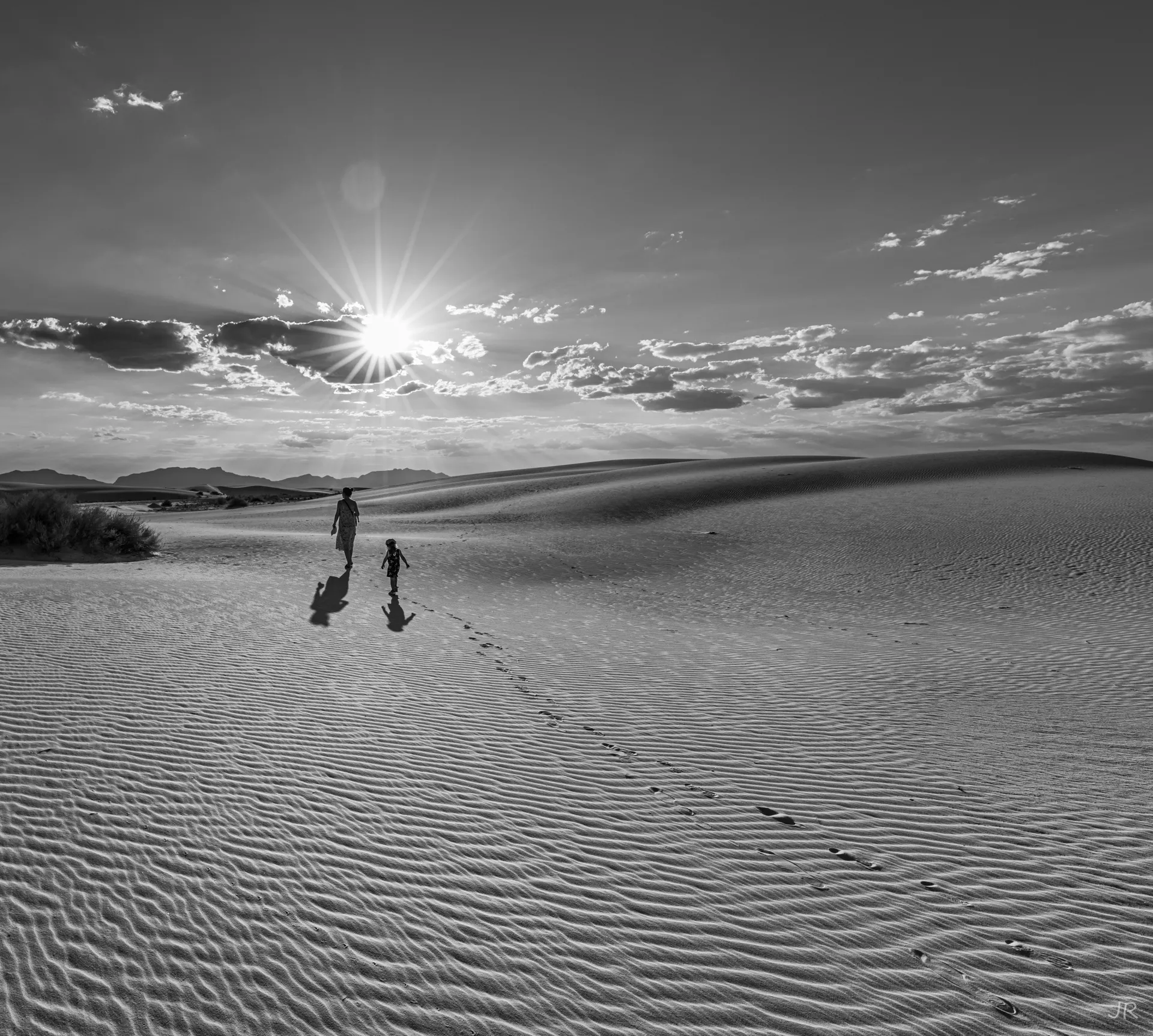
White Sands is one of the few landscapes where midday light actively hurts your photos instead of just being flat. The gypsum sand reflects so much light that a noon shot loses texture entirely and the dunes look like a plain white sheet. In the hour after sunrise or before sunset, the sun sits low enough that every ripple and footprint in the sand casts a shadow, and the whole dune field reads as three-dimensional. If you only have one window, take sunset over sunrise; the park stays open later in the evening in most seasons, which gives you more flexibility to wait out a bad sky.
Where to Shoot
- Dunes Drive pullouts. The road loops through the dune field, and the pullouts closest to the far end give you dunes with no footprints yet if you get there early, since fewer people walk that far in.
- Off the marked trails, a short walk from a pullout. A five to ten minute walk off the road gets you past the trampled sand near the parking areas. Bring a compass or a downloaded map; the dunes shift and there are no landmarks once you are among them.
- Interdune Boardwalk area. Easier access if you have gear, a client, or mobility concerns, since it is a short, flat, accessible walk rather than a trudge through loose sand.
Full Moon Nights
White Sands runs special evening programming and extended hours around the full moon in season, and the sand reflects moonlight strongly enough to shoot by, which is a genuinely different photo than the daytime dune shots most people get. Check the park's current schedule for full moon night dates and hours before you plan around it, since they vary by month and are not fixed.
Sand and Wind: Protect Your Gear
Wind picks up gypsum sand easily, and it is fine enough to work into camera bodies and lens mounts. Keep lens changes to a minimum in the field, use a rain cover or dry bag as a wind shield when you are not shooting, and wipe gear down after any session with visible blowing sand. A UV filter on the front element is cheap insurance against a scratched lens.
Personal Photos vs. a Paid Shoot
Personal photography, family photos, engagement shots you are taking yourself, a full camera and tripod for your own use, needs no permit at White Sands. Where it gets less clear is a paid or professional session: a hired photographer, a crew, props, or a commercial use of the images. The park does not spell out a blanket rule for every scenario on its public photography page, so if your shoot is anything beyond personal use, call the park at 575-479-6124 before you book anything, and get the answer in writing if it affects your plans.
Wear Shoes for the Sand
Gypsum sand gets hot in summer afternoons even though it looks and feels cool white, and it holds heat differently from typical beach sand. Bring shoes you do not mind filling with fine sand, and expect to need a change of clothes or a lint roller afterward if the shoot involves formal wear.
Have Us Plan the Trip
Tell us your dates and what kind of shoot you are planning and we will help build the visit around the light and the park's current hours. Planning is free, and we earn only if you book through us.
Keep planning with Things to Do in White Sands National Park and The Best Time to Visit White Sands National Park.
White Sands Photoshoot Guide: Permits, Best Light and Where to Shoot FAQs
Personal photography needs no permit, including a full camera kit for your own use. A paid or professional shoot is less clear-cut on the park's own materials, so call the park directly before you book a session with a hired photographer, crew or props.
Within an hour of sunrise or sunset. Midday sun reflects off the white gypsum sand and flattens the dunes, while low-angle light throws shadows that make the ripples and dune shapes stand out.
Personal use, yes, no permit needed. If you are hiring a professional photographer or planning anything with a crew, contact the park at 575-479-6124 first to confirm what is allowed for your specific plans.
Around the full moon, the park runs extended evening hours and the sand reflects enough moonlight to shoot by, which is a distinct look from daytime dune photos. Check the current full moon schedule before planning around it.
It can if you are not careful. The gypsum sand is fine and gets into lens mounts and camera bodies in wind. Minimize lens changes in the field and wipe gear down after any windy session.
Yes. The worked day-by-day plan is White Sands National Park: A Backcountry Weekend Itinerary (2 Days), with the permits, the stays and the drive times already sorted. Tell us your dates and we will put it together for you and confirm what is genuinely open on those days. Asking is free: no card, no deposit, and nothing is held until you say yes.