West Side of Rocky Mountain National Park: Grand Lake Hikes, Lakes and Hot Springs
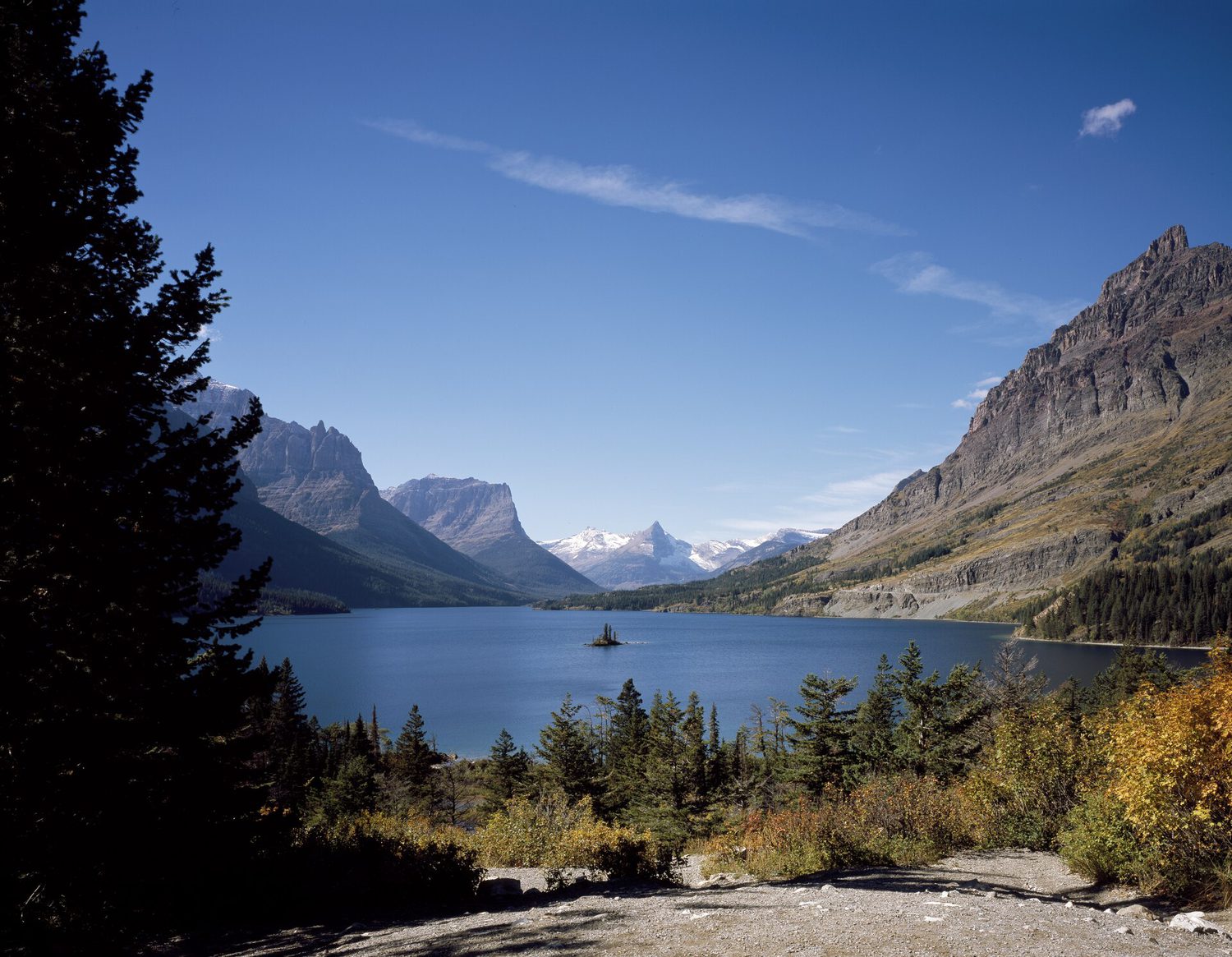
The west side of Rocky Mountain National Park is the Kawuneeche Valley, entered through the town of Grand Lake rather than Estes Park. It is quieter, wetter, and better for moose than the Bear Lake side. Trail Ridge Road connects the two sides, about 50 miles and about 1 hour 45 minutes of driving without stops between Estes Park and Grand Lake when the road is fully open; most people take longer because the overlooks are worth stopping for. Our Rocky Mountain National Park itinerary is built around the Estes Park side; this guide covers what is different on the west.
The Kawuneeche Valley: What "West Side" Means
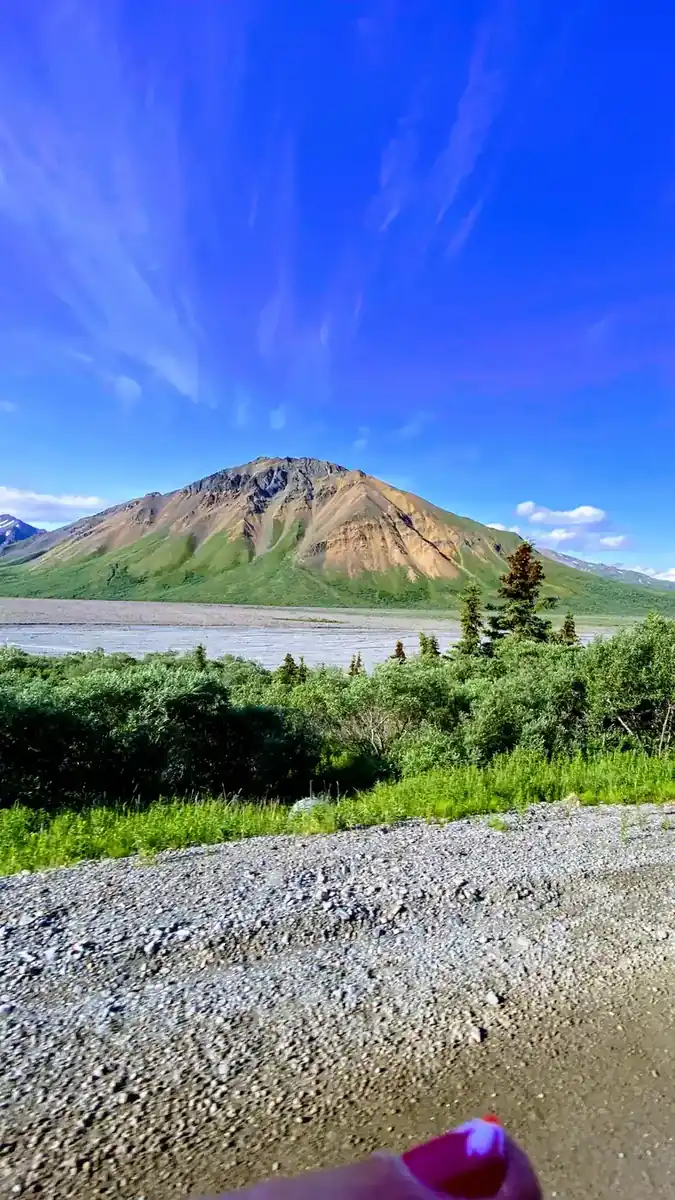
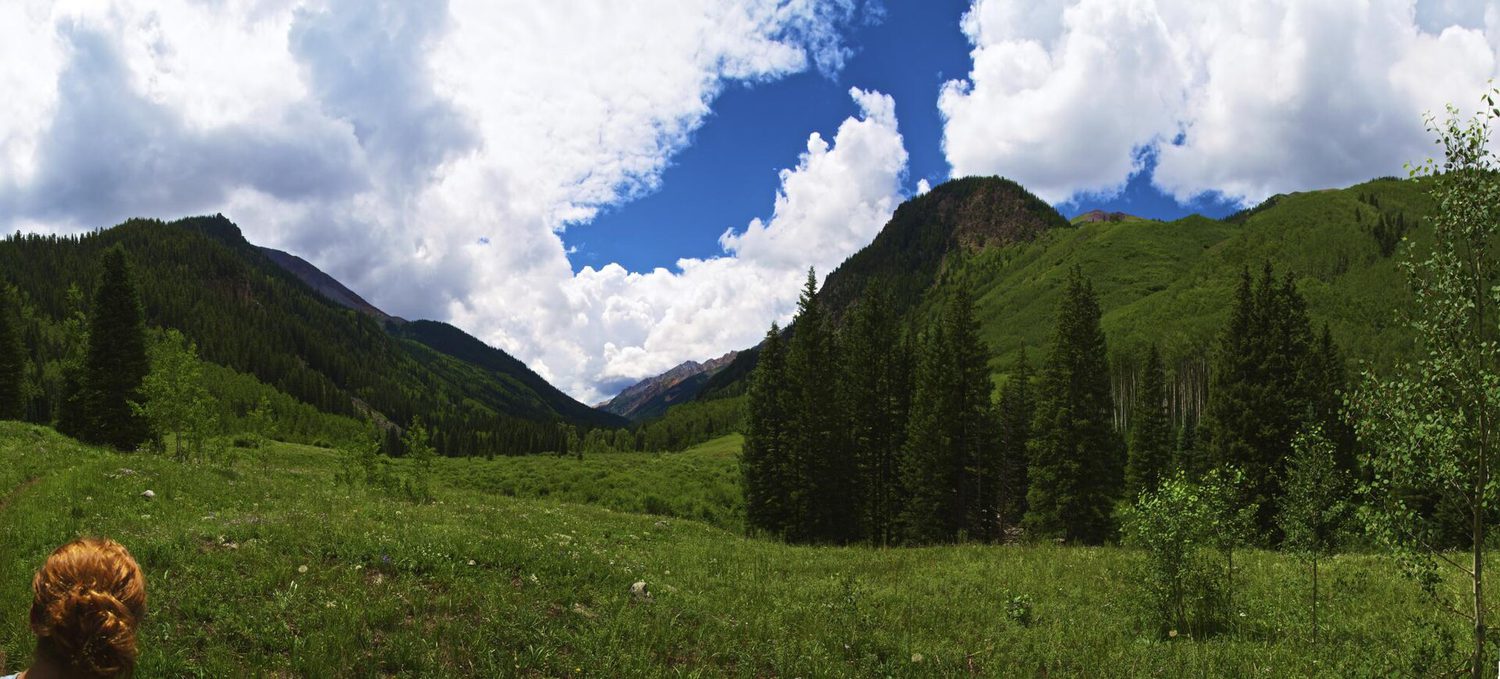
Kawuneeche means "valley of the coyote" in Arapaho, and it is the flat, marshy corridor the Colorado River runs through before it is anything more than a stream you can step across. Trail Ridge Road climbs out of this valley on its way over the Continental Divide toward Estes Park. Compared to the Bear Lake corridor on the east side, the west side sees far fewer visitors, has fewer paved overlooks, and is the better bet if elk-jam traffic on the east side has worn you down.
Timber Lake
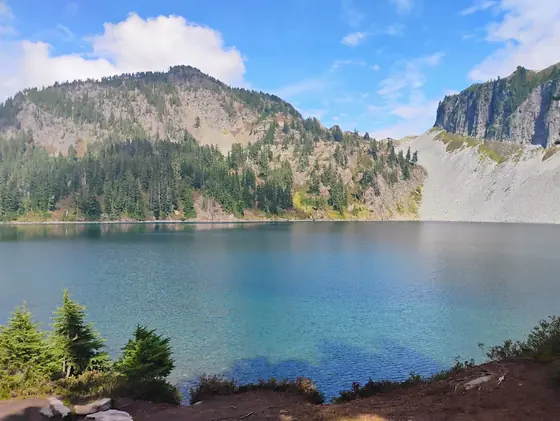
Timber Lake sits below Jackstraw Mountain in the drainage above the Kawuneeche Valley, reached from a trailhead off Trail Ridge Road. It is a long, steady climb through subalpine forest into a basin below timberline, one of the more demanding day hikes on this side of the park, and a common turnaround point rather than a quick stroll. Start early; there is no shade for most of the return.
Lake Nanita
Lake Nanita is deep in the North Inlet drainage out of Grand Lake, one of the longest backcountry lakes in the park to reach on foot. This is a full-day hike at minimum for most people, and many backpackers split it into an overnight with a permit rather than trying it in a single push. It sits well back from any road, which is most of its appeal.
Mirror Lake and Arrowhead Lake
Mirror Lake and Arrowhead Lake are both part of the same North Inlet and Tonahutu Creek trail network above Grand Lake, reached by long approaches through forest before opening into subalpine basins. Both are realistic as very long day hikes for a fit, early-starting hiker, and more comfortable as an overnight. Get current mileage and trail status from a ranger at the Kawuneeche Visitor Center before committing; trail conditions on this side change with snowpack and blowdown more than the numbers on an old map suggest.
Kayaking on the West Side
Inside the park itself, non-motorized watercraft, kayaks, canoes and float tubes, are allowed on every lake except Bear Lake. In practice almost all of the park's lakes are backcountry lakes you reach by trail, not by boat ramp, so this rule matters more on paper than in your actual trip planning. The lake most people mean when they ask about kayaking near Grand Lake, Grand Lake itself and neighboring Shadow Mountain Reservoir, sits just south of the park boundary in Arapaho National Recreation Area, where motorized boats are common and rentals are easy to find in the town of Grand Lake.
Hot Sulphur Springs
Hot Sulphur Springs is a small town about 25 miles from Grand Lake, about 45 minutes down US-34 and US-40, outside the national park and under separate ownership, with a developed hot springs pool complex that has operated there for decades. It is not part of Rocky Mountain National Park and not run by the National Park Service. Check current hours and pricing directly before you go, since a small commercial operation like this can change its schedule with the season.
Getting to the West Side
Grand Lake is reached from Denver via US-40 over Berthoud Pass, or from Estes Park over Trail Ridge Road, which closes for the winter, typically from around mid-October to Memorial Day depending on snowpack. If you are coming from the east side mid-trip, check the current road status before you plan the crossing as your only route; outside the summer season it may not be open at all.
Keep planning with Rocky Mountain National Park Itinerary and Easy Hikes in Rocky Mountain National Park.
West Side of Rocky Mountain National Park: Grand Lake Hikes, Lakes and Hot Springs FAQs
The Kawuneeche Valley, entered through the town of Grand Lake rather than Estes Park. It follows the Colorado River and is known for moose and for far lighter crowds than the Bear Lake corridor.
Non-motorized watercraft are allowed on every lake in the park except Bear Lake. Most park lakes are backcountry lakes reached by trail rather than by boat ramp. Grand Lake and Shadow Mountain Reservoir, where most visitors actually kayak or use a motorboat, sit just outside the park boundary in Arapaho National Recreation Area.
No. Hot Sulphur Springs is a separate town about 25 miles from Grand Lake with its own commercial hot springs pool, outside the park and run privately, not by the National Park Service.
About 50 miles and about 1 hour 45 minutes of driving without stops over Trail Ridge Road, which is closed to cars in winter and typically reopens by Memorial Day. Most trips take longer with stops at the overlooks.
Long enough that most hikers treat it as a full day at minimum, and many split it into an overnight backpacking trip with a permit rather than a single push. Confirm current mileage at the Kawuneeche Visitor Center before you go.
Yes. The worked day-by-day plan is Rocky Mountain National Park Itinerary: 3 Days in Estes Park (3 Days), with the permits, the stays and the drive times already sorted. Tell us your dates and we will put it together for you and confirm what is genuinely open on those days. Asking is free: no card, no deposit, and nothing is held until you say yes.