What Night Hiking Actually Feels Like
Most hikers have been caught on trail after dark at least once, a late start, a longer route than planned, a sunset that arrived before the trailhead did. That unplanned experience is usually stressful. Intentional night hiking is something entirely different.
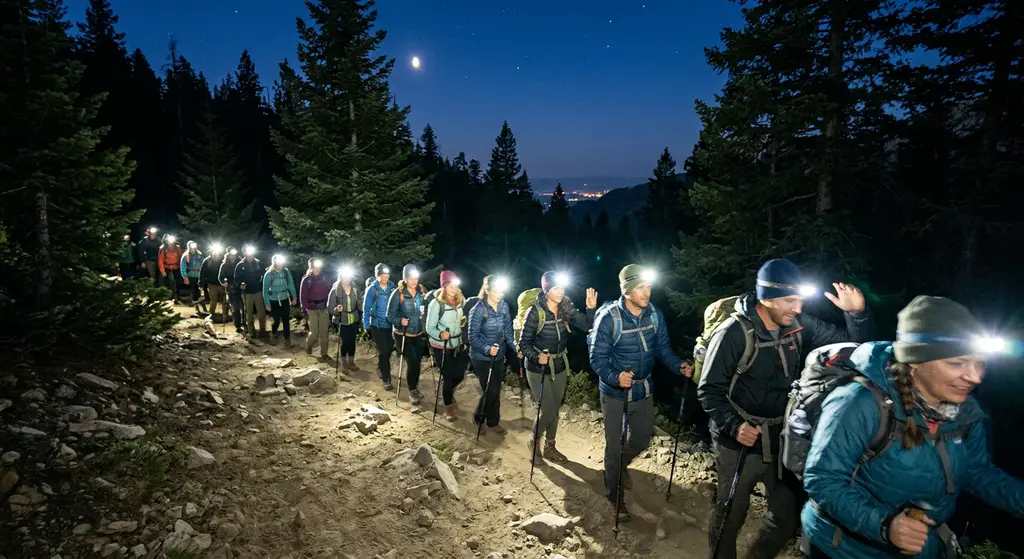
When you hike at night on purpose, with the right headlamp and a trail you know, the experience changes completely. Sound carries differently. Animals are active that you'll never see during the day. The temperature drops to something comfortable even in desert heat. And if you choose a night with little or no moon, the sky above an unlit trail is so full of stars it stops you in your tracks.
Night hiking is popular in the desert southwest specifically because summer temperatures make daytime hiking brutal, many experienced desert hikers do their longest hikes between 10pm and 4am to avoid the heat entirely. It's also common on popular trails as a way to beat the crowds to sunrise viewpoints. And it's simply worth doing for the experience itself.
Headlamps: The Most Critical Piece of Night Gear
A good headlamp is the difference between a great night hike and a dangerous one. Your phone flashlight is not adequate, it drains your battery, it's hard to use while moving, and it doesn't have the throw you need on technical terrain.
What to look for in a headlamp for hiking:
- Lumens: Minimum 200 lumens for trail hiking. 300–400 lumens is comfortable on rocky or uneven terrain. Running or fast hiking on technical trails may want 600+. More lumens means faster battery drain, so choose based on your actual needs rather than just buying the brightest.
- Beam distance: Look for at least 80 meters of throw for open trail. Tight spot beams see far ahead; wide flood beams illuminate the immediate area around you. Headlamps with adjustable beam type let you switch between modes as terrain demands.
- Battery life: On high brightness mode, most headlamps run 2–6 hours. Carry spare batteries or a USB-rechargeable model with a backup power bank. Cold temperatures reduce battery life significantly.
- Red light mode: Essential for night hiking. Red light preserves your night vision, your eyes don't need to readjust after looking at a phone or map when you use red mode. It also doesn't blind your trail companions or wildlife. Use it for camp tasks and navigation; use white light for the actual trail.
- Weight and fit: A headlamp that bounces and slips off ruins a night hike. Look for an elastic head strap with a tensioning adjustment. Vertical tilt lets you aim the beam flat on the trail ahead rather than down at your feet.
Recommended headlamps: Black Diamond Spot 400 ($40) is the workhorse, reliable, 400 lumens, good battery life, bomber construction. Petzl Actik Core ($60) is USB-rechargeable and well-loved by runners and fast hikers. For serious mountain use, Petzl Nao+ ($200) has reactive lighting that adjusts brightness automatically.
Choosing Your Night Hiking Route
Start with trails you know in daylight. A trail that's familiar in good conditions is dramatically safer at night than a new route, you'll navigate by memory as much as by headlamp beam, and knowing the major landmarks (the creek crossing, the junction, the exposed ridge section) means you're not navigating blind.
Ideal night hiking terrain for beginners:
- Well-marked, heavily used trail with clear tread
- Minimal technical scrambling or route-finding
- No significant water crossings that could be harder to read at night
- Known endpoint (trailhead, summit, viewpoint) rather than a loop with multiple junctions
Avoid trails with significant exposure (steep cliffs nearby) on your first few night hikes. Headlamp beams don't illuminate the full scale of exposure the way daylight does, a cliff that's obvious to avoid in daytime may not be apparent in a 5-meter beam.
Navigation at Night
Trail markings are harder to see at night, reflective markers help but many trails don't have them. Here's how to navigate effectively after dark:
Download the trail before you go. AllTrails and Gaia GPS work offline. Have the trail loaded on your phone. Even if you know the trail well, having the GPS track visible lets you verify you're on route at junctions and in confusing sections.
Follow the boot track. On popular trails, the packed earth of the trail is visually distinct from surrounding vegetation even at night. Train your headlamp slightly ahead of your feet and look for the trail surface, it's usually lighter in color from compaction and wear.
Look for reflective markers. Many well-maintained trails have reflective paint, blazes, or posts that catch your headlamp beam before you'd otherwise see them. Scan at the height markers are typically placed (5 feet on trees, 2 feet on posts).
Slow down at junctions. Junctions are the most common place to go wrong at night. Stop, aim your headlamp at the junction signs, and confirm the direction before continuing.
Safety Protocols for Night Hiking
Never hike alone at night without telling someone. Text your planned trail, start time, and expected return to a friend or family member before you leave. If you don't check in by a certain time, they should call for help.
Carry two light sources. If your headlamp fails at night, you're in a very difficult situation. Carry a backup, a small keychain LED, your phone flashlight, a second headlamp. Redundancy is cheap and important.
Dress warmer than you think you need to. Temperatures drop 3–5°F per hour after sunset and continue dropping through the early morning hours. A trail that was comfortable at 7pm can be genuinely cold at 2am. Carry a mid layer and gloves even if the evening is mild.
Wildlife encounters are different at night. Animals that avoid trails in daylight use them freely at night. Make noise, especially in bear and mountain lion country. Headlamps disorient some animals, if you see eyes reflecting in your beam, stop and speak calmly. Most animals will move off. Don't run.
Watch your step carefully on descent. Trips and falls happen on descent even in daylight. At night, with a narrower field of vision, uneven terrain is easier to misstep on. Slow your descent pace by 20–30% from your daylight speed.
The Best Night Hiking Experiences
Full moon hikes: A bright full moon provides enough ambient light on open terrain that you barely need your headlamp. Meadows, ridgelines, and open canyon terrain in moonlight are genuinely magical. Check the lunar calendar and plan a hike on or near the full moon.
Star-gazing summits: Reach a summit or high meadow before midnight for a dark sky experience that most people never access. Light pollution is a real problem near cities, but even an hour's drive into wilderness terrain reveals a sky that many urban hikers have never seen. Milky Way visibility peaks in summer in dark locations.
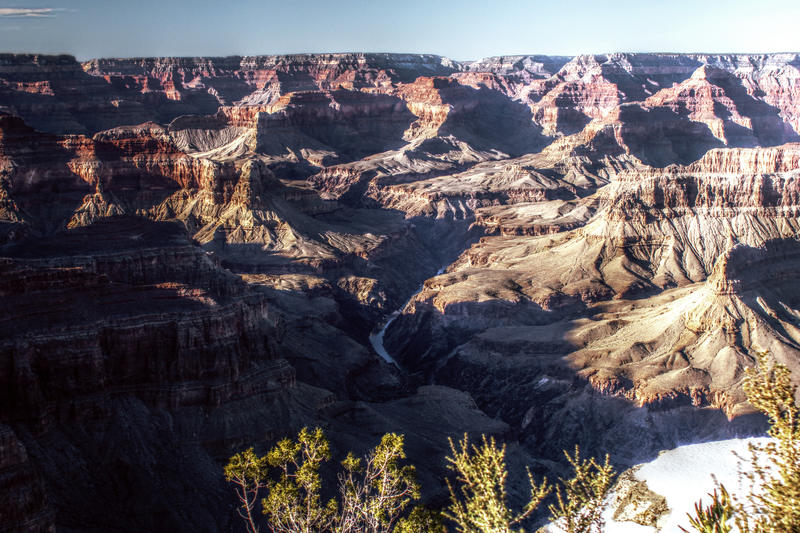
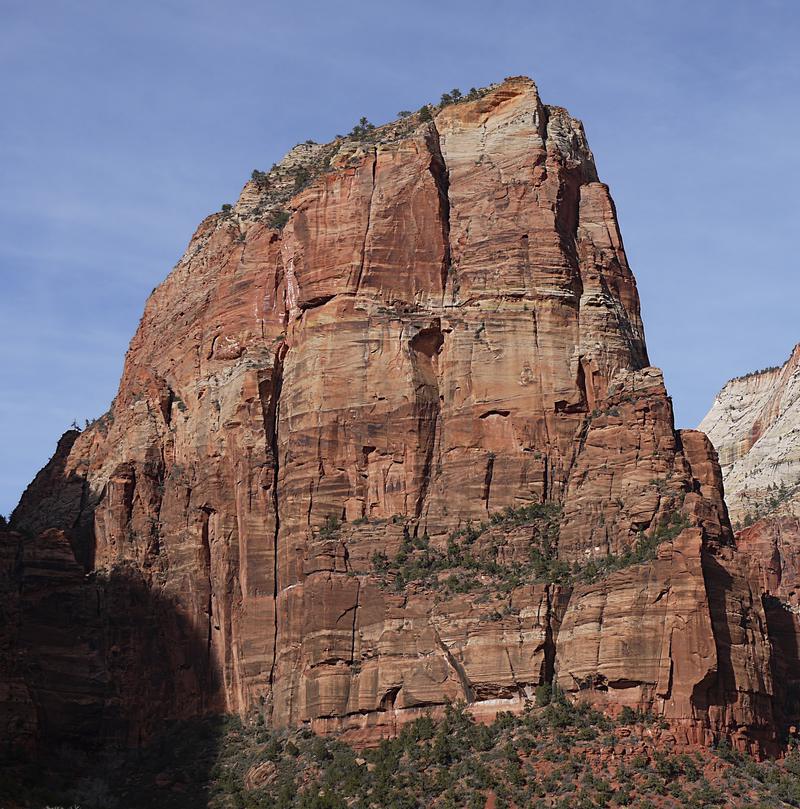
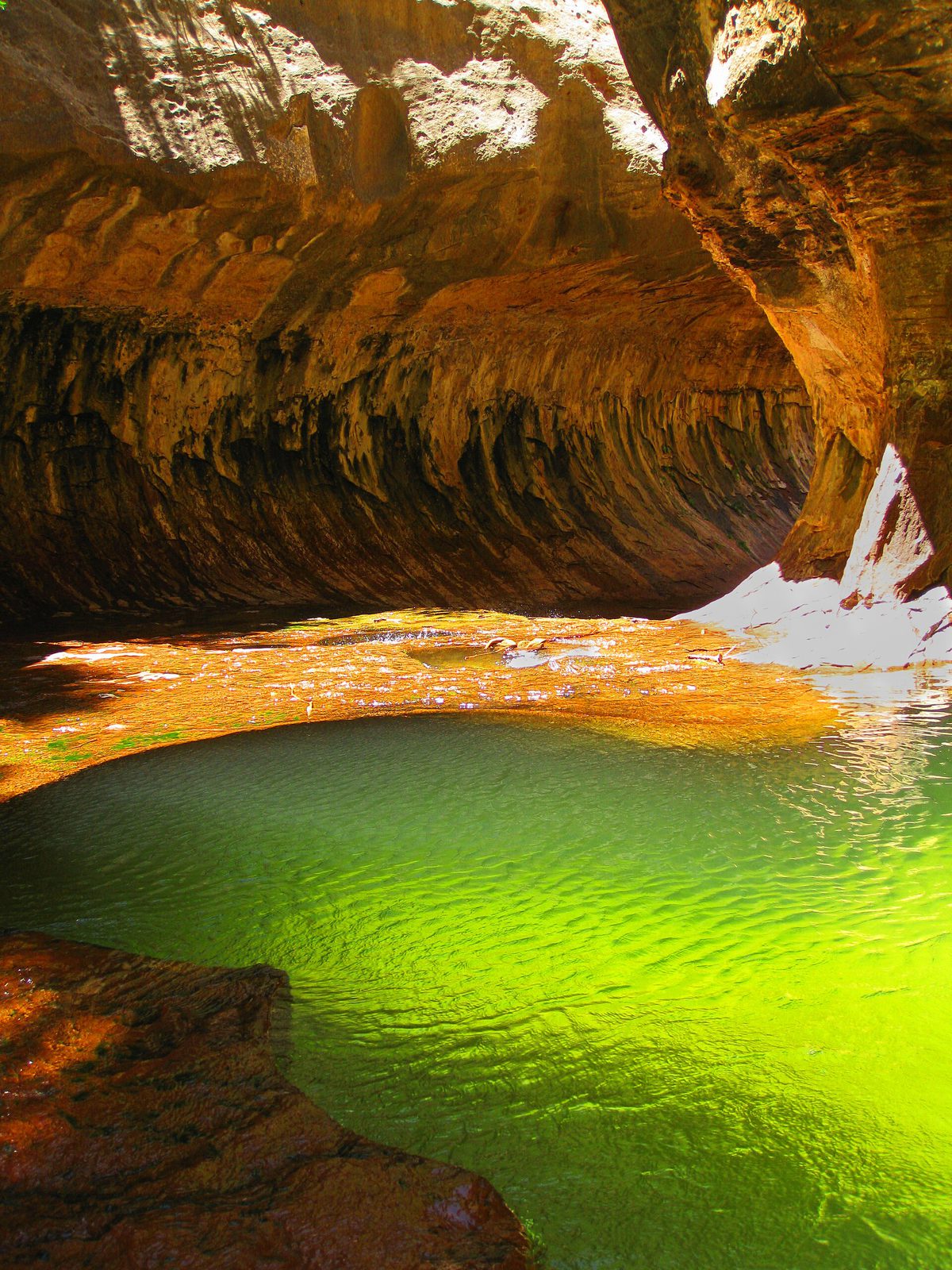
Desert night hiking: After 9pm in summer desert terrain, the temperature is 20–30 degrees lower than the brutal midday heat. Experienced desert hikers in the Grand Canyon and Zion start their major hikes at 10pm and finish by dawn to avoid the heat entirely. Night gives you the canyon in a completely different way.
Night Hiking Tips: Gear, Safety, and Why You Should Try It FAQs
It carries additional risks compared to day hiking, navigation is harder, terrain is less visible, and wildlife is more active. These risks are manageable with proper gear (good headlamp, backup light), trail familiarity, and informing someone of your plans. Many experienced hikers prefer night hiking in desert terrain specifically because it avoids dangerous midday heat.
Black Diamond Spot 400 ($40) is the best all-around choice for most hikers, 400 lumens, reliable construction, good battery life. Petzl Actik Core ($60) is good if you prefer USB charging. Both have red light mode, which you need for night hiking to preserve your night vision.
Experienced hikers do it regularly, but tell someone your exact plan first, trail name, trailhead, start time, expected return. Night solo hiking on trails you know in daylight is reasonable. Night solo hiking on new terrain with technical sections is not advisable until you have significant night hiking experience.
Download the trail map offline on AllTrails or Gaia GPS before you go. Follow the packed boot track visible in your headlamp beam. Slow down at junctions to read signs carefully. On familiar trails, memory does a lot of the navigation work, this is why knowing the trail in daylight first matters.
Summer in the desert (avoid midday heat), any season in temperate forest (bugs are a factor in spring), and late summer through fall for best stargazing. Full moon dates in any season add an entirely different experience, open terrain in moonlight is bright enough to hike without a headlamp on clear nights.