Bryce Canyon was certified an International Dark Sky Park in 2019, and its rangers like to say you can see roughly 7,500 stars here on a moonless night compared to a few dozen in most cities. The combination of high elevation, dry air, and almost no light pollution within a hundred miles makes this one of the premier stargazing destinations in the American Southwest. This guide covers exactly where to set up, the best times of year, and the night programs worth planning around. To build a full trip around it, pair this with our Bryce Canyon itinerary and stay inside or near the park so you are not driving back to Tropic at midnight.
Why the Sky Is So Dark Here
At more than 8,000 feet on the Paunsaugunt Plateau, you are above much of the atmosphere's haze and moisture. The nearest large cities, Las Vegas and Salt Lake City, are far enough that their glow barely touches the horizon. The park measures sky quality regularly and consistently records readings near the natural darkness limit, which is why the Milky Way reads as a bright, textured band rather than a faint smudge.
Best Viewpoints for Stargazing
You do not need to hike to enjoy the night sky, but a few overlooks stand out:
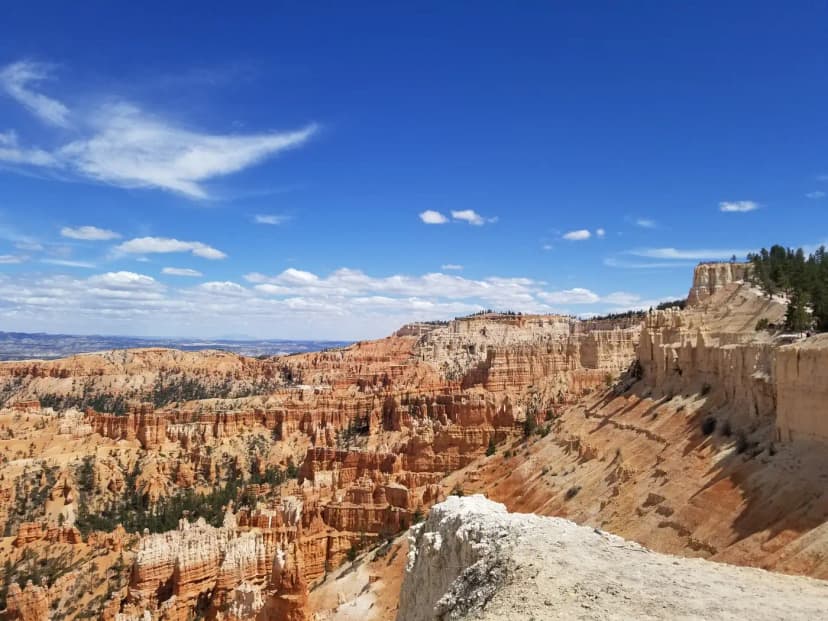
- Sunset Point and Inspiration Point: easy to reach, with the hoodoos silhouetted below the stars for dramatic foreground in photos
- Bryce Point: the highest of the main amphitheater overlooks and a favorite for Milky Way shots facing south
- Paria View: the only major overlook facing southwest, making it the best spot to catch the galactic core low on the horizon and away from the lodge's lights
- Rainbow Point: at the far end of the scenic drive, the darkest and most remote viewpoint if you want to escape other visitors
When to Go: Milky Way and Moon Phases
The bright galactic core of the Milky Way is visible from roughly late April through early October, peaking in June and July when it rises high after dark. Always check the moon phase: a full moon washes out faint stars, so plan around the new moon for the best contrast. Summer nights stay mild but still drop into the 40s and 50s Fahrenheit at this altitude, and winter overlooks can fall below freezing, so dress warmer than the daytime would suggest.
Ranger Programs and the Astronomy Festival
From spring through fall, rangers host night sky programs several evenings a week, including telescope viewings run with the help of volunteer astronomers. The marquee event is the annual Bryce Canyon Astronomy Festival, usually held in June, featuring dozens of telescopes, guest speakers, and constellation tours. Programs are free with park admission but can fill quickly, so arrive early and check the schedule at the visitor center when you enter.
Practical Tips for a Night Under the Stars
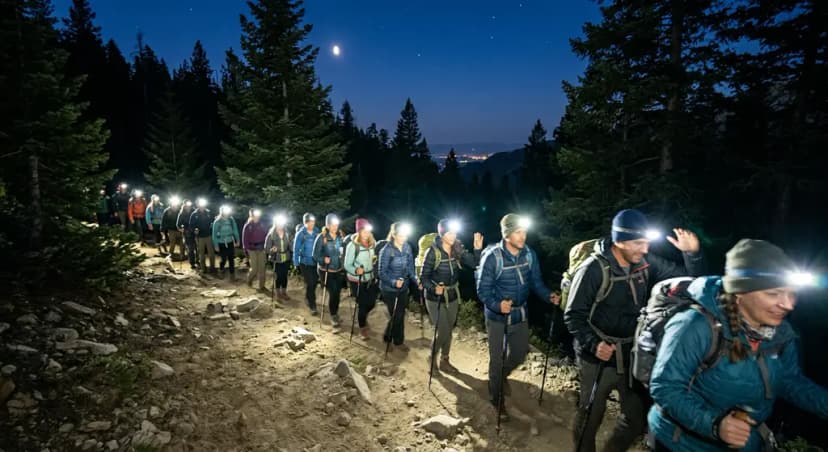
Give your eyes at least 20 to 30 minutes to adjust to the dark, and use a red flashlight rather than white light to preserve your night vision and avoid ruining it for others. Bring a folding chair or blanket, layers, and a thermos. If you are photographing the hoodoos under the stars, a tripod and a wide lens are essential, and the moonless window is your friend. Finally, never hike below the rim at night unless you are on a guided program; the switchbacks are dangerous in the dark.
Bryce Canyon Stargazing: Where and When to See the Dark Sky FAQs
Late spring through early fall offers the warmest nights and the visible Milky Way core, with June and July being peak. For any season, plan your visit around the new moon so faint stars and the galaxy are not washed out by moonlight.
No. The dark sky is so clear that the naked eye sees thousands of stars and the Milky Way band. That said, ranger-led night programs and the June Astronomy Festival offer free telescope viewing run by volunteer astronomers.
Bryce Point and Paria View are top choices because they face south and southwest toward the galactic core. Rainbow Point at the far end of the scenic drive is the darkest and least crowded overlook.