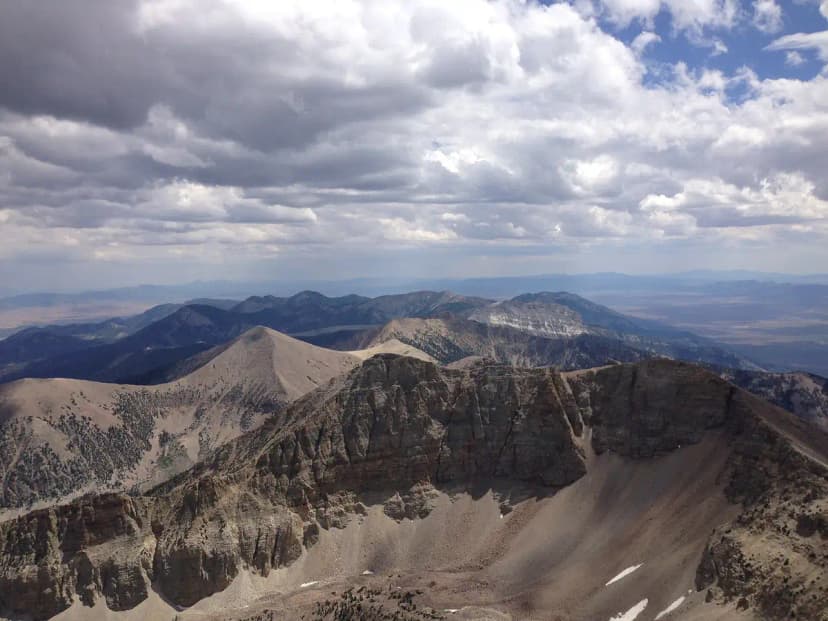
Great Basin National Park is one of the darkest places in the contiguous United States. Hundreds of miles from any major city, eastern Nevada's high desert delivers night skies so clear you can see thousands of stars, the glowing band of the Milky Way, and on a moonless night even faint zodiacal light. The park is a certified International Dark Sky Park, which means stargazing here is not an afterthought but a headline reason to visit.
Planning the Logistics
The single biggest factor in a great night here is simply getting yourself to the park, because the remoteness that makes the skies dark also makes the drive long. The closest town with lodging and fuel is tiny Baker, right at the entrance, with a fuller selection of motels and restaurants in Ely roughly 70 miles west. There is no cell service in most of the park, so download your maps, star charts, and the ranger program schedule before you arrive. Time your trip to a clear-weather forecast; the high desert can cloud over fast, and a single bank of clouds will end an observing night. If you are camping, the park's campgrounds put you on site so you do not have to drive the dark, winding scenic road back to town after midnight.
Why the Skies Are So Dark
The combination of extreme remoteness, high elevation, low humidity, and stable mountain air makes Great Basin a world-class observing site. With the nearest big-city light pollution from Las Vegas and Salt Lake City both far away, the natural darkness here is among the best the National Park System protects. On a clear night you can often see the Milky Way cast a faint shadow, something almost no one experiences in everyday life.
Best Stargazing Spots in the Park
You can see incredible stars from almost anywhere in the park, but a few spots stand out.
- Lehman Caves Visitor Center plaza: Where most ranger astronomy programs are held, with telescopes set up on clear nights.
- Mather Overlook: A pullout along the Wheeler Peak Scenic Drive with a high, open horizon and sweeping valley views.
- Wheeler Peak Campground: At nearly 10,000 feet, the thin, cold air here yields exceptionally crisp views, perfect if you are camping.
- Baker Archeological Site: Just outside the park near Baker, this open, flat area offers wide, unobstructed sky.
Ranger Astronomy Programs
From late spring through early fall, park rangers and volunteer astronomers host free astronomy programs and full-moon hikes, usually several nights a week in summer. These include constellation talks and views through park telescopes. Check the current schedule at the Lehman Caves Visitor Center when you arrive, since dates shift with staffing and weather.
The Great Basin Astronomy Festival
The park's signature night-sky event is the annual Great Basin Astronomy Festival, typically held over a few nights in September. Amateur astronomers bring large telescopes, and there are talks, kids' activities, and guided viewing. It is the single best time to come if your goal is serious stargazing, but lodging in Baker and Ely fills up, so book early.
Timing Your Visit
For the deepest skies, plan your visit around the new moon, when there is no moonlight to wash out faint objects. Summer offers the Milky Way core high overhead and the warmest nights, while September pairs prime darkness with the festival. Even in summer, nights at elevation get cold, so bring warm layers, a red-light headlamp to protect your night vision, and a reclining chair or blanket. To weave a night under the stars into a full park visit, see the Great Basin National Park itinerary and time your dates to the moon phase.
Gear to Bring for a Night Out
You do not need a telescope to be amazed here, but a little preparation makes the night far better. The most important item is a red-light headlamp, which lets you see your footing without ruining your dark-adapted vision; white light from a phone will blind everyone around you for 20 minutes. Pack more warm layers than you think you need, because even July nights at elevation can dip near freezing once the sun is down. A reclining chair or a foam pad and blanket save your neck during long sky-watching sessions. Binoculars are the single best value upgrade; they reveal star clusters, the moons of Jupiter, and detail in the Milky Way. Finally, download a star chart app before you arrive, since cell service in the park is essentially nonexistent.
Stargazing Etiquette and Safety
Great Basin's darkness is a shared resource, so a few habits keep the experience good for everyone.
- Use only red light at observing sites and dim or cover bright screens.
- Arrive before dark if you are driving the Wheeler Peak Scenic Drive, which has steep drop-offs and wildlife on the road at night.
- Watch for cold and altitude. Standing still for hours at 10,000 feet chills you fast.
- Respect ranger program areas and keep voices low so others can enjoy the quiet.
What You Will See
On a good night you can pick out the Milky Way, satellites and meteors, multiple planets, star clusters, and even neighboring galaxies through binoculars. The park sits along a popular path for summer meteor showers like the Perseids in mid-August, when the dark skies make the show unforgettable.
Great Basin Stargazing Guide FAQs
Yes, it is one of the darkest places in the Lower 48 and a certified International Dark Sky Park. On clear, moonless nights you can see thousands of stars, the Milky Way, and even faint zodiacal light.
Yes. From late spring through early fall, rangers and volunteers host free astronomy programs and full-moon hikes, often several nights a week in summer, plus the annual Great Basin Astronomy Festival in September. Check the current schedule at the Lehman Caves Visitor Center.
Plan around the new moon for the darkest skies. Summer puts the Milky Way core overhead, the Perseid meteor shower peaks in mid-August, and the September astronomy festival pairs deep darkness with telescopes and guided viewing.