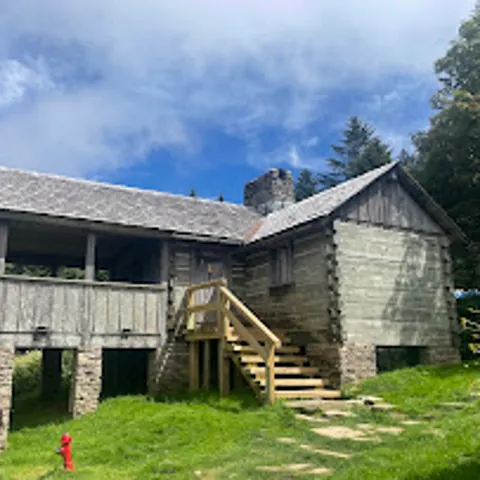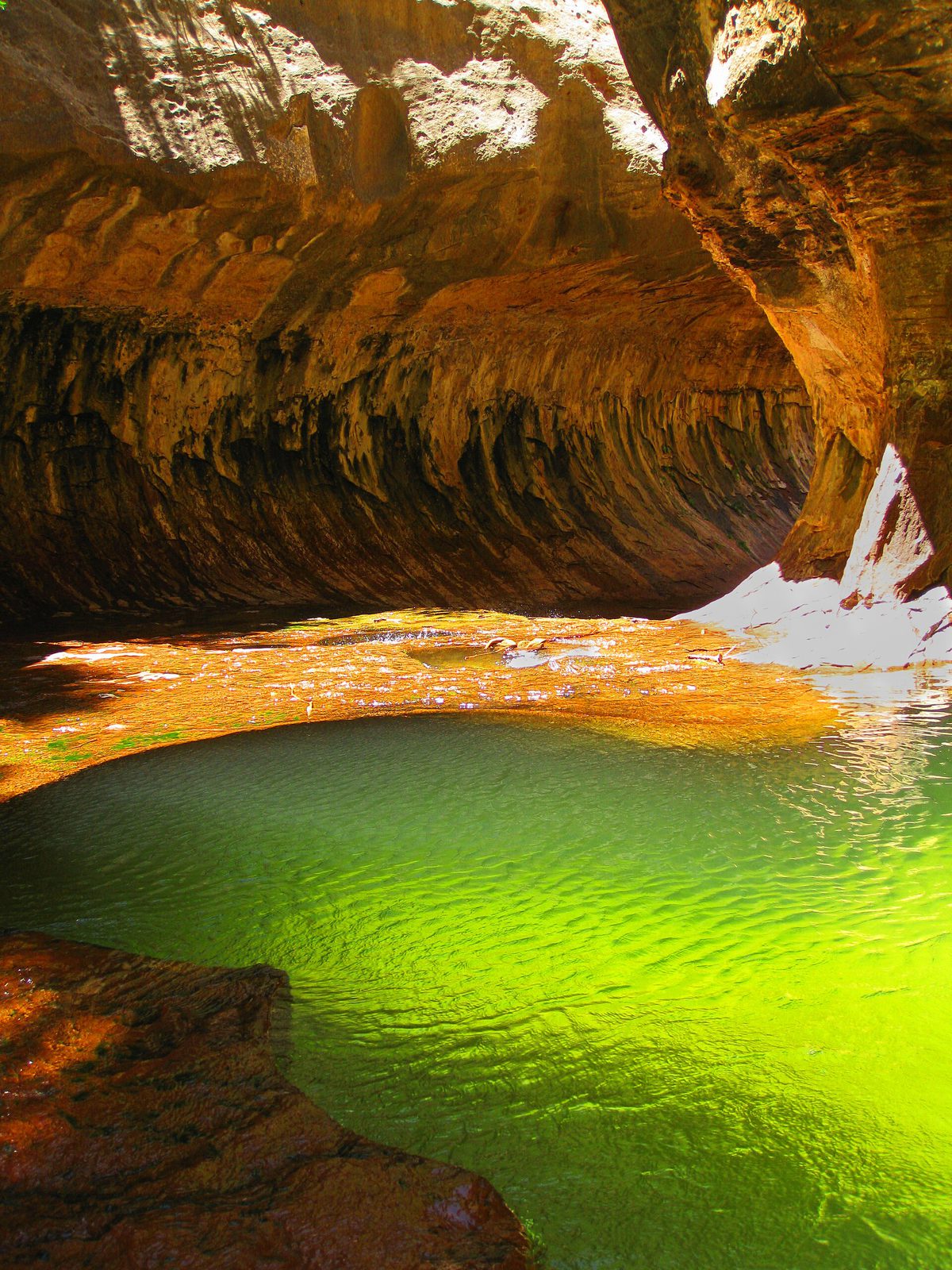
Lehman Caves is the marquee attraction at Great Basin National Park, and it is the one thing you absolutely should not skip. This single, richly decorated marble and limestone cavern sits just behind the Lehman Caves Visitor Center near Baker, Nevada, and the only way to see it is on a ranger-led tour. Because the park is so remote, tours sell out fast in summer despite the small crowds elsewhere. Here is exactly how to plan it.
Which Lehman Caves Tour to Choose
The National Park Service runs two main guided tours, and they are very different experiences. Pick based on how much time and mobility you have.
- Lodge Room Tour (about 60 minutes): The shorter option, covering roughly a quarter mile. It visits the Gothic Palace and the Lodge Room, with plenty of stalactites, stalagmites, and the cave's famous shields. Good for families and anyone short on time.
- Grand Palace Tour (about 90 minutes): The full experience, covering around 0.6 miles and reaching the Grand Palace, home of the often-photographed Parachute Shield. This is the tour to book if you want the complete cave.
Both tours are paved but have low ceilings, tight passages, and around 360 to 400 steps. If you have knee, back, or claustrophobia concerns, the Lodge Room Tour is the gentler choice.
How to Get Lehman Caves Tickets
Tickets are sold through Recreation.gov and are released on a rolling basis, typically up to 30 days in advance. Reserve as early as you can, especially for summer weekends and holidays, because the cave has strict group-size limits to protect the formations. A limited number of same-day tickets are sometimes available at the visitor center desk, but counting on them is a gamble. Tour fees are modest and separate from any park entrance considerations. If your dates are flexible, weekday mornings have the best availability.
What to Wear and Bring
The cave stays around 50 degrees Fahrenheit (10 Celsius) all year, regardless of the desert heat outside. Bring a light jacket or fleece even in July. Wear closed-toe shoes with good grip, because the paved path can be damp and slick. Strollers, tripods, and large bags are not allowed inside. To prevent the spread of white-nose syndrome to bats, rangers will ask whether you have worn your shoes or clothing in any other cave; avoid bringing gear that has been in other caverns.
Getting to the Caves
The Lehman Caves Visitor Center is just off Nevada State Route 488, about 5 miles west of the tiny town of Baker. Plan your arrival 30 to 45 minutes before your tour time so you can park, pick up tickets, and use the restroom, since there are none inside the cave. The nearest fuel and lodging are in Baker and Ely, so fill your tank before the drive in. Pair the caves with the full Great Basin National Park itinerary to make the most of the long trip out to eastern Nevada.
Best Time to Visit
Because the cave is climate controlled by the earth itself, it is comfortable year-round. The visitor center and tours run daily in summer with the most departures. In winter, tour schedules are reduced and the Wheeler Peak Scenic Drive higher in the park closes with snow, so the caves become an even bigger reason to visit. Spring and fall offer mild surface weather and shorter ticket lines.
What You Will See Inside
Lehman Caves is not a big cave by mileage, but it is one of the most densely decorated in the country. In its few hundred yards you will pass thousands of formations: classic stalactites and stalagmites, soda straws, flowstone draperies, and popcorn. Its real claim to fame is the concentration of cave shields, rare disc-shaped formations that grow out from the walls and ceiling. The park protects more than 300 of them, one of the largest collections anywhere. Your ranger will point out highlights like the Parachute Shield, the Cypress Swamp, and delicate helictites that seem to grow against gravity. Take your time; the lighting is dim and the most beautiful details reward a slow eye.
A Quick History of the Cave
The cave is named for Absalom Lehman, a rancher and miner who is credited with bringing visitors here in the 1880s. It became Lehman Caves National Monument in 1922 and was folded into the larger Great Basin National Park when the park was established in 1986. Early tours were lit by candle and magnesium ribbon, and you can still spot historic signatures and smoke marks left by visitors more than a century ago. Rangers weave this human story into the geology, which makes the tour feel like part natural history and part time capsule.
Tips for Families and Photographers
Kids generally love Lehman Caves, but a few things help.
- Hold small hands on the stairs. The path is narrow, damp, and dimly lit in places.
- Skip the stroller. Strollers and child carriers are not allowed; babies must be hand-carried.
- Photographers can bring a camera but no tripods or monopods, so bump up your ISO and steady yourself against the railing.
- Use the restroom first. There are none inside, and you cannot leave mid-tour.
Make a Day of It
The cave tour takes one to two hours, leaving plenty of daylight to explore the rest of the park. After your tour, walk the short Mountain View Nature Trail near the visitor center, drive up to Wheeler Peak, or grab a coffee at the seasonal cafe by the visitor center. With the park's remote location, treating Lehman Caves as the anchor of a one or two day trip makes the long drive thoroughly worth it.
Lehman Caves Tour Guide FAQs
Yes, reservations are strongly recommended and made through Recreation.gov up to about 30 days in advance. Tours have strict group-size limits and frequently sell out in summer, though a few same-day tickets are sometimes available at the visitor center.
The cave stays around 50 degrees Fahrenheit (10 Celsius) year-round, so bring a light jacket or fleece even on hot desert days, and wear closed-toe shoes with good grip.
The 90-minute Grand Palace Tour is the most complete and reaches the famous Parachute Shield. The 60-minute Lodge Room Tour is shorter, easier, and better for families or anyone short on time or with mobility concerns.