For Zion National Park vs Bryce Canyon: pick Zion for dramatic canyon scenery, wading the Narrows, and big climbs like Angels Landing, it's lower (~4,000 ft) and hot in summer. Pick Bryce for cooler air, orange hoodoo amphitheaters, and easier rim hikes at ~8,000 ft. They sit about 83 miles apart, so most visitors do both.
Zion vs Bryce Canyon at a glance
| Zion | Bryce Canyon | |
|---|---|---|
| The landscape | Sandstone canyon walls, the Virgin River | Hoodoo amphitheatres, no river |
| Elevation | About 4,000 ft on the canyon floor | About 8,000 ft on the rim |
| Summer temperature | Frequently over 100°F | Usually in the 80s°F |
| Signature hike | Angels Landing, The Narrows | Navajo Loop and Queens Garden |
| Permits and booking | Angels Landing lottery, canyon shuttle | None needed |
| Yearly visitors | About 4.6 million | About 2.4 million |
| Best for | Big, committing hikes | Short walks with huge views, stargazing |
| Time needed | Two to three days | One full day |
What's the main difference between Zion and Bryce Canyon?
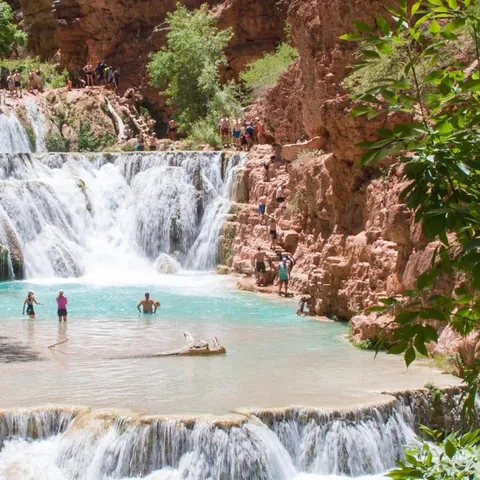
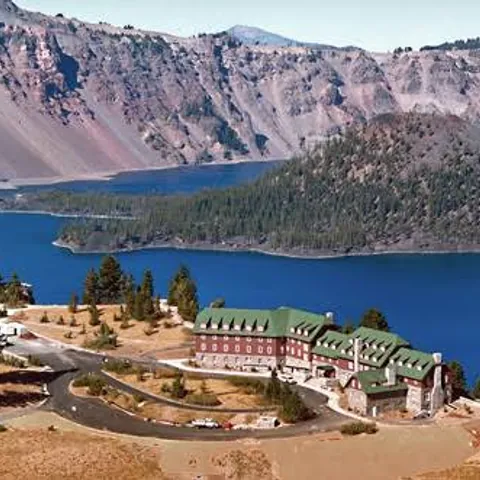
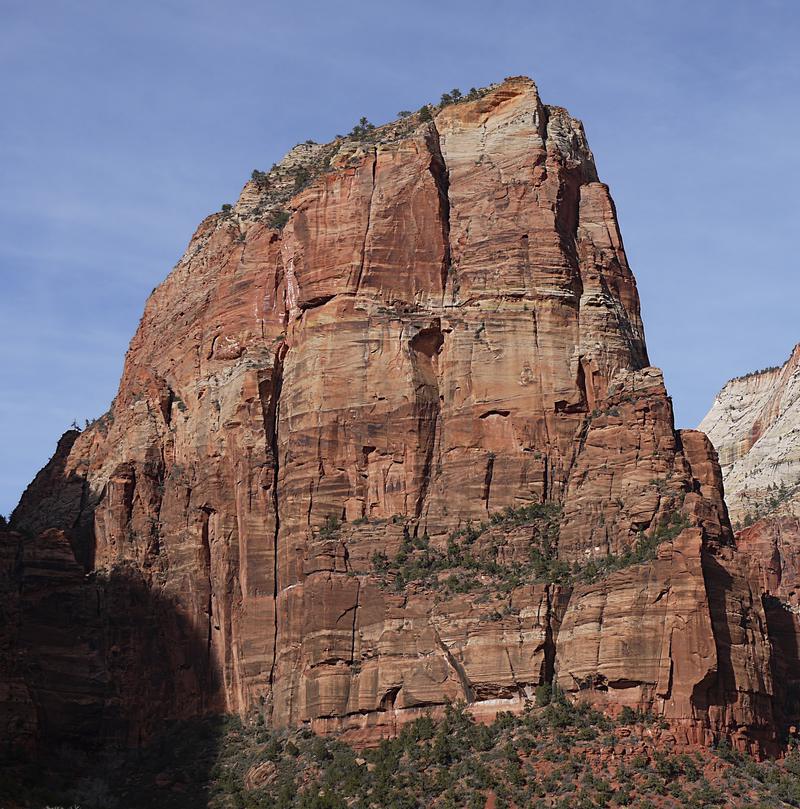
They feel like opposite parks even though they're under two hours apart. Zion is a narrow, towering sandstone canyon you hike up into and throughyou're at the bottom looking up at 2,000-foot walls, often with the Virgin River at your feet. Bryce isn't really a canyon. It's a series of natural amphitheaters carved into the edge of a high plateau, packed with thousands of orange-pink spires called hoodoos. At Bryce you mostly stand on the rim looking downthen drop into the maze on foot.
The elevation gap drives almost everything else. Zion Canyon floor sits around 4,000 feet; Bryce's rim runs roughly 8,000–9,100 feet. That's why Bryce stays noticeably cooler, holds snow into spring, and leaves some people short of breath on the climbs back up.
Zion vs Bryce Canyon: the quick comparison
- Scenery: Zion, deep red-rock canyon, slot canyons, the river. Bryce, hoodoos, amphitheaters, panoramic rim views.
- Elevation: Zion ~4,000 ft canyon floor. Bryce ~8,000–9,100 ft rim.
- Weather: Zion gets very hot (often 95–105°F in July). Bryce is milder in summer (highs commonly 75–85°F) and genuinely cold and snowy in winter.
- Signature hikes: Zion, Angels Landing, the Narrows, Emerald Pools. Bryce, Navajo/Queen's Garden loop, Fairyland.
- Crowds: Zion is one of the busiest parks in the U.S. and uses a seasonal shuttle. Bryce is busy but more manageable.
- Time needed: Zion deserves about 2 full days; Bryce can be seen well in 1 day.
Which park has better hiking?
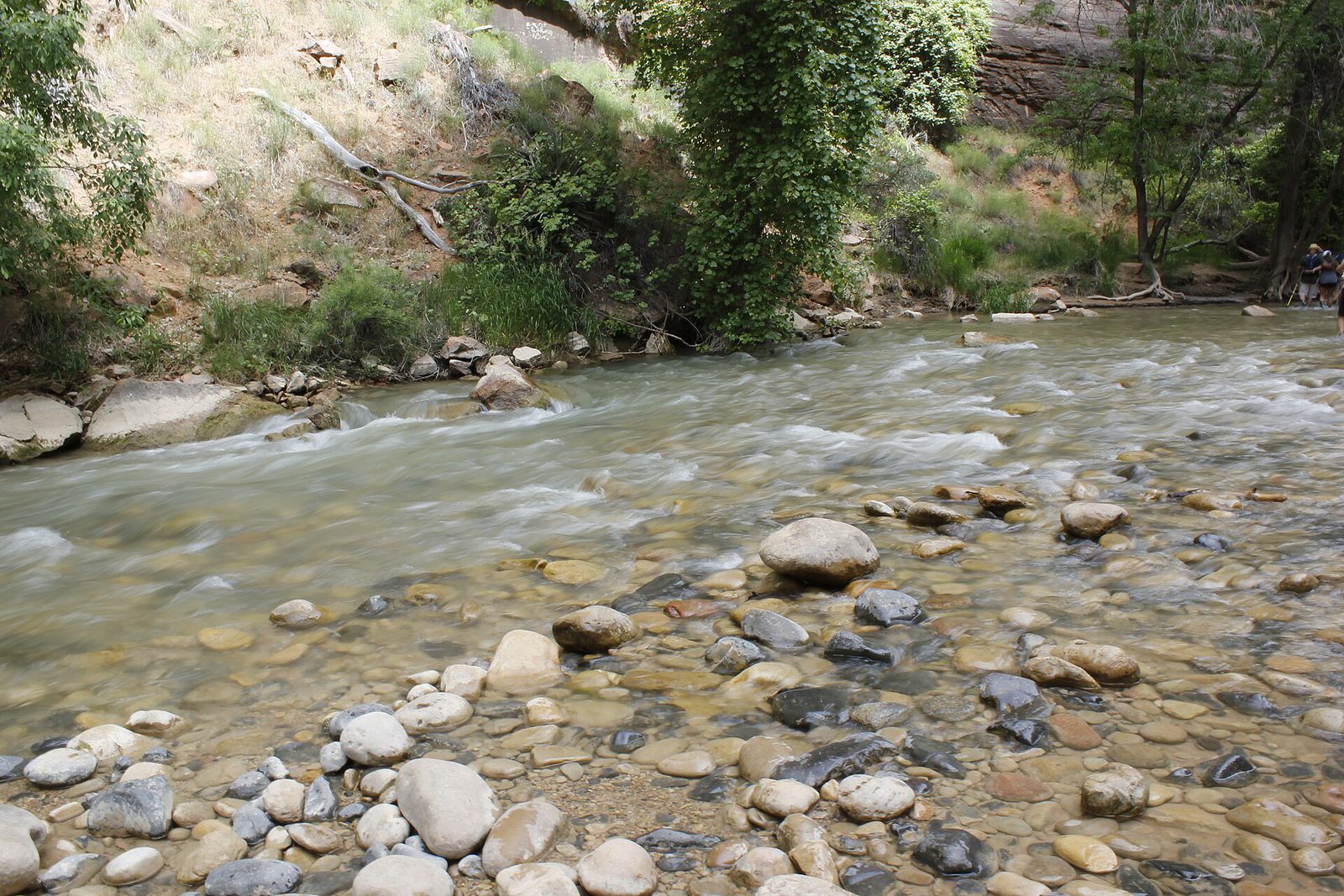
It depends on what you want. Zion has the more famous, more strenuous trails. Angels Landing is about 5.4 miles round trip with roughly 1,500 feet of gain and a chain-assisted spine that requires a permit (a seasonal lottery on Recreation.gov, apply ahead). The Narrows is a wade up the river itself; you can go as far as you like and turn around, while the full bottom-up route runs longer and depends on river flow and flash-flood conditions. Emerald Pools (about 1–3 miles depending on the loop) and the paved Riverside Walk (~2.2 miles) are the easy options.
Bryce's hiking is shorter and lower-mileage, but high-altitude. The combined Navajo Loop + Queen's Garden is the classic, roughly 2.9 miles with about 600 feet of gain that takes you down among the hoodoos and back up. The Peekaboo Loop adds more if you connect it. Nothing at Bryce is as long or exposed as Zion's marquee trails, but the climb out at 8,000 feet feels harder than the numbers suggest. Want adrenaline and big days? Zion wins. Want jaw-dropping scenery on a half-day hike? Bryce is hard to beat.
How far apart are Zion and Bryce Canyon?
The two parks are about 83 miles / roughly 1.5–2 hours apart by road. From Zion's east entrance you take Highway 9 (through the long Zion–Mt. Carmel tunnel), then US-89 north, then Scenic Byway 12 to State Route 63 into Bryce, and you climb nearly 4,000 feet along the way. Note the tunnel has size restrictions: large RVs and trailers need a paid escort permit and can only pass during staffed hours, so check current rates and times. Because the parks are so close and so different, combining them is the obvious move, and they're two of Utah's "Mighty 5" along with Capitol Reef, Arches, and Canyonlands.
Can you do Zion and Bryce Canyon in one trip?
Yes, easily, and most people should. A realistic split is 2 days in Zion and 1 day in Bryce. A common loop: fly into Las Vegas (Zion is roughly 2.5–3 hours / ~160 miles away), spend two days in Zion, drive about two hours to Bryce for a day, then either head home or continue on Scenic Byway 12 toward Capitol Reef for a full Mighty 5 run. If you only have a long weekend, you can still hit both, just accept that Zion alone could fill the whole trip.
Zion vs Bryce: which should you choose if you only pick one?
Be honest about who you're traveling with and when you're going.
- Choose Zion if: you want iconic, bucket-list hikes; you're visiting in spring or fall; you don't mind crowds and a shuttle system; you want river time and dramatic canyon walls.
- Choose Bryce if: you're visiting in summer and want cooler weather; you prefer shorter hikes with a huge payoff; you want excellent stargazing (Bryce is a certified Dark Sky park); you're traveling with kids or anyone who'd struggle with Zion's exposure.
For first-time Utah visitors who can only do one, Zion is the more complete "national park" experience. But if you've already seen Zion, Bryce feels like a different planet and is worth the trip on its own.
Fees, shuttles, and seasons
Both parks charge $35 per vehicle for a 7-day pass; an America the Beautiful annual pass ($80) covers both and pays for itself fast on a multi-park trip. Zion runs a shuttle up Zion Canyon Scenic Drive during the busy season (roughly March through late November, plus a winter holiday window), you can't drive your own car up the canyon then, and the shuttle is free. Bryce has a free optional shuttle in summer, and you can still drive the 18-mile scenic road out to the viewpoints year-round when conditions allow.
Seasonally: Zion is best in April–May and September–October; summer is brutally hot and the Narrows can close for flash-flood risk. Bryce shines in summer when Zion is roasting, but winter brings snow, icy trails (microspikes recommended), and possible temporary closures at the highest viewpoints. Always check current park alerts before you go, river levels, tunnel hours, and trail conditions change.
My honest take as a guide
If a client has four or five days in southern Utah, I never make them choose, I build Zion and Bryce into the same loop because the contrast is the whole point. You spend two sweaty days craning your neck up at canyon walls, then climb to 8,000 feet and stand in cool pine air over an ocean of hoodoos. Doing them back-to-back is what makes each one land harder. The one mistake I see often is treating Bryce as a quick add-on and giving it two hours, at minimum, do the Navajo–Queen's Garden loop and catch one sunrise from the rim. That's when Bryce earns its reputation.
Zion vs Bryce Canyon National Park: How to Choose (2026) FAQs
Neither is objectively better, they're very different. Zion offers dramatic canyon hikes like Angels Landing and the Narrows but is hot and crowded. Bryce offers cooler weather, hoodoo amphitheaters, and shorter hikes at high elevation. For one-park first-timers, Zion is the more complete experience.
About 83 miles, or roughly a 1.5–2 hour drive via Highway 9, US-89, and Scenic Byway 12/State Route 63. The route climbs nearly 4,000 feet, and large RVs or trailers need a paid escort permit to pass through the Zion–Mt. Carmel tunnel.
You can drive between them in about 1.5–2 hours, but trying to hike both in one day means rushing both. A better plan is two days in Zion and one day in Bryce, since they're relatively close together.
Bryce is much higher. Its rim sits at about 8,000–9,100 feet, while Zion Canyon's floor is around 4,000 feet. That elevation makes Bryce noticeably cooler and means it holds snow well into spring.
You need a permit for Angels Landing in Zion, awarded through a seasonal lottery on Recreation.gov that you should apply for ahead of time. Bryce's day hikes don't require permits. Both parks charge a $35-per-vehicle entrance fee, or you can use the $80 annual pass.
Late spring (April–May) and early fall (September–October) are ideal, Zion is comfortable rather than scorching, and Bryce's trails are mostly clear of snow. Summer favors Bryce's cooler air but makes Zion very hot, while winter brings snow and icy trails to Bryce.