Joshua Tree is an officially designated International Dark Sky Park, and on a moonless night the sky here is staggering. Despite sitting only a couple of hours from the glow of Los Angeles, the park's remote eastern sections deliver views of the Milky Way arching from horizon to horizon. Here is how to plan a stargazing trip that actually delivers.
The Best Stargazing Spots
Light pollution from the towns of Yucca Valley, Joshua Tree, and Twentynine Palms bleeds into the park's western edge, so the darkest skies are toward the south and east. These spots stand out:
- Cottonwood in the far south is the darkest accessible area in the park, well away from town glow. The campground and surrounding pullouts are excellent.
- Keys View sits high on the Little San Bernardino Mountains. The daytime overlook becomes a sweeping night perch, though you will see some Coachella Valley light to the southwest.
- Pinto Basin Road pullouts cross the open Colorado Desert with wide, unobstructed horizons, perfect for the Milky Way.
- Belle and White Tank campgrounds on the east side combine boulder silhouettes with very dark skies, a photographer favorite.
When to Go for the Milky Way
Timing is everything. To see the Milky Way core you need three things to line up: a new moon, clear skies, and the right season. The galactic core is visible from roughly April through October, rising higher and earlier as summer progresses. Plan your trip within a few days of the new moon, because even a half-full moon washes out the faint band of the galaxy. Check a moon phase calendar before you book. Winter offers crystal-clear, crisp nights with bright constellations like Orion, even if the Milky Way core is below the horizon.
Avoiding the Heat While Chasing the Dark
The catch with prime Milky Way season is that it overlaps the brutal desert summer. During June through September, plan to arrive in the cool of late evening rather than spending the whole day in the park. Bring plenty of water even at night, since the dry air dehydrates you fast, and carry layers because desert temperatures plunge after sunset year round. In spring and fall you get the best of both worlds: dark Milky Way skies and comfortable nighttime temperatures.
What to Bring
A little gear goes a long way under truly dark skies.
- A red headlamp to preserve your night vision and avoid blinding other visitors.
- Warm layers, since clear desert nights get cold even after hot days.
- A reclining chair or pad so you can look up comfortably.
- A star chart app downloaded for offline use, because cell service is unreliable.
- For photography, a tripod, a wide fast lens, and a remote shutter.
Park Programs and Etiquette
The park and local astronomy groups occasionally host night sky programs and telescope nights, especially around the annual Joshua Tree Night Sky Festival in the fall. Wherever you set up, keep white light to a minimum, give your eyes 20 minutes to adjust, and pack out everything you bring. Protecting the darkness is part of why this place stays so spectacular.
Build It Into Your Visit
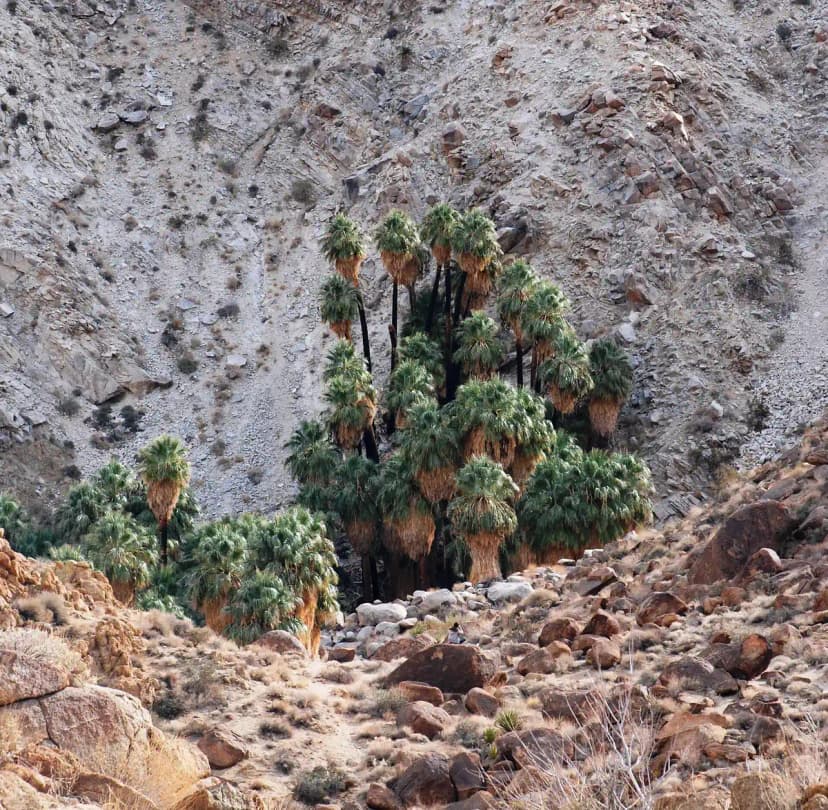
Stargazing pairs naturally with a full day of hiking among the boulders. Spend daylight hours on the trails, then stay out for the show after sunset. Our 3-day Joshua Tree hiking itinerary covers the best daytime trails like Hidden Valley, Ryan Mountain, and the 49 Palms Oasis, so you can fill your days on foot and your nights under the Milky Way.
Joshua Tree Stargazing Guide: Best Spots and Dark Sky Tips FAQs
Yes. Joshua Tree is an International Dark Sky Park and one of the best stargazing spots within reach of Los Angeles. The darkest skies are in the southern and eastern parts of the park, away from town light pollution.
The Milky Way core is visible from roughly April through October. Plan your visit within a few days of a new moon and on a clear night, since moonlight washes out the faint galactic band.
Cottonwood in the far south is the darkest accessible area, followed by Pinto Basin Road pullouts and the Belle and White Tank campgrounds on the east side. Keys View is also excellent despite some distant Coachella Valley glow.