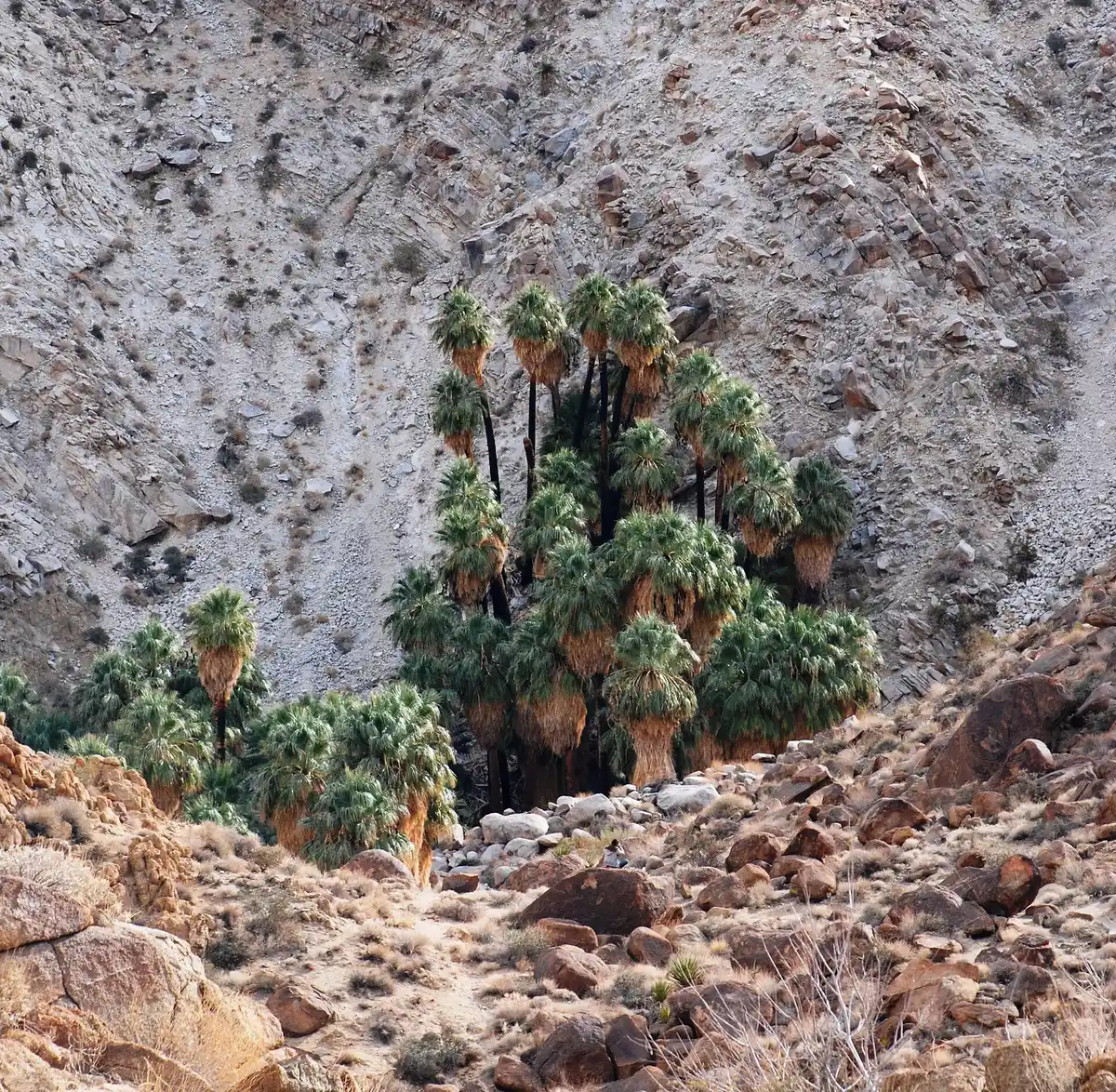
Joshua Tree National Park sits where the high Mojave Desert meets the lower Colorado Desert, and that elevation range means the weather swings hard between seasons. The difference between a magical trip and a miserable one usually comes down to when you go. Here is a season-by-season breakdown so you can pick the right window.
Spring: March to May, the Crowd Favorite

Spring is the most popular time to visit, and for good reason. Daytime highs settle into the comfortable 70s and low 80s Fahrenheit, perfect for hiking Ryan Mountain or scrambling around Hidden Valley without baking. In years with a wet winter, the park explodes with wildflowers, especially across the lower Pinto Basin and along Pinto Basin Road, where you can find desert dandelion, brittlebush, and the occasional carpet of poppies. The tradeoff is crowds. Weekends in March and April bring long entrance lines and full parking lots at Hidden Valley and Keys View, so arrive at the West Entrance before 8 a.m. or visit midweek.
Fall: October to November, the Quiet Sweet Spot
Many seasoned visitors consider fall the best overall time. The brutal summer heat finally breaks, daytime temperatures return to the 70s and 80s, and the crowds thin compared to spring break season. Nights are crisp and clear, which makes fall excellent for both stargazing and camping. If you want great hiking weather without the spring chaos, target mid-October through mid-November.
Winter: December to February, Cold but Clear
Winter is underrated. Days are usually sunny with highs in the 50s and 60s, ideal for strenuous hikes that would be punishing in warmer months. The catch is the cold: overnight lows regularly dip below freezing, and the higher elevations can even see a dusting of snow on the boulders, which is genuinely beautiful. Bring serious layers and a warm sleeping bag if you camp. Crowds are at their lowest outside of the holiday weeks.
Summer: June to September, Approach with Caution
Summer is when Joshua Tree turns dangerous. Daytime highs routinely climb above 100 degrees Fahrenheit, and the dry desert air masks how quickly you dehydrate. Rangers see most heat emergencies in these months. If you must visit in summer, follow strict rules:
- Hike only at dawn, then get off the trail by mid-morning.
- Carry far more water than feels necessary, at least one gallon per person per day.
- Skip exposed climbs like Ryan Mountain in the afternoon entirely.
- Use the cooler evening hours for short walks and stargazing instead.
Quick Recommendations
If you want the single best window, go in late October or November for the combination of good weather, fewer people, and clear night skies. Choose March or April if wildflowers are your priority and you can tolerate crowds. Save winter for solitude and crisp-weather hiking, and treat summer as a sunrise-and-sunset-only affair.
Plan the Trip Itself
Once you have picked your season, you need a plan that times each hike around the desert sun. Our 3-day Joshua Tree hiking itinerary sequences the best trails, from Barker Dam and the 49 Palms Oasis to the Ryan Mountain summit, so you tackle the exposed climbs in the cool morning hours no matter which month you choose.
Best Time to Visit Joshua Tree: A Month-by-Month Guide FAQs
Late October through November is the best overall window. You get comfortable 70s and 80s daytime temperatures, crisp clear nights for stargazing, and far fewer crowds than the busy spring break season.
Wildflowers peak in March and April, but only after a wet winter. Look along Pinto Basin Road and the lower Colorado Desert sections of the park for desert dandelion, brittlebush, and poppies.
Summer is risky, with daytime highs often above 100 degrees Fahrenheit. If you visit June through September, hike only at dawn, carry at least a gallon of water per person per day, and reserve the hot afternoon hours for rest and evening stargazing.