Boulders, Oases & Dark Skies: 3 Days in Joshua Tree
Two deserts, giant boulders & dark skies, in one park.
Three days of the best hikes in Joshua Tree National Park: Hidden Valley and Barker Dam among the boulders, the Ryan Mountain summit, 49 Palms Oasis, the Cholla Cactus Garden, Keys View, and a night under one of the darkest skies in California.
“I’ve requested to book a Chain Lakes Loop guide on ExplorOFF, and it was the best idea ever! I highly recommend going with their guided option since you get a real human connection on the trail and don’t have to worry about a thing. Yulia was great to talk to!”
 12 stops on a real mapEvery stop pinned in order→
Joshua Tree: every stop pinned in order.
Hidden Valley, Keys View & the Cholla Cactus Garden · Southern California
Every stop on this trip, in order, opens as one driving route in the Google Maps app. No copying addresses across one at a time.
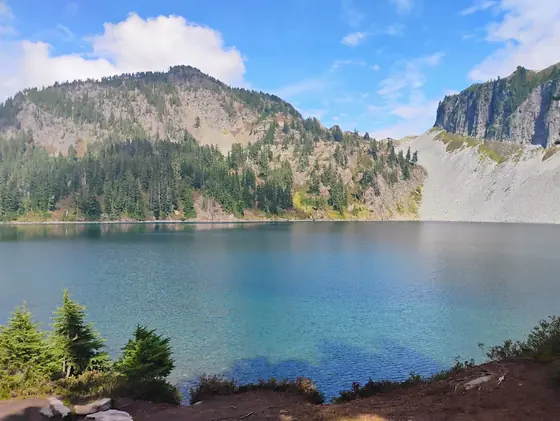
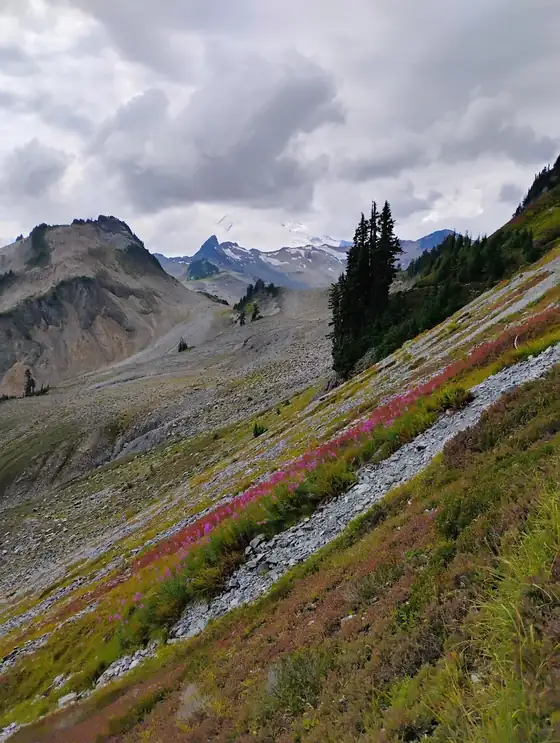
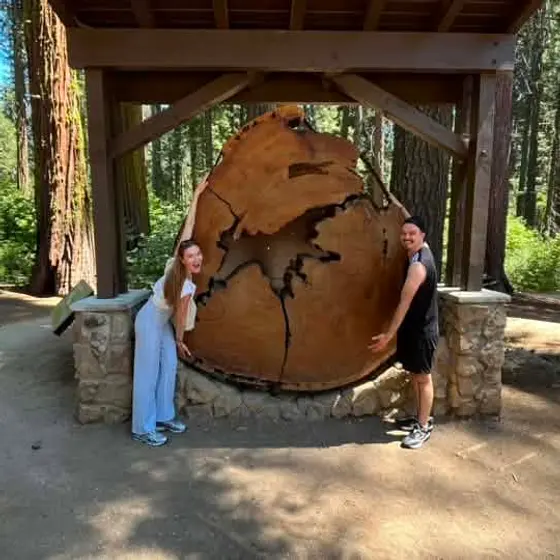
Joshua Tree in photos: 5 of the stops.

Plan and book your 3 days in Joshua Tree, one step at a time
How 3 days in Joshua Tree split up
Plan 3 days for Joshua Tree. Total distance: ~120 mi. Difficulty: Easy–Moderate. Parks pass: $30 / car. Joshua Tree National Park sits where two deserts meet: the higher, cooler Mojave in the west, dense with the park's namesake spiky Joshua trees and surreal piles of monzogranite boulders, and the lower, hotter Colorado Desert in the east, home to the Cholla Cactus Garden and wide ocotillo flats. Add some of the darkest night skies in Southern California and world-class rock climbing, and you have a park that rewards even a short visit.
Day 1: Into the boulders · Hidden Valley & Barker Dam
4 stops · Day one
Day 2: Best hikes in Joshua Tree · Ryan Mountain & Keys View
4 stops · Day two
Day 3: Oasis, cactus garden & dark-sky stargazing
4 stops · Day three
Into the boulders · Hidden Valley & Barker Dam
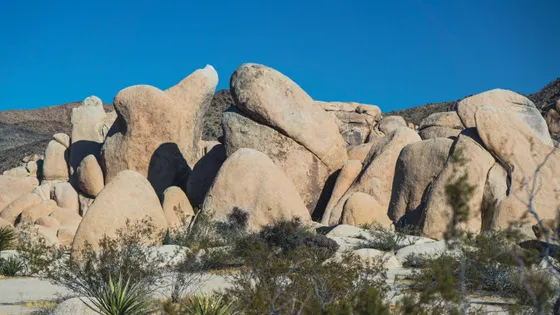
Enter through the West Entrance at Joshua Tree town, the closest gateway to the park's famous boulder country. Fuel up and fill every water bottle in town first, because there is no gas and no reliable water inside the park. Then drive in and ease into the day with the Hidden Valley Loop (about 1 mile, easy), a flat trail that threads into a bowl completely ringed by towering monzogranite boulders, once said to have hidden cattle rustlers.
Not the order you want? Drag a stop, or use the arrows beside it. Stops move between days too.
- Drive from
~1 hr · fuel & water up first · DrivePalm Springs (PSP) is the closest airport, about an hour to the West Entrance at Joshua Tree town; Ontario (ONT) is another option further west. Fuel up and fill every water bottle in town first, because there is no gas and no reliable water inside the park. Download offline maps before you lose signal.
- Hidden Valley Loop
~1 mi · easy · ringed by boulders · HikeEase into the day with the Hidden Valley Loop (about 1 mile, easy), a flat trail that threads into a bowl completely ringed by towering monzogranite boulders, once said to have hidden cattle rustlers. It is the perfect, low-effort introduction to why people fall for Joshua Tree, and a great place to watch rock climbers at work.
 Barker Dam Loop
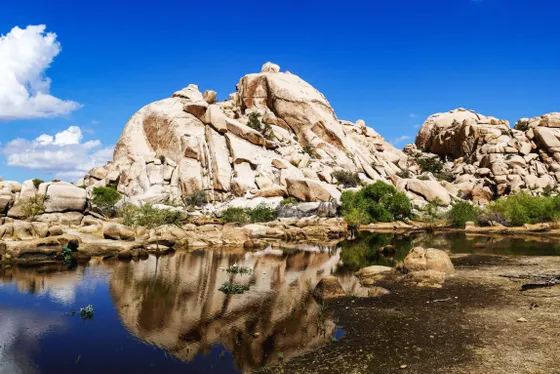
~1.3 mi · easy · dam + petroglyphs · HikeHike the Barker Dam Loop (about 1.3 miles, easy), which passes a small historic cattle dam that holds water after rain and a panel of Native American petroglyphs near the end. Together with Hidden Valley just up the road, it makes an ideal, relaxed first afternoon in the boulders.
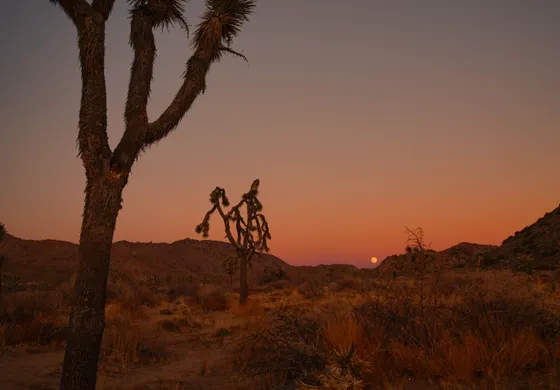 Stay in Joshua Tree town
Closest base to the West Entrance · lodgeBase in Joshua Tree town, the closest gateway to the boulder country and the West Entrance, with the most rooms, rentals, restaurants, and outfitters. There is no lodging inside the park, and town fills on prime-season and full-moon weekends, so reserve early.
Best hikes in Joshua Tree · Ryan Mountain & Keys View
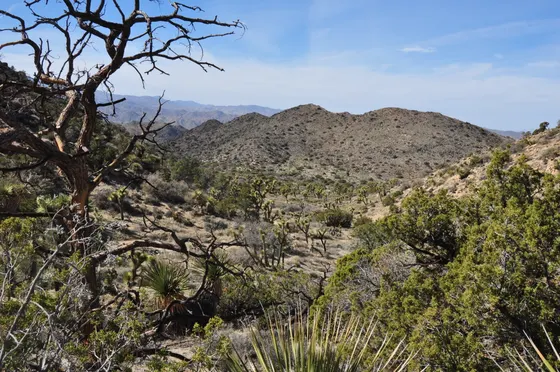
This is the big hiking day. Start early with Ryan Mountain (about 3 miles round trip, roughly 1,000 feet of climbing, moderate), a steady switchbacking ascent to a summit with the best 360-degree view in the park, looking out over Lost Horse Valley, Queen Valley, and the surrounding boulder country. There is no shade, so hit the trailhead at first light and carry plenty of water.
Not the order you want? Drag a stop, or use the arrows beside it. Stops move between days too.
- Ryan Mountain
~3 mi RT · ~1,000 ft · best view · HikeStart early with Ryan Mountain (about 3 miles round trip, roughly 1,000 feet of climbing, moderate), a steady switchbacking ascent to a summit with the best 360-degree view in the park, over Lost Horse Valley, Queen Valley, and the boulder country. There is no shade, so hit the trailhead at first light and carry plenty of water.
 Skull Rock & Arch Rock
Skull ~1.7 mi · Arch ~0.5 mi · easy · HikeSlot in the park's most photogenic rock formations: the Skull Rock Loop (about 1.7 miles, easy) past its iconic skull-shaped boulder, and Arch Rock (about 0.5 miles, easy) to a natural granite arch near the White Tank area. Both are short, easy walks right off the main road.
 Keys View
Drive-up · ~5,200 ft · Coachella Valley · ViewpointDrive up to Keys View, a drive-up overlook at about 5,200 feet on the crest of the Little San Bernardino Mountains, with a sweeping panorama over the Coachella Valley, the San Andreas Fault, and on clear days the Salton Sea and Mexico beyond. It is best at sunset, but the wind up there can be cold, so bring a layer.
- Second night in Joshua Tree
Same base as night one · lodgeSpend a second night in Joshua Tree town, or shift to Twentynine Palms to be closer to tomorrow's 49 Palms Oasis trailhead and the long road to the Cholla Cactus Garden. Either way, you are well placed for a Dark Sky stargazing night.
Oasis, cactus garden & dark-sky stargazing
Begin with a real desert hike to water: the 49 Palms Oasis (about 3 miles round trip, moderate), reached from a separate trailhead near Twentynine Palms, climbing over a rocky ridge to a hidden cluster of native California fan palms fed by a spring. It is one of the most rewarding hikes in the park, so go early before the canyon heats up. If you have energy and history interest, the Lost Horse Mine loop (about 4 miles round trip) and the Wall Street Mill (about 2 miles round trip) lead to some of the park's best-preserved gold-mining ruins.
Not the order you want? Drag a stop, or use the arrows beside it. Stops move between days too.
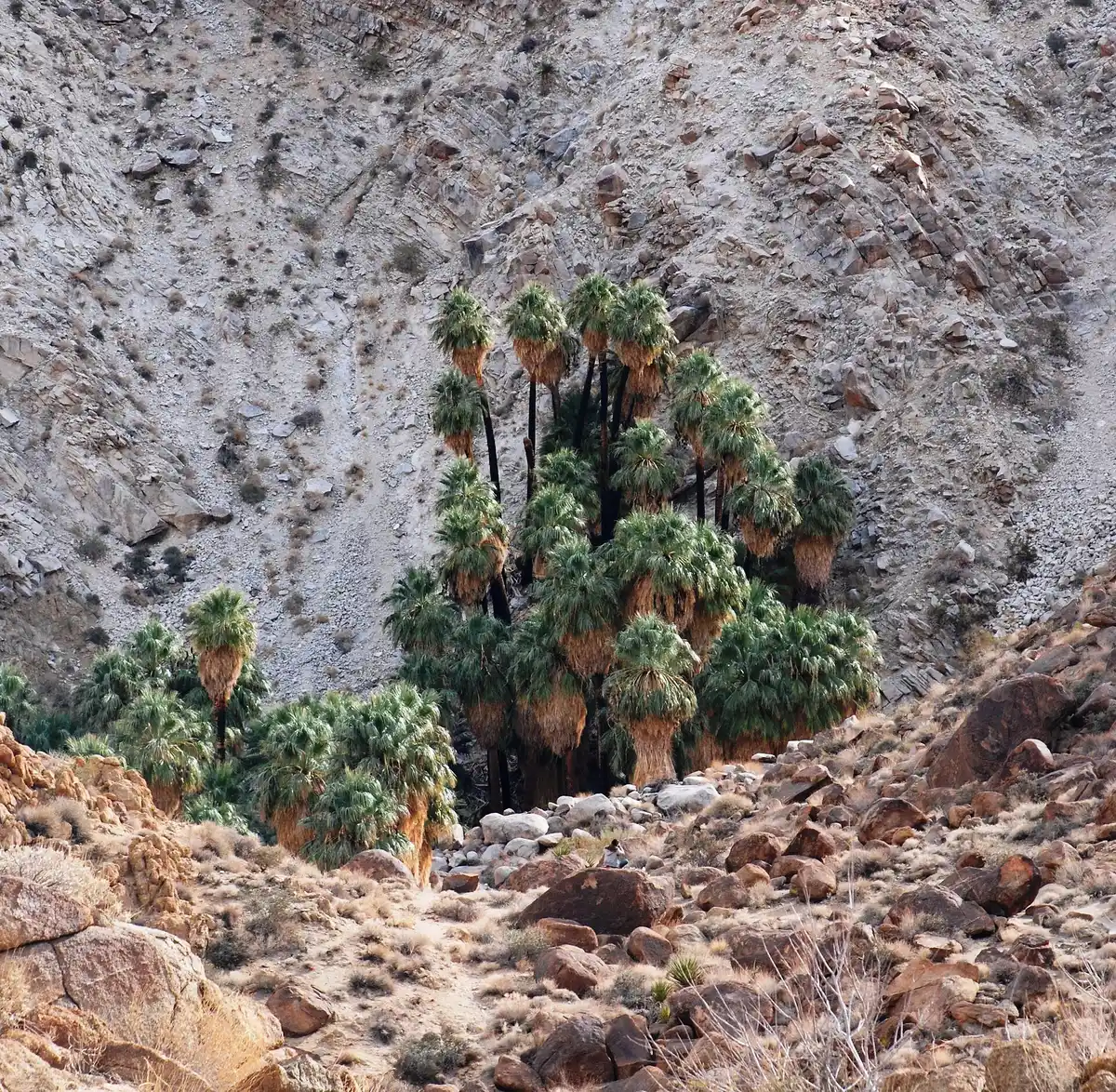 Jarek Tuszyński / CC BY-SA 3.049 Palms Oasis Trail
~3 mi RT · moderate · closed every year June 1 to September 30 · HikeBegin with a real desert hike to water: the 49 Palms Oasis (about 3 miles round trip, moderate), reached from a separate trailhead off Canyon Road near Twentynine Palms, climbing over a rocky ridge to a hidden cluster of native California fan palms fed by a spring. There is no shade until the oasis, so go early before the canyon heats up.
- Cholla Cactus Garden
~0.25 mi loop · golden-hour glow · ViewpointDrive the long road southeast to the Cholla Cactus Garden (about a 0.25-mile loop), where thousands of teddybear cholla light up like fur in the low sun, marking the transition into the lower Colorado Desert. Do not touch the cholla: the barbed segments detach easily and are painful, so stay on the path.
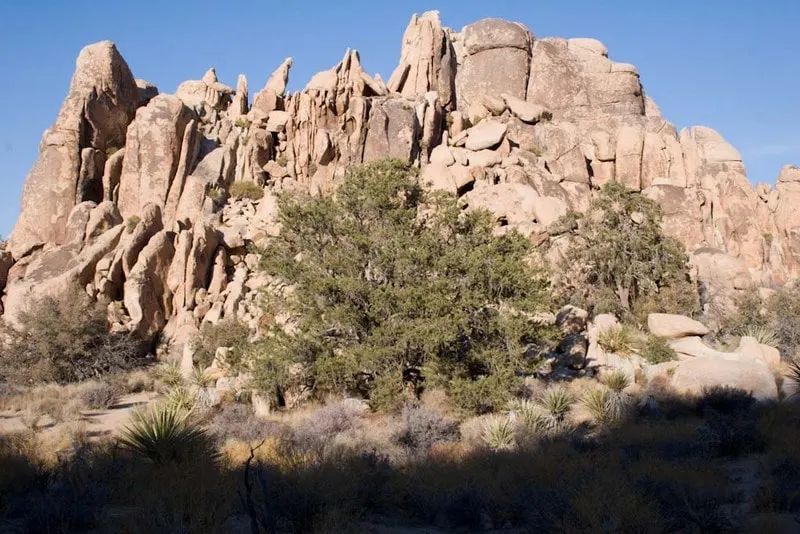 Jim Wroten / CC BY-SA 3.0Guided hike & stargaze · Joshua Tree Excursions
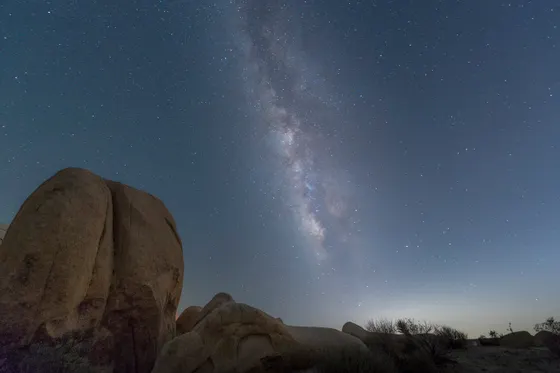
Dark Sky tour · book ahead · activityJoshua Tree is a certified International Dark Sky Park with world-class stargazing. Stay out after dark on your own, or join a guided hiking, sightseeing, and stargazing tour with Joshua Tree Excursions to learn the desert and the night sky. Plan around a new moon for the darkest skies and bring warm layers for the cold desert night.
Book this →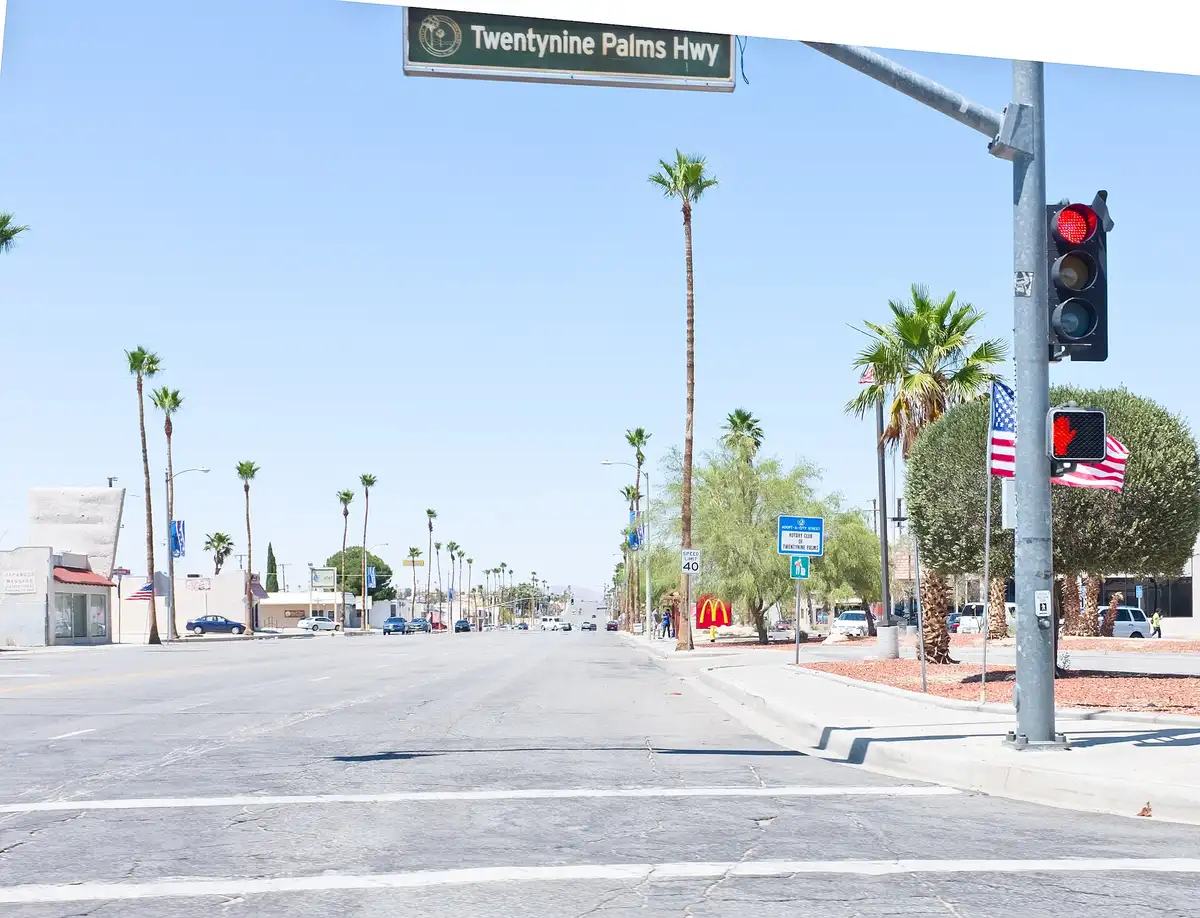 Stay in Twentynine Palms
North Entrance gateway · lodgeBase in Twentynine Palms by the North Entrance for your last night, the closest town to the 49 Palms Oasis trailhead and a convenient launch point for a Dark Sky stargazing night. It rounds out the trip near the quieter eastern side of the park.
Book the 2 nights
Beds near the trailheads are the one thing on this trip that genuinely runs out. Everything else can be decided later.
Tell us your dates and we will do the checking. We find what is still open near each trailhead and email you this plan back with a booking link for each night. Nothing is charged and you decide at the end.
Request to bookWhat to pack for Joshua Tree
Built from this route, not a generic list. Every line says why it is here.
On every day of this trip
On your feet
Because you are sleeping indoors
For the driving days
Specific to Joshua Tree
What we actually learned in the desert.
Pay the entrance fee or bring your pass
Joshua Tree charges about $30 per vehicle for a 7-day pass. The annual America the Beautiful pass ($80) also covers entry and pays off fast if you visit other national parks. Buy it online ahead of time to skip the often-long line at the entrance station.
Bring far more water than you think
There is no reliable water in the park interior, just a few spigots at entrances and visitor centers. Carry at least a gallon per person per day, and 2 to 3 liters on a hike like Ryan Mountain or 49 Palms. There is almost no shade anywhere in the park.
Fuel up before you drive in
There is no gas inside Joshua Tree National Park. Fill your tank in Joshua Tree town, Twentynine Palms, or Yucca Valley before you enter. The park is large and the eastern Cholla Garden run is a long drive, so do not enter on a low tank.
Expect little to no cell service
Cell coverage is spotty to nonexistent across most of the park. Download offline maps, screenshot your trailheads, and tell someone your plan before you go. The visitor centers at the West Entrance, Oasis (Twentynine Palms), and Cottonwood have current trail and road info.
Go October through April
Fall, winter, and spring bring comfortable days and cool to cold nights, the best time for hiking and stargazing. Spring wildflowers can be spectacular but busy. Summer is genuinely dangerous: temperatures top 100°F with no shade, so any summer hiking should be done at dawn only.
There is no lodging inside the park
Stay in Joshua Tree town (closest to the boulders), Twentynine Palms (closest to 49 Palms and the Cholla road), or Yucca Valley. Rooms and rentals fill on prime-season and full-moon weekends. The park's campgrounds are first-come or reservable through recreation.gov well in advance.
Pack tweezers and a comb for cholla
The teddybear cholla in the Cholla Cactus Garden and scattered along the trails drops barbed joints that latch onto skin, shoes, and dogs the instant you brush past. Carry a small first-aid kit with metal tweezers to pull spines, plus a sturdy comb you can slide under a stuck cholla ball to flick it off a boot or leg without grabbing it. Keep kids and pets on the path, and remember there is zero cell service to call for help, so pre-download all your navigation maps.
Joshua Tree: questions before you go
Hikes in Joshua Tree: the questions people ask most.
The best hikes in Joshua Tree National Park are Hidden Valley Loop (about 1 mile, easy, ringed by iconic boulders), Barker Dam Loop (about 1.3 miles, easy, with a historic dam and petroglyphs), Ryan Mountain (about 3 miles round trip and roughly 1,000 feet of climbing to the best summit view), and the 49 Palms Oasis (about 3 miles round trip to a hidden fan-palm oasis). For a quick photo stop, add Skull Rock, Arch Rock, and the Cholla Cactus Garden.
Two to three days is ideal. That gives you time for the iconic boulder loops at Hidden Valley and Barker Dam, the Ryan Mountain summit and Keys View, a desert-oasis hike at 49 Palms, the Cholla Cactus Garden at golden hour, and a proper Dark Sky night of stargazing. A single day only scratches the surface of the best Joshua Tree hikes.
October through April is the prime season, with comfortable days and cool to cold nights that are ideal for hiking and stargazing. Spring can bring beautiful wildflowers but big crowds. Summer is genuinely dangerous: daytime temperatures regularly exceed 100°F with almost no shade or water in the park, so any summer hiking should be done at dawn only.
No. There is no reliable water in the park interior, only a few spigots at the entrances and visitor centers. Bring far more than you think you need, at least a gallon per person per day and 2 to 3 liters on a hike like Ryan Mountain or 49 Palms Oasis. There is also almost no shade anywhere in the park.
There is no lodging inside the park, so base in one of the gateway towns: Joshua Tree town is closest to the boulder country and the West Entrance, Twentynine Palms is closest to the 49 Palms Oasis and the North Entrance, and Yucca Valley has more services a bit further out. Rooms and rentals fill on prime-season and full-moon weekends, so book early.
Day hiking does not require a permit. You do need to pay the park entrance fee (about $30 per vehicle for 7 days, or use an America the Beautiful pass). Buying the pass online ahead of time lets you skip the often-long line at the entrance station. Overnight backpacking does require a free permit registered through recreation.gov.
Yes. Joshua Tree is a certified International Dark Sky Park and one of the best places to stargaze in Southern California, with the Milky Way visible on clear, moonless nights. Plan around a new moon for the darkest skies, let your eyes adjust for about 20 minutes, use a red light, and bring warm layers because desert nights get cold. Guided stargazing tours run from the gateway towns.
Yes. Joshua Tree is one of the most famous rock-climbing destinations in the world, with thousands of routes on its grippy monzogranite, many concentrated around Hidden Valley. Even if you do not climb, it is a highlight to watch climbers work the boulders, and several local outfitters and guides offer beginner climbing lessons and guided sessions in the park.
If you only have time for one, make it Ryan Mountain. It is about 3 miles round trip with roughly 1,000 feet of climbing to the best 360-degree summit view in the park, over Lost Horse Valley, Queen Valley and the surrounding boulder fields. Start at first light, since there is no shade on the way up.
Outside the park, Pioneertown has Pappy & Harriet's for barbecue and live music, the Noah Purifoy Outdoor Desert Art Museum is a free ten-acre sculpture park near Joshua Tree town, and the Integratron in Landers runs sound-bath sessions in its domed chamber. All three sit within about a 30-minute drive of the park entrances.
No. There is no food service anywhere inside the park, so eat and pack supplies in the gateway towns first. Joshua Tree town has Crossroads Cafe and Natural Sisters near the West Entrance, and Twentynine Palms has options near the Oasis Visitor Center entrance.
Yes. The park has about 250 miles of equestrian trails and trail corridors, including 35 miles of the California Riding and Hiking Trail, plus the washes around Black Rock Canyon. Black Rock Equestrian Campground, at about 4,000 feet on the park's western edge, is the main horse camp, and riders need to bring their own water since stock cannot use the park's natural water sources.
Yes. Tell us your dates and we check what is still open for the plan on this page, then send it back with a booking link for each night and the total. Nothing is charged and nothing is held, and you pay the normal rate.
Pick how you want to go.
Same 3-day route. Same 8 stops.
- 2 nights, a campsite near Joshua Tree
- $80
- Guided hike & stargaze · Joshua Tree Excursions
- Priced when you book
- Rental car, 3 days
- $195
- Gas, about 133 miles
- $25
- Park entry, one car
- $30
- 2 nights, a room in Joshua Tree
- from $350
- Guided hike & stargaze · Joshua Tree Excursions
- Priced when you book
- Rental car, 3 days
- $195
- Gas, about 133 miles
- $25
- Park entry, one car
- $30
- A private local guide, rooms and campsites booked
- Included
- Airport pickup and every drive
- Included
- Park, permit and campsite fees paid
- Included
- All the gear and the trail meals
- Included
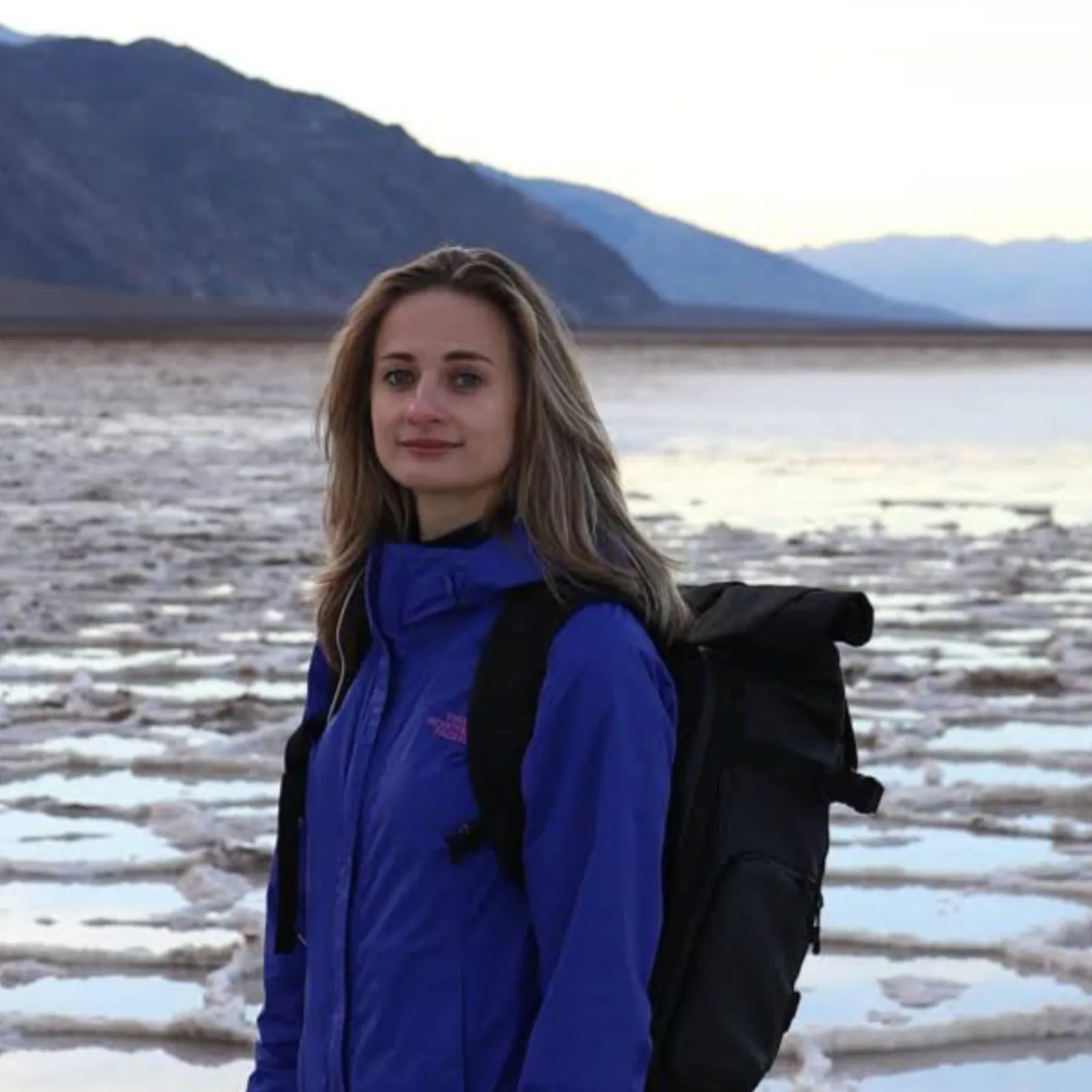
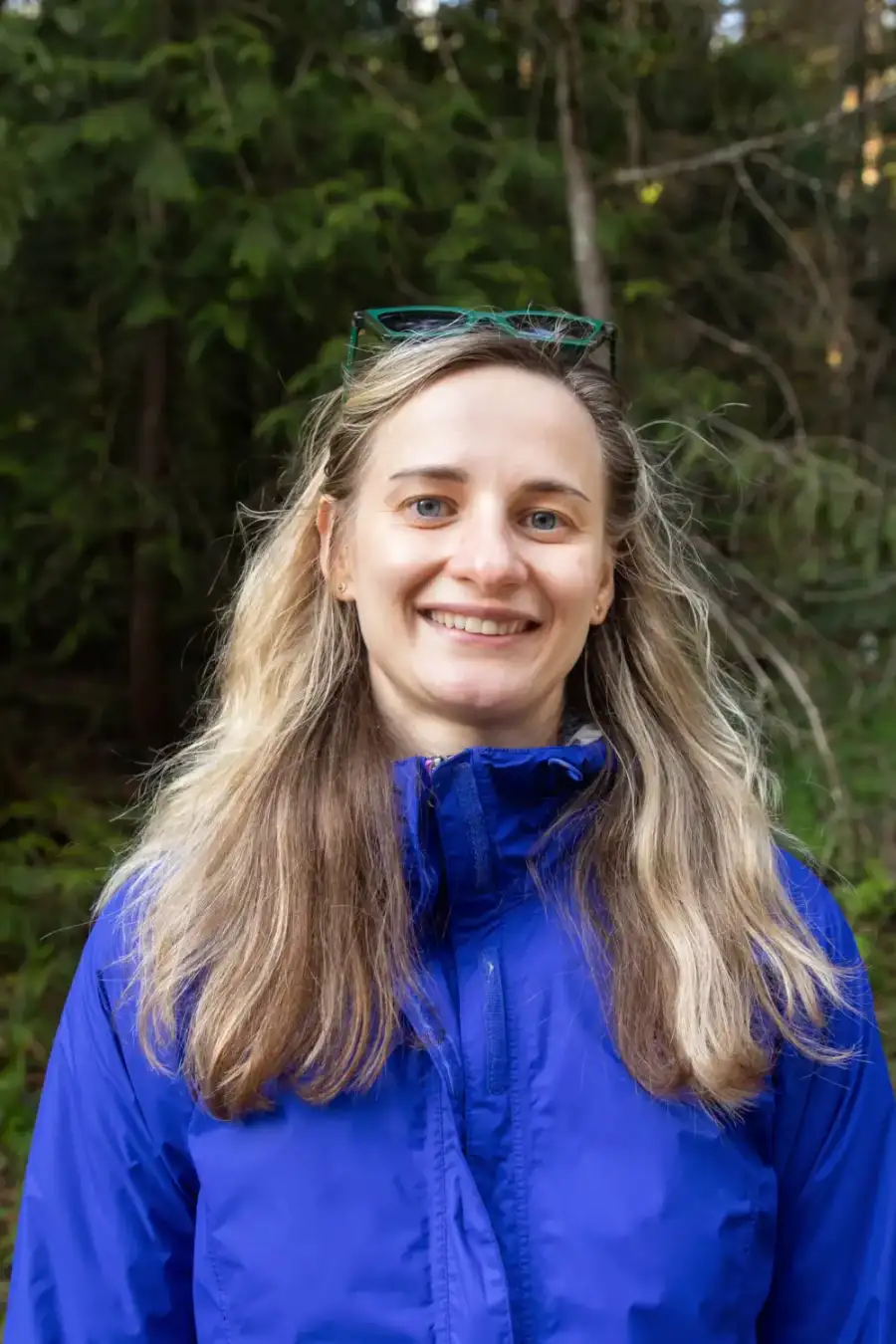
Written and walked by Yulia Vasilyeva · Co-founder · Lead planner and guide
Three years leading guided hikes in the Pacific Northwest, rated 5.0 by 20+ verified guests, and she builds every custom itinerary herself. Based in Seattle.
Last checked September 2026
You might also love these
Other itineraries near this one.
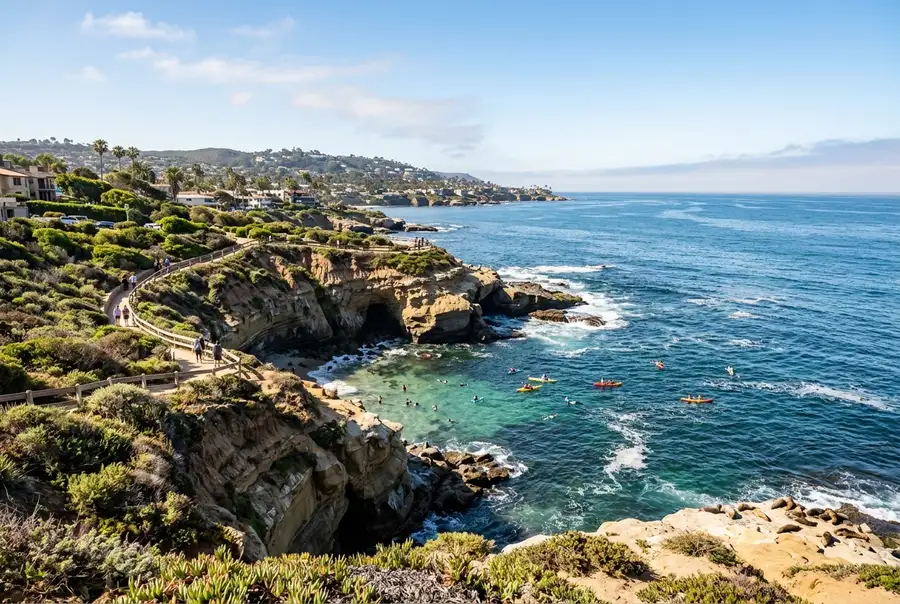
San Diego Itinerary: 3 Days on the Coast
Three days of San Diego built around the coast: Torrey Pines, La Jolla, Sunset Cliffs, the Cabrillo tide pools and a sunrise on Cowles…

Death Valley Winter Hiking: A 3-Day Itinerary
Three days hiking Death Valley in winter, the only season cool enough to walk it: Badwater Basin salt flats, Golden Canyon to Red…

Things to Do in Las Vegas Besides Partying: A 3-Day Outdoor Itinerary
Three days of outdoor things to do in Las Vegas, far from the Strip: Red Rock Canyon, Valley of Fire, Mount Charleston, and Black Canyon…
Guides for this tripIron Door Cave in Joshua TreeLas Vegas to Joshua Tree National ParkHow Far Is Palm Springs From Joshua Tree? About 45 Minutes, Two Ways InSan Diego to Joshua Tree
What adventurers say about us.
All reviews are from verified guests. ★★★★★ 5.0 average from 20+ bookings.
"Felt like going out with a really knowledgeable friend who just happens to know everything about the area. No awkward tour-guide energy, just a magnificent day."
"Yulia is an incredible guide. She knew every trail, every viewpoint, and exactly how to pace the day for our group. The photos she took of us were stunning. 100% booking again."
"I was visiting Seattle solo and this was the best decision I made on the trip. Yulia picked me up, had snacks, and took us to a trail I never would have found on my own. Absolute must-do."
"We did this as a couple's trip and it was perfect. Yulia adapted everything to us, our pace, our interests, our photo obsession. The mountain views were unreal."
"Phenomenal experience. Yulia has deep local knowledge and a real passion for the outdoors. She went out of her way to show us the hidden gems tourists never see. Will remember this forever."
"I've done a few guided hikes and this was by far the best. Yulia is warm, funny, and genuinely expert. The trail she chose had the most insane wildflower bloom, we got so lucky."
Fees, reservation windows, shuttle dates and trail closures are planning estimates. Confirm hours, road status and any reservations with the land manager before you go.
What other travelers are saying
Be the first to leave a tip or question for the next traveler.
Was this helpful?
One tap. It goes straight to Yulia and Margarita.
You can't hike it if you can't get the permit.
The best hikes in America run on lotteries that open once a year and sell out in minutes. Every trail runs on its own calendar. Pick the ones you want and we do the watching.
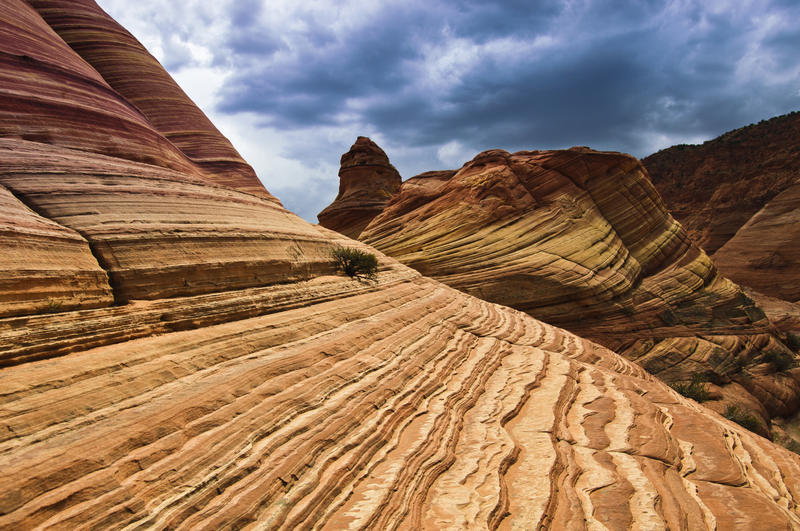 The WaveCoyote Buttes North · Arizona / UtahPermitLotterybrutal odds
 Half Dome CablesYosemite NP · CaliforniaPermitOpens Mar 1fair odds
 Mt. WhitneyInyo NF · CaliforniaPermitOpens Feb 1tough odds
 Angels LandingZion NP · UtahPermitLotterytough odds
 The SubwayZion NP · UtahPermitLotterytough odds
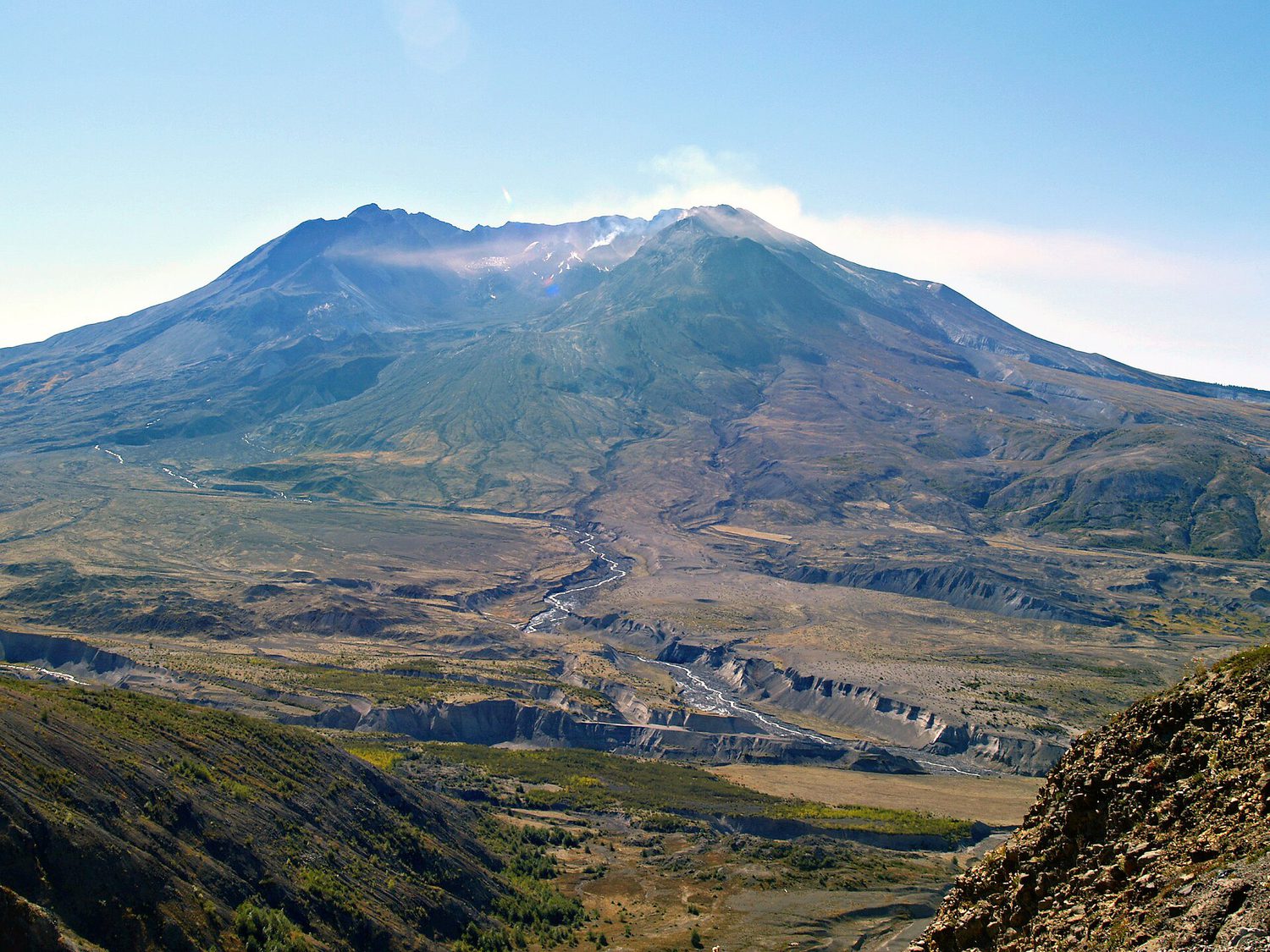 Mount St. Helens Summit ClimbGifford Pinchot NF · WashingtonPermitReservationtough odds
How it works
- An email the morning each window opens, never the day after.
- A 14-day heads-up so you can line up your group and dates.
- Win odds and a ranked backup plan for every trail you pick.
Didn't win? We keep watching. We check recreation.gov every day for The Enchantments, Half Dome and Angels Landing, and email you the moment a sold-out date frees up. Cancellations are the second chance most people never hear about.