Why April Is Prime Time for Joshua Tree Wildflowers
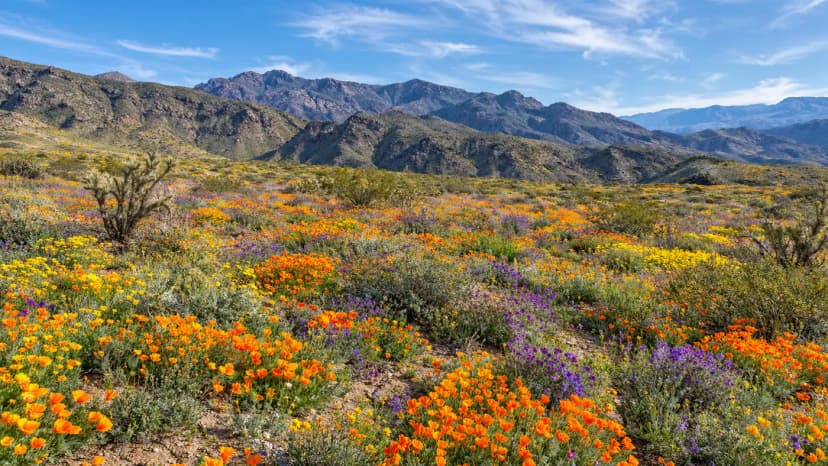
April is the sweet spot for wildflowers in Joshua Tree National Park. By early spring the worst of the winter chill has lifted, daytime highs sit in the comfortable 70s and low 80s, and the desert floor responds to any winter rain with a flush of color. The bloom is famously unpredictable from year to year, but April reliably puts you in the window when both the low Colorado Desert section and the higher Mojave section can be flowering at the same time. That overlap is the real reason serious flower hunters circle this month on the calendar.
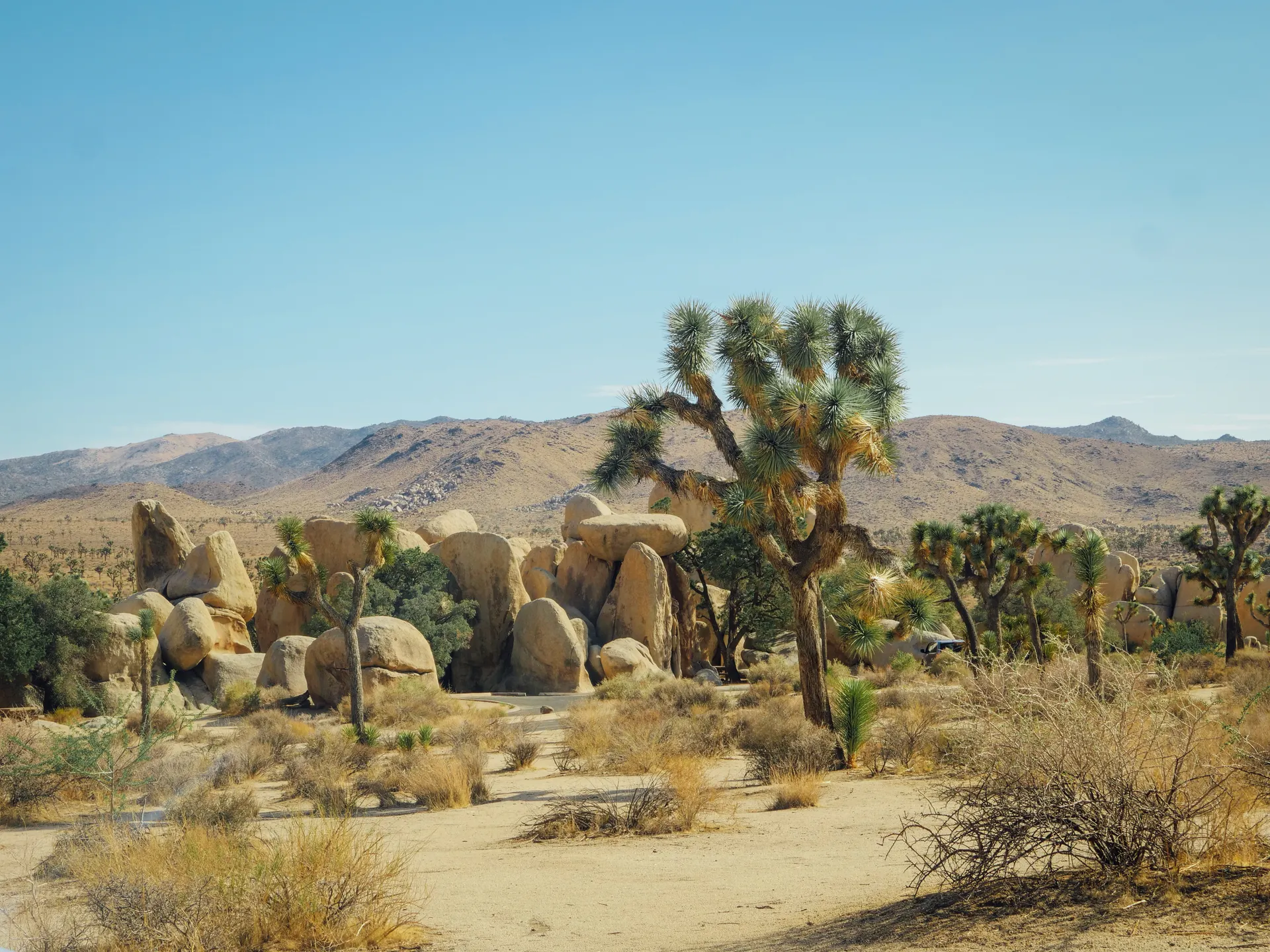
The park spans two deserts at very different elevations, and that elevation gradient is the single most important thing to understand. Lower, hotter areas bloom first, sometimes as early as February. Higher elevations around Black Rock and the Wonderland of Rocks bloom weeks later. In April you can chase the color uphill across a single trip.
Where the Color Peaks: Best Areas Inside the Park
For the densest displays, focus on a few proven zones rather than driving aimlessly. These spots consistently reward early spring visitors:
- Pinto Basin Road and the Cholla Cactus Garden at the low, southern end, where desert dandelion and brittlebush carpet the flats first.
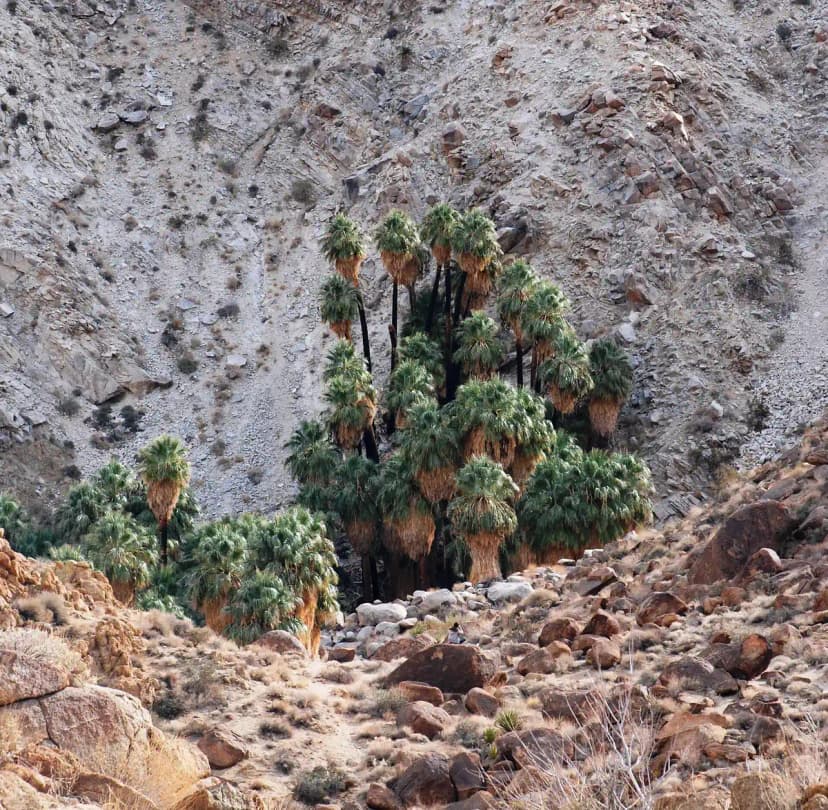
- Cottonwood Spring near the south entrance, a green oasis that draws verbena, lupine, and chuparosa.
- Bajada Nature Trail, a flat, quarter-mile loop signed with the plants you are looking at, ideal for learning to spot species.
- Black Rock Canyon at higher elevation in the northwest, where the bloom arrives latest and stretches the season into late April.
If you only have a few hours, drive Pinto Basin Road slowly with the windows down and stop wherever you see yellow washes along the shoulder.
Best April Hikes for Flower Hunters
You do not need a big mileage day to see the bloom. Some of the best color is on short, accessible trails. The Lost Horse Mine Trail (4 miles round trip) climbs gently through bunches of desert mariposa lily and combines flowers with a genuine 1890s gold-mine ruin. The Hidden Valley Nature Trail (1 mile) loops through a rock-rimmed basin where moisture lingers and wildflowers cluster against the boulders. For sweeping views with spring color, the Ryan Mountain Trail (3 miles, 1,000 feet of gain) rewards the climb with blooms along the lower switchbacks and a summit panorama of the flowering basins below. Start early; even in April the afternoon sun is strong and shade is scarce.
This desert-park strategy of timing your visit to spring color is exactly what the best national parks to visit in April itinerary is built around, pairing Joshua Tree with other desert parks at their seasonal peak.
How to Time the Bloom (and Read the Forecast)
Bloom intensity comes down to two ingredients: steady winter rain from December through February, and a warm but not scorching spring. A wet winter followed by a mild March can produce a true super bloom; a dry winter means a sparse, scattered showing. In the weeks before your trip, check the park's official wildflower update page and recent visitor photos rather than relying on long-range predictions. Lower elevations report first, so if the southern flats are already fading when you arrive, head uphill to Black Rock where the season runs later.
What to Bring and How to Photograph the Bloom
Pack more water than you think you need, at least a gallon per person per day, because desert air is deceptively drying. Bring sun protection, a wide-brim hat, and sturdy shoes for sandy washes. For photos, shoot in the soft light of early morning or the last hour before sunset, when low-angle light makes the petals glow and the Joshua trees throw long shadows. Get low to the ground to layer foreground flowers against the rock formations the park is named for.
A few etiquette rules keep the bloom healthy for everyone: stay on trails and washes, never pick flowers, and do not trample patches for a photo. Desert soil and its seed bank are fragile and slow to recover.
Wildflower Species to Look For
Learning a handful of signature plants turns a pretty drive into a treasure hunt. On the open flats, watch for golden carpets of desert dandelion and the sunny daisy heads of brittlebush. Along the washes you will spot purple spikes of Arizona lupine and chia, while the desert mariposa lily shows up along the Lost Horse Mine trail and the scarlet tubes of chuparosa near Cottonwood Spring pull in hummingbirds. Do not overlook the cacti: beavertail cactus throws magenta blooms and the cholla glows with yellow flowers, often providing the boldest color in the whole park. In the right year the Joshua trees themselves send up creamy clusters of blossoms atop their spiky arms, a flowering event that does not happen annually and is worth photographing whenever you catch it.
Where to Stay for an Early Start
The gateway towns of Joshua Tree, Twentynine Palms, and Yucca Valley all sit minutes from park entrances and fill up fast in April. Inside the park, campgrounds like Jumbo Rocks and Black Rock are spectacular but reservable months ahead during peak bloom weekends. Booking a base in town the night before lets you reach the trailheads at dawn, when the light is best, the air is coolest, and the parking lots are still empty.
Joshua Tree Wildflowers FAQs
Lower elevations can begin in February, but April is the most reliable month because both the low Colorado Desert and the higher Mojave Desert sections of the park can be flowering at once. A wet winter pushes the peak later and stronger.
Start with Pinto Basin Road and the Cholla Cactus Garden at the low southern end, Cottonwood Spring near the south entrance, and Black Rock Canyon in the northwest, which blooms latest and extends the season into late April.
Super blooms depend on steady winter rain followed by a mild spring. Check the park's official wildflower update page and recent visitor photos in the weeks before your trip rather than long-range forecasts, since conditions change fast.
Carry at least a gallon of water per person per day, plus a wide-brim hat, sunscreen, and sturdy shoes for sandy washes. There is very little shade, so plan an early start.