Why April Is the Last Great Hiking Window in Death Valley
Death Valley is the hottest place on Earth in summer, which makes April a precious window. Daytime highs at the valley floor typically run in the 80s and low 90s early in the month, warm but workable if you start at dawn, and the high country stays genuinely pleasant. By May the lower trails become dangerous and the National Park Service warns visitors off canyon hikes after mid-morning. April is your last chance to hike the low elevations comfortably before the desert shuts the door for the season.
The park's enormous vertical range, from 282 feet below sea level at Badwater to 11,049 feet at Telescope Peak, means you can pick a temperature by picking an elevation. Smart spring hikers do canyons in the cool morning and save shaded or high-elevation trails for the afternoon.
Best Low-Elevation Hikes (Do These First)
Tackle the hot, exposed trails at first light when the canyon walls still hold the night's cool. These are the classics:
- Golden Canyon to Red Cathedral (3 miles round trip), a corridor of gold-and-rust badlands that glows in early sun.
- Mosaic Canyon near Stovepipe Wells (4 miles round trip), with polished marble narrows you can touch on both sides.
- Desolation Canyon (3.6 miles round trip), a quieter, less-trafficked wash with colorful folded rock.
- Natural Bridge Canyon (1.4 miles round trip), short, dramatic, and perfect for a first morning.
Carry water on every one of these even if they look short; there is no shade once the sun clears the canyon rim.
High-Country Trails for the Afternoon
When the valley floor heats up, climb. The Dante's View Ridge area sits above 5,000 feet and offers cool, breezy walking with a jaw-dropping look straight down to Badwater Basin. For a bigger objective, Wildrose Peak (8.4 miles round trip) and the strenuous Telescope Peak (14 miles round trip) climb into pinon and bristlecone pine, where April can still hold patches of snow near the top. These high routes are a completely different park, green and forested, and they let you keep hiking long after the canyons get too hot.
Pairing cool-season desert hiking with peak spring timing is the whole idea behind the best national parks to visit in April itinerary, which builds Death Valley into a wider spring desert loop.
Spring Wildflowers and the Salt Flats
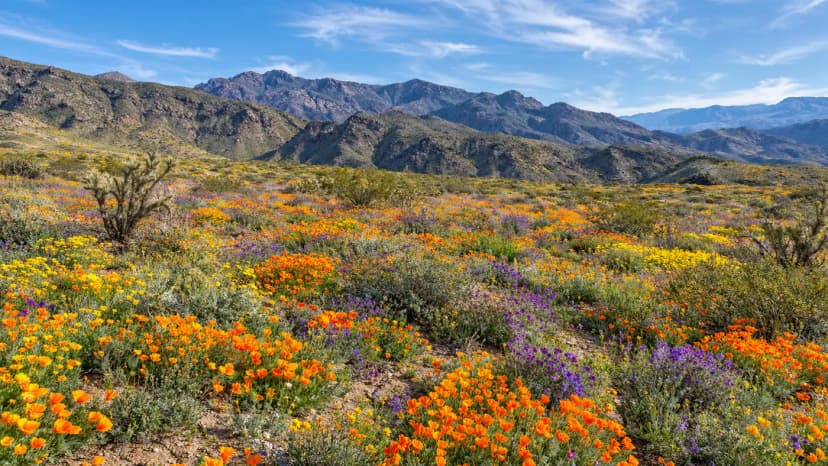
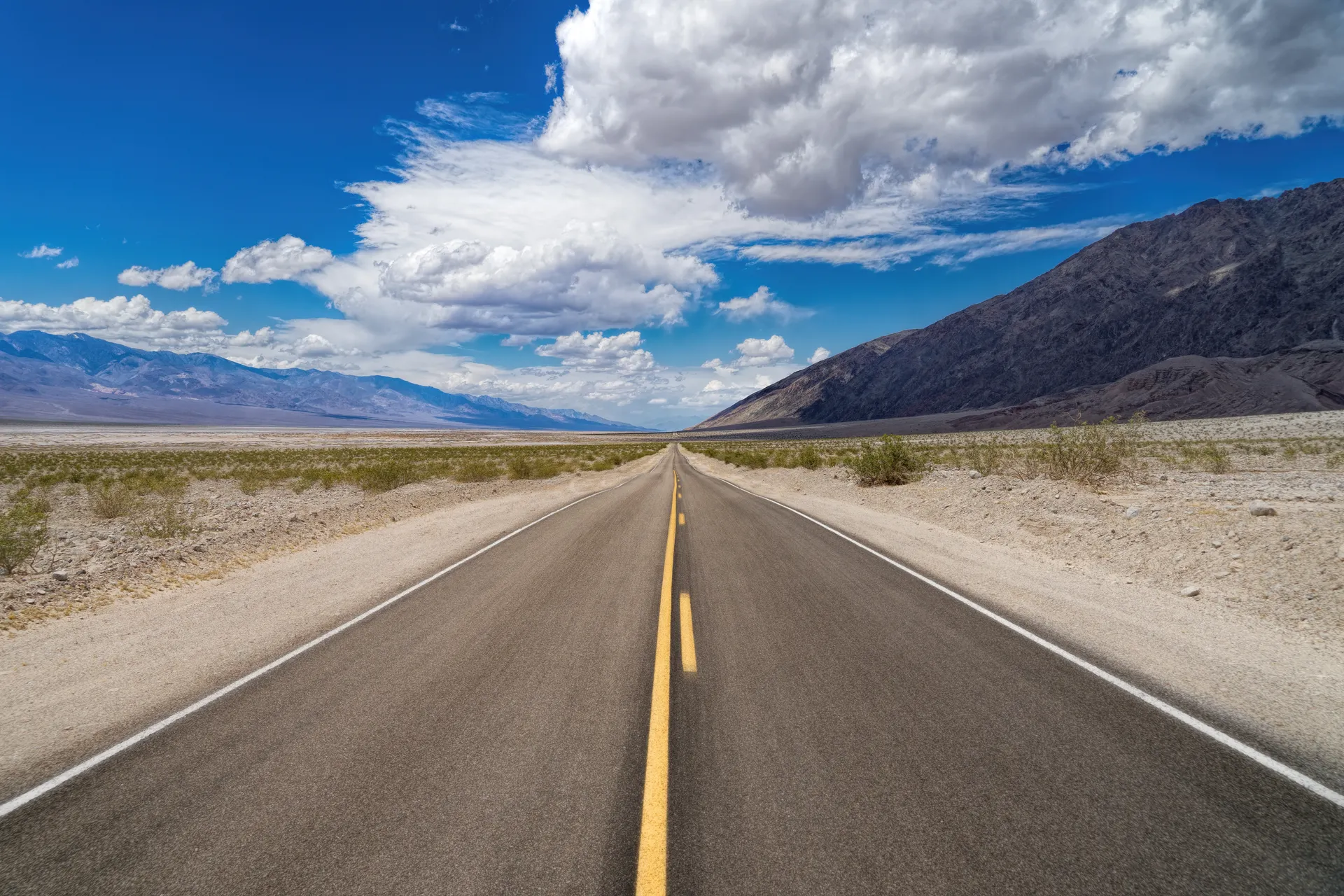
April can bring wildflowers to Death Valley after a wet winter, with desert gold and gravel ghost flower dotting the alluvial fans along Badwater Road and the road up to Jubilee Pass. The displays are subtler than the park's famous super-bloom years but still worth a slow drive. Don't skip the Badwater Basin salt flats walk, a flat one-mile stroll onto the hexagonal salt polygons; in April the morning light and cooler air make this surreal landscape far more enjoyable than the summer furnace it becomes weeks later.
How to Time Your Day and Stay Safe
The cardinal rule of spring hiking here is simple: do your hardest, most exposed hiking before 10 a.m. Heat builds fast, and the park sees rescues every year from hikers who underestimate the desert. Carry at least one gallon of water per person, eat salty snacks to replace electrolytes, and turn around if you feel headachy or dizzy. Cell service is almost nonexistent, so tell someone your plan. Fuel up in advance, since gas stations inside the park are few and expensive.
Sand Dunes, Sunrise, and Other April Highlights
Beyond the canyons, April is the best month to enjoy Death Valleys most photogenic spots before they turn brutal. The Mesquite Flat Sand Dunes near Stovepipe Wells are magical at sunrise, when the cool sand holds crisp ripple patterns and animal tracks from the night; walk out before the heat and the footprints multiply. Zabriskie Point at dawn is the classic sunrise stop, with golden badlands folding away toward the valley floor, and it requires only a short paved walk from the parking area. For sunset, drive up to Dantes View, where the temperature drops noticeably and you look 5,000 feet straight down onto Badwater. Spacing your day around these cool-hour highlights, dunes and badlands at sunrise, canyons mid-morning, high country in the afternoon, and a view point at sunset, lets you experience the whole park comfortably in a way that is simply impossible once summer arrives.
Where to Base Yourself
Furnace Creek sits centrally and puts you minutes from Golden Canyon, Badwater, and Dante's View, making it the best hub for early starts. Stovepipe Wells is closer to Mosaic Canyon and the Mesquite Flat Sand Dunes. Both fill up over April weekends, especially during spring break, so reserve well ahead. Staying inside the park, rather than in distant gateway towns, is what makes the crucial dawn departure possible.
Death Valley Spring Hikes FAQs
Yes. April is the last comfortable window before summer heat makes low trails dangerous. Valley-floor highs run in the 80s to low 90s, so start canyon hikes at dawn and save high-elevation trails for the afternoon.
Golden Canyon to Red Cathedral, Mosaic Canyon, Natural Bridge Canyon, and Desolation Canyon are the top low-elevation routes. For cooler afternoons, hike Dante's View ridge, Wildrose Peak, or strenuous Telescope Peak.
Carry at least one gallon of water per person per day, more if you plan a long route. There is little to no shade in the canyons, so drink steadily and add salty snacks to replace electrolytes.
After a wet winter, April can bring desert gold and other blooms along Badwater Road and Jubilee Pass. Displays are usually subtler than the rare super-bloom years but still worth a slow scenic drive.