National Parks to Visit in Summer, and Four to Avoid
July and August are the only months when the alpine parks are fully open, and the worst months in the desert ones. Go north and go high: Glacier, Rocky Mountain, Yellowstone, Grand Teton, Mount Rainier, North Cascades, Olympic, Crater Lake, Denali and Bryce Canyon all peak now, because their high roads and trails are only clear of snow for about ten weeks. Leave Death Valley, Joshua Tree, Big Bend and Saguaro for winter. Our best national parks in June itinerary covers the early summer window.
Ten parks that peak in summer
- Glacier, Montana. Going to the Sun Road is usually fully open from early July to mid September, and that is the whole reason to come. Grinnell Glacier and the Highline Trail are both summer only. Vehicle reservations applied to the road corridor in recent years, but not in 2026, when Logan Pass has a three-hour parking limit instead.
- Rocky Mountain, Colorado. Trail Ridge Road to 12,183 feet, wildflowers on the tundra in July, and alpine lakes that are frozen half the year.
- Yellowstone, Wyoming. All five entrances and the full Grand Loop are open. Bear cubs in June, bugling elk from mid September.
- Grand Teton, Wyoming. Best hiking in the northern Rockies, and the only season the high lakes are reachable.
- Mount Rainier, Washington. Paradise wildflowers peak in the last week of July and the first two of August, and the Sunrise road usually opens in early July.
- North Cascades, Washington. Highway 20 is closed by snow for months, so summer is effectively the whole visiting season. See our North Cascades itinerary.
- Olympic, Washington. The driest stretch of the year on the wettest coast in the country, and Hurricane Ridge is snow free.
- Crater Lake, Oregon. The full Rim Drive opens in July, and swimming at Cleetwood Cove is only possible now.
- Denali, Alaska. Up to 19 hours of light, and every tour and bus running.
- Bryce Canyon, Utah. The exception to the desert rule, because the rim sits between 8,000 and 9,000 feet, so July afternoons are pleasant while Zion two hours away is over 100F.
Four to avoid from June to August
- Death Valley. Regularly above 115F. The Park Service advises against hiking below sea level after 10am, and every summer brings heat rescues.
- Joshua Tree. Highs over 100F with no shade and no water in the park interior.
- Big Bend. Over 100F on the desert floor, though the Chisos Basin at 5,400 feet is 10 to 15 degrees cooler and the late summer monsoon greens the desert.
- Saguaro and the Sonoran desert parks. Same problem, plus monsoon lightning in the afternoons.
Arches and Canyonlands belong on the caution list too. They stay open and busy in July, and hiking there after 9am in summer is genuinely unpleasant.
The two problems summer brings, and what to do
Crowds. July and August are the busiest weeks of the year in every park on the good list. The fixes are the same everywhere: be at the trailhead by 7am, hike further than three miles, sleep inside or beside the park rather than an hour away, and take the shuttle where one exists. Trailhead parking, not the park, is what runs out.
Afternoon thunderstorms. In the Rockies and the Southwest, storms build almost daily from July into early September. The rule is to be off exposed ridges and summits by noon, which means starting a big hike at dawn, not after breakfast.
Reservations that matter in summer
- Vehicle and timed entry reservations have applied in recent summers at Glacier, Rocky Mountain, Yosemite, Arches and Mount Rainier. In 2026 only Rocky Mountain still required one, and Glacier capped Logan Pass parking at three hours instead. The systems change nearly every year, so check each park page as soon as your dates are set.
- In park lodging releases 12 to 13 months ahead in the big parks and fills within days.
- Campgrounds release six months ahead on recreation.gov, at 8am Eastern for most parks.
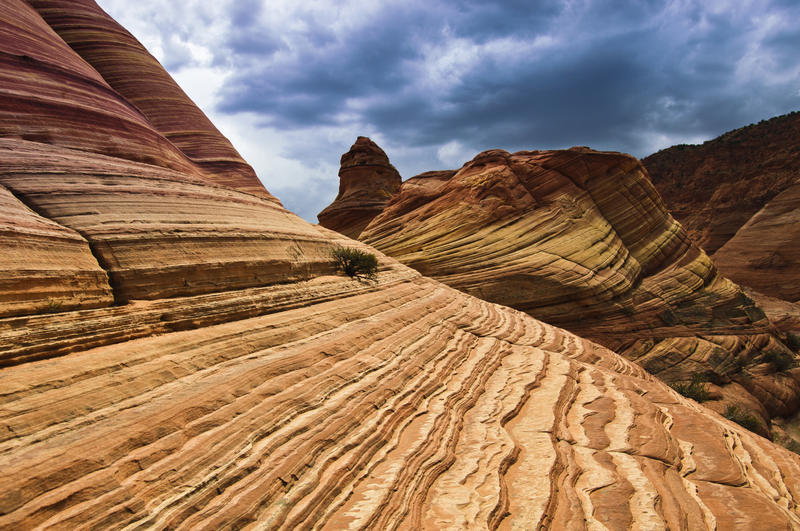
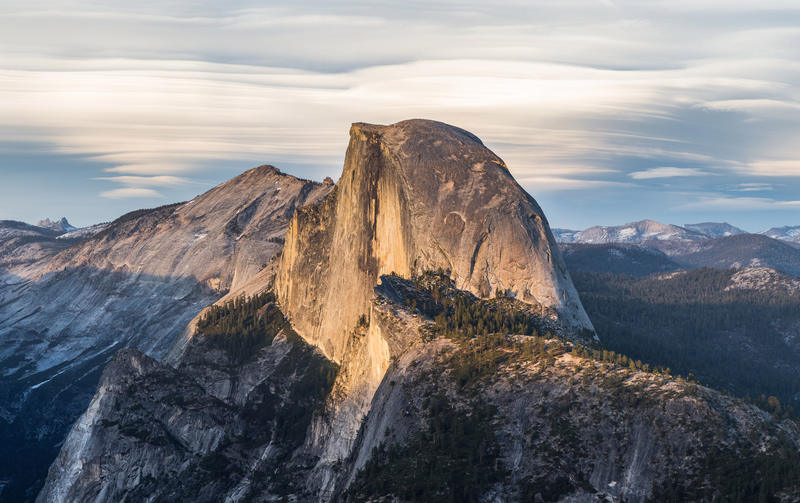
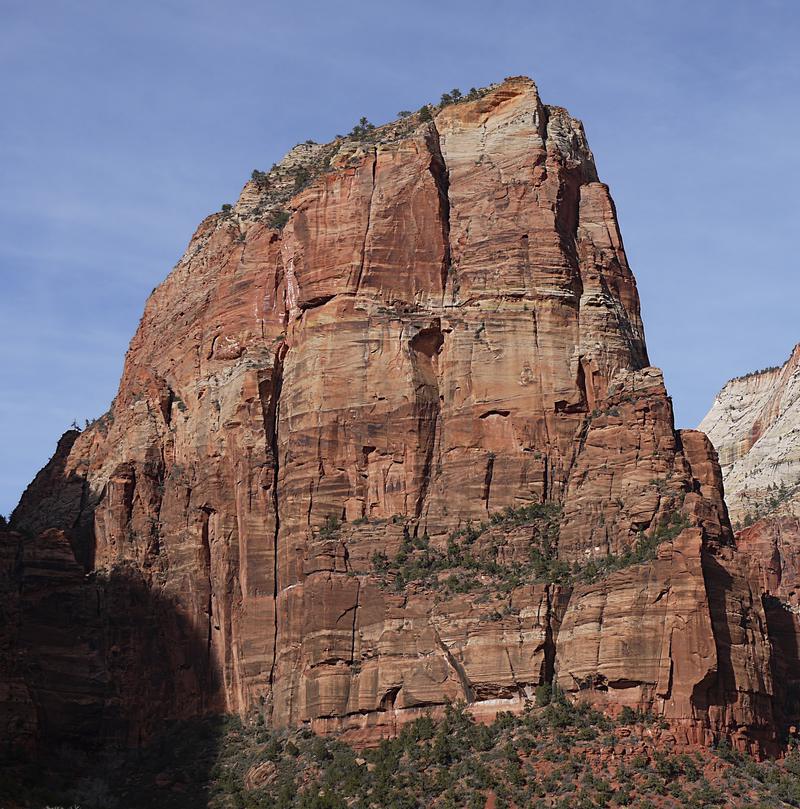
- Permits with lotteries: Half Dome, Angels Landing, the Enchantments and the Wave all run lotteries with deadlines months out.
The best two weeks of summer
If you can pick, take the last week of August and the first week of September. Every high road is open, the wildflowers are finished but the water is warmest, thunderstorms are easing, and the crowds drop sharply after the Labor Day weekend. Late September is quieter still and the risk of an early snowfall closing a pass starts to return.
Have us plan the summer trip
Tell us your dates and we will name the parks that will actually be open and lay out the days around the entry reservations you can get. Planning is free, and we earn only if you book through us.
National Parks to Visit in Summer, and Four to Avoid FAQs
The high and northern ones: Glacier, Rocky Mountain, Yellowstone, Grand Teton, Mount Rainier, North Cascades, Olympic, Crater Lake, Denali and Bryce Canyon. Their high roads and alpine trails are only clear of snow for about ten weeks a year.
Death Valley, Joshua Tree, Big Bend and Saguaro, where highs pass 100F with no shade. Arches and Canyonlands are also uncomfortable after 9am in July, though they stay open and busy.
August, slightly. More high roads and trails are snow free, water is warmer and thunderstorm frequency starts to ease late in the month. July has better wildflowers at Paradise and in the Rockies.
Arrive at the trailhead by 7am, hike more than three miles, stay in or next to the park rather than an hour away, and use shuttles where they exist. Trailhead parking runs out long before the trails feel full.
At several. Vehicle or timed entry reservations have applied in recent summers at Glacier, Rocky Mountain, Yosemite, Arches and Mount Rainier, but in 2026 only Rocky Mountain still required one. The rules change most years, so check each park page once your dates are fixed.
From early July into early September in the Rockies and the Southwest, most days by early afternoon. Plan to be off any exposed ridge or summit by noon, which means starting big hikes at first light.
Yes. The worked day-by-day plan is Going-to-the-Sun Road: The Drive, Every Stop, in 2 Days (2 Days), with the permits, the stays and the drive times already sorted. Tell us your dates and we will put it together for you and confirm what is genuinely open on those days. Asking is free: no card, no deposit, and nothing is held until you say yes.