Two Days Above the Caldera on the Crater Lake Rim
One caldera, the deepest, bluest lake in the country.
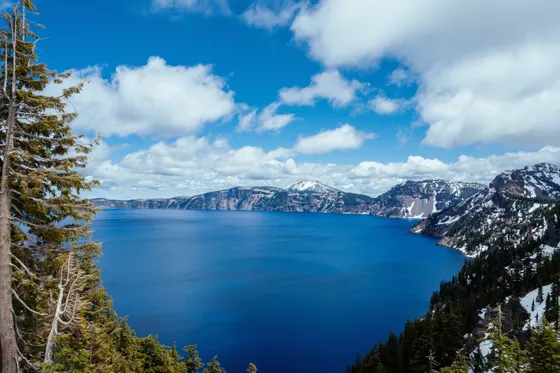
Two days hiking the Crater Lake rim: the 33-mile Rim Drive, Garfield Peak and Watchman Peak above the caldera, Mount Scott, and the deepest, bluest lake in the United States.
“I’ve requested to book a Chain Lakes Loop guide on ExplorOFF, and it was the best idea ever! I highly recommend going with their guided option since you get a real human connection on the trail and don’t have to worry about a thing. Yulia was great to talk to!”
 11 stops on a real mapEvery stop pinned in order→
Every stop is a real pin, in order.
Rim Village, the 33-mile Rim Drive & Wizard Island · Southern Oregon
Every stop on this trip, in order, opens as one driving route in the Google Maps app. No copying addresses across one at a time.
5 of the stops on these 2 days.
Plan and book your 2 days in Crater Lake, one step at a time
How 2 days in Crater Lake split up
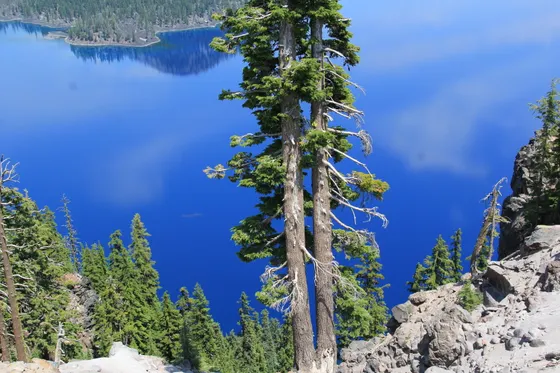
Crater Lake is the deepest lake in the United States at 1,943 feet, and it has no rivers flowing in or out, just snowmelt and rain filling the collapsed caldera of Mount Mazama, a volcano that blew its top and fell in on itself roughly 7,700 years ago. That depth and purity is why the water glows an almost unreal blue, the single most famous sight in Oregon.
Day 1: Rim Village, Discovery Point & Garfield Peak
5 stops · Day one
Day 2: The 33-mile Rim Drive · Watchman, Mount Scott & Sun Notch
6 stops · Day two
Rim Village, Discovery Point & Garfield Peak
Plan on roughly 1.5 hours up from Klamath Falls (LMT) or about 1.5 to 2 hours from Medford (MFR), climbing into the southern Cascades. Make for the Rim Village area, the hub on the south rim where the lodge, the visitor center, and the main rim viewpoints all cluster, and your first look over the caldera at that famous blue water.
Not the order you want? Drag a stop, or use the arrows beside it. Stops move between days too.
 Drive from
~1.5 hr up to the rim · DrivePlan on roughly 1.5 hours up from Klamath Falls (LMT) or about 1.5 to 2 hours from Medford (MFR), climbing into the southern Cascades. In a heavy snow year the access road and the rim can be plowed open late, so check nps.gov for current conditions before you set out.
- Rim Village
South-rim hub · first lake view · ViewpointMake for the Rim Village area, the hub on the south rim where the lodge, the visitor center, and the main rim viewpoints all cluster. This is your first look over the caldera at that famous blue water, and the launch point for the rim walk and Garfield Peak.
- Rim Trail to Discovery Point
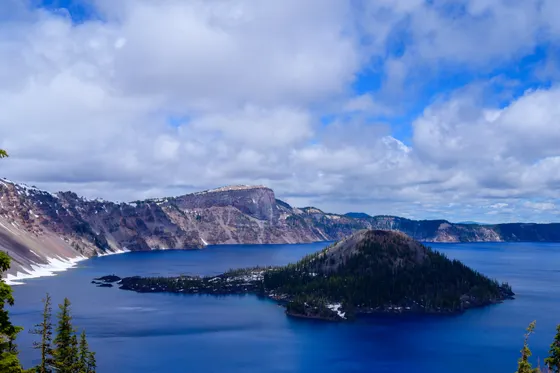
Easy · constant lake views · HikeWarm up on the Rim Trail to Discovery Point, an easy walk along the caldera edge with constant lake views and looks down on Wizard Island. It is a gentle way to acclimate to the altitude before the steeper climb up Garfield Peak.
- Garfield Peak Trail
~3.4 mi RT · big caldera views · HikeTake on Garfield Peak (about 3.4 miles round trip from Rim Village, moderate to strenuous), which climbs steadily to one of the broadest panoramas in the park, looking down on Wizard Island and the whole sweep of the caldera. You are above 7,000 feet here, so pace the climb and carry water.
 Stay at Crater Lake Lodge
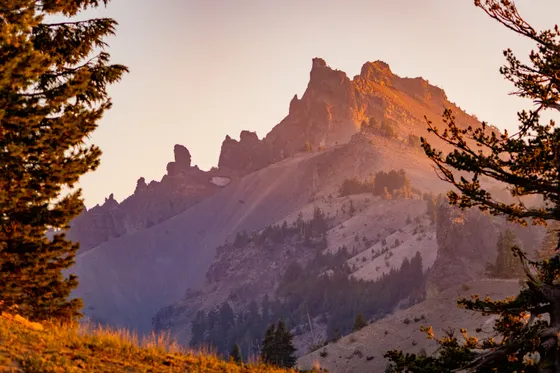
On the rim · seasonal · books ahead · lodgeCrater Lake Lodge sits right on the rim, is run by the park concessioner, and is seasonal, so it books up far ahead for summer. Staying here puts you steps from the Garfield Peak trailhead and a rim sunset. If it is full, base down in Prospect, Fort Klamath, or Klamath Falls.
The 33-mile Rim Drive · Watchman, Mount Scott & Sun Notch
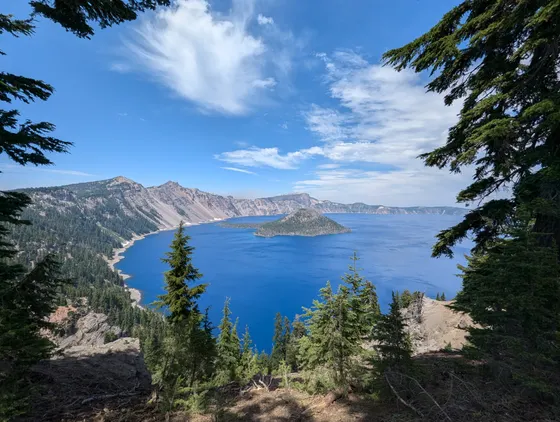
Spend the day looping the Rim Drive, the 33-mile road that circles the entire caldera with roughly 30 overlooks. Drive it clockwise and stop often: the colors and angles on the lake shift constantly. Heads up that the north and east sections often stay closed under snow until around July, so check the road status before you set out.
Not the order you want? Drag a stop, or use the arrows beside it. Stops move between days too.
- Rim Drive · 33-mile caldera loop
~33 mi · ~30 overlooks · DriveLoop the Rim Drive, the 33-mile road that circles the entire caldera with roughly 30 overlooks. Drive it clockwise and stop often, because the colors and angles on the lake shift constantly. The north and east sections often stay closed under snow until around July, so check the road status before you set out.
- Watchman Peak
~1.6 mi RT · fire lookout · sunset · HikeWatchman Peak (about 1.6 miles round trip) climbs to a historic fire lookout straight across from Wizard Island and is the classic sunset perch on the rim. It is a short, rewarding climb, so save it for late in the day and bring a headlamp for the walk back down.
 Mount Scott
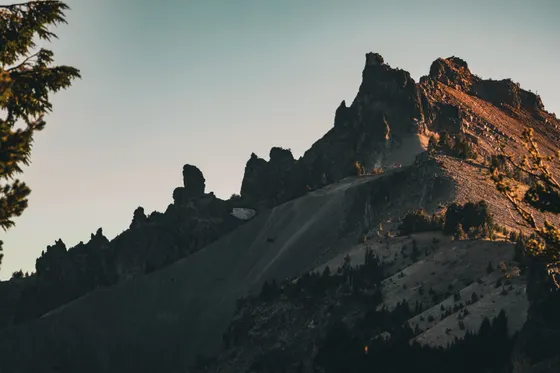
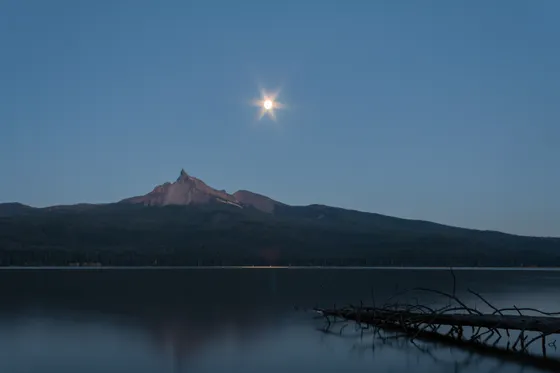
~4.4 mi RT · park's highest point · HikeOn the east rim, Mount Scott (about 4.4 miles round trip) tops out at the park's highest point with a view over the whole lake and the Cascades. The east-rim road has to be plowed open before you can reach the trailhead, so confirm it is open before planning this one.
- Sun Notch · Phantom Ship view
~0.8 mi RT · easy · ViewpointAdd a short stop at Sun Notch (about 0.8 miles round trip, easy) for a dramatic view down to the Phantom Ship, a jagged rock formation rising from the lake. It is a quick, worthwhile leg-stretcher off the Rim Drive on the way around the loop.
 Cleetwood Cove Trail
Only lakeshore access · check nps.gov · ViewpointThe Cleetwood Cove Trail (about 2.2 miles round trip, steep) is the only legal route down to the lakeshore and the launch for the lake boat tours. Both the trail and the boat tours can be closed for multi-year rehabilitation, so check nps.gov before counting on reaching the water.
 Ken Lund from Reno, Ne / CC BY-SA 2.0Stay in Klamath Falls or on the rim
Gateway city or seasonal rim lodge · lodgeFor your last night, stay on the rim at Crater Lake Lodge if you can get a room, or drop back down to Klamath Falls, Fort Klamath, or Prospect where there is more lodging and dining. A rim stay buys you a second sunset; a gateway-town stay sets you up for the drive out.
Book the 1 night
Beds near the trailheads are the one thing on this trip that genuinely runs out. Everything else can be decided later.
Tell us your dates and we will do the calling. We check every booking site, put your points and card perks against the cash price, and email you this plan back with the best room we can find for each night. Nothing is charged and you decide at the end.
Request to bookWhat to pack for Crater Lake
Built from this route, not a generic list. Every line says why it is here.
On every day of this trip
On your feet
Because you are sleeping indoors
For the driving days
Specific to Crater Lake
What we actually learned on the rim.
Pay the entrance fee or bring your pass
Crater Lake charges about $30 per vehicle for a 7-day pass. The annual America the Beautiful pass ($80) also covers entry and pays off fast if you visit other national parks. Pay at the entrance station or online ahead of time.
Go July through September
This is the only reliably snow-free window. The full 33-mile Rim Drive usually opens around July once the north and east sections are plowed, and snow can linger into summer. Winter buries the rim for months and turns the park into a snowshoeing destination.
Check road and trail status before you go
The north and east Rim Drive sections stay closed under snow until roughly July. The Cleetwood Cove Trail and the lake boat tours can be closed for multi-year rehabilitation. Always confirm what is open on nps.gov before you build your day.
Respect the altitude
The entire rim sits above 7,000 feet, and the summits crest higher still, roughly 7,000 to 8,000 feet and up with Mount Scott the tallest, so the climbs to Garfield Peak, Watchman Peak, and Mount Scott feel much harder than the short mileage suggests for anyone coming from sea level. Pace yourself, carry water, and give yourself time to acclimate if you came up from the coast.
Cleetwood Cove is the only way to the water
The Cleetwood Cove Trail is the single legal access down to the lakeshore, and it is steep, about 2.2 miles round trip with a hard climb back out. When it is open it is also the launch for the boat tours. Check nps.gov, because it can be closed for rehabilitation.
Lodging is limited, so book early
Crater Lake Lodge on the rim and the Mazama Village cabins are seasonal and sell out far ahead for summer. Reservations for the lodge can open close to a year out, so try to book roughly 12 months ahead for peak summer dates. If they are full, base down in Prospect, Fort Klamath, or Klamath Falls and drive up to the rim each morning.
Everything you'll actually want to know.
Crater Lake rim trail: the questions people ask most.
The Crater Lake Rim Trail is the network of paths and viewpoints that follow the top edge of the caldera, most easily reached from the Rim Village area on the south rim. From it you can walk easy stretches like the path to Discovery Point or branch off onto the steeper rim summits, Garfield Peak and Watchman Peak, all with constant views down to the intensely blue lake.
We'll find the cheapest way to do this trip.
Tell us your dates and we price the plan you just built: every booking site, the hotels direct, and your own points and card perks against the cash price. You get it back by email with a link for each night and what it saved you.
- It is free. The hotel pays us, not you. You pay their normal price.
- Nothing is charged and nothing is held. You decide at the end, or you walk away.
- Beds near trailheads are the part that runs out. Everything else can wait.
The figures below are estimates from local nightly rates, so you know the ballpark before you ask. The real number comes back once we have checked what is free.
- 1 night, a campsite near Klamath Falls
1 × $22$22
- 1 night, a room in Klamath Falls
from $43 a nightfrom $43
 Yulia, ExplorOFF founder★★★★★5.0 from 20+ guided tripsGoogleAirbnbFrom$1,4202 people, 1 night
- Everything in Glamped, plus a local guide
- Airport pickup, every drive, all the gear
- Weather turns, they rewrite the day
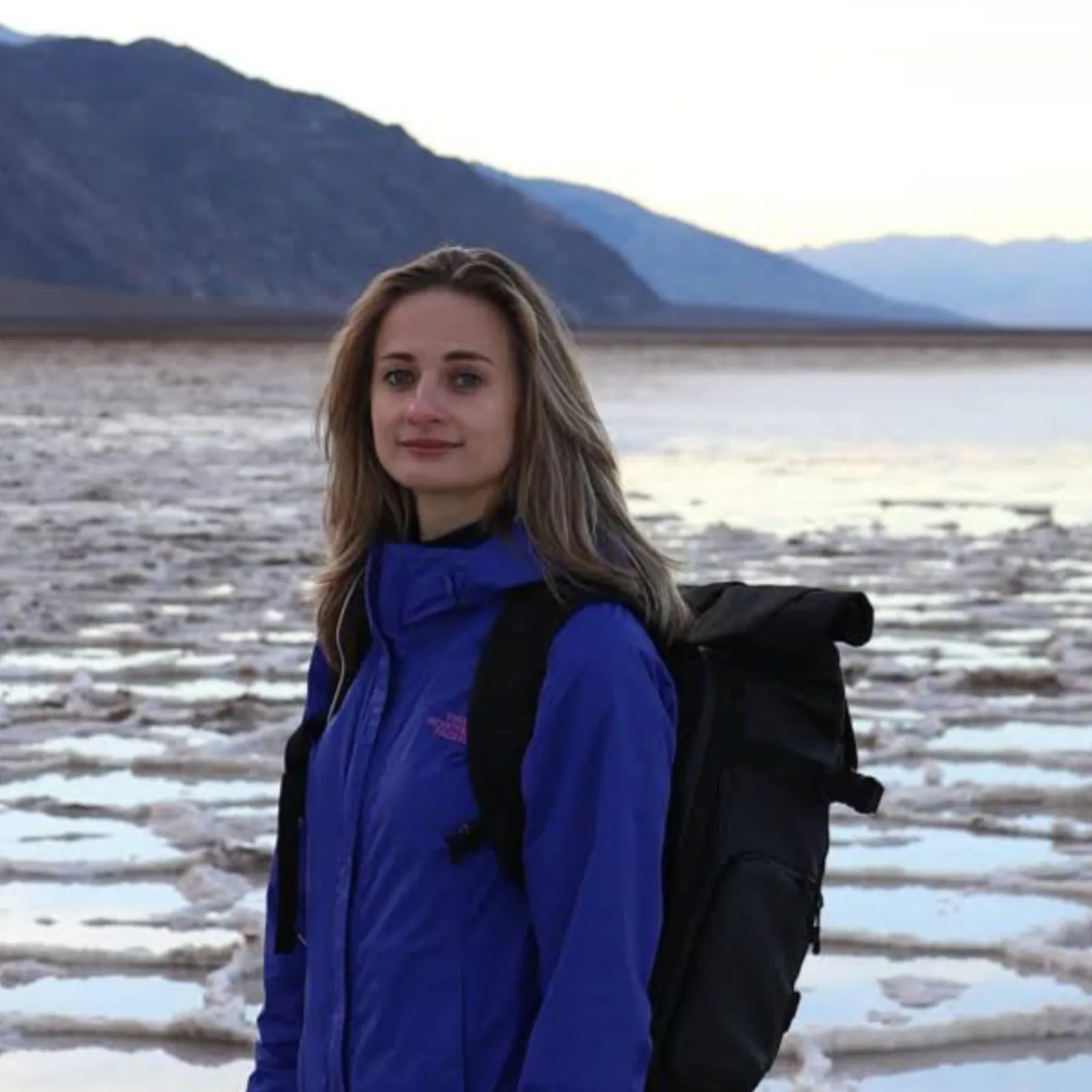
Written and walked by Yulia Vasilyeva · Co-founder · Lead planner and guide
Three years leading guided hikes in the Pacific Northwest, rated 5.0 by 20+ verified guests, and she builds every custom itinerary herself. Based in Seattle.
Booking Crater Lake
Everything below is booked with the operators direct. We earn a commission on some of them, which is what keeps the itineraries free to read.
Top rated near Crater Lake
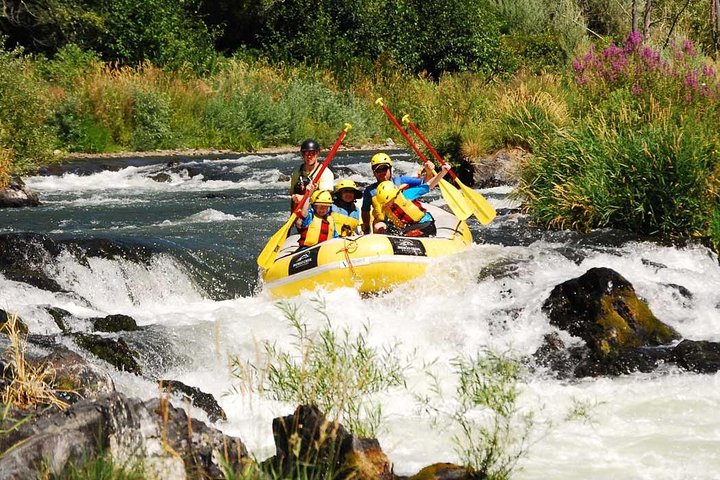 Rogue Valley Rapid Run5 on Viator · 230 reviews
 Three-Day Rogue River Trip5 on Viator · 161 reviews
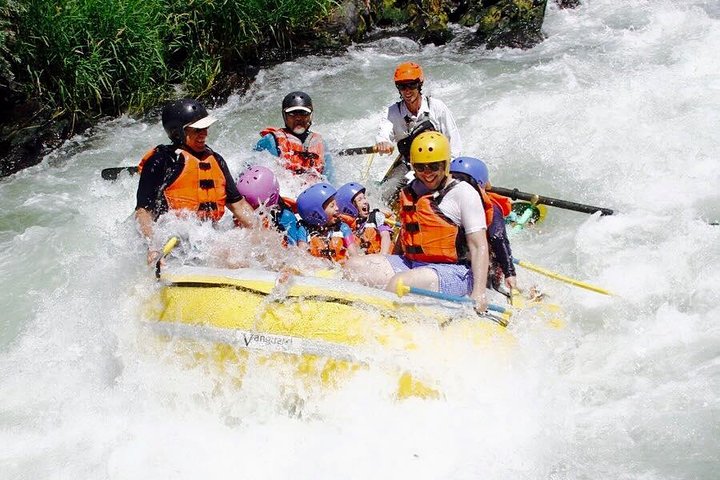 Rogue River Whitewater Rafting- Mid Day5 on Viator · 149 reviews
You might also love these
More itineraries and hiking guides across the parks.

Lassen Volcanic Day Hikes
Steaming hydrothermal basins, the Lassen Peak summit, and the best day hikes in a quieter volcanic park.
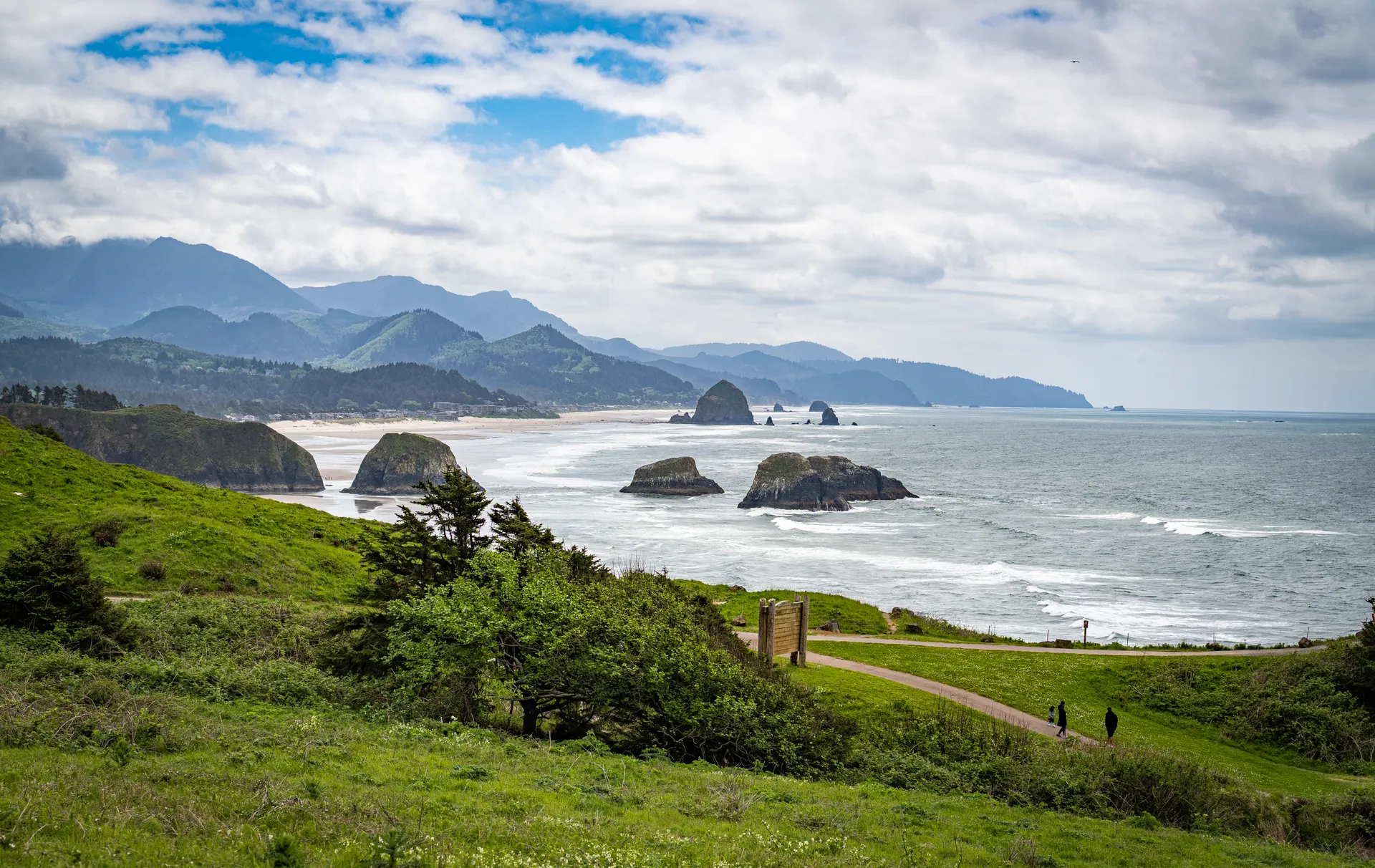
Oregon Coast Trail · 5 Days
Sea stacks, headland forests, and the best five-day stretch of Oregon's long coastal trail.
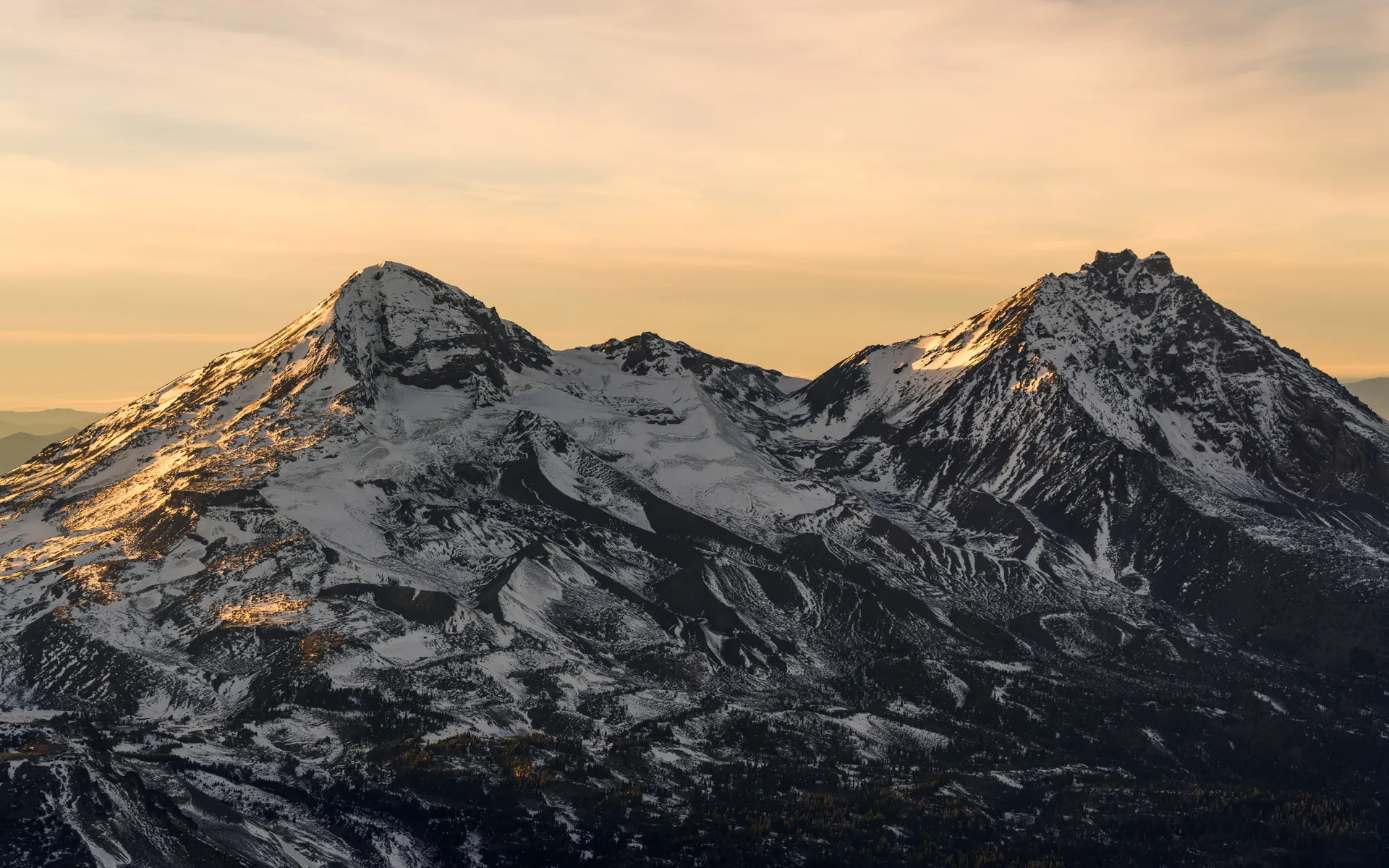
Three Sisters Wilderness Backpacking
Alpine lakes, volcanic peaks, and the best backpacking loop in the central Oregon Cascades.
What adventurers say about us.
All reviews are from verified guests. ★★★★★ 5.0 average from 20+ bookings.
"Felt like going out with a really knowledgeable friend who just happens to know everything about the area. No awkward tour-guide energy, just a magnificent day."
"Yulia is an incredible guide. She knew every trail, every viewpoint, and exactly how to pace the day for our group. The photos she took of us were stunning. 100% booking again."
"I was visiting Seattle solo and this was the best decision I made on the trip. Yulia picked me up, had snacks, and took us to a trail I never would have found on my own. Absolute must-do."
"We did this as a couple's trip and it was perfect. Yulia adapted everything to us, our pace, our interests, our photo obsession. The mountain views were unreal."
"Phenomenal experience. Yulia has deep local knowledge and a real passion for the outdoors. She went out of her way to show us the hidden gems tourists never see. Will remember this forever."
"I've done a few guided hikes and this was by far the best. Yulia is warm, funny, and genuinely expert. The trail she chose had the most insane wildflower bloom, we got so lucky."
Fees, reservation windows, shuttle dates and trail closures are planning estimates. Confirm hours, road status and any reservations with the land manager before you go.
What other travelers are saying
Be the first to leave a tip or question for the next traveler.
Was this helpful?
One tap. It goes straight to Yulia and Margarita.
You can't hike it if you can't get the permit.
The best hikes in America run on lotteries that open once a year and sell out in minutes. Every trail runs on its own calendar. Pick the ones you want and we do the watching.
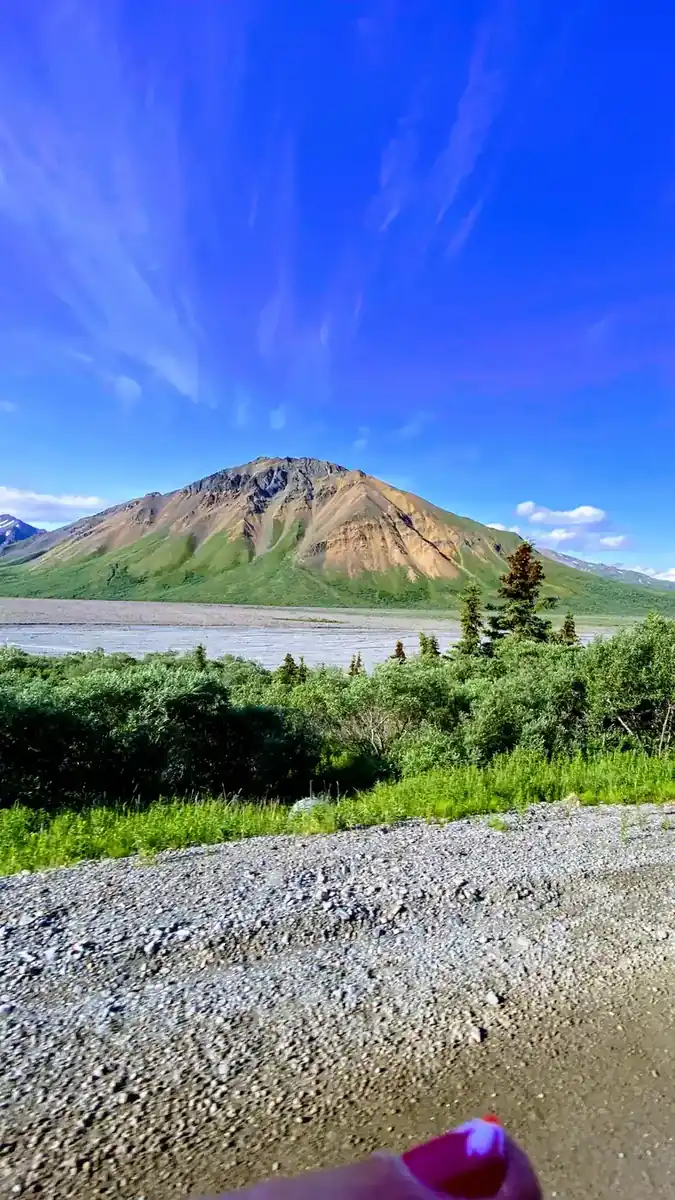 Denali Road LotteryDenali NP · AKActivityReservationfair odds
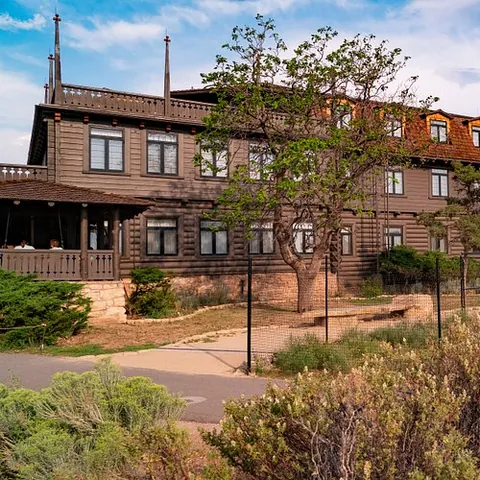 El Tovar HotelGrand Canyon South Rim · ArizonaLodgeReservationbrutal odds
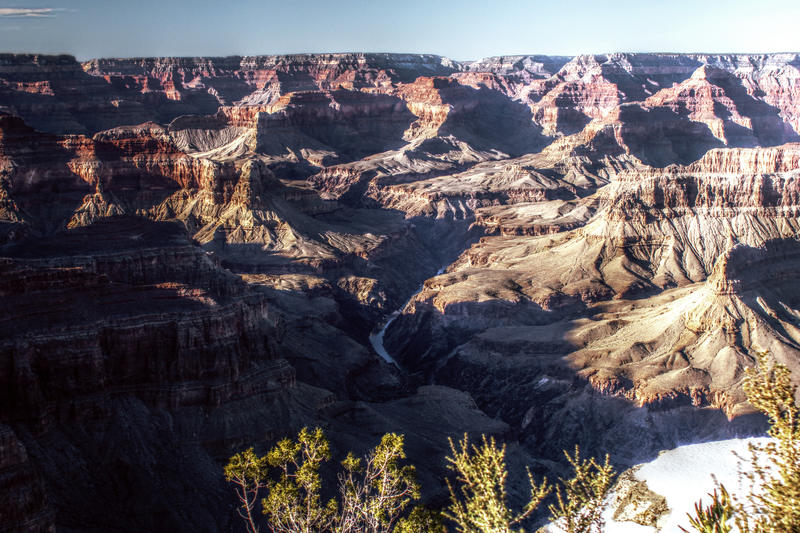 Grand Canyon BackcountryGrand Canyon NP · ArizonaBackcountryReservationfair odds
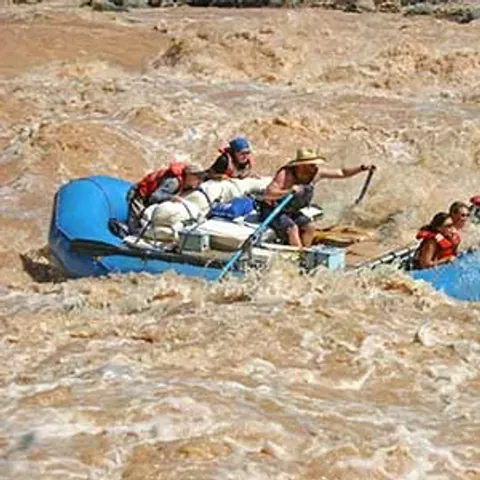 Grand Canyon raftingColorado River · ArizonaActivityLotterybrutal odds
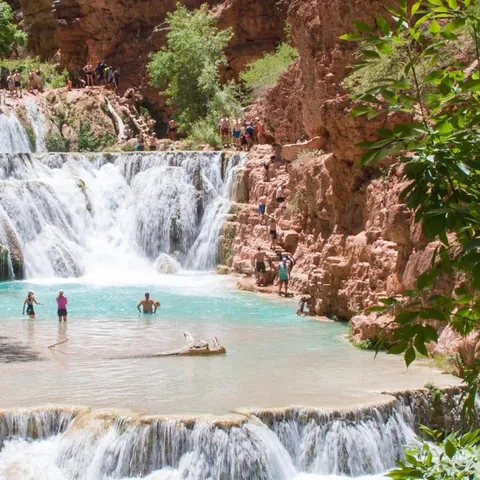 Havasu FallsHavasu Canyon · ArizonaLodgeReservationbrutal odds
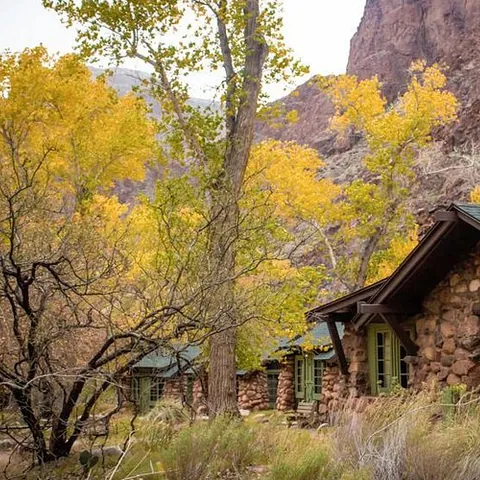 Phantom RanchGrand Canyon NP · ArizonaLodgeLotterybrutal odds
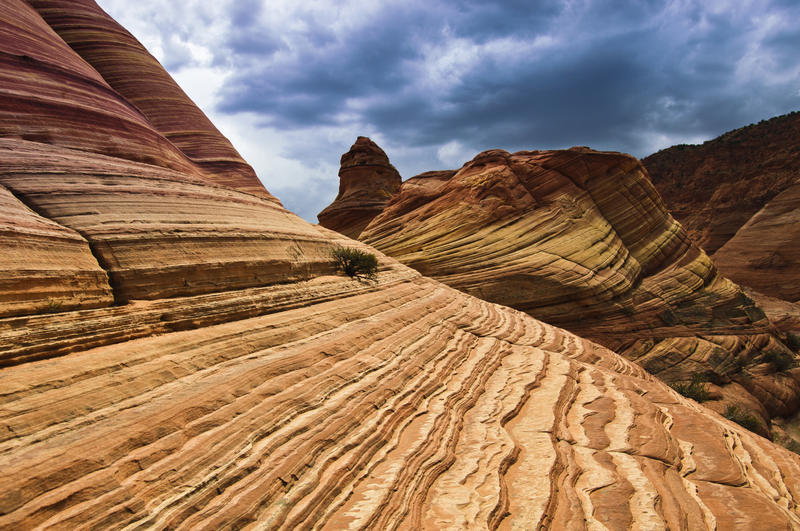 The WaveCoyote Buttes North · Arizona / UtahPermitLotterybrutal odds
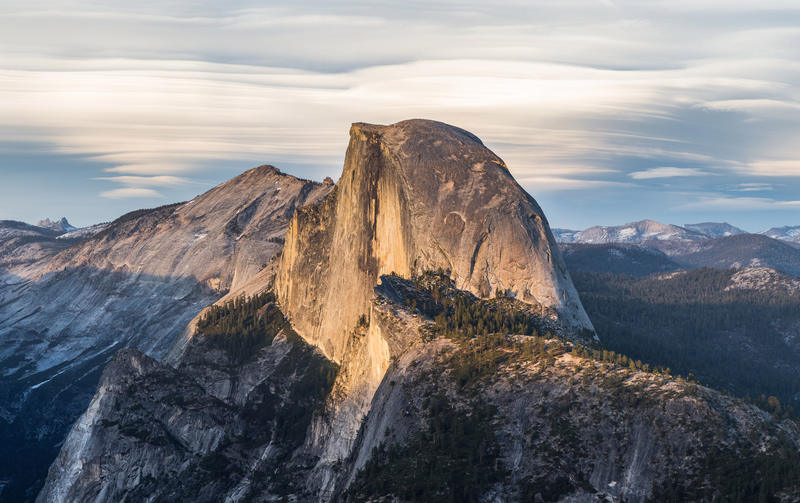 Half Dome CablesYosemite NP · CaliforniaPermitOpens Mar 1fair odds
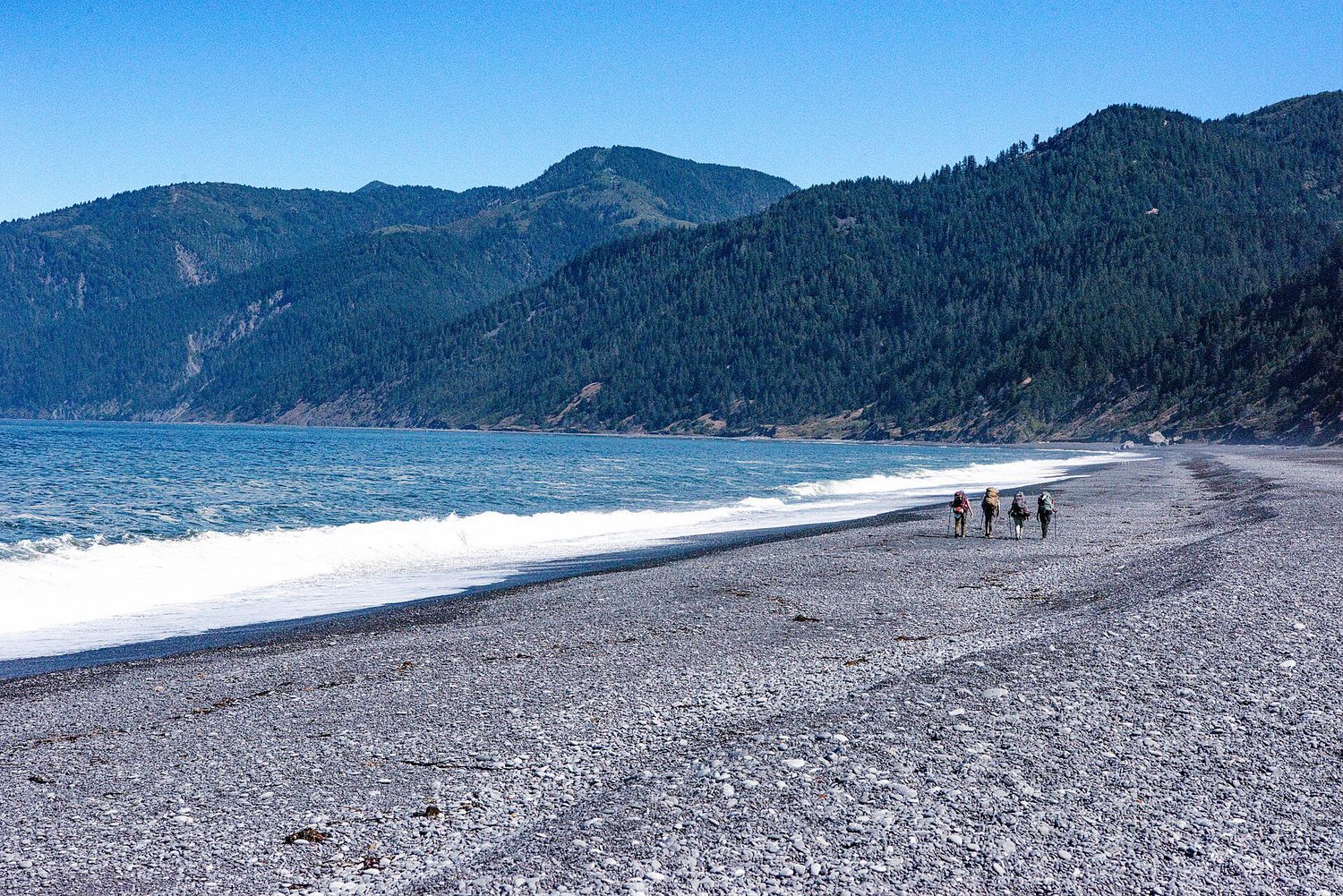 Lost Coast TrailKing Range NCA · CaliforniaBackcountryReservationtough odds
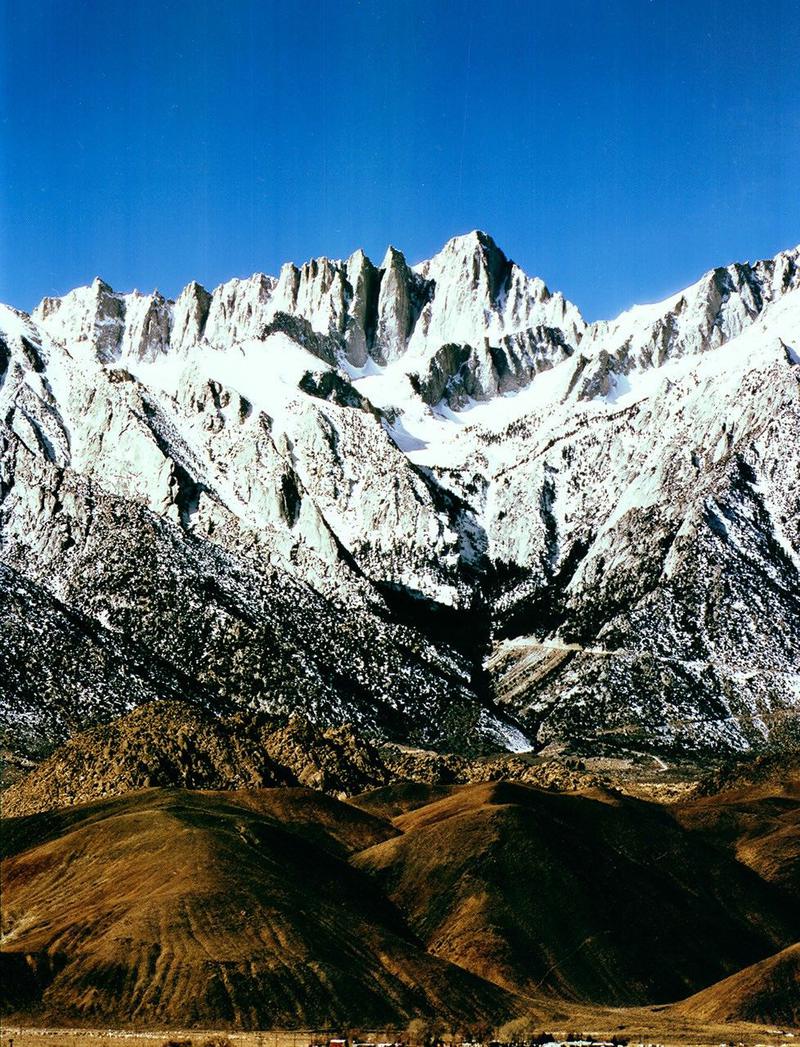 Mt. WhitneyInyo NF · CaliforniaPermitOpens Feb 1tough odds
- The Ahwahnee, YosemiteYosemite NP · CaliforniaLodgeReservationbrutal odds
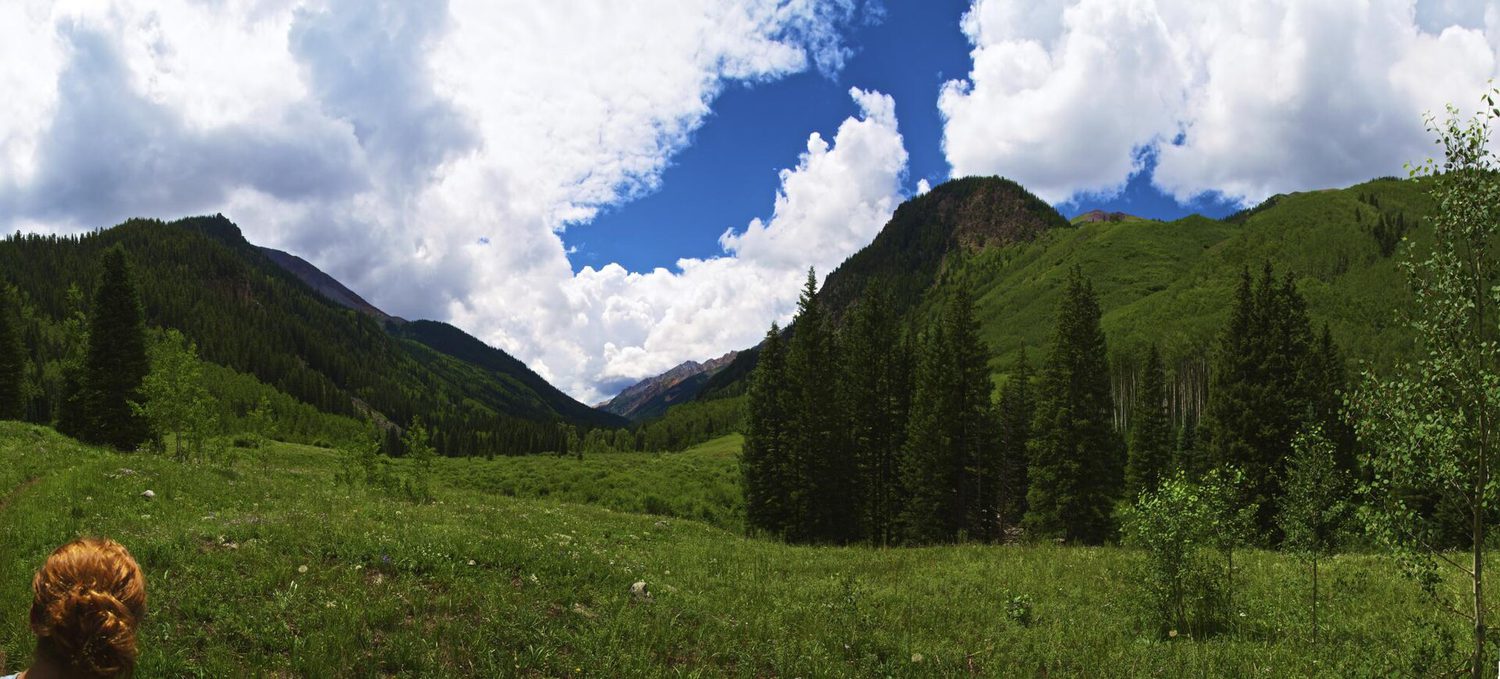 Conundrum Hot SpringsMaroon Bells-Snowmass · ColoradoBackcountryOpens Feb 15brutal odds
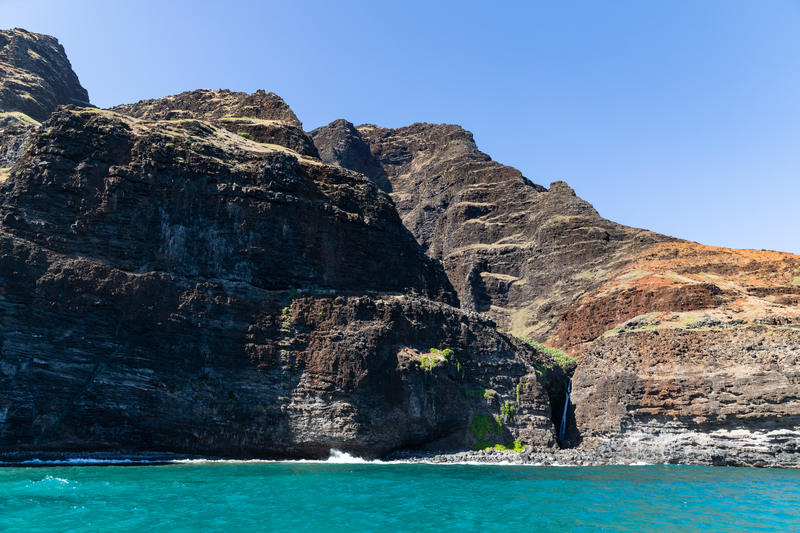 Kalalau TrailNa Pali Coast SWP · HIBackcountryReservationbrutal odds
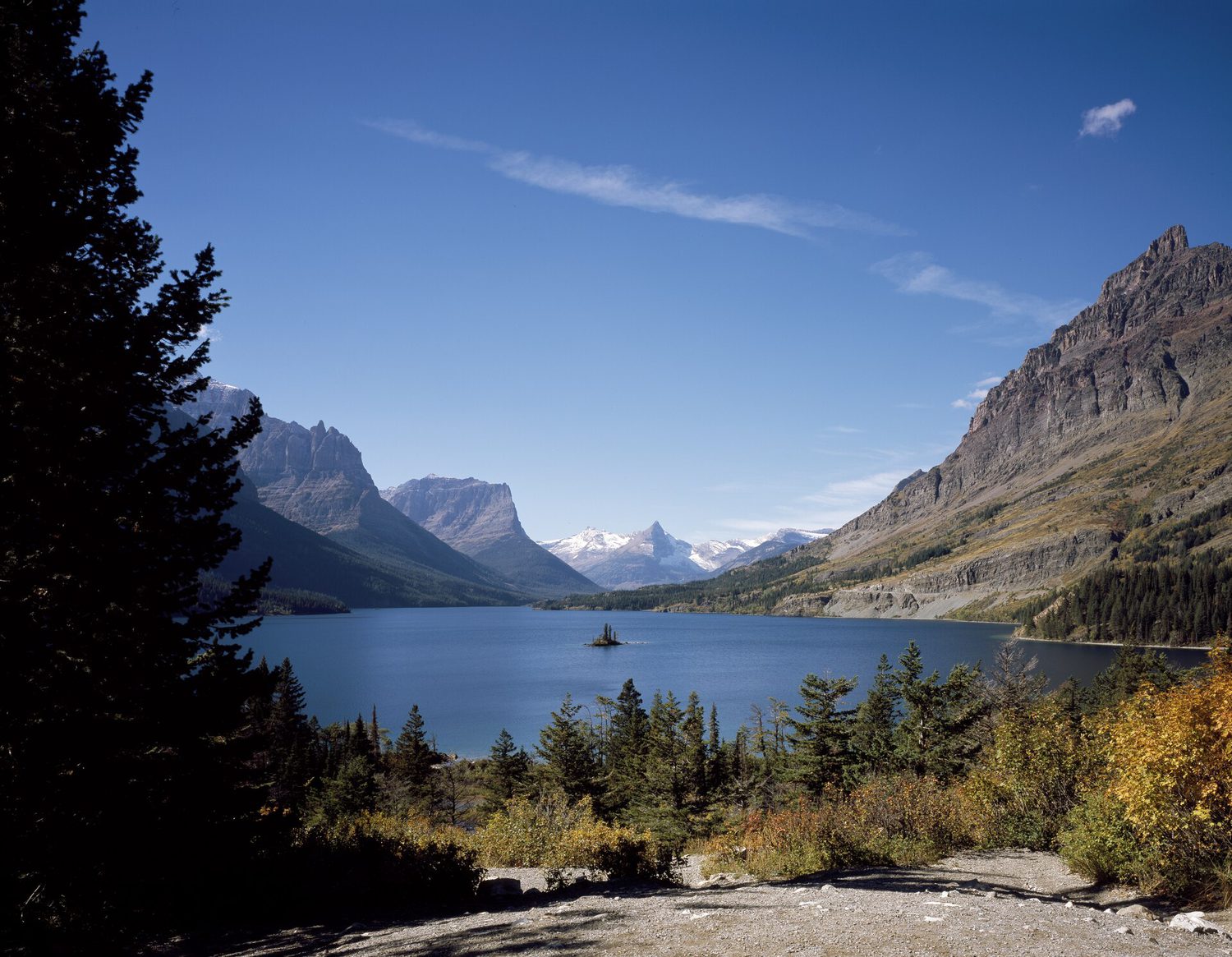 Glacier NP BackcountryGlacier NP · MontanaBackcountryLotterytough odds
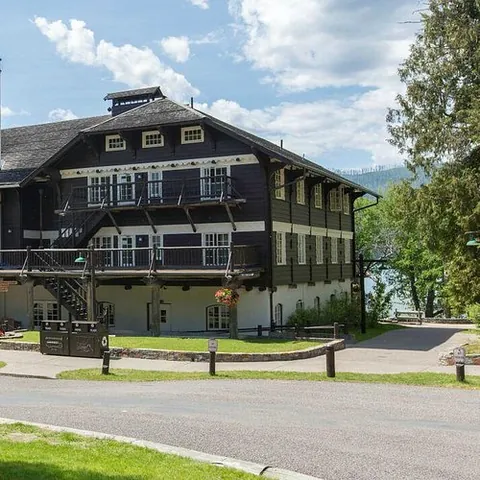 Lake McDonald LodgeGlacier NP · MontanaLodgeReservationbrutal odds
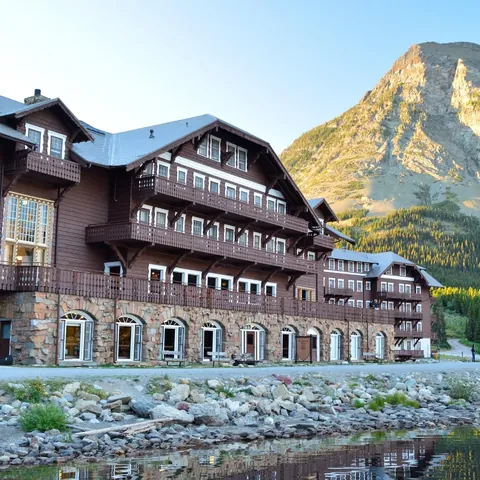 Many Glacier HotelGlacier NP · MontanaLodgeReservationbrutal odds
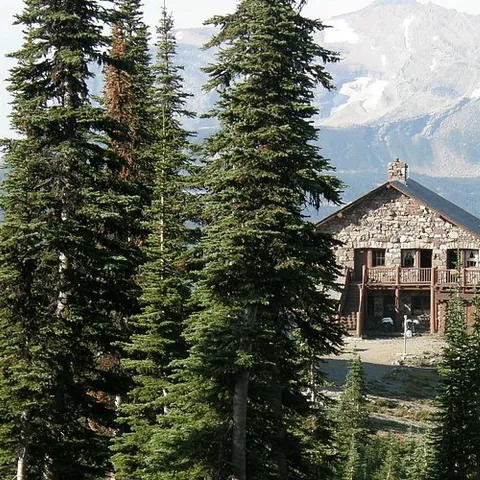 Sperry & Granite Park ChaletsGlacier NP · MontanaLodgeReservationbrutal odds
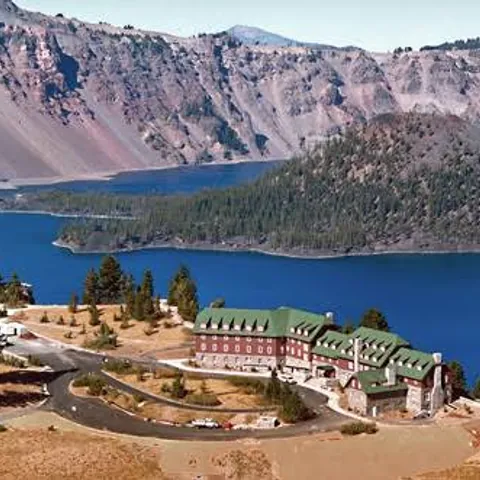 Crater Lake LodgeCrater Lake NP · ORLodgeReservationbrutal odds
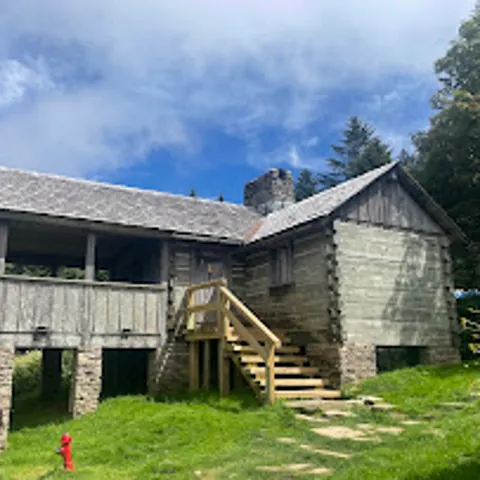 LeConte LodgeGreat Smoky Mountains NP · TNLodgeOpens Oct 1brutal odds
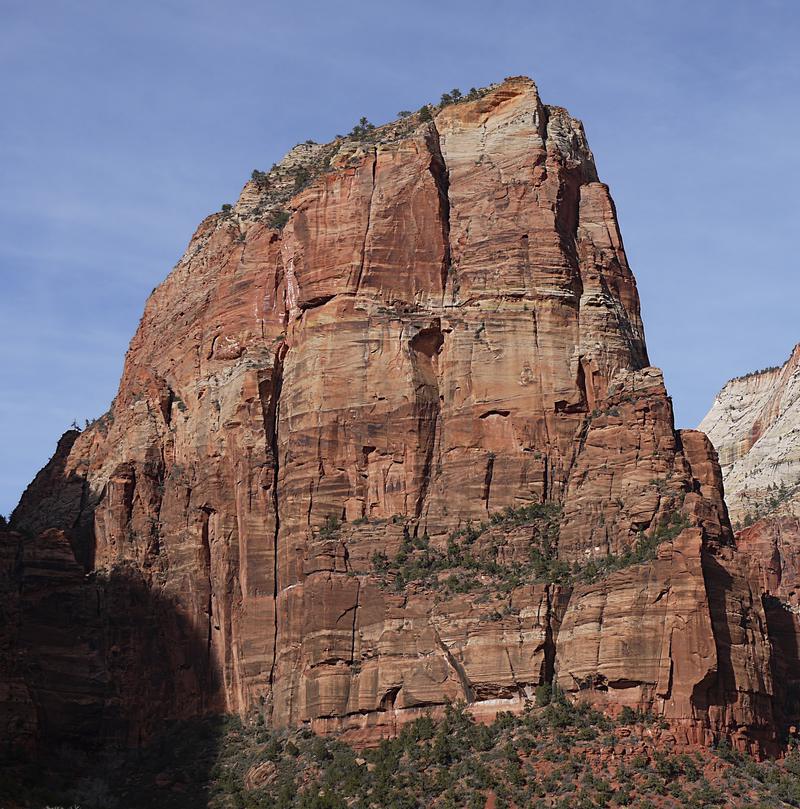 Angels LandingZion NP · UtahPermitLotterytough odds
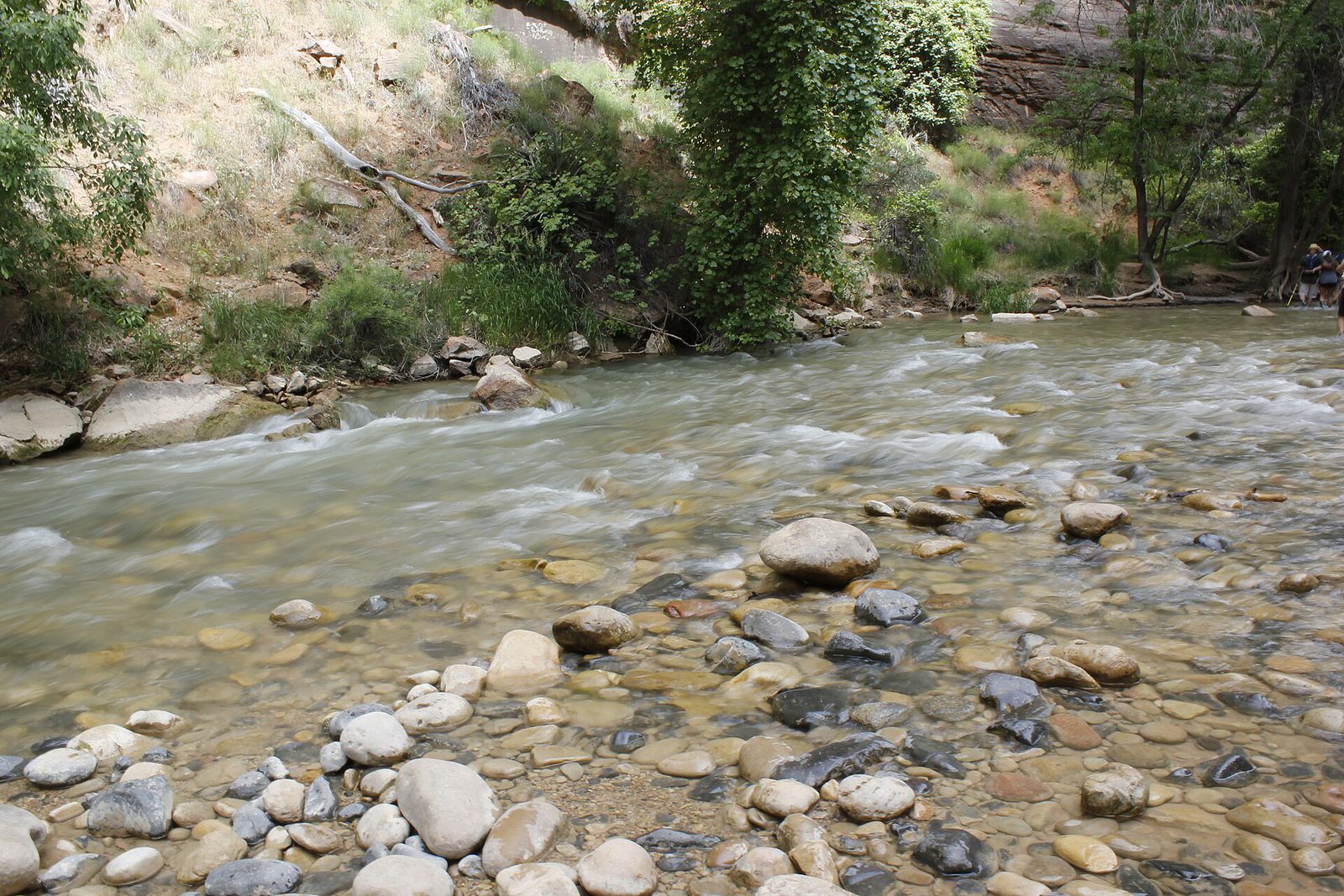 The Narrows Through-HikeZion NP · UtahBackcountryReservationtough odds
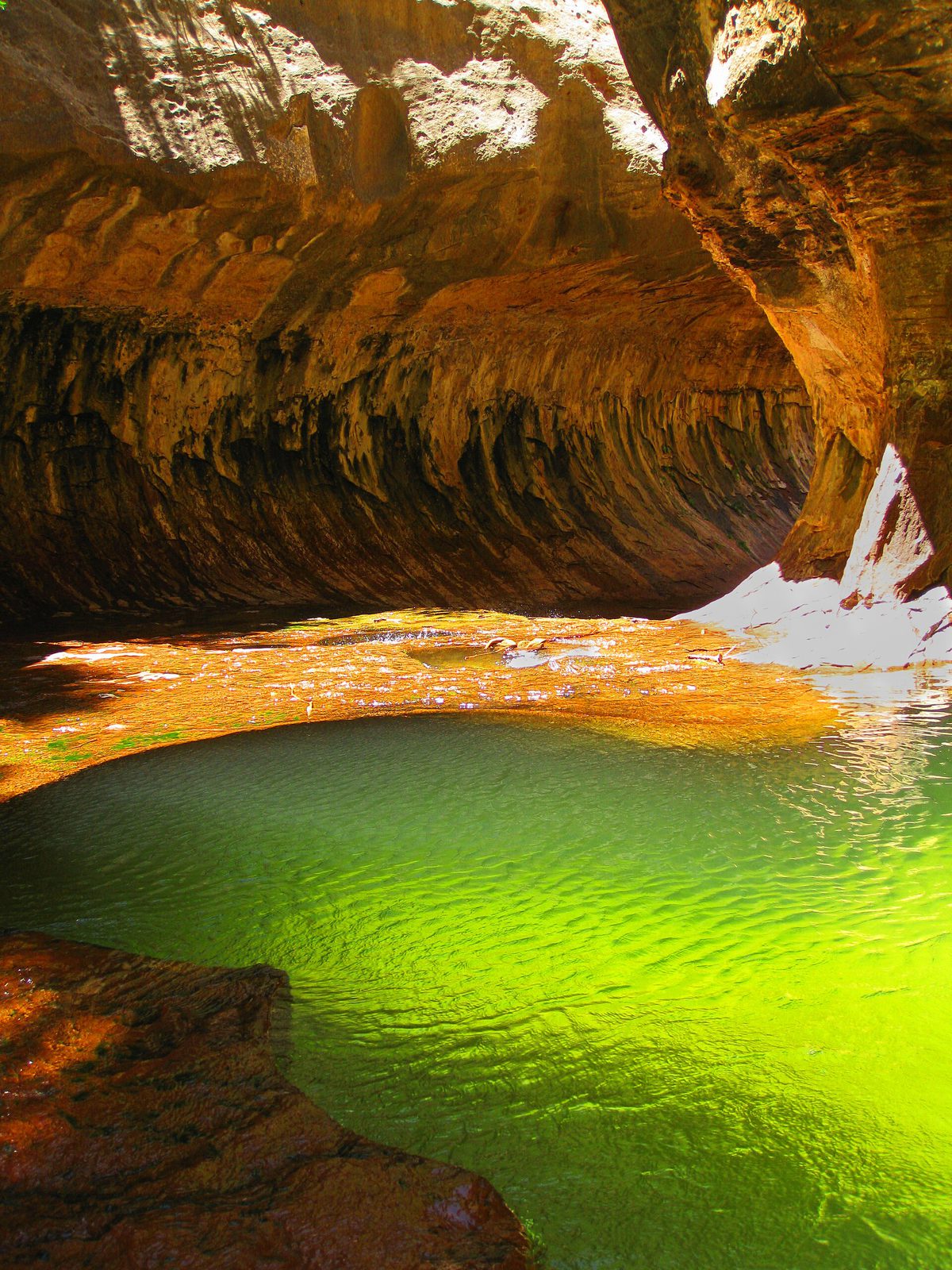 The SubwayZion NP · UtahPermitLotterytough odds
- Zion LodgeZion Canyon · UtahLodgeReservationbrutal odds
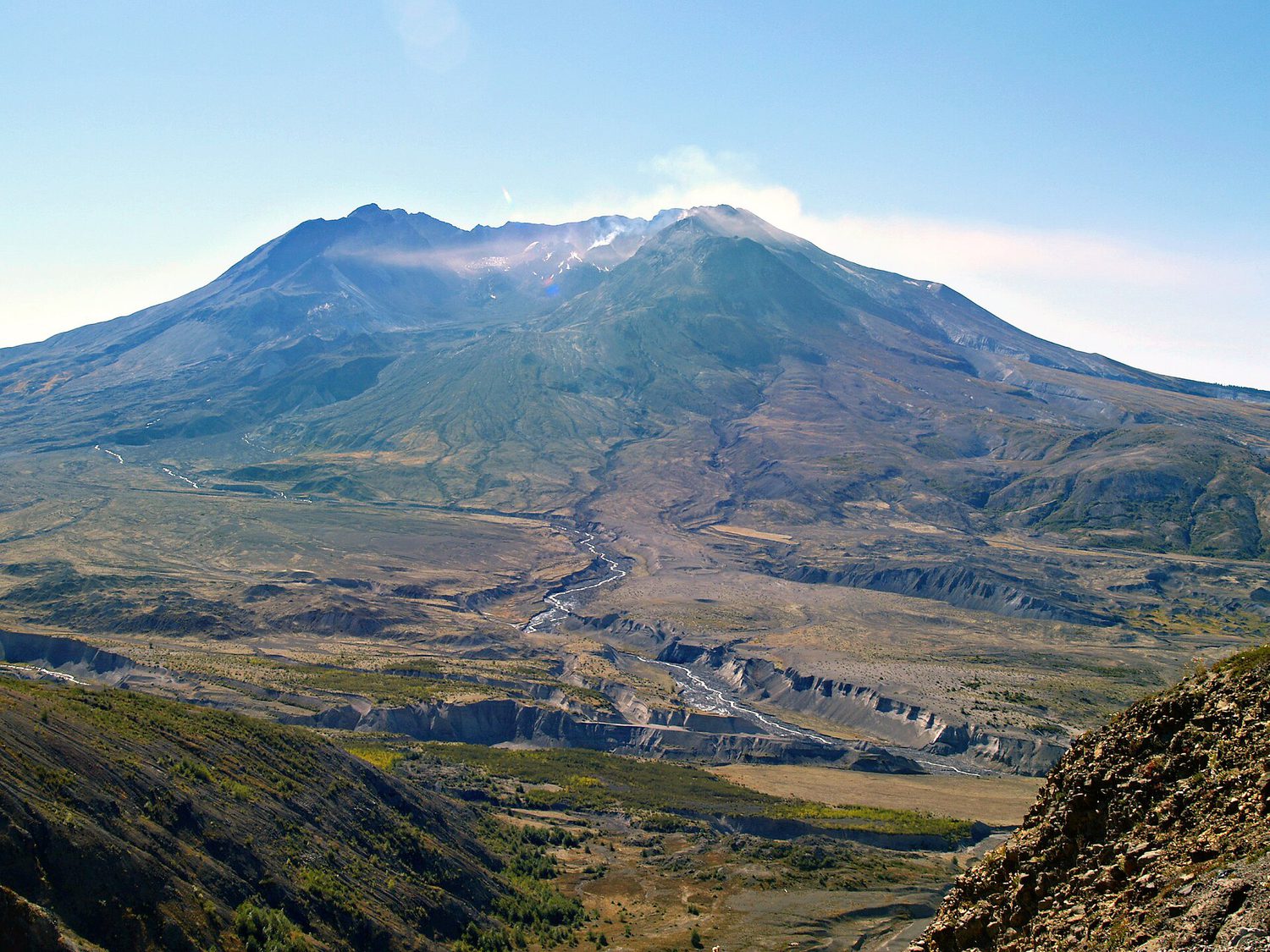 Mount St. Helens Summit ClimbGifford Pinchot NF · WashingtonPermitReservationtough odds
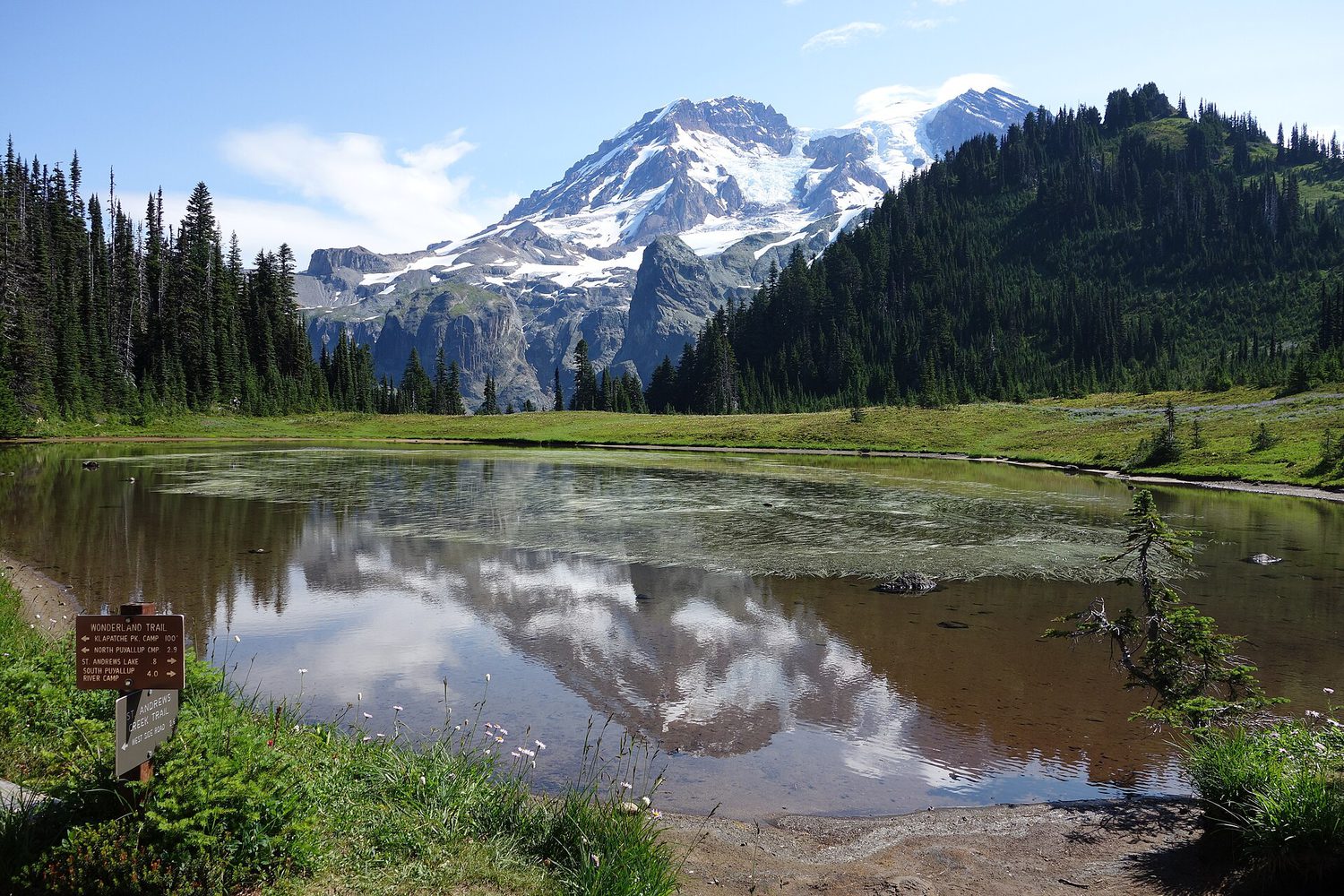 Paradise InnMount Rainier NP · WashingtonLodgeReservationbrutal odds
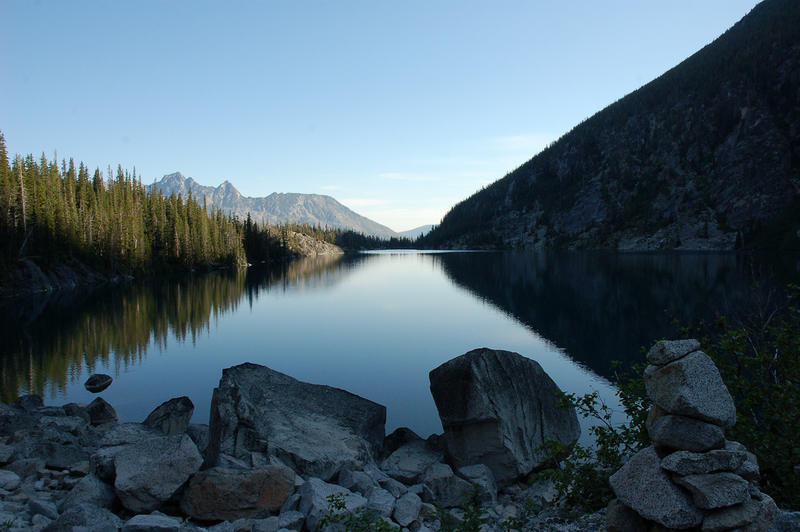 The EnchantmentsAlpine Lakes Wilderness · WashingtonBackcountryOpens Feb 15brutal odds
- Wonderland TrailMount Rainier NP · WashingtonBackcountryLotterybrutal odds
- Cougar Rock CampgroundWashington · WashingtonBackcountryOpens Jan 15tough odds
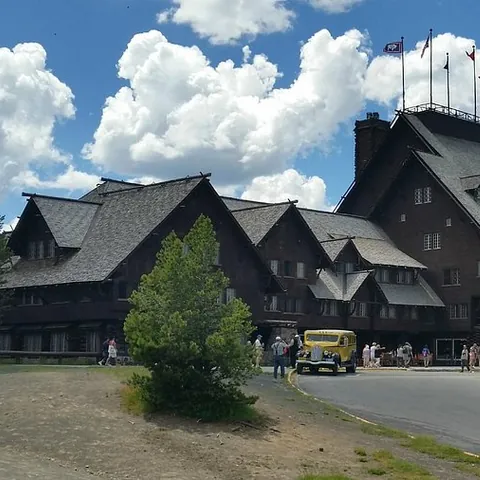 Old Faithful InnYellowstone NP · WYLodgeReservationbrutal odds
How it works
- An email the morning each window opens, never the day after.
- A 14-day heads-up so you can line up your group and dates.
- Win odds and a ranked backup plan for every trail you pick.
Didn't win? We keep watching. We check recreation.gov every day for The Enchantments, Half Dome and Angels Landing, and email you the moment a sold-out date frees up. Cancellations are the second chance most people never hear about.
“I’ve requested to book a Chain Lakes Loop guide on ExplorOFF, and it was the best idea ever! I highly recommend going with their guided option since you get a real human connection on the trail and don’t have to worry about a thing. Yulia was great to talk to!”