Lassen Volcanic Day Hikes: A 2-Day Itinerary
One park, all four volcano types, and active hydrothermal ground.
Two days of Lassen Volcanic day hikes: Bumpass Hell boiling mudpots, the 10,457-foot Lassen Peak summit, Kings Creek Falls, the Cinder Cone and Painted Dunes, and Manzanita Lake.
“I’ve requested to book a Chain Lakes Loop guide on ExplorOFF, and it was the best idea ever! I highly recommend going with their guided option since you get a real human connection on the trail and don’t have to worry about a thing. Yulia was great to talk to!”
 10 stops on a real mapEvery stop pinned in order→
Every stop is a real pin, in order.
Bumpass Hell, Lassen Peak & the Cinder Cone · northern California
Every stop on this trip, in order, opens as one driving route in the Google Maps app. No copying addresses across one at a time.
5 of the stops on these 2 days.


Plan and book your 2 days in Lassen Volcanic, one step at a time
How 2 days in Lassen Volcanic split up
Lassen Volcanic National Park sits at the southern tip of the Cascade Range in northern California, and it is one of the few places on Earth with all four types of volcano: plug dome, shield, cinder cone, and composite. Lassen Peak itself is a giant plug dome that erupted as recently as 1915, and the park is still very much alive, with boiling mudpots, steaming fumaroles, and hissing vents scattered across its hydrothermal basins.
Day 1: The Park Highway · Bumpass Hell & Lassen Peak
5 stops · Day one
Day 2: Kings Creek Falls, the Cinder Cone & Manzanita Lake
5 stops · Day two
The Park Highway · Bumpass Hell & Lassen Peak
Enter from the southwest at the Kohm Yah-mah-nee Visitor Center near Mineral and drive the Lassen Park Highway, the scenic road that climbs over the park past most of its big hydrothermal and volcanic sights. Start with the roadside Sulphur Works, a hissing, sulphur-smelling thermal area right beside the road, then hike Bumpass Hell (about 3 miles round trip), the largest hydrothermal area in the park, where boardwalks lead out over boiling mudpots and roaring fumaroles.
Not the order you want? Drag a stop, or use the arrows beside it. Stops move between days too.
 Drive from
~1 hr · fuel up first · DriveThe closest airport is Redding (RDD), about an hour west of the southwest entrance, with Reno about 2.5 hours southeast. Fuel up and grab supplies before you head in, then enter at the Kohm Yah-mah-nee Visitor Center near Mineral. Confirm the Lassen Park Highway is fully open before you plan a one-way drive across the park.
 Sulphur Works
Roadside steam vents & boiling mud · ViewpointJust inside the southwest entrance, the Sulphur Works is a hissing, sulphur-smelling hydrothermal area right beside the road, with steam vents and boiling mud you can see without a hike. It is a quick, dramatic first taste of the park's active volcanic plumbing. Stay on the marked path and behind the railings.
- Bumpass Hell
~3 mi RT · boardwalks over mudpots · HikeHike Bumpass Hell (about 3 miles round trip), the largest hydrothermal area in the park, where boardwalks lead out over boiling mudpots and roaring fumaroles in a steaming basin. The crust here is thin and the water and mud are scalding, so stay strictly on the boardwalks and keep kids and pets close.
- Lassen Peak Trail
~5 mi RT · strenuous · 10,457 ft · HikeIf you have the legs, take on the Lassen Peak Trail (about 5 miles round trip, around 2,000 feet of gain, strenuous) to the 10,457-foot summit of this plug dome volcano. The switchbacks top out at a 360-degree view over the park and, on clear days, north to Mount Shasta. Start early, carry water and sun protection, and watch for afternoon storms.
- Stay near Mineral or in the park
Manzanita Lake cabins · books ahead · lodgeBase in Mineral by the southwest entrance, or grab one of the Manzanita Lake Camping Cabins inside the park if they are available. In-park cabins fill fast for summer weekends, so reserve early. Redding about an hour west and Chester on the southern side are the other main options.
Kings Creek Falls, the Cinder Cone & Manzanita Lake
Start the day with Kings Creek Falls (about 2.3 miles round trip), a forested hike down to a tiered cascade in the heart of the park, then head to the far northeast corner for the park's most distinctive hike. The Cinder Cone Trail (about 4 miles round trip) climbs steeply through loose volcanic cinders to the rim of a textbook cinder cone, with the multicolored Painted Dunes and the black Fantastic Lava Beds spread out below.
Not the order you want? Drag a stop, or use the arrows beside it. Stops move between days too.
 Kings Creek Falls
~2.3 mi RT · tiered cascade · HikeStart the day with Kings Creek Falls (about 2.3 miles round trip), a forested hike down to a tiered cascade in the heart of the park. It is a cool, shaded leg-stretcher before the steep Cinder Cone climb, and the trail down can be steep and rocky in places, so take care on the descent.
- Cinder Cone Trail
~4 mi RT · steep · Painted Dunes · HikeDrive to the far northeast corner for the park's most distinctive hike. The Cinder Cone Trail (about 4 miles round trip) climbs steeply through loose volcanic cinders to the rim of a textbook cinder cone, with the multicolored Painted Dunes and the black Fantastic Lava Beds spread out below. The climb is short but brutally steep, like walking up a sand dune.
- Painted Dunes & Fantastic Lava Beds
Multicolored ash above black lava · ViewpointFrom the Cinder Cone rim and the surrounding trails, the Painted Dunes glow in oxidized reds, oranges, and tans where volcanic ash settled on hot lava, set against the jagged black Fantastic Lava Beds. It is one of the most surreal landscapes in any national park and best photographed in low, raking light.
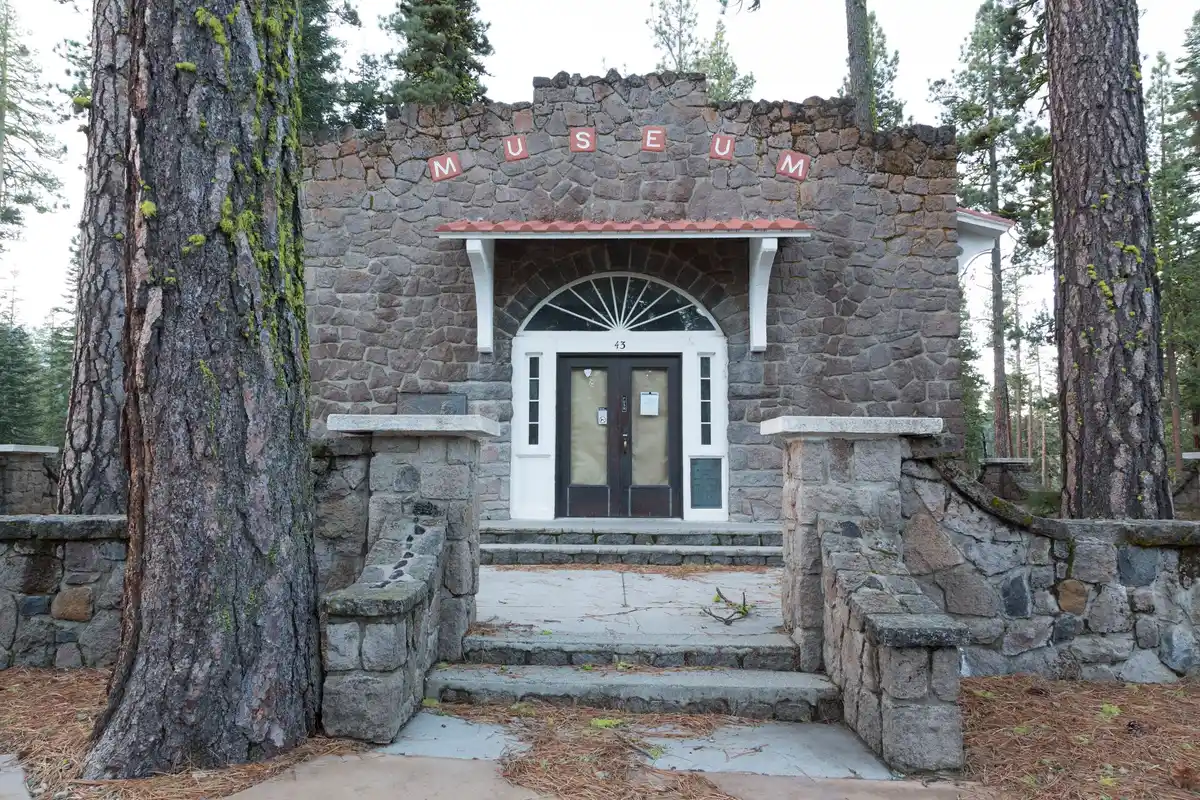 Manzanita Lake loop
~1.8 mi RT · easy · Lassen Peak reflections · HikeWind down with the easy Manzanita Lake loop (about 1.8 miles round trip), a flat, family-friendly walk near the northwest entrance that delivers postcard reflections of Lassen Peak on still mornings and evenings. It is the gentlest hike of the trip and a perfect finale, especially at first or last light.
 Getting home: Redding or Reno
RDD ~1 hr · Reno ~2.5 hr · DriveFrom the northwest side it is about an hour west to Redding (RDD), or roughly 2.5 hours southeast to Reno. Fuel up in a gateway town before the drive out, since services inside the park are limited. If you have an extra day, the Echo and Bathtub Lakes, Mill Creek Falls, and Paradise Meadows are all easy add-ons before you leave.
Book the 1 night
Beds near the trailheads are the one thing on this trip that genuinely runs out. Everything else can be decided later.
Tell us your dates and we will do the calling. We check every booking site, put your points and card perks against the cash price, and email you this plan back with the best room we can find for each night. Nothing is charged and you decide at the end.
Request to bookWhat to pack for Lassen Volcanic
Built from this route, not a generic list. Every line says why it is here.
On every day of this trip
On your feet
Because you are sleeping indoors
For the driving days
What we actually learned in the park.
Stay on the boardwalks in thermal areas
Bumpass Hell, Sulphur Works, and the other hydrothermal areas sit over thin, unstable crust above boiling water and mud. Stay strictly on the boardwalks and marked trails, keep kids and pets close, and never step off, because the ground can give way and the water is scalding.
Go July through October
The high country is buried in snow much of the year. July through October is the reliable hiking window, with wildflowers in midsummer and crisp, quiet days in fall. Outside that window, expect closed trails, deep snowpack, and limited access.
Confirm the Lassen Park Highway is open
The scenic road that climbs over the park holds a heavy snowpack and often does not fully open until June or July, sometimes later. Check current road status before you go, since a closed high stretch means a long detour to reach the far side of the park.
Treat Lassen Peak as a real summit
The Lassen Peak Trail gains about 2,000 feet to a 10,457-foot summit. Start early, carry plenty of water and sun protection, pace yourself in the thin air, and watch for fast-building afternoon thunderstorms that can make the exposed switchbacks dangerous.
Pay the entrance fee or bring your pass
Lassen Volcanic charges about $30 per vehicle for a 7-day pass. The annual America the Beautiful pass ($80) also covers entry and pays off fast if you visit other national parks. Pay at the entrance station or online ahead of time.
Lodging is limited, so book early
In-park lodging is essentially the Manzanita Lake Camping Cabins, which fill quickly for summer weekends. Otherwise base in Mineral or Chester near the park, or in Redding about an hour west, and reserve campsites through recreation.gov well in advance.
Pack warm layers even in August
Most of the park sits above 8,000 feet, so even a midsummer trip can turn cold, windy, and raw, especially on the exposed Lassen Peak switchbacks and at dawn by the lakes. Bring a heavy fleece or a wind shell on top of your sun protection, no matter how warm Redding felt on the drive up.
Everything you'll actually want to know.
Lassen Volcanic day hikes: the questions people ask most.
The standout Lassen Volcanic day hikes are Bumpass Hell (about 3 miles round trip past boiling mudpots and fumaroles, the largest hydrothermal area in the park), the Lassen Peak Trail (about 5 miles round trip and strenuous to the 10,457-foot summit), the Cinder Cone Trail (about 4 miles round trip with the Painted Dunes below), Kings Creek Falls (about 2.3 miles round trip), and the easy Manzanita Lake loop (about 1.8 miles round trip with reflections of Lassen Peak).
We'll find the cheapest way to do this trip.
Tell us your dates and we price the plan you just built: every booking site, the hotels direct, and your own points and card perks against the cash price. You get it back by email with a link for each night and what it saved you.
- It is free. The hotel pays us, not you. You pay their normal price.
- Nothing is charged and nothing is held. You decide at the end, or you walk away.
- Beds near trailheads are the part that runs out. Everything else can wait.
The figures below are estimates from local nightly rates, so you know the ballpark before you ask. The real number comes back once we have checked what is free.
- 1 night, a campsite near Mineral
1 × $22$22
- 1 night, a room in Mineral
from $260 a nightfrom $260
 Yulia, ExplorOFF founder★★★★★5.0 from 20+ guided tripsGoogleAirbnbFrom$1,4902 people, 1 night
- Everything in Glamped, plus a local guide
- Airport pickup, every drive, all the gear
- Weather turns, they rewrite the day
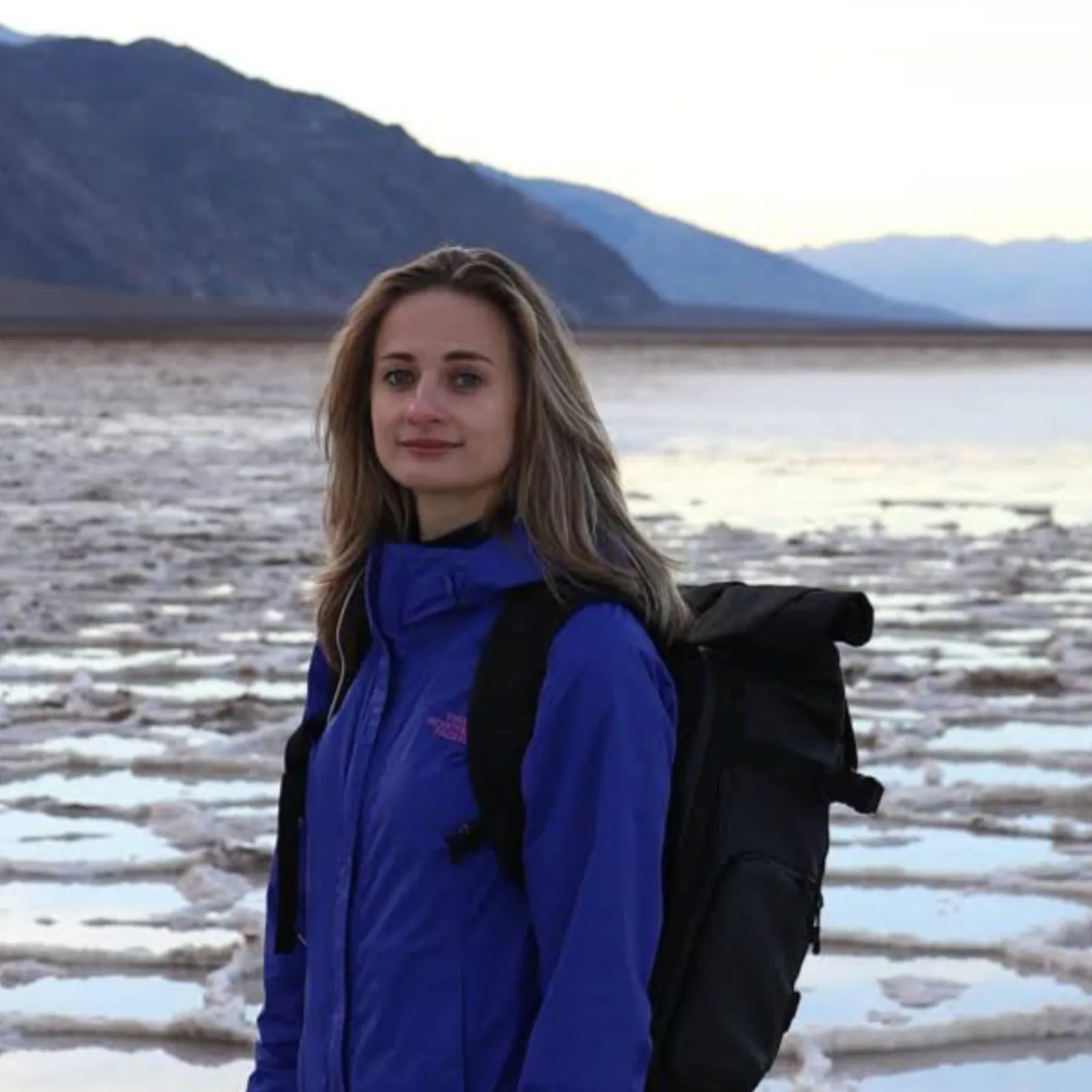
Written and walked by Yulia Vasilyeva · Co-founder · Lead planner and guide
Three years leading guided hikes in the Pacific Northwest, rated 5.0 by 20+ verified guests, and she builds every custom itinerary herself. Based in Seattle.
Booking Lassen Volcanic
Everything below is booked with the operators direct. We earn a commission on some of them, which is what keeps the itineraries free to read.
You might also love these
More itineraries and hiking guides across the parks.

Crater Lake Rim Trail
The deepest lake in the U.S., the Rim Drive, and the best day hikes around the Crater Lake caldera.
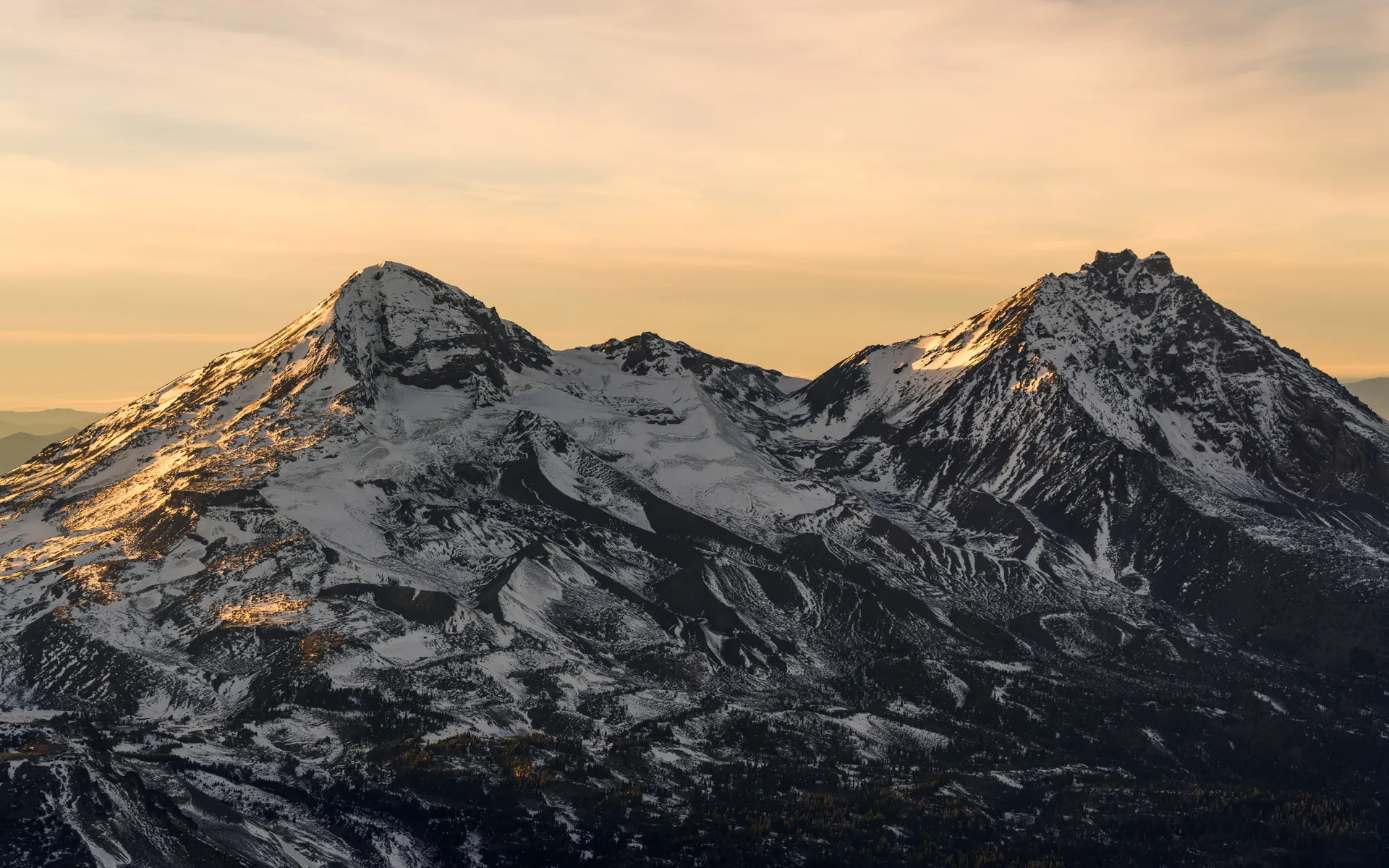
Three Sisters Wilderness Backpacking
Cascade volcanoes, alpine lakes, and the best backpacking loops in central Oregon's high country.

John Muir Trail Section
A High Sierra section hike past granite passes and alpine basins on California's most famous trail.
What adventurers say about us.
All reviews are from verified guests. ★★★★★ 5.0 average from 20+ bookings.
"Felt like going out with a really knowledgeable friend who just happens to know everything about the area. No awkward tour-guide energy, just a magnificent day."
"Yulia is an incredible guide. She knew every trail, every viewpoint, and exactly how to pace the day for our group. The photos she took of us were stunning. 100% booking again."
"I was visiting Seattle solo and this was the best decision I made on the trip. Yulia picked me up, had snacks, and took us to a trail I never would have found on my own. Absolute must-do."
"We did this as a couple's trip and it was perfect. Yulia adapted everything to us, our pace, our interests, our photo obsession. The mountain views were unreal."
"Phenomenal experience. Yulia has deep local knowledge and a real passion for the outdoors. She went out of her way to show us the hidden gems tourists never see. Will remember this forever."
"I've done a few guided hikes and this was by far the best. Yulia is warm, funny, and genuinely expert. The trail she chose had the most insane wildflower bloom, we got so lucky."
Fees, reservation windows, shuttle dates and trail closures are planning estimates. Confirm hours, road status and any reservations with the land manager before you go.
What other travelers are saying
Be the first to leave a tip or question for the next traveler.
Was this helpful?
One tap. It goes straight to Yulia and Margarita.
You can't hike it if you can't get the permit.
The best hikes in America run on lotteries that open once a year and sell out in minutes. Every trail runs on its own calendar. Pick the ones you want and we do the watching.
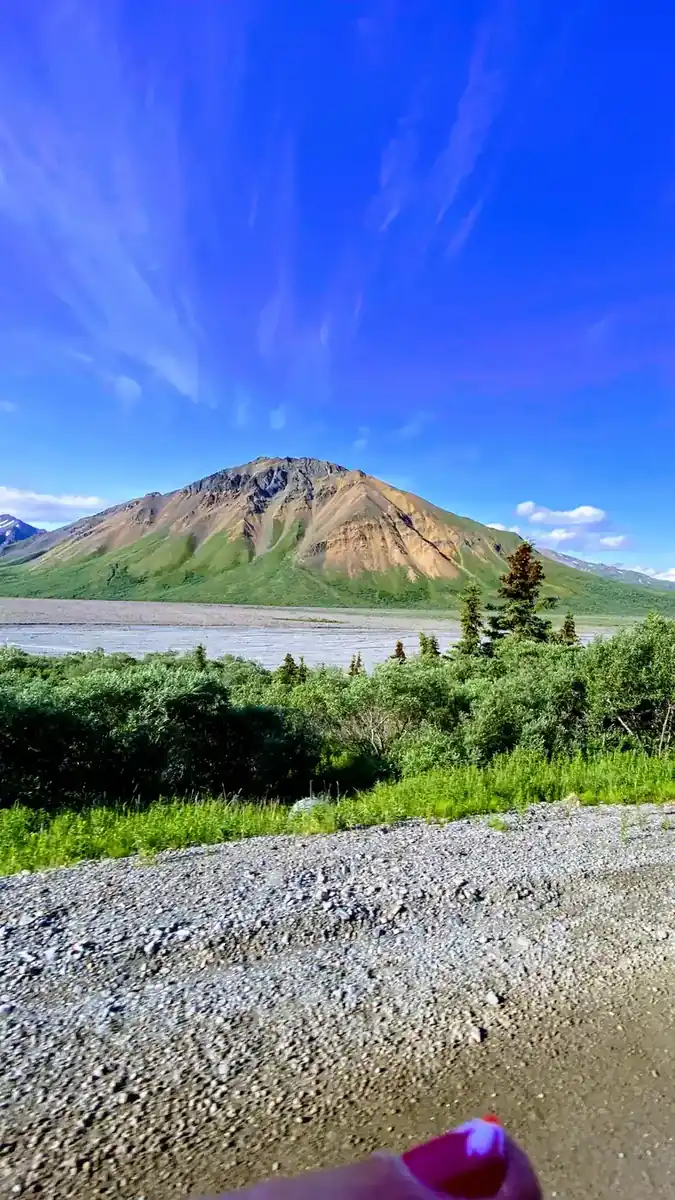 Denali Road LotteryDenali NP · AKActivityReservationfair odds
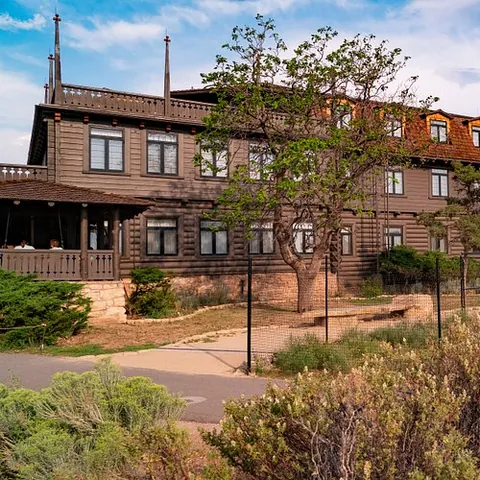 El Tovar HotelGrand Canyon South Rim · ArizonaLodgeReservationbrutal odds
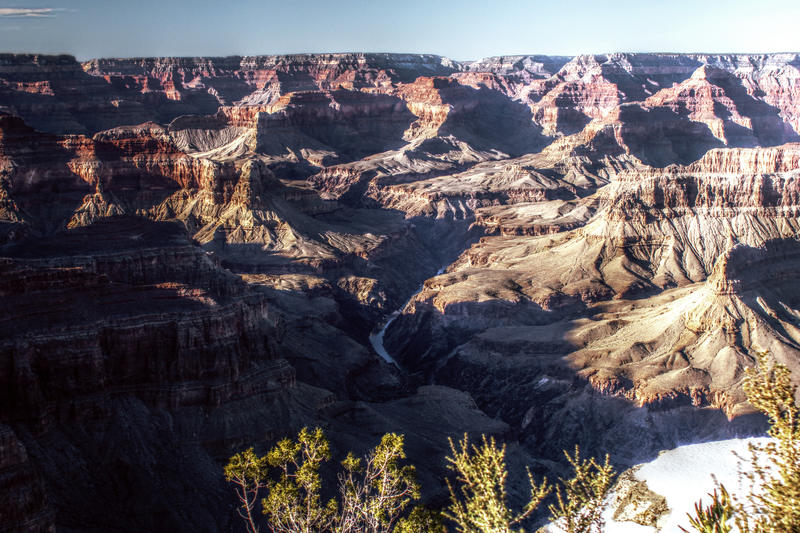 Grand Canyon BackcountryGrand Canyon NP · ArizonaBackcountryReservationfair odds
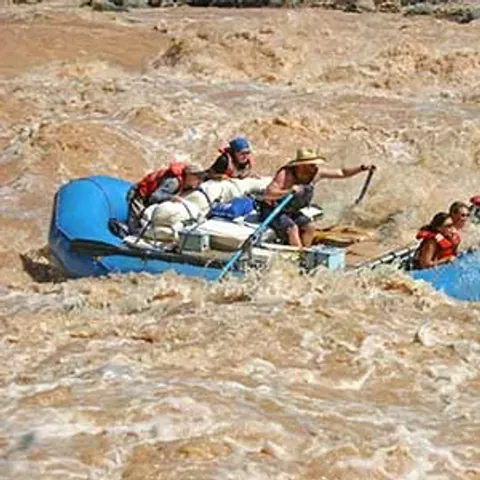 Grand Canyon raftingColorado River · ArizonaActivityLotterybrutal odds
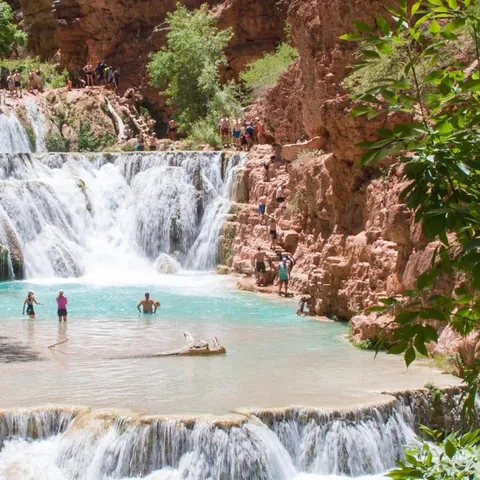 Havasu FallsHavasu Canyon · ArizonaLodgeReservationbrutal odds
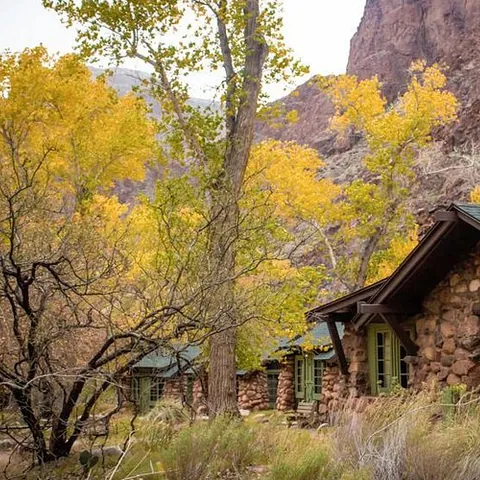 Phantom RanchGrand Canyon NP · ArizonaLodgeLotterybrutal odds
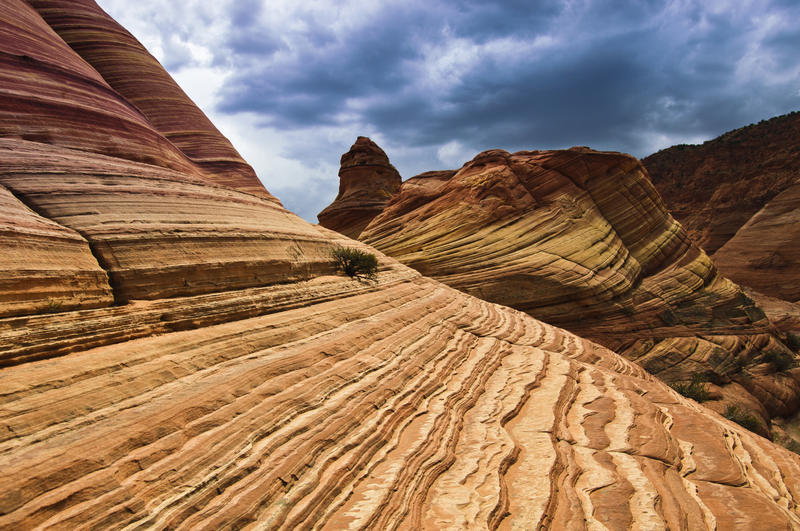 The WaveCoyote Buttes North · Arizona / UtahPermitLotterybrutal odds
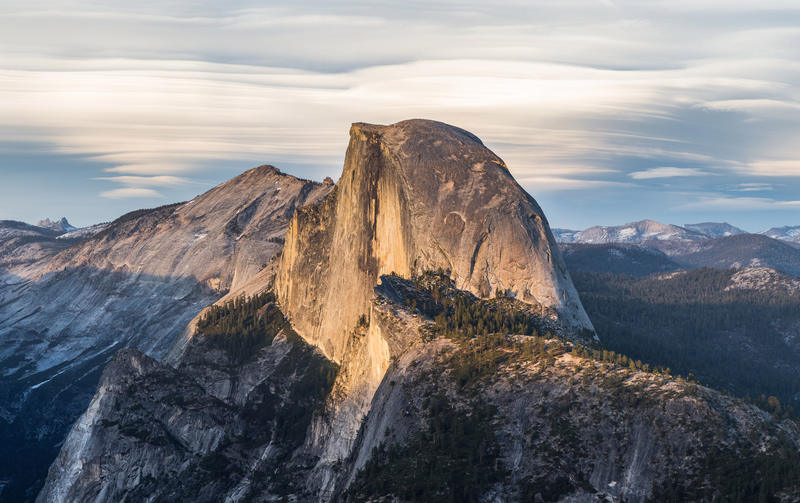 Half Dome CablesYosemite NP · CaliforniaPermitOpens Mar 1fair odds
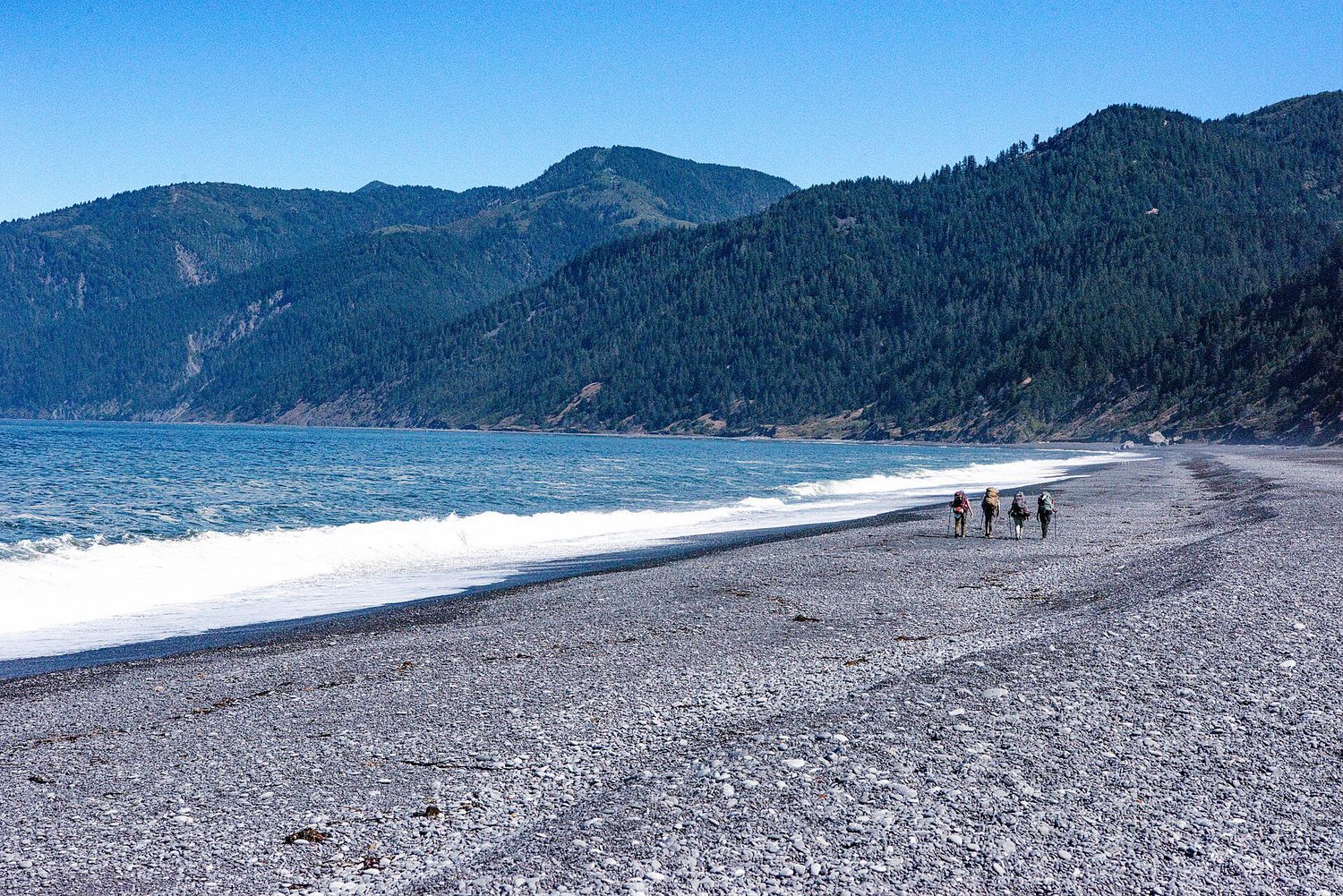 Lost Coast TrailKing Range NCA · CaliforniaBackcountryReservationtough odds
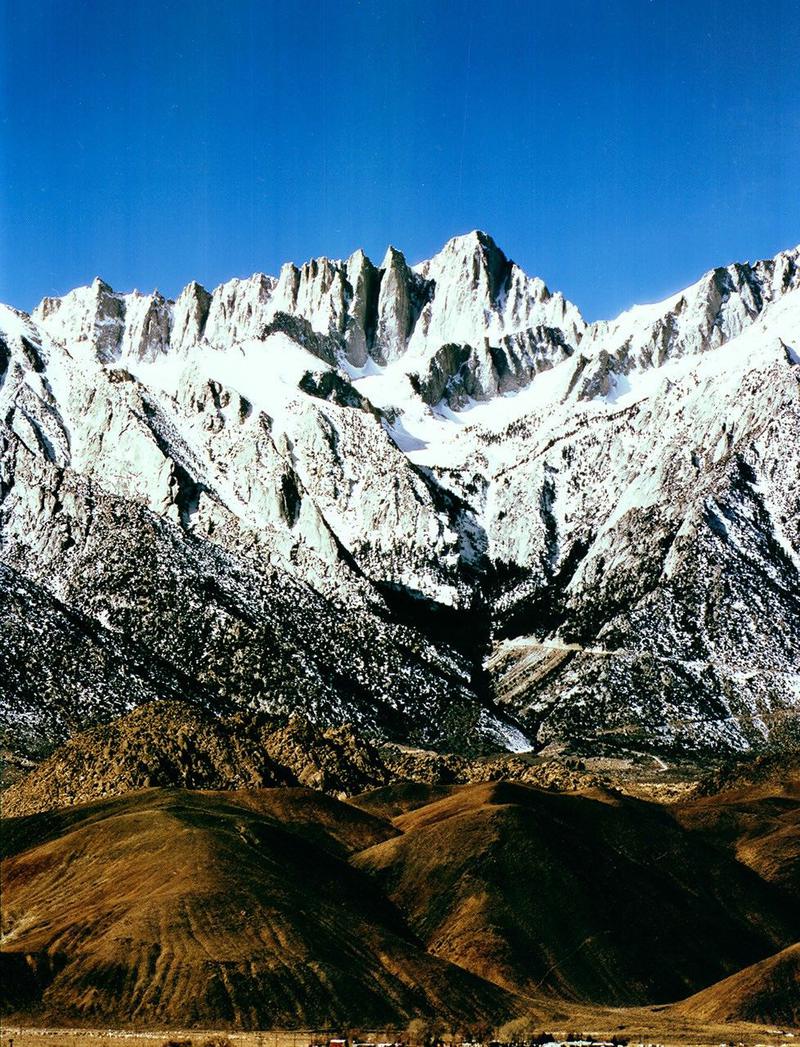 Mt. WhitneyInyo NF · CaliforniaPermitOpens Feb 1tough odds
- The Ahwahnee, YosemiteYosemite NP · CaliforniaLodgeReservationbrutal odds
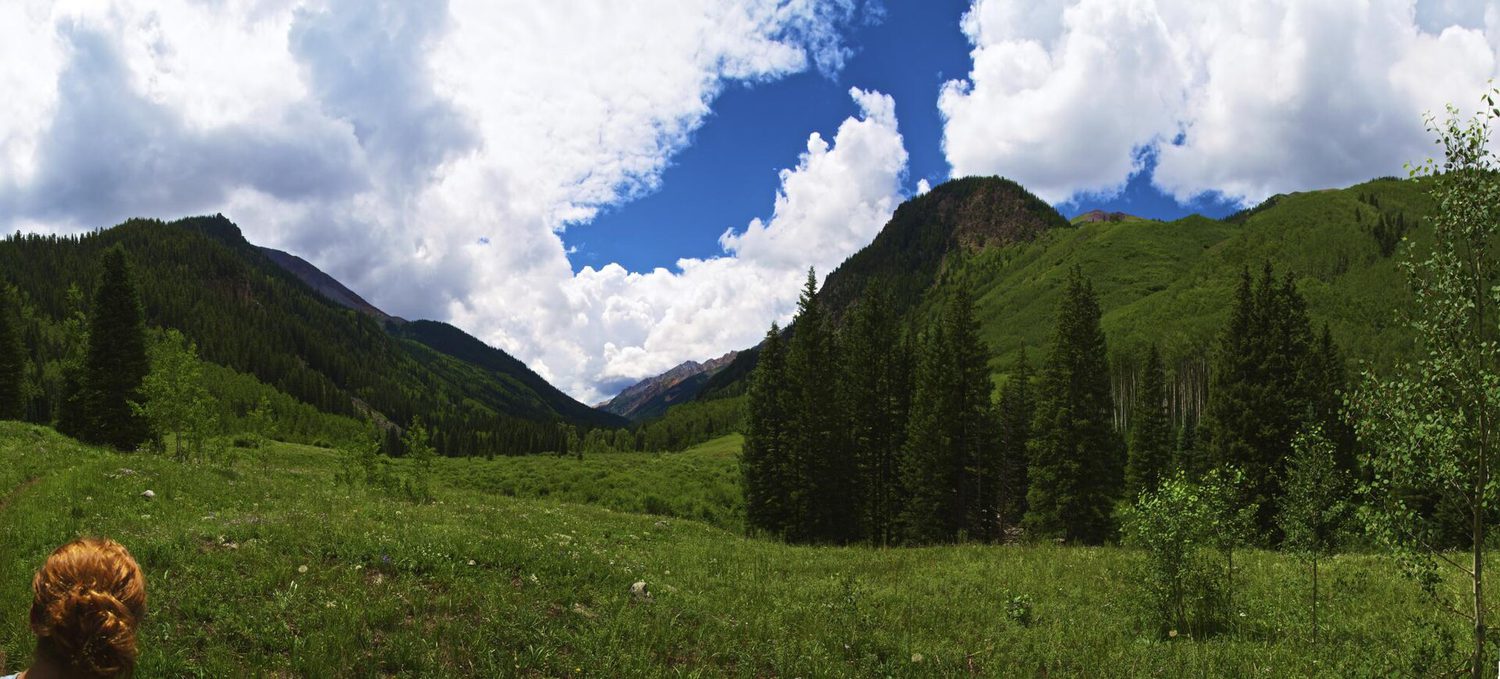 Conundrum Hot SpringsMaroon Bells-Snowmass · ColoradoBackcountryOpens Feb 15brutal odds
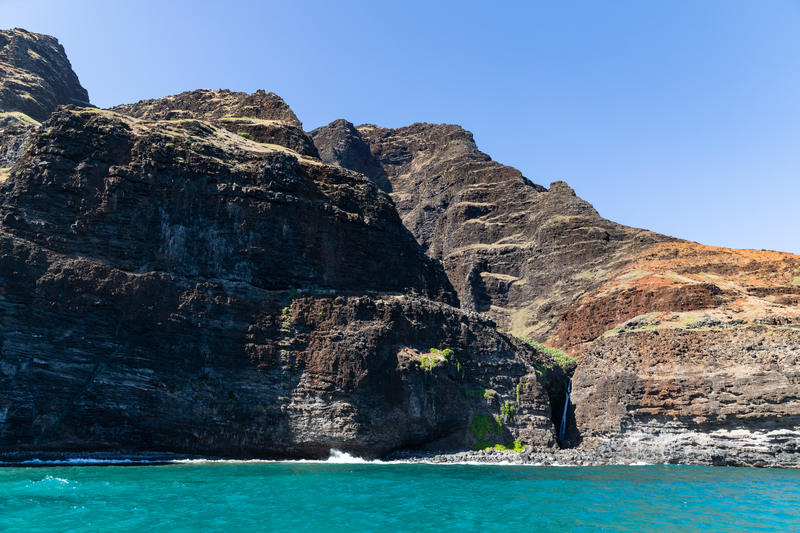 Kalalau TrailNa Pali Coast SWP · HIBackcountryReservationbrutal odds
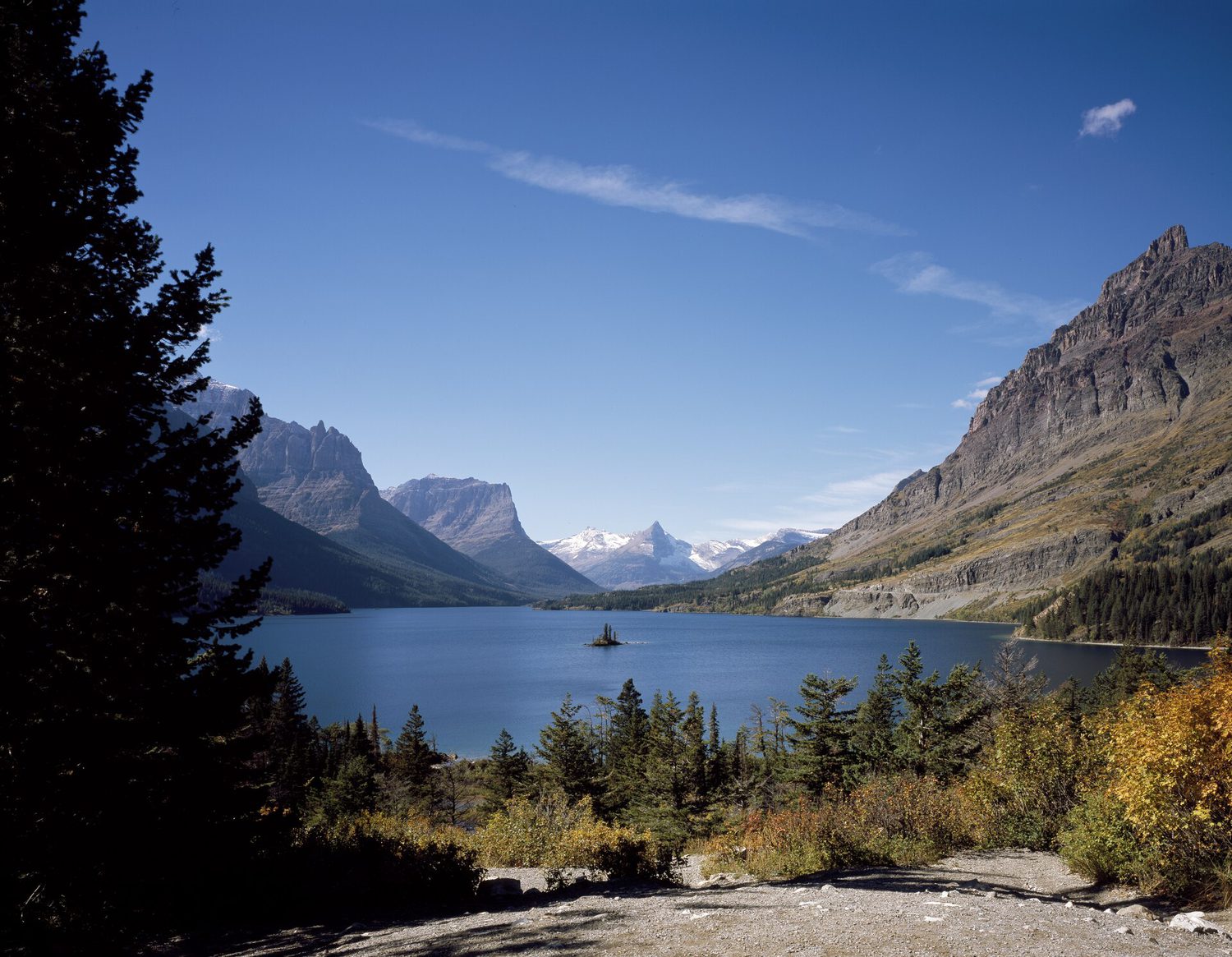 Glacier NP BackcountryGlacier NP · MontanaBackcountryLotterytough odds
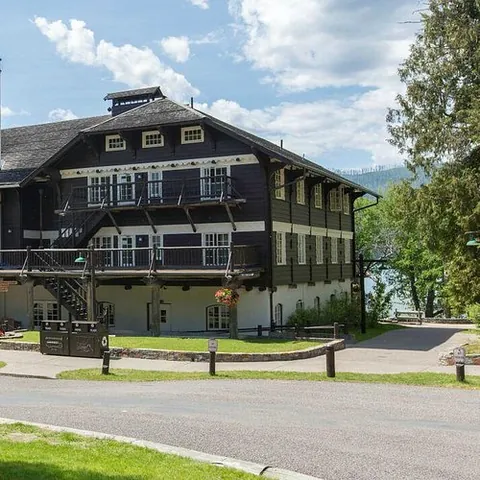 Lake McDonald LodgeGlacier NP · MontanaLodgeReservationbrutal odds
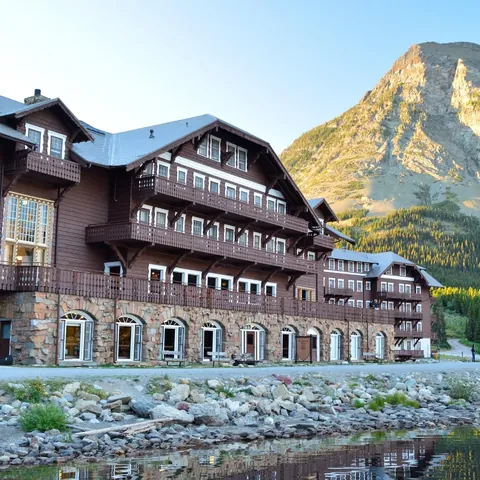 Many Glacier HotelGlacier NP · MontanaLodgeReservationbrutal odds
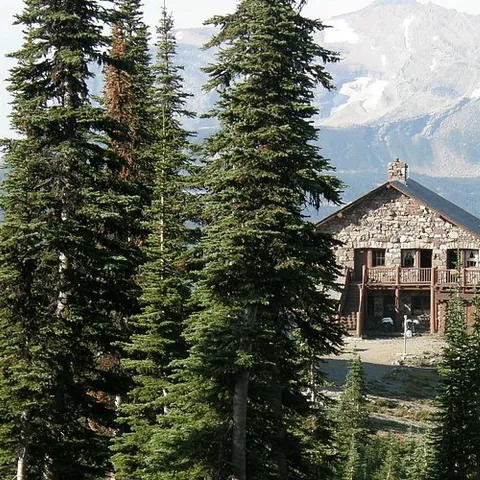 Sperry & Granite Park ChaletsGlacier NP · MontanaLodgeReservationbrutal odds
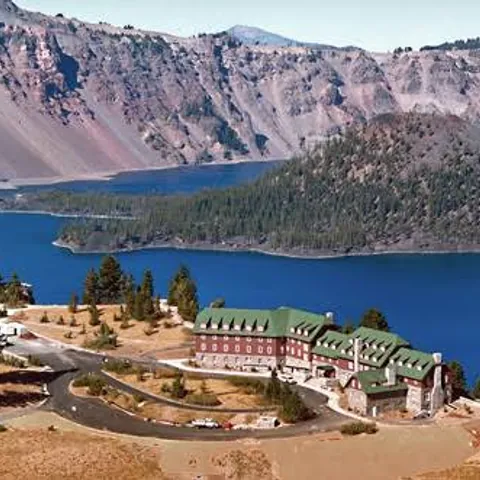 Crater Lake LodgeCrater Lake NP · ORLodgeReservationbrutal odds
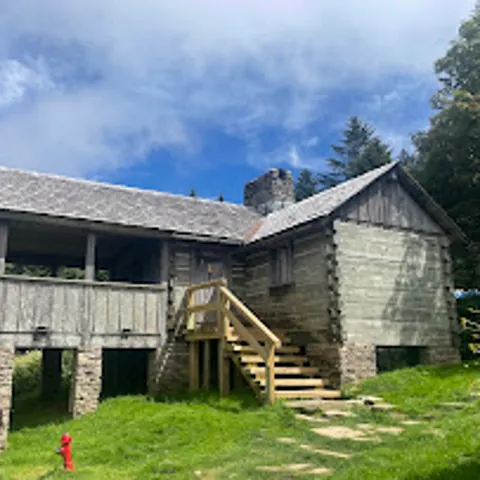 LeConte LodgeGreat Smoky Mountains NP · TNLodgeOpens Oct 1brutal odds
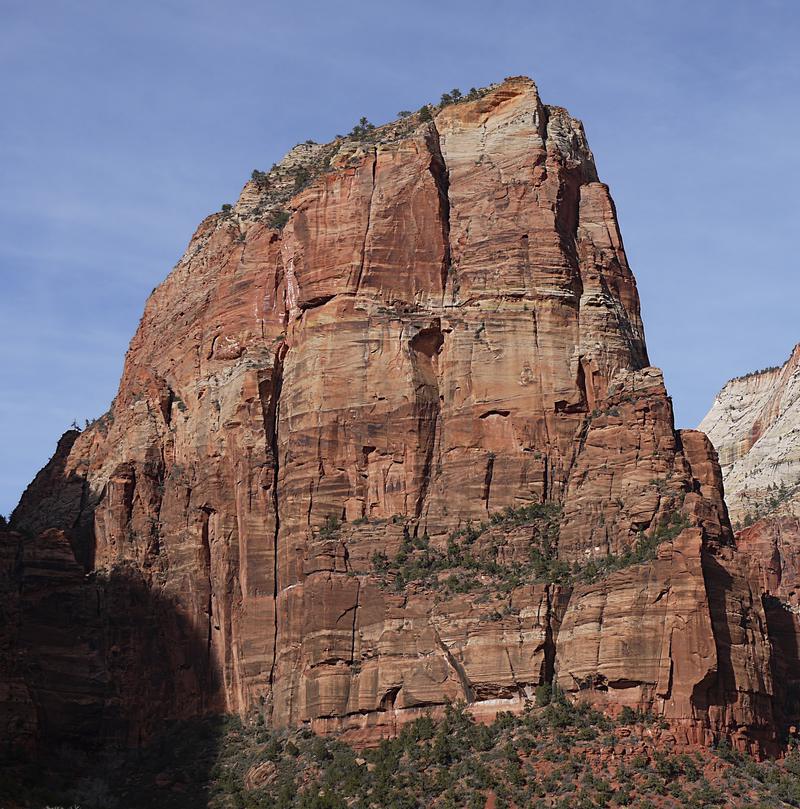 Angels LandingZion NP · UtahPermitLotterytough odds
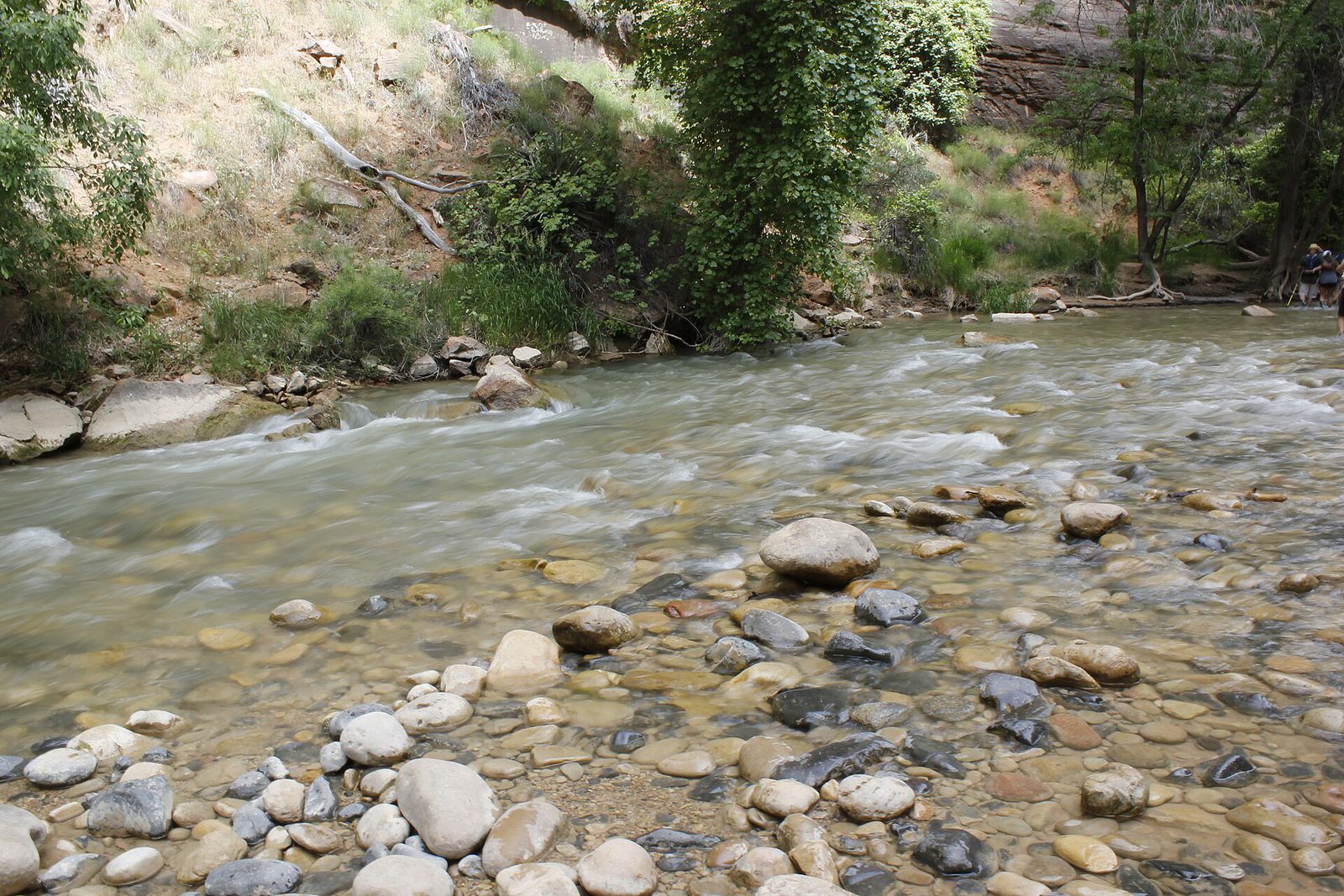 The Narrows Through-HikeZion NP · UtahBackcountryReservationtough odds
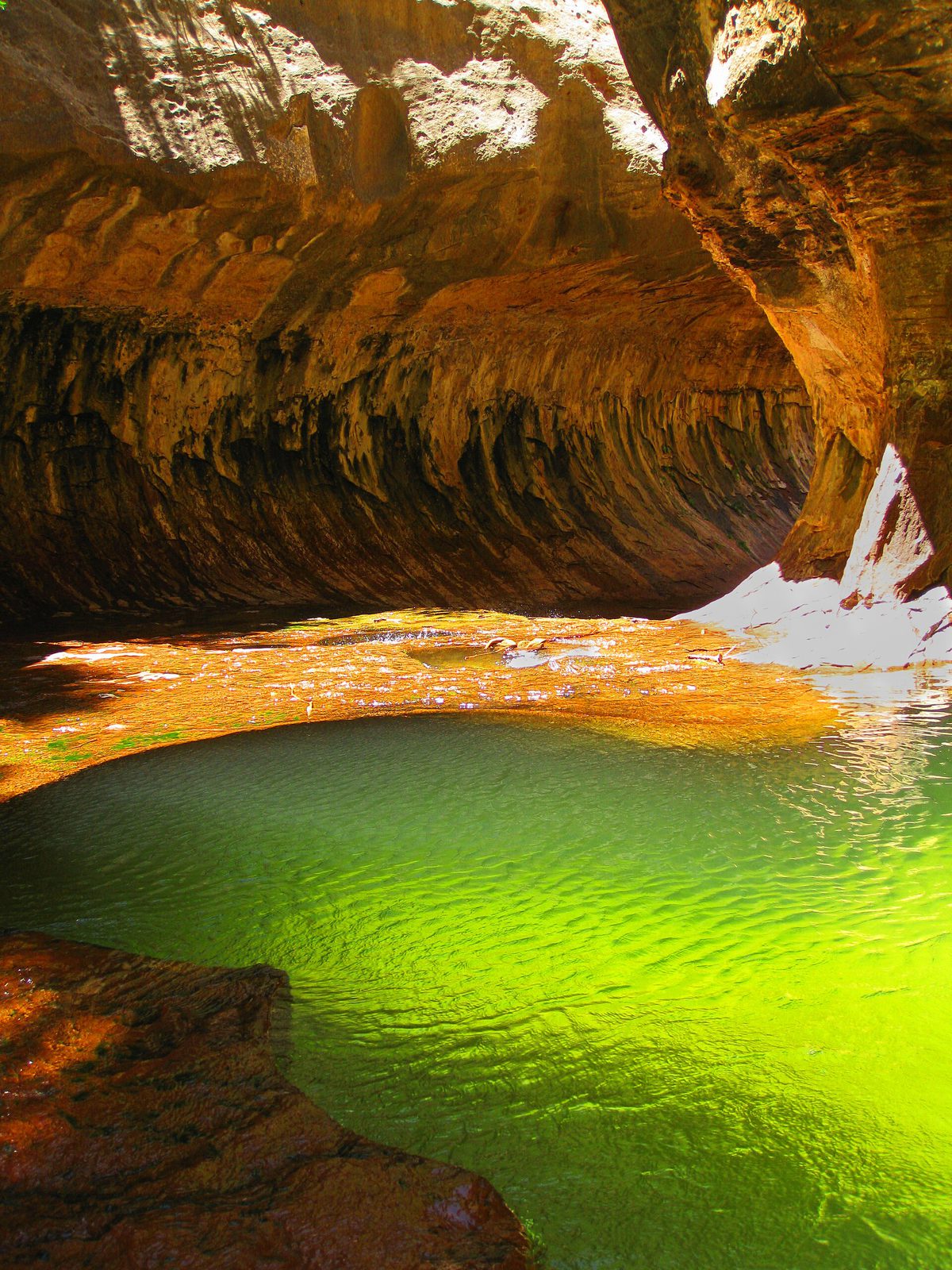 The SubwayZion NP · UtahPermitLotterytough odds
- Zion LodgeZion Canyon · UtahLodgeReservationbrutal odds
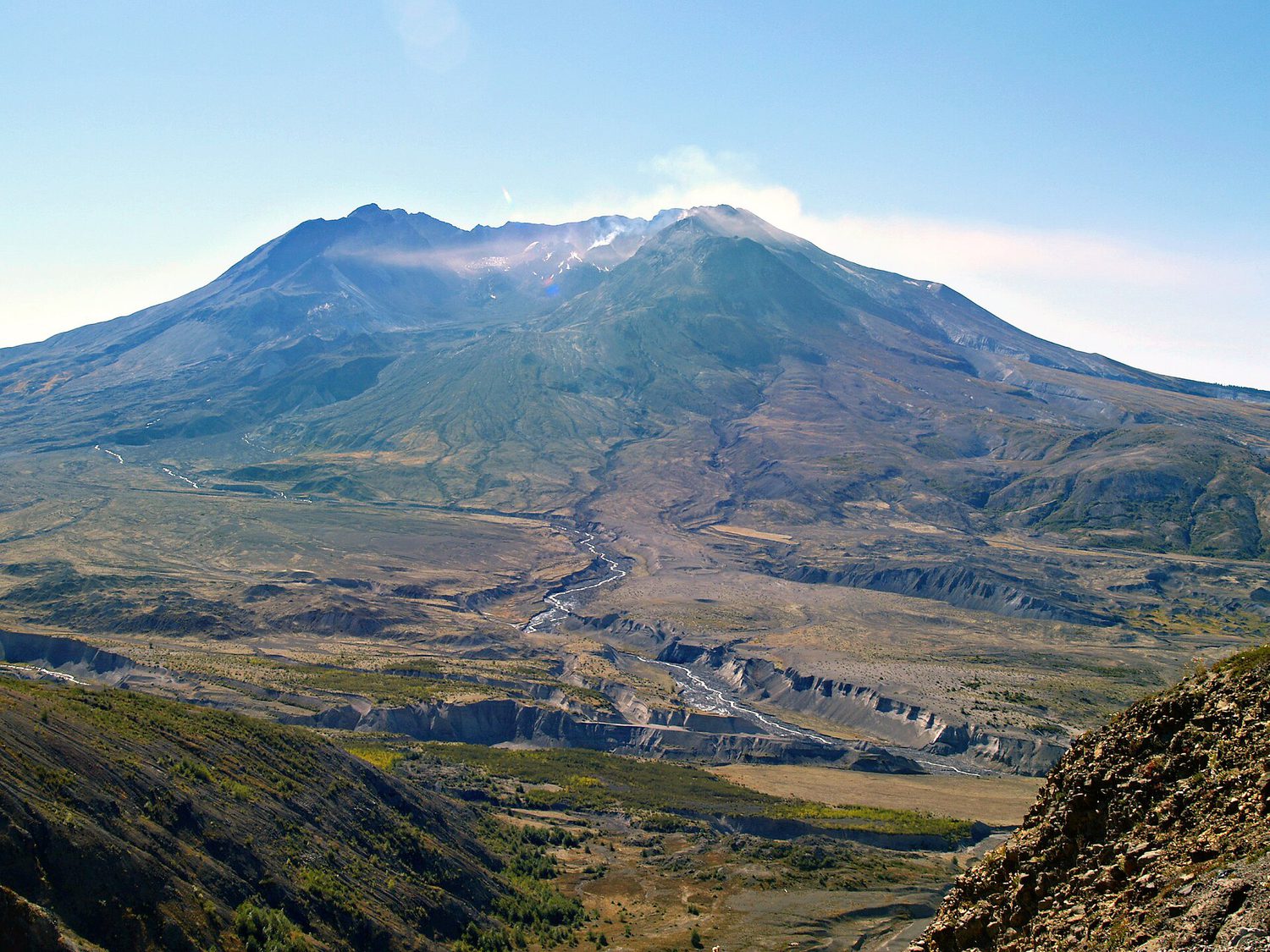 Mount St. Helens Summit ClimbGifford Pinchot NF · WashingtonPermitReservationtough odds
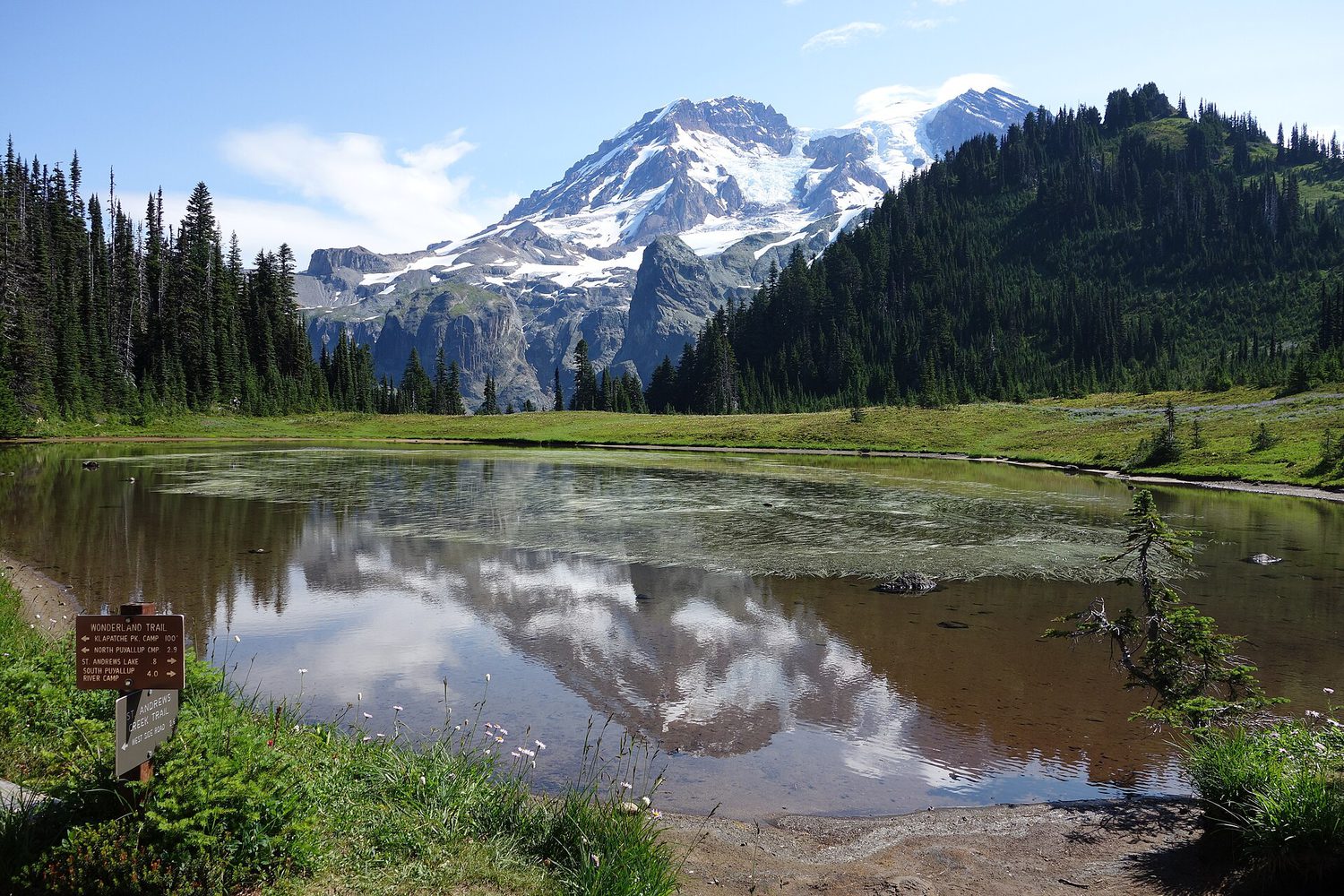 Paradise InnMount Rainier NP · WashingtonLodgeReservationbrutal odds
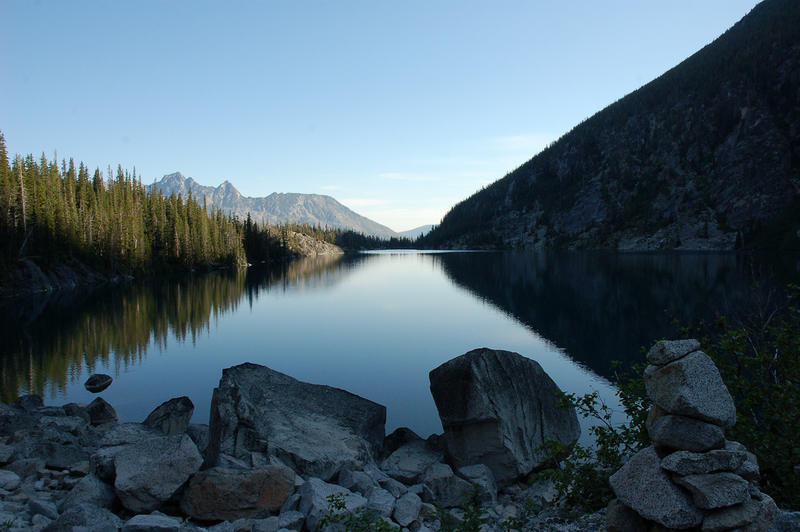 The EnchantmentsAlpine Lakes Wilderness · WashingtonBackcountryOpens Feb 15brutal odds
- Wonderland TrailMount Rainier NP · WashingtonBackcountryLotterybrutal odds
- Cougar Rock CampgroundWashington · WashingtonBackcountryOpens Jan 15tough odds
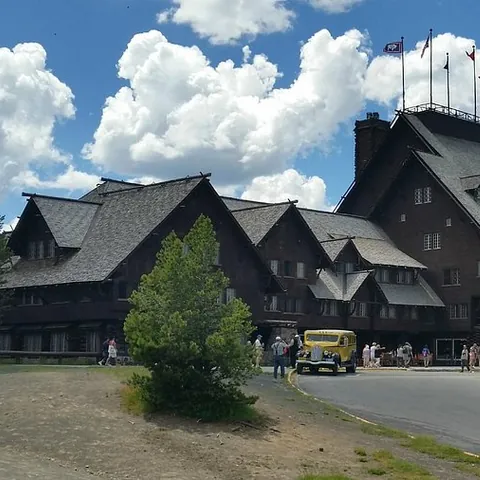 Old Faithful InnYellowstone NP · WYLodgeReservationbrutal odds
How it works
- An email the morning each window opens, never the day after.
- A 14-day heads-up so you can line up your group and dates.
- Win odds and a ranked backup plan for every trail you pick.
Didn't win? We keep watching. We check recreation.gov every day for The Enchantments, Half Dome and Angels Landing, and email you the moment a sold-out date frees up. Cancellations are the second chance most people never hear about.
“I’ve requested to book a Chain Lakes Loop guide on ExplorOFF, and it was the best idea ever! I highly recommend going with their guided option since you get a real human connection on the trail and don’t have to worry about a thing. Yulia was great to talk to!”