John Muir Trail Section Hike: A 5-Day Sierra Itinerary
One classic section, a high pass, alpine lakes & granite, on the JMT.
A 5-day John Muir Trail section hike from Tuolumne Meadows in Yosemite over 11,073-foot Donohue Pass and through the Ansel Adams Wilderness to Thousand Island Lake, the Devils Postpile, and Reds Meadow near Mammoth.
“I’ve requested to book a Chain Lakes Loop guide on ExplorOFF, and it was the best idea ever! I highly recommend going with their guided option since you get a real human connection on the trail and don’t have to worry about a thing. Yulia was great to talk to!”
 16 stops on a real mapEvery stop pinned in order→
Every stop is a real pin, in order.
Tuolumne Meadows, Donohue Pass, Thousand Island Lake & Reds Meadow · High Sierra
Every stop on this trip, in order, opens as one driving route in the Google Maps app. No copying addresses across one at a time.
5 of the stops on these 5 days.



Plan and book your 5 days in John Muir Trail, one step at a time
How 5 days in John Muir Trail split up
The John Muir Trail runs 211 miles from Happy Isles in Yosemite Valley to the summit of Mount Whitney, the highest point in the lower 48. It threads Yosemite, the Ansel Adams Wilderness, the John Muir Wilderness, and Kings Canyon and Sequoia National Parks, climbing over a chain of 11,000 to 13,000-foot passes: Donohue, Silver, Selden, Muir, Mather, Pinchot, Glen, and Forester. The full trail takes most hikers about three weeks, which is why a JMT section hike is how the great majority of people experience it.
Day 1: Tuolumne Meadows & up Lyell Canyon
4 stops · Day one
Day 2: Over Donohue Pass into the Ansel Adams Wilderness
3 stops · Day two
Day 3: Thousand Island Lake & the Garnet Lake basin
3 stops · Day three
Day 4: Down toward the Devils Postpile & Reds Meadow
3 stops · Day four
Day 5: Out to Mammoth Lakes & onward
3 stops · Day five
Tuolumne Meadows & up Lyell Canyon
Start where the high country opens up. Tuolumne Meadows sits at about 8,600 feet on the Tioga Road in Yosemite, an easy launch point that lets you skip the long, hot climb out of Yosemite Valley. Pick up your wilderness permit, top off water, and store everything edible in your bear canister before you walk out of the trailhead.
Not the order you want? Drag a stop, or use the arrows beside it. Stops move between days too.
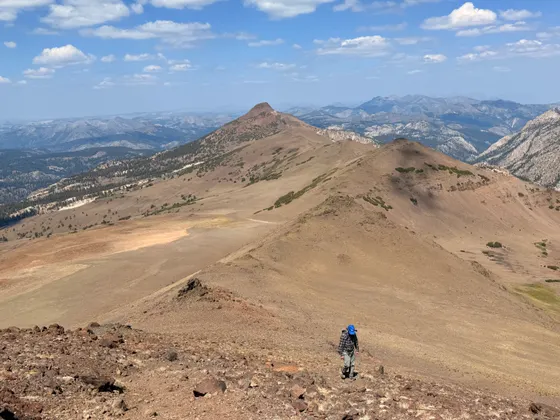
 Drive from
~1.5 hr to Tuolumne · via Tioga Road · DriveMost hikers base in Mammoth Lakes the night before to acclimatize, then drive up the Tioga Road into Yosemite to the Tuolumne Meadows trailhead, about 1.5 hours. The Tioga Road is open only in summer and fall, so confirm it is plowed and open before you go, and arrange your shuttle or car logistics for the Reds Meadow finish.
- Tuolumne Meadows trailhead
~8,600 ft · pick up your permit · ViewpointTuolumne Meadows sits at about 8,600 feet on the Tioga Road, an easy launch point that skips the long, hot climb out of Yosemite Valley. Pick up your wilderness permit at the permit office, top off water, and pack everything edible into your bear canister before you walk out of the trailhead.
- Lyell Canyon on the JMT
Gentle riverside walk · easy grade · HikeThe first day eases you in along the Lyell Canyon stretch of the John Muir Trail, a gentle, nearly flat walk beside the meandering Lyell Fork of the Tuolumne River, with granite domes and meadows on either side. It is a good first day to settle into the altitude before the big climb.
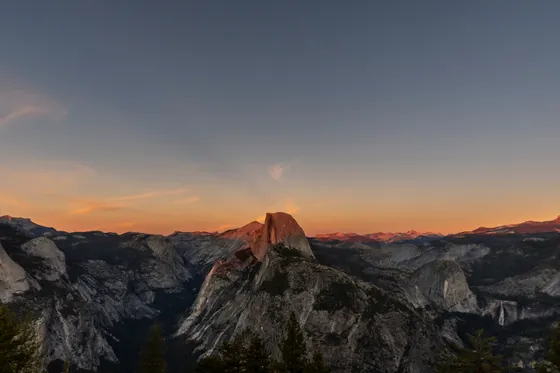
 Camp in upper Lyell Canyon
Below Donohue Pass · start fresh · lodgeCamp in the upper canyon below the climb to Donohue Pass, so you start the big ascent fresh in the morning. Filter water from the Lyell Fork, store all food in your bear canister overnight, and enjoy an easy first night at altitude.
Over Donohue Pass into the Ansel Adams Wilderness
Today is the section's first big climb. The trail rises out of Lyell Canyon to Donohue Pass at 11,073 feet, the boundary between Yosemite and the Ansel Adams Wilderness and the spot where the Yosemite permit exit quota is enforced. Pace yourself on the switchbacks, drink often, and take in the view back over the Lyell Fork and ahead into a wilder, more rugged stretch of the Sierra.
Not the order you want? Drag a stop, or use the arrows beside it. Stops move between days too.
- Donohue Pass
11,073 ft · Yosemite boundary · HikeThe trail rises out of Lyell Canyon to Donohue Pass at 11,073 feet, the boundary between Yosemite and the Ansel Adams Wilderness and the spot where the Yosemite permit exit quota is enforced. Pace yourself on the switchbacks, drink often, and aim to be over the top by midday before storms build.
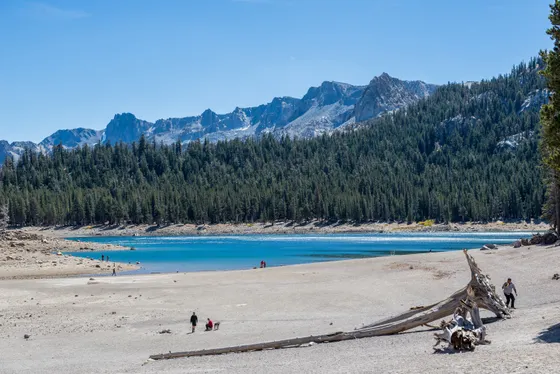
 Into the Ansel Adams Wilderness
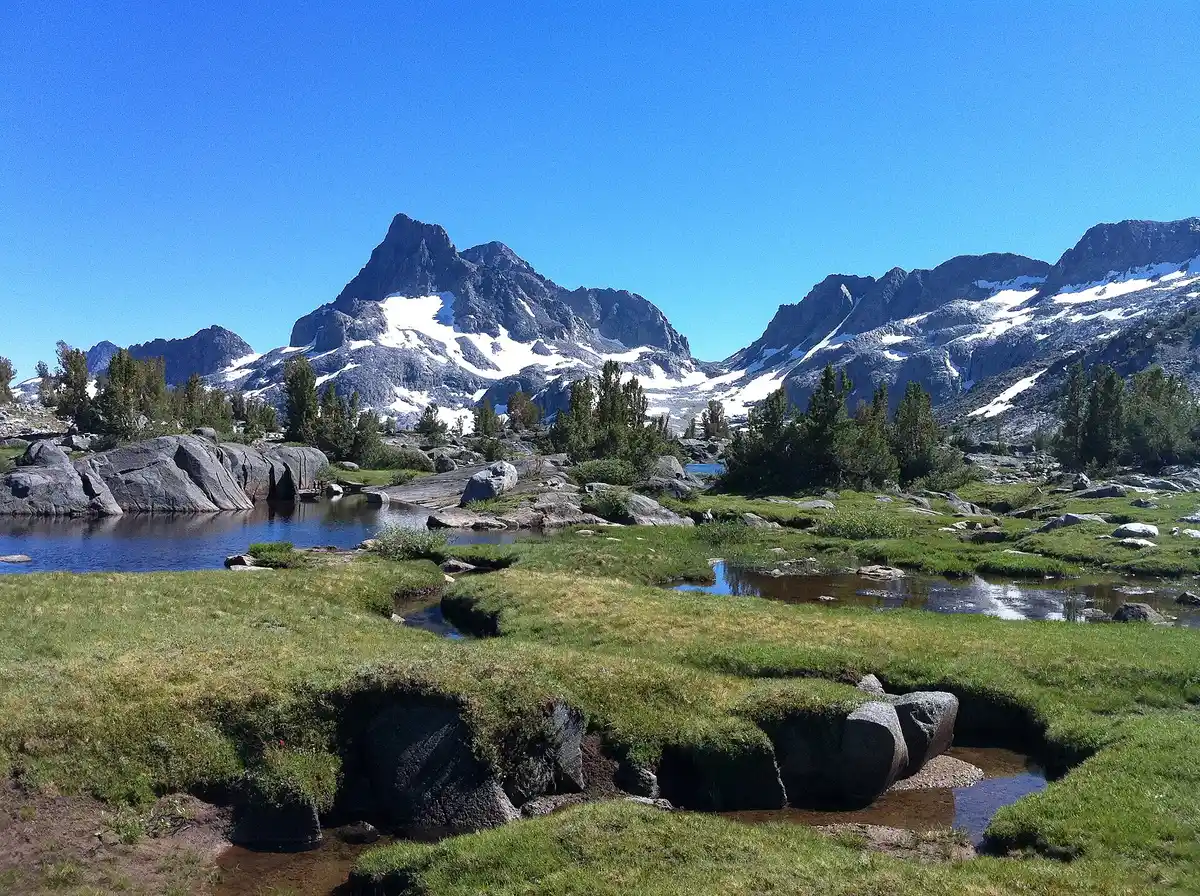
Granite, tarns & big peaks · ViewpointDescend the south side into the Ansel Adams Wilderness, a landscape of polished granite, tarns, and big peaks managed by the Inyo National Forest. Drop through Rush Creek country toward the Island Pass area with Banner and Ritter beginning to fill the skyline.
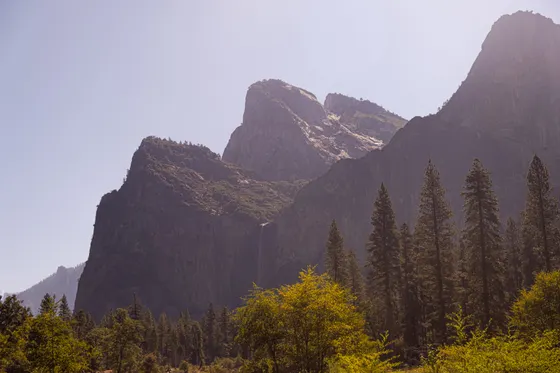
 Peretz Partensky from / CC BY-SA 2.0Camp toward Island Pass
Set up before afternoon storms · lodgeSet up camp in the Island Pass area with Banner and Ritter on the skyline. In early summer the snow lingers up high and the creek crossings run cold and strong, so cross in the morning when flows are lowest and pitch your tent before afternoon thunderstorms roll in.
Thousand Island Lake & the Garnet Lake basin
This is the postcard day. The trail reaches Thousand Island Lake, a broad alpine lake scattered with tiny islands directly beneath the dark spire of Banner Peak, one of the most photographed scenes in the entire Sierra. Linger for the morning light, then continue past Garnet Lake, an equally stunning basin a little farther on, with Banner and Ritter rising straight from the water.
Not the order you want? Drag a stop, or use the arrows beside it. Stops move between days too.
- Thousand Island Lake
Banner Peak reflected · iconic view · ViewpointReach Thousand Island Lake, a broad alpine lake scattered with tiny islands directly beneath the dark spire of Banner Peak, one of the most photographed scenes in the entire Sierra. Linger for the morning light, and respect the camping limits near the outlet and along the fragile shoreline.
 Ken Lund from Reno, Ne / CC BY-SA 2.0Garnet Lake
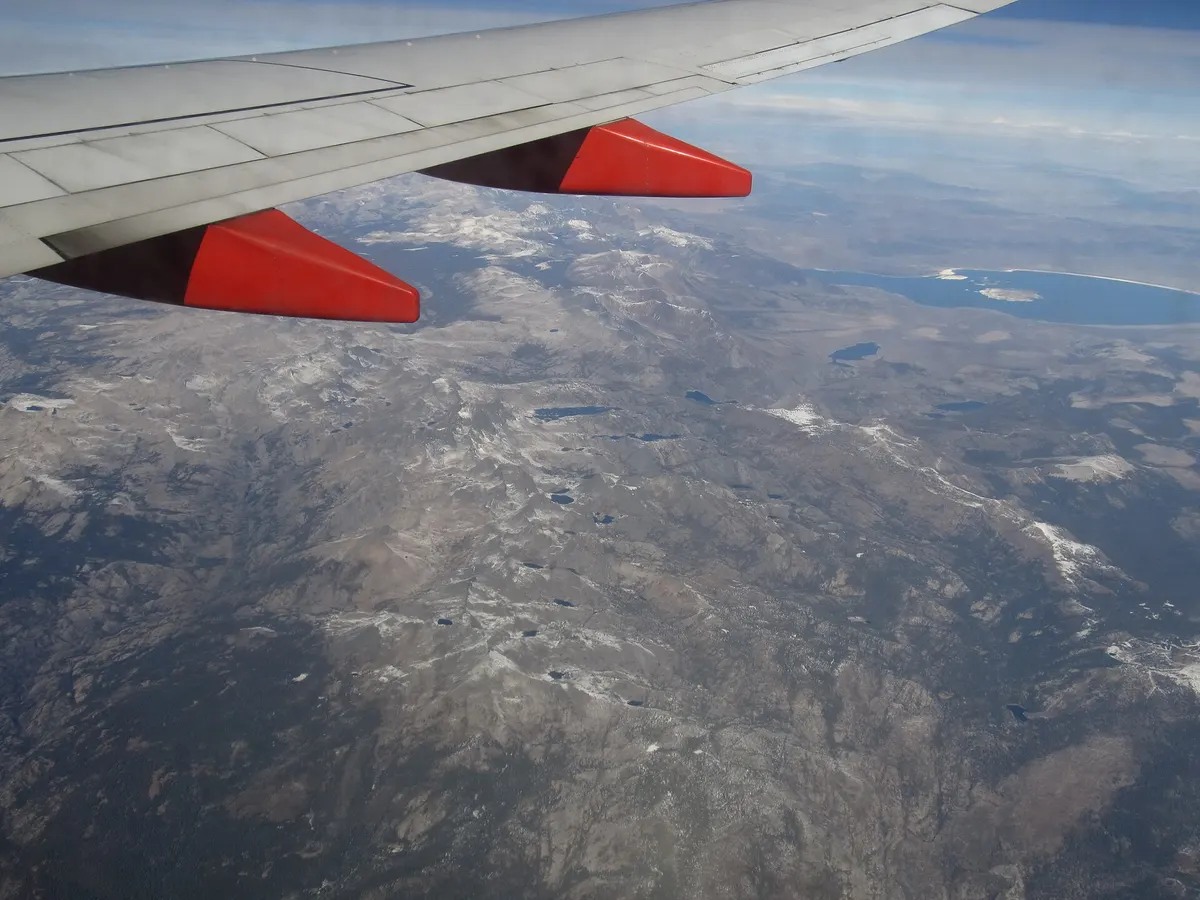
Banner & Ritter from the water · HikeContinue past Garnet Lake, an equally stunning basin a little farther on, with Banner and Ritter rising straight from the water. The JMT rolls over small ridges between these lake basins, so take it slow and let the scenery be the whole point of the day.
- Camp in the lake basins
Durable ground · back from shorelines · lodgeCamp on durable ground back from the fragile shorelines, respecting the posted limits. The modest mileage today leaves time to swim, photograph, and simply sit by the water in one of the most beautiful basins on this whole section of the trail.

Down toward the Devils Postpile & Reds Meadow
Today the trail trends downhill, leaving the high lake basins and descending through forest toward the Middle Fork of the San Joaquin. The grade eases and the air thickens as you lose elevation, a welcome change after days up high. Keep your eyes on the peaks behind you and your feet on the rocky, rooty tread as the trail loses altitude steadily.
Not the order you want? Drag a stop, or use the arrows beside it. Stops move between days too.
 Devils Postpile National Monument
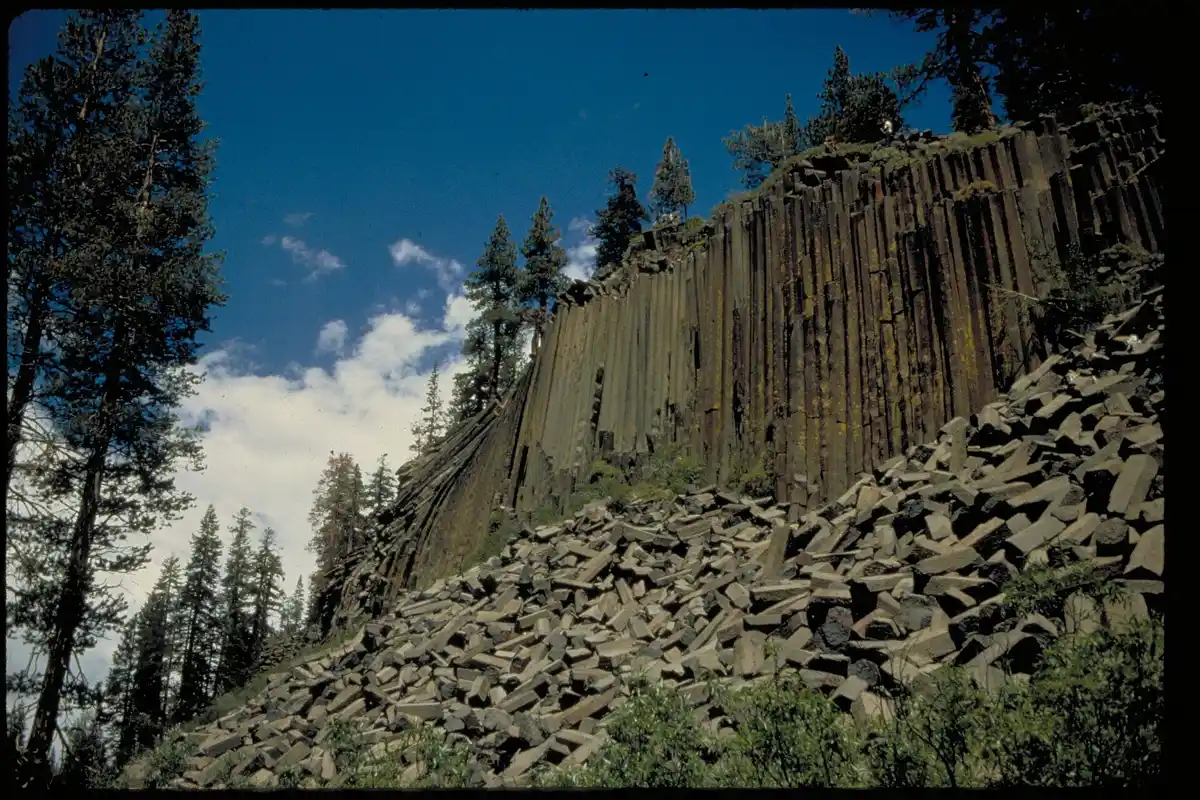
Hexagonal basalt columns · ViewpointAs the trail descends through forest toward the Middle Fork of the San Joaquin, the air thickens and the grade eases. Just off the JMT, the Devils Postpile is a striking wall of hexagonal basalt columns formed by cooling lava, well worth the short detour to walk the base and climb to the top.
- Resupply at Reds Meadow
Store, cafe & hot springs · activityA short walk on is Reds Meadow, a road-accessible resupply point with a small store, cafe, and nearby hot springs. Many section hikers resupply here, mail a box ahead, or end their trip. Confirm the resort's seasonal operating dates before you rely on it.
- Last night near Reds Meadow
Road-accessible · near the shuttle · lodgeCamp near Reds Meadow for your last night on the trail, close to the Mammoth shuttle for the ride out tomorrow. After a soak at the hot springs and a meal at the cafe, it is an easy, road-accessible end to the backcountry portion of the trip.
Out to Mammoth Lakes & onward
Wrap up the section with the short final miles out and the ride back to civilization. From Reds Meadow the Mammoth Mountain shuttle runs up to the Mammoth Mountain Adventure Center, where you can grab a real meal, a shower, and a bed in Mammoth Lakes. After days above 10,000 feet, the town's restaurants and hot showers feel like a luxury.
Not the order you want? Drag a stop, or use the arrows beside it. Stops move between days too.
- Reds Meadow shuttle to Mammoth
Summer shuttle to the Adventure Center · DriveFrom Reds Meadow the Mammoth Mountain shuttle runs up to the Mammoth Mountain Adventure Center for most of the summer day. The road requires the shuttle during operating hours, so time your exit to the schedule or arrange an early-morning pickup before the restriction starts.
 moonjazz from San DIeg / CC BY-SA 2.0A bed & shower in Mammoth Lakes
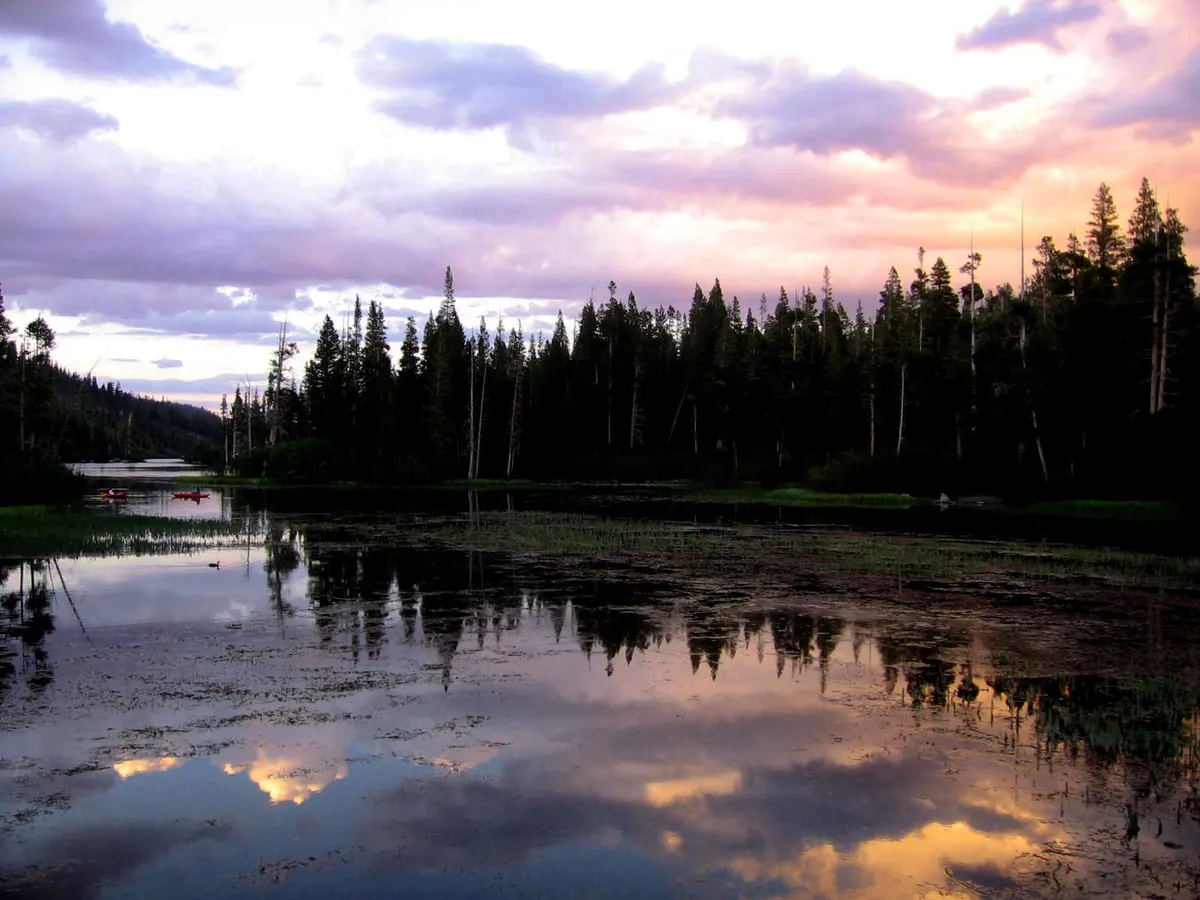
Eastern Sierra hub · restaurants & gear · lodgeBack in Mammoth Lakes, grab a real meal, a shower, and a bed. After days above 10,000 feet, the town's restaurants and hot showers feel like a luxury. It is the eastern Sierra hub for lodging, gear shops, and resupply, and books up on summer weekends, so reserve ahead.
 Getting home: MMH, Reno or Fresno
MMH seasonal · Reno ~3 hr · Fresno west side · DriveMammoth Yosemite Airport (MMH) has seasonal flights, or it is roughly 3 hours to Reno (RNO) over the Sierra, and longer to Fresno (FAT) on the west side. If you have a permit and the legs, this same section connects south to Vermilion Valley Resort, Muir Trail Ranch, Muir Pass, and ultimately Mount Whitney, so it makes a natural building block for a longer thru-hike.
Book the 4 nights
Beds near the trailheads are the one thing on this trip that genuinely runs out. Everything else can be decided later.
Tell us your dates and we will do the calling. We check every booking site, put your points and card perks against the cash price, and email you this plan back with the best room we can find for each night. Nothing is charged and you decide at the end.
Request to bookMt. Whitney opens on its own calendar
Day and overnight Mt. Whitney lottery.
| Permit | Required: Mt. Whitney Official page |
|---|---|
| Application window | February 1 to March 1 lottery, results March 15 |
| Odds of drawing | Hard on weekends, easier midweek |
| If your application is denied | Apply for weekday dates, or grab unclaimed walk-up permits at the Lone Pine ranger station. |
| Trip starts from | Lone Pine, CA, flying into Las Vegas (LAS) |
What to pack for John Muir Trail
Built from this route, not a generic list. Every line says why it is here.
On every day of this trip
On your feet
Because you are sleeping indoors
For the driving days
What we actually learned on the trail.
A wilderness permit is required
You need a wilderness permit for any overnight on the John Muir Trail, and the Yosemite JMT and trailhead quotas are competitive. Apply early through recreation.gov, and if you plan to exit over Donohue Pass or finish at Mount Whitney, make sure your permit covers those quota points.
Carry an approved bear canister
A bear canister is required throughout this section to store all food, trash, and scented items. Black bears are active and clever in the Sierra. Pack a canister that fits your trip length, and never leave food in your tent or pack overnight.
Plan your resupply
For a 5-day section you can carry all your food, but for longer JMT trips resupply at Reds Meadow, Vermilion Valley Resort, or Muir Trail Ranch. Mail boxes ahead where allowed, confirm each spot's seasonal dates, and account for the cost of holding and forwarding fees.
Hike July through September
The high passes are largely snow-free from about July into September, the prime window for this section. In early summer the passes hold snow and the creek crossings run high and cold. Always check current conditions on the Inyo National Forest and Yosemite sites before you go.
Acclimatize before you climb
This is strenuous backpacking with passes from 11,000 feet and up. Spend a night or two acclimatizing in Mammoth Lakes or Bishop first, climb slowly, drink plenty of water, and watch for the headache and nausea of altitude sickness on the high days.
Plan around afternoon storms
Sierra thunderstorms build fast on summer afternoons. Get over the high passes by midday, avoid exposed ridges when storms threaten, and have a plan to drop to lower, sheltered ground if lightning rolls in.
Everything you'll actually want to know.
John Muir Trail permits: the questions people ask most.
A popular 5-day JMT section hike runs from Tuolumne Meadows in Yosemite south over Donohue Pass through the Ansel Adams Wilderness, past Thousand Island Lake and Garnet Lake, and down to the Devils Postpile and Reds Meadow near Mammoth Lakes. It is about 38 miles, packs in one big 11,073-foot pass and the most iconic alpine lakes on this part of the trail, and finishes at a road-accessible resupply point with a shuttle back to town.
We'll find the cheapest way to do this trip.
Tell us your dates and we price the plan you just built: every booking site, the hotels direct, and your own points and card perks against the cash price. You get it back by email with a link for each night and what it saved you.
- It is free. The hotel pays us, not you. You pay their normal price.
- Nothing is charged and nothing is held. You decide at the end, or you walk away.
- Beds near trailheads are the part that runs out. Everything else can wait.
The figures below are estimates from local nightly rates, so you know the ballpark before you ask. The real number comes back once we have checked what is free.
- 4 nights, sites along the route
4 × $24$96
- Mt. Whitney permitBooked separately on Recreation.gov, and on its own timeline. The fee is small but the window is the part that matters.
- 2 nights, a room at each trailhead
from $139 a nightfrom $278
- Mt. Whitney permitBooked separately on Recreation.gov, and on its own timeline. The fee is small but the window is the part that matters.
 Yulia, ExplorOFF founder★★★★★5.0 from 20+ guided tripsGoogleAirbnbFrom$3,5302 people, 4 nights
- Everything in Glamped, plus a local guide
- Airport pickup, every drive, all the gear
- Weather turns, they rewrite the day
Written and walked by Yulia Vasilyeva · Co-founder · Lead planner and guide
Three years leading guided hikes in the Pacific Northwest, rated 5.0 by 20+ verified guests, and she builds every custom itinerary herself. Based in Seattle.
Booking John Muir Trail
Everything below is booked with the operators direct. We earn a commission on some of them, which is what keeps the itineraries free to read.
You might also love these
More itineraries and hiking guides across the parks.
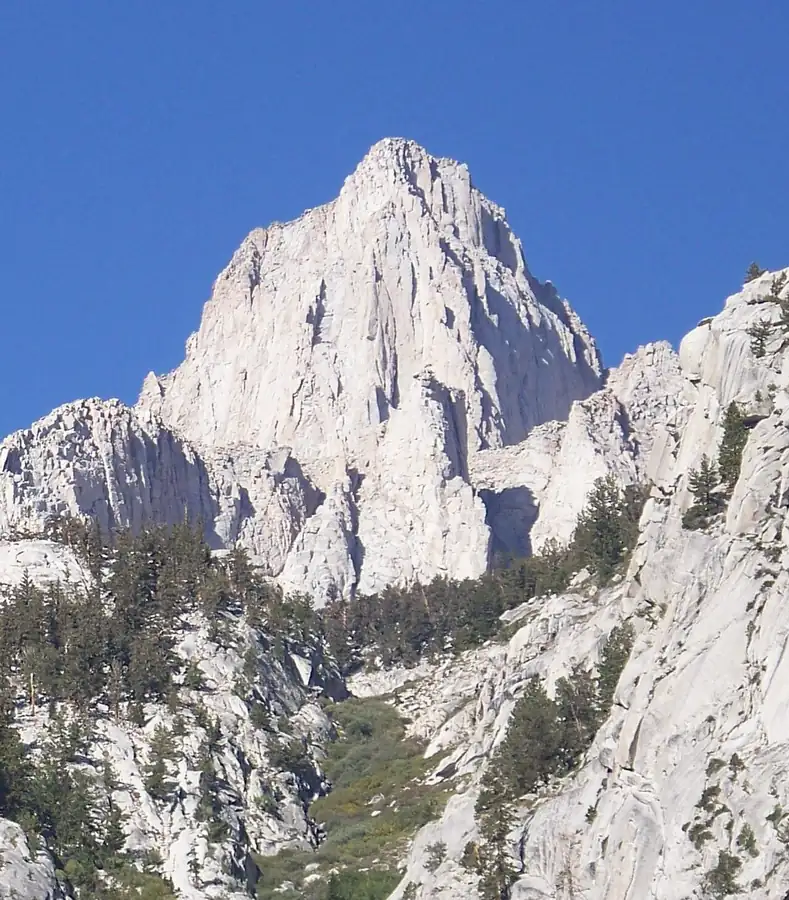
Mount Whitney Trail
The highest point in the lower 48, the JMT's southern terminus, and how to plan the strenuous climb and lottery permit.
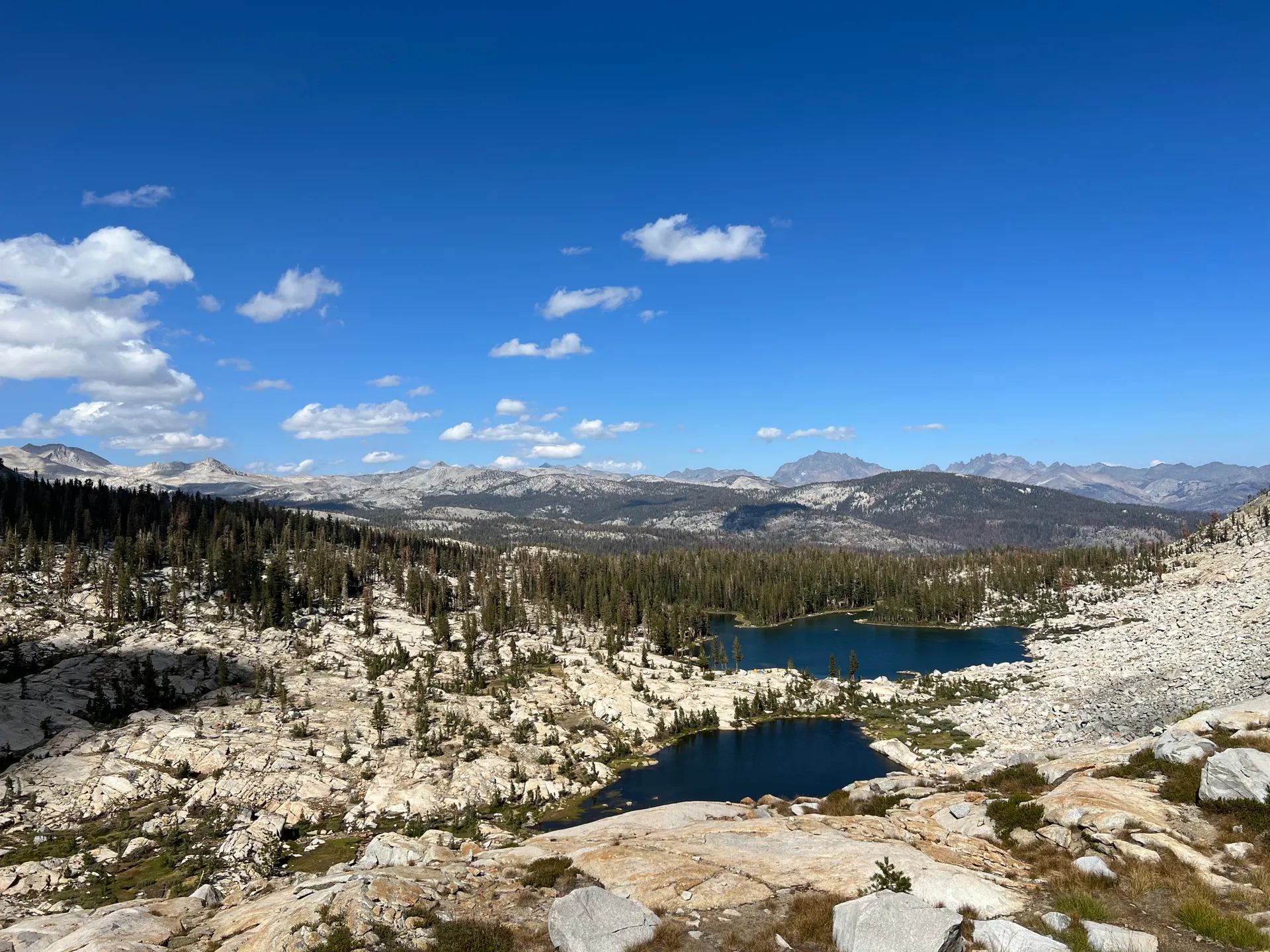
Kings Canyon Backpacking
Deep granite canyons, high passes, and the best backcountry loops in one of the wildest Sierra parks.
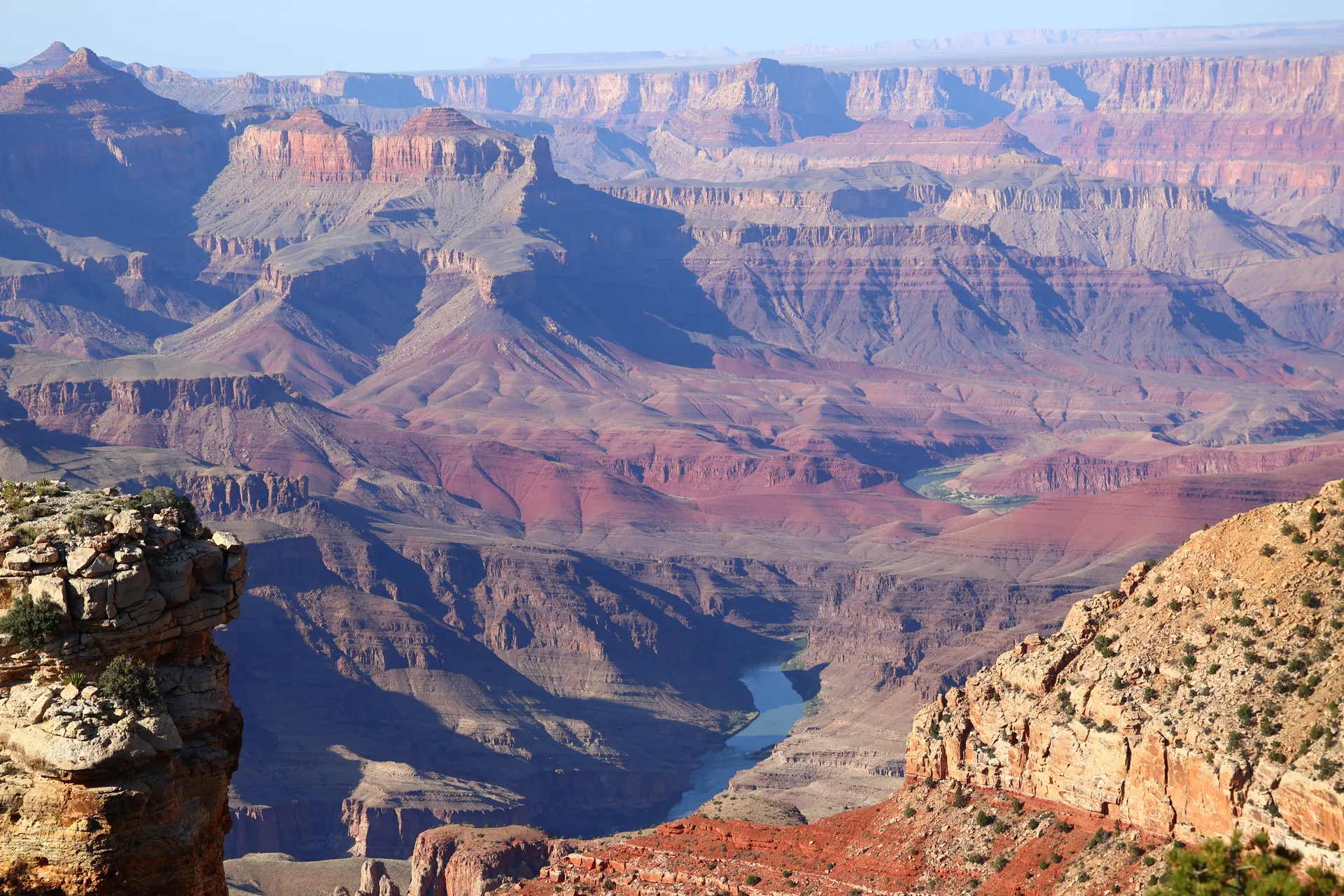
Grand Canyon Rim to Rim Weekend
The classic rim-to-rim crossing, permits and logistics, and how to do it in a long weekend.
What adventurers say about us.
All reviews are from verified guests. ★★★★★ 5.0 average from 20+ bookings.
"Felt like going out with a really knowledgeable friend who just happens to know everything about the area. No awkward tour-guide energy, just a magnificent day."
"Yulia is an incredible guide. She knew every trail, every viewpoint, and exactly how to pace the day for our group. The photos she took of us were stunning. 100% booking again."
"I was visiting Seattle solo and this was the best decision I made on the trip. Yulia picked me up, had snacks, and took us to a trail I never would have found on my own. Absolute must-do."
"We did this as a couple's trip and it was perfect. Yulia adapted everything to us, our pace, our interests, our photo obsession. The mountain views were unreal."
"Phenomenal experience. Yulia has deep local knowledge and a real passion for the outdoors. She went out of her way to show us the hidden gems tourists never see. Will remember this forever."
"I've done a few guided hikes and this was by far the best. Yulia is warm, funny, and genuinely expert. The trail she chose had the most insane wildflower bloom, we got so lucky."
Fees, reservation windows, shuttle dates and trail closures are planning estimates. Confirm hours, road status and any reservations with the land manager before you go.
What other travelers are saying
Be the first to leave a tip or question for the next traveler.
Was this helpful?
One tap. It goes straight to Yulia and Margarita.
You can't hike it if you can't get the permit.
The best hikes in America run on lotteries that open once a year and sell out in minutes. Every trail runs on its own calendar. Pick the ones you want and we do the watching.
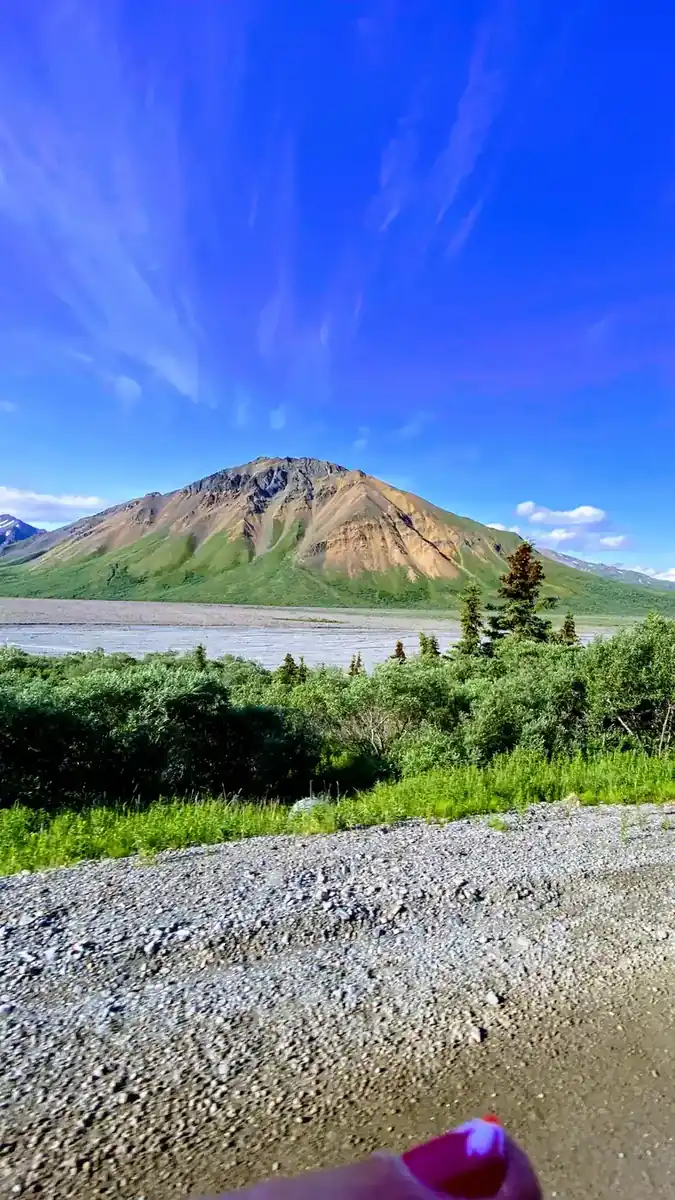 Denali Road LotteryDenali NP · AKActivityReservationfair odds
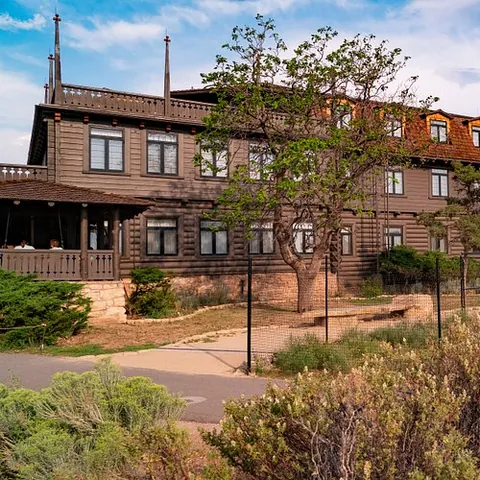 El Tovar HotelGrand Canyon South Rim · ArizonaLodgeReservationbrutal odds
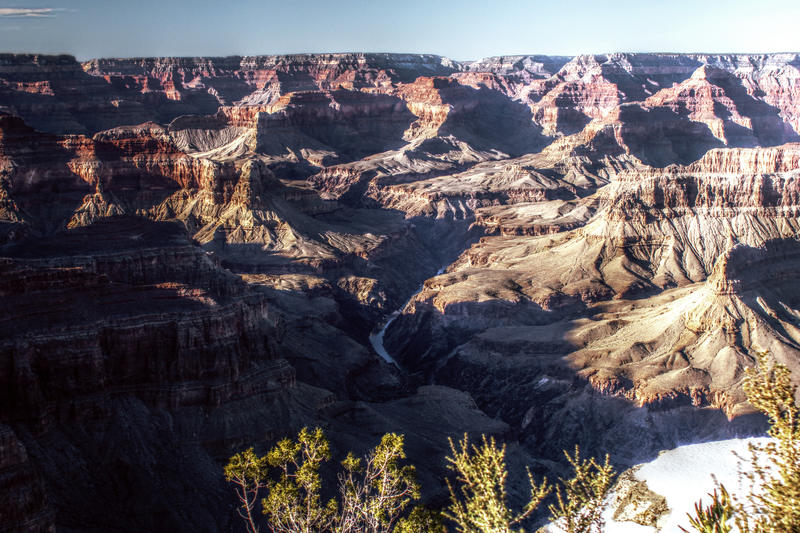 Grand Canyon BackcountryGrand Canyon NP · ArizonaBackcountryReservationfair odds
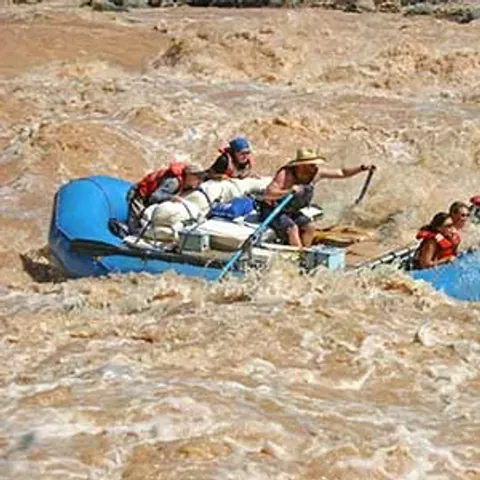 Grand Canyon raftingColorado River · ArizonaActivityLotterybrutal odds
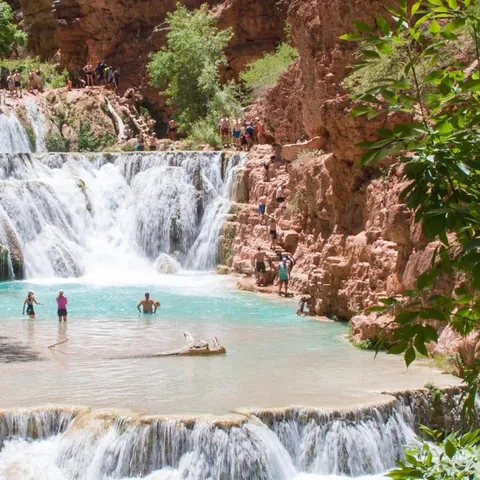 Havasu FallsHavasu Canyon · ArizonaLodgeReservationbrutal odds
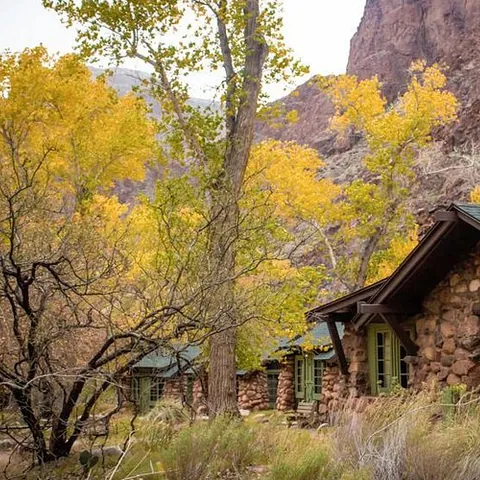 Phantom RanchGrand Canyon NP · ArizonaLodgeLotterybrutal odds
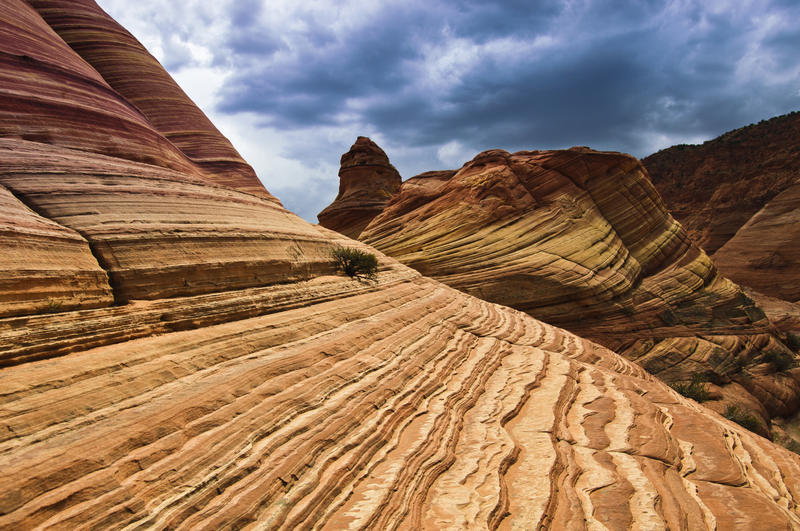 The WaveCoyote Buttes North · Arizona / UtahPermitLotterybrutal odds
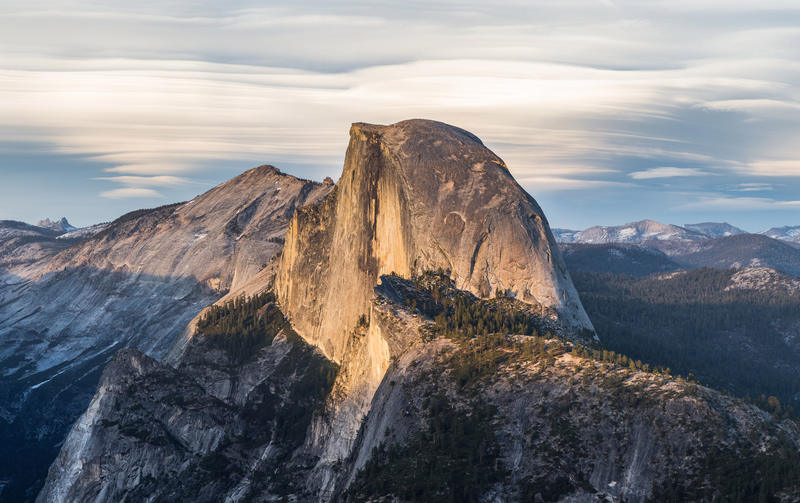 Half Dome CablesYosemite NP · CaliforniaPermitOpens Mar 1fair odds
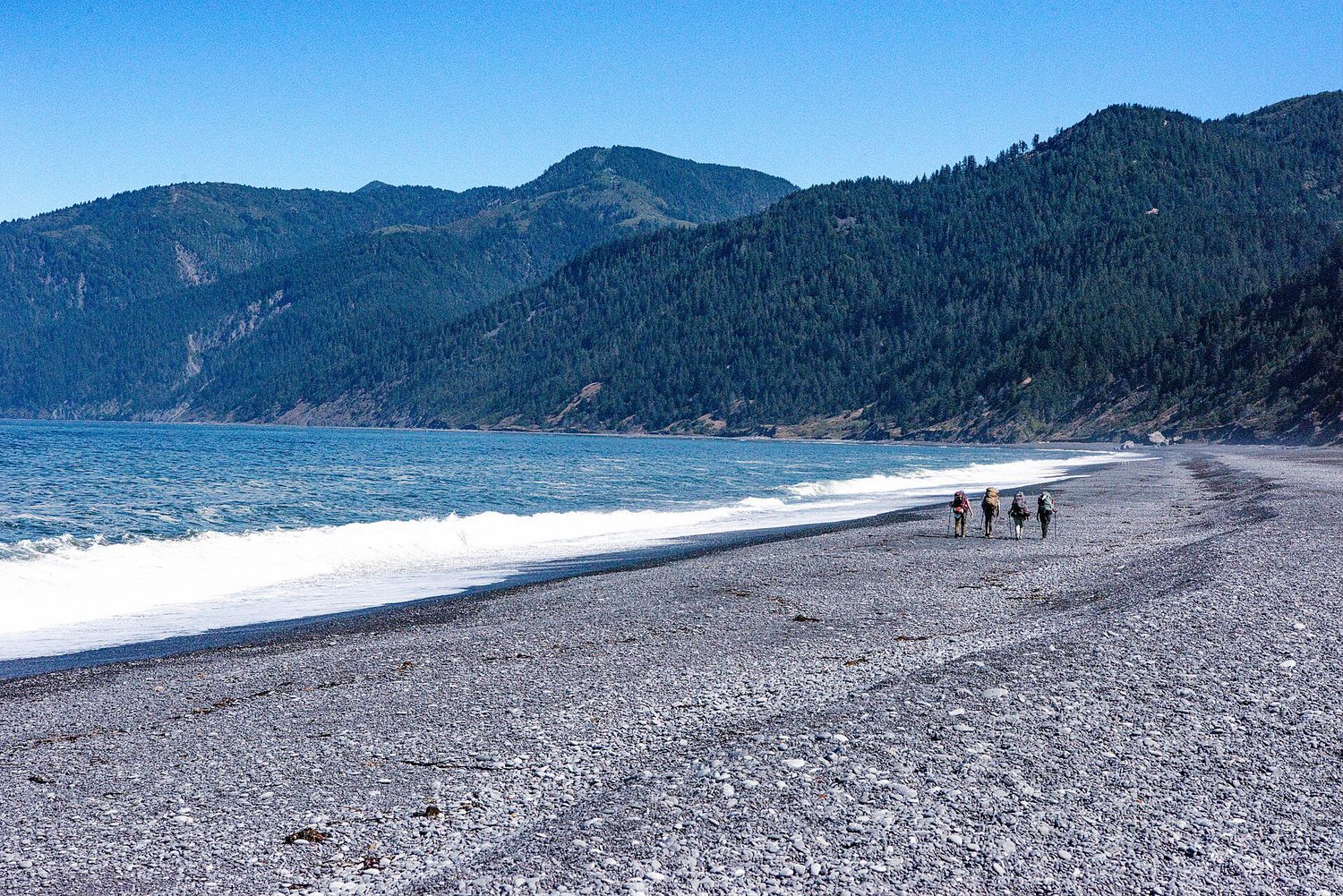 Lost Coast TrailKing Range NCA · CaliforniaBackcountryReservationtough odds
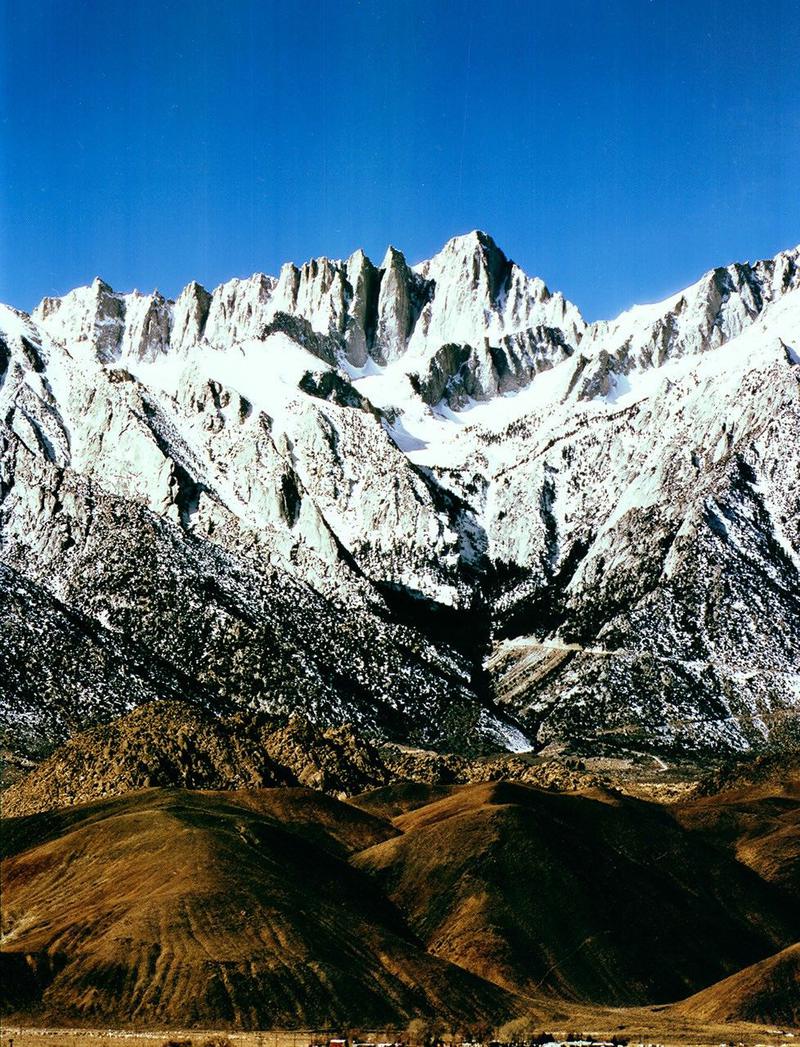 Mt. WhitneyInyo NF · CaliforniaPermitOpens Feb 1tough odds
- The Ahwahnee, YosemiteYosemite NP · CaliforniaLodgeReservationbrutal odds
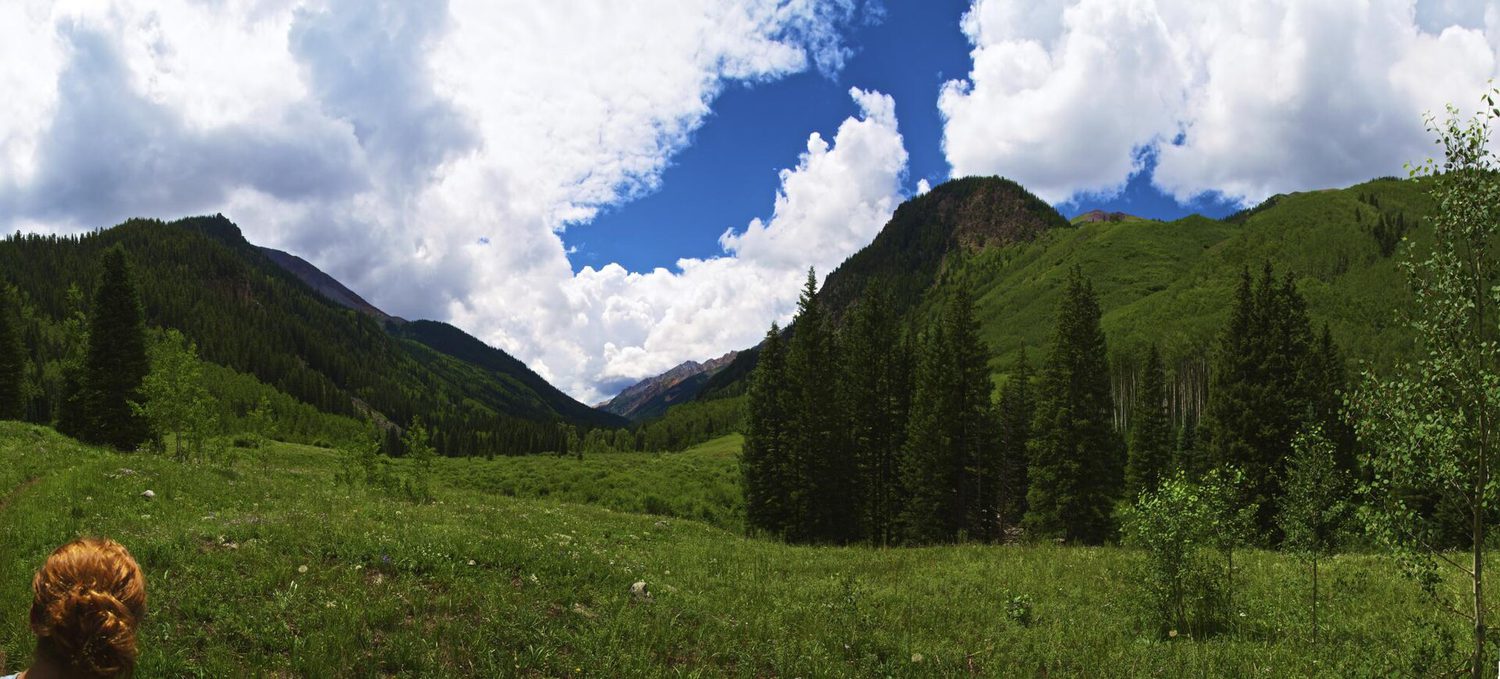 Conundrum Hot SpringsMaroon Bells-Snowmass · ColoradoBackcountryOpens Feb 15brutal odds
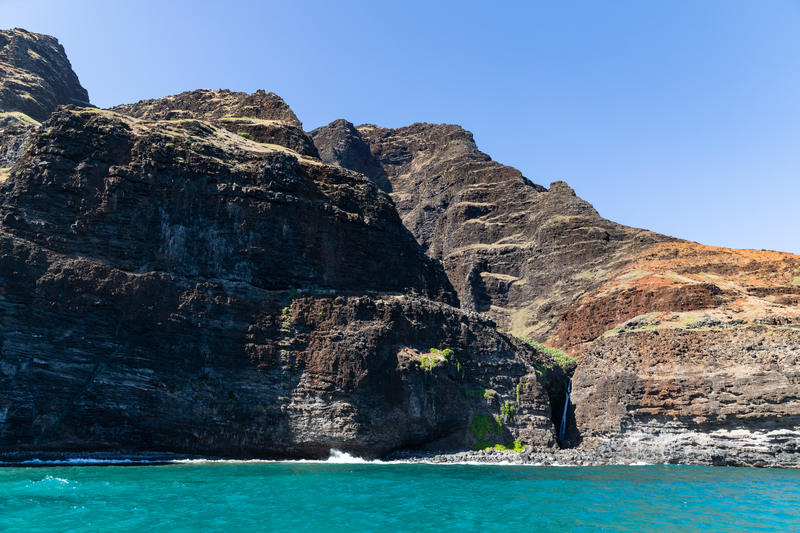 Kalalau TrailNa Pali Coast SWP · HIBackcountryReservationbrutal odds
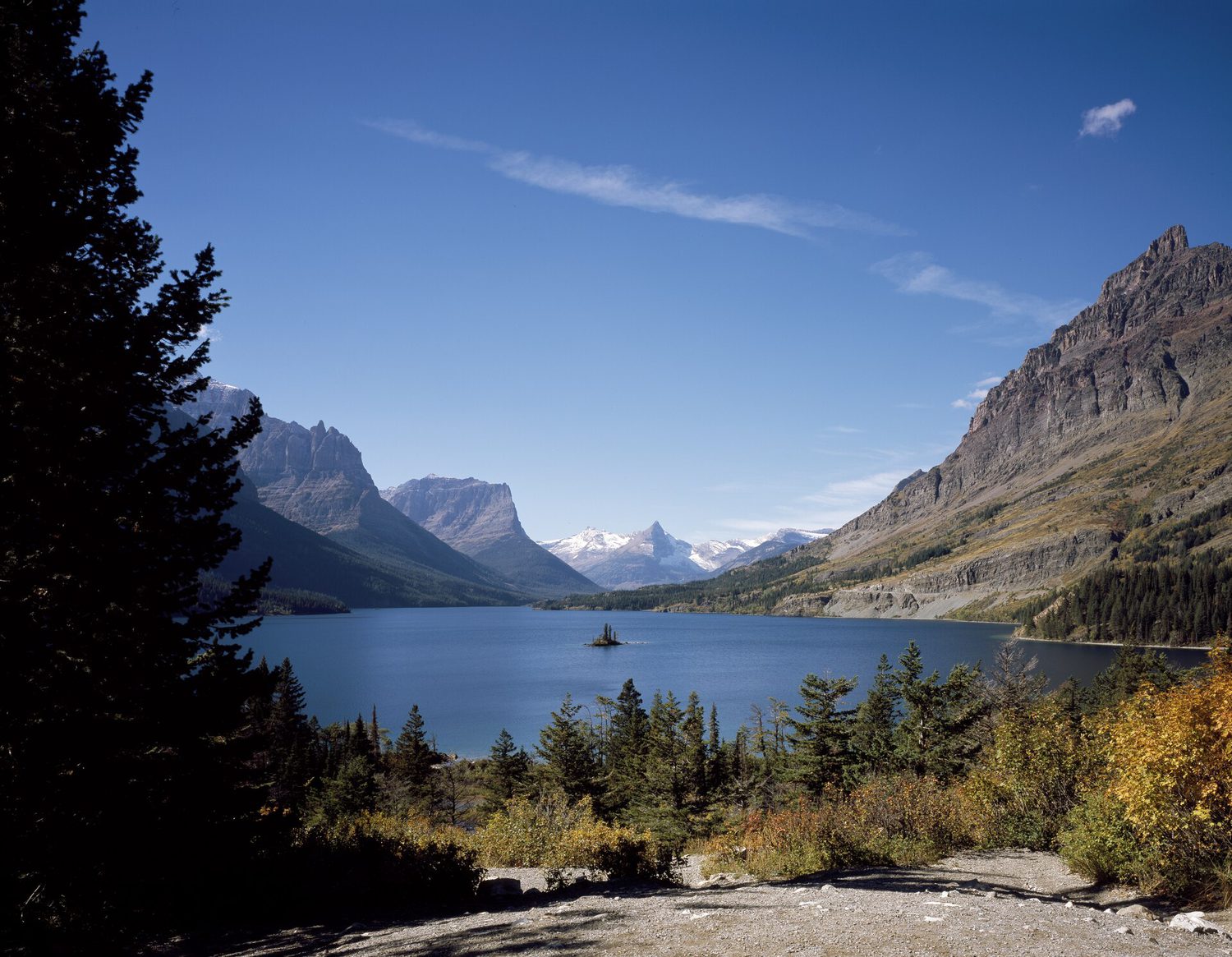 Glacier NP BackcountryGlacier NP · MontanaBackcountryLotterytough odds
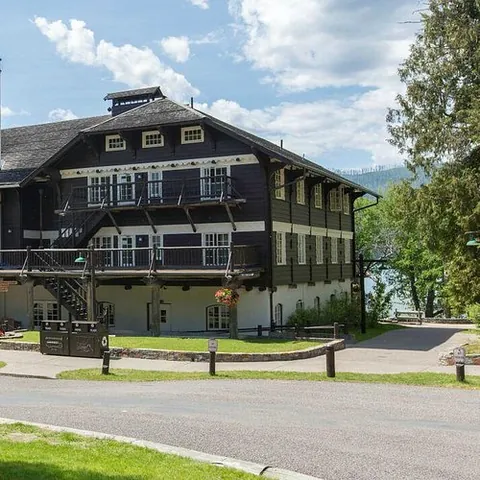 Lake McDonald LodgeGlacier NP · MontanaLodgeReservationbrutal odds
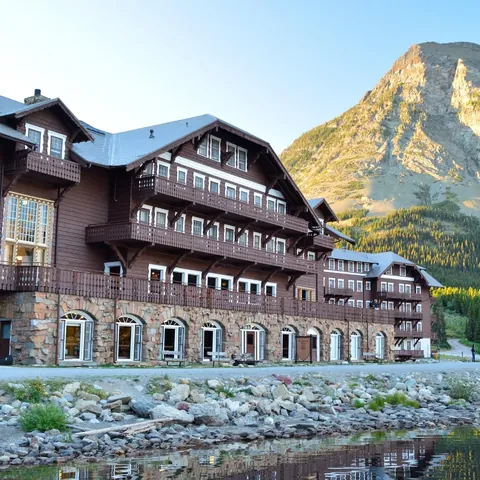 Many Glacier HotelGlacier NP · MontanaLodgeReservationbrutal odds
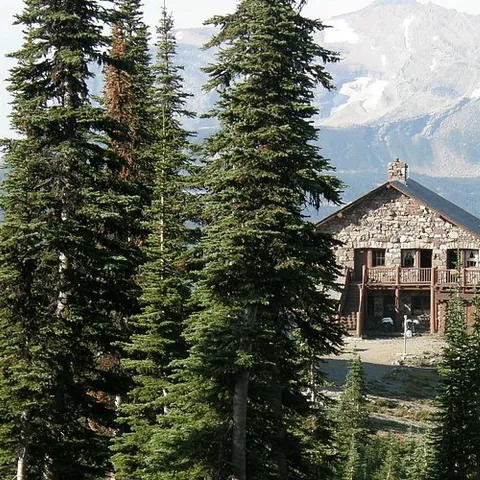 Sperry & Granite Park ChaletsGlacier NP · MontanaLodgeReservationbrutal odds
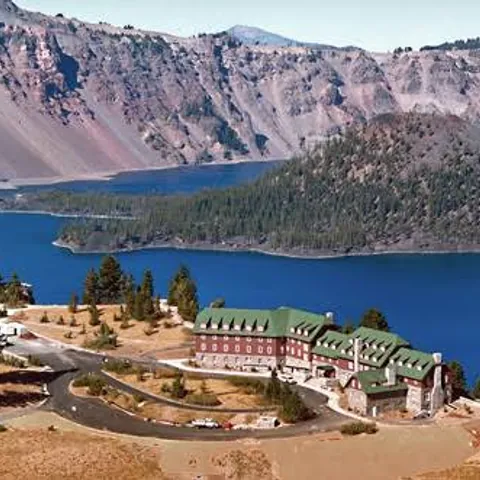 Crater Lake LodgeCrater Lake NP · ORLodgeReservationbrutal odds
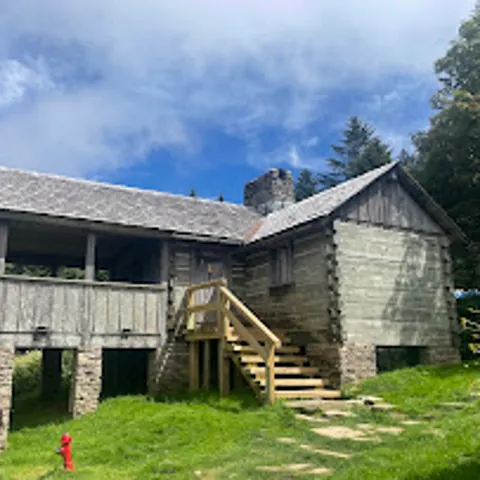 LeConte LodgeGreat Smoky Mountains NP · TNLodgeOpens Oct 1brutal odds
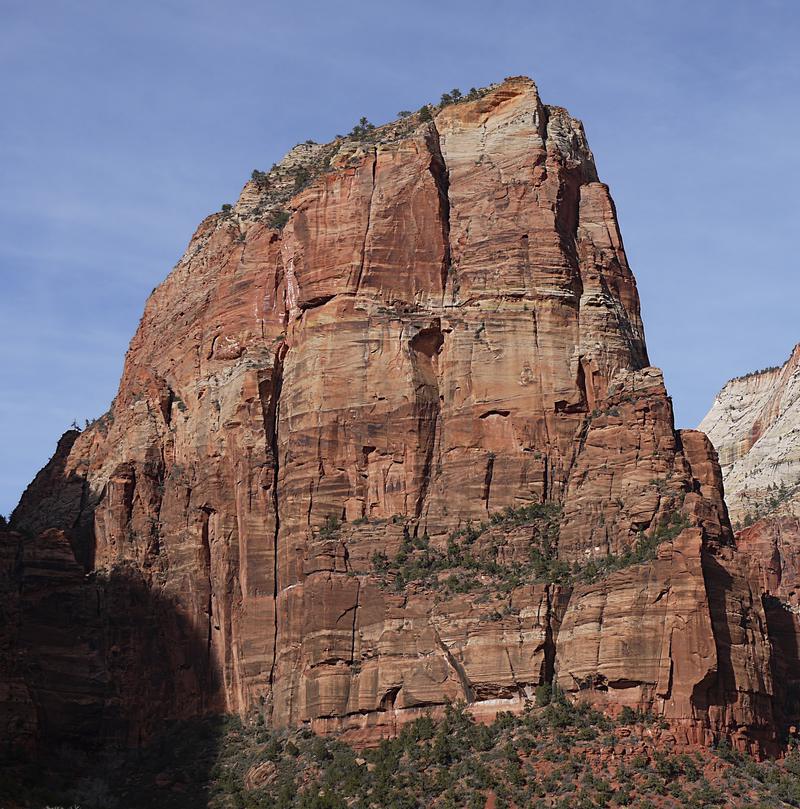 Angels LandingZion NP · UtahPermitLotterytough odds
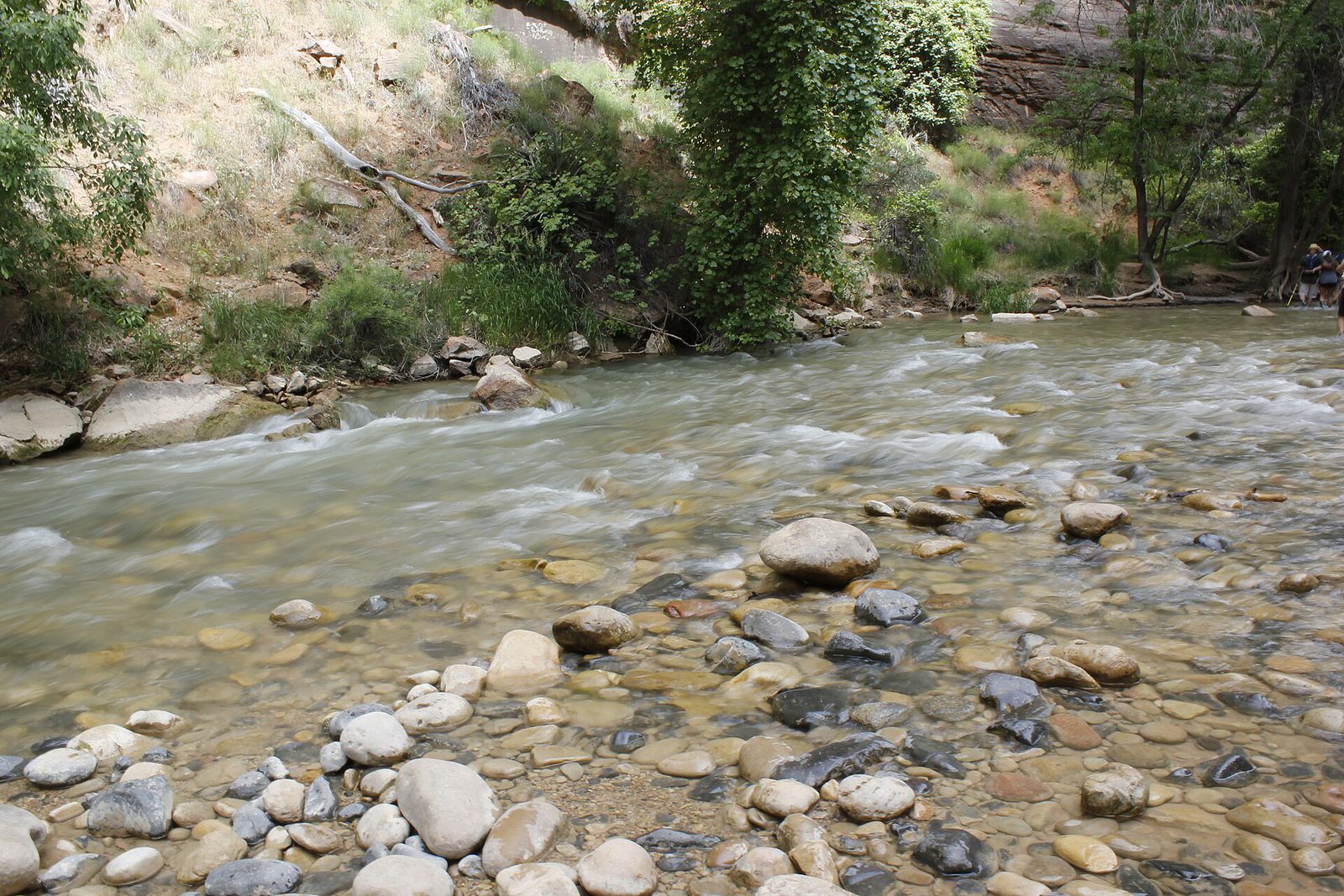 The Narrows Through-HikeZion NP · UtahBackcountryReservationtough odds
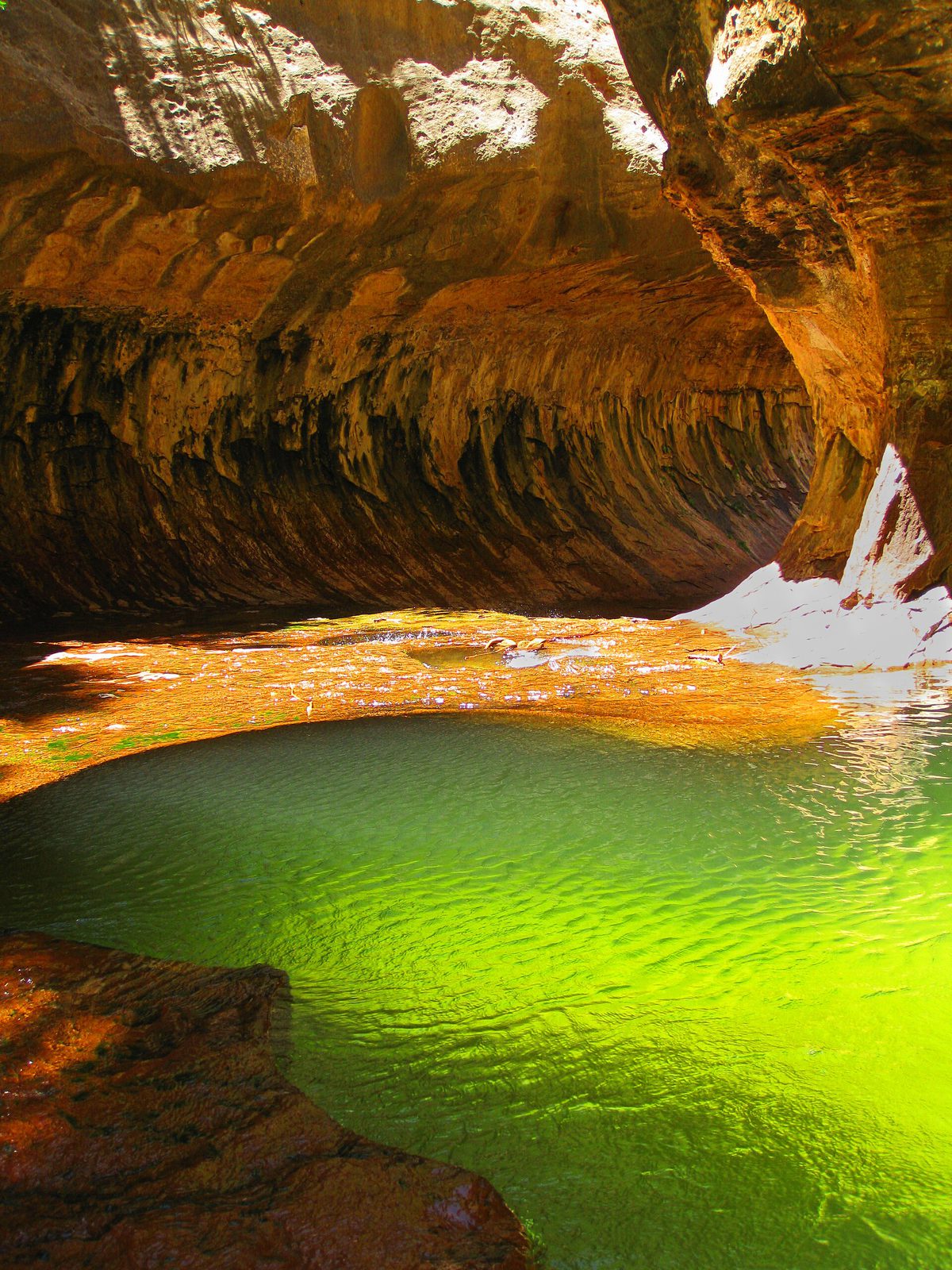 The SubwayZion NP · UtahPermitLotterytough odds
- Zion LodgeZion Canyon · UtahLodgeReservationbrutal odds
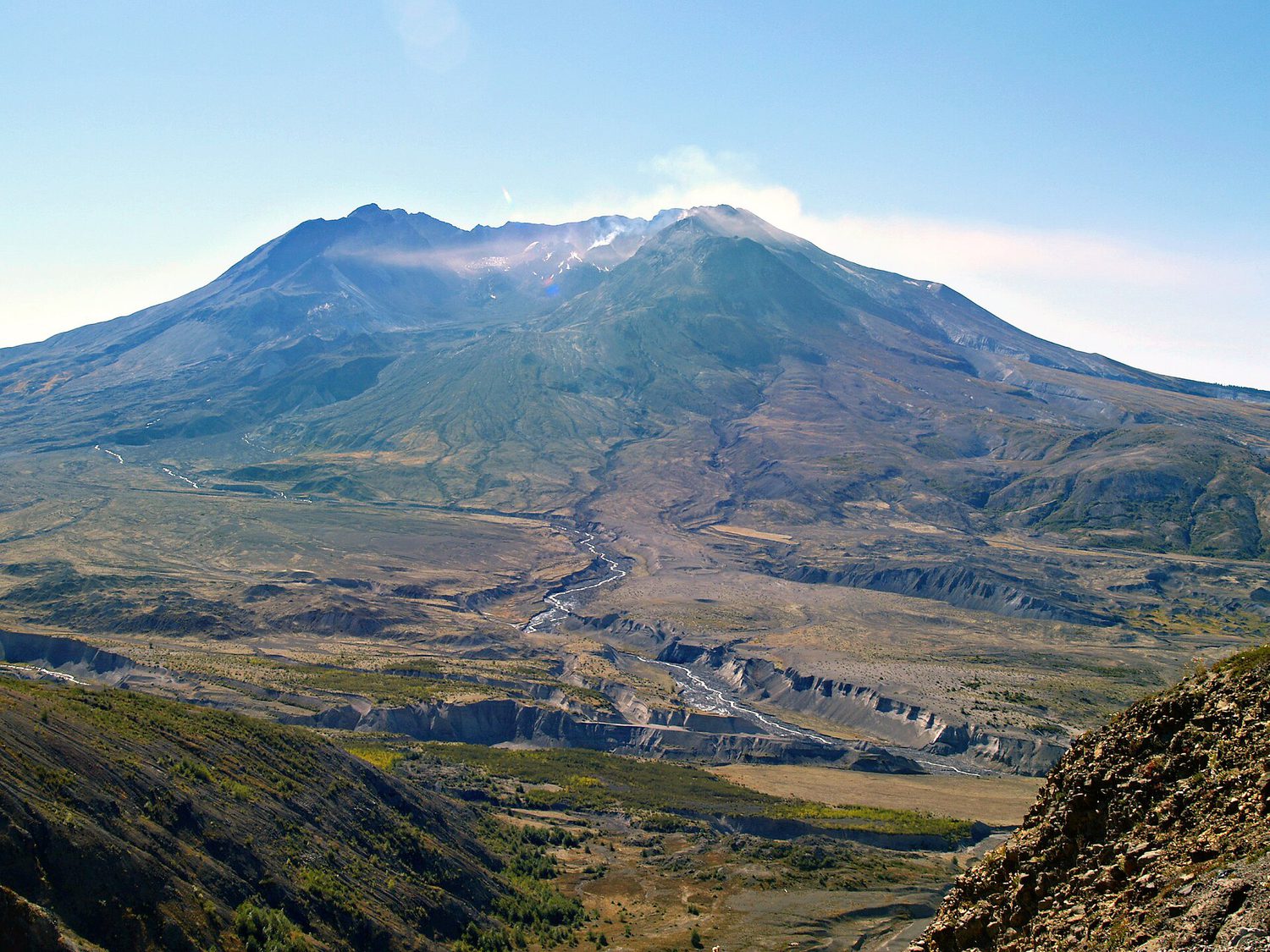 Mount St. Helens Summit ClimbGifford Pinchot NF · WashingtonPermitReservationtough odds
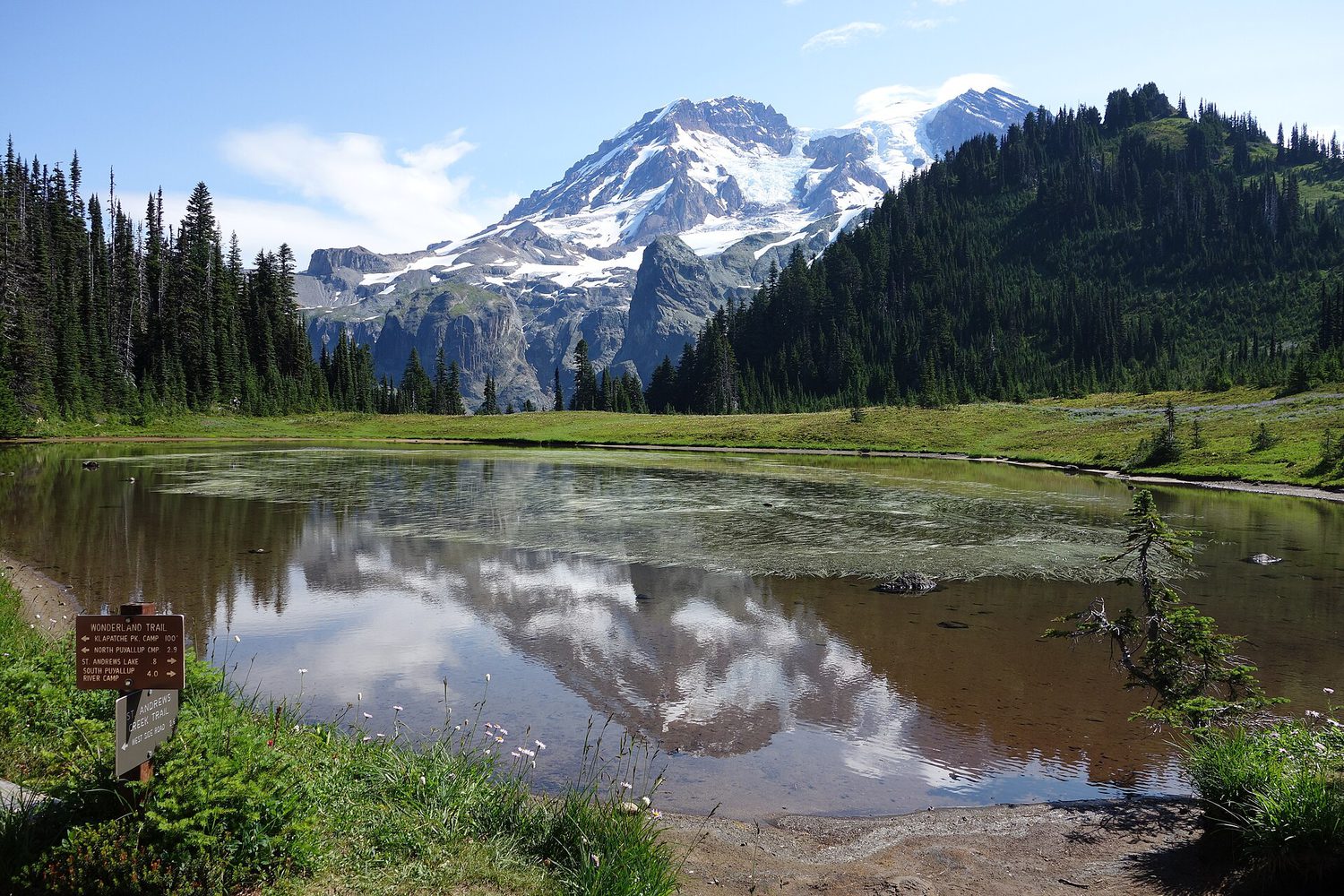 Paradise InnMount Rainier NP · WashingtonLodgeReservationbrutal odds
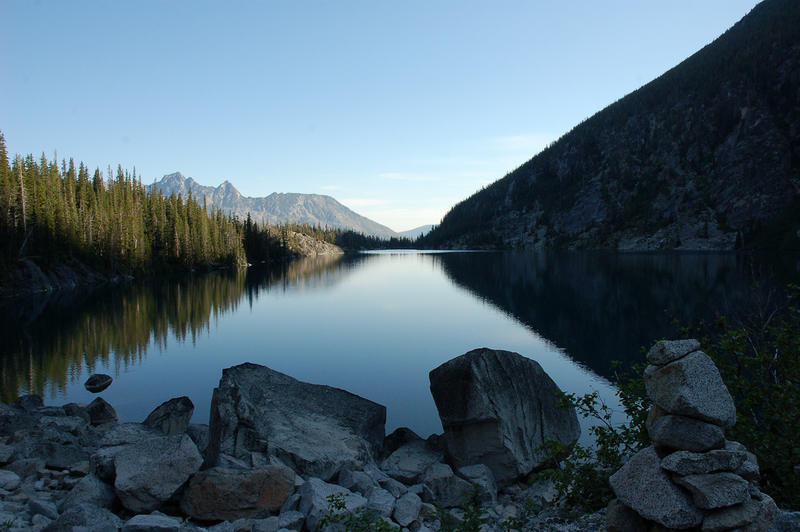 The EnchantmentsAlpine Lakes Wilderness · WashingtonBackcountryOpens Feb 15brutal odds
- Wonderland TrailMount Rainier NP · WashingtonBackcountryLotterybrutal odds
- Cougar Rock CampgroundWashington · WashingtonBackcountryOpens Jan 15tough odds
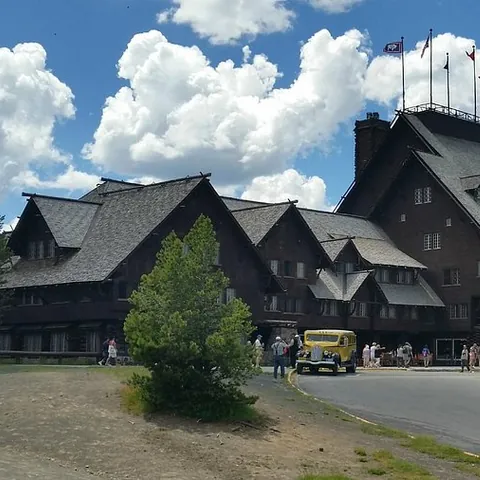 Old Faithful InnYellowstone NP · WYLodgeReservationbrutal odds
How it works
- An email the morning each window opens, never the day after.
- A 14-day heads-up so you can line up your group and dates.
- Win odds and a ranked backup plan for every trail you pick.
Didn't win? We keep watching. We check recreation.gov every day for The Enchantments, Half Dome and Angels Landing, and email you the moment a sold-out date frees up. Cancellations are the second chance most people never hear about.
“I’ve requested to book a Chain Lakes Loop guide on ExplorOFF, and it was the best idea ever! I highly recommend going with their guided option since you get a real human connection on the trail and don’t have to worry about a thing. Yulia was great to talk to!”